Bioactive Insights: Exploring the Chemical and Pharmacological Landscape of Indocalamus latifolius
 and Viral Patel2
 1Department of Pharmacology, School of Pharmacy and Technology Management, SVKM’s Narsee Monjee Institute of Management Studies (NMIMS) Deemed-to-be-University, Indore, M.P., India.
2Department of Pharmaceutics, Ramanbhai Patel College of Pharmacy, Charotar University of Science and Technology (CHARUSAT), Changa, Anand, Gujarat, India.
Corresponding Author E-mail:mithun.sgsits@gmail.com
DOI : http://dx.doi.org/10.13005/bpj/3418
Download this article as:

Since the beginning of human civilization, plants have produced a wide variety of phytochemicals, many of which have been utilised by humans for their therapeutic benefits. A popular evergreen bamboo variety in eastern Asia, especially China, is Indocalamus latifolius. Numerous types of chemical compounds and secondary metabolites, including flavonoids, essential oils, polysaccharides, heavy metals, and others, were found in Indocalamus latifolius after its ingredients were isolated and characterised. Young Indocalamus latifolius leaves are used in Chinese tea, and they are also used for their antibacterial and antioxidant property.Synthetic drugs and chemicals are now commonly employed to treat and prevent various ailments due to the discovery of powerful and effective molecules. However, the emergence of potential side effects, the decline in the effectiveness and safety of synthetic drugs, and the hunt for novel compounds to combat the emergence of incurable diseases by conventional drugcandidates have rekindled interest in the investigation of phytochemicals as a synthetic compounds substitute. This review gives an overview of the isolated phytoconstituents of Indocalamus latifolius and the pharmacological properties of some major groups of phytochemicals, despite the fact that many studies on the effectiveness of plant phytochemicals as drugs have been carried out in vitro and in vivo in recent years. This review will also cover the gap between present knowledge and commercialization of Indocalamus latifolius.
KEYWORDS:Bamboo; Indocalamus latifolius; Pharmacological Activities; Phytoconstituents; Traditional value
Introduction
Since ancient times, bamboos have been utilised as some of the most valuable plants on Earth.1,2They belong to the Bambusodeae family of perennial herbs, or Poaceae. The bulk of the about twelve hundred cultivars in the seventy genera that exist now grow in tropical and subtropical climates, such as the provinces south of China, India, Thailand, Mexico, and Brazil.3 Estimatedfifty percent of all bamboos are found growing in China.4They are easy to manage after planting, have large yields, rapid growth rates, and a high capacity for reproduction. One of the bamboo genera that has been utilised for ages is Indocalamus; this is due to its useful leaves, long-lasting scent, and health-promoting qualities.Indocalamus has many uses; its culms are used to manufacture broom handles, bamboo chopsticks, and pen culms. In the Yangtze Riverbasin of China, Indocalamus latifolius is widely dispersed, particularly in the southern states.5It have its places to the Bambusoideae family’s Indocalamus specie and grows into a bush or small shrubby having an intricate underground stalk resembling an axis.Geng and Wang (1996) describe the leaves of this plant as oblong-lanceolate, measuring 10-45 cm in length and 2-9 cm in breadth. It is found in valleys, forests, and hillsides naturally.6
They are commonly used as packaging materials for “Zongzi,” a type of traditional Chinese delicacy, during the annual Chinese Dragon Boat Festival because of its broad leaves.7The nutritious health beverage, Indocalamus wine, and a polysaccharide beverage created from the plant’s selenium-rich leaves can all be made from the Indocalamus latifolius plant. Additionally, wine has been made using different raw materials and leaves of Indocalamus latifolius.8 Furthermore, significant chemicals including fungicides, chlorophyll, and food preservatives could be recovered from them.9 Leaf powder that has been processed through separation, purification, and recrystallization can be added to food. Drinks containing them have the potential to reduce blood pressure, fend off weariness, and modulate immunity. In traditional Chinese medicine, numerous herbs have been used widely for their various pharmacological properties.10Young Indocalamus latifolius leaves have been used in China for tea for a very long time due to their anti-oxidant, antibacterial and preservative properties.11Additionally, research has shown that these leaves have anti-inflammatory, haemostatic, heat-clearing, and detoxifying qualities.12 This species is related to Indocalamus nakai, whose extracts from the leaves have been shown to contain polysaccharides,13,14 metal elements15, flavonoids,16,17and volatile components.18 Additionally, the extracts have been shown to have antibacterial, anticancer, antitumor, and anti-aging properties.19,20
There aren’t enough timely attempts being made to update the accurate data regarding Indocalamus latifolius. An overview of the pharmacological and chemical characteristics of Indocalamus latifolius is given in this review. Included is the discrepancy between current understanding and the natural medicine industry’s approach to selling Indocalamus latifolius.
When searching for scientific sources for this review, studies are included if they specifically investigate Indocalamus latifolius or report clearly distinguishable data on this species within comparative bamboo studies. Eligible sources consist of peer-reviewed original research articles, systematic or narrative reviews, short communications, and authoritative book chapters that focus on the phytochemical composition, isolation, identification, and characterization of bioactive compounds as well as studies evaluating pharmacological properties. Both in vitro and in vivo experimental studies employing validated analytical and pharmacological methods are considered, along with toxicological or safety evaluations relevant to medicinal, nutraceutical or functional food applications. Articles published in English, and where relevant Chinese-language publications with accessible English abstracts, are included, with priority given to recent literature while not excluding older foundational studies. Research discussing traditional or ethnomedicinal uses of Indocalamus latifolius is also included when supported by chemical or pharmacological evidence, as are studies addressing bioavailability, mechanisms of action, commercialization potential, or gaps between experimental research and industrial application.
Sources are excluded if they focus on other bamboo species or genera without explicit data on Indocalamus latifolius, or if they are general bamboo reviews lacking species-specific information. Non-peer-reviewed materials such as unpublished reports, popular articles, or web-based sources are excluded. Studies dealing solely with ecology, forestry, cultivation practices, biomass production, or taxonomy without relevance to phytochemistry or pharmacology are omitted, as are articles with insufficient methodological detail, unverified therapeutic claims, redundant datasets, or ethical concerns.
Phytochemicals from Indocalamus latifolius
For thousands of years, the Chinese have eaten rice dumplings at the Dragon Boat Festival. Rice dumplings are also a popular festival snack among the general public.7An extensive assortment of rice dumpling leaves are essential ingredients for preparing this festive dish. Among them, Indocalamus leaves are used to make rice dumplings due to their large, broad leaf blades and unique aroma.21It was shown that the volatile ingredients in fresh Indocalamus emeiensis leaves were connected to its aroma.22 One of the most popular ingredients for manufacturing rice dumplings is the dried leaves of the Indocalamus latifolius plant; only the volatile parts of the leaves have been discovered.22,23Using steam distillation, the essential oils of the Indocalamus latifolius leaf were extracted. Ether has been utilized as a solvent for volatile chemical extraction on a regular basis. The volatile compounds present in Indocalamus latifolius leaves were investigated using gas chromatography-mass spectrometry (GC-MS). According to the findings, from the leaves of Indocalamus, 37 compounds were discovered in the extracted essential oils, withfuran, 2-ethyl-; 3-buten-2-one, 4-(2,6, 6-trimethyl-1-cyclohexen-1-yl), hexanal, benzyl alcohol, 3-hexen-1-ol and 1-hexanol.The utmost prevalent component in the essential oils isolated from the leaves of Indocalamus was 3-hexen-1-ol. The oil contained ester, phenol, alcohol, ketone, and aldehyde. In comparison to other components, the levels of alcohols, aldehydes, and ketones were found to be higher in the essential oil.22
Nonetheless, rice dumplings are frequently wrapped in fresh leaves. Thus, once fresh Indocalamus latifolius leaves were collected, their volatile components were examined.21Utilising GC-MSin conjunction with the headspace solid-phase microextraction method (HS-SPME), volatile components from fresh Indocalamus latifolius leaves were analysed. Zhang et al.21identified thirty-eight volatile constituents of fresh leaves of Indocalamus latifolius. The most prevalent chemicals were 2-ethylfuran, 1-hexanol, 2-hexenal, cis-3-hexenol, 1-penten-3-ol and hexanal.21
Moreover, simultaneous distillation and extraction were used to extract the volatile constituents from leaves of Indocalamus latifolius, and GC-MS analysis was performed.Sixty-four of the eighty-six total components were found to account for more than eighty percent of the volatile oil’s peak area. Amid them, the chief components were cedrol, hexadecanoic acid, pinane, 6,10,14-trimethyl-2-pentadecanone, benzene acetaldehyde, anethole, bis(2-ethylhexyl) phthalate, oleic acid, isophytol, 2-methoxy-4-vinylphenol, 2-hexenal, nonanal, octadecanal, phytol, 1-methoxy-4-(2-propenyl)-benzene, ionone, 4-(2,6,6-trimethyl-2-cyclohexen-1-yl)-2-butanone, 3-(2-hydroxyphenyl)-2-propenoic acid, 5,6,7,7a,-tetrahydro-4,4,7a-trimethyl-2(4H)-benzofuranone and 2,6,6-trimethyl-1-cyclohexene-1-ethanol.18
A method that is easy to use, accurate, efficient, and inexpensive was developed to analyse the flavonoids from Indocalamus latifolius both qualitatively and quantitatively. As marker flavonoids, six flavonoids—tricin, vitexin, isoorientin, orientin, isovitexin, and quercetin—were chosen. Different ratios of solvents were utilised as the mobile phase in the multistage development, which was carried out using Automated Multiple Development (AMD2). Thin layer chromatography (TLC) was used to scan the produced plates. The procedure’s precision, selectivity, accuracy and repeatability were verified using coefficient of variation-based metrics. The dried leaves contained amounts of the flavonoids viz. isoorientin, orientin, isovitexin, vitexin, quercetin, and tricin ranging from 0.11 to 0.40%; these would be more advantageous for obtaining the natural flavonoids present in bamboo. Using gradient column chromatography, novel compounds (7S,8R) syringylglycerol-8-O-4′-sinapyl ether 4-O-β-D-glucopyranoside, (7R,8S) syringylglycerol-8-O-4′-sinapyl ether 7-O-β-D-glucopyranoside, (7S,8S) syringylglycerol-8-O-4′-sinapyl ether 7-O-β-D-glucopyranoside and latifoliusine A were extractedfrom Indocalamus latifoliusleaves. The structures and relative configurations of the compounds were ascertained through a variety of techniques, including nuclear overhauser enhancement (NOE), circular dichroism (CD), high-resolution electrospray ionisation mass spectroscopy (HRESIMS), heteronuclear single quantum correlation (HSQC), and heteronuclear multiple bond correlation (HMBC).12
Furthermore, from the ethanolic extract (95%) of the leaves ofIndocalamus latifolius, two novel compounds have been isolated: indocalatin A and erythro-syringylglycerol-9-O-trans-4-hydroxycinnamate 7-O-β-d-glucopyranoside. Through the analysis ofNMR data, CD, HRESIMS, UV, and IR data, their molecular structures were ascertained.24
The efficiency of supercritical CO2 (SC-CO2) extraction in raising the rate, purity, and antioxidant activity of terpenoids isolated from Indocalamus latifolius leaves has been studied. After qualitative and quantitative examinations of crude extracts from leaves,GC-MS revealed friedelin, neophytadiene, squalene, phytol, β-amyrone and β-sitosterol, and as the main terpenoid ingredients. Furthermore, the Indocalamus latifolius leaf terpenoids extraction rate, purity, and antioxidant activity of SC-CO2was superior to those of steam distillation extraction (SD), ultra-high pressure-assisted n-hexane extraction (UHPE-Hex), simultaneous distillation extraction (SDE), ultrasound-assisted ethanol extraction (UE-EtOH), and ultra-high pressure assisted ethanol extraction (UHPE-EtOH). Six triterpenoids have been isolated and this resulted in an increase in purity of the isolated compounds from twelve percent to ninety-three percent.25 (Table 1).
The leaves of Indocalamus latifolius provide a chemically rich and functionally important plant material, especially esteemed in traditional culinary techniques like rice dumpling production. Comprehensive analyses employing sophisticated techniques such as GC–MS, HS-SPME, TLC and various spectroscopic methods have revealed that the leaves possess a wide variety of volatile compounds that contribute to their distinctive aroma, predominantly including alcohols, aldehydes, ketones, terpenoids and phenolic derivatives. Significantly, variations in volatile profiles between fresh and dried leaves underscore the impact of processing and collection conditions on chemical composition. In addition to volatile components, Indocalamus latifolius leaves serve as a significant source of bioactive flavonoids, lignan glycosides and new phenylpropanoid derivatives, several of which have been structurally characterized and measured with high precision. Moreover, the utilization of new extraction techniques, especially supercritical CO₂ extraction, has significantly enhanced the yield, purity, and antioxidant capacity of terpenoids relative to traditional methods. These findings highlight the phytochemical complexity of Indocalamus latifolius leaves and establish a strong scientific foundation for their traditional use, as well as their potential as a source of natural flavoring agents, antioxidants, and pharmacologically significant bioactive compounds.
Table 1: Details of Novel phytoconstituents Isolated from Indocalamus latifolius.
| Part of Indocalamus latifolius | Separation and purification methods | Structural elucidation methods | Phytochemicals isolated | Reference |
| Essential oils | ||||
| Leaves | Steam distillation | GC-MS | 3-hexen-1-ol, 1-hexanol, benzyl alcohol, hexanal, furan, 2-ethyl-; 3-buten-2-one, 4-(2,6, 6-trimethyl-1-cyclohexen-1-yl) | 22 |
| Leaves | HS-SPME | GC-MS | cis-3-hexenol, 2-hexenal, 1-hexanol, 2-ethylfuran, 1-penten-3-ol and hexanal | 21 |
| Leaves | Simultaneous distillation and extraction | GC-MS | 6,10,14-trimethyl-2-pentadecanone, benzene acetaldehyde, anethole, bis(2-ethylhexyl)phthalate, oleic acid, isophytol, 2-methoxy-4-vinylphenol, 2-hexenal, nonanal, octadecanal, phytol, 1-methoxy-4-(2-propenyl)-benzene, ionone, 4-(2,6,6-trimethyl-2-cyclohexen-1-yl)-2-butanone, 3-(2-hydroxyphenyl)-2-propenoic acid, 5,6,7,7a,-tetrahydro-4,4,7a-trimethyl-2(4H)-benzofuranone, 2,6,6-trimethyl-1-cyclohexene-1-ethanol | 18 |
| Flavonoids | ||||
| Leaves | HPTLC | AMD2 | Isoorientin, orientin, isovitexin, vitexin, quercetin and tricin | 17 |
| Terpenoids | ||||
| Leaves | SC-CO2 | GC-MS | Friedelin, β-amyrone, Neophytadiene, squalene,phytol and β-sitosterol | 25 |
| Others | ||||
| Leaves | Gradient column chromatography | NOE, CD, HRESIMS, HSQC, HMBC | (7S,8R) syringylglycerol-8-O-4′-sinapyl ether 4-O-β-D-glucopyranoside, (7R,8S) syringylglycerol-8-O-4′-sinapyl ether 7-O-β-D-glucopyranoside, (7S,8S) syringylglycerol-8-O-4′-sinapyl ether 7-O-β-D-glucopyranoside, latifoliusine A | 12 |
| Leaves | Ethanolic extraction with successive elution and HPLC | UV, IR, HRESIMS, CD, and NMR | Indocalatin A and erythro-syringylglycerol-9-O-trans-4-hydroxycinnamate 7-O-β-d-glucopyranoside. | 24 |
| Leaves | Silica column chromatography and gel chromatography | NMR MS, UV | Quercetin-3-O-glucopyranoside, isovitexin, luteolin-6-C-glucopyranoside, vitexin, fernenol, orientin, tricin-7-O-beta-D-glucopyranoside, homoorientin, tricin, vanillic acid, friedelin, chlorogenic acid, ferulic acid and caffeic acid | 26 |
| Whole plant | Column chromatography and RP-HPLC | – | Quercetin-3-O-glucopyranoside, vitexin, tricin-7-O-β-D-glucopyranoside, orientin, tricin, homoorientin, and isovitexin | 27 |
AMD2: automated multiple development; CD: circular dichroism; GC-MS: gas chromatography-mass spectrometry; HMB: heteronuclear multiple bond correlation; HPLC: high performance liquid chromatography;HPTLC: high performance thin layer chromatography; HRESIM: high-resolution electrospray ionisation mass spectroscopy;HSQC: heteronuclear single quantum correlation; HS-SPM: headspace solid-phase microextraction method; IR: infra-red spectroscopy; NMR: nuclear magnetic resonance spectroscopy; NO: nuclear overhauser enhancement; UV: UV-visible spectroscopy; SC-CO2: supercritical carbon-di-oxide.
Pharmacological Studies of Indocalamus latifolius
Bamboo species have shown to exert antimicrobial and larvicidal action.28,29Renowned Chinese cuisine, Zongzi, is thought to have been around for over two millennia and is also well-liked throughout Asia. It was made of sticky rice and was covered in the wide, flat leaves of Indocalamus latifolius. Zongzi has a lengthy shelf life and has been valued for it since antiquity.12 The identification of the antibacterial compounds present in Indocalamus latifolius leaves is crucial to comprehending the extended shelf life of Zongzi and exploring the potential of the leaves as a natural, healthy, and environmentally friendly substitute packaging material for other applications. Sun et al.12employed gradient column chromatography to separate new compounds from the leaves of Indocalamus latifolius.The antibacterial properties of each isolated chemical were examined in vitro. The findings showed that two apigenins, 6-C-α-Larabinopyranosyl-8-C-β-D-glucopyranoside and 7-O,8-C-di-glucopyranoside, exhibited antibacterial properties against four different bacterial strains: Staphylococcus aureus, Pseudomonas solanacearum, Escherichia coli and Bacillus thuringiensis.12
Researchers looked at how well SC-CO2 extraction worked to increase the terpenoids’ extraction rate, purity, and antioxidant activity from the leaves of Indocalamus latifolius.25 After undergoing qualitative and quantitative studies, the crude extracts from the SC-CO2 extraction of Indocalamus latifolius leaves were found to include the principal terpenoid elements friedelin, neophytadiene, squalene, phytol, β-amyrone, and β-sitosterol. These substances showed cytotoxicity (IC50 value: 148.93 ± 9.93 μg/mL) against HepG2 cells.25
Moreover, there was a decrease in malondialdehyde (MDA) and levels of reactive oxygen species (ROS) when terpenoids’ quantities rose, suggesting that the cells’ antioxidant status had improved.25
The whole flavonoid content of Indocalamus latifolius was evaluated for its hepatoprotective and anti-oxidant potency. According to the findings, total flavonoids at various doses had in vitro hepatoprotective and antioxidant properties comparable to those of silymarin, a medication that is known to have hepatoprotective properties. Rat liver segment histological investigations were added to these findings. Six of the primary flavonoid compounds—quercetin-3-O-glucopyranoside, vitexin, tricin-7-O-β-D-glucopyranoside, orientin, tricin, homoorientin, and isovitexin—were isolated by column chromatography employing silica gel, sephadex LH-20, and develosil ODS27(Table 2). A complete overview of various aspects of Indocalamus latifolius has been depicted in Figure 1.
The findings together underscore the leaves of Indocalamus latifolius as a prospective source of bioactive chemicals with notable antibacterial, cytotoxic, antioxidant and hepatoprotective properties. The discovery of antibacterial apigenin derivatives offers a credible scientific rationale for the extended shelf life of traditional foods like Zongzi and endorses the utilization of Indocalamus latifoliusleaves as natural, biodegradable and health-enhancing packing materials. Furthermore, terpenoids extracted using supercritical CO₂ had significant lethal effects on HepG2 cells and substantially diminished intracellular oxidative stress indicators, highlighting their potential involvement in illnesses associated with oxidative stress. The flavonoid-rich fractions of Indocalamus latifoliusdemonstrated hepatoprotective and antioxidant properties akin to silymarin, supported by histopathological findings. Collectively, our findings provide a robust pharmacological basis for the traditional utilization of Indocalamus latifolius and indicate its significant potential for usage in functional foods, natural medicines and sustainable biomaterials.
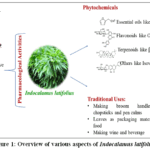 |
Figure 1: Overview of various aspects of Indocalamus latifolius |
Table 2: Pharmacological Studies of Various Constituents of Indocalamus latifolius.
| Type of Activity | Constituents | Pharmacological model | Mechanism of action | Reference |
| Antibacterial | 6-C-α-Larabinopyranosyl-8-C-β-D-glucopyranoside and 7-O,8-C-di-glucopyranoside, | Agar-disk diffusion method | Zones of inhibition for Staphylococcus aureus, Pseudomonas solanacearum, Escherichia coli and Bacillus thuringiensis | 12 |
| Antioxidant | Friedelin, neophytadiene, squalene,phytol, β-amyrone and β-sitosterol | In vitro antioxidant activity (measuring absorbance) | Scavenging DPPH and hydroxyl radicals | 25 |
| Cytotoxicity | Friedelin, neophytadiene, squalene,phytol, β-amyrone and β-sitosterol | Cytotoxicity against HepG2 cells via CCK-8 assay | Retaining cell viability through protecting oxidative stress | 25 |
| Antioxidant | Ferulic acid, orientin, caffeic acid, isoorientin, chlorogenic acid, vitexin, p-coumaric acid and homovitexin | In vitro antioxidant activity (measuring absorbance) | Scavenging DPPH radicals and FRAP | 30 |
| Anti-oxidant | Total flavonoid content | In vitro antioxidant activity | Scavenging superoxide radicals, reductive power, TBARS | 27 |
| Hepatoprotective properties | Total flavonoid content | CCl4-intoxicated rats | Serum Biomarkers and histopathology of liver | 27 |
Variations in Stability Studies and Quality Attributes of Indocalamus latifolius
It is crucial to examine the more potential usefulness of a particular species in its genus in terms of exploring its applicability. To examine the seasonal disparities in the entire flavonoid, tea polyphenol, and soluble sugar contents, leaves of Indocalamus herklotsii, Indocalamus decorus, and Indocalamus latifolius were gathered during various seasons from Nanjing. The test active component amounts varied significantly amongst the three Indocalamus species’ leaves. The three Indocalamus species’ leaf entire flavonoid content ranged from roughly one two three percent depending on the season; Indocalamusherklotsii and Indocalamusdecorus had the highest levels in the spring, while Indocalamuslatifolius in wintertime.The amount of leaf tea polyphenols ranged from five to seven percent, while the amount of leaf soluble sugar varied from one to eight percent, peaking in the spring. The active component contents of Indocalamusherklotsii and Indocalamusdecorus leaves increased with leaf age within three months of the leaves opening. The best time to collect Indocalamus leaves was in December and again in March of the following year. Indocalamuslatifolius showed the highest concentrations of all three active chemicals in its leaves out of the three Indocalamus species, indicating that it had more potential usefulness than the other two in terms of using its leaf active compounds.31
In order to examine how fourteen Indocalamus species’ reproductive potential, morphological characteristics, photosynthetic abilities, and leaf active compounds are affected by low light conditions, two light environments were established: CK (a hundred percent full light) and ST (fifty percent full light). The results showed that for fourteen species of Indocalamus under the ST treatment, the following increased in relation to the CK treatment: (1) leaf area index, diameter and single leaf area,(2) net photosynthetic proportionreduced and total chlorophyll proportion elevated; and (3) amount of whole flavonoid elevated in autumn, whole polyphenol componentraised in spring, and whole polysaccharide componentelevated in summer and winter. In conclusion, the low light can effectively support the formation and expansion of the leaves, and Indocalamus have evolved to flourish in low light. The two light environments differ greatly in terms of growth and physiological indices. Autumn and winter are the best times of year to collect leaves because they are high in flavonoids, polyphenols, polysaccharides, and active compounds—all of which are influenced differently depending on the season and amount of light.32
To better utilise it, researchers have looked into the differences in antioxidant activities and active component concentration in Indocalamus latifolius leaves with altitude changes. By using a UV spectrophotometer and synchronous RP-HPLC, the collective flavonoids, phenolics, titerpenoids, and other diverse active constituents—ferulic acid, orientin, caffeic acid, isoorientin, chlorogenic acid, vitexin, p-coumaric acid, and homovitexin—were ascertained. The DPPH and FRAP techniques were used to quantify antioxidant activity. The study demonstrated that the levels of total flavonoids and phenols, as well as the leaf of Indocalamus latifolius changed with altitude. These levels showed a gradual decrease below 700 m and an increase beyond 1,000 m in terms of DPPH radical scavenging ability and ferric reduction power. The primary distinctive components of Indocalamus latifolius leaves were chlorogenic acid and orientin, both of which were influenced by altitude. Additionally, it was shown that Indocalamus latifolius is more likely to accumulate secondary metabolites at higher altitudes in unfavourable environments. Ni et al.30state that it would provide a theoretical framework for managing the conditions of leaf harvesting in the utilization of Indocalamus latifolius leaf at industrial level.30
Until now, there has been very little research and application of Indocalamus latifolius both domestically and internationally. It has only been possible to process the plant using conventional methods, which has resulted in a significant waste of resources and an inability to fulfil market demand. Furthermore, the majority of Indocalamus latifolius is extremely valuable and wild. Thus, it is essential to investigate an effective, widely applicable, and market-oriented approach that enhances resource utilisation and broadens its applicability. In order to investigate the effects of both new and traditional processing methods on Indocalamus latifolius, Xiaofe et al.33used the leaves as their research object. They harvested, fractionated, dried, vacuum-sealed, marinated, frozen, and so on. In order to give a theoretical framework for their further development, created the physicochemical indexand product certification standards. The study uses processes like freezing, harvesting, marinating, drying, grading and vacuum sealing and to get over the constraints of traditional processing methods because of the substantial nutritional and therapeutic potential of Indocalamus latifolius leaves. By achieving quantitative production, this not only increases the usefulness of Indocalamus latifolius leaves but also establishes a suitable and thorough industrial processing chain for the leaves. More importantly, it provides strong technical direction for the industrialised production of Indocalamus latifolius leaves and acts as a theoretical guide for the leaves’ further advancement and use.33
The comparative and environmental analyses of Indocalamus species unequivocally indicate that Indocalamus latifolius exhibits greater potential for application due to its consistently elevated concentrations of bioactive compounds, such as total flavonoids, polyphenols, polysaccharides and soluble sugars. Seasonal fluctuation, light intensity, altitude and leaf developmental stage significantly affect the accumulation of these active chemicals, with winter and fall identified as favorable harvest periods, especially in low-light and high-altitude environments. Among the assessed species, Indocalamus latifolius exhibited the highest tolerance to environmental stress and a superior ability to collect secondary metabolites, hence endorsing its preferable selection for extensive utilization. Notwithstanding its significant nutritional and pharmacological significance, the application of Indocalamus latifolius has been constrained by dependence on traditional processing methods and insufficient industrial infrastructure. Recent advancements in optimized harvesting methodologies and novel processing technologies have established a solid theoretical and technical foundation for enhancing resource efficiency, reducing waste and facilitating standardized, market-driven production. These findings provide a scientific basis for the sustainable harvesting, processing, and industrial development of Indocalamus latifolius leaves, underscoring their significant potential for future applications in functional foods, pharmaceuticals and value-added botanical products.
Toxicity Assessment on Indocalamus latifolius
The most important aspect in determining whether trace metals have a stimulating or inhibitory influence on plant growth and productivity is their concentration in the soil.34 Overaccumulation of metals, such as Pb, Zn, and Cu, has a detrimental effect on the agricultural soils in the southern part of China where Indocalamus latifolius is abundant. Given the significant nutritional and economic value that bamboo plants provide to local consumers and producers, it is critical to evaluate the effects of the amplified presence of heavy metals in the rhizosphere on some crucial enzymatic components of bamboo plants. Three heavy metals—Cu, Pb, and Zn—and their effects on Indocalamus latifolius were investigated. Two-year-old stands of the Indocalamus latifolius cultivated in pots were subjected to a 60-day heavy metal inoculation for pre-experimental treatments. Variations in the extent of peroxidase (POD), catalase (CAT), and superoxide dismutase (SOD) indicated that different bamboo species reacted differently to heavy metal stress. Bamboo that has been exposed to heavy metals significantly increased in enzymatic activity at all concentrations. In Indocalamus latifolius, zinc was shown to be the strongest inducer of antioxidant enzymes, while lead was the least. The toxicological effects of heavy metals varied depending on the amount of malondialdehyde (MDA). The heavy metal linked to the greatest MDA buildup was Pb, while the metal linked to the lowest MDA concentration was Zn. Overall, the findings showed that while the activity of cities was increased, low concentrations of heavy metals caused Indocalamus latifolius to exhibit increased antioxidant activity. Because of the high concentrations of heavy metals, zinc—the heavy metal linked to antioxidative enzymes—was overwhelmed, and lead caused the greatest buildup of MDA.35
The growth and production of Indocalamus latifolius plants are also hindered by human-induced heavy metal contamination in the southern parts of China. This makes it necessary to look at how heavy metals affect bamboo’s growth and physiological characteristics. As a result, several growth and gas exchange characteristics in a species of bamboo that is two years old and under heavy metal stress were assessed. Three heavy metals (Cu, Pb, and Zn) were applied to the bamboo plant in a greenhouse-based experiment at Nanjing Forestry University in varying quantities. The findings demonstrated that an overabundance of heavy metals led to a reduction in several indices linked to photosynthetic processes, including as transpiration, net assimilation, intercellular carbon dioxide concentration, and photosynthesis rate. Because of the detrimental effects of heavy metals, morphological indices were also lowered, which resulted in shorter shoots and fewer emerging plants. Furthermore, the findings showed that Pb had the most detrimental effect on the growth indices. Bamboo plants may withstand the stress caused by heavy metal-impacted soils to a certain level, according to this study’s findings on what concentrations of heavy metals are fatal to them.36
Soil Pb stress experiments on four Indocalamus species (Indocalamus latifolius, Indocalamus hunanensis, Indocalamus chishuiensis and Indocalamus lacunosus) showed species-specific tolerance differences. I. chishuiensis exhibited enhanced growth under Pb stress, while the other species showed reduced biomass. EDTA application increased Pb uptake, translocation, and stress responses, promoting Pb accumulation mainly in underground parts and stems rather than leaves, indicating a detoxification strategy through Pb sequestration in less active tissues.37
The evidence indicates that heavy metal stress has a concentration-dependent effect on the growth, physiology and oxidative status of Indocalamus latifolius. At reduced concentrations, metals like Cu, Pb, and Zn can trigger adaptive defense mechanisms, evidenced by increased activity of antioxidant enzymes such as SOD, CAT and POD, thereby improving the plant’s resilience to oxidative stress. Excessive buildup of these metals, especially Pb, surpasses the antioxidative defense mechanism, resulting in heightened lipid peroxidation as seen by higher MDA levels and significant deterioration of photosynthetic efficiency and growth-related characteristics. Among the evaluated metals, Zn exhibited the lowest toxicity and the most significant activation of antioxidant enzymes, whereas Pb demonstrated the most pronounced inhibitory effects on both physiological and morphological parameters. These findings emphasize the restricted resilience of Indocalamus latifolius to soils contaminated with heavy metals and reinforce the necessity of monitoring and regulating soil metal concentrations in locations where bamboo is cultivated. Comprehending these stress responses offers a scientific foundation for evaluating environmental risk, enhancing cultivation methods and guaranteeing the sustainable use of Indocalamus latifolius in areas impacted by anthropogenic heavy metal contamination.
Gap Between Present Understanding and Commercialization
Commercialisation of research and development outputs is the process of bringing research findings from academic institutions, including universities, to the commercial market for the benefit of the general public.38The phytoconstituents and pharmacological properties of Indocalamus latifolius are still mostly unknown. The review makes a strong case for the preclinical significance of newly identified compounds like Indocalamus latifolius, which may be used as a pharmacological lead for additional disease screening. However, a number of steps must be taken in order to develop new formulations of separated phytochemicals39, commercialise them, and isolate, identify, and confirm the bioactivity of a phytoconstituent from Indocalamus latifolius for use in drugs like: (1) Anatomical and morphological characterization, in addition to chemical and genetic research, may be crucial for a precise identification of Indocalamus latifolius; (2) The question of safety requirements for herbal pharmaceuticals is crucial since, in certain situations, they are categorised as both foods and drugs, regardless of the legal position. While long-term traditional use of plants and herbal remedies weighs general safety against unanticipated negative effects, in certain cases—like those involving Indocalamus latifolius—genotoxicity testing may be required because the systematic literature is either unable or unwilling to regulate safety issues; (3) The accessibility of herbs as a basis for therapeutic research is significantly impacted by legal and environmental restrictions, especially those related to plant access and profit sharing, as well as patentability difficulties with local governments in the countries of origin. and (4) Since pinpointing the precise molecular mechanism of action of natural compounds is a difficult task, more research is required.40
However, as of right now, there has been very little study done on Indocalamus latifolius domestically or internationally, and it has only been used using standard processing methods. As a result, there has been a significant loss of resources since there has been unable to fulfil market demand and maximise resource utilisation. Furthermore, the majority of Indocalamus latifolius is extremely valuable and wild. Thus, it is essential to investigate an effective, widely applicable, and market-oriented approach that enhances resource utilisation and broadens its applicability. Research, practice, and exploration of new processing technologies are essential to achieving the industrialization of Indocalamus latifolius leaf processing and preservation technology. In order to increase the market’s use of fresh Indocalamus latifolius leaves and to offer a solid theoretical foundation for their continued development, it is also necessary to solve the shortcomings of conventional preservation and processing technologies.41
Indocalamus latifolius is a predominantly underutilized botanical resource with significant potential for translational research and commercial advancement. Preliminary phytochemical and pharmacological evidence indicates that its bioactive ingredients could be intriguing candidates for novel therapeutic treatments; nonetheless, significant deficiencies persist in systematic identification, safety assessment and mechanistic comprehension. To tackle these issues, it is essential to conduct comprehensive anatomical, chemical, genetic and toxicological studies, in conjunction with thorough bioactivity validation and clarification of molecular mechanisms of action. Moreover, legislative, environmental and intellectual property factors must be meticulously managed to facilitate sustainable access, equitable benefit sharing, and effective commercialization. Considering the existing dependence on traditional processing techniques and the mostly untamed condition of Indocalamus latifolius, it is essential to create novel, scalable and commercially viable processing and preservation solutions to reduce resource waste and satisfy increasing demand. The collective efforts will be essential for transforming Indocalamus latifolius from a traditionally used plant into a scientifically recognized, industrially feasible, and socially advantageous natural resource.
Conclusion
Based on the data gathered in this review, it is evident that the leaves of Indocalamus latifolius contain a variety of active plant secondary metabolites, which are accountable for anample range of pharmacological characteristics, including antibacterial, cytotoxic, antioxidant and hepatoprotective effects. As there is no documented evidence of acute or subacute toxicity, it is safe. Due to the many intriguing pharmacological characteristics of Indocalamus latifolius phytoconstituents, further research is obviously needed to generate new therapeutic formulations using the phytochemicals that have been extracted from the plant.
Acknowledgement
We acknowledge with appreciation the support and resources provided by SVKM’s NMIMS Deemed-to-be-University, Indore, which significantly contributed to the development of this review.
Funding Sources
The author(s) received no financial support for the research, authorship, and/or publication of this article.
Conflict of Interest
The author(s) do not have any conflict of interest.
Data Availability Statement
This statement does not apply to this article.
Ethics Statement
This research did not involve human participants, animal subjects, or any material that requires ethical approval.
Informed Consent Statement
This study did not involve human participants, and therefore, informed consent was not required.
Clinical Trial Registration
This research does not involve any clinical trials
Permission to reproduce material from other sources
Not Applicable
Author Contributions
- Mithun Singh Rajput: Conceptualization, Data Collection, Writing – Original Draft.Supervision.
- Viral Patel:Conceptualization, Data Collection, Writing – Review & Editing.
References
- Bamboo: Green Source for Future Applications in Different Fields. Res J Eng Technol. 2018;9(2):174-178.
CrossRef - Phukan M. A Study on Cane and Bamboo Handicraft Industry in North-East India. Res J Hum Soc Sci. 2018;9(4):901-904.
CrossRef - Leelavathy S, Deepa SP. Maturase K (matK) as a Barcode in Bamboos. Res J Pharm Technol. 2021;14(2):955-958.
CrossRef - Yi T, Shi J, Ma L et al. Iconographia Bambusoidearum Sinicarum. Beijing: Science Press, 2008.
- Ai WS, Tang TF and Yang JS. Ndocalamus utilization status and leaf garden construction technology. For Tech Dev. 2006;20(2):69-71.
- Geng BJ, Wang ZP. Flora of China. Beijing: Science and Technology Press; 1996:676.
- Jiang ZH. Bamboo and Rattan in the World. Beijing: China Forestry Publishing House; 2003:334-347.
- Jiang QZ, Fu SG. The research value and the way of using the Indocalamus leaves. Jiangxi For Sci Technol. 1992;3:1-3.
- Zeng MX, Li ZX. The development and utilization of bamboo leaves. Enterprise Technol Dev. 1996;4:13-14.
- Rahangdale P, Wankhade AM, Vyas JV, Paithnakar VV. A review on management of various diseases by traditional Chinese medicine Ganoderma lucidum. Res J Pharmacogn Phytochem. 2023;15(2):167-172.
CrossRef - Flora Republicae Popularis Sinicae. Beijing: Science Press; 1996;9:689-690.
- Sun J, Xun H, Yu J, Tang F, Yue YD, Guo XF. Chemical constituents and antibacterial properties of Indocalamus latifolius McClure leaves, the packaging material for “Zongzi.” Molecules. 2015;20:15686-15700.
CrossRef - Ding YQ, Li Y, Chen CY, Elmahadi EA, Xu HB. Chromatographic analysis of polysaccharides extracted from Chinese Indocalamus tesselatus. Biomed Chromatogr. 1998;12:86-88.
CrossRef - Chen C, Ding Y, Elmahadi EA, Zhou J, Li Y, Xu H. Study on the isolation, purification, and physicochemical properties of polysaccharides from Indocalamus tesselatus. Biomed Chromatogr. 1999;13:11-14.
CrossRef - Qin Y, Zhang Z, Li L, Chen C, Shun S, Huang Y. Inductively coupled plasma orthogonal acceleration time-of-flight mass spectrometry (ICP-oa-TOF-MS) analysis of heavy metal content in Indocalamus tesselatus Food Chem. 2013;141:2154-2157.
CrossRef - Zou YH. Analysis of flavonoids in bamboo leaves by high-performance liquid chromatography. Chin J Anal Chem. 1996;24:216-219.
- Cui J, Yue YD, Tang F, Wang J. HPTLC analysis of the flavonoids in eight species of Indocalamus J Planar Chromatogr. 2011;24:394-399.
CrossRef - Zhou Y, Tan XH, Li QM. GC-MS analysis of volatile oil extracted from Indocalamus latifolius leaves by simultaneous distillation and extraction. Food Sci. 2009;30(10):199-202.
- Li SF, Dai Y, Li JJ. Comparison of scavenging DPPH free radical and restraining bacteria of Indocalamus latifolius leaf extracts. Food Sci Technol. 2010;35:174-177.
- Zhang H, Lin HP, Sheng EH, et al. Study on antibacterial activity of extracts from Indocalamus tessellatus J Zhejiang For Sci Technol. 2010;30:38-41.
- Zhang L, Li X, Wang X, et al. Identification of volatile components of fresh Indocalamus latifolius leaves by HS-SPME-GC-MS. In: Proceedings of the Second International Conference on Materials Chemistry and Environmental Protection (MEEP); 2018:10-13.
CrossRef - Li SF, Wen RZ, Ceng D. Extraction and determination of essential oils in Indocalamus latifolius leaves and Indocalamus tessellatus Chin J Chromatogr. 2007;25(1):53-57.
- Li SF, Wen RZ, Ceng D. Analysis of essential oils from Indocalamus latifolius leaves by GC-MS. J Chin Mass Spectrom Soc. 2007;28(2):117-122.
- Sun J, Yu J, Xun H, Yue YD, Feng T, Guo XF. Two new compounds from the leaves of Indocalamus latifolius. J Asian Nat Prod Res. 2016;18(4):360-365.
CrossRef - Chen Y, Wang Y, He L, et al. Supercritical CO₂ extraction of terpenoids from Indocalamus latifolius leaves: optimization, purification, and antioxidant activity. Foods. 2024;13(11):1719.
CrossRef - Li SH, Wu XJ, She CW. Chemical constituents of Indocalamus latifolius Zhong Yao Cai. 2014;37(4):604-607.
- Tan J, Li S, Zeng J, Wu X. Antioxidant and hepatoprotective activities of total flavonoids of Indocalamus latifolius. Bangladesh J Pharmacol. 2015;10:779-789.
CrossRef - Mondal B. In-vitro study of antimicrobial and antiproliferative activity of cyanogenic glycoside extracted from bamboo shoot of Bambusa arundinacea. Res J Pharm Technol. 2021;14(11):5661-5667.
CrossRef - Venkateswarlu G, Manoranjan S, Sharada N, Sravan Prasad M, Azeez MD, Rajeshwari E. Comparison of anti-larvicidal activity of Cassia occidentalis, Bamboosa vulgaris and Sapindus mukurossi. Asian J Pharm Res. 2012;2(3):118-119.
- Ni Q, Wang Z, Xu G, Gao Q, Yang D, Morimatsu F, Zhang Y. Altitudinal variation of antioxidant components and capability in Indocalamus latifolius (Keng) McClure leaf. J Nutr Sci Vitaminol (Tokyo). 2013;59(4):336-342.
CrossRef - Su CH, Liu GH, Wang FS, Ding YL, Xue JH. Several changes of Indocalamus leaf active ingredients contents. Ying Yong Sheng Tai Xue Bao. 2011;22(9):2471-2476.
- Yu W, Jiang M, Yue Q, et al. Effects of low-light environments on the growth and physiological and biochemical parameters of Indocalamus and seasonal variations in leaf active substance contents. Plants. 2023;12:3993.
CrossRef - Xiaofei W, Jinfu W, Zhigang L, Tingxian L, Xiuqiang Y, Jianchao Y. Research of the processing technology and quality standard of Indocalamus latifolius Adv Mater Res. 2013;773:755-762.
CrossRef - Saroja PM, Immanuel G, Gnana Raj GA. Trace elements in marine macroalgae (Gracilaria edulis) on the southern coast of Tamil Nadu, India. Asian J Res Chem. 2014;7(3):295-299.
- Emamverdian A, Ding Y, Mokhberdoran F, Xie Y. Antioxidant response of bamboo (Indocalamus latifolius) as affected by heavy metal stress. J Elem. 2018;23(1):341-352.
CrossRef - Emamverdian A, Ding Y, Mokhberdoran F, Xie Y. Growth responses and photosynthetic indices of bamboo plant (Indocalamus latifolius) under heavy metal stress. Sci World J. 2018;2018:1219364.
CrossRef - Liao J, Jiang M, Lu Y, Yang Y, Gao Y, Chen Q, Luo Z, Yu X. Lead Tolerance and Remediation Potential of Four Indocalamus Species in Lead-Contaminated Soil. Plants (Basel). 2024;13(13):1823.
CrossRef - Osemene KP, Ilori MO, Elujoba A. Assessing the commercialization of herbal medicines research and development outputs in Nigeria. Res J Pharm Technol. 2013;6(6):622-631.
- Patidar P, Dashora K. Spectrophotometric estimation of total polyphenols as tannic acid in Ayurvedic formulation Astangavaleha. Asian J Pharm Anal. 2014;4(1):42-44.
- Ahmad F, Surapaneni KM, Al-Subaie AM, Kamaraj B. Insight into ethnopharmacology of Quercus infectoria with the possible mechanism of action. Res J Pharm Technol. 2023;16(8):3999-4006.
CrossRef - Wang XF, Wang JF, Liu ZG, Liu TX, Yue XQ, Yang JC. Research of the processing technology and quality standard of Indocalamus latifolius Adv Mater Res. 2013;773:755-762.
CrossRef
 PlumX:
 Views: 1174
  PDF Downloads:
327
PDF Downloads:
327