Type 2 Diabetes and Central Obesity in the Cardiovascular–Kidney–Metabolic Continuum: A Critical Narrative Review
 , , 2, , 2, , 2 and Endang Sri Wahjuni1, 2
 ¹Faculty of Medicine, Universitas Negeri Surabaya, Surabaya, Indonesia.
²Undergraduate Medical Program, Faculty of Medicine, Universitas Negeri Surabaya, Surabaya, Indonesia.
Corresponding Author E-mail: dinicahya@unesa.ac.id
DOI : http://dx.doi.org/10.13005/bpj/3489
Download this article as:

Type 2 diabetes and central obesity frequently coexist, but coexistence does not establish a distinct disease entity, biological interaction, or treatment indication. This critical narrative review examines whether confirmed type 2 diabetes plus a standardised waist measurement can serve as a low-cost risk-recognition trigger within the cardiovascular–kidney–metabolic (CKM) continuum. PubMed and authoritative guideline, government, and publisher repositories were searched for English-language evidence published from January 2010 through July 2026, with earlier landmark outcome trials retained when needed. Evidence most directly addressing the joint construct remains limited. Broader cohorts show that waist-based measures can be associated with cardiovascular and mortality outcomes in type 2 diabetes, but findings vary by population, adiposity metric, model specification, and sex. Only a minority evaluated incremental predictive performance, and none established that the proposed trigger improves clinical decisions or identifies differential treatment response. Visceral and ectopic adipose dysfunction provides biological coherence through altered lipid flux, insulin resistance, inflammation, endothelial injury, and cross-organ effects. Randomised trials support sodium–glucose cotransporter-2 inhibitors and glucagon-like peptide-1 receptor agonists in defined cardiorenal–metabolic populations, but not prescribing on the basis of diabetes plus waist measurement alone. We therefore position this combination as a risk-recognition trigger that should prompt standardised anthropometry, CKM staging, and comprehensive risk assessment while management remains indication-based. Prospective studies must test interaction, calibration, discrimination, net benefit, feasibility, cost, and equity, particularly in Indonesia and other Asian populations. If validated and equitably implemented, this pathway could support Sustainable Development Goal 3 Targets 3.4 and 3.8.
KEYWORDS:Central obesity; Immunometabolism; Indonesia; Sustainable Development Goal 3; Type 2 diabetes; Visceral adiposity; Waist circumference
Introduction
Type 2 diabetes is a heterogeneous cardiometabolic disease whose major consequences extend beyond chronic hyperglycaemia to atherosclerotic cardiovascular disease (ASCVD), heart failure, chronic kidney disease (CKD), metabolic dysfunction-associated steatotic liver disease (MASLD), disability, and premature multimorbidity. Global pooled analyses documented a large rise in diabetes prevalence from 1990 to 2022 and more than one billion people living with obesity in 2022.1,2 These parallel epidemics make glucose-only and body-mass-index (BMI)-only descriptions increasingly inadequate.
Fat distribution matters. BMI is useful for population surveillance and can support clinical assessment, but it does not separate adipose from lean tissue or identify visceral and ectopic lipid. Waist circumference is an inexpensive surrogate for abdominal adiposity and can add information within BMI categories, provided that it is measured with a standard protocol and interpreted using sex- and population-appropriate thresholds.3 Contemporary clinical-obesity criteria similarly emphasise tissue or organ dysfunction rather than body size alone.4 Neither approach implies that waist circumference directly quantifies visceral fat or that one universal threshold predicts outcomes equally across populations.
Metabolic syndrome identifies a risk-factor cluster; clinical obesity requires adiposity-related tissue or organ dysfunction; and CKM syndrome stages integrated metabolic, kidney, and cardiovascular risk. The proposal evaluated here does not compete with these constructs. Its narrower contribution is operational: in a person with confirmed type 2 diabetes, a standardised waist measurement may serve as a low-cost trigger for CKM staging and comprehensive risk assessment. Whether this trigger adds predictive or clinical utility beyond established assessment remains unproven.4,5
The clinical literature is broader than the few studies that explicitly analyse diabetes and abdominal obesity as a joint construct. Within established type 2 diabetes cohorts, ADVANCE, ACCORD, the Beijing and Xinjiang cohorts, and REWIND evaluated waist-based adiposity against cardiovascular, heart-failure, or mortality outcomes, with heterogeneous associations and limited assessment of incremental prediction.6–10 More directly, an Iranian cohort analysed diabetes with abdominal obesity as a joint category, whereas the Mexico City study was BMI-primary but included a supportive waist-based sensitivity analysis.11,12 Table 1 distinguishes these evidence layers and their inference boundaries.
Table 1: Selected clinical evidence relevant to the proposed risk-recognition trigger
|
Study / design / population |
Waist exposure or cut-off | Adjustment variables | Interaction and predictive performance | Principal finding and inference boundary |
| Czernichow et al., 20116 ADVANCE cohort; n=11,140; mean 4.8 y |
WC per 13-cm SD; WHR per 0.08 SD. No binary WC cut-off. | Age, sex, current smoking, ethnicity, and randomised treatment allocation. | No diabetes×WC test (all had T2D). ROC areas did not differ (P≥0.24); relative IDI favoured WHR for most outcomes. No calibration or decision curve. |
WC HR 1.10 for major CV events; WHR showed slightly stronger associations. Comparative prediction, not validation of a trigger. |
|
Yang et al., 20218 |
WC ≥90 cm (men) or ≥85 cm (women); measured midway between the lower rib and iliac crest. | Age, diabetes duration, HbA1c, LDL cholesterol, hypertension, baseline CVD, sex, smoking, creatinine, and aspirin. | No diabetes×WC test (all had T2D). No calibration, discrimination, reclassification, or decision-curve analysis. |
Central obesity HR 1.41 (95% CI 1.08–1.84) for CV events. Single-setting observational association. |
|
Qiao et al., 20229 |
WC analysed continuously per SD and by quartiles; no single entry threshold in the main prediction analysis. | Sex, age, ethnicity, education, smoking, alcohol, LDL and total cholesterol, fasting glucose, SBP/DBP, activity, antidiabetic drugs, and diabetes duration. | No diabetes×WC test. C-statistic, NRI, and IDI assessed; WC C-statistic 0.638 and IDI improved 2.6% when added to the base model. No calibration or decision curve. |
WC HR 1.57 (95% CI 1.39–1.78) per SD. Shows incremental discrimination in one cohort, not transportability or clinical impact. |
|
Franek et al., 202310 |
WC continuous; 1 SD=13.4 cm; measured immediately above the iliac crest. No binary WC cut-off. | Outcome-specific LASSO selection from age, sex, glycaemia, eGFR/UACR, prior CVD, BP, lipids, lifestyle, and medication variables. | Sex interaction tested and not significant. No incremental prediction, calibration, reclassification, or decision-curve analysis. |
WC HR 1.12 (95% CI 1.02–1.22) per SD for MACE-3; estimates were less stable when adiposity measures were modelled jointly. |
|
Mehrabani-Zeinabad et al., 202311 |
Abdominal obesity: WC ≥102 cm (men) or ≥88 cm (women); WC measured midway between the lower rib and iliac crest. | Age, SBP, triglycerides, sex, smoking, history of heart disease, history of hypertension, and diabetes. | Diabetes×abdominal-obesity interaction formally tested and not significant. No prediction-performance assessment. |
Joint category HR 1.46 (95% CI 1.07–1.98) for incident CVD, but not mortality; sex heterogeneity. Joint category ≠ synergy. |
|
Petermann-Rocha et al., 202412 |
BMI was primary; sensitivity analysis used WC ≥90 cm (men) or ≥80 cm (women). | Age, sex, marital status, occupation, education; morbidity count; physical activity, smoking, alcohol, sleep, and fruit/vegetable intake. | Age and sex effect modification assessed; no diabetes×obesity interaction or incremental prediction analysis. |
BMI-primary mortality findings were supported by a waist-based sensitivity analysis. Does not validate the proposed trigger. |
Abbreviations: ASCVD, atherosclerotic cardiovascular disease; BP, blood pressure; CI, confidence interval; CV, cardiovascular; CVD, cardiovascular disease; HR, hazard ratio; IDI, integrated discrimination improvement; MACE-3, three-point major adverse cardiovascular events; NRI, net reclassification improvement; ROC, receiver operating characteristic; SBP/DBP, systolic/diastolic blood pressure; SD, standard deviation; T2D, type 2 diabetes; UACR, urine albumin-to-creatinine ratio; WC, waist circumference; WHR, waist-to-hip ratio. Studies were selected for direct relevance, methodological contrast, or explicit predictive-performance assessment; the table is not an exhaustive systematic inventory.
Indonesia is an important setting for evaluation, but national marginal prevalences must not be multiplied or interpreted as individual-level overlap. The 2023 Indonesia Health Survey reported diabetes prevalence of 11.7% based on blood-glucose examination and central-obesity prevalence of 36.8% among people aged 15 years or older.13 A national repeated cross-sectional analysis documented trends in diabetes and pre-diabetes, with undiagnosed disease remaining substantial,14 while an analysis of Indonesians with diabetes found substantial BMI-defined obesity.15 These data establish population burden, not interaction, prognosis, or an Indonesian waist threshold for hard outcomes.
This review therefore asks a narrower and testable question: can confirmed type 2 diabetes plus a standardised waist measurement function as a low-cost risk-recognition trigger within CKM care? We distinguish the proposed trigger from established constructs, separate joint-construct evidence from broader waist-prognostic evidence, examine biological and clinical plausibility, and specify the validation required before the trigger can influence risk prediction or clinical decisions.
Materials and Methods
This critical narrative review and conceptual synthesis asked whether confirmed type 2 diabetes plus a standardised waist measurement can function as a clinically useful risk-recognition trigger within the CKM continuum. PubMed was searched for English-language reports published from 1 January 2010 through 20 July 2026. Targeted searches of professional-society, government, guideline, and publisher repositories identified current consensus documents and national data. Earlier landmark randomised outcome trials were retained when needed to evaluate pharmacological or causal claims.
The focused clinical-outcomes search was rerun during revision and returned 206 records. The final PubMed string was:
((“type 2 diabetes”[Title/Abstract] OR T2D[Title/Abstract]) AND (“central obesity”[Title/Abstract] OR “abdominal obesity”[Title/Abstract] OR “waist circumference”[Title/Abstract] OR “waist-to-hip ratio”[Title/Abstract]) AND (“cardiovascular event”[Title/Abstract] OR “cardiovascular events”[Title/Abstract] OR mortality[Title/Abstract] OR “heart failure”[Title/Abstract] OR “kidney disease”[Title/Abstract] OR “renal outcome”[Title/Abstract]) AND (cohort[Title/Abstract] OR prospective[Title/Abstract] OR longitudinal[Title/Abstract] OR “post hoc”[Title/Abstract])) AND (“2010/01/01″[Date – Publication] : “2026/07/20″[Date – Publication]) AND English[Language]
Titles and abstracts were screened for longitudinal or post hoc studies in adults with type 2 diabetes that evaluated waist circumference, central obesity, or waist-to-hip ratio against incident cardiovascular, kidney, or mortality outcomes. Cross-sectional or surrogate-only reports, paediatric or pregnancy studies, type 1 diabetes, and reports without a diabetes-specific analysis were not used as clinical-outcome evidence. Full texts were reviewed to extract waist measurement or cut-off, adjustment variables, interaction testing, and predictive-performance metrics. Evidence was grouped as (1) joint-construct evidence, in which diabetes and abdominal adiposity were analysed jointly, and (2) contextual prognostic evidence, in which waist-based adiposity was evaluated within an established type 2 diabetes cohort. Table 1 presents representative studies most informative for these questions. Mechanistic, guideline, trial, and Indonesian evidence was selected through targeted searches and reference chaining.
Evidence was synthesised across epidemiological association, biological coherence, differentiation from existing constructs, pharmacological and clinical actionability, and validation. We explicitly separated coexistence, association, statistical interaction, incremental predictive value, and impact on clinical decisions. No protocol was registered and no duplicate screening, formal risk-of-bias instrument, certainty grading, or meta-analysis was undertaken; the review is therefore structured and critical but not systematic or exhaustive. PubMed was the only bibliographic database searched systematically.
Results
Evidence was organised in two layers. Evidence directly testing the joint diabetes–central-obesity construct or a trigger-based clinical pathway remains limited. A broader set of type 2 diabetes cohorts evaluated waist-based adiposity as a prognostic exposure; associations were heterogeneous and only a minority assessed incremental predictive performance. Biological evidence supports convergence among visceral adiposity, insulin resistance, inflammation, and organ injury, while existing CKM and clinical-obesity frameworks already capture much of the construct. Accordingly, the combination is best treated as a risk-recognition trigger that requires prospective validation.
Biological Coherence: What Is Established
Adipose tissue is an endocrine, immune, and energy-buffering organ. Healthy expansion depends on adipogenesis, vascular adaptation, extracellular-matrix remodelling, and the capacity to store lipid safely. When these processes are exceeded, adipocyte hypertrophy, relative hypoxia, cellular stress, fibrosis, and cell death favour monocyte recruitment and a gradual shift toward a pro-inflammatory tissue environment.16–19 This response is heterogeneous: two people with similar waist measurements may differ markedly in subcutaneous storage capacity, visceral fat, ectopic lipid, muscle mass, fitness, and inflammatory state.
Visceral adiposity can increase non-esterified fatty-acid flux to the liver. Diacylglycerol, ceramide, de novo lipogenesis, mitochondrial substrate overload, and protein kinase C signalling contribute to hepatic and skeletal-muscle insulin resistance. Adipokine imbalance and immune-cell signalling can reinforce impaired insulin action, while pancreatic beta cells face increased secretory demand. Once hyperglycaemia is established, oxidative stress, advanced glycation, endothelial dysfunction, and microvascular injury add to the network.20,21 These mechanisms explain biological convergence; they do not prove that the combination has predictive value beyond the variables already used in clinical care.
Cross-organ effects are equally important. Hypertension, atherogenic dyslipidaemia, renal sodium retention, glomerular haemodynamic stress, albuminuria, myocardial lipid accumulation, microvascular dysfunction, and fibrosis connect metabolic exposures to ASCVD, CKD, and heart failure. Ectopic liver fat links insulin resistance to MASLD and atherogenic lipoprotein production. Sleep-disordered breathing can add intermittent hypoxia and sympathetic activation. Current cardiovascular and liver guidance supports integrated assessment of these conditions.22,23 Figure 1 translates this biological rationale into a stepwise clinical pathway while retaining a validation gate between risk recognition and claims of added clinical utility.
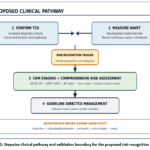 |
Figure 1: Stepwise clinical pathway and validation boundary for the proposed risk-recognition trigger Click here to View Figure |
Confirmed type 2 diabetes and a standardised waist measurement constitute the proposed risk-recognition trigger. The trigger should prompt CKM staging and comprehensive cardiovascular, kidney, metabolic, liver, sleep, functional, and social assessment, followed by guideline-directed, indication-based management. It is not a diagnosis or a stand-alone treatment indication. The validation gate emphasises that association does not establish interaction, added predictive performance, net clinical benefit, impact, or equity. Abbreviations: ASCVD, atherosclerotic cardiovascular disease; BP, blood pressure; CKM, cardiovascular–kidney–metabolic; eGFR, estimated glomerular filtration rate; HF, heart failure; T2D, type 2 diabetes; UACR, urine albumin-to-creatinine ratio.
Inflammatory biomarkers should not be used to define the proposed risk-recognition trigger. High-sensitivity C-reactive protein is nonspecific, and cytokine concentrations vary with infection, smoking, inflammatory disease, medication, and assay platform. An immunometabolic-risk label based on a cytokine panel would therefore be difficult to reproduce and could encourage testing without a management consequence. Immunometabolism is best used here as an explanatory framework, not as a routine diagnostic assay.
Clinical Evidence: Association Does Not Establish Added Value
Table 1 distinguishes joint-construct evidence from broader waist-prognostic evidence. In ADVANCE, WC and WHR were associated with several cardiovascular outcomes; relative integrated discrimination improvement favoured WHR for most outcomes, although receiver-operating-characteristic areas did not separate the anthropometric measures.6 In ACCORD, continuous WC was associated with heart failure and all-cause mortality but not ASCVD, whereas dichotomous central obesity was not independently associated with the outcomes after adjustment.7 These contrasting findings show why association, threshold choice, and incremental performance must be reported separately.
The Beijing cohort reported an adjusted association between central obesity and cardiovascular events over 10 years.8 In the Xinjiang cohort, each SD increase in WC was associated with cardiovascular events (HR 1.57, 95% CI 1.39–1.78); adding WC to a clinical base model improved the integrated discrimination index by 2.6%, although calibration and decision-curve analysis were not reported.9 In the REWIND placebo group, WC was associated with MACE-3 (HR 1.12, 95% CI 1.02–1.22), but estimates were less stable when adiposity measures were modelled jointly and incremental clinical utility was not tested.10
Evidence for the joint construct is narrower. The Iranian cohort found increased incident cardiovascular disease for diabetes plus abdominal obesity (HR 1.46, 95% CI 1.07–1.98), but not cardiovascular or all-cause mortality; the formal interaction was not significant and findings varied by sex.11 The Mexico City cohort primarily defined obesity using BMI, but a sensitivity analysis using waist cut-offs supported higher mortality in the combined category; it therefore provides supportive, not definitive, waist-based evidence.12
Across these studies, a joint category compared with a healthy reference group does not test biological interaction; a significant waist coefficient does not establish improved calibration, discrimination, or decisions; and dichotomising waist simplifies implementation at the cost of information and threshold dependence. Future studies should analyse waist continuously and with pre-specified thresholds, report additive and multiplicative interaction, and compare models containing the same established predictors.
Relationship to Existing Constructs
Metabolic syndrome clusters abdominal adiposity, dysglycaemia, blood pressure, triglycerides, and high-density-lipoprotein cholesterol. Clinical-obesity criteria require adiposity-related tissue or organ dysfunction. CKM syndrome integrates metabolic risk, CKD, subclinical and clinical cardiovascular disease, staging, and risk-based therapy. A parallel disease label would add terminology without demonstrated information or utility.
The proposed distinction is operational rather than nosological. It begins with two low-cost observations—confirmed type 2 diabetes and a standardised waist measurement—and uses their coexistence to trigger CKM staging and comprehensive risk assessment. It does not replace metabolic-syndrome criteria, a clinical-obesity diagnosis, CKM staging, organ-specific diagnoses, or validated risk equations; nor should it function as a billing code or stand-alone treatment indication.
A Proposed Risk-Recognition Trigger and Validation Path
The proposed clinical sequence is explicit: (1) confirm type 2 diabetes using accepted diagnostic criteria; (2) obtain a standardised waist measurement at a specified anatomical site; (3) perform CKM staging and comprehensive risk assessment; and (4) initiate or optimise guideline-directed management according to established indications and patient priorities. Table 2 separates the two trigger components from enrichment variables, outcomes, and validation requirements. The waist protocol should record tape type, posture, respiratory phase, clothing, duplicate measurements, and threshold system, while preserving waist as a continuous variable.
Table 2: Proposed risk-recognition trigger and required validation
|
Domain |
Proposed specification | Rationale |
Required test |
|
Trigger component 1 |
Confirmed type 2 diabetes using accepted clinical diagnostic criteria. | Prevents mixing prediabetes, type 1 diabetes, gestational diabetes, and self-report-only definitions. |
Verify diagnosis source, duration, treatment, glycaemic control, and misclassification. |
|
Trigger component 2 |
Standardised WC measured at a pre-specified site; record continuous value and pre-specified sex/population threshold. | Low cost and scalable; retains information beyond BMI while avoiding a universal threshold claim. |
Inter- and intra-observer reliability; repeated measures; outcome-based calibration across populations. |
|
Not part of trigger |
Cytokine panels, hsCRP, imaging-defined visceral fat, ASCVD, HF, CKD, MASLD, hypertension, or dyslipidaemia. | Avoids non-reproducible testing and circularly defining a high-risk group by including organ disease. |
Evaluate biomarkers/imaging only for incremental, actionable value in nested studies. |
|
Stratification/enrichment |
Age, sex, smoking, BP, lipids, eGFR, UACR, ASCVD/HF, medicines, MASLD/OSA, fitness, socioeconomic and access variables. | These determine absolute risk, treatment indications, confounding, and transportability. |
Compare against CKM staging and validated risk models using identical predictors and time horizons. |
|
Outcomes |
ASCVD, HF, CKD progression, MASLD, mortality, function, quality of life, treatment burden, cost, stigma, and equity. | Prevents reliance on surrogate markers alone and captures unintended consequences. |
Pre-specify endpoints and competing risks; external validation; decision-curve and impact analysis. |
|
Clinical use |
Use the risk-recognition trigger to prompt full CKM assessment only; do not assign therapy from the trigger. | Current evidence supports recognition and assessment, not trigger-specific prescribing. |
Pragmatic trial of the pathway versus usual care, with guideline-directed therapy available to both groups. |
Abbreviations: ASCVD, atherosclerotic cardiovascular disease; BMI, body mass index; BP, blood pressure; CKD, chronic kidney disease; CKM, cardiovascular–kidney–metabolic; eGFR, estimated glomerular filtration rate; HF, heart failure; hsCRP, high-sensitivity C-reactive protein; MASLD, metabolic dysfunction-associated steatotic liver disease; OSA, obstructive sleep apnoea; UACR, urine albumin-to-creatinine ratio; WC, waist circumference.
Enrichment variables—blood pressure, lipid profile, smoking, estimated glomerular filtration rate (eGFR), urine albumin-to-creatinine ratio (UACR), established ASCVD, heart failure, MASLD, obstructive sleep apnoea, medication exposure, fitness, and social constraints—should not be folded into the entry definition. Doing so would make the construct circular: it would be labelled high risk because it already contains high-risk disease. Instead, these variables belong in stratification models and effect-modification analyses.
Development and validation should follow prediction-model reporting and risk-of-bias standards.24,25 A candidate model should be compared with a pre-specified reference model, not an artificially weak comparator. Internal validation should address optimism; external validation should examine calibration-in-the-large, calibration slope, discrimination, and clinical utility across sex, age, ancestry, socioeconomic position, and care setting. Calibration is particularly important because a model can discriminate reasonably yet systematically overestimate or underestimate absolute risk.26 Reclassification statistics alone are insufficient.
A stronger test is whether a standardised trigger-based pathway changes decisions or outcomes. Pragmatic studies could randomise clinics to usual care or to confirmed type 2 diabetes → standardised waist measurement → CKM staging and comprehensive risk assessment → guideline-directed management, while preserving evidence-based treatment in both groups. Outcomes should include appropriate CKM staging, UACR and eGFR assessment, indicated therapies, cardiovascular and kidney events, quality of life, treatment burden, costs, stigma, and equity.
Discussion
The central interpretive finding is that biological coherence and risk concentration do not by themselves justify a new diagnosis or trigger-specific prescription. The present clinical role is pragmatic: confirmed type 2 diabetes plus a standardised waist measurement can serve as a risk-recognition trigger for comprehensive CKM assessment, while treatment remains driven by absolute risk, organ disease, approved indications, safety, access, and patient priorities.
Clinical and Pharmacological Translation
The immediate response to the proposed risk-recognition trigger is comprehensive assessment, not automatic reclassification. At minimum, care should document standardised waist and BMI, blood pressure, smoking, lipids, HbA1c, eGFR, UACR, established ASCVD and heart failure, and medicines that affect weight or cardiorenal risk. Evaluation for MASLD, sleep apnoea, functional limitation, depression, diet, physical activity, food insecurity, treatment affordability, and patient goals should be individualised.
Management remains indication-based. The 2026 Standards of Care in Diabetes support individualised nutrition and activity, evidence-based obesity treatment, blood-pressure and lipid control, and selection of glucose-lowering therapy according to cardiovascular and kidney disease, weight goals, safety, and preferences.27,28 The CKM guideline similarly prioritises stage, absolute risk, and expected benefit.5 A waist threshold should not override a proven indication or create one where evidence is absent.
Randomised trials establish several outcome-modifying options in defined populations. In EMPA-REG OUTCOME, the sodium–glucose cotransporter-2 (SGLT2) inhibitor empagliflozin reduced cardiovascular outcomes and mortality in type 2 diabetes with established cardiovascular disease.29 In LEADER and REWIND, the glucagon-like peptide-1 (GLP-1) receptor agonists liraglutide and dulaglutide, respectively, reduced major cardiovascular events in their type 2 diabetes trial populations.30,31 In FLOW, semaglutide reduced major kidney outcomes and cardiovascular death among people with type 2 diabetes and CKD.32 These benefits support integrated cardiorenal–metabolic care, but none of the trials enrolled participants on the basis of the proposed risk-recognition trigger or proved that waist modifies treatment effect.
SELECT showed cardiovascular benefit with semaglutide 2.4 mg in people with overweight or obesity and established cardiovascular disease who did not have diabetes.33 It supports the principle that treating adiposity can improve cardiovascular outcomes in a selected population, but it cannot be directly extrapolated to every person with type 2 diabetes and central obesity. Drug choice must still reflect approved indications, comorbidities, contraindications, tolerability, cost, supply, and shared decision-making.
CANTOS demonstrated that interleukin-1β inhibition reduced recurrent cardiovascular events in selected patients with prior myocardial infarction and residual inflammatory risk.34 This is evidence for a causal inflammatory component in atherosclerosis, not a rationale for routine cytokine testing or anti-inflammatory treatment in the risk-recognition trigger. The distinction is important: a mechanistic pathway may be causal while a biomarker or label remains clinically non-actionable.
Metabolic surgery can be considered according to established eligibility, expected benefit, operative risk, patient preference, and access; it should not be triggered by the proposed risk-recognition trigger alone. Likewise, aggressive weight loss can be inappropriate in frailty, catabolic illness, pregnancy, some eating disorders, or when unintentional weight loss signals disease. Waist reduction is a useful longitudinal measure, but it is not a substitute for patient-important outcomes.
Indonesia, Implementation, and Equity
Indonesia offers a compelling implementation setting because waist measurement is inexpensive and primary care already addresses diabetes and hypertension. Nevertheless, the 11.7% diabetes and 36.8% central-obesity estimates are separate national prevalences13; they neither give the joint prevalence nor identify who has organ injury. Individual-level linked data are required before estimating overlap, interaction, or attributable risk. Thresholds should be validated against outcomes rather than adopted solely because they are commonly used.
A feasible pathway could integrate the four steps in routine diabetes visits: confirm diabetes, measure waist consistently, stage CKM and complete risk assessment, and act on established indications. Implementation research should test staff training, measurement repeatability, time, patient acceptability, electronic-record fields, continuity, medication availability, and referral capacity. Screening without access to confirmatory assessment or treatment may increase burden without improving health.
Equity must be a co-primary implementation outcome. Analyses should be stratified by sex, age, island or province, rurality, disability, insurance, income, and care setting. Low-cost anthropometry may improve reach, but expensive imaging, biomarker panels, and newer medicines can widen disparities. Person-first communication should avoid blame and explain that waist is one risk marker within a network shaped by biology, medicines, sleep, food systems, built environments, and socioeconomic constraints.
The public-health objective is not to create a parallel programme. It is to make existing diabetes services more integrated: measure central adiposity reliably, identify CKD and cardiovascular disease earlier, ensure access to essential medicines, support culturally appropriate nutrition and activity, and monitor retention and financial protection. These outcomes are more meaningful than the uptake of a new label.
From a global-health perspective, this implementation pathway is aligned with Sustainable Development Goal 3 (SDG 3).35 Earlier recognition and integrated management of cardiovascular, kidney, and metabolic risk are relevant to Target 3.4, whereas implementation through accessible primary care and equitable access to evidence-based treatment are relevant to Target 3.8. This alignment should be interpreted as a potential contribution rather than a demonstrated impact, because clinical utility, feasibility, and equity remain to be prospectively evaluated.
Limitations of the Evidence and This Review
Direct evidence for the joint diabetes–central-obesity construct and a trigger-based clinical pathway is limited. The broader waist-prognostic literature in type 2 diabetes is larger but heterogeneous in measurement protocol, threshold, population, outcome, adjustment, and model specification. Residual confounding, reverse causation, illness-related weight loss, medication effects, fitness, muscle mass, and survivor bias remain concerns. Only a minority of studies assessed incremental predictive performance, and none established trigger-guided treatment benefit. Evidence from Southeast Asia remains limited.
Anthropometry is an imperfect proxy. Waist circumference does not identify the tissue compartment or organ in which lipid is stored, while CT and MRI are costly and unsuitable for routine population screening. BMI remains useful and should not be discarded. Repeated measurements, measurement error, and changes over time are often missing, which can attenuate or distort associations.
This review is narrative. It lacks a registered protocol, duplicate screening, formal certainty grading, and meta-analysis; selection and interpretation bias therefore remain possible. PubMed was the only bibliographic database searched systematically, so relevant reports may have been missed despite targeted repository and reference-list searches. The focused search string and selection logic are now reported to improve reproducibility, but the search was not designed as a systematic-review workflow. Rapidly evolving pharmacological and CKM guidance will require reassessment. The proposed pathway is hypothesis-generating and must not be cited as a validated diagnostic definition.
Finally, cardiometabolic multimorbidity reflects many trajectories beyond adiposity. Pooled cohort evidence links overweight and obesity to cardiometabolic multimorbidity,36 but genetics, ageing, smoking, social disadvantage, early-life exposures, physical fitness, and treatment access also shape progression. A waist-centred framework is useful only if it remains connected to this broader context.
Research Priorities
Research should proceed in a staged sequence. First, prospective cohorts should standardise waist measurement, preserve continuous values, and pre-specify thresholds. Second, analyses should test additive and multiplicative interaction between diabetes and central adiposity for ASCVD, heart failure, CKD progression, MASLD, mortality, function, and quality of life. Third, candidate models should be compared with CKM staging and validated risk equations using calibration, discrimination, decision curves, and net benefit. Fourth, external validation must include Indonesian and other Asian populations with adequate representation by sex, age, rurality, and socioeconomic position. Fifth, pragmatic trials should determine whether the pathway changes care and patient-important outcomes without increasing stigma, cost, or inequity.
Conclusion
Type 2 diabetes and central obesity commonly coexist within the CKM continuum, and visceral or ectopic adiposity provides biological coherence through insulin resistance, inflammation, endothelial injury, and organ crosstalk. Broader type 2 diabetes cohorts support attention to waist-based measures, but direct evidence for the joint construct is limited and does not establish synergistic interaction, transportable incremental prediction, trigger-guided clinical benefit, or differential treatment response. The combination should therefore be treated as a risk-recognition trigger, not a new diagnosis. The practical pathway is confirmed type 2 diabetes → standardised waist measurement → CKM staging and comprehensive risk assessment → guideline-directed, indication-based management. Prospective validation—especially in Indonesia—must test predictive performance, net benefit, feasibility, cost, and equity. If validated and equitably implemented, this pathway could support SDG 3 by strengthening noncommunicable-disease prevention and access to risk-based care.
Acknowledgement
The authors gratefully acknowledge the Faculty of Medicine, Universitas Negeri Surabaya, for institutional support during the preparation of this review.
Funding Sources
This work was supported by Universitas Negeri Surabaya through the 2026 Faculty Basic Research Scheme (Penelitian Dasar Fakultas [FK]), Faculty of Medicine, funded by the University’s Non-State Budget (Non-APBN). Award notification number: B/42651/UN38.16/TU.00.02/2026.
Conflict of Interest
The authors do not have any conflict of interest.
Data Availability Statement
This statement does not apply to this article.
Ethics Statement
This research did not involve human participants, animal subjects, or any material that requires ethical approval.
Informed Consent Statement
This study did not involve human participants, and therefore, informed consent was not required.
Clinical Trial Registration
This research does not involve any clinical trials.
Permission to reproduce material from other sources
Not Applicable
Author Contributions
- Dini Aulia Cahya: Conceptualization, Methodology, Investigation, Data Curation, Writing – Original Draft, Visualization, Project Administration, Funding Acquisition.
- Shod Abdurrachman Dzulkarnain: Methodology, Investigation, Validation, Writing – Review & Editing.
- Billy Jordan Wrahatnala: Investigation, Data Curation, Writing – Review & Editing.
- Merika Soraya: Methodology, Validation, Writing – Review & Editing.
- Endang Sri Wahjuni: Conceptualization, Supervision, Validation, Writing – Review & Editing.
References
- NCD Risk Factor Collaboration (NCD-RisC). Worldwide trends in diabetes prevalence and treatment from 1990 to 2022: a pooled analysis of 1108 population-representative studies with 141 million participants. Lancet. 2024;404(10467):2077–2093. doi:10.1016/S0140-6736(24)02317-1
CrossRef - NCD Risk Factor Collaboration (NCD-RisC). Worldwide trends in underweight and obesity from 1990 to 2022: a pooled analysis of 3663 population-representative studies with 222 million children, adolescents, and adults. Lancet. 2024;403(10431):1027–1050. doi:10.1016/S0140-6736(23)02750-2
CrossRef - Ross R, Neeland IJ, Yamashita S, et al. Waist circumference as a vital sign in clinical practice: a consensus statement from the IAS and ICCR Working Group on Visceral Obesity. Nat Rev Endocrinol. 2020;16(3):177–189. doi:10.1038/s41574-019-0310-7
CrossRef - Rubino F, Cummings DE, Eckel RH, et al. Definition and diagnostic criteria of clinical obesity. Lancet Diabetes Endocrinol. 2025;13(3):221–262. doi:10.1016/S2213-8587(24)00316-4
CrossRef - Ndumele CE, Rodriguez F, Dixon DL, et al. 2026 AHA/ACC/ADA/ASN guideline for the prevention, detection, evaluation, and management of cardiovascular-kidney-metabolic syndrome. J Am Coll Cardiol. 2026;87(22S):e1889–e2007. doi:10.1016/j.jacc.2026.03.056
CrossRef - Czernichow S, Kengne AP, Huxley RR, et al. Comparison of waist-to-hip ratio and other obesity indices as predictors of cardiovascular disease risk in people with type 2 diabetes: a prospective cohort study from ADVANCE. Eur J Cardiovasc Prev Rehabil. 2011;18(2):312–319. doi:10.1097/HJR.0b013e32833c1aa3
CrossRef - German CA, Laughey B, Bertoni AG, Yeboah J. Associations between BMI, waist circumference, central obesity and outcomes in type II diabetes mellitus: the ACCORD trial. J Diabetes Complications. 2020;34(3):107499. doi:10.1016/j.jdiacomp.2019.107499
CrossRef - Yang GR, Yuan SY, Fu HJ, et al. Neck circumference and waist circumference associated with cardiovascular events in type 2 diabetes (Beijing Community Diabetes Study 23). Sci Rep. 2021;11(1):9491. doi:10.1038/s41598-021-88927-9
CrossRef - Qiao T, Luo T, Pei H, et al. Association between abdominal obesity indices and risk of cardiovascular events in Chinese populations with type 2 diabetes: a prospective cohort study. Cardiovasc Diabetol. 2022;21(1):225. doi:10.1186/s12933-022-01670-x
CrossRef - Franek E, Pais P, Basile J, et al. General versus central adiposity as risk factors for cardiovascular-related outcomes in a high-risk population with type 2 diabetes: a post hoc analysis of the REWIND trial. Cardiovasc Diabetol. 2023;22(1):52. doi:10.1186/s12933-023-01757-z
CrossRef - Mehrabani-Zeinabad K, Haghighatdoost F, Mohammadifard N, et al. Impact of diabesity phenotype on cardiovascular diseases, major cardiovascular events and all-cause mortality. Sci Rep. 2023;13(1):11266. doi:10.1038/s41598-023-38221-7
CrossRef - Petermann-Rocha F, Lyall DM, Gray SR, et al. Associations of diabesity with all-cause and cardiovascular disease mortality: findings from the Mexico City Prospective Study. Diabetes Obes Metab. 2024;26(6):2199–2208. doi:10.1111/dom.15528
CrossRef - Health Development Policy Agency, Ministry of Health of the Republic of Indonesia. Survei Kesehatan Indonesia (SKI) 2023 Dalam Angka [Indonesia Health Survey 2023 in Figures]. Ministry of Health; 2024. Accessed August 9, 2026. https://www.badankebijakan.kemkes.go.id/repositori/id/eprint/5539/
- Muharram FR, Swannjo JB, Melbiarta RR, Martini S. Trends of diabetes and pre-diabetes in Indonesia 2013–2023: a serial analysis of national health surveys. BMJ Open. 2025;15(9):e098575. doi:10.1136/bmjopen-2024-098575
CrossRef - Azam M, Sakinah LF, Kartasurya MI, Fibriana AI, Minuljo TT, Aljunid SM. Prevalence and determinants of obesity among individuals with diabetes in Indonesia. F1000Res. 2023;11:1063. doi:10.12688/f1000research.125549.4
CrossRef - Neeland IJ, Ross R, Després JP, et al. Visceral and ectopic fat, atherosclerosis, and cardiometabolic disease: a position statement. Lancet Diabetes Endocrinol. 2019;7(9):715–725. doi:10.1016/S2213-8587(19)30084-1
CrossRef - Hotamisligil GS. Inflammation, metaflammation and immunometabolic disorders. Nature. 2017;542(7640):177–185. doi:10.1038/nature21363
CrossRef - Grant RW, Dixit VD. Adipose tissue as an immunological organ. Obesity (Silver Spring). 2015;23(3):512–518. doi:10.1002/oby.21003
CrossRef - Wu H, Ballantyne CM. Metabolic inflammation and insulin resistance in obesity. Circ Res. 2020;126(11):1549–1564. doi:10.1161/CIRCRESAHA.119.315896
CrossRef - Furman D, Campisi J, Verdin E, et al. Chronic inflammation in the etiology of disease across the life span. Nat Med. 2019;25(12):1822–1832. doi:10.1038/s41591-019-0675-0
CrossRef - Petersen MC, Shulman GI. Mechanisms of insulin action and insulin resistance. Physiol Rev. 2018;98(4):2133–2223. doi:10.1152/physrev.00063.2017
CrossRef - Koskinas KC, Van Craenenbroeck EM, Antoniades C, et al. Obesity and cardiovascular disease: an ESC clinical consensus statement. Eur Heart J. 2024;45(38):4063–4098. doi:10.1093/eurheartj/ehae508
CrossRef - European Association for the Study of the Liver, European Association for the Study of Diabetes, European Association for the Study of Obesity. EASL–EASD–EASO clinical practice guidelines on the management of metabolic dysfunction-associated steatotic liver disease (MASLD). J Hepatol. 2024;81(3):492–542. doi:10.1016/j.jhep.2024.04.031
CrossRef - Collins GS, Reitsma JB, Altman DG, Moons KGM. Transparent reporting of a multivariable prediction model for individual prognosis or diagnosis (TRIPOD): the TRIPOD statement. Ann Intern Med. 2015;162(1):55–63. doi:10.7326/M14-0697
CrossRef - Wolff RF, Moons KGM, Riley RD, et al. PROBAST: a tool to assess the risk of bias and applicability of prediction model studies. Ann Intern Med. 2019;170(1):51–58. doi:10.7326/M18-1376
CrossRef - Van Calster B, McLernon DJ, van Smeden M, Wynants L, Steyerberg EW. Calibration: the Achilles heel of predictive analytics. BMC Med. 2019;17(1):230. doi:10.1186/s12916-019-1466-7
CrossRef - American Diabetes Association Professional Practice Committee. 8. Obesity and weight management for the prevention and treatment of diabetes: Standards of Care in Diabetes—2026. Diabetes Care. 2026;49(Suppl 1):S166–S182. doi:10.2337/dc26-S008
CrossRef - American Diabetes Association Professional Practice Committee. 10. Cardiovascular disease and risk management: Standards of Care in Diabetes—2026. Diabetes Care. 2026;49(Suppl 1):S216–S245. doi:10.2337/dc26-S010
CrossRef - Zinman B, Wanner C, Lachin JM, et al. Empagliflozin, cardiovascular outcomes, and mortality in type 2 diabetes. N Engl J Med. 2015;373(22):2117–2128. doi:10.1056/NEJMoa1504720
CrossRef - Marso SP, Daniels GH, Brown-Frandsen K, et al. Liraglutide and cardiovascular outcomes in type 2 diabetes. N Engl J Med. 2016;375(4):311–322. doi:10.1056/NEJMoa1603827
CrossRef - Gerstein HC, Colhoun HM, Dagenais GR, et al. Dulaglutide and cardiovascular outcomes in type 2 diabetes (REWIND): a double-blind, randomised placebo-controlled trial. Lancet. 2019;394(10193):121–130. doi:10.1016/S0140-6736(19)31149-3
CrossRef - Perkovic V, Tuttle KR, Rossing P, et al. Effects of semaglutide on chronic kidney disease in patients with type 2 diabetes. N Engl J Med. 2024;391(2):109–121. doi:10.1056/NEJMoa2403347
CrossRef - Lincoff AM, Brown-Frandsen K, Colhoun HM, et al. Semaglutide and cardiovascular outcomes in obesity without diabetes. N Engl J Med. 2023;389(24):2221–2232. doi:10.1056/NEJMoa2307563
CrossRef - Ridker PM, Everett BM, Thuren T, et al. Antiinflammatory therapy with canakinumab for atherosclerotic disease. N Engl J Med. 2017;377(12):1119–1131. doi:10.1056/NEJMoa1707914
CrossRef - United Nations Department of Economic and Social Affairs. Goal 3: Ensure healthy lives and promote well-being for all at all ages. Sustainable Development Goals. Accessed August 9, 2026. https://sdgs.un.org/goals/goal3
- Kivimäki M, Kuosma E, Ferrie JE, et al. Overweight, obesity, and risk of cardiometabolic multimorbidity: pooled analysis of individual-level data for 120,813 adults from 16 cohort studies. Lancet Public Health. 2017;2(6):e277–e285. doi:10.1016/S2468-2667(17)30074-9
CrossRef
Abbreviations
ASCVD, atherosclerotic cardiovascular disease;
BMI, body mass index;
CKD, chronic kidney disease;
CKM, cardiovascular–kidney–metabolic;
MASLD, metabolic dysfunction-associated steatotic liver disease.
 PlumX:
 Views: 327
  PDF Downloads:
5
PDF Downloads:
5