Recent Development of Bacterial Cellulose-Based Scaffolds for Tissue Engineering: A Comprehensive Review
 , Hiren Mewada2, Thota Apparao3 and Ratna Sunil Buradagunta4, 5
 1Department of Mechanical Engineering, Prince Mohammad Bin Fahd University, Al-Khobar, Saudi Arabia.
2Department of Electrical Engineering, Prince Mohammad Bin Fahd University, Al-Khobar, Saudi Arabia.
3Department of Chemistry, University of Aveiro, Aveiro, Portugal.
4Additive Manufacturing Research and Innovation Center, Department of Mechanical Engineering, Prince Mohammad Bin Fahd University, Al-Khobar, Saudi Arabia.
5Centre for Sustainable Infrastructure Materials (SIM), Prince Mohammad Bin Fahd University, Al-Khobar, Saudi Arabia.
Corresponding author E-mail: sslingala@gmail.com
DOI : http://dx.doi.org/10.13005/bpj/3478
Download this article as:

In tissue engineering (TE), bacterial cellulose (BC) has emerged one of biomaterial that is highly adaptable and promising. It is utilized variety of therapeutic applications, like skin, bone, cartilage, and vascular regeneration. Because of its outstanding qualities, such as its high mechanical strength, superb biocompatibility, excellent moisture retention, and intrinsic capacity to stimulate cell adhesion and proliferation, BC is particularly beneficial for wound healing and skin regeneration procedures. Its importance in skin-related applications is highlighted by the fact that these characteristics speed up the process of tissue repair and encourage the development of new tissue. Additionally, BC is excellent option for bone tissue engineering due to the ability to support osteogenic differentiation. This ability, in conjunction that can facilitate regeneration and repair through bone tissue engineering. Recent breakthroughs have placed an emphasis on the development of hybrid scaffolds based on BC in order to improve tissue-specific capabilities such as vascularization and cartilage regeneration. In order to meet the intricate needs of a wide range of tissue engineering applications, these advancements strive to be implemented. On the other hand, there are still obstacles to overcome, notably with regard of BC manufacturing, the cost-effectiveness, durability of scaffolds that are based on BC. The presence of such obstacles continues to restrict its widespread clinical usage. A rigorous analysis of synthesis methods and current advancements in design of BC based scaffolds is presented in this study. The purpose of this review is to provide insights into the potential of these scaffolds to change regenerative medicine. Additionally, it discusses the primary obstacles and constraints that need to be conquered in order to create the necessary conditions. The BC plays vital role in TE, and therapies, thereby helping to bridge the gap between laboratory research and clinical application.
KEYWORDS:Bacterial cellulose; Biomaterials; Biomedical; Injured tissues; Tissue engineering
Introduction
The tissue engineering (TE) is a fast developing and multidisciplinary subject within the field of regenerative medicine. Its primary objective is to repair tissues and organs by combining ideas through the fields of materials, and biology.1-2 The construction of 3D scaffolds that mimic the original extracellular matrix is required for TE. These scaffolds offer structural help for cellular processes such as adhesion and proliferation. Through the provision of a microenvironment that is conducive to tissue-specific regeneration and that replicates TE, these scaffolds have been created to allow tissue-specific regeneration. In order to be considered ideal, a scaffold must possess a number of essential characteristics.
These characteristics include biocompatibility, which helps to prevent unfavourable immune reactions; biodegradability, which enables slow resorption as new tissue grows; mechanical integrity, which allows it to endure physiological pressures; and bioactivity, which encourages cell attachment and signalling. The creation of improved scaffold materials that are capable of meeting these needs while also permitting has been an increasingly important focus of study.3-7
The mechanical and chemical properties of poly (lactic acid) (PLA), polycaprolactone (PCL), and poly (glycolic acid) (PGA), can be adjusted to meet specific requirements. These materials are frequently utilized. On the other hand, often do not possess any intrinsic bioactivity and may need to be surface modified or blended with natural polymers in order to accomplish the goal of improving cellular interactions. Biomaterials like collagen,8 gelatin, chitosan,9 and alginate10 were recommended for biocompatibility and for biological functions11. Because of their structural closeness to the native extracellular matrix (ECM), as well as their low immunogenicity, they are appealing for a wide variety of applications in the field of biomedicines.
Collagen, which is the principal structural of ECM, was bioactive and proliferation. The degradation and less mechanical stiffness, therefore requires linkage in order to maintain its shape and stability. Despite the fact that chitosan is highly recognized for its antibacterial characteristics and has poor mechanical performance. Hyaluronic acid is extremely soluble and physically unstable without any chemical alteration, despite the fact that it is particularly effective at retaining moisture and providing support for cell signalling signals. In contrast, BC possesses a variety of qualities that distinguish it as an appropriate material for the building of scaffolding. Because of its great tensile strength, that are uneven simultaneously gives the support.12
This environment is especially beneficial for applications that include wound healing. As an additional benefit, BC is naturally non-immunogenic and non-toxic, which reduces the likelihood of inflammatory responses occurring during the implantation process. BC is a scaffold material and huge demand for TE.13-15 These qualities of BC provide a one-of-a-kind combination of qualities, including great toughness, remarkable water possession, and ECM.16,17 BC, in contrast to collagen and chitosan, is extremely pure no toxicity, and demonstrates greater stability when exposed to damp environments at high temperatures. In addition, BCs were prepared under controlled situation, which enables the scaffold design to be customized to the individual specifications. It is because of these characteristics that BC is particularly in bioactivity.18,19
In addition, BC is produced by specific bacterial strains such as Acetobacter xylinum, Gluconacetobacter hansenii, and Komagataeibacter xylinus. It possesses extremely pure, which differentiates it from cellulose that is generated from plants.20 Due to its remarkable mechanical strength, flexibility, and vast surface area, it is an excellent choice for scaffolds that are intended to encourage the development of cells and promote the regeneration of tissue.21 BC has acquired importance in biomedical notably for TE.22 The cellulose synthase complex, which is comprised of the BcsA, BcsB, BcsC, and BcsD in all of these processes. Despite the fact that these core proteins are the ones responsible for cellulose directly, which includes CcpAx, CMCax, and BlgAx also participate process of preserving the natural structure of biomass. It is through the stabilization of the fibril organization, the prevention of degradation, and the guarantee of the mechanical toughness of the material that is formed that these proteins provide an indirect contribution.23 In the bacterium K. Xylinus, biosynthetic pathway is controlled by cyclic-di-GMP (c-di-GMP), which affects activity of the BcsA-BcsB complex as well as expression of enzymes that are important for the manufacture of cellulose. It is because of the dynamic control by c-di-GMP gives BC is synchronized with the requirements of the cells and the conditions of the exterior environment.
Both as a standalone scaffold, BC has been the subject of substantial research in the field of mechanical engineering applications. Because of its versatility, it is possible to incorporate other polymers substances in order to improve its usefulness. In the field of bone TE, incorporation of hydroxyapatite (HAP) is associated with an increase in osteoconductivity. On the other hand, in the field of cartilage regeneration, chondrogenic differentiation can be supported by combining BC with natural polymers. The mechanism of production and growth of Bacterial Cellulose shown in Fig. 1.
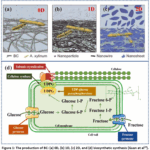 |
Figure 1: The production of BC: (a) 0D, (b) 1D, (c) 2D, and (d) biosynthetic synthesis (Guan et al24). Click here to View Figure |
The suggested mechanism of cellulose production in K. Xylinus, which is represented in Fig. 2, demonstrating well-orchestrated process on basis for the material’s distinctive characteristics. BCs has huge mechanical toughness, which outcome of these one-of-a-kind biosynthetic pathways. These characteristics are essential for applications that include supporting cell growth and TE healing.25 On account of this, the complex interaction that exists between the several proteins exemplifies the biological complexity that lies behind the creation of BC.
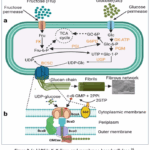 |
Figure 2: (a-b) BC in K. Xylinus, and membrane-based cellulose.26 Click here to View Figure |
The following figure provides an overview of numerous composite scaffolds based on BC, including a description of their features and creative uses in the field of biomedicine. These scaffolds are an example of a wide variety of material alterations and additions that have been made with the intention of customizing the properties of BC to specific uses in regenerative medicine and TE. Nanofibrous structure of BC is equal to ECM, it offers an excellent milieu for the processes that occur within cells. For instance, it has been demonstrated that the introduction of biologically active substances, nanoparticles, or synthetic polymers into BC matrices can improve the mechanical strength, bioactivity, and usefulness of the material. These improvements make it possible to construct scaffolds that are capable of stimulating tissue-specific regeneration. For example, they can improve vascularization during the healing process of wounds, enhance osteogenesis during bone repair.27
In situ modifications and surface functionalization, are some of the preparation strategies that can be utilized for these BC scaffolds. Some of these techniques are described here. Although BC has a lot of potential, there are a few obstacles that prevent it from being widely used in clinical settings. The inability of BC manufacturing to be scaled up is a significant obstacle. Production methods that rely on fermentation need a significant amount of resources, continues to be challenge from both a technical and economic standpoint. Differences in the physical qualities of BC can be caused by variations in growth conditions, availability of nutrients, and performance of bacterial strains, these variations, in turn, make it possible for scaffold performance to be affected. Furthermore, although BC is biodegradable, its in-vivo degradation is usually insufficient for applications that need rapid resorption. This is because the rate of breakdown in vivo is quite sluggish. In order to solve this issue, researchers have investigated various techniques, including chemical crosslinking, oxidation, and blending with polymers that degrade more quickly, with the goal of modulating degradation rates while preserving the integrity of the scaffold.28,29
There are a number of obstacles that prevent the therapeutic application of scaffolds based on BC. The scalability of BC production continues to be a key obstacle due to the fact that bacterial fermentation technologies are cost-intensive, resource-intensive, and difficult to scale up the clinical usage. The enhancement of mechanical characteristics of BC, while simultaneously retaining cost efficient, and clinical practicality, is crucial field of research that is now being conducted. When it comes to tissue engineering applications, addressing these hurdles is absolutely necessary in order to unleash the full potential of BC-based scaffolds. There are wide variety of BC manufacturing methods, those are 3D technology, freeze drying and etc. This is despite the constraints that have been mentioned. Biofunctionalization methods, such as surface treatment, and promote TE response.30,31
Composite scaffolds that combine BC with synthetic polymers. The primarily focuses on biosynthesis and second focuses on biomedical applications of BC. In addition, covers important problems that need to be addressed in order to transition BC from lab to clinical usage. These challenges include manufacturing scalability, pricing, degradation control, and regulatory considerations. Lastly, the paper provides an overview of the primary challenges that must be overcome in order to achieve clinical integration and scale up production. This highlights the importance of developing novel solutions in order to move BC from the realm of laboratory research to the realm of transformational clinical applications (Fig. 3).
In the following sections, we will investigate the distinctive mix of physicochemical properties, biocompatibility, and structural versatility that BC possesses. Additionally, we will highlight recent developments in BC, production techniques, and usage, with particular emphasis on advances that have the potential to bring about paradigm shifts. The purpose of this review is to emphasize the revolutionary potential of BC in advancing scaffold design and regenerative therapeutics. It does so by concentrating on current developments and translational barriers.
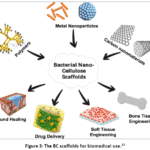 |
Figure 3: The BC scaffolds for biomedical use.12 Click here to View Figure |
Production of BC
According to Li et al32, the Gram-negative aerobic bacterium known as Gluconacetobacter Xylinum is the most well-known and most productive bacteria that produces BC. This bacterium thrives in an environment that is rich in sugar and can tolerate up to ten percent of glucose. In addition to Salmonella, Rhizobium, and Salmonella utilized in the production of BC (Gregory et al33 and Mbituyimana et al34). In general, the BC that is formed is a film that is similar to a translucent gel and is composition. The nanoparticles that are zero-dimensional (0D), nanotubes that are one-dimensional (1D), and nanosheets that are two-dimensional (2D) according to Picheth et al35. The BC biosynthetic pathway is comprised of five distinct steps.
The first step involves the phosphorylation of glucose to glucose-6-phosphate by glucokinase. The second step involves the isomerization of glucose-6-phosphate to glucose-1-phosphate by glucose phosphate metastases. The third step involves the conversion of glucose-1-phosphate to uridine diphosphate glucose (UDPG) by uridine diphosphatase. The fourth step involves the transfer of glucose residues from UDPG to straight-chain (1–4)-glucan chains. Finally, the fifth step involves the crystallization of polymerized subunits (β-1,4-glucan chains) into BC. These steps are described in Choi and Shin36 and Klemm et al37. According to Liu et al12, the β-1,4-glucan chains are released beyond outer membrane to ECM. Additionally, numerous glucan chains are formed, crystallized, and joined to form supramolecular weaving structures. The preparation process of BC, which mostly consists of static and stirred cultures, has a close relationship with characteristics of the substance on a higher scale.
According to Czaja et al38 and Wang et al39 the primary reasons for the changes of BC that are developed through production methods are availability of oxygen level of the bacterial culture broth. Static culture is a time-honoured technique that has the capability of producing a BC film that possesses exceptional characteristics and structure at the interface between the air and the culture fluid. According to Wang et al39 the thickness of BC has a positive correlation with the amount of time used for incubation. The relationship between the thickness of the BC and the passage of time may be broken down into three distinct stages, each of which follows a linear pattern. At the beginning of the process, there is an adequate supply of nutrients; nevertheless, the growth of BC is slowed down and restricted by strain numbers. In another level, the presence of sufficient nutrients might lead to an increase in the growth of BC, eventually leading to an increase in its number.
The development of BC is slowed down because it is restricted by the depletion of nutrients and the insufficient supply of oxygen to the thickened BC film (Luo et al40). Because supply of oxygen is related to formation of BC, the amount of BC that may be produced in cultures is restricted through area of interface between the air and the culture media. On the other hand, in stirred cultures, the medium is able to obtain consistent aeration, which, in theory, speeds up the creation of BC and improves its yield. On the other hand, conditions like this tend to be more favourable to the growth of dense cells than they are to the growth of synthetic polymers. On the other hand, the production of BC is hindered by the existence of non-cellulose mutants and the genetic instability of bacteria when they are subjected to stirring conditions (Gregory et al33). As was noted, both of the ways for producing BC have their own set of benefits and drawbacks. Attempts have been made to boost the creation of BC by either increasing the amount of oxygen that is present or by modifying the composition of the medium. There are several culture methods that make use of bioreactors that are capable of producing large amounts of BC. This may be accomplished by either raising the bacterial concentration or altering the equipment that is used for production.
Production of BC was increased in 2007 by the utilization of a rotary filter fermentation method, which employs boost density of bacteria. This was achieved fermenter that was fitted spinning filter and a 6-blade turbine. Nevertheless, after 92 hrs, and beyond significant number of cells that were capable of producing BC were transformed into cells that were unable to produce BC, which made it difficult to achieve additional improvements in output (Jung et al41). Therefore, this process does not lend itself well to production that is continuous over an extended period of time at a commercial scale. Additionally, another strategy that is frequently utilized is to rotate the disc that is responsible for the production of BC in such a way alternately touch to air and fluid culture. Particular bioreactors referred as biofilm contact bioreactor, and it is notable for increasing the amount of oxygen interaction. Maximum BC dry-weight was reached to 11.66 g/L on 7 days, when three parameters of rotation speed, aeration, and disc spacing were optimized (Bagherinia et al42).
This is one of the greatest amounts of BC that has ever been generated. Additionally, a novel approach of aeration has been devised, which involves the introduction of air directly for growing medium. This approach has been developed in order to increase the amount of oxygen that is exposed to the BC. Experiments have demonstrated that a rate of air intake of 6.3 lit/min can result in a BC rise of up to 25%. Alterations in the circumstances of aeration, on the other hand, have the potential to affect the features of BC strain that is employed. The reason for optimism for this strategy; however, additional research is necessary to determine the proper strain and the impact of incubation duration on the amount of BC produced (Shavyrkina et al43). Because of the benefits and drawbacks associated with the conventional techniques of producing BC, bioreactors are becoming an increasingly popular method of study for the manufacture of BC. This is because bioreactors have the potential for BC production, BC that is formed and become a hydrogel or spheres, depending on the procedure that was utilized (Zhu et al44).
Alteration of BC
Because of its one-of-a-kind characteristics, BC is applicable in a wide variety of industries. According to Stumpf et al45 BC has a number of shortcomings, the most notable of which are its inability to stimulate early cell attachment, its inability to modulate pore size, and its slow in vivo breakdown characteristics. In an effort to overcome these concerns and broaden the scope of its applicability, researchers have investigated and altered BC using a variety of techniques. According to Cazon and Vazquez46, BC chains are characterized by the presence of a substantial quantity of hydroxyl groups. These groups can be utilized to introduce various alterations in synthesis protocol for enhancing their activity. Two sorts of adjustments that occur outside of the original location are known as ex-situ alteration. BC alteration techniques were thoroughly addressed, changed BC and composites were utilized broad variety of usage. Furthermore, the quality of modified BC and its composites is frequently superior to that of unmodified BC. BC is grafted with α-amino-p-hydroxybenzyl penicillin (Amoxicillin [AM]), and self-healing mechanism in ionically modified gel hydrogel film was observe by Ye et al47.
In-situ modification of BC
In situ modification is a technique that is considered to be among the most common and significant strategies for changing BC. Because of this method, the modification of materials can be dispersed equally throughout the material. This method entails making an intervention in the process of creating BC, which permits the modification of materials. It is generally accepted that the process of in situ alteration of BC is one that is straightforward and can be completed in a short amount of time. Consequently, the fundamental biophysical features of the BC matrix are altered as a consequence of this alteration, which leads to the development of characteristics that are unique to themselves. Changing the carbon source of the medium at the beginning of the synthesis of BC or adding additives to the BC medium is the general idea that underpins the in-situ modification of BC. This modification can be done using either of these two methods. This alteration is intended to extend the fiber network of the BC and interact with the hydroxyl groups of the BC chain in order to form additional hydrogen bonds.
The goal of this enhancement is to accomplish both of these objectives. All things considered, this will finally lead to a BC composite that possesses both of the properties that are needed. Additionally, the physicochemical, mechanical, and morphological properties of BC composite biomaterials are all capable of being adjusted by the utilization of this modification process has been used by Guo et al48. This is a significant advantage. Nevertheless, in order to avoid the adverse effects that additives have on BC, it is necessary to consider both the type and quantity of additives that are utilized in the fermentation conditions for BC. According to Stumpf et al45 two primary types of in situ changes are the modification of the pore size of BC through the addition of porogenic or filler materials and the improvement of its characteristics by the modification of the medium through the addition of functional components.
Ex situ modification of BC
When it comes to changes that occur outside of the original environment, there are two types of modifications: physical and chemical. It is possible to develop a product that combines the most advantageous attributes of both components through the use of physical ex situ changes. This is accomplished by focusing on the physical process of combining the additive with BC. This method, in contrast to in situ cultures, is not limited to the environment in which bacteria engage in fermentation. Rather, it is not limited to these conditions. Furthermore, physical ex situ modifications are typically easy and have repercussions that are not particularly significant. Once the target material has been absorbable onto the BC fiber or poured into the fiber interstices for modification through adsorption and other techniques, the BC membrane that has been formed is then submerged in a target solution or particle suspension. This process is repeated until the desired alteration has been achieved by Arias et al49.
After being homogenized or dissolved in a suspension or solution, BC is then mixed with the appropriate extra ingredients in order to carry out the process of preparing items that are based on BC. This is done in order to carry out the process from beginning to end. The vast majority of the time, ex situ chemical alterations are accomplished through the utilization of chemical techniques that either modify the characteristics of BC or supply it with functionalized groups on the surface. Because of the high OH content that it possesses, BC is an extremely reactive substance. It is also capable of undergoing a number of processes, such as oxidation, esterification, etherification, and graft copolymerization, which make it feasible for it to be utilized in a greater variety of applications (Chen et al50, and He et al51). These procedures can boost its qualities and make it possible for it to be utilized in multiple applications.
The addition of chemicals and the reactions that take place are the factors that determine the changes that take place in the physicochemical properties of BC that has been chemically altered. These changes are an outcome of the chemical transformation that has taken place. Compared to graft-copolymerized BC, oxidized and etherified BC both have higher mechanical strength and water solubility. However, graft-copolymerized BC has a higher capacity for water absorption. These are the material’s physical characteristics. Oxidized BC is more chemically stable than unoxidized BC, and graft copolymerization makes it possible to access other compounds that have properties that are similar to those of oxidized BC, such as antibacterial and self-healing properties (Andriani et al52 and Zhang et al53). Oxidized BC is more stable in terms of its chemical properties. When it comes to BC, the two types of modifications that are carried out most frequently are in situ and ex-situ alterations; the ideas that underlie the manufacturing of these modifications are illustrated in Fig. 4(a-b).
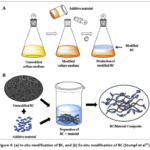 |
Figure 4: (a) In-situ modification of BC, and (b) Ex-situ modification of BC (Stumpf et al45). Click here to View Figure |
Usage of BC and its composites
BC has been able to find broad employment in the field of biology without much trouble. This is largely because to the extraordinary properties that it possesses, which include its high-water retention, flexibility, biocompatibility, high absorption capacity, and energy exchange capabilities. Pure BC has been the subject of a substantial amount of research, and it has been partially commercialized in a variety of sectors, including the manufacture of artificial blood vessels and the healing of wounds through this research. When it comes to the field of biomedicine as a whole, BC scaffolds, on the other hand, have a number of limitations. However, when it comes to bone tissue engineering, they have a low mechanical strength, and when they are used as wound excipients, they do not possess any antibacterial properties (Liu et al12). These are the downsides. Researchers are continuing their efforts to blend BC with other materials in order to address the deficiencies of pure BC materials and better adapt them to complex and ever-evolving applications. Some examples of these applications include wound healing, the construction of artificial blood vessels, soft tissue engineering, and bone tissue engineering.
Use of BC to prepare artificial blood vessels
Aiming to address the problems of subsequent surgical injury and the limited supply of autologous blood vessels that are available for clinical use, the objective of artificial vascular bioengineering is to produce alternative materials. This is done in order to address these challenges. Large-calibre vascular grafts have been made out of a variety of materials, depending on the specific needs of the patient. These materials consist of extended polytetrafluoroethylene (EVT) and polyethylene terephthalate (PET), among others. Patients who get vascular grafts with a small diameter, on the other hand, have a greater risk of experiencing thrombosis and persistent patency over the long run. The artificial blood vessels that are created using BC have piqued the interest of a number of researchers who have developed an interest in such vessels. The employment of BC as a tubular scaffold material in this particular sector of the industry may be attributed to the fact that it is non-toxic, possesses a strong tensile strength, and can be formed into various shapes. This is due to the complex architecture of blood arteries, which has led to a significant number of researchers investigating a variety of techniques that entail the utilization of diverse molds. Molds made of silicone, polydimethylsiloxane (PDMS), and cylindrical glass are included in this category of Fig. 5(a-g) (Zhang et al54).
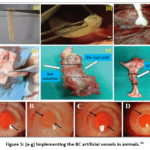 |
Figure 5: (a-g) Implementing the BC artificial vessels in animals.54 Click here to View Figure |
Klemm et al37 and Salinas et al55 are also included in this category. A hollow BC tube with a variety of inner diameters and thicknesses is what these researchers hope to accomplish with their work. This ability of BC to promote in situ vascular tissue regeneration in porcine strong arteries (Wippermann et al56) and sheep strong arteries (Scherner et al57) without signs of pre-thrombotic formation or inflammation has also been continuously investigated. Other properties of BC, such as its potential to serve as a scaffold for small-diameter tissue-engineered blood vessels (TEBV), have also been continuously subjected to research. The patency rate of BC in animal experiments that did not entail the use of pharmacological induction agents was neither encouraging nor encouraging, despite the fact that this data was presented. It has been discovered that the newly generated tissues that have been formed as a result of the implantation of cancer cells contain certain inelastic fibers rather than collagen. When this is taken into consideration, it is of the utmost importance that the adaptability of regenerated BC grafts be assessed and evaluated further. In the framework of the production of artificial blood vessels, some research has also been done on the incorporation of a variety of materials into pure BC. One illustration of this is the incorporation of expanded potato starch (PS), which leads to the formation of BC/PS vascular grafts that have a circumferentially large porous outer layer and a dense inner surface. Both the patency of the vessel and the rate of regeneration are accelerated as a consequence of this fact.
Adding sub-microfibrillar cellulose acetate (CA) is another possibility. Vascular grafts of BC/CA composite, which is a small-diameter composite obtained by combining electrostatic spinning and stepwise in-situ biosynthesis, has been demonstrated to reduce thrombosis, improve endothelialization, and significantly reduce the inflammatory response (Wan et al58). This composite has been shown to be effective in reducing the inflammatory response. It is important to improve both the production techniques and the efficiency of the material in order to make BC appropriate for use in artificial vascular grafts. This will allow BC to be used in grafts. On top of that, there is a need for extra research to be conducted in order to guarantee that composite materials are incorporated into the manufacturing process of artificial blood vessels. This is done with the intention of making BC less thrombogenic and more resilient. The utilization of BC will be able to reach its full potential as a result of this. The placement of a cellulose patch on the left ventricle of a Wistar rat. This study aimed to use BC membrane patches containing cocultured cells to limit myocardial postinfarction pathology (Simeoni et al59). Fig. 6 indicates the longitudinal incisions on the anterior wall of the common bile duct and implanted cellulosic exopolysaccharide biopolymer (ECB); a BC film. The appearance of implanted BC films reoperated after 330 days (a) and 150 days (b). Reprinted with permission from reference (Abreu et al60).
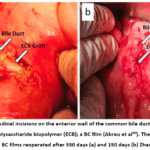 |
Figure 6: longitudinal incisions on the anterior wall of the common bile duct and implanted cellulosic exopolysaccharide biopolymer (ECB); a BC film (Abreu et al60). The appearance of implanted BC films reoperated after 330 days (a) and 150 days (b) Zhang et al61). |
Use of BC in soft tissue engineering
According to Pei et al62, it is absolutely necessary to make use of appropriate grafts in order to cover traumatic defect locations and accelerate tissue regeneration. Therefore, this is due to the fact that bone transplants, whether they are autologous or allogeneic, carry a considerable risk of being rejected and of transferring infections. When compared to autologous temporalis fascia, the utilization of BC in the clinical treatment of tympanic membrane perforations has the potential to substantially reduce the expenses associated with the surgical procedure and the duration of time necessary for the operation. Based on the fact that the perforation is closed in a manner that is equivalent to that of autologous temporalis fascia (Silveira et al63), this is the conclusion that can be drawn. According to the findings of Mandour et al64 BC graft myringoplasty showed superior postoperative hearing and cure rates compared to fat graft myringoplasty in patients who had minor or moderate size safe perforation. This was the case in individuals who underwent the procedure. It has been suggested by Binnetoglu and Midi65 that the employment of BC in the field of gastrointestinal surgery has the potential to improve the strength of anastomosis and reduce the amount of leakage that occurs after colonic anastomosis. As stated by Abreu et al60 the BC can also be utilized as a graft for the purpose of biliary repair. This not only facilitates a complete healing process but also reduces the likelihood of difficulties occurring after the surgical procedure. The use of BC in neurosurgery results in less inflammation than the use of traditional materials. This is due to the fact that BC is an artificial rabbit dura mater. It is necessary, however, to demonstrate that this influence is significant in larger animals over a more extended length of time (Xu et al66).
BC can also be used as a corneal matrix replacement scaffold, which makes it easier to solve the problem of limited corneal donors that arises during the treatment of severe corneal illnesses. This difficulty arises because corneal donors are restricted. The most common material that is now available is called acellular porcine corneal stroma (APCS), and it is vulnerable to changes in its chemical and physical properties. These changes can occur as a result of damage to collagen fibers that is produced by decellularizing chemicals. The use of BC in corneal transplantation is feasible due to its excellent light transmission, good mechanical properties, the capacity to withstand surgical sutures and intraocular pressure, and the fact that it can be made. The cells demonstrated a significant adhesion to the BC membrane over the course of three months when they were examined using rabbit corneal epithelial and stromal cells. This was demonstrated by the fact that the cells were examined. Based on this discovery, it can be concluded that pure BC membranes are not only biocompatible but also preserve a specific amount of optical permeability (Zhang et al61).
Additionally, researchers have incorporated PVA into BC in order to improve its biostability, mechanical characteristics, degradability, and transparency for the purpose of making it more environmentally friendly. The rabbits that were used for the current application did not exhibit any symptoms of inflammation, sensitization, or neovascularization, as determined by either the clinical or the histological examinations. Additionally, BC is prone to dehydration, and it is difficult for cells to develop into the substance, both of which are potential concerns. Both of these issues are potential drawbacks. Bringing attention to the fact that the amount of cellulose and water that is present in BC membranes is directly related to the mechanical strength of these membranes is absolutely necessary. To be more exact, the mechanical strength of BC membranes increased in proportion to the amount of cellulose that was present, while it dropped in proportion to the amount of water that was present (Roman et al67). Tanaka et al68 found that the modulus of elasticity of BC with a 2% cellulose content was only 2 MPa. This was found to be the condition. When it comes to the topic of soft tissue engineering, this is an important point. It has been demonstrated by Nimeskern et al69 that the results of stress relaxation indentation tests performed using BC membranes with a cellulose content of 14% are equivalent to those obtained from real ear cartilage.
On the other hand, BC membranes that contain thirty percent cellulose are capable of achieving a modulus of elasticity of twenty-four million Pascals (MPa). This value is higher than the native meniscus of pigs, sheep, and humans, which ranges from one hundred to two hundred MPa (Tanaka et al68). The fact that this is the case suggests that the mechanical strength of the BC product can be made more compatible with the soft tissue that is going to be implanted by modifying the quantity of cellulose and water that is included within the BC membrane. For example, the amount of water that is contained within the BC membrane can be changed. Based on the findings, it is possible that this problem might be overcome in further research by including a wide range of functional chemicals into BC, modifying the composition ratio, or developing alterations to the material. When it comes to the field of soft tissue engineering, BC is a substance that is not only biocompatible but also non-toxic and simple to acquire. In addition to this, it does not adhere to the tissue, it prevents the loss of fluids from the body, it is flexible and elastic, and it offers protective measures against inflammation. Consequently, it has the potential to be applied in a range of applications for the aim of replacing and repairing autologous structures in soft tissues. This is because it has the ability to provide a variety of benefits. Furthermore, it has been successfully tested in humans for a variety of soft tissue applications, which suggests that its potential for development is far greater than previously thought. The rat model of skin defects healing over time without (left side) or with bacterial cellulose scaffold covering (right side) (Cherng et al).70
Use of BC in bone tissue engineering
For the purpose of tissue design, the application of BC makes it possible to repair cells that have been damaged. According to Deng et al71 BC is an excellent biomaterial that may be used with other nanoparticles for the dual aim of promoting cell growth and facilitating cell separation. This is because it is simple to control and can imitate any structure or architecture. Additionally, it can imitate any style of architecture. BC is not restricted by its biocompatibility and harmfulness during cell immunization, in contrast to a few of the polymers that are currently in use, such as polyglycolic acid (PGA), polylactic acid (PLA), and polyvinyl alcohol (PVA) (Pandit and Kumar22). BC is a biocompatible polymer that does not cause any harm to cells. Through the utilization of BC to its maximum potential, it is possible to generate a wide diversity of tissue designs. In addition to a wide variety of other designs, these designs include bone tissue design, delicate tissue design, and counterfeit veins. According to Huang et al72, and Pang et al73, the current function of synthetic bone repair materials is to provide structural support for the attachment, spreading, migration, proliferation, and differentiation of cells. This is the role that these materials currently play. Stents are required to have biomechanical properties that are equal to those of the bone that they are implanted in. In the case of cortical bone, the Young’s modulus should be between 15 and 20 GPa, while in the case of cancellous bone, it should be between 0.1 and 2 GPa. According to Roman et al67, the compressive strengths of cortical bone should be between 100 and 200 MPa, while the compressive strengths of cancellous bone should be between 2 and 20 MPa.
According to Yamanaka et al74, air-dried BC has a tensile strength that is somewhere between 216 and 260 MPa, but when tested, its Young’s modulus is greater than 18 GPa. This is the evidence that supports the findings of the study. When water is added to the BC film, the mechanical properties of the film are diminished, as was mentioned earlier. This is because water is a component of the BC film. As a result of this, BC can be combined with a wide range of substances in order to enhance its application in bone tissue engineering. By way of illustration, a novel polycaprolactone (PCL)/gelatin (Gel)/BC/hydroxyapatite (HA) composite scaffold has been developed. This scaffold is intended to imitate the growth and attachment of cells, as well as to improve the mechanical properties of BC through the use of PCL and Gel. Furthermore, it has been reported that the utilization of BC in conjunction with collagen, agarose, poly(3-hydroxybutyrate) (PHB), chitosan, and HA (Torgbo and Sukyai75) has also been successful in the utilization of the material. A composite material that is composed of BC, and bone graft (HA) could be used to define a hybrid scaffold material that possesses osteoconductive, osteoinductive, and osteogenic characteristics or capacities. When compared to BC in its purest form, the combination of BC and HA resulted in an improvement in the chemical stability of the HA nanocrystals while simultaneously diminishing their crystallinity. This was the case when comparing the two substances on their own. The biological activity of HA makes BC/HA more advantageous than BC in terms of the internal migration, proliferation, and differentiation of bone-forming cells, as well as angiogenesis (Maia et al76). This is because BC/HA is more likely to be able to produce blood vessels. Additionally, strontium (Sr) is an ion that exerts an attractive force and can be discovered in the tissue of hard bones. Through the inhibition of osteoclasts and the reduction of bone resorption, it is accountable for the stimulation of osteoblasts and the promotion of osteogenesis among humans. In the field of bone replacement, the inclusion of strontium ions into collagen and hydroxyapatite-compliant materials is a promising step forward (Luz et al77). This is because strontium ions are stable and can be incorporated into materials.
As a result of the fact that mesoporous bioactive glass nanotube (MBGN) scaffolds have been shown to have high levels of bioactivity and controlled drug retardation, they have the potential to be utilized in the field of bone tissue engineering. By using BC as a template and a nonionic block copolymer as a pore-directing agent, these scaffolds were created by the utilization of the aforementioned. The mechanical properties of BC, in addition to the fact that it is able to efficiently connect with other materials, indicate that there is a possibility that it could be utilized in bone tissue engineering. The scaffolds that support the various components of an organism’s skeleton need to have diverse properties and morphologies in order to accommodate them. The plasticity of BC is an ideal material for achieving this requirement because it allows for the scaffolds to be shaped in a variety of ways. Bone tissue engineering is depicted in Fig. 7(a-b).
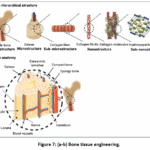 |
Figure 7: (a-b) Bone tissue engineering. Click here to View Figure |
Use of BC in wound healing
During the phase of wound healing, homeostasis, inflammation, proliferation, and maturation are all processes that take place. Through the elimination of debris and the elimination of germs, the inflammatory phase of the wound healing process prepares the wound for the creation of new tissues. Wound dressings have been used for the treatment of skin injuries for a very long time. These dressings serve as adjuvants because they not only protect the wound and ensure that it remains dry throughout the healing process, but they also actively participate in the healing process, regulate infection, and generate a microenvironment that is conducive to healing (Wahid et al78). Wound repair necessitates the utilization of materials that are non-allergenic, non-adherent, non-toxic, and readily removable. Additionally, these materials must regulate cell proliferation. Chitin, chitosan, nanofibers, and proteins (Yu et al79) are some examples of the natural and synthetic polymers that have been utilized in this study. To cure a wound, there must be complex interactions between cells, soluble substances, and components of the extracellular matrix (ECM). According to Gregory et al33, BC is thought to be an effective interface that can expedite the healing process of wounds. As a result of its exceptional qualities, it provides a number of advantages that are not seen in other wound-dressing applications. By virtue of its high compatibility, BC is able to successfully prevent allergic reactions and the rejection of foreign bodies.
According to Anderson et al80, foreign body reactions have an impact on the biocompatibility of medical devices, prostheses, and biomaterials that have been introduced into the body. It is the final response to inflammation and wound healing processes, and it is made up of macrophages and giant cells that are found in foreign bodies. BC initially displays only minor inflammation in in vivo tests, and there is no chronic inflammatory response that causes a foreign body reaction. A foreign body reaction is not caused by BC. According to Gupta et al81, BC creates a moist environment for the wound during the inflammatory phase, which makes it easier for the body to undergo enzymatic debridement. When this occurs, BC is also biocompatible. In addition, BC possesses a good three-dimensional structure that allows it to absorb and evaporate exudates while also exchanging oxygen with the site, so preventing the lesion from becoming infected. Furthermore, when BC is withdrawn from the wound, its stable mechanical qualities shield the patient from experiencing additional injuries. The preparation process as well as the slow-release behaviour of the antibacterial wound dressings that are based on BC. Additionally, a high-water retention offers a moist environment that is conducive to the healing process for wounds.
In accordance with the findings of yet another study (Cherng et al82) BC scaffolds are indispensable for the purpose of preserving and restoring damaged epidermal and wound microenvironments. In addition to these functions, these scaffolds help to preserve the activity of stem cells, encourage the differentiation of cells that produce keratin, enhance the deposition of extracellular matrix in the skin, and regulate excessive inflammation. The usage of BC as a drug carrier system that distributes antibiotics is another method that can be utilized to effectuate the application of BC in wound excipients. BC layers that were loaded with precise amounts of tetracycline hydrochloride and gentamicin were shown to be beneficial in reducing the releasing effect, which ultimately led to the inhibition of bacterial growth. This was identified through the process of bacterial growth inhibition. In addition to this, the drug release from these BC layers was consistent with the Korsmeyer-Peppas hypothesis. The in vitro sustained release experiments of ibuprofen have demonstrated that BC spheres improve drug release (Urbina et al83). These tests were conducted by encapsulating or spreading graphene oxide (GO) between BC/GO spheres by using BC spheres.
In order to carry out these experiments, the experiments themselves were carried out. Even though BC membranes have been used in the treatment of wounds, their potential is still being researched and scientifically confirmed through the combination of BC membranes with other materials. This is being done in order to determine whether or not they have the potential to be effective. In conjunction with chitosan (CS), which is an additional polysaccharide that contains antibacterial properties, a substantial amount of study has been carried out on bacteria-containing compounds (BC). A significant amount of suppression of Escherichia coli and Staphylococcus aureus was seen in the composite layer that was produced by merging the two materials, as stated by Lin et al84. Additionally, it was able to remain underwater for a considerable amount of time, which helped to compensate for the burdens that were brought about by layers of unadulterated BC. The proportion of BC to CS in BC/CS semi-interpenetrating network hydrogels was demonstrated by the use of chitosan as an additive in the tests that were conducted.
The objective of these studies was to ascertain the degree of effectiveness of the hydrogel composition in terms of its antibacterial and mechanical properties. It has been demonstrated by Wahid et al78, that the antibacterial properties of a material are enhanced when the percentage of CS in the material is higher. On the other hand, the mechanical properties of the material are enhanced when it contains twenty percent BC. In addition, the addition of Pistacia atlantica fruit oil to BC has been made in order to reduce the number of neutrophils in the injured tissue, which in turn helps to speed up the healing process of skin wounds that have been caused by burns of the second degree. In comparison to the application of carbopol under the same conditions as the addition of Pistacia atlantica fruit oil, the application of BC resulted in a more rapid closure of wounds. This was the case when comparing the two outcomes.
In order to produce a composite BC layer, chitosan and cinnamon (CE) were added separately. This composite BC layer exhibited a greater proliferative influence in comparison to the BC/CS film. The purpose of this action was to further enhance the performance of the BC-based membrane for the purpose of applying it to wound healing. This was demonstrated in a Wistar rodent full skin wound model with a recuperation time of approximately ten days, which is a shorter amount of time than what was discovered in earlier studies. The wound model was used to analyse the effects of the treatment. There have been discoveries made regarding additional additives and the effects that they have been demonstrated to have. A film that was constructed of a ternary system consisting of BC, apparent polylysine (ε-PL), and polyvinyl alcohol (PVA) was successfully manufactured by Wahid et al78. This film was produced through the application of a green solution casting approach. Greater than 99% of the expansion of S. aureus or E. coli. The fact that it could be recycled and reused twice, in addition to inhibiting the growth of E. coli, led to an increase in the quantity of raw materials that were utilized. BC is frequently combined with other substances, like as antibiotics and polymers, in order to enhance its antibacterial activities against a wide variety of bacterial strains, decrease the risk of dehydration, and enhance the qualities of wound dressings in order to facilitate the healing of wounds. As a wound dressing, BC is frequently mixed with other chemicals, despite the fact that it possesses beneficial characteristics in this regard. The preparation and slow-release behaviour of BC-based antibacterial wound dressings.
Use of in-situ modified BC
The regions of application of in situ modified BC are related to both the procedure of in situ modification and the additives that are employed through the application of in situ modified BC. There is a close connection between these several areas of application. The additions of materials can be generally divided into two groups: those that alter the physical structure of the BC, and those that contribute utility to the BC. Both of these categories are referred to as “functional” materials. As a result of the absence of large pores in BC, its application in tissue engineering is more limited than it could be. Increasing the size of the pores through in situ change is one of the most popular ways that is used. A popular method for generating BC scaffolds with micron-sized pores by in situ modification is to incorporate porogenic agents or filler materials that are easily removed. This is done in order to get the desired results. There are many different applications that can be carried out with these scaffolds. There are two categories of media that are utilized in the process of controlling the porosity of BC. The first category includes media that contains porogenic compounds that need to be removed, while the second category does not contain any porogenic agents.
In-situ synthesis of macro-porous BC with the utilization of gel microspheres makes it possible to obtain scaffolds with linked macroporous structures. This is made possible by the utilization of Gel microspheres. During a prior investigation, gel was fixed on the surface of BC by means of the technique of proanthocyanidin cross-linking. Following the completion of the cell culture process, it was seen that the cells migrated towards the interior of the macro-porous affinity BC, which led to an increase in the spreading and proliferation of the cells. Through the application of circular Gel microspheres (GMS), porogenic-induced, surface-modified, three-dimensional microporous regenerated BC (RBC/G) scaffolds were produced. These GMS were used as porogenic agents in order to dissolve solution-cast BC scaffolds. This was done in order to facilitate the production of surface-modified microporous BC for the goal of skin regeneration. The scaffold had a regular and highly porous form during the in vivo skin regeneration experiment, and it was able to increase the pace of skin regeneration by 94% in just two weeks. This was accomplished by placing the scaffold in the skin.
In addition, polyethylene glycol 2000 (PEG2000) is utilized for the in-situ modification of BC for the purpose of its application in sustained drug release formulations. This is all done for the aim of enhancing the drug’s delivery system. The kinetics of drug administration and release of BC can be adjusted to allow for a significant and sudden release of medicines in vitro. This is accomplished by altering the porosity, specific surface area, fiber density, crystallinity, and swelling properties of BC. The polyethylene glycol-modified BC that was used in this research has the potential to be utilized for the immediate release of acute analgesic formulations as well as angina drugs, as stated by Adepu and Khandelwal.85 This research was conducted in order to investigate the properties of the BC. In the wake of the invention of the BC membrane, both GMS and PEG2000 were removed from the equation. Redox graphene oxide, also known as RGO, is a component that can be easily disseminated in a BC network to form a porous structure for in-situ modification. This component need not be removed after the creation of BC because it is able to generate a porous structure. There is no requirement to take the component out of the system in order to accomplish this. By adjusting the composition of rGO and BC fermentation conditions, it is possible to generate BC/rGO membranes that have an exceptional level of mechanical stability (Dhar et al86).
The utilization of these membranes in the construction of scaffolds for tissue engineering that are equipped with biosensing capabilities is a possibility. The removal of porogenic agents and the selection of porogenic agents are the key areas of research that are currently being conducted in relation to this modification. As a result of the fact that some microstructures, in addition to porogenic chemicals, have the capacity to affect cell proliferation and achieve anti-scarring effects, the utilization of physically modified BC for applications linked to wound healing is guaranteed. When BC was streaked using PDMS as a template, the inflammatory response was well managed, fibroblast aggregation was minimized, and scar contraction was considerably decreased. All of these outcomes were achieved. The fact that this is the case suggests that the hypertrophic scar (HS) inhibitory activity of the BC was particularly high. By including porogenic agents into the production process of BC, the material is endowed with distinctive macrostructural features. This is because the material is endowed with these qualities. In order to elucidate the reasons for this phenomenon and to discover further in situ modification tactics, it is required to conduct additional study into the molecular pathways that are engaged between fibers and cells. This research must be carried out.
Another sort of in situ modification of BC is comprised of the addition of functional components to the medium. The process of tangling between fibers that occurs during the fermentation of the BC is responsible for this form of change, which entails the material being enclosed by the additional material. This change is being made with the intention of either enhancing significant characteristics or introducing specialized performance capabilities. In the course of the development process, the combination of BC with polymers that are introduced to the medium produces one-of-a-kind results that have the potential to be utilized in a wide range of settings. The addition of the material confers properties that are absent in pure British Columbia, while at the same time preserving the advantages that are associated with British Columbia. Within the framework of wound healing, the issue of the insufficient antibacterial powers of BC has been addressed by the incorporation of antibiotics and polymers that block bacteria into the culture media. This has been done in order to address the problem. As a consequence of this, the variety of uses for BC has significantly increased during this time period.
In the study conducted by Mao et al87 it was found that the in-situ synthesis of selenium nanoparticles that were modified with BC/Gel hydrogels could potentially aid in the healing process of skin wounds by exerting qualities that are antibacterial, antioxidant, and anti-inflammatory. During the fermentation process, it has been established that some cellulose derivatives can change the crystallization phase of BC, which in turn can have an effect on the crystal size and crystallinity index of modified BC. Additionally, Cazon and Vazquez46 have recorded the fact that this behaviour has been observed in a number of different tests. It is an excellent derivative that has the ability to bind and interact with BC fibers, improve BC solubility, reduce crystallinity, have a sparser structure, and boost the capacity to absorb large amounts of artificial exudate and water, and it has the potential to be employed as a wound dressing.
One of the best derivatives is called carboxymethyl cellulose. The inclusion of κ-carrageenan into BC films can lead to the production of BC/κ-carrageenan films that have a bilayer structure. This can be accomplished by the technique of in situ synthesis. The presence of this structure has the ability to enhance the material’s resistance to compression without generating an increase in the material’s brittleness. To further increase the vanillin release rate in comparison to pure BC films, which helps determine whether or not composite films are suitable for use in the biomedical and cosmetic industries, the slow-release characteristics of composite films can also be modified by modifying the conditions under which they are prepared. Other ways to modify these characteristics include modifying the conditions under which they are prepared. This slow-release feature of gold (Au)/BC hydrogels displayed good in vivo bone repair ability in a rabbit femoral lesion model, particularly in terms of new bone formation. This was demonstrated in bone tissue. Huang et al89 was achieved by continually releasing GNPs in order to induce osteogenic differentiation of human bone marrow mesenchymal stem cells (hBMSCs). To put it more generally, in situ modification has the potential to change the structure and properties of BC to a certain extent, in addition to expanding the variety of applications for which it can be used. In contrast, it is limited by the fermentation conditions of BC, and the addition of components is restricted to a limited number. Additionally, it is constrained by the fermentation circumstances of BC. The diagrammatic representation of in situ GNPs-BC hydrogel for the purpose of in vivo bone regeneration (Huang et al)88.
Use of ex-situ modified BC
As well as being detailed in terms of specific uses, physical and chemical changes have also been described. Both of these adjustments have been presented in two distinct stages. Physical changes can be accomplished through a variety of methods, including homogenization, adsorption, and impregnation processes. Oxidation, etherification, graft copolymerization, and other techniques are examples of chemical alterations. On the other hand, chemical modifications include others. By making physical modifications, it is possible to change the microstructure of BC. This will make it feasible for the composite to incorporate BC in a more efficient manner and take advantage of the benefits that both BC and the composite share. BC nanofibers (BCNF) can be produced by cutting, crushing, and homogenizing BC membranes. This process takes place in the manufacturing process. The capacity of these BC nanofibers to form tight bonds with a wide range of materials and acquire a variety of properties is one of its most notable characteristics. When it comes to wound healing, researchers have been able to improve wound healing by combining a coated protein antibody (SY5) with BCNF in stratum corneum keratinocytes. This has laid the framework for the building of a unique adhesive for the regeneration of skin tissue.
As an additional point of interest, BCNFs have a wide range of applications that demonstrate potential in other fields, such as soft tissue engineering. By utilizing them, it was possible to produce an improvement in the structural resolution as well as the mechanical properties of a hydrogel scaffold that was formed of a composite of gel and filamentous protein. It was feasible to create pores with sizes ranging from 10 to 20 and 300 to 600 μm, respectively, by means of the procedure of generating the print pattern and then freeze-drying the scaffold after the extrusion process finished. The presence of these pores makes it possible for cells to penetrate while also ensuring that an adequate quantity of nutrients is provided.
According to Huang et al88 research, the scaffold’s hierarchical pore structure and excellent mechanical capabilities ensure that it will be used for other tissue engineering applications. To bioengineer the fixation of adhesion proteins like collagen and fibronectin, a new method that makes use of fibroblasts, which are the cells that are responsible for building and repairing extracellular matrix (ECM), has been developed. This method mimics the soft ECM chemistry on three-dimensional bone fibroblasts (BCNF). The application of this technique has a beneficial effect on the behavior of cells, which ultimately leads to the production of modified three-dimensional bacterial nanocellulose (BNC) that possesses increased cellular metabolic activity and a larger three-dimensional cell density (Osorio et al).89
When it comes to the physical modification of BC, impregnation is yet another straightforward way. By impregnating the aloe vera gel with BC, it was eventually possible to make BC-Aloe vera (BCA) gels that contained forty weight percent of aloe vera. This was made possible by the porous architecture of the fiber. As a result of the incorporation of the aloe vera gel, which is capable of retaining water for up to seventy hours and successfully adsorbing metals, its mechanical strength improved by a factor of three. The formation, morphology, and crystallinity of the BC fibers are not affected by ex situ impregnation, which also adds to the enhanced mechanical properties of the material. This is in contrast to the in-situ modification process, which causes these changes to occur. It is also possible to integrate plant extracts that possess bactericidal qualities into the three-dimensional matrix of BC through the use of in situ modification procedures. This process involves imparting antibacterial capabilities together with superior water retention, which enables these plant extracts to be utilized in wound dressings.
In the majority of instances, impregnation necessitates the addition of additional time in order to achieve binding efficiency that is sufficient. The result is that homogenization, adsorption, or impregnation are the three methods that can be utilized to acquire physically changed BC. In addition to this, it is able to be successfully combined with functional compounds in order to produce composites that can be utilized in a wide range of applications, such as wound excipients and tissue engineering techniques. Among the many quite malleable methods of BC modification, chemical modifications are an additional alternative that can be considered. Bicarbonate (BC) is a biopolymer that occurs naturally and is largely related between molecules by the formation of glucosidic and hydrogen bonds. Due to the fact that the hydroxyl group is the only surface functional group, applications are severely limited and hindered as a result. Surface chemical alterations are typically required in biological applications. These changes are necessary in order to remove agglomerated fibers through the process of hydrogen bonding and to provide new functions through processes including as oxidation, etherification, and graft copolymerization. In addition, these modifications are essential in order to accommodate the introduction of additional functions. In the field of tissue engineering, one of the most common methods for imparting certain characteristics that are useful in a wide range of applications is to add additional functional groups to cellulose. The process of oxidation is a common technique that is utilized in order to enhance the characteristics of cellulose.
In addition, the water-soluble 2,2,6,6-tetramethylpiperidin-1-yloxy, also known as TEMPO, is widely utilized in the process of altering BC. It is possible that the structural, mechanical, and chemical stability of the composite could be improved as a result of this alteration. The composites of TEMPO-treated BC (TOBC) with sodium alginate (SA) have been discovered to have a greater compressive strength and chemical stability than SA scaffolds. This was discovered through research. Consequently, these composites are good candidates for cell encapsulation engineering because of their inherent properties. Within the PLA matrix, TOBCs act as nucleating agents that promote the formation of PLA crystals. Furthermore, the uniform dispersion of these TOBCs supports the formation of three-dimensional networks and structures that are cross-linked and interlinked.
Consequently, this paves the way for the creation of 3D-printed materials that are completely biodegradable and may be utilized in a variety of applications, including biomedical ones. The insertion of modest amounts of TOBC into PLA results in an improvement in the material’s mechanical properties and promotes crystallization, which in turn opens up the possibility of producing goods of this kind. Oxidized BC is easily diffused in aqueous solutions because it contains a large number of carboxylic acid groups within its structure. In this way, it is possible to further convert it into dispersions and hydrogels of varied viscosities, which can then be utilized for a wide range of applications across a variety of fields. One of the most recent developments in the allosteric modification of BC is the employment of BC as a raw material for the synthesis of carboxymethyl cellulose (CMC) with degrees of substitution (DS) that may be tailored. This is achieved by first activating the cellulose by the process of alkalinisation, and then etherifying it in conditions that are heterogeneous.
The acquisition of a wide range of CMC characteristics was made possible through the utilization of a variety of NaOH concentration conditions. According to Rachtanapun et al90. It has been established through research that CMCn films that are manufactured by employing thirty grams of sodium hydroxide for every one hundred millilitres of sodium hydroxide exhibit the highest possible degree of substitution and offer outstanding mechanical properties. As a thickener, stabilizer, emulsifier, or binding agent, the CMC that is produced by BC modification can also be exploited in the food and beverage sectors. This is particularly true in the case of the former. It is possible to exercise control over the DS within the meal range, which is the reason for this. It is a common and important method for modifying natural polymers, primarily through the action of initiators or catalysts, to produce active graft sites and then polymerize to form graft copolymers whose properties depend on the composition, structure, length, and number of branches of the main and branched chains. This method is used to modify natural polymers. It is possible to change natural polymers through the use of a technique known as graft copolymerization. Using citric acid cross-linkers and catalysts to modify BC polymers is a novel and inventive method to the modification of BC in polymers. This strategy will be discussed more in the following paragraphs.
With a water capacity that is more than 1.5-times more than that of contemporary commercial dressings that are designed specifically for wounds that are forcefully leaking, this method helps to significantly boost the water absorption capacity of BC polymers after they have been dried. To provide a more detailed explanation, the formation of air pockets inside the BC matrix makes it simpler for the material to take in considerable volumes of water. It is also possible to apply the material to wounds that are both heavily leaking and dry because the microporous structure allows for the progressive release of water that has been absorbed. This makes it possible for the material to be applied to wounds. Particularly interesting is the fact that this material has been shown to be a superabsorbent bandage for chronic wounds that have moisture imbalances. This is something that has been identified. On the other hand, clinical investigations are required in order to carry out an exhaustive examination of it. It is possible to adjust the grafting procedure in order to address the increased functionality of BC as a wound dressing in terms of its antibacterial properties.
In the experiments that Ye et al47 carried out, a wound infection model was utilized in order to demonstrate that the capability to improve wound healing was demonstrated. It is also feasible to incorporate graft-copolymerized BC into other compounds as an additive in order to improve the functionality of other substances. This is something that can be done successfully. In order to demonstrate that ion-modified self-assembled BC (IBC), which was manufactured by the use of the graft molding method, possesses self-healing characteristics, an ionic interlocking system was constructed. In addition, it was proved that it provides a robust cage for the Gel matrix once it has been put into the Gel matrix. It is also feasible to include curcumin into BC in order to bestow antibacterial effects on the substance. The purpose of the development of a functionally integrated BC/Gel composite polyelectrolyte hydrogel was to allow for its potential application as a wound excipient. The research that is now being carried out on graft copolymer modified BC is more applicable in wound dressing; nevertheless, additional research for the purpose of investigating its application in other domains is required. Allosteric modification is achieved through the alkali treatment of BC, which is referred to as mercerization. The physicochemical properties of the material are altered as a result of this treatment, which involves the utilization of an alkaline solution for the purpose of converting primary cellulose to secondary cellulose. Filamentation of tubular BNC grafts leads to increased mechanical strength and thinner tubular walls, both of which favor the development of endothelial cells in vitro. This is because filamentation causes the tubular walls to become thinner.
After 16 weeks of utilizing mercerized bacterial nanocellulose (MBNC) tubing as an artificial channel, Hu et al91 discovered that a rat abdominal aorta model had normal blood flow. This was the conclusion reached by the researchers. The findings of this investigation indicate that MBNC tubing may have the capability of being utilized as a material for vascular replacement. Chemical modification has the potential to improve the dispersibility and processability of BC, in addition to introducing certain functional groups. This is a broad statement that can be made. Because of the vast number of chemical reactions and functional groups that are available, it is certain that BC chemical modification may be utilized for a wide range of applications, particularly in the field of tissue engineering. This is because of the fact that it is guaranteed to be applicable. Regarding the applications that they are used for, the degradability of BC and modified BC is a crucial factor to take into consideration. For instance, in order to establish stability in a bio-implant, it is required for it to be degraded in vivo through the process of tissue engineering92. This is accomplished in order to get the desired level of stability. Polymeric biomaterials are broken down by four basic mechanisms, each of which is responsible for the breakdown of the material. Hydroxy lysis, enzymatic degradation, oxidation, and physical degradation are the mechanisms that are involved in this process. Furthermore, buffers, polymers, proteins, and solvents have been employed in order to modify and functionalize it in order to enhance its utilization within the human body. This has been done in order to improve its usage. Table 1 indicates the comparative summary of the tissue type and the mechanical properties. Table 2 provides the tissue-engineering applications at different types.
Table 1: Comparative summary of the tissue type and the mechanical properties.
|
Tissue |
Young’s/ elastic modulus (bench mark) | Tensile strength | Failure strain |
Dominant mechanical behaviour. |
|
Cortical bone |
3–30 GPa | ~60–193 MPa | ~1–3% | Very stiff, load-bearing, anisotropic. |
| Trabecular bone | 0.02–0.5 GPa | ~1–20 MPa | Variable |
Porous, compressive load-bearing. |
|
Tendon |
0.5–2.0 GPa | ~50–140 MPa | ~5–15% | Highly tensile, collagen-fiber dominated. |
| Ligament | 0.1–0.6 GPa | ~13–100 MPa | ~10–20%+ |
Tensile, nonlinear, fiber-oriented. |
|
Articular cartilage |
0.1–15 MPa* | ~3.7–40 MPa | ~10–20% | Viscoelastic, fluid-dependent, compressive. |
| Meniscus | 15–41 MPa | ~10–300 MPa | ~20–50% |
Anisotropic; tensile + compressive. |
|
Skin |
~20–70 MPa (tensile) | ~30–70% | Nonlinear, viscoelastic, highly extensible. | |
| Artery / blood vessel | ~1–3.5 MPa | ~0.3–1 MPa | ~45–100% |
Compliant, nonlinear, pressure-dependent |
|
Peripheral nerve |
~0.7–10 MPa | — | ~10–30 MPa | Very compliant, viscoelastic. |
| Skeletal muscle | ~20–100 kPa (passive/indentation) | Highly state-dependent | — |
Soft, viscoelastic, contractile. |
|
Cardiac muscle |
~30–400 kPa | — | — | Nonlinear, anisotropic, actively contractile. |
| Brain | ~8–15 kPa shear | — | — |
Extremely soft, viscoelastic. |
|
Spinal cord / gray matter |
~0.2–7 kPa (indentation) | — | — |
Very soft, viscoelastic. |
Table 2: Regenerative tissues at different mechanical classes.
|
Mechanical class |
Approximate modulus |
Representative tissues |
|
Ultra-soft |
<10 kPa | Brain, spinal cord, and soft neural tissue. |
| Soft | 10–500 kPa |
Muscle, myocardium, and some cartilage. |
|
Intermediate |
0.5–20 MPa | Cartilage, nerve, vessels, and cornea. |
| Stiff soft tissue | 20–200 MPa |
Skin, some ligaments/meniscus. |
|
Fibrous load-bearing |
0.2–2 GPa | Ligaments, and tendons. |
| Hard tissue | >2 GPa |
Bone, dentin, and enamel. |
Challenges and future prospects
Earlier, it was mentioned that there have been a number of publications on BC-based materials that have been published in the literature. These articles have been documented. However, there are still a few challenges that need to be conquered before we can move on. As an illustration, one of the most major problems is that the development of materials based on BC is constrained due to the high manufacturing costs connected with these materials in comparison to those of CNCs and CNFs. This is one of the most critical concerns. Materials that are based on BC are still being created on a laboratory scale, and it is hoped that promising strategies will be developed for industrial production in the not too distant future. This is something that is expected to happen. As a consequence of this, a significant amount of research needs to be carried out in order to improve its productivity by employing a number of different strategies. These techniques include the identification of new bacterial strains, the modification of growth medium, and the exploitation of new bioreactors, which are subjected to ongoing study in preparation for their eventual deployment in industrial-scale production. Alterations that are made in situ and those that are made ex situ are fundamentally different from one another. There is currently a lack of complete comprehension regarding the specific mechanisms that underlie in situ and ex situ alterations. Additionally, there are a number of drawbacks that have not been resolved, including limited environmental conditions, substantial operation, time consumption, and laboriousness.
The mechanisms are still not completely understood, despite the fact that a significant number of experimental data have been described in the published literature. As a consequence of this, additional comparative studies that are meticulously organized are required in order to acquire a more profound comprehension of the mechanisms that are responsible for in situ and ex situ change. Additionally, BC possesses a three-dimensional network structure in addition to a number of features that set it apart from other materials. These features include a high water-holding capacity, purity, permeability, micro porosity, formability, excellent mechanical capabilities, bio-talkability, and biocompatibility. It is possible to direct the extensive use of BC in a variety of disciplines toward application scenarios that involve the modification and incorporation of additional compounds into composites. The reasons for this are due to the characteristics that BC possesses. A significant number of these research, on the other hand, have been conducted either in a laboratory setting or on animals such as mice and rabbits.
With regard to the toxicity of the components that have been added, only a small number of them have been thoroughly evaluated in medical clinical trials. This helps to highlight the physiological differences that exist between people and animals, particularly with regard to the components that have been introduced. As a consequence of this, materials that are derived from BC and materials that are manufactured from BC need to undergo significant development before they can be launched into the market. Additionally, BC can be associated with the production of cutting-edge smart materials, which have a considerable potential for future applications in the field of biology as well as for commercialization. These materials have high potential for both of these areas.
In the course of future study, it is projected that the following will be the following directions: (1) The painstaking production of materials based on BC that have a particular form, structure, chemical makeup, and set of attributes. In the realm of BC-based materials, it is well knowledge that the properties of these materials are largely determined by a variety of factors, including the morphology, microstructure, and composition of these materials. It is conceivable to synthesise BC-based materials with distinctive morphologies and microstructures with the support of a highly specialized design process, which further induces improved performance. This is a possibility. (2) The manufacturing of BC and BC-based materials on an industrial scale through the exploitation of synthetic techniques that are both environmentally and economically friendly, while also being cost-effective and highly efficient. For the objective of extending and growing the industrial applications of these materials, it is of major relevance to create technologies that are environmentally friendly, inexpensive, and low-cost for the industrial-scale synthesis of BC-based materials. This is because these technologies are necessary for the material synthesis process. (3) A comprehensive understanding of the mechanisms that are involved in the alteration of BC and materials based on BC, which is achieved through theoretical and computer simulations. This understanding is essential for the development of BC.
When conducting research on the interaction between BC and other materials, it is beneficial to make use of a combination of simulation and experimental study. Examining the relationship between the process, structure, and characteristics of materials that are based on BC is the fourth area of investigation. (5) As part of the medical study being done on materials based on BC, conducting thorough clinical tests. In the field of medicine, clinical tests are carried out with the purpose of determining the efficacy and safety of materials that are derived from biomass. In addition to tissue engineering, developing the uses of materials based on BC that have the potential to be more useful is also becoming increasingly important. It is anticipated that the successful completion of these objectives will, in the not too distant future, make a substantial contribution to the development of materials based on BC as well as to the expansion of the spectrum of practical applications for these materials.
Conclusion
In conclusion, BC biomaterial that possesses great features and workability. It is designed to fulfil the requirements of a wide range of bio applications in a variety of disciplines, including but not limited to wound repair, drug retardation, soft tissue engineering, bone tissue engineering, and cosmetics. Techniques for modification both in situ and ex situ were examined in great depth for the purpose of the creation of BC. On the basis of the authors’ understanding, a discussion has been held regarding the difficulties and potential developments that will be associated with BC and materials based on BC. Research pertaining to materials based on BC ought to receive a greater amount of attention. In the future, it is anticipated that materials based on BC will have uses in tissue engineering that are both promising and promising.
Acknowledgement
The authors acknowledge the Prince Mohammad Bin Fahd University.
Funding Sources
The author(s) received no financial support for the research, authorship, and/or publication of this article.
Conflict of Interest
The authors do not have any conflict of interest.
Data Availability Statement
This statement does not apply to this article.
Ethics Statement
This research did not involve human participants, animal subjects, or any material that requires ethical approval.
Informed Consent Statement
This study did not involve human participants, and therefore, informed consent was not required.
Clinical Trial Registration
This research does not involve any clinical trials.
Permission to reproduce material from other sources
- Figure 1 has been reproduced/adapted with permission from H. Qian, J. Liu, X. Wang, W. Pei, C. Fu, M. Ma, C. Huang, The state-of-the-art application of functional bacterial cellulose-based materials in biomedical fields, Carbohydrate Polymers, Elsevier, 2023, https://doi.org/10.1016/j.carbpol.2022.120252. Permission granted by Elsevier.
- Figure 2 has been reproduced/adopted with permission from R.R. Ujjwal, G. Slaughter, Advances in Bacterial Cellulose-Based Scaffolds for Tissue Engineering: Review, Journal of Biomedical Materials Research Part A, Wiley, 2025, https://doi.org/10.1002/jbm.a.37912. Permission granted by Wiley.
- Figure 3 has been reproduced/adopted with permission from R.R. Ujjwal, G. Slaughter, Advances in Bacterial Cellulose-Based Scaffolds for Tissue Engineering: Review, Journal of Biomedical Materials Research Part A, Wiley, 2025, https://doi.org/10.1002/jbm.a.37912. Permission granted by Wiley.
- Figure 4 has been reproduced/adapted with permission from H. Qian, J. Liu, X. Wang, W. Pei, C. Fu, M. Ma, C. Huang, The state-of-the-art application of functional bacterial cellulose-based materials in biomedical fields, Carbohydrate Polymers, Elsevier, 2023, https://doi.org/10.1016/j.carbpol.2022.120252. Permission granted by Elsevier.
- Figure 5 has been reproduced/adapted with permission from H. Qian, J. Liu, X. Wang, W. Pei, C. Fu, M. Ma, C. Huang, The state-of-the-art application of functional bacterial cellulose-based materials in biomedical fields, Carbohydrate Polymers, Elsevier, 2023, https://doi.org/10.1016/j.carbpol.2022.120252. Permission granted by Elsevier.
- Figure 6 has been reproduced/adapted with permission from M.P. Raut, E. Asare, S.M.D.S. Mohamed, E.N. Amadi, I. Roy, Bacterial Cellulose-Based Blends and Composites: Versatile Biomaterials for Tissue Engineering Applications, Int. J. Mol. Sci., MDPI, 2023, https://doi.org/10.3390/ijms24020986. Permission granted by MDPI.
- Figure 7 has been reproduced/adapted with permission from M.P. Raut, E. Asare, S.M.D.S. Mohamed, E.N. Amadi, I. Roy, Bacterial Cellulose-Based Blends and Composites: Versatile Biomaterials for Tissue Engineering Applications, Int. J. Mol. Sci., MDPI, 2023, https://doi.org/10.3390/ijms24020986. Permission granted by MDPI.
Author Contributions
- Lingala Syam Sundar: Conceptualization, Methodology, Writing – Original Draft.
- Hiren Kumar Mewada: Data analysis, Data Collection.
- Thota Apparao: Writing – Review & Editing.
- Ratna Sunil Buradagunta: Supervision, Formal analysis.
References:
- Singh YP, Dasgupta S. Development and evaluation of freeze dried and electrospun scaffolds from chitosan, gelatin and nanoceramic phosphate for bone tissue engineering. Tissue Engineering Part A. 2022; 28: 684.
- Aminatun N, Sujak A, Izak D et al. Fabrication and biocompatibility evaluation of hydroxyapatite-polycaprolactone-gelatin composite nanofibers as a bone scaffold. RSC Advances. 2024; 34: 24815–24827.
CrossRef
- Deng L, Li F, Han Z et al. Bacterial cellulose-based hydrogel with regulated rehydration and enhanced antibacterial activity for wound healing. J. Biological Macromolecules.2024; 267(1): 131291.
CrossRef
- Ding Y, Huang M, Cai P et al., Inflammation-modulating elastic decellularized extracellular matrix scaffold promotes meniscus regeneration. Acta Biomaterialia. 2025; 196: 93–108.
CrossRef
- Moysidou CM, Barberio C, Owens RM. Advances in engineering human tissue models. Frontiers in Bioengineering and 2021; 8: 620962.
CrossRef - Sun Y, Wang J, Li D, Cheng F. The recent progress of the cellulose-based antibacterial hydrogel. 2024; 10(2): 109.
CrossRef - Snyder Y, Jana S. Strategies for development of synthetic heart valve tissue engineering scaffolds. Progress in Materials Science. 2023; 139: 253–262.
CrossRef - Kaczmarek-Szczepańska B, D’Amora U, Zasada L et al., Enhancing thin film properties of chitosan-collagen biocomposites through potassium silicate and tannic acid integration. 2025; 17(5) 608.
CrossRef - Yuan J, Li M, He X, Hou Q, Fu X, Hao J. A thermally stable bioactive chitosan scaffold with pH-responsive exosome adsorption and release function promotes wound healing. J. Biological Macromolecules. 2025; 306(3): 141552.
CrossRef - Wang Y, Gao C, Cheng S et al. 3D bioprinting of double-layer conductive skin for wound healing. Advanced Healthcare Materials. 2025; 28: e2404388.
CrossRef - Adhikari J, Dasgupta S, Das P et al. Bilayer regenerated cellulose/ quaternized chitosan-hyaluronic acid/collagen electrospun scaffold for potential wound healing applications. J. Biological Macromolecules. 2024; 261: 129661.
CrossRef
- Liu W, Du H, Zhang M et al. Bacterial cellulose-based composite scaffolds for biomedical applications: A review. Sustainable Chemistry & Engineering. 2020; 8: 7536–7562.
CrossRef
- Kadier A, Ilyas RA, Huzaifah MR et al. Use of industrial wastes as sustainable nutrient sources for bacterial cellulose (BC) production: Mechanism, advances, and future perspectives. 2021; 13: 3365.
CrossRef - Blanco Parte FG, Santoso SP, Chou CC et al. Current progress on the production, modification, and applications of bacterial Critical Reviews in Biotechnology. 2020; 40: 397–414.
CrossRef
- Raut MP, Asare, Syed Mohamed SM, Amadi EN, Roy I. Bacterial cellulose-based blends and composites: versatile biomaterials for tissue engineering applications. J. Molecular Sci. 2023; 24: 986.
CrossRef
- Abdollahi S, Stephens ED, Uy MA, Fatehi Hassanabad A, Fedak PW, Badv M. Super-repellent and flexible lubricant-infused bacterial nanocellulose membranes with superior antithrombotic, antibacterial, and fatigue resistance properties, Applied Materials & 2023; 15: 26417–26430.
CrossRef
- Jankau J, Błażyńska-Spychalska A, Kubiak K et al. Bacterial cellulose properties fulfilling requirements for a biomaterial of choice in reconstructive surgery and wound healing. Frontiers in Bioengineering and 2021; 9: 805053.
CrossRef - Feng XC, Ullah N, Wang X et al. Characterization of bacterial cellulose by CGMCC J. Food Science. 2015; 80: E2217–E2227.
CrossRef
- Costa AFS, Almeida FC, Vinhas GM, Sarubbo LA. Production of bacterial cellulose by using corn steep liquor as nutrient sources. Frontiers in Microbiology. 2017; 8: 2027.
CrossRef
- Liu L, Ji X, Mao L, Wang L, Chen K, Shi Z, Yang G. Hierarchical structured bacterial cellulose/potato starch tubes as potential small-diameter vascular grafts, Carbohydrate Polymers. 2022; 281: 119034.
CrossRef
- Putra A, Kakugo A, Furukawa H, Gong JP, Osada Y. Tubular bacterial cellulose gel with oriented fibrils on the curved surface. 2008; 49(7): 1885–1891.
CrossRef
- Pandit A, Kumar R. A review on production, characterization and application of bacterial cellulose and its biocomposites. Polymers and the Environment. 2021; 29(9): 2738–2755.
CrossRef
- Valla S, Coucheron DH, Fjærvik E et al. Cloning of a gene involved in cellulose biosynthesis in acetobacter xylinum: complementation of cellulose-negative mutants by the UDPG pyrophosphorylase structural gene. Molecular & General Genetics. 1989; 217(1): 26–30.
CrossRef
- Guan QF, Han ZM, Ling ZC, Yang HB, Yu, SH. Growing bacterial cellulose-based sustainable functional bulk nanocomposites by biosynthesis: Recent advances and perspectives. Mater. Res. 2022; 3(6): 608–619.
CrossRef
- Jafari MS, Khan T, Mantripragada S, Dr LJ. Bacterial nanocellulose production: improvement in productivity and properties via a sustainable medium. J. Biological Macromolecules. 2024; 283: 137607.
CrossRef
- Tian A, Gao H, An S, Liu J, Zhao Y, Chang Y et al. Targeted gene editing of bacterial cellulose biosynthesis-related genes enables programmable mechanical properties of bacterial cellulose. Bioresource Technology. 2026; 446: 134170.
CrossRef - Rezazadeh E, Alizadeh S, Soltani S, Davaran, S. Esfandiari N. Synthesis and characterization of a magnetic bacterial cellulose-chitosan nanocomposite and evaluation of its applicability for BioImpacts. 2024; 14(6): 30159.
CrossRef - He W, Zhang Z, Zheng Y et al. Preparation of aminoalkyl-grafted bacterial cellulose membranes with improved antimicrobial properties for biomedical applications. Biomedical Materials Research. Part A. 2020; 108(5): 1086–1098.
CrossRef - Khan R, Khan MUA, Stojanović GM, Javed A, Haider S, Razak SIA. Fabrication of bilayer nanofibrous-hydrogel scaffold from bacterial cellulose, PVA, and Gelatin as advanced dressing for wound healing and soft tissue ACS Omega. 2024; 9: 6527–6536.
CrossRef
- Kadi F, Dini G, Poursamar SA, Ejeian F. Fabrication and characterization of 3D-printed composite scaffolds of coral-derived hydroxyapatite nanoparticles/polycaprolactone/gelatin carrying doxorubicin for bone tissue engineering. Materials Science. Materials in Medicine. 2024; 35:7.
CrossRef - Lu w, Chen H, Liu T et al., Serine-modified silver nanoparticle porous spray membrane: a novel approach to wound infection prevention and inflammation reduction, J. Pharmaceutics 670 (2025): 125120.
CrossRef
- Li G, Wang L, Deng Y, Wei Q. Research progress of the biosynthetic strains and pathways of bacterial cellulose. Industrial Microbiology & Biotechnology. 2022; 49(1).
CrossRef
- Gregory DA, Tripathi L, Fricker ATR, Orlando AE, Raghavendran IV, Roy I. Bacterial cellulose: A smart biomaterial with diverse applications. Materials Science and Engineering: R: Reports. 2021; 145.
CrossRef
- Mbituyimana B, Liu L, Ye W, Boni, BO, Zhang K, Chen J, Yang. G. Bacterial cellulose-based composites for biomedical and cosmetic applications: Research progress and existing products. Carbohydrate Polymers. 2021; 273: 118565.
CrossRef - Picheth GF, Pirich CL, Sierakowski MR, Woehl, MA, Sakakibara CN, Souza CF, Freitas RA. Bacterial cellulose in biomedical applications: A review. J. Biological Macromolecules. 2017; 104: 97–106.
CrossRef
- Choi SM, Shin EJ. The nanofication and functionalization of bacterial cellulose and its applications. Nanomaterials, 2020; 10(3): 406.
CrossRef
- Klemm D, Schumann D, Udhardt U, Marsch S. Bacterial synthesized cellulose-Artificial blood vessels for microsurgery. Progress in Polymer Science. 2001; 26 (9): 1561–1603.
CrossRef
- Czaja W, Romanovicz D, Brown RM. Structural investigations of microbial cellulose produced in stationary and agitated culture. 2004; 11(3), 403–411.
CrossRef
- Wang J, Tavakoli J, Tang Y. Bacterial cellulose production, properties and applications with different culture methods-A review. Carbohydrate Polymers. 2019; 219: 63–76.
CrossRef - Luo H, Zhang J, Xiong G, Wan Y. Evolution of morphology of bacterial cellulose scaffolds during early culture. Carbohydrate Polymers. 2014; 111: 722–728.
CrossRef
- Jung JY, Khan T, Park JK, Chang HN. Production of bacterial cellulose by gluconacetobacter hansenii using a novel bioreactor equipped with a spin filter. Korean J. Chemical Engineering. 2007; 24(2): 265–271.
CrossRef
- Bagherinia M, Babaeipour V, Soleimani A. Optimization of bacterial nanocellulose production in bench-scale rotating biological contact bioreactor by response surface methodology. Iranian J. Chemistry & Chemical Engineering. 2020; 40(2): 407–416.
- Shavyrkina NA, Skiba EA, Kazantseva AE, Gladysheva EK, Budaeva VV, Bychin NV, Sakovich GV. Static culture combined with aeration in biosynthesis of bacterial cellulose. 2021; 13(23):
CrossRef
- Zhu H, Jia S, Yang H, Jia Y, Yan L, Li J. Preparation and application of bacterial cellulose sphere: A novel biomaterial. Biotechnology & Biotechnological Equipment. 2014; 25(1): 2233–2236.
CrossRef
- Stumpf TR, Yang X, Zhang J, Cao X. In situ and ex situ modifications of bacterial cellulose for applications in tissue engineering. Materials Science & Engineering: C. 2018; 82, 372–383.
CrossRef
- Cazon P, Vazquez M. Improving bacterial cellulose films by exsitu and insitu modifications: A review. Food Hydrocolloids. 2021; 113.
CrossRef
- Ye S, Jiang L, Wu J, Su C, Huang C, Liu X, Shao W. Flexible amoxicillin-grafted bacterial cellulose sponges for wound dressing: In vitro and in vivo evaluation. ACS Appl. Mater. Interfaces. 2018; 10(6): 5862–5870.
CrossRef
- Gao M, Li J, Bao Z, Hu M, Nian R, Feng D, An D, Li X, Xian M, Zhang A natural in situ fabrication method of functional bacterial cellulose using a microorganism. Nature Communications. 2019;10: 437.
CrossRef
- Arias SL, Vorkin J, Spear JC, Civantos A, Allain JP. Bacterial envelope damage inflicted by bioinspired nanostructures grown in a hydrogel. ACS Appl. Bio Mater.2020; 3: 7974–7988.
CrossRef
- Chen C, Ding W, Zhang H, Zhang L, Huang Y, Fan M, Sun D. Bacterial cellulose-based biomaterials: From fabrication to application. Carbohydrate Polymers. 2022; 278: 118995.
CrossRef - He W, Wu J, Xu J, Mosselhy DA, Zheng Y, Yang S. (2021). Bacterial cellulose: Functional modification and wound healing applications. Advances in Wound Care. 2021; 10(11): 623–640.
CrossRef - Andriani D, Apriyana AY, Karina M. The optimization of bacterial cellulose production and its applications: A review. 2020; 27(12), 6747–6766.
CrossRef - Zhang J, Qi Y, Shen Y, Li H. Research progress on chemical modification and application of cellulose: A review. Materials Science. 2022; 28(1): 60–67.
CrossRef
- Zhang C, Cao J, Zhao S, Luo H, Yang Z, Gama M, Wan Y. Biocompatibility evaluation of bacterial cellulose as a scaffold material for tissue engineered corneal stroma. Cellulose, 2020; 27(5): 2775–2784.
CrossRef
- Salinas DRC, Sordelli A, Martinez LA, Villoldo G, Bernal C, Perez MS, Foresti ML. Production of bacterial cellulose tubes for biomedical applications: Analysis of the effect of fermentation time on selected properties. J. Biological Macromolecules. 2021; 189, 1–10.
CrossRef
- Wippermann J, Schumann D, Klemm D, Kosmehl H, Salehi-Gelani S, Wahlers T. Preliminary results of small arterial substitute performed with a new cylindrical biomaterial composed of bacterial cellulose. European J. Vascular and Endovascular Surgery. 2009; 37(5), 592–596.
CrossRef - Scherner M, Reutter S, Klemm D, Sterner-Kock A, Guschlbauer M, Richter T, Wippermann J. In vivo application of tissue-engineered blood vessels of bacterial cellulose as small arterial substitutes: Proof of concept? The J. Surgical Research. 2014; 189(2): 340–347.
CrossRef - Wan Y, Yang S, Peng M, Gama M, Yang Z, Deng X, Luo H. Controllable synthesis of biomimetic nano/submicro-fibrous tubes for potential small-diameter vascular grafts. Materials Chemistry B. 2020; 8(26), 5694–5706.
CrossRef
- Simeoni RB, Mogharbel BF, Francisco JC, Miyague NI, Irioda AC, Souza C et al. Beneficial roles of cellulose patch-mediated cell therapy in myocardial infarction: a preclinical study. 2021; 10: 424.
CrossRef
- Abreu GF, Batista LL, Adeodato DC, Albuquerque AV, Ferraz-Carvalho RS et al. Use of bacterial cellulose film for repair of bile duct injury in pigs. Biomater. Appl. 2020; 35: 331–341.
CrossRef
- Zhang Y, Lin L, Niu M, Bian F, Wang W, Zu Y. Artificial human blood vessels for tissue engineering. ACS Materials Lett.2025; 7(4): 1626–1645.
CrossRef - Pei W, Deng J, Wang P, Wang X, Zheng L, Zhang Y, Huang C. Sustainable lignin and lignin-derived compounds as potential therapeutic agents for degenerative orthopaedic diseases: A systemic review. J. Biological Macromolecules. 2022; 212: 547–560.
CrossRef - Silveira FC, Pinto FC, Sda SCN, Mde LC, Cesario J, Aguiar JL. Treatment of tympanic membrane perforation using bacterial cellulose: A randomized controlled trial. J. Otorhinolaryngol. 2016; 82(2), 203–208.
CrossRef
- Mandour YMH, Mohammed S, Menem MOA. Bacterial cellulose graft versus fat graft in closure of tympanic membrane perforation. American J. Otolaryngology, 2019; 40(2): 168–172.
CrossRef
- Binnetoglu K, Midi A. Anti-leakage effect of bacterial cellulose cover used in colonic anastomosis in rats. Kafkas Univ. Vet. Fak. Derg. 2021; 27(3): 307314.
- Xu C, Ma X, Chen S, Tao M, Yuan L, Jing Y. Bacterial cellulose membranes used as artificial substitutes for dural defection in rabbits. J. Molecular Sciences.2014; 15(6): 10855–10867.
CrossRef
- Roman M, Haring AP, Bertucio TJ. The growing merits and dwindling limitations of bacterial cellulose-based tissue engineering scaffolds. Current Opinion in Chemical Engineering. 2019; 24: 98–106.
CrossRef - Tanaka ML, Vest N, Ferguson CM, Gatenholm P. Comparison of biomechanical properties of native menisci and bacterial cellulose implant. International Journal of Polymeric Materials and Polymeric Biomaterials. 2014; 63(17): 891–897.
CrossRef
- Nimeskern L, Martínez Avila H, Sundberg J, Gatenholm P, Müller R, Stok KS. Mechanical evaluation of bacterial nanocellulose as an implant material for ear cartilage replacement. Mechanical Behavior of Biomedical Materials. 2016; 22: 12–21.
CrossRef - Cherng JH, Chou SC, Chen CL, Wang YW, Chang SJ et al. Bacterial cellulose as a potential bio-scaffold for effective re-epithelialization therapy. 2021; 13: 1592.
CrossRef
- Deng J, Song Q, Liu S, Pei W, Wang P, Zheng L. Zhang K et al. Advanced applications of cellulose-based composites in fighting bone diseases. Composites Part B: Engineering, 2022; 245: 110221.
CrossRef
- Huang C, Dong J, Zhang Y, Chai S, Wang X, Kang S, Jiang Q et al. Gold nanoparticles-loaded polyvinylpyrrolidone/ethylcellulose coaxial electrospun nanofibers with enhanced osteogenic capability for bone tissue regeneration. Materials & Design. 2021; 212: 110240.
CrossRef
- Pang M, Huang Y, Meng F, Zhuang Y, Liu H, Du M, Cai Y. Application of bacterial cellulose in skin and bone tissue engineering. European Polymer J. 2020; 122.
CrossRef
- Yamanaka S, Watanabe K, Kitamura N, Iguchi M, Mitsuhashi S, Nishi Y, Uryu, M. The structure and mechanical properties of sheets prepared from bacterial cellulose. Materials Science.1989; 24(9): 3141–3145.
CrossRef - Torgbo S, Sukyai P. Bacterial cellulose-based scaffold materials for bone tissue engineering. Applied Materials Today. 2018; 11: 34–49.
CrossRef - Maia MT, Luz EPCG, Andrade FK, Rosa M.F, Borges, M.F, Arcanjo MRA, Vieira RS. Advances in bacterial cellulose/strontium apatite composites for bone applications. Polymer Reviews, 2021; 61(4): 736–764.
CrossRef - Luz EPCG, Chagas BS, Almeida NT, Borges MF, Andrade FK, Muniz CR, Vieira RS. Resorbable bacterial cellulose membranes with strontium release for guided bone regeneration. Materials Science and Engineering: C, 2020; 116: 111175.
CrossRef
- Wahid F, Huang LH, Zhao XQ, Li WC, Wang YY, Jia SR, Zhong C. Bacterial cellulose and its potential for biomedical applications. Biotechnology Advances. 2021; 53: 107856.
CrossRef - Yu R, Yang Y, He J, Li M, Guo B. Novel supramolecular self-healing silk fibroin-based hydrogel via host-guest interaction as wound dressing to enhance wound healing. Chemical Engineering J. 2021; 417.
CrossRef - Anderson JM, Rodriguez A, Chang DT. Foreign body reaction to biomaterials. Seminars in Immunology. 2008; 20(2): 86–100.
CrossRef
- Gupta A, Kowalczuk M, Heaselgrave W, Britland ST, Martin C, Radecka I. The production and application of hydrogels for wound management: A review. European Polymer J. 2019; 111: 134–151.
CrossRef - Cherng JH, Chou SC, Chen CL, Wang YW, Chang SJ, Fan GY, Meng E. Bacterial cellulose as a potential bio-scaffold for effective re-epithelialization therapy. 2021; 13(10).
CrossRef
- Urbina L, Eceiza A, Gabilondo N, Corcuera MA, Retegi, A. Tailoring the in-situ conformation of bacterial cellulose-graphene oxide spherical nanocarriers. J. Biological Macromolecules. 2020; 163, 1249–1260.
CrossRef
- Lin WC, Lien CC, Yeh HJ, Yu CM, Hsu SH. Bacterial cellulose and bacterial cellulose-chitosan membranes for wound dressing applications. Carbohydrate Polymers. 2013; 94(1): 603–611.
CrossRef - Adepu S, Khandelwal M. Drug release behaviour and mechanism from unmodified and in situ modified bacterial cellulose. Proceedings of the Indian National Science Academy. 2021; 87(1): 110–120.
CrossRef - Dhar P, Etula J, Bankar SB. In situ bioprocessing of bacterial cellulose with graphene: Percolation network formation, kinetic analysis with physicochemical and structural properties assessment. ACS Applied Bio Materials. 2019; 2(9): 4052–4066.
CrossRef
- Mao L, Wang L, Zhang M, Ullah MW, Liu L, Zhao W, Yang G. In situ synthesized selenium nanoparticles-decorated bacterial cellulose/gelatin hydrogel with enhanced antibacterial, antioxidant, and anti-inflammatory capabilities for facilitating skin wound healing. Advanced Healthcare Materials. 2021; 10(14): e2100402.
CrossRef - Huang C, Ye Q, Dong J, Li L, Wang M, Zhang Y, Jiang Q. Biofabrication of natural Au/bacterial cellulose hydrogel for bone tissue regeneration via in-situ fermentation. Smart Materials in Medicine. 2023; 4: 1–14.
CrossRef
- Osorio M, Ortiz I, Ganan P, Naranjo T, Zuluaga R, Kooten TG, Castro C. Novel surface modification of three-dimensional bacterial nanocellulose with cell-derived adhesion proteins for soft tissue engineering. Materials Science & Engineering: C. 2019; 100, 697–705.
CrossRef
- Rachtanapun P, Jantrawut P, Klunklin W, Jantanasakulwong K, Phimolsiripol Y. Leksawasdi N, Ngo TMP. Carboxymethyl bacterial cellulose from nata de coco: Effects of NaOH. 2021; 13(3).
CrossRef - Hu G, Chen L, Zhao S, Hong FF. Mercerization of tubular bacterial nanocellulose for control of the size and performance of small-caliber vascular grafts. Chemical Engineering J. 2022; 428.
CrossRef
- Ujjwal RR, Slaughter G. Advances in bacterial cellulose-based scaffolds for tissue engineering: Review. Biomedical Materials Research Part A. 113; 2025: e37912.
CrossRef
 PlumX:
 Views: 237
  PDF Downloads:
19
PDF Downloads:
19