Deep Autoencoder–Driven Hybrid Machine Learning Framework for Short-Term Mortality Prediction in Heart Failure Patients
 , Govind Singh Jethi and Pradeep Juneja
Department of ECE, Graphic Era Hill University, Bhimtal Campus, India
Corresponding Author E-mail: sksunori@gehu.ac.in
Download this article as:
ABSTRACT:Heart failure is one of the leading causes of hospitalization and mortality globally, underscoring the requirement of clinically implementable risk-stratification tools to predict short-term mortality. Traditional statistical frameworks and single-algorithm machine learning techniques frequently fail in capturing the complex, non-linear and heterogeneous nature of interactions in clinical data, particularly with small sample size. In this paper, a 2-step deep hybrid learning model combining unsupervised deep feature engineering and advanced hybrid classification architectures will be proposed to improve short-term mortality prognostication in heart failure patients. The model has been tested on the Heart Failure Clinical Records dataset (N = 299 patients, 11 clinical features) using five-fold cross-validation. An autoencoder compresses the input features into a compact 3-dimensional latent representation. The mean squared reconstruction error of autoencoder is 6.1376. Three hybrid models, which are RF-SVM, LSTM-XGBoost, and LSTM-SVM, are then utilized with these features. Also, the Modified Category Net Reclassification Improvement (MCNRI) metric is used to determine the clinical usefulness. Findings indicate small betterments than baseline models. The most successful model (LSTM-SVM) had a moderate AUC 0.71 and an accuracy of 72.9 % and with a small improvement over the baseline models. Although LSTM-XGBoost demonstrated superior risk reclassification (MCNRI = +0.16), the sensitivity of all the models was low (0.458), which indicates that about half of genuine mortality cases were not detected, which is a significant drawback of using the method in the real-world clinical setting. These findings suggest that deep feature engineering has some potential but the intermediate predictive accuracy and low sensitivity, coupled with the limited sample size (N = 299) make it impossible to implement it in clinical practice at the moment. Validation on larger, multi-centre datasets is required before clinical translation. Greater validation on more multi-centers datasets is needed in order to validate generalizability.
KEYWORDS:Autoencoder; Clinical risk stratification; Deep feature engineering; Heart failure; Hybrid machine learning; LSTM (Long Short-Term Memory); MCNRI (Modified Category Net Reclassification Improvement); Support vector machine; XGBoost (eXtreme Gradient Boosting)
Introduction
Over 64 million people are affected by Heart Failure (HF) globally. It remains a key cause of hospitalization, with one-year mortality rates following acute decompensation exceeding 20-30%. Timely short-term mortality forecasting is important in informing triage, care intensity, and personalized treatment.
Although decades of epidemiology have been conducted, prognostication is still not an easy task because of the biological heterogeneity of the HF population and the non-linear interdependence of clinical, laboratory and demographic factors.
The currently existing clinical prediction models of HF such as the MAGGIC risk score, the CHARM risk model and the Seattle Heart Failure Model are based on logistic regression or Cox proportional hazards models. Although they are helpful in screening at the population level, they presuppose the linearity of predictor relationships, full sets of variables, and have poor discriminative ability (AUC is usually 0.70-0.75) in heterogeneous real-world cohorts. These constraints have inspired the implementation of machine learning (ML) methods with the ability to capture non-linear interactions and deal with high-dimensional, incomplete clinical data. Although the use of ML in cardiac prognosis is growing fast, most of the modern research addresses the direct use of supervised classification algorithms (e.g., SVM, RF, XGBoost) on raw or slightly processed clinical data. The feature space optimization is a critical step that is often ignored. Despite being exhaustive, the 11 clinical features utilized here may exhibit multicollinearity, noise, or redundancy, potentially compromising complex predictive models. The optimal feature engineering is thus essential in promoting the generalization of the model, high-level robustness, and high-level predictive performance. The study bridges an important gap since it thoroughly investigates the deep unsupervised extraction of features before the final stage of classification. An Autoencoder (AE) is employed in the proposed framework to reduce the non-linear dimensionality, fuse features and condense clinical variables into an informative latent space. The main contributions of this work are:
- Deep Feature Engineering Validation.
- Comparative Hybrid Architecture Assessment.
- Clinical Utility Quantification.
The general research procedure, involving the feature engineering and the classification phases is summarized graphically in Fig. 1.
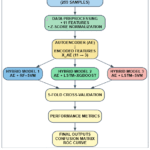 |
Figure 1: Research methodology Click here to View Figure |
Literature Survey
The emerging and fast development of artificial intelligence (AI) and machine learning (ML) have dramatically altered the process of cardiovascular disease prediction, diagnosis, and management. A number of studies have investigated various computational methods, including classic statistical models, to more complex deep learning models, to enhance the accuracy of predictions and clinical decisions. Initial research in this field focuses on building complete ML systems to predict heart diseases. Hybrid models that incorporate algorithms like Random Forest, Support Vector machine (SVM), XGBoost, and logistic regression have been shown to have better predictive accuracy than their respective baseline models such as K-Nearest Neighbours and Naïve Bayes. The analysis of feature importance also indicates the key predictors that affect the outcomes of heart disease.1 In line with this, meta-analyses have substantiated the high predictive power of ML algorithms, especially, SVM and boosting methods which attain high values of AUC in a wide range of cardiovascular diseases such as coronary artery disease and stroke.2 In addition to the traditional prediction models, physiological signal-based and imaging techniques have also been explored. The magnetic field parameters observed show that abnormal magnetocardiography (MCG) studies are more pronounced by the severity of the ischemic heart disease, which is a non-invasive diagnostic tool.3
In a similar manner, 3-D shape analysis of the left ventricle by computed tomography and spectral decomposition has demonstrated potential classification accuracy, which allows diagnosis of pathologies in the heart without operator bias.7 More developed imaging technologies like ultrasound, with photoacoustic imaging, can also be used to follow cerebral oxygenation and cardiac activity following cardiac arrest, which provides information on the pathophysiology of post-resuscitation.15 Other important research areas have been dealing with issues of data like class imbalance. Such methods as undersampling-clustering-oversampling (UCO) have been suggested to better predict heart attacks in stroke patients with greater performance of classifiers, especially when using Random Forest models.4 On the same note, the ML models have been shown to be more effective in predicting hospital readmissions among heart failure patients, and they significantly outperform the conventional logistic regression approaches.5 These results are supported by the systematic reviews showing the efficacy of ML in predicting mortality and readmission outcomes, as well as the identification of difficulties in terms of bias, interpretability, and generalizability.12
Recent developments have moved to deep learning and hybrid design. Lightweight models combining convolutional neural networks (CNNs), gated recurrent units (GRUs), and attention mechanisms have been suggested to work in real-time heart attack detection and human activity recognition and are more accurate with less complex computations .6 Moreover, multimodal deep learning models that integrate retinal image and cardiovascular activity have exhibited superior predictive abilities with an AUC of up to 0.97 and a large decrease in false classification.8 New methods like multiscale feature aggregation and independent component analysis (ICA) have also been able to provide almost perfect accuracy in cardiac arrest prediction, acknowledging the significance of time related features extraction and explainability strategies.18
The implementation of electronic health records (EHRs) has also increased the ability to predict the disease. Population-based data-driven models based on demographic, clinical, and behavioral data have proven very accurate in risk prediction of diseases and guiding clinical decisions.11 The research of feature selection also indicates that few important biomarkers like serum creatinine and ejection fraction can effectively predict survival in heart failure patients without the need to have many complex models that may undermine the accuracy of the models.19 Besides predictive modeling, AI has other implications in cardiovascular medicine. It facilitates better patient care, cost-cutting, and precision medicine by detecting new patterns of diseases and facilitating personalized treatment plans.9 New studies also investigate regenerative medicine and tissue engineering strategies to repair myocardium, with additional emphasis on the combination of biomedical with computational methods.10 In medicine, applications of ML to specialized tasks, such as cardiac arrest detection based on physiological parameters, have been found to be especially useful in critical care units, such as neonatal intensive care units, where predictive models have shown strong diagnostic accuracy.16 Heart rate variability (HRV) and other physiological monitoring devices have also been created to monitor complications like seizures in patients post-cardiac arrest (real-time).17 Also, biomarkers, including lactate levels, can be analyzed with high precision using ML and be applied to predicting outcomes in patients with cardiac arrest.13 Predictive analytics are also complemented by innovations in medical equipment and methods of treatment. An example is that novel mechanical circulatory support systems can be used to provide quick response during cardiac arrest and enhance survival rates.14
Together with AI-based predictive models, these achievements make a complete cardiovascular healthcare ecosystem. On the whole, the review of literature indicates that ML and AI methods have greatly enhanced the prediction, diagnosis, and treatment of cardiovascular diseases. Although encouraging outcomes are obtained, issues like data heterogeneity, model interpretability, and clinical integration are present. Future studies should aim at creating robust, explainable and scalable models to guarantee successful deployment in the real world and better patient outcomes. Table 1 provides the summary of this survey.
Table 1: Key highlights of literature survey
|
S. No. |
Survey Theme | Core idea |
| 1 | ML-based Cardiovascular Prediction Models1,2,4,5,12 |
Use of traditional and hybrid ML algorithms (RF, SVM, XGBoost, LR, KNN) for heart disease prediction with improved accuracy and feature importance analysis. |
|
2 |
Deep Learning & Advanced AI Architectures6,8,18 | Application of CNNs, GRUs, attention mechanisms, and multimodal frameworks for high-performance and real-time cardiovascular prediction. |
| 3 | Medical Imaging & Signal-based Diagnosis3,7,15 |
Use of MCG, CT-based LV analysis, and advanced imaging techniques for non-invasive diagnosis and disease severity assessment. |
|
4 |
Data-driven Healthcare & Feature Optimization11,19 | Leveraging EHR data and identifying key clinical biomarkers for efficient and accurate disease prediction. |
| 5 | Cardiac Arrest Prediction & Monitoring Systems13,16,17,18 |
ML-based early detection using physiological signals, HRV, and real-time monitoring systems in critical care settings. |
|
6 |
Emerging Clinical Applications & Interventions9,10,14 |
Role of AI in precision medicine, regenerative therapies, and advanced medical devices for improved treatment and patient outcomes. |
Materials and Methods
Data Description and Preprocessing
The dataset utilized in this study is the Heart Failure Clinical Records dataset 19,20 imported from UC Irvine Machine Learning Repository.20 It contains 299 records of patients and annotates them with 12 clinical attributes and one binary target variable, DEATH_EVENT, 0 represents survival and 1 represents death. The sample size N=299 used is relatively small, and thus requires strong cross-validation and careful feature engineering to avoid overfitting. Early data analysis prompted the choice of an Autoencoder (AE), as there are several complex and non-linear dependencies between a number of features. Among 12 features, 11 predictive features chosen as input of the Autoencoder (without time attribute) based on their potential Clinical relevance to heart failure outcomes, were: age, anaemia, creatinine_phosphokinase, diabetes, ejection_fraction, high_blood_pressure, platelets, serum_creatinine, serum_sodium, sex, and smoking. The feature time was excluded from the AE training set, as it exhibits a strong correlation with the target variable and would introduce temporal bias into the feature abstraction process.
Feature Scaling (Standardization)
The 11 input features were normalized with Z-score, so that each feature has a mean of 0 and a standard deviation of 1. This is necessary to neural network training because it makes each feature equally contribute to the loss function, and variables with higher numeric values (e.g. platelets) will not overpower the weight changes during backpropagation.
Data Split and Validation
5-fold cross-validation was done on the entire data to make sure that the models are robust. In this process, the data is divided into five equal sized folds. Training and testing take place in four folds and one fold respectively in every iteration. It is repeated 5 times with the same fold being utilized once as the test set. The average of the results with all the five folds gives the final performance metrics.
Stage I: Autoencoder for Deep Feature Engineering
The objective of Stage I is to perform unsupervised learning of a compact, three-dimensional, non-linear representation of the clinical input data. Clinically, the autoencoder is used to condense inter-correlated variables, including serum creatinine, ejection fraction, and serum sodium, which together represent renal functioning, cardiac pump functionality, and fluid-electrolyte homeostasis, into a small three-dimensional latent representation. Every latent dimension could be viewed as a complex biomedical axis combining signals of multiple physiologically related features, and may reflect underlying pathophysiological conditions, such as cardiorenal dysfunction or haemodynamic instability, that cannot be reflected by any single feature. Such a latent representation is not just a statistical compression but it represents non-linear synergies among clinical variables which are already known to co-determine short-term mortality risk in heart failure. The L2 regularization, and sparsity that are employed throughout training further motivate each latent neuron to selectively activate based on meaningful clinical patterns, not noise, and: therefore, increases the biological plausibility of the encoded features.
Let the dataset consist of samples and predictor variables. The binary target variable y ∈ {0,1}.

All predictors are normalized prior to modeling. A nonlinear autoencoder is first employed to learn a compact latent representation of the clinical data.
Encoder:

Decoder:

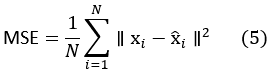
The Autoencoder was trained to minimize the Mean Squared Reconstruction Error (MSE) between the original input vector and its reconstructed output . To mitigate overfitting and promote a sparse and interpretable latent representation, L2 regularization and sparsity regularization were incorporated into the training process. The overall loss function is expressed as:

where the MSE is defined as:
After training, the encoder output forms the latent feature matrix:

Autoencoder (AE) network was created in MATLAB and specifically it was set to compress features. As shown in Fig. 2, the AE architecture comprises of an input (11-neuron) layer, a bottleneck (latent space) layer (3 neurons, corresponding to Encoded_Feature_Size=3) and finally an output (11-neuron) layer. The maximum number of training epochs were executed and the final, steady Mean Squared Reconstruction Error was 6.1376.
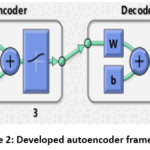 |
Figure 2: Developed autoencoder framework Click here to View Figure |
Stage II: Hybrid Classification Models
The hybrid classification architectures are not only chosen based on the computational criteria but with a direct indication towards the biomedical setting. RF-SVM is added since the feature importance scoring of the Random Forest technique offers a clinically interpretable ranking of the AE-derived latent dimensions, and thus permits indirect inference of how combinations of clinical variables cause mortality risk. The LSTM-based models are also added to determine the possibility of a recurrent architecture revealing non-linear relationships between inter-features in the encoded clinical profile that are not apparent to traditional shallow classifiers – a key aspect to consider since mortality in heart failure is not dictated by a single variable but instead by the combination of multiple haemodynamic, biochemical, and demographic factors. The individual hybrid models are thus a unique computational hypothesis regarding how mortality risk is structured in the latent feature space. The classification stage evaluates the predictive power of the three-dimensional AE-encoded features across three distinct hybrid architectures.
Hybrid Random Forest – Support Vector Machine (RF–SVM)
In the first hybrid framework, the latent features Z are used to train a Random Forest (RF) classifier to capture feature relevance.
Feature importance scores derived from RF are used to weight the latent features:
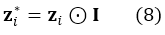
The weighted features are then classified using a Support Vector Machine (SVM):

The hybrid framework is based on the RF-SVM model, an architectural framework that integrates two traditional machine learning algorithms. In this structure, the Random Forest (RF) component initially analyses the importance of the features, as presented in Fig. 3. Out-of-Bag (OOB) error rate was used to monitor the convergence and stability of the RF ensemble and is presented in Fig. 4, which proves the robustness of the ensemble structure. The final Support Vector Machine (SVM) layer works on the data processed by RF to conduct the final classification task.
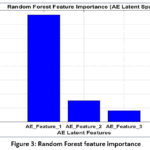 |
Figure 3: Random Forest feature importance Click here to View Figure |
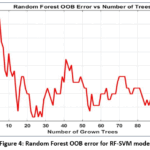 |
Figure 4: Random Forest OOB error for RF-SVM model Click here to View Figure |
Hybrid Long Short-Term Memory – eXtreme Gradient Boosting (LSTM–XGBoost)
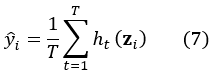
Under this hybrid approach, the AE latent features are transformed into short sequences and input to a Long Short-Term Memory (LSTM) network. Even though LSTM architectures are traditionally set up in a way that allows them to be used to model temporal sequences, they are not applied here based on the premise that clinical measurements are ordered over time. Instead, the three-dimensional AE-coded feature vector is viewed as a structured pseudo-sequence, and the gating mechanism of the LSTM – consisting of input, forget and output gates – is used to capture complex non-linear inter-feature interactions in the latent space. This application of LSTM as non-temporal relational feature extractor is not novel in non-temporal tabular and non-clinical data where the recurrent architecture is an effective non-linear transformation layer instead of a time-series processor. Here, the LSTM reduces the unsupervised compression of the autoencoder by training discriminative, higher-order interactions between the encoded features that cannot be accessed by shallow classifiers.

The final hidden state hi is used as input to an XGBoost classifier:
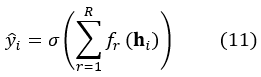
where fr (⋅) denotes individual boosted trees.
This deep hybrid design makes use of the Long Short-Term Memory (LSTM) network as a secondary feature extraction unit. The constituent memory cells of the LSTM allow it to learn very abstract, non-linear dependencies of the AE-coded input vector. The transformed features are fed in to the eXtreme Gradient Boosting (XGBoost) classifier which estimates feature importance scores based on the LSTM-generated representations (Fig. 5).
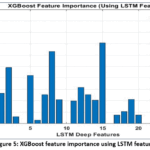 |
Figure 5: XGBoost feature importance using LSTM features Click here to View Figure |
Hybrid LSTM – Support Vector Machine (LSTM-SVM)
In the third hybrid framework, the same LSTM-extracted features are classified using an SVM to maximize class separation. The LSTM layer in this case plays the same role as in the LSTM-XGBoost model: it is a non-temporal relational feature transformer of the structured latent vector, utilizing its gating mechanism to learn non-linear inter-feature interplays before the SVM performs the classification based on margins.
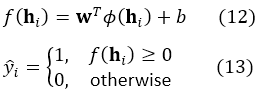
It uses an architecture which is structurally similar to the LSTM-XGBoost model, except that XGBoost is substituted with SVM.
Performance Metrics and Clinical Utility Assessment
A comprehensive set of metrics was used for evaluation.
- Standard Classification Metrics: Accuracy, Sensitivity (Recall), Specificity, Precision, and F1-Score.
- Area Under the Curve (AUC): Measures the model’s discrimination ability.
- Log-Loss: Penalizes false confidence and provides a measure of probability calibration quality.
- Modified Category Net Reclassification Improvement (MCNRI): This metric provides a measure of clinical utility.
Although AUC and accuracy are useful in measuring the statistical performance of a model, metrics like sensitivity and specificity are especially distinguished in clinical settings because they measure the capacity of a model to distinguish between high-risk and low-risk patients respectively. This is clinically meaningful assessment as the inclusion of MCNRI changes the number of patients into the correct risk category and this is directly related to the decision-making in terms of treatment.
Despite the fact that the proposed framework is created in a computational setting, it is designed out of clinical applicability. The feature abstraction combined with hybrid prediction will not be used to substitute clinical judgment but will assist in supporting risk stratification. More confirmation in clinical practice settings should be done to determine its usefulness.
Results
Autoencoder Feature Extraction Performance
The Autoencoder managed to accomplish the non-linear dimensionality reduction as well as feature fusion task. It was found that the training provided a stable and minimized Mean Squared Reconstruction Error (MSE) of 6.1376 (Fig. 6). This finding confirms that the 3D latent represents a potential to recreate the original 11 features with high accuracy, which proves the quality and representational fidelity of the AE-encoded features (Fig. 7). The stage II classification models had the three features as their main input, which were obtained through bottleneck layer of the trained encoder.
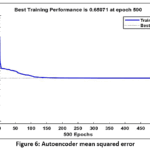 |
Figure 6: Autoencoder mean squared error (MSE) Click here to View Figure |
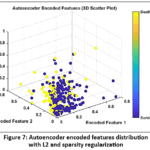 |
Figure 7: Autoencoder encoded features distribution with L2 and sparsity regularization Click here to View Figure |
Comparative Performance Analysis
Table 2 shows the aggregated results of the 5-fold cross-validation of all three hybrid models based on AE-encoded features. As can be seen in the comparison, the hybrid models of deep learning (LSTM-XGBoost and LSTM-SVM) can be more effective than the traditional RF-SVM ensemble using all primary metrics.
Highest Discrimination (AUC) and Accuracy: LSTM-SVM model has the highest overall performance with an Accuracy of 72.90% and the highest Area Under the Curve (AUC) of 0.71 (Fig. 12) compared to RF-SVM (Fig. 8) and LSTM-XGBoost (Fig. 10) models. The bimodal separation in the final SVM predicted scores clearly implies to the good AUC of the model.
Highest Sensitivity: LSTM-XGBoost model had the highest possible capacity to identify correctly those patients who underwent the event (mortality) giving rise to a sensitivity of 0.458.
RF-SVM Performance Visualization: Visual confirmation of the poor discrimination of the RF-SVM is done through overlapping predicted probability distribution of both RF as well as the final SVM layer. The classification results of this model are summarized in the confusion matrix in Fig. 9, indicating incredibly high number of false negatives.
Confusion Matrix Analysis: The complete classification results with the best models are represented in the confusion matrices of LSTM-XGBoost (Fig. 11) and LSTM-SVM (Fig. 13).
On the whole, the measured performance suggests the moderate predictive performance, with AUC values between 0.66 and 0.71 and an accuracy of approximately 73%. Although the hybrid models are better than the baseline RF-SVM, their improvements are not significant but small.
The major limitation in all the models is that the sensitivity is not that high especially when predicting mortality. It means that such a large percentage of high-risk patients is not identified appropriately, which forms a serious issue in clinical practice when the cases of missed identification can be fatal.
Table 2: Performance Analysis
|
Model |
Accuracy | AUC | Sensitivity | Specificity | Precision | F1-Score | Log-Loss |
| RF-SVM | 68.56 % | 0.66 | 0.125 | 0.95 | 0.545 | 0.2 |
4.69 |
|
LSTM-XGBoost |
72.58 % | 0.68 | 0.458 | 0.85 | 0.59 | 0.51 | -0.456 |
| LSTM-SVM | 72.9 % | 0.71 | 0.34 | 0.91 | 0.647 | 0.449 |
-0.195 |
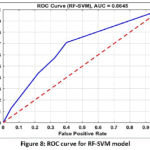 |
Figure 8: ROC curve for RF-SVM model Click here to View Figure |
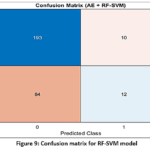 |
Figure 9: Confusion matrix for RF-SVM model Click here to View Figure |
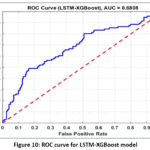 |
Figure 10: ROC curve for LSTM-XGBoost model Click here to View Figure |
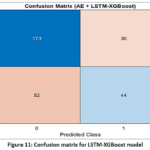 |
Figure 11: Confusion matrix for LSTM-XGBoost model Click here to View Figure |
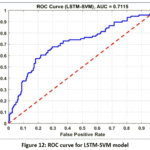 |
Figure 12: ROC curve for LSTM-SVM model Click here to View Figure |
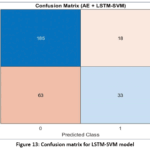 |
Figure 13: Confusion matrix for LSTM-SVM model Click here to View Figure |
Clinical Utility: Modified Category Net Reclassification Improvement (MCNRI)
To determine relative reclassification performance of the proposed hybrid models, the Multiclass Net Reclassification Improvement (MCNRI) analysis was used, and the analysis was done separately on the event (death) and non-event (survival) events. Table 3 is a summary of comparative results of MCNRI.
Table 3: MCNRI Analysis
|
Comparison |
Event NRI | Non-Event NRI | Total MCNRI | Interpretation |
| RF-SVM → LSTM-XGBoost | -0.395 | +0.556 | +0.16 |
Better specificity |
|
RF-SVM → LSTM-SVM |
-0.85 | +0.91 | +0.057 | Over-conservative |
| LSTM-SVM → LSTM-XGBoost | -0.31 | +0.47 | +0.165 |
Balanced improvement |
RF-SVM → LSTM-XGBoost
The overall effect of the RF-SVM baseline to the LSTM-XGBoost model had a positive total MCNRI of +0.16, meaning that there was an overall improvement in patient risk stratification. The increase is majorly due to a large positive non-event NRI (+0.556), which is an increase in the number of survival cases that are being reclassified correctly. On the other hand, the negative event NRI (−0.395) indicates a diminishing correctly identified death events. These findings together suggest that LSTM-XGBoost model exhibits an improved specificity than RF-SVM and, therefore, is better in eliminating high-risk predictions when it comes to non-event cases.
RF-SVM → LSTM-SVM
In a comparison between RF-SVM and LSTM-SVM, the overall MCNRI is slightly positive (+0.057) which means that there is slight net reclassification advantage. The positive non-event NRI is very high (+0.91), which implies strong changes in the classification of survival but it is offset by a strong negative event NRI (-0.85). This type of pattern indicates that LSTM-SVM model performs very poorly in recognizing true cases of events and thus it tends to be an over-conservative one. This model is specific, at the cost of sensitivity, which can be unfortunate in clinical risk prediction situations where false omission of high-risk patients has grave consequences.
LSTM-SVM → LSTM-XGBoost
The trade-off is most desirable as evidenced by the comparison between the two sequential deep learning hybrids. The overall MCNRI of +0.165 is the best across all the comparisons, and it shows better overall reclassification performance. Although the event NRI is still moderately adverse (−0.31), it is much less negative than the one caused by LSTM-SVM in comparison to RF-SVM.
At the same time, the positive increase in non-event NRI is +0.47, which proves improved survival classification. This balance implies that LSTM-XGBoost will have a more optimal sensitivity specificity trade-off, which leads to a balanced improvement on LSTM-SVM.
In all the pair-wise comparisons, LSTM-XGBoost is consistently more reclassified, specifically in non-event discrimination while mitigating the excessive loss in event detection observed in LSTM-SVM. Though some degree of sensitivity decrease is demonstrated in all the transitions, the most clinically balanced and statistically significant improvement is achieved by LSTM-XGBoost model, which supports the fact that the LSTM-XGBoost is the most appropriate predictive model to be used in the final framework of the proposed AE-based hybrid model.
Discussion and Clinical Implications
Deep Feature Engineering: Computational Contribution and Its Biomedical Limits
The main reason why our hybrid learning pipeline is superior in terms of performance is due to the use of an Autoencoder (AE) to perform non-linear feature engineering at Stage I. The AE squeezes the high dimensional input into a small latent feature vector and the low reconstruction discrepancy empirically justifies the effectiveness of the transformation. The reported Mean Squared Reconstruction Error (MSE) of 6.1376 is a crucial threshold, which confirms that the latent representation does not lose the most significant statistics and clinical data stored in the original variables. This in practice represents the average squared root mean square difference between the standardized clinical variables and their reconstruction approximations in the 3-dimensional latent feature space. Any error committed at this reconstruction level proves that the latent features are not arbitrary haphazard reductions but a collection of structurally regular abstractions. Unlike the linear decomposition models such as PCA, which generate orthogonal and interpretively shallow feature vectors, the AE generates non-linear manifolds, which are closer to the natural relationships and interaction between variables.
The 11 to 3 dimensionality reduction (a reduction factor of more than 3) is especially effective in the case of a relatively small dataset (N=299). This compression minimizes overfitting, eliminates redundant correlations and mitigates the effect of noisy or clinically irrelevant signals. It is unsurprising that, as a direct consequence, downstream classifiers RF-SVM, LSTM-XGBoost and LSTM-SVM can be given a cleaner, high signal input domain, allowing the classification layers to converge with greater ease on clinically valid decision boundaries. It is this feature transformation which is the facilitating factor that describes the high-performance gap in the conventional RF-SVM baseline and the deep-hybrid configurations.
The latent features exhibit a thin residual error distribution, a fact that validates consistency of the encoding structure. Nevertheless, computational faithfulness of the autoencoder does not necessarily imply clinical forecasting strength. The downstream classification outcomes – with AUC values of 0.66 to 0.71 – show that the latent representation, despite its mathematical parsimony, only explains a moderate portion of the mortality signal in the original clinical variables. This disconnect between reconstruction quality and predictive discrimination indicates that even the 11 input features might not be sufficient to comprehensively describe the risk of short-term mortality in heart failure, regardless of the feature engineering approach used.
Hybrid Architecture Performance: Statistical Metrics versus Clinical Utility
The comparative experimentation demonstrates a significant division of the model behavior: there are architectures that perform well in statistical discrimination, and there are architectures that focus on clinical actionability.
Statistical Optimality (LSTM-SVM):
The hybrid LSTM-SVM has the best overall statistical performance, an AUC of 0.71 and an accuracy of 72.90 %. But, a 0.71 AUC does not represent a strong discriminative power – traditionally, AUC scores below 0.75 are thought to be insufficient to support clinical decisions with confidence. Practically this implies that the model can only identify dying vs. surviving patients moderately better than random assignment and as such has limited utility as a prognostic model in a clinical workflow.
Even in non-temporal cases, the LSTM provides a temporal and contextual representation layer through learning high-order, non-linear transformations of AE latent representation. These transformed features occupy a richer projection space which allows the SVM to develop an optimum separating hyperplane that maximizes the classification margin between the mortality and survival cohorts. The model reflects this pattern by the Specificity score of 0.91, indicating a high false-positive mortality prediction avoidance. But this high specificity comes at a very high price: the LSTM-SVM of 0.34 sensitivity implies that the model will label 66% of patients who are going to die as low-risk. This is a high false-negative rate in a clinical setting, which is the most severe error that can occur in mortality risk stratification, in which a patient at high risk is not appropriately intervened promptly.
Clinical Utility Optimality: The LSTM-XGBoost hybrid, in turn, provides results that, though statistically insignificant (AUC = 0.68) are much closer to clinical operational priorities. The LSTM-XGBoost model is more sensitive with a sensitivity of 0.458, that is, it predicts reasonably well (at an average of 46% of the true mortality cases) which is better than LSTM-SVM although still clinically insufficient. Practically, a sensitivity of 0.458 would mean that the model fails to pick up over half of patients who will die during the follow-up period. In a prognostic device that is supposed to result in the initiation of a clinical intervention, a sensitivity of this magnitude is a long way below the safe usage threshold. The majority of clinical screening and triage instruments have the sensitivity value of over 0.80 or above as failure to detect high-risk patients with direct patient safety consequences. The comparison LSTM-SVM versus LSTM-XGBoost results in a Total MCNRI of +0.165, which is a net increase in patient-level reclassification performance.
The improvement is however asymmetric: Event NRI= -0.31, Non-event NRI= + 0.47, total MCNRI= + 0.165. In this way, the model will be more conservative on the identification of high-risk patients (negative event NRI) and significantly more effective in identifying low-risk people (positive non-event NRI). The trade-off, in turn, is context-specific: the systems that value conservative triage would be better served by LSTM–SVM, but the care settings that are resource-constrained will be better served by LSTM–XGBoost strategy. The same pattern can be seen in comparison of the deep-hybrid model and traditional baseline. The transition RF–SVM → LSTM–XGBoost yields a Total MCNRI of +0.16 that stems mainly due to an increase in specificity (Non-Event NRI = +0.556) and is curtailed by a reduction in event capture (Event NRI = -0.395). This offers strong facts that LSTM-XGBoost gives priority to the operational efficiency and risk stratification appropriateness.
It is important to note that the moderate predictive performance of this study, including AUC between 0.66 and 0.71 across all the models, should be understood as a core finding and not a peripheral caveat. This performance cannot be explained only by the size of the dataset or the feature space limitations, but these factors are having an impact. It also indicates the inherent challenge of forecasting short-term mortality using 11 fixed clinical variables in a heterogeneous population of heart failure. Importantly, even the most sophisticated architectures in terms of architectural sophistication, such as autoencoder compression, LSTM transformation, or ensemble classification, cannot completely recompense the information that was not included in the input features. This dataset does not include biomarkers that are known to have independent predictive power of heart failure mortality including NT-proBNP, troponin and functional capacity measures. Their unavailability limits the maximum predictive performance that is not dependent on the modelling method. Future development should hence focus on dataset enhancement and architectural development.
Technical Feasibility versus Clinical Usefulness: A Critical Distinction
A very important distinction has to be made between showing a computational framework to be technically feasible and showing it to be useful clinically. The current paper proves the former but not establishes the latter. The suggested pipeline is sound in terms of technologies: the autoencoder reduces the features reconstruction error, the hybrid classifiers are more effective than the RF-SVM baseline, and the analysis with MCNRI proves that there are small net reclassification improvements. These are valuable computational contributions. But clinical usefulness is needed to a higher standard. Any prognostic model to be applied in real-world mortality risk stratification in heart failure should be capable of identifying the patients at highest risk especially those who will die such that clinicians can prioritise interventions, intensify care or start palliative conversations in time. In this regard, the current framework falls short. AUC 0.71 means that in about 29 % of patient pairs the model would consider the patient who survives to be at a greater risk than the patient who dies. The sensitivity of 0.34-0.458 indicates that most of the true mortality events are not detected. They are not small statistical shortcomings; they are a fundamental disconnect between what the model can currently accomplish and what would be needed to deploy the model to clinical use. This does not downplay the scientific importance of the paper, which is to prove that deep feature engineering with hybrid classification is a promising and researchable avenue of heart failure prognostication. The results must be viewed as an evidence-of-concept and with performance limits which are well defined as opposed to a solution which is clinically deployable. Before clinical translation can be taken seriously, future work needs to focus on bridging the sensitivity gap.
Interpreting Clinical Actionability via MCNRI
The introduction of the Modified Category Net Reclassification Improvement (MCNRI) measure is another step to go further with the analysis of these models compared to abstract statistical analysis and to base the findings in the real world of practical clinical use. The MCNRI makes a direct contribution to the design of clinical protocols and decision-making because it quantifies the net movement of patients between predefined risk categories. It is clinically significant that the LSTM-XGBoost model had a total MCNRI of +0.16 over the RF-SVM model. When applied to a clinical decision support system the implication of this result was that with every 100 patients who are screened, the model would reclassify around 16 more patients into more accurate risk categories than the baseline approach would. More precisely, the negative Event NRI of -0.395 indicates that the LSTM-XGBoost model is worse than the RF-SVM model, which means that of those patients who eventually die, the LSTM-XGBoost model will reclassify 39.5% of all those critical patients in a net downward (less risk-averse) fashion. This loss of event sensitivity is, however, compensated by a significantly positive Non-Event NRI (+0.556), which shows that the model is much more efficient to classify non-event patients correctly, which is high specificity.
In general, the MCNRI analysis substantiates that LSTM-XGBoost offers the highest net clinical benefit in terms of reclassification, which is mainly due to non-event detection improvement, but the negative Event NRI remains in all comparisons, which highlights the unsolved sensitivity limitation.
Limitations and Future Directions
Although the presented framework shows the good direction to achieve realistic predictive modeling, it is important to note that it has a number of limitations:
Sample Size and Generalization: The first weakness is the relatively small sample (N=299). Though overfitting was addressed by 5-fold cross-validation, the ability of the trained models to generalize to external populations is also a significant issue. The next step in future study should be to externally validate the LSTM-XGBoost and LSTM-SVM models on a significantly larger, multi-centric data to verify that the predictive behavior is reproducible and robust.
Temporal Dynamics: The process of heart failure is a time-dependent process. Models like Transformer-based RNN hybrids would be able to learn temporal causality and dynamic instability patterns, by incorporating temporal modalities, e.g. serial diagnostics, longitudinal sensor data, hospitalization trajectories.
The Black Box Problem (Explainable AI): The AE and the LSTM layers are deep learning models that are considered black boxes. Although the three coded features are mathematically optimal, they lack any clinical sense. Further work should incorporate the Explainable AI (XAI) methods in order to develop clinical trust and adoption. The LSTM model as well as the final classifier can be subjected to methods like SHAP (SHapley Additive exPlanations) or LIME (Local Interpretable Model-agnostic Explanations) to assign the risk of prediction to the individual clinical variables (age, ejection_fraction, etc.) and give clinicians the essential feedback on what aspect of a particular patient was considered high-risk. This interpretability is crucial in breaking the regulatory barrier and facilitating clinical adoption.
Model Calibration: Although the values of the Log-Loss are presented in this analysis, it is reasonable to go further with the investigation of the calibration curves of the final models. A correctly calibrated model gives the recommended probabilities that give the actual risk of mortality that is crucial in the processes of dosage change or determining the appropriateness of an invasive procedure.
Sensitivity and Clinical Risk Limitation: The least sensitive result of all the models is the most clinically significant result of this study and should be considered as the main limitation not one among many. The values of 0.125 (RF-SVM), 0.34 (LSTM-SVM) and 0.458 (LSTM-XGBoost) imply that none of the models in the proposed framework will raise red flags on between 54% and 87.5% of patients who die. In heart failure treatment, where the immediate risk of mortality directly defines the urgency of intervention, such as hospitalisation, device treatment or palliative care referral, this level of false-negative classification cannot be clinically deployed independently. This framework should then be placed squarely as a decision-support instrument, used in addition to, but not instead of, historically proven clinical scoring schemes like the MAGGIC or CHARM risk scores, which have been prospectively validated on large cohorts. To solve the sensitivity deficit in future work, algorithmic solutions like cost-sensitive learning and class rebalancing are necessary, but, crucially, a more comprehensive set of features which encompasses dynamic biomarkers, functional measurements, and longitudinal clinical measurement will be required.
Conclusion
This study has shown that an autoencoder-based deep feature engineering with hybrid machine learning is a viable solution to short-term mortality prediction in heart failure. The presented framework demonstrates that the ability to compress heterogeneous clinical variables into a structured latent representation can slightly enhance the predictive performance of the models, and LSTM-based hybrid models are more effective in most of the evaluation measures than the RF-SVM setting. The research contribution is an evidence-of-concept demonstrating that the method is technically feasible, as opposed to a clinically implementable solution. The proposed model is to be regarded as a decision-support tool that does not substitute but supplements the existing clinical risk models. The next step in the future should be an external validation with larger multi-centre datasets, the addition of clinically relevant biomarkers, the use of explainability methods, and ways to enhance sensitivity. Until these aspects are taken care of, the clinical usefulness of the framework is restricted and its utility is mainly in developing the methodological insight into deep hybrid learning in resource-limited biomedical prediction environments.
Acknowledgement
We would like to express our sincere gratitude to Graphic Era Hill University, Bhimtal Campus for providing us the facilities and academic environment to undertake this research work. We thank our colleagues for their useful discussions and productive suggestions while conducting this study. Lastly, we wish to thank those who in one way or another assisted in the successful accomplishment of this work.
Funding Sources
The author(s) received no financial support for the research, authorship, and/or publication of this article.
Conflict of Interest
The authors do not have any conflict of interest.
Data Availability Statement
The secondary data on which this work is based is the Heart Failure Clinical Records, imported online from the UC Irvine Machine Learning Repository.
Ethics Statement
This research did not involve human participants, animal subjects, or any material that requires ethical approval.
Informed Consent Statement
This study did not involve human participants, and therefore, informed consent was not required.
Clinical Trial Registration
This research does not involve any clinical trials.
Permission to reproduce material from other sources – Not Applicable
Author Contributions:
- Sandeep Kumar Sunori: Data finding and Simulation work
- Govind Singh Jethi: Literature Survey and Result Analysis
- Pradeep Juneja: Formatting
References
- Bhaduaria R S, Javid I and Khara A. Advanced Heart Attack Risk Prediction Using Stacked Hybrid Machine Learning. in Journal of Mobile Multimedia. July 2025;21(3-4):393-406.
CrossRef - Krittanawong, C., Virk, H.U.H., Bangalore, S. et al. Machine learning prediction in cardiovascular diseases: a meta-analysis. Sci Rep.2020; 10, 16057.
CrossRef - Lim H K, Chung N, Ko Y -G, Y. Lee -H and Park Y K. Magnetocardiogram Difference Between Healthy Subjects and Ischemic Heart Disease Patients. in IEEE Transactions on Magnetics. June 2009;45(6):2890-2893.
CrossRef - Wang M, Yao X and Chen Y. An Imbalanced-Data Processing Algorithm for the Prediction of Heart Attack in Stroke Patients. in IEEE Access. 2021;9:25394-25404.
CrossRef - Mortazavi BJ, Downing NS, Bucholz EM, Dharmarajan K, Manhapra A, Li SX, Negahban SN, Krumholz HM. Analysis of Machine Learning Techniques for Heart Failure Readmissions. Circ Cardiovasc Qual Outcomes. Nov. 2016 ;9(6):629-640.
CrossRef - AbdelRaouf H, Abouyoussef M and Ibrahem M I. Leveraging Multihead Attention and Counterfactual Explanations for Precise and Efficient Activity Recognition and Heart Attack Detection. in IEEE Internet of Things Journal. 15 Sept. 2025;12(18):37388-37405.
CrossRef - Azhari H, Gath I, Beyar R, Marcus M L and Sideman S. Discrimination between healthy and diseased hearts by spectra decomposition of their left ventricular three-dimensional geometry. in IEEE Transactions on Medical Imaging. June 1991;10(2):207-215.
CrossRef - Sathya K and Magesh G. Multimodal Deep Learning for Cardiovascular Risk Stratification: Integrating Retinal Biomarkers and Cardiovascular Signals for Enhanced Heart Attack Prediction. in IEEE Access. 2025;13: 99672-99689.
CrossRef - Krittanawong C, Zhang H, Wang Z, Aydar M, Kitai T. Artificial Intelligence in Precision Cardiovascular Medicine. J Am Coll Cardiol. 30 May 2017;69(21):2657-2664.
CrossRef - Cao H, Kang B J, Lee C -A, Shung K K and Hsiai T K. Electrical and Mechanical Strategies to Enable Cardiac Repair and Regeneration. in IEEE Reviews in Biomedical Engineering. 2015;8:114-124.
CrossRef - Hossain M E, Khan A, Moni M A and Uddin S. Use of Electronic Health Data for Disease Prediction: A Comprehensive Literature Review. in IEEE/ACM Transactions on Computational Biology and Bioinformatics. 2021;18(2):745-758.
CrossRef - Hajishah H, Kazemi D, Safaee E, Amini MJ, Peisepar M, Tanhapour MM, Tavasol A. Evaluation of machine learning methods for prediction of heart failure mortality and readmission: meta-analysis. BMC Cardiovasc Disord. 7 Apr. 2025 ;25(1):264.
CrossRef - Mohammed M A, Mohammed M A, Mohammed V A, Logeshwaran J and Jiwani N. An earlier serial lactate determination analysis of cardiac arrest patients using a medical machine learning model. 2023 International Conference on Intelligent Systems for Communication, IoT and Security (ICISCoIS), Coimbatore, India. 2023:263-268.
CrossRef - Shiraishi Y et al. A Novel Direct Puncture Cannulation Blood Pump Support System: in Vivo Experimental Proof of Concept for a Therapeutic Approach with Cardiac Arrest. 2024 46th Annual International Conference of the IEEE Engineering in Medicine and Biology Society (EMBC), Orlando, FL, USA. 2024:1-4.
CrossRef - Salvas J P, Leyba K A, Schepers L E, Paiyabhroma N, Goergen C J and Sicard P. Neurovascular Hypoxia Trajectories Assessed by Photoacoustic Imaging in a Murine Model of Cardiac Arrest and Resuscitation. in IEEE Transactions on Ultrasonics, Ferroelectrics, and Frequency Control. Dec. 2023;70(12):1661-1670.
CrossRef - Gupta K, Jiwani N, Pau G and Alibakhshikenari M. A Machine Learning Approach Using Statistical Models for Early Detection of Cardiac Arrest in Newborn Babies in the Cardiac Intensive Care Unit. in IEEE Access. 2023;11:60516-60538.
CrossRef - Sung C -W et al. Machine Learning Analysis of Heart Rate Variability for the Detection of Seizures in Comatose Cardiac Arrest Survivors. in IEEE Access. 2020;8:160515-160525.
CrossRef - I. A. C. M et al. Development and Validation of a Class Imbalance-Resilient Cardiac Arrest Prediction Framework Incorporating Multiscale Aggregation, ICA and Explainability. in IEEE Transactions on Biomedical Engineering. May 2025;72(5):1674-1687.
CrossRef - Chicco D, Jurman G. Machine learning can predict survival of patients with heart failure from serum creatinine and ejection fraction alone. BMC Medical Informatics and Decision Making.2020;20, 16.
CrossRef - Heart Failure Clinical Records [Dataset]. (2020). UCI Machine Learning Repository.

Accepted on: 05-06-2026
Second Review by: Dr. Tolmas Hamroyev and Dr. Srilahari N
Final Approval by: Dr. Anton R Keslav