Comparative Efficacy and Safety of Non-Invasive Neuromodulation in Children and Adolescents with Attention-Deficit/Hyperactivity Disorder: A Systematic Review and Network Meta-Analysis
 , Hilmi Amirul Haq2, Frengki Prabowo Saputro Wijayanto3, Artha Maressa Theodora Simanjuntak3, Elizabeth2, M. Iyad Madani2, Nouval Rifky Ananda2, Fatimah Fatimah4and Farida Murtiani4, 5
¹Department of Psychiatry, Dr. Moewardi General Hospital, Surakarta, Indonesia
²Department of Medicine, Faculty of Medicine, Sebelas Maret University, Surakarta, Indonesia
³Department of Medicine, Faculty of Medicine, Public Health, and Nursing, Universitas Gadjah Mada, Yogyakarta, Indonesia
4Departement of Epidemiology, Faculty of Public Health, Universitas Indonesia, Depok, Indonesia
5Research Department, Sulianti Saroso Infectious Disease Hospital, Jakarta, Indonesia
Corresponding Author E-mail: yuni.jiwa1982@gmail.com
Download this article as:
ABSTRACT:ADHD ranks among the most common neurodevelopmental conditions of childhood, yet between 10% and 30% of affected children either tolerate first-line drug therapy poorly or fail to respond to it adequately. Non-invasive neuromodulation has drawn growing interest as an add-on option, but earlier reviews tended to look at one technique at a time and rarely focused on pediatric groups. The present study applied a network meta-analytic approach to compare and rank the effectiveness and tolerability of these modalities in children and adolescents diagnosed with ADHD. Searches covered PubMed, ScienceDirect, Scopus, the Cochrane Library, and additional sources from database inception through 15 July 2026, targeting randomized controlled trials in participants aged roughly 6 to 18 years with a confirmed ADHD diagnosis. The Cochrane RoB 2 instrument informed the appraisal of bias, while a frequentist random-effects network meta-analysis performed in R was used to pool the outcomes. The protocol was registered in PROSPERO (CRD420261474097). Fourteen reports of randomized controlled trials involving participants from eight countries were included. The ADHD-RS network was star-shaped, with sham as the only common comparator, so every comparison between active modalities relied on indirect evidence. For overall symptom severity, transcranial pulse stimulation (TPS) showed the largest reduction in ADHD Rating Scale (ADHD-RS) total scores compared with sham (MD −9.10, 95% CI −16.61 to −1.59; P-score 0.99), although this estimate came from a single trial of 32 participants. Neither tDCS nor trigeminal nerve stimulation (TNS) differed from sham on this outcome. Trials measured processing speed with different reaction-time tasks, so this outcome was synthesised narratively, and no trial showed an advantage of active stimulation over sham. Adverse events were mild and transient, and no modality increased the risk of headache or other adverse events significantly compared with sham. Certainty of evidence ranged from low to very low across the comparisons. TPS gave the only signal of symptom reduction, but this signal rests on one small trial within an indirect network of low-certainty evidence. It should be regarded as hypothesis-generating until adequately powered randomized trials confirm it.
KEYWORDS:Attention-deficit/hyperactivity disorder; Adolescents; Children; Neurofeedback; Network meta-analysis; Non-invasive neuromodulation; Transcranial pulse stimulation
Introduction
Attention-deficit/hyperactivity disorder (ADHD) is the most common neurodevelopmental disorder worldwide, affecting roughly one in twenty children and imposing a substantial burden on development, education, and family life.1,2 It is marked by persistent inattention, impulsivity, and hyperactivity that typically emerge in childhood and can continue into adolescence and adulthood.3 Current clinical guidelines recommend a multimodal strategy that pairs pharmacotherapy, chiefly stimulant medication, with behavioral interventions.3 Stimulants are the most studied and most frequently prescribed treatment and can ease core symptoms while improving academic and social functioning. Still, 10% to 30% of children respond inadequately to, or cannot tolerate, standard pharmacological treatment.4 Even among children who respond, difficulties in processing speed and attentional reaction time may persist.5
For this reason, non-invasive neuromodulation has attracted growing attention as a possible adjunctive treatment for children with ADHD.6 A range of modalities has been explored, including transcranial direct current stimulation (tDCS), high-definition tDCS, transcranial alternating current stimulation (tACS), transcranial random noise stimulation (tRNS), repetitive transcranial magnetic stimulation (rTMS), trigeminal nerve stimulation (TNS), transcutaneous vagus nerve stimulation, and neurofeedback. Their mechanisms differ. tDCS and high-definition tDCS deliver weak scalp currents that modify cortical excitability, whereas tACS aims to entrain neural oscillations at particular frequencies. tRNS applies a randomly varying current, while rTMS uses rapidly alternating magnetic fields to induce currents in targeted regions. TNS and transcutaneous vagus nerve stimulation act via peripheral afferent pathways, and neurofeedback lets individuals self-regulate neural activity through real-time feedback. Despite these contrasts, many of these methods converge on the prefrontal and fronto-striatal circuits implicated in ADHD.7,8
The role of neuromodulation in children and adolescents is of particular interest given the marked neuroplasticity of development.9 This plasticity may shape the response to neuromodulatory interventions, though responses to non-invasive brain stimulation vary considerably between individuals.10 Relative to systemic pharmacological treatment, localized neuromodulation may also provide an option with less systemic exposure. Even so, its safety and long-term effects during childhood remain important open questions.
Clinical heterogeneity adds a further layer of complexity to evaluating neuromodulation in ADHD. Because children and adolescents can vary widely in cognitive and behavioral profiles, their treatment responses may differ.11 Studies comparing neuromodulation against sham, placebo, or usual care have accordingly produced inconsistent results.12 Earlier systematic reviews and meta-analyses have likewise concentrated on single modalities. Salehinejad et al. examined tDCS alone, whereas Ostinelli et al. considered neuromodulation together with other non-pharmacological interventions in adults, which limits how far their conclusions extend to children and adolescents.13,14 As a result, the current evidence offers no clear comparison across the various non-invasive neuromodulation modalities in the pediatric ADHD population.
Network meta-analysis brings direct and indirect evidence from different comparisons into a single framework and can rank competing interventions. We therefore undertook a systematic review with network meta-analysis to weigh the efficacy and safety of non-invasive neuromodulation modalities in children and adolescents with ADHD. In particular, we examined which modality most reduced overall ADHD symptom severity, which most improved objective processing speed, and how the modalities compared for adverse events.
Material and Methods
This systematic review and network meta-analysis (NMA) was designed and reported in accordance with the Preferred Reporting Items for Systematic Reviews and Meta-Analyses extension for Network Meta-Analyses (PRISMA-NMA).15 Before data collection, the protocol was prospectively registered in the International Prospective Register of Systematic Reviews (PROSPERO) under registration number CRD420261474097. The review ran between January and July 2026.
Search strategy
A systematic search was run in PubMed, ScienceDirect, Scopus, and the Cochrane Library, with Google Scholar and ClinicalTrials.gov as supplementary sources, from database inception to 15 July 2026. Search strings combined Medical Subject Headings (MeSH) with free-text terms via Boolean operators and platform-specific syntax. Core concepts covered attention-deficit/hyperactivity disorder and non-invasive neuromodulation, including neurofeedback, transcranial magnetic stimulation (TMS), repetitive transcranial magnetic stimulation (rTMS), transcranial direct current stimulation (tDCS), transcranial alternating current stimulation (tACS), transcranial random noise stimulation (tRNS), trigeminal nerve stimulation (TNS), and transcutaneous vagus nerve stimulation (tVNS), together with the broad term “neuromodulation”. This term also retrieved trials of newer techniques indexed under it, such as transcranial pulse stimulation (TPS). Full search strings for each database and the number of records retrieved appear in Supplementary Table S1.
Retrieved records were handled in Rayyan, which supported automated deduplication and masked title and abstract screening. Two reviewers (HAH and NRA) screened titles and abstracts independently, then assessed full texts in duplicate against the eligibility criteria. Disagreements were settled by discussion, and a senior reviewer (AMTS) adjudicated when consensus could not be reached.
Study Eligibility Criteria
Eligibility followed the Population, Intervention, Comparison, Outcome, and Study Design (PICOS) framework (Table 1). Eligible studies were randomized controlled trials providing extractable continuous outcome data in children and adolescents, broadly aged 6–18 years, with a primary ADHD diagnosis established under validated international criteria such as DSM-5 or ICD-10 and, where available, confirmed through a semi-structured psychiatric interview such as the K-SADS-PL. Admissible publication types were peer-reviewed original articles, unpublished manuscripts, grey literature, and completed study protocols carrying reportable quantitative results.
Participants had to be medication-naïve or to have completed a defined washout period ranging from 12–24 hours to four weeks before baseline assessment and throughout the intervention. Trials were excluded when the full text was unavailable, when protocols lacked reportable quantitative results, or when participants had substantial neurological or systemic comorbidities, such as seizures, traumatic brain injury with loss of consciousness, or severe cardiac, hepatic, or renal disease.
Table 1: PICOS eligibility framework
|
PICOS element |
Description |
| Population (P) |
Children and adolescents (≈6–18 years) with a validated primary diagnosis of ADHD |
|
Intervention (I) |
Non-invasive neuromodulation: tDCS, tRNS, rTMS/TMS, TNS, tVNS, TPS, and fMRI-neurofeedback |
| Comparison (C) |
Sham stimulation (with active/pharmacological arms considered where reported) |
|
Outcomes (O) |
Primary: ADHD Rating Scale (ADHD-RS) total score. Secondary: Go/No-Go mean response time; headache and other adverse events |
| Study design (S) |
Randomised controlled trials with extractable quantitative data |
Data Extraction and Quality Assessment
Four reviewers (HAH, NRA, MIM, and AMTS) extracted data independently and in duplicate on a structured digital form. Captured fields covered study descriptors (author, publication year, country, diagnostic criteria, and design); sample details (numbers randomized and analysed, treatment arms, age, sex, and handedness); clinical variables (medication status, ADHD subtype, and comorbidities such as oppositional defiant disorder and conduct disorder); intervention parameters; and outcome data. The primary outcome was the ADHD Rating Scale (ADHD-RS) total score, while secondary outcomes were Go/No-Go mean response time, headache, and other adverse events. Discrepancies were resolved by team consensus. We used covariate-adjusted mean differences when trials reported them. Otherwise, we used change from baseline and imputed its standard deviation with a pre-post correlation of 0.5, testing correlations of 0.3 and 0.7 in sensitivity analyses. Adverse events reported as event counts rather than numbers of affected participants were summarised narratively. During revision, the outcome data were re-verified against the source publications; Supplementary Table S5 lists the data used in each synthesis.
Internal validity was rated with the revised Cochrane Risk of Bias 2 (RoB 2) tool across five domains: the randomization process, deviations from intended interventions, missing outcome data, measurement of the outcome, and selection of the reported result.16 Three reviewers rated each trial independently, with confirmation by an additional reviewer. Disagreements were settled by discussion. Domain- and study-level judgments were displayed graphically with the robvis tool.
Outcome Measurement
The primary outcome was overall ADHD symptom severity, measured with the total score of the ADHD Rating Scale (ADHD-RS), an 18-item instrument mapped to DSM criteria, with nine items assessing inattention and nine assessing hyperactivity and impulsivity. Each item is rated from 0 to 3, producing a total score ranging from 0 to 54, with higher scores indicating greater symptom severity. 17–21 The secondary cognitive outcome was mean response time (MRT) from the computerized Go/No-Go task, defined as the mean reaction time in milliseconds for correct responses to “Go” stimuli. 22–25 Safety was captured through structured post-session adverse-event questionnaires. Headache served as the principal adverse event, while other recorded events were tingling, itching, sleep disturbance, and decreased appetite.
Statistical Analysis and Data Synthesis
Network computations were carried out in R using the netmeta, meta, and metafor packages.26,27 Continuous outcomes were pooled as mean differences (MDs) for ADHD-RS total scores and standardized mean differences (SMDs) for Go/No-Go MRT, each with 95% confidence intervals. Dichotomous adverse events were analysed as relative risks (RRs), with 0.5 added to each cell of trials that had a zero-event arm. Headache data were sparse, and no comparison included more than two trials. Because the between-study variance could not be estimated reliably, headache estimates come from a common-effect model. Interventions were grouped into nodes by stimulation technique, and the two trials of external trigeminal nerve stimulation formed a single TNS node. Processing speed was planned as a pooled outcome, but the trials measured reaction time with different paradigms (Go/No-Go, n-back, flanker, and stop-signal tasks), so we synthesised it narratively. Between-study heterogeneity was estimated by restricted maximum likelihood under a random-effects model and read against conventional I² thresholds. Treatment rankings used P-scores from 0 to 1, with higher values denoting greater effectiveness or, for headache, a lower risk, and were displayed as rankograms. Transitivity was checked by inspecting the distribution of potential effect modifiers, including baseline symptom severity, age, dose, and treatment duration, across comparisons. Publication and small-study effects were explored with comparison-adjusted funnel plots and Egger’s regression test where at least 10 studies contributed; no outcome reached this number, so small-study effects were not assessed. Certainty of evidence was graded with the Confidence in Network Meta-Analysis (CINeMA) framework, which weighs within-study bias, imprecision, indirectness, heterogeneity, and incoherence.
Results
Study Selection
The search returned 3,015 records: ScienceDirect (n = 1,418), Google Scholar (n = 500), PubMed (n = 387), Cochrane Library (n = 340), Scopus (n = 310), and ClinicalTrials.gov (n = 60). After 639 duplicates were removed, 2,376 records were screened by title, and 1,584 were excluded. Abstract screening removed a further 573, leaving 219 reports for eligibility assessment. Of these, 126 were excluded and 93 underwent full-text review. A further 79 were excluded for irrelevant or insufficient data, leaving 14 reports RCTs in the review (Figure 1).
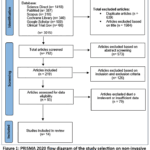 |
Figure 1: PRISMA 2020 flow diagram of the study selection on non-invasive neuromodulation in children and adolescents with ADHD Click here to View Figure |
Source: Adapted from PRISMA 2020 Statement28
Study Characteristic
The 14 included reports used parallel-group designs and enrolled children and adolescents with ADHD (Table 2). Analysed sample sizes ranged from 23 to 150 participants per trial, and studies were conducted across eight countries (China, the United Kingdom, Iran, Israel, the United States, Egypt, Germany, and Portugal). Reported mean ages ranged from 7.37 to 13.79 years, and most trials enrolled more male than female participants. Most used DSM-5 diagnostic criteria, supplemented in some cases by standardised instruments (K-SADS, Vanderbilt, or Conners 3P), while one trial used DSM-IV. The interventions comprised tDCS, rTMS, tRNS, TNS, TPS, and active fMRI-neurofeedback. Both TNS trials delivered external trigeminal nerve stimulation nightly during sleep, so we refer to this intervention as TNS throughout.29,30 Westwood et al. (2022) reported an EEG subsample of the trial by Westwood et al. (2021), so the 14 reports describe trials; the subsample report contributed no outcome data to the syntheses.31,32 Most trials compared a single active modality with sham, while several used multi-arm or combination protocols, including rTMS plus atomoxetine and stimulation combined with cognitive training. This variation in modality, participant characteristics, and setting enabled the network meta-analysis to compare and rank the treatments.
Table 2: Characteristics of the 14 Randomized Controlled Trials Included in the Network Meta-Analysis of Non-Invasive Neuromodulation in Children and Adolescents with Attention-Deficit/Hyperactivity Disorder
|
Study |
Country | Diagnostic Criteria | Study Design | Sample Size (Random/
Analyzed) |
Arms | Age, Mean ± SD | Sex, M/F |
| Cao et al., 2018 33 | China | DSM-V | 3-arm RCT | 64/60 | rTMS (20), ATX (19), rTMS+ATX (21) | 8.66 ± 2.30 |
49/11 |
|
Cheung et al., 2024 34 |
Hong Kong, China | DSM-V | Randomized, double-masked, sham-controlled | 32/32 | TPS (17), sham TPS (15) | 13.10 ± 1.44 | 25/7 |
| Conti et al., 2026 29 | UK | DSM-V | Multicenter, double-masked, sham-controlled, phase 2b RCT | 150/150 | Real TNS (75), sham TNS (75) | 12.60 ± 2.80 |
97/53 |
|
Dakwar-Kawar et al., 2023 35 |
Israel | DSM-V | Randomized, double-masked, sham-controlled | 24/23 | tRNS + cognitive training, sham + cognitive training | 8.90 ± 1.70 | 17/6 |
| Kord et al., 2025 36 | Iran | DSM-V | Randomized active-controlled | 45/45 | tDCS + CT (15), tRNS + CT (15), sham + CT (15) | N/A |
45/0 |
|
Krauel et al., 2025 37 |
Germany & Portugal | DSM-V | Double-blind, parallel-group, sham-controlled RCT | 69/69 | Anodal tDCS + visual 2-back, sham tDCS + visual 2-back | 13.30 ± 1.93 | 54/15 |
| Lukito et al., 2024 38 | UK | DSM-V, KSADS, Conners 3P | Double-blind, sham-controlled parallel RCT | 88/88 | Active fMRI-NF, sham fMRI-NF | 13.20 ± 7.69 |
88/0 |
|
McGough et al., 2019 30 |
USA | DSM-V (KSADS-PL, ADHD-RS, CGI-S) | Double-blind, sham-controlled parallel-group | 62/62 | Active nightly TNS, sham nightly TNS | 10.40 ± 1.40 | 40/22 |
| Nagy et al., 2022 39 | Egypt | SCID-I (DSM-IV) | Randomized, sham-controlled parallel trial | 60/60 | rTMS (30), sham (30) | 8.59 ± 1.72 |
46/14 |
|
Qian et al., 2025 40 |
China | DSM-V | Randomized controlled trial | 48/48 | AHF rTMS (24), SrTMS (24) | 7.37 ± 0.81 | 37/6 |
| Schertz et al., 2022 41 | Israel | DSM-V & Vanderbilt ADHD Rating Scales | Double-blind, randomized, sham-controlled pilot | 25/25 | EXP (13), control (12) | 10.83 ± 1.79 |
18/7 |
|
Wang et al., 2023 42 |
China | DSM-V & ICD-10 | Randomized, sham-controlled | 56/47 | HD-tDCS (28), sham stimulation (28) | 11.51 ± 2.53 | 27/20 |
| Westwood et al., 2021 12 | UK | DSM-V | Double-blind, sham-controlled parallel RCT | 50/50 | Anodal tDCS + CT (24), sham + CT (26) | 13.66 ± 2.09 |
50/0 |
|
Westwood et al., 2022 32 |
UK | DSM-V | Double-blind, randomized, sham-controlled; EEG subsample of the 2021 trial | 29/23 | Anodal tDCS (10), sham tDCS (13) | 13.79 ± 2.03 |
23/0 |
Risk of bias
Across the 14 parallel-group trial reports, the overall risk of bias was high in nine, raised some concerns in two, and was low in three (Figure 2). Most high-risk verdicts did not stem from one critically flawed domain. Instead, the RoB 2 algorithm returned an overall high-risk rating when several domains rated as “some concerns” combined. Two open-label trials were high risk for outcome measurement (Domain 4) because they relied on subjective assessment. By domain, the randomization process (Domain 1) raised some concerns in six trials, chiefly because allocation concealment was described inadequately, while the other eight were low risk. For deviations from intended interventions (Domain 2) and missing outcome data (Domain 3), eight trials raised some concerns, and six were low risk, with none judged high. Outcome measurement (Domain 4) varied most: five trials were low risk, seven raised some concerns, and two were high risk, largely reflecting incomplete blinding where subjective, informant-rated outcomes were used. For selection of the reported result (Domain 5), eight trials raised some concerns, usually because no pre-registered protocol or analysis plan was available, while six were low risk. Overall, only three trials met low risk across every domain, and recurring issues included poorly reported allocation concealment, incomplete blinding of subjective outcomes, and the absence of pre-specified analysis plans.
 |
Figure 2: Risk-of-bias traffic-light plot (left) and summary plot (right) for the 14 included reports, assessed with RoB 216 Click here to View Figure |
Efficacy: overall symptom severity (ADHDRS total)
The ADHD-RS network included four RCTs that contributed five comparisons (301 analyzed participants), because the two independent cohorts of Krauel et al. were entered separately.43 The network formed an open, star-shaped structure centered on sham with no closed loops; comparisons between active treatments therefore rested entirely on indirect evidence (Figure 3). Transcranial pulse stimulation (TPS) gave the largest reduction in symptom severity versus sham (MD −9.10, 95% CI −16.61 to −1.59) and ranked first (P-score 0.99). The estimate was similar when post-treatment values replaced change scores (MD −8.90, 95% CI −17.47 to −0.33). The results were also robust to pre-post correlations of 0.3 and 0.7 (upper 95% limits −0.45 and −2.94). Neither TNS (MD 0.83, 95% CI −2.47 to 4.13) nor tDCS (MD 2.04, 95% CI −1.06 to 5.14) differed from sham. Both ranked below sham (P-scores 0.34 and 0.13). The tDCS point estimate favored sham, mainly because Westwood et al. found higher ADHD-RS scores after real than after sham stimulation.31 No heterogeneity was seen within the tDCS comparison; the only comparison was informed by more than one trial (I² = 0%). Small-study effects were not assessed because fewer than 10 studies contributed (Figures 4 and 5). The TPS estimate came from one trial of 32 participants with some concerns about outcome measurement. The network also had no closed loops to compare direct and indirect evidence, so read the ranking with caution.
 |
Figure 3: Network Graph of Neurostimulation Interventions on ADHD-RS Total Score (edge labels give the number of comparisons; the two cohorts of Krauel et al. are counted separately) Click here to View Figure |
 |
Figure 4: Forest Plot Comparing Interventions to Sham on ADHD-RS Total Score (random effects; negative values favor active stimulation) Click here to View Figure |
 |
Figure 5: P-Score Heatmap of Intervention Rankings for ADHD-RS Total Score (higher P-scores indicate greater symptom reduction) Click here to View Figure |
Efficacy: processing speed (reaction time; narrative synthesis)
Four trials contributed five reaction-time comparisons, but they used different paradigms, so we synthesized processing speed narratively (Table 3). Westwood et al. measured Go/No-Go mean reaction time within a test battery and found no significant effect of tDCS on the cognitive measures.31 Krauel et al. used an n-back task in one cohort and a flanker task in the other. Post-intervention reaction times were similar with verum and sham stimulation (n-back, 518 vs 516 ms; flanker incongruent trials, 569 vs 553 ms).43 Schertz et al. found no significant post-intervention differences between tDCS and sham, with mixed results on computerized performance tests.41 Lukito et al. measured Go-trial reaction time in a tracking stop-signal task. Active fMRI-neurofeedback showed no advantage over sham (677.8 ± 135.3 vs 657.9 ± 118.0 ms; n = 44 per arm; Hedges’ g 0.16, 95% CI −0.26 to 0.57).38
Safety: headache and other adverse events
The headache network included six RCTs (339 analyzed participants) and five active modalities, each connected to sham only through direct comparisons (Figure 6). The two external TNS trials were analyzed as one node.29,30 No modality increased the risk of headache significantly compared with sham (Figure 7). TNS had the estimate closest to sham (RR 1.35, 95% CI 0.71 to 2.57; I² = 39%). Estimates for tDCS (RR 6.50, 95% CI 0.37 to 114.12), TPS (RR 6.22, 95% CI 0.35 to 111.47), tRNS (RR 3.25, 95% CI 0.15 to 72.36), and rTMS (RR 3.12, 95% CI 0.13 to 73.01) had very wide intervals. Each came from a single trial with no headaches in the sham arm. Krauel et al. reported headache as event counts (20 events with verum and 30 with sham stimulation) rather than as numbers of affected participants, so this trial was summarised narratively. Sham ranked as the most favorable node (P-score 0.83), followed by TNS (0.66), rTMS (0.46), and tRNS (0.45), while TPS (0.31) and tDCS (0.30) ranked least favorable (Figure 8). Beyond headache, three trials reported other adverse events (Table 3). In the trial by Conti et al., sleep disturbance was more frequent with TNS than with sham (15/75 vs 7/75; RR 2.14, 95% CI 0.93 to 4.95), but the difference was not significant.29 McGough et al. found no significant between-group differences; parent-reported hyperactivity was less frequent with TNS (13/32 vs 19/30; RR 0.64, 95% CI 0.39 to 1.06), and decreased appetite affected one child in each arm.30 Dakwar-Kawar et al. found no between-group differences in side effects, of which itching was the most common (27% of active and 33% of sham sessions).35
 |
Figure 6: Network graph of non-invasive neuromodulation interventions for headache adverse events (both external TNS trials combined in one node) Click here to View Figure |
 |
Figure 7; Forest plot of the relative risk of headache versus sham (common-effect model; 0.5 continuity correction for zero-event arms) Click here to View Figure |
 |
Figure 8: P-score heatmap for headache (higher P-scores indicate a lower risk of headache) Click here to View Figure |
Certainty of evidence (CINeMA / GRADE)
Evidence certainty ranged from low to very low across all comparisons and outcomes (Table 3). For the ADHD-RS total, very-low-certainty evidence supported tDCS versus sham, whereas low-certainty evidence supported TNS and TPS versus sham. The TPS rating reflects a single trial of 32 participants with some concerns about outcome measurement. Its interval also includes small, clinically unimportant effects. For headache, evidence for TNS was of low certainty, and all other comparisons were rated very low certainty after downgrading for study limitations and imprecision. For processing speed, the narrative evidence was rated very low certainty because of inconsistent outcome measures, study limitations, and imprecision.
Table 3: Integrated Summary of Findings: efficacy and safety of non-invasive neuromodulation versus sham in children and adolescents with ADHD (GRADE/CINeMA certainty of evidence)
|
Comparison |
Participants (number of studies) | Anticipated effect (95% CI) | Certainty (GRADE) | Interpretation |
|
Primary outcome – Overall symptom severity: ADHD-RS total score (mean difference, MD) |
||||
|
tDCS vs sham |
119 (2) | MD 2.04 (−1.06 to 5.14); p = 0.198 | Very low | Very uncertain whether tDCS affects ADHD-RS total |
| TNS vs sham | 150 (1) | MD 0.83 (−2.47 to 4.13); p = 0.622 | Low |
May make little or no difference |
|
TPS vs sham |
32 (1) | MD −9.10 (−16.61 to −1.59); p = 0.018 | Low | May reduce severity, but from a single small trial |
|
Secondary outcome: Processing speed: reaction time (narrative synthesis) |
||||
|
fMRI-NF vs sham (stop-signal task) |
88 (1) | Hedges’ g 0.16 (−0.26 to 0.57); not pooled | Very low | No advantage over sham |
| tDCS vs sham (Go/No-Go, n-back, flanker tasks) | 144 (3) | Narrative: no significant differences in reaction time | Very low |
Very uncertain; different tasks precluded pooling |
|
Safety – Headache (relative risk, RR; common-effect model) |
||||
| rTMS vs sham | 47 (1) | RR 3.12 (0.13 to 73.01); p = 0.480 | Very low |
Very uncertain whether rTMS affects headache risk |
|
TNS vs sham |
212 (2) | RR 1.35 (0.71 to 2.57); p = 0.354 | Low | May make little or no difference to headache risk |
| tDCS vs sham | 25 (1) | RR 6.50 (0.37 to 114.12); p = 0.200 | Very low |
Very uncertain; single small trial |
|
TPS vs sham |
32 (1) | RR 6.22 (0.35 to 111.47); p = 0.214 | Very low | Very uncertain; single small trial |
| tRNS vs sham | 23 (1) | RR 3.25 (0.15 to 72.36); p = 0.453 | Very low |
Very uncertain; single small trial |
|
Safety- Other adverse events (relative risk, RR) |
||||
| Sleep disturbance TNS vs sham (Conti et al.) | 75 vs 75 | RR 2.14 (0.93 to 4.95) | – |
15/75 vs 7/75; non-significant |
|
Decreased appetite TNS vs sham (McGough et al.) |
32 vs 30 | RR 0.94 (0.06 to 14.33) | – |
1/32 vs 1/30; rare |
|
Hyperactivity TNS vs sham (McGough et al.) |
32 vs 30 | RR 0.64 (0.39 to 1.06) | – |
13/32 vs 19/30; non-significant, favors TNS |
|
Itching tRNS vs sham (Dakwar-Kawar et al.) |
11 vs 12 | 27% vs 33% of sessions | – |
Reported per session; no significant difference. |
Discussion
This network meta-analysis compared non-invasive neuromodulation modalities in pediatric and adolescent ADHD and found differences in treatment effects across outcomes. TPS was linked to the largest reduction in overall symptom severity versus sham (MD −9.10, 95% CI −16.61 to −1.59). No other modality reduced symptoms or improved processing speed, and none significantly increased adverse events. These findings warrant caution, since the available evidence was sparse, largely indirect, and of low to very low certainty.
The TPS result fits its proposed mechanism of action. Unlike electrical stimulation techniques, TPS delivers single ultrashort ultrasound pulses, which can reach deeper structures with relatively high spatial precision and may modulate broader fronto-striatal circuits.44,45 Our analysis could not test whether TPS also changes cognitive performance, because the TPS trial contributed no data to the processing-speed outcome. Polte et al. likewise flagged TPS as promising, though their pooled effect did not reach statistical significance.44 The divergence from our results may reflect differences in the included trials and network structure rather than truly conflicting effects, and the upper limit of our interval (−1.59 points) lies close to no effect. TPS may therefore be a promising option, though larger randomized trials are needed to establish its comparative efficacy.
The only fMRI-neurofeedback trial in our review showed no advantage over sham on Go-trial reaction time. The wider literature, drawn mostly from EEG-based protocols, nevertheless suggests that neurofeedback may affect cognitive rather than behavioral outcomes. By enabling self-regulation of prefrontal executive networks, neurofeedback may sharpen sustained attention, cognitive control, and processing efficiency without necessarily producing an immediate fall in overall ADHD symptoms.46,47 This pattern aligns with Westwood et al., who reported improved processing speed but no clinically meaningful change in blinded overall symptom ratings 48, and with Zhong et al., who reported gains in inhibitory control and working memory after longer neurofeedback training.49,50 Differences in feedback modality, task, and training dose may explain why the single fMRI-neurofeedback trial did not reproduce these gains. Together, these studies suggest that any benefit of neurofeedback may appear first in executive functions, and they underline the importance of choosing outcome measures matched to each modality’s intended therapeutic target.
tDCS and TNS showed no benefit on overall symptoms, and tDCS showed no benefit on processing speed; rTMS and tRNS contributed only safety data to our networks. This fits evidence that tDCS may act more strongly on attention and inhibitory control than on overall ADHD symptoms.51 Yin et al. and Chen et al. similarly found that treatment effects varied with modality, cortical target, and the outcome assessed rather than holding constant across interventions. 52,53Krauel et al. showed that stimulating different prefrontal regions could yield different cognitive effects despite comparable protocols.43 For TNS, the null estimate came from the phase 2b trial by Conti et al., which contrasts with the positive pilot findings of McGough et al.29,30 Stimulation parameters, such as electrode placement, current intensity, polarity, and duration, may also play a role.54 These observations suggest that fine-tuning treatment parameters may matter as much as the choice of modality itself.
The differences between modalities may reflect the heterogeneous neural mechanisms of ADHD. Increasingly, ADHD is understood as a disorder of several distributed networks, frontoparietal, frontostriatal, salience, and default-mode, rather than of a single region, together shaping attention, inhibition, and executive function.42,55 Interventions aimed at different cortical regions may therefore produce different clinical effects. In this analysis, only TPS reduced overall symptoms and no modality improved processing speed, so our data cannot confirm modality-specific cognitive effects; the intended therapeutic target should still guide how neuromodulation approaches are appraised.46
Clinically, neuromodulation should for now be viewed as an adjunct to, rather than a replacement for, pharmacotherapy, which remains first-line care for pediatric ADHD.56–58 TPS gave the only signal for overall symptom reduction, but one small trial cannot guide the choice of treatment target. Overall, the current evidence is not yet sufficient to support routine clinical use, given the few studies, variation in treatment protocols, and low certainty of evidence.59 Most reported adverse events were mild and transient, including headache, tingling, itching, and sleep disturbance, and none occurred significantly more often with active stimulation than with sham. However, follow-up was generally short, and the long-term safety and durability of repeated childhood neuromodulation remain uncertain.
A key strength of this review was combining several neuromodulation modalities, outcomes, and safety data within one network framework confined to randomized trials, permitting a broader comparison than conventional pairwise meta-analysis. Several limitations nonetheless deserve note. Evidence for TPS came from a single trial with 32 participants, and we could not pool processing speed because the trials used different reaction-time tasks. All networks were star-shaped, with sham as the only common comparator and no closed loops. Every comparison between two active modalities was therefore indirect. We could not test the consistency of direct and indirect evidence, and the rankings depend on the transitivity assumption. That assumption could be examined only by comparing effect modifiers across trials. Risk of bias compounded this problem. Nine of the 14 reports were at high overall risk of bias, and two raised some concerns. The main reasons were poorly reported allocation concealment, incomplete blinding of informant-rated outcomes, and missing analysis plans. None of the three low-risk trials informed the TPS estimate. P-scores reflect point estimates and their precision but not these limitations. A high P-score from a small trial that is not at low risk of bias should therefore not be read as evidence of superiority. Headache estimates came from a common-effect model because sparse events prevented reliable estimation of between-study variance, which may understate uncertainty for TNS, the only headache comparison informed by two trials. Differences in stimulation protocols, treatment duration, and follow-up may also have added to heterogeneity, and the low-to-very-low certainty of most estimates further limits interpretation of the rankings.
Future work should tackle both treatment protocols and outcome measurement. ADHD spans two core symptom domains, inattention and hyperactivity/impulsivity. Yet, the objective measures in the available trials focused mainly on attention and executive function. At the same time, hyperactivity and impulsivity were more often gauged with informant-rated measures such as the ADHD-RS. This mismatch can make cross-modality comparison harder. Future trials should therefore add standardized objective measures of hyperactivity and impulsivity, together with adequately powered head-to-head comparisons, consistent treatment protocols, and longer follow-up.
Conclusion
Non-invasive neuromodulation was generally well tolerated in children and adolescents with ADHD, and no modality increased headache or other adverse events significantly compared with sham. TPS ranked highest for overall symptom severity, but this ranking rests on one trial of 32 participants. The star-shaped network also allowed only indirect comparisons between active modalities. tDCS and TNS did not reduce symptoms. No trial showed an advantage of active stimulation on processing speed, which was synthesized narratively because the trials used different reaction-time tasks. Most adverse events were mild and transient. These findings warrant caution, since the certainty of evidence was low to very low, most trials were at high risk of bias, most comparisons were indirect, and the strongest effect came from a single small trial. Adequately powered randomized controlled trials with standardized protocols, objective outcome measures, and longer follow-up are needed before non-invasive neuromodulation can be considered for routine use in pediatric ADHD.
Acknowledgement
The authors would like to express their sincere gratitude to Dr. Moewardi General Hospital, Surakarta, for the support and facilities provided during the completion of this research. The authors also highly appreciate the Faculty of Medicine, Universitas Sebelas Maret, Surakarta, for the academic guidance, institutional support, and valuable resources that contributed significantly to the conduct and completion of this study.
Funding Source
This study does not receive any funding from any type of institution.
Conflict of Interest
The authors have no conflict of interest to declare.
Data Availability Statement
All data analyzed during this study were extracted from previously published articles available in public databases. The extracted datasets supporting the conclusions of this article are available from the corresponding author upon reasonable request.
Ethics Statement
This research did not involve human participants, animal subjects, or any material that requires ethical approval.
Informed Consent Statement
This study did not involve human participants, and therefore, informed consent was not required.
Clinical Trial Registration
This research does not involve any clinical trials.
Permission to reproduce material from other sources
Not Applicable
Author Contributions
- Siti Wahyuni: Conceptualization, Methodology, Literature Search and Study Identification, Study Selection and Screening, Data Extraction and Curation, Risk of Bias Assessment, Writing – Original Draft, Writing – Review & Editing.
- Hilmi Amirul Haq: Conceptualization, Methodology, Literature Search and Study Identification, Study Selection and Screening, Data Extraction and Curation, Risk of Bias Assessment, Writing – Original Draft, Writing – Review & Editing.
- Bryan Naufal Abdullah: Conceptualization, Methodology, Risk of Bias Assessment, Formal Analysis, Statistical Analysis, Visualization, Writing – Original Draft, Writing – Review & Editing.
- Farida Murtiani: Conceptualization, Methodology, Risk of Bias Assessment, Formal Analysis, Statistical Analysis, Visualization, Writing – Original Draft, Writing – Review & Editing.
- Frengki Prabowo Saputro Wijayanto: Literature Search and Study Identification, Study Selection and Screening, Data Extraction and Curation, Writing – Review & Editing.
- Artha Maressa Theodora Simanjuntak: Literature Search and Study Identification, Study Selection and Screening, Data Extraction and Curation, Writing – Review & Editing.
- Elizabeth: Literature Search and Study Identification, Study Selection and Screening, Data Extraction and Curation, Writing – Review & Editing.
- M. Iyad Madani: Literature Search and Study Identification, Study Selection and Screening, Data Extraction and Curation, Writing – Review & Editing.
- Nouval Rifky Ananda: Literature Search and Study Identification, Study Selection and Screening, Data Extraction and Curation, Writing – Review & Editing.
- Fatimah Fatimah: Literature Search and Study Identification, Study Selection and Screening, Data Extraction and Curation, Writing – Review & Editing.
References
- Caye A, Swanson JM, Coghill D, Rohde LA. Treatment strategies for ADHD: an evidence-based guide to select optimal treatment. Mol Psychiatry. 2019;24(3):390-408. doi:10.1038/S41380-018-0116-3
CrossRef - American Psychiatric Association. Diagnostic and Statistical Manual of Mental Disorders. Diagnostic and Statistical Manual of Mental Disorders. Published online March 18, 2022. doi:10.1176/APPI.BOOKS.9780890425787
CrossRef - Wolraich ML, Hagan JF, Allan C, et al. Clinical Practice Guideline for the Diagnosis, Evaluation, and Treatment of Attention-Deficit/Hyperactivity Disorder in Children and Adolescents. Pediatrics. 2019;144(4). doi:10.1542/PEDS.2019-2528
CrossRef - Cortese S, Adamo N, Del Giovane C, et al. Comparative efficacy and tolerability of medications for attention-deficit hyperactivity disorder in children, adolescents, and adults: a systematic review and network meta-analysis. Lancet Psychiatry. 2018;5(9):727-738. doi:10.1016/S2215-0366(18)30269-4
CrossRef - Kofler MJ, Groves NB, Chan ESM, et al. Working memory and inhibitory control deficits in children with ADHD: an experimental evaluation of competing model predictions. Front Psychiatry. 2024;15. doi:10.3389/FPSYT.2024.1277583
CrossRef - Salehinejad MA, Vosough Y, Nejati V. The Impact of Bilateral Anodal tDCS over Left and Right DLPFC on Executive Functions in Children with ADHD. Brain Sci. 2022;12(8). doi:10.3390/BRAINSCI12081098
CrossRef - Norman LJ, Carlisi C, Lukito S, et al. Structural and Functional Brain Abnormalities in Attention-Deficit/Hyperactivity Disorder and Obsessive-Compulsive Disorder: A Comparative Meta-analysis. JAMA Psychiatry. 2016;73(8):815-825. doi:10.1001/JAMAPSYCHIATRY.2016.0700
CrossRef - Rubia K. Cognitive neuroscience of attention deficit hyperactivity disorder (ADHD) and its clinical translation. Front Hum Neurosci. 2018;12:336969. doi:10.3389/FNHUM.2018.00100/FULL
CrossRef - Finisguerra A, Borgatti R, Urgesi C. Non-invasive Brain Stimulation for the Rehabilitation of Children and Adolescents With Neurodevelopmental Disorders: A Systematic Review. Front Psychol. 2019;10(FEB). doi:10.3389/FPSYG.2019.00135
CrossRef - López-Alonso V, Cheeran B, Río-Rodríguez D, Fernández-Del-Olmo M. Inter-individual variability in response to non-invasive brain stimulation paradigms. Brain Stimul. 2014;7(3):372-380. doi:10.1016/j.brs.2014.02.004
CrossRef - Luo Y, Weibman D, Halperin JM, Li X. A review of heterogeneity in attention deficit/hyperactivity disorder (ADHD). Front Hum Neurosci. 2019;13:406779. doi:10.3389/FNHUM.2019.00042/FULL
CrossRef - Westwood SJ, Radua J, Rubia K. Noninvasive brain stimulation in children and adults with attention-deficit/hyperactivity disorder: a systematic review and meta-analysis. J Psychiatry Neurosci. 2021;46(1):E14-E33. doi:10.1503/JPN.190179
CrossRef - Salehinejad MA, Ghanavati E, Glinski B, Hallajian AH, Azarkolah A. A systematic review of randomized controlled trials on efficacy and safety of transcranial direct current stimulation in major neurodevelopmental disorders: ADHD, autism, and dyslexia. Brain Behav. 2022;12(9). doi:10.1002/BRB3.2724
CrossRef - Ostinelli EG, Schulze M, Zangani C, et al. Comparative efficacy and acceptability of pharmacological, psychological, and neurostimulatory interventions for ADHD in adults: a systematic review and component network meta-analysis. Lancet Psychiatry. 2025;12(1):32-43. doi:10.1016/S2215-0366(24)00360-2
CrossRef - Hutton B, Salanti G, Caldwell DM, et al. The PRISMA extension statement for reporting of systematic reviews incorporating network meta-analyses of health care interventions: checklist and explanations. Ann Intern Med. 2015;162(11):777-784. doi:10.7326/M14-2385
CrossRef - Sterne JAC, Savović J, Page MJ, et al. RoB 2: a revised tool for assessing risk of bias in randomised trials. BMJ. 2019;366. doi:10.1136/BMJ.L4898
CrossRef - Berger I, Dakwar-Kawar O, Grossman ES, Nahum M, Cohen Kadosh R. Scaffolding the attention-deficit/hyperactivity disorder brain using transcranial direct current and random noise stimulation: A randomized controlled trial. Clinical Neurophysiology. 2021;132(3):699-707. doi:10.1016/j.clinph.2021.01.005
CrossRef - Conners CK. Conners, C. K. (2008). Conners 3—Parent and Teacher Surveys, Long Form (3rd ed.). Multi-Health System. – References – Scientific Research Publishing. 2008. Accessed August 24, 2026. https://www.scirp.org/reference/referencespapers?referenceid=3204366
- DuPaul GJ, Power TJ, Anastopoulos AD, Reid R. ADHD Rating Scale—IV: Checklists, norms, and clinical interpretation. 1998. Accessed August 24, 2026. https://psycnet.apa.org/record/1998-06605-000
CrossRef - Anastopoulos AD, Beal KK, Reid RJ, Reid R, Power TJ, DuPaul GJ. Impact of child and informant gender on parent and teacher ratings of attention-deficit/hyperactivity disorder. Psychol Assess. 2018;30(10):1390-1394. doi:10.1037/PAS0000627
CrossRef - American Psychiatric Association. Diagnostic and Statistical Manual of Mental Disorders. Diagnostic and Statistical Manual of Mental Disorders. Published online May 22, 2013. doi:10.1176/APPI.BOOKS.9780890425596
CrossRef - Duchesne M, Mattos P. Normatização de um teste computadorizado de atenção visual: (TAVIS). Arq Neuropsiquiatr. 1997;55(1):62-69. doi:10.1590/S0004-282X1997000100010
CrossRef - PsyToolkit. Mackworth clock task (fancy version). 2017. Accessed August 24, 2026. https://www.psytoolkit.org/experiment-library/mackworth2.html
- Creque C, Kolakowsky-Hayner SA. Wisconsin Card Sorting Test. Encyclopedia of Clinical Neuropsychology, Second Edition. Published online January 1, 2011:3742-3744. doi:10.1007/978-3-319-57111-9_1913/SAVE-RESEARCH
CrossRef - Rubia K, Smith A, Taylor E. Performance of children with attention deficit hyperactivity disorder (ADHD) on a test battery of impulsiveness. Child Neuropsychol. 2007;13(3):276-304. doi:10.1080/09297040600770761
CrossRef - Balduzzi S, Rücker G, Nikolakopoulou A, et al. netmeta: An R Package for Network Meta-Analysis Using Frequentist Methods. J Stat Softw. 2023;106(2):1-40. doi:10.18637/JSS.V106.I02
CrossRef - Rücker G, Schwarzer G. Ranking treatments in frequentist network meta-analysis works without resampling methods. BMC Med Res Methodol. 2015;15(1). doi:10.1186/S12874-015-0060-8
CrossRef - Page MJ, McKenzie JE, Bossuyt PM, et al. The PRISMA 2020 statement: an updated guideline for reporting systematic reviews. BMJ. 2021;372. doi:10.1136/BMJ.N71
CrossRef - Conti AA, Bozhilova N, Eraydin IE, et al. External trigeminal nerve stimulation in youth with ADHD: a randomized, sham-controlled, phase 2b trial. Nat Med. 2026;32(2):582-590. doi:10.1038/s41591-025-04075-x
CrossRef - McGough JJ, Sturm A, Cowen J, et al. Double-Blind, Sham-Controlled, Pilot Study of Trigeminal Nerve Stimulation for Attention-Deficit/Hyperactivity Disorder. J Am Acad Child Adolesc Psychiatry. 2019;58(4):403-411.e3. doi:10.1016/j.jaac.2018.11.013
CrossRef - Westwood SJ, Criaud M, Lam SL, et al. Transcranial direct current stimulation (tDCS) combined with cognitive training in adolescent boys with ADHD: A double-blind, randomised, sham-controlled trial. Psychol Med. 2023;53(2):497-512. doi:10.1017/S0033291721001859
CrossRef - Westwood SJ, Bozhilova N, Criaud M, et al. The effect of transcranial direct current stimulation (tDCS) combined with cognitive training on EEG spectral power in adolescent boys with ADHD: A double-blind, randomized, sham-controlled trial. IBRO Neurosci Rep. 2022;12:55-64. doi:10.1016/j.ibneur.2021.12.005
CrossRef - Cao P, Xing J, Cao Y, et al. Clinical effects of repetitive transcranial magnetic stimulation combined with atomoxetine in the treatment of attention-deficit hyperactivity disorder. Neuropsychiatr Dis Treat. 2018;14:3231-3240. doi:10.2147/NDT.S182527
CrossRef - Cheung T, Yee BK, Chau B, et al. Efficacy and safety of transcranial pulse stimulation in young adolescents with attention-deficit/hyperactivity disorder: a pilot, randomized, double-blind, sham-controlled trial. Frontiers in Neurology . 2024;15. doi:10.3389/fneur.2024.1364270
CrossRef - Ornella DK, Noam M, Shachar H, Itai B, Roi CK, Mor N. Transcranial random noise stimulation combined with cognitive training for treating ADHD: a randomized, sham-controlled clinical trial. Transl Psychiatry. 2023;13(1). doi:10.1038/s41398-023-02547-7
CrossRef - Kord M, Fath-Abadi J, Gharibzadeh S, Khosrowabadi R. Using tES in Combination with Working Memory Training to Improve EEG Components in Children and Adolescents with ADHD: A Randomized, Active-Controlled Trial. Basic Clin Neurosci. 2025;16. doi:10.32598/bcn.2023.2547.1
CrossRef - Krauel K, Brauer H, Breitling-Ziegler C, et al. Prefrontal Transcranial Direct Current Stimulation in Pediatric Attention-Deficit/Hyperactivity Disorder A Randomized Clinical Trial. JAMA Netw Open. 2025;8(2). doi:10.1001/jamanetworkopen.2024.60477
CrossRef - Lukito S, Lam SL, Criaud M, et al. Effects of fMRI neurofeedback of right inferior frontal cortex on inhibitory brain activation in children with ADHD. Philosophical Transactions of the Royal Society B: Biological Sciences. 2024;379(1915). doi:10.1098/rstb.2023.0097
CrossRef - Nagy NAS, Amin GR, Khalil SA, Mahmoud DAM, Elkholy H, Shohdy M. The therapeutic role of repetitive transcranial magnetic stimulation in children with attention deficit/hyperactivity disorder in Egypt a randomized sham controlled clinical trial. Middle East Current Psychiatry. 2022;29(1). doi:10.1186/s43045-022-00210-3
CrossRef - Qian Y, Lu Y, Zhang L, et al. Effects of Repetitive Transcranial Magnetic Stimulation on Children From 6 to 10 Years of Age With Attention Deficit Hyperactivity Disorder—A Randomized Controlled Trial. Physiotherapy Research International. 2025;30(3). doi:10.1002/pri.70066
CrossRef - Schertz M, Karni-Visel Y, Genizi J, et al. Transcranial Direct Current Stimulation (tDCS) in children with ADHD: A randomized, sham-controlled pilot study. J Psychiatr Res. 2022;155:302-312. doi:10.1016/j.jpsychires.2022.08.022
CrossRef - Wang M, Yu J, Kim HD, Cruz AB. Neural correlates of executive function and attention in children with ADHD: An ALE meta-analysis of task-based functional connectivity studies. Psychiatry Res. 2025;345:116338. doi:10.1016/J.PSYCHRES.2024.116338
CrossRef - Krauel K, Brauer H, Breitling-Ziegler C, et al. Prefrontal Transcranial Direct Current Stimulation in Pediatric Attention-Deficit/Hyperactivity Disorder: A Randomized Clinical Trial. JAMA Netw Open. 2025;8(2). doi:10.1001/JAMANETWORKOPEN.2024.60477
CrossRef - Polte S, Klingmann L, Seßmann A, et al. Neuromodulatory Effects of Transcranial Pulse Stimulation (TPS) in Neurological and Psychiatric Disorders—A Systematic Review and Meta-Analysis. Neurol Int. 2025;17(11):188. doi:10.3390/NEUROLINT17110188/S1
CrossRef - Cassarà AM, Newton TH, Zhuang K, et al. Recommendations for the Safe Application of Temporal Interference Stimulation in the Human Brain Part I: Principles of Electrical Neuromodulation and Adverse Effects. Bioelectromagnetics. 2025;46(2):e22542.doi:10.1002/BEM.22542; JOURNAL:JOURNAL: 1521186X;WGROUP: STRING:PUBLICATION
CrossRef - Orth L, Meeh J, Gur RC, Neuner I, Sarkheil P. Frontostriatal circuitry as a target for fMRI-based neurofeedback interventions: A systematic review. Front Hum Neurosci. 2022;16. doi:10.3389/FNHUM.2022.933718
CrossRef - Enriquez-Geppert S, Huster RJ, Herrmann CS. EEG-Neurofeedback as a Tool to Modulate Cognition and Behavior: A Review Tutorial. Front Hum Neurosci. 2017;11. doi:10.3389/FNHUM.2017.00051
CrossRef - Westwood SJ, Aggensteiner PM, Kaiser A, et al. Neurofeedback for Attention-Deficit/Hyperactivity Disorder: A Systematic Review and Meta-Analysis. JAMA Psychiatry. 2025;82(2):118-129. doi:10.1001/JAMAPSYCHIATRY.2024.3702
CrossRef - Zhong X, Yuan X, Dai Y, Zhang X, Jiang C. Neurofeedback training for executive function in ADHD children: a systematic review and meta-analysis. Scientific Reports 2025 15:1. 2025;15(1):28148-. doi:10.1038/s41598-025-94242-4
CrossRef - Diamond A. Executive functions. Annu Rev Psychol. 2013;64:135-168. doi:10.1146/ANNUREV-PSYCH-113011-143750
CrossRef - Zhang M, Ma C, Liu Y, et al. Efficacy and safety of transcranial direct current stimulation for children and adolescents with attention-deficit/hyperactivity disorder: a systematic review and meta-analysis. J Psychiatry Neurosci. 2025;50(4):E248-E266. doi:10.1503/JPN.250032
CrossRef - Yin Y, Wang X, Feng T. Noninvasive Brain Stimulation for Improving Cognitive Deficits and Clinical Symptoms in Attention-Deficit/Hyperactivity Disorder: A Systematic Review and Meta-Analysis. Brain Sci. 2024;14(12). doi:10.3390/BRAINSCI14121237
CrossRef - Chen Q, Pan N, Long Y, et al. Noninvasive Brain Stimulation in Attention-Deficit/Hyperactivity Disorder: A Systematic Review and Meta-Analysis of Treatment Efficacy and Targeting Strategies. J Am Acad Child Adolesc Psychiatry. 2026;65(3):369-391. doi:10.1016/j.jaac.2025.07.009
CrossRef - Huang R, Liu Y. Research progress of tDCS in the treatment of ADHD. Journal of Neural Transmission 2024 132:2. 2024;132(2):237-251. doi:10.1007/S00702-024-02853-4
CrossRef - Qian X, Castellanos FX, Uddin LQ, et al. Large-scale brain functional network topology disruptions underlie symptom heterogeneity in children with attention-deficit/hyperactivity disorder. Neuroimage Clin. 2019;21. doi:10.1016/j.nicl.2018.11.010
CrossRef - Faraone S V., Banaschewski T, Coghill D, et al. The World Federation of ADHD International Consensus Statement: 208 Evidence-based Conclusions about the Disorder. Neurosci Biobehav Rev. 2021;128:789. doi:10.1016/J.NEUBIOREV.2021.01.022
CrossRef - Peterson BS, Trampush J, Maglione M, et al. Treatments for ADHD in Children and Adolescents: A Systematic Review. Pediatrics. 2024;153(4). doi:10.1542/PEDS.2024-065787
CrossRef - Dalrymple RA, McKenna Maxwell L, Russell S, Duthie J. NICE guideline review: Attention deficit hyperactivity disorder: diagnosis and management (NG87). Arch Dis Child Educ Pract Ed. 2020;105(5):289-293. doi:10.1136/ARCHDISCHILD-2019-316928
CrossRef - Yang CM, Kim JW. Neuromodulation as a Potential Intervention for Children With Attention-Deficit/Hyperactivity Disorder. Journal of the Korean Academy of Child and Adolescent Psychiatry. 2025;36(1):2-10. doi:10.5765/JKACAP.240039
CrossRef
Abbreviations
ADHD: Attention-Deficit/Hyperactivity Disorder
ADHD-RS: ADHD Rating Scale
AE: Adverse Event
ATX: Atomoxetine
CD: Conduct Disorder
CI: Confidence Interval
CINeMA: Confidence in Network Meta-Analysis
CT: Cognitive Training
DSM: Diagnostic and Statistical Manual of Mental Disorders
fMRI-NF: Functional Magnetic Resonance Imaging Neurofeedback
GRADE: Grading of Recommendations Assessment, Development and Evaluation
HD-tDCS: High-Definition Transcranial Direct Current Stimulation
ICD: International Classification of Diseases
K-SADS: Kiddie Schedule for Affective Disorders and Schizophrenia
K-SADS-PL: Kiddie Schedule for Affective Disorders and Schizophrenia, Present and Lifetime Version
MD: Mean Difference
MeSH: Medical Subject Headings
MRT: Mean Response Time
NMA: Network Meta-Analysis
ODD: Oppositional Defiant Disorder
RCT: Randomized Controlled Trial
RoB 2: Cochrane Risk of Bias 2
RR: Relative Risk
rTMS: Repetitive Transcranial Magnetic Stimulation
RT: Reaction Time
SCID-I: Structured Clinical Interview for DSM Disorders
SMD: Standardized Mean Difference
TMS: Transcranial Magnetic Stimulation
tACS: Transcranial Alternating Current Stimulation
tDCS: Transcranial Direct Current Stimulation
TNS: Trigeminal Nerve Stimulation
TPS: Transcranial Pulse Stimulation
tRNS: Transcranial Random Noise Stimulation
tVNS: Transcutaneous Vagus Nerve Stimulation

Accepted on: 01-10-2026
Second Review by: Dr. Grigorios Kyriakopoulos
Final Approval by: Dr H Fai Poon