Integrating Nanotechnology and Artificial Intelligence for Next-Generation Breast Cancer Management: A Scoping Review

Pharmacy Program, College of Health and Sport Sciences, University of Bahrain, Manama, Bahrain
Corresponding Author E-mail: mmomer@uob.edu.bh
DOI : http://dx.doi.org/10.13005/bpj/3485
Download this article as:

Breast cancer remains a leading cause of cancer-related mortality worldwide, and its clinical management continues to be complicated by substantial tumor heterogeneity. Two technological forces are reshaping the therapeutic and diagnostic landscape of this disease: nanotechnology and artificial intelligence (AI). Nanomedicine has matured into a versatile platform for targeted drug delivery, diagnostics, and theranostics, while AI provides the computational capacity required to interpret complex biomedical datasets, forecast clinical outcomes, and tailor therapeutic strategies to individual patients. For much of their development, these two fields progressed largely independently; their recent convergence, however, has begun to define a distinct frontier in oncology research. This review examines the intersection of AI and nanotechnology across the breast cancer care continuum, beginning with AI-guided rational design and high-throughput screening of nanocarrier platforms, including lipid-based, polymeric, and inorganic systems, and how computational approaches accelerate their development and optimization. The contribution of AI to nanodiagnostics is then discussed, with attention to machine learning-based analysis of nano-enhanced imaging and liquid biopsy data for early detection and tumor profiling. AI-powered nanotheranostic systems capable of responding to the dynamic tumor microenvironment and enabling real-time treatment monitoring are subsequently addressed, followed by AI-based pharmacokinetic and pharmacodynamic modeling for predicting patient-specific responses and guiding nanodrug personalization. Finally, translational challenges are examined, including regulatory frameworks, data standardization, and clinical validation requirements. Collectively, the convergence of AI and nanotechnology offers a path toward transforming breast cancer care from a generic, reactive model to one that is precise, predictive, and personalized.
KEYWORDS:Breast Neoplasms; Machine Learning; Nanoparticle Drug Delivery Systems; Theranostic Nanomedicine; Tumor Microenvironment
Introduction
Breast cancer remains one of the most significant health challenges worldwide. Its considerable molecular heterogeneity, encompassing subtypes such as triple-negative breast cancer (TNBC), HER2-positive disease, and Luminal A and B tumors, complicates the development of universally effective treatment strategies.1 Current standards of care, despite substantial improvement over recent decades, often follow a generalized therapeutic approach, resulting in variable efficacy, considerable off-target toxicity, and the eventual emergence of treatment resistance.2 In the pursuit of precision oncology, two fields have emerged as particularly transformative: pharmaceutical nanotechnology and artificial intelligence.
Nanotechnology has substantially advanced drug delivery by providing platforms capable of enhancing the solubility of poorly water-soluble drugs, prolonging systemic circulation time, and enabling targeted delivery to tumor tissue via the enhanced permeability and retention (EPR) effect and active targeting strategies.3 A diverse range of nanocarriers, including liposomes, polymeric nanoparticles, dendrimers, and metallic nanoparticles, has been developed, several of which, such as liposomal doxorubicin and albumin-bound paclitaxel (Abraxane®), are already established in clinical practice for breast cancer.4 These systems are designed to maximize the therapeutic index by concentrating chemotherapeutic payload at the tumor site while minimizing exposure of healthy tissue.
In parallel, the emergence of artificial intelligence (AI), particularly its subfields of machine learning (ML) and deep learning (DL), has reshaped both biomedical research and clinical oncology.5 AI algorithms can identify subtle and complex patterns in large, multidimensional datasets, including genomic sequences, radiological images, electronic health records, and proteomic profiles.6-8 In oncology, AI has been applied to early detection in mammographic screening with accuracy comparable to that of expert radiologists, as well as to molecular subtype stratification, treatment response prediction, and prognostic assessment.8,9
Until recently, the development of nanotechnology and AI proceeded along largely separate trajectories. A substantial convergence between the two fields is now apparent. The development and application of nanomedicines generate extensive, multidimensional datasets relating to nanoparticle synthesis, physicochemical characterization, in vitro efficacy, and in vivo fate.10 Clinical cancer management similarly generates substantial volumes of patient-specific data. AI has increasingly become an essential tool for navigating this complexity, accelerating the design of more sophisticated nanocarriers, facilitating interpretation of the diagnostic signals they generate, and predicting therapeutic outcomes in individual patients, thereby narrowing the gap between preclinical discovery and clinical application.8,11-12
This review provides a comprehensive analysis of the synergistic integration of AI and nanotechnology in the context of breast cancer management. It examines how AI has evolved from a peripheral analytical tool into a central component of the nanomedicine development lifecycle, spanning early-stage design through to clinical application. Specifically, the review addresses the role of AI in the rational design of nanocarriers, the enhancement of nano-enabled diagnostics, the development of adaptive theranostic platforms, and the personalization of nanotherapy. Through critical examination of the current landscape and emerging directions, this review outlines the prospective trajectory of data-driven, intelligent breast cancer management.
This review was structured in accordance with established guidance for narrative literature reviews, as outlined by Pautasso13 in “Ten Simple Rules for Writing a Literature Review“. The scope was defined a priori and restricted to studies addressing the integration of artificial intelligence and nanotechnology in breast cancer management, published between 2019 and 2025. Literature research was conducted in PubMed and Google Scholar using targeted search terms to ensure comprehensive coverage of the field while maintaining a focused scope. Priority was given to peer-reviewed research articles reporting tangible experimental or clinical findings, with an emphasis on high-impact studies.14 The review was organized to support critical synthesis rather than descriptive cataloging of individual studies, progressing logically from nanocarrier design to diagnostic applications, theranostic systems, and therapeutic personalization. This structure was intended to construct a coherent narrative of the field’s technological progression and to provide a current, critically synthesized perspective on the convergence of AI and nanotechnology in oncology
AI in the Rational Design and Development of Nanocarriers
The development of nanomedicines has traditionally relied on iterative trial-and-error approaches, rendering the process slow, costly, and inefficient. A persistent challenge in the field has been establishing reliable structure-activity relationships that link nanoparticle physicochemical properties to their behavior in vivo. Artificial intelligence offers a means of addressing this limitation by leveraging data-driven and predictive modeling approaches to design and optimize nanocarriers with greater efficiency and precision.
Figure 1 illustrates the iterative, AI-driven pipeline for nanocarrier development. This closed-loop cycle integrates in silico design, high-throughput experimental validation, and continuous refinement of AI models to enable rapid optimization of nanoparticle formulations. The resulting framework supports clinical translation toward personalized nanotherapy, establishing a direct link between preclinical design and patient-specific applications.6,15-17
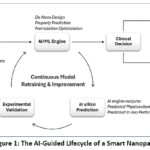 |
Figure 1: The AI-Guided Lifecycle of a Smart Nanoparticle Click here to View Figure |
De Novo Design and Property Prediction
Machine learning models are capable of learning the complex, non-linear relationships between nanoparticle composition (e.g., polymer molecular weight, lipid chain length), synthesis parameters (e.g., solvent-to-antisolvent ratio, sonication energy), and the resulting physicochemical properties (e.g., particle size, zeta potential, drug loading efficiency, release kinetics). For example, algorithms such as Random Forest and Support Vector Machines have been employed to predict the size and polydispersity index of PLGA nanoparticles with greater than 90% accuracy, based on input parameters including polymer concentration, solvent type, and surfactant amount.6,18 Such in silico prediction enables formulators to virtually screen large numbers of candidate formulations, thereby narrowing the search to the most promising candidates prior to laboratory synthesis and reducing the time and resources required for experimental optimization. In a particularly notable example with broad translational implications, a deep neural network was trained on a library of lipidoid materials to design novel lipid nanoparticles (LNPs) for mRNA delivery, predicting the in vivo efficacy and immunogenicity of various ionizable lipids and leading to the identification of high-performing structures that were subsequently validated experimentally in vivo.10,12,15 This approach is directly applicable to the design of LNPs for breast cancer gene therapy, including the delivery of siRNA targeting oncogenes such as MYC, as well as mRNA-based cancer vaccines.
Several AI platforms have become important tools for designing nanocarriers. DeepChem is an open-source platform built on TensorFlow and PyTorch that uses pre-trained models to predict molecular properties and has also been used to assess the toxicity of nanomaterials.19 Chemprop uses directed message-passing neural networks (D-MPNN) to predict the physicochemical properties of lipid and polymer materials from their molecular structures.20 AlphaFold2, which was originally developed to predict protein structures, has also been adapted to study receptor-ligand interactions, helping researchers design targeted nanocarriers, including those that target HER2 receptors.21
High-Throughput Screening and Optimization
The integration of AI with high-throughput robotic synthesis and characterization platforms enables a closed-loop “design-make-test-analyze” cycle, a foundational concept within the emerging field of materials informatics. Automated platforms can generate hundreds of nanoparticle variants with subtle differences in composition and processing parameters, which are subsequently characterized using high-throughput dynamic light scattering, HPLC, and in vitro assays to evaluate attributes such as cellular uptake and cytotoxicity in breast cancer cell lines.10,22 AI models, particularly those employing Bayesian optimization, analyze this high-dimensional data to identify the key factors governing formulation performance and to recommend subsequent formulations for testing, substantially accelerating the optimization process toward a predefined objective, such as maximizing cellular uptake in MDA-MB-231 cells.23,24 This approach has been demonstrated in the optimization of PLGA-PEG nanoparticles, in which an ML-guided platform rapidly identified formulations with optimal docetaxel loading and sustained-release profiles; these formulations subsequently exhibited superior efficacy in a murine xenograft model compared with conventionally developed nanoparticles.16,22
Material Discovery and Selection
Beyond the optimization of established materials, AI can be leveraged to mine extensive scientific literature and chemical databases (e.g., ZINC, PubChem) in order to identify novel biomaterials for nanocarrier construction. Natural language processing (NLP) models are capable of extracting and structuring information regarding material biocompatibility, biodegradability, and functionalization potential from millions of published articles, thereby generating searchable knowledge graphs that consolidate fragmented literature into a unified resource.25 This capability is particularly valuable given the scale and rate of growth of the nanomaterials literature, which has long outpaced the capacity of manual review to comprehensively synthesize relevant findings.25,26
In parallel, quantitative structure-property relationship (QSPR) models trained using machine learning can predict interactions between candidate nanomaterials and biological systems, thereby supporting the prioritization of materials with a higher probability of therapeutic success and a lower probability of toxicity. This predictive capability is particularly important for the development of actively targeted nanocarrier systems, such as those functionalized with ligands directed against receptors overexpressed in specific breast cancer subtypes, including HER2, the folate receptor, and EGFR. AI-based approaches can be used to predict the binding affinity of candidate peptide or aptamer ligands for their respective targets, as well as to optimize the spatial arrangement and surface density of these ligands on the nanoparticle surface, with the aim of maximizing avidity while minimizing immunogenicity.27 Beyond ligand selection, such models can additionally inform decisions regarding linker chemistry and conjugation strategy, both of which influence ligand orientation, accessibility, and overall targeting efficiency. For example, graph neural networks have been used to model the three-dimensional structure of the HER2 receptor and to screen virtual compound libraries in order to identify novel targeting moieties suitable for nanoparticle functionalization.28 Similar computational strategies are increasingly being extended to other clinically relevant targets in breast cancer, including the transferrin receptor and somatostatin receptors, broadening the repertoire of actively targeted nanocarrier platforms available for subtype-specific therapy.
Table 1 summarizes key companies and AI platforms currently at the forefront of AI-guided nanomedicine development, illustrating the growing commercial and translational momentum in this field.
Table 1: Key companies and AI platforms in AI-guided nanomedicine development.
|
Company |
AI Platform/Tool | Application in Nanomedicine | Stage |
| Insilico Medicine29 | Chemistry42 | Generative design of novel drug/lipid candidates |
Clinical (Phase II) |
|
Schrödinger30 |
FEP+, Glide | Molecular docking for nanocarrier surface ligand design | Commercial/Preclinical |
| Certara31 | Simcyp® | PBPK modeling for nanodrug PK prediction |
FDA-accepted submissions |
|
Simulation Plus32 |
GastroPlus® | Nanoparticle dissolution and PK modeling | Commercial |
| BioNTech/Pfizer15 | Proprietary LNP-AI platform | AI-optimized LNP formulations for mRNA delivery |
Clinical (approved) |
|
Nucleate/MIT spin-outs6 |
Various | ML-guided nanoparticle synthesis optimization |
Early stage |
AI-Enhanced Nanodiagnostics and Early Detection
Early and accurate diagnosis, coupled with detailed molecular profiling, remains paramount to effective breast cancer management, as treatment selection and clinical outcomes are both highly dependent on the stage and molecular subtype at which the disease is identified. Conventional diagnostic modalities, while clinically established, are often limited by insufficient sensitivity for detecting early-stage or minimal residual disease, as well as by an inability to capture the full molecular heterogeneity of the tumor and its evolution over time. Nanotechnology-enhanced diagnostic platforms, combined with the analytical power of artificial intelligence, are helping overcome these limitations. They improve diagnostic sensitivity and specificity while providing more detailed information. This integration enables a more accurate and dynamic assessment of breast cancer at both the anatomical and molecular levels.
Advanced Analysis of Nano-Enhanced Medical Imaging
Nanoparticles serve as effective contrast agents across a range of imaging modalities, including magnetic resonance imaging (MRI), computed tomography (CT), and photoacoustic imaging. For example, superparamagnetic iron oxide nanoparticles (SPIONs) have been shown to improve the sensitivity of MRI for detecting micro-metastases within sentinel lymph nodes, while gold nanoshells enhance contrast in photoacoustic imaging of tumor vasculature.33 Despite these advances in image acquisition, a substantial challenge remains in achieving quantitative, reproducible, and objective interpretation of the resulting enhanced images, particularly given the subtlety of many nanoparticle-derived signal changes and the inherent variability of manual image assessment.
Deep learning-based computer vision algorithms are particularly well-suited to addressing this interpretive challenge. Convolutional neural networks (CNNs), trained on large annotated image datasets, can automatically detect, segment, and characterize breast tumors in nano-enhanced MRI scans, with reported accuracy and consistency often exceeding those achieved by human radiologists.4,34 These models can identify subtle texture patterns, tumor heterogeneity, and contrast enhancement kinetics that are not readily perceptible to the human eye, thereby facilitating not only earlier tumor detection but also more precise tumor volume assessment and subtype classification. For instance, a deep learning model trained on SPION-enhanced MRI data has been shown to distinguish between benign fibroadenomas and malignant tumors with a high area under the curve (AUC), thereby reducing the rate of unnecessary biopsies.35,36
Liquid Biopsy and Advanced Nanosensing
Liquid biopsy, defined as the analysis of circulating tumor biomarkers, including circulating tumor cells (CTCs), circulating tumor DNA (ctDNA), and tumor-derived exosomes, constitutes a minimally invasive strategy for cancer monitoring and molecular profiling. Nanotechnology provides highly sensitive and specific platforms for the isolation and enrichment of these rare biomarkers from peripheral blood. Nanostructured surfaces, such as silicon nanopillars and graphene oxide chips, together with immunoaffinity-based nanoprobes, including magnetic nanoparticles conjugated to anti-EpCAM antibodies, enable efficient capture of CTCs with high purity.37 Similarly, nanosensors employing surface-enhanced Raman spectroscopy (SERS) or electrochemical detection methods can identify specific ctDNA mutations, such as those in PIK3CA and ESR1, with single-molecule sensitivity.
The diagnostic value of these nanosensing platforms is substantially enhanced when AI is applied to the resulting complex, multiparametric datasets. Machine learning models can integrate disparate data streams, including the count and morphological characteristics of captured CTCs (e.g., nuclear size, cytoskeletal organization), the mutational landscape and methylation patterns of ctDNA, and the microRNA and protein cargo of tumor-derived exosomes.38 This integrated molecular signature can support early cancer detection, real-time monitoring of treatment response, identification of minimal residual disease, and early recognition of resistance-associated mutations, all from a single, serial blood draw.39,40 For example, an AI model analyzing exosomal microRNA profiles captured via a nanoparticle-based assay has been shown not only to distinguish between breast cancer molecular subtypes but also to predict the likelihood of response to cyclin-dependent kinase 4/6 (CDK4/6) inhibitors with high accuracy, providing a potentially valuable tool to support therapeutic decision-making.4,41,42
AI-Powered Nanotheranostics and Adaptive Therapy
Theranostics, defined as the integration of therapeutic and diagnostic functions within a single platform, represents a cornerstone of precision medicine. Nanoparticles are particularly well-suited as theranostic vehicles owing to their inherent multifunctionality, which allows therapeutic agents, imaging contrast moieties, and targeting ligands to be incorporated within a single construct. AI substantially extends this concept by enabling such systems to function not merely as simultaneous diagnostic-therapeutic platforms, but as adaptive, decision-capable systems responsive to the evolving state of the tumor.
Smart and Adaptive Nanotheranostic Systems
Stimuli-responsive nanoparticles are capable of releasing their therapeutic payload upon encountering specific triggers within the tumor microenvironment (TME), including low pH, elevated activity of enzymes such as matrix metalloproteinases, or a shifted redox potential gradient.43 AI can be used to model the TME of individual patients using multi-omics data, including genomic, proteomic, and metabolomic profiles derived from biopsy specimens and imaging studies, in order to predict which trigger is likely to be most prevalent and effective and to guide selection of the appropriate nanotheranostic agent from a library of available candidates.6-8 More advanced, fully closed-loop systems are also being envisioned, in which an implantable nanosensor continuously monitors a specific biomarker, such as extracellular ATP or caspase-3 activity as a marker of apoptosis, while a connected AI algorithm interprets these real-time data to control an implanted nanopump or an external trigger, such as near-infrared light or ultrasound, thereby modulating drug release from a separately administered nanocarrier.44,45 Such architecture constitutes a self-regulating, feedback-controlled drug delivery system capable of maintaining drug concentrations within a defined therapeutic window, thereby maximizing efficacy while minimizing adverse effects.
Figure 2 depicts a representative self-regulating nanotheranostic system. Smart nanoparticles accumulate within the tumor, where an integrated nanosensor continuously monitors relevant biomarkers. An associated AI algorithm processes these data to control an external trigger, which in turn precisely modulates drug release from the nanocarriers. This configuration establishes a feedback loop that dynamically adjusts therapy in direct response to real-time pathological changes.6,7,43-45
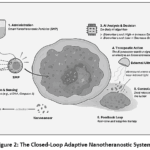 |
Figure 2: The Closed-Loop Adaptive Nanotheranostic System Click here to View Figure |
Advanced Treatment Monitoring and Response Prediction
Nanotheranostic agents enable direct visual confirmation of drug delivery to the tumor site, as well as subsequent assessment of treatment efficacy. For example, a nanoparticle incorporating both a therapeutic agent and an MRI contrast moiety can be tracked using imaging to confirm tumor accumulation. AI can be used to quantitatively analyze temporal changes across a large array of imaging features, an approach known as radiomics, before and after treatment initiation, enabling prediction of long-term response considerably earlier than is possible using conventional size-based criteria such as RECIST.26,46 A decline in a specific radiomic signature derived from nano-enhanced MRI scans, reflecting underlying changes in tumor cellularity or necrosis, may indicate treatment effectiveness within days to weeks, thereby allowing prompt continuation of an effective regimen or timely modification of an ineffective one. Furthermore, AI-based approaches can integrate radiomic data with liquid biopsy findings, such as a decline in ctDNA variant allele frequency, to generate multimodal predictive models with enhanced robustness compared to either data type alone.47 This integrated approach is particularly important for assessing response to novel nano-immunotherapies, in which tumor size may initially increase as a result of immune cell infiltration, a phenomenon known as pseudoprogression, thereby confounding conventional response assessment methods.22
Modeling Nano-Bio Interactions and Personalizing Nanotherapy
A significant challenge in nanomedicine lies in the unpredictable and highly variable nature of nanoparticle-biological system interactions, which are influenced both by patient-specific physiological factors, such as mononuclear phagocyte system activity and renal function, and by tumor-specific pathological characteristics, including vascularity and stromal density. This variability substantially contributes to the inconsistent clinical performance observed among patients receiving nominally identical nanomedicine formulations, underscoring the need for predictive approaches that account for patient-level heterogeneity prior to treatment initiation.
Figure 3 outlines an AI-powered clinical decision framework for personalizing nanotherapy. A machine learning model integrates multimodal patient data derived from imaging, liquid biopsy, and clinical parameters to stratify patients into predicted “nano-responder” and “non-responder” categories. This pre-treatment predictive stratification is intended to ensure that nanomedicine is deployed with maximum precision and efficacy on a patient-specific basis.17,33,46,48,49
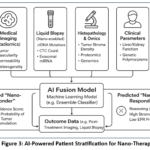 |
Figure 3: AI-Powered Patient Stratification for Nano-Therapy Click here to View Figure |
To provide an overview of the current translational progress, Table 2 presents representative clinical and late-stage translational studies that have combined AI or ML approaches with nanotechnology-based platforms for breast cancer management. Although fully integrated clinical trials in which AI directly guides the selection and adjustment of nanomedicine treatments in real time are still limited, growing clinical evidence supports the potential of combining nano-enhanced imaging, liquid biopsy data, and ML-based models to classify patients and predict treatment responses. Together, these studies highlight the ongoing progress toward personalized nanotherapy guided by AI.
Table 2: Representative Studies Integrating AI/ML with Nanotechnology Approaches in Breast Cancer Management
|
Study |
Nanocarrier/Nano-platform | AI/ML Method | Clinical Stage | Breast Cancer Subtype | Key Finding |
| Sammut et al.50 | Nab-paclitaxel (Abraxane®)-based NAC regimen | Multi-omic ML integrating genomic, transcriptomic, and clinical data | Clinical (retrospective multi-cohort) | HER2+, TNBC |
ML model predicted pathological complete response (pCR) to NAC with AUC >0.87; outperformed individual biomarkers |
|
Li et al.51 |
Nano-enhanced DCE-MRI contrast agents | Deep learning radiomic analysis of DCE-MRI combined with clinical features | Clinical (retrospective) | Mixed subtypes | DL-radiomic model predicted pCR to NAC with AUC 0.91 in validation cohort |
| Choi et al.52 | SPION-enhanced PET/MRI imaging | Deep learning applied to PET/MRI imaging data | Clinical (retrospective) | HER2+, TNBC |
Early prediction of NAC response using DL on PET/MRI; AUC 0.82 achieved at early treatment timepoint |
|
Fujiwara et al.53 |
NK105 (paclitaxel-incorporating polymeric micellar NP) | ML-based patient stratification for PK modeling | Phase III (completed) | Metastatic/recurrent |
Non-inferiority of NK105 vs. paclitaxel assessed; ML used to model PK variability and patient stratification |
|
Kingston et al.54 |
Nanoparticles targeting micrometastases | 3D microscopy + ML to assess micrometastases as NP targets | Translational (ex vivo / preclinical-clinical bridge) | Mixed subtypes |
ML quantified nanoparticle delivery efficiency across patient-derived tumor samples; identified EPR heterogeneity predictors |
|
Huang et al.55 |
MRI nano-contrast enhanced longitudinal imaging | Longitudinal MRI-based ML fusion model | Clinical (multicenter retrospective) | Mixed subtypes | ML fusion model predicted pCR to NAC with AUC 0.88 across multiple centers |
| Jannusch et al.56 | [¹⁸F] FDG-PET/MRI with nano-enhanced contrast | ML integrating PET/MRI clinical imaging data | Clinical (retrospective) | Mixed subtypes |
ML model using PET/MRI data predicted NAC response; AUC 0.85 |
As shown in Table 2, the use of AI and ML with nanotechnology-based platforms in breast cancer has progressed significantly in clinical and translational research. However, the available evidence remains diverse in terms of study design and objectives. Several studies have shown that deep learning and radiomics models applied to nano-enhanced imaging techniques, especially DCE-MRI, can predict pathological complete response to neoadjuvant chemotherapy with good accuracy, with AUC values above 0.80 reported in different patient groups. ML-based multi-omic approaches have also shown potential in combining nanoparticle pharmacokinetic data with genomic and clinical information to improve patient classification before treatment. Among clinical nanomedicine studies, the NK105 Phase III trial represents one of the most advanced examples of a polymeric nanocarrier system evaluated in patients, with ML supporting pharmacokinetic analysis and patient selection. Despite these advances, an important challenge remains: prospective trials where AI can directly and continuously guide nanomedicine selection, dosing, and treatment adjustment are still limited. Addressing this gap through well-designed AI-integrated nanomedicine trials with standardized outcomes and strong translational approaches will be a key priority for future research.
Predicting Pharmacokinetics and Biodistribution
The enhanced permeability and retention (EPR) effect, the foundational principle underlying passive tumor targeting, exhibits substantial inter- and intra-patient heterogeneity, which considerably limits the efficacy and broad clinical applicability of many nanomedicine formulations.57 AI models are being developed to predict, on a patient-specific basis, the biodistribution and tumor accumulation of nanoparticles. By integrating patient-specific data, including vascular permeability derived from dynamic contrast-enhanced MRI, interstitial fluid pressure, stromal content assessed through histopathological analysis of biopsy specimens, and proteomic profiles of plasma opsonins, machine learning algorithms can forecast the extent to which a nanoparticle will perfuse, extravasate, and be retained within an individual patient’s tumor.17 Such predictive capability allows clinicians to stratify patients into “nanoresponder” and “non-responder” categories prior to treatment initiation, helping to ensure that costly and potentially toxic nanotherapies are reserved for patients most likely to derive clinical benefit, representing a meaningful step toward precision nanomedicine.
Personalized Dosing and Scheduling Regimens
AI-powered physiologically based pharmacokinetic (PBPK) models for nanoparticles are under active development. These computational patient models, sometimes referred to as digital twins, can simulate the absorption, distribution, metabolism, and excretion of a nanodrug based on individual parameters such as body mass, hepatic and renal function, genetic polymorphisms affecting drug metabolism, and tumor phenotype.57 This capability enables virtual testing of alternative dosing regimens, including dose amount, infusion rate, and dosing interval, to identify the regimen that maximizes tumor drug concentration while minimizing systemic exposure and toxicity for a given patient.
Figure 4 illustrates the AI-powered PBPK digital twin framework for personalizing nanotherapy in individual breast cancer patients. Patient-specific physiological and tumor-related parameters are integrated into a multi-compartmental pharmacokinetic model, augmented by machine learning-based parameter estimation, to generate predicted tumor drug concentration-time profiles.32 This framework enables clinicians to identify the optimal dosing regimen that maintains drug exposure within the therapeutic window, thereby maximizing efficacy while minimizing systemic toxicity on a patient-specific basis.31,32
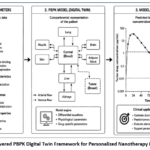 |
Figure 4: AI-powered PBPK Digital Twin Framework for Personalized Nanotherapy in Breast Cancer Click here to View Figure |
In the context of combination therapy, AI can additionally be used to optimize the scheduling of nanochemotherapy alongside other therapeutic agents, such as immunotherapy or targeted therapy, by modeling their synergistic or antagonistic interactions and temporal dependencies.12,58 For instance, an AI model may predict that administration of a nano-formulated chemotherapeutic agent 24 hours prior to an immune checkpoint inhibitor results in optimal immunogenic cell death and T-cell activation, a sequencing strategy that would be difficult to derive through clinical judgment alone.
Challenges and Future Perspectives
Despite its considerable potential and the extensive body of research it has generated, the clinical translation of AI-integrated nanotechnology continues to be hindered by several complex and interrelated challenges that must be addressed before this promise can be fully realized.
Data Quality, Standardization, and the “Black Box” Problem
The performance, reliability, and generalizability of AI models are fundamentally dependent on the quality, quantity, and diversity of the data used for training. The nanomedicine field continues to face a critical shortage of large, standardized, and rigorously annotated datasets suitable for this purpose. Substantial variability exists in how nanoparticles are synthesized, characterized, including protocols for measuring parameters such as size and zeta potential, and tested across different laboratories, resulting in data that are frequently incompatible for the development of robust, generalizable models.59 A concerted, international effort to establish large, open-access databases built upon standardized protocols, such as those outlined in the MIANN guidelines, is therefore urgently needed. In addition to these data-related limitations, the “black box” nature of many complex deep learning models, in which the basis for a given prediction is not readily interpretable, constitutes a major obstacle to clinical adoption, as clinicians are understandably reluctant to act upon treatment recommendations without insight into the underlying rationale. The field must therefore prioritize the development of explainable AI (XAI) techniques that provide transparent, interpretable insights into model predictions.60,61
Regulatory and Ethical Hurdles in a Converging Landscape
Regulatory bodies such as the FDA and EMA continue to adapt their frameworks to accommodate combined drug-device-software products of this kind. The evaluation of adaptive algorithms, which are designed to continuously learn from new patient data, raises particular challenges for regulatory approval, as does the clinical validation of self-adjusting, closed-loop nanotheranostic systems.62 Clear, adaptive regulatory pathways are needed to address these issues. Ethically, several concerns require proactive attention, including the privacy and security of the sensitive patient data used to train these models, algorithmic bias arising when models trained on limited or homogeneous populations underperform in underrepresented racial or ethnic groups, with the attendant risk of exacerbating existing health disparities, and the nature of informed consent in the context of AI-driven clinical decisions.63,64
Clinical Translation, Integration, and Cost-Effectiveness
Bridging the gap between in silico predictions and clinical reality remains the ultimate challenge for this field. Prospective, randomized clinical trials validating AI-guided nanotherapy are essential, yet such trials are inherently complex, costly, and dependent on sustained interdisciplinary collaboration. Integration into existing clinical workflows constitutes a further major hurdle, as oncologists require interpretable, user-friendly AI tools that deliver actionable insights at the point of care and that are properly integrated into electronic health record systems, rather than black-box predictions generated by standalone research platforms.65 Finally, the cost-effectiveness of these advanced technologies must be clearly demonstrated to ensure equitable accessibility and reimbursement by healthcare systems, thereby avoiding the emergence of a new technological divide in cancer care.
Future Trajectories and Emerging Concepts
Several emerging developments are likely to shape the future trajectory of this field. The advancement of generative AI methods, including generative adversarial networks (GANs), may enable the design of entirely novel and counter-intuitive nanocarrier architectures and material compositions that would be unlikely to emerge from conventional human-driven design approaches.60,66 Notable examples include Insilico Medicine’s Chemistry42 platform, which employs reinforcement learning and GANs to generate novel molecular structures and has already produced a first-in-class drug candidate (INS018_055) that entered Phase II clinical trials.29 Applied to nanocarrier lipid or polymer design, similar generative pipelines could identify ionizable lipid structures or biodegradable polymer architectures not accessible through conventional combinatorial screening.29,66
The integration of multi-omics data, encompassing genomics, proteomics, metabolomics, and microbiomics, with AI-based analytical methods is expected to further refine patient stratification and target identification for nanomedicine applications.29,67 In addition, the concept of “digital twins” for cancer patients is anticipated to become increasingly sophisticated, enabling the construction of virtual patient-specific disease replicas that support exhaustive in silico testing of candidate nanotherapeutic strategies, including combination regimens and dynamic dosing schedules, prior to administration of any agent to the patient, thereby advancing the field toward an era of personalized in silico oncology.68 Commercially, companies such as Simulation Plus and Certara have developed PBPK modeling platforms (GastroPlus® and Simcyp®, respectively) that are being integrated with ML to generate patient-specific digital twins for nanodrug behavior prediction.31,68 These tools have been used in regulatory submissions to the FDA and represent the most clinically advanced form of AI-guided pharmacokinetic personalization currently available.
Looking ahead, the regulatory landscape is also evolving in parallel with these technological advances. The FDA’s 2023 Action Plan for AI/ML-based Software as a Medical Device (SaMD) provides an emerging framework for the oversight of adaptive algorithms, including those embedded within closed-loop nanotheranostic systems, and signals a growing institutional commitment to developing clear, risk-proportionate pathways for the clinical deployment of such integrated platforms.69
Conclusion
The integration of artificial intelligence (AI) and pharmaceutical nanotechnology is transforming breast cancer diagnosis, treatment, and monitoring. The evidence reviewed in this article shows that AI can support multiple stages of nanomedicine development, from optimizing nanoparticle formulations and improving imaging analysis to enabling personalized treatment through physiologically based pharmacokinetic (PBPK) modeling and digital twin approaches. These advances have the potential to improve diagnostic accuracy, therapeutic efficacy, and clinical decision-making.
Despite these promising developments, several challenges remain. Limited availability of large, standardized datasets continues to affect the robustness and generalizability of AI models. In addition, regulatory pathways for adaptive AI-based technologies are still evolving, and the high cost and complexity of prospective clinical validation remain important barriers to widespread implementation. Overcoming these challenges will require close collaboration among researchers, clinicians, regulatory agencies, and industry to ensure that these technologies are safe, reliable, and clinically applicable.
Overall, the convergence of AI and pharmaceutical nanotechnology represents a promising direction for precision breast cancer care. Continued advances in computational methods, nanomedicine design, and clinical validation are expected to accelerate the translation of these technologies into routine clinical practice, ultimately supporting more personalized and effective management of breast cancer.
Acknowledgement
The author would like to thank the University of Bahrain for providing institutional access to scientific databases and electronic journal resources. This access was very important for retrieving the published literature used in this review and for completing this work.
Funding Sources
The author received no financial support for the research, authorship, and/or publication of this article
Conflict of Interest
The author does not have any conflict of interest
Data Availability Statement
All references cited and discussed in this literature review are publicly accessible. The cited sources consist of published, peer-reviewed scholarly articles available either as open-access publications or through standard academic subscription access, including digital library resources provided by the University of Bahrain. No proprietary or unpublished datasets were generated or analyzed in the preparation of this article.
Ethics Statement
This review did not involve human participants, animal subjects, or any material that requires ethical approval
Informed Consent Statement
This study did not involve human participants, and therefore, informed consent was not required
Permission to reproduce material from other sources
During the preparation of this work, the author used Inciteful and Napkin AI to assist in sketching the initial conceptual design of Figure 2. These tools were not used for text generation, data analysis, or the creation of any other figures.
Clinical Trial Registration
This research does not involve any clinical trials
Author’s contribution
The sole author was responsible for the conceptualization, methodology, data collection, analysis, writing, and final approval of the manuscript
References
- Sung H, Ferlay J, Siegel RL, et al. Global Cancer Statistics 2020: GLOBOCAN Estimates of Incidence and Mortality Worldwide for 36 Cancers in 185 Countries. CA Cancer J Clin. 2021;71(3):209-249.https://doi.org/10.3322/caac.21660
CrossRef - Waks AG, Winer EP. Breast Cancer Treatment: A Review. Jama. 2019;321(3):288-300.https://doi.org/10.1001/jama.2018.19323
CrossRef - Mitchell MJ, Billingsley MM, Haley RM, Wechsler ME, Peppas NA, Langer R. Engineering precision nanoparticles for drug delivery. Nat Rev Drug Discov. 2021;20(2):101-124.https://doi.org/10.1038/s41573-020-0090-8
CrossRef - Giri PM, Banerjee A, Layek B. A Recent Review on Cancer Nanomedicine. Cancers (Basel). 2023;15(8). https://doi.org/10.3390/ cancers15082256
CrossRef - Rajkomar A, Dean J, Kohane I. Machine Learning in Medicine. N Engl J Med. 2019;380(14):1347-1358. https://doi.org/10.1056/nejm ra1814259
CrossRef - Wang Q, Liu Y, Li C, Xu B, Xu S, Liu B. Machine Learning-Enhanced Nanoparticle Design for Precision Cancer Drug Delivery. Adv Sci (Weinh). 2025;12(30):e03138. https://doi.org/10.1002/advs.202503138
CrossRef - Lin Z, Chou WC, Cheng YH, He C, Monteiro-Riviere NA, Riviere JE. Predicting Nanoparticle Delivery to Tumors Using Machine Learning and Artificial Intelligence Approaches. Int J Nanomedicine. 2022;17:1365-1379. https://doi.org/10.2147/ijn.s344208
CrossRef - McKinney SM, Sieniek M, Godbole V, et al. International evaluation of an AI system for breast cancer screening. Nature. 2020;577(7788):89-94. https://doi.org/10.1038/s41586-019-1799-6
CrossRef - Tabár L, Vitak B, Chen TH, et al. Swedish two-county trial: impact of mammographic screening on breast cancer mortality during 3 decades. Radiology. 2011;260(3):658-663. https://doi.org/10.1148/radiol.11110469
CrossRef - Bhandari M, Raj S, Alam MS. Recent innovations in nanomedicine and nano-based techniques for the treatment of breast cancer. Bioimpacts. 2025;15:30804. https://doi.org/10.34172/bi.30804
CrossRef - Ahn JS, Shin S, Yang SA, et al. Artificial Intelligence in Breast Cancer Diagnosis and Personalized Medicine. J Breast Cancer. 2023;26(5):405-435. https://doi.org/10.4048/jbc.2023.26.e45
CrossRef - Acs B, Fredriksson I, Rönnlund C, et al. Variability in Breast Cancer Biomarker Assessment and the Effect on Oncological Treatment Decisions: A Nationwide 5-Year Population-Based Study. Cancers (Basel). 2021;13(5). https://doi.org/10.3390/cancers13051166
CrossRef - Pautasso M. Ten simple rules for writing a literature review. PLoS Comput Biol. 2013;9(7):e1003149. https://doi.org/10.1371/journal. pcbi.1003149
CrossRef - Maier HR. What constitutes a good literature review and why does its quality matter? Environmental Modelling & Software. 2013;43:3-4. https://doi.org/10.1016/j.envsoft.2013.02.004
CrossRef - Witten J, Raji I, Manan RS, et al. Artificial intelligence-guided design of lipid nanoparticles for pulmonary gene therapy. Nat Biotechnol. 2025;43(11):1790-1799. https://doi.org/10.1038/s41587-024-02490-y
CrossRef - Rezvantalab S, Drude NI, Moraveji MK, et al. PLGA-Based Nanoparticles in Cancer Treatment. Front Pharmacol. 2018;9:1260. https://doi.org/10.3389/fphar.2018.01260
CrossRef - Sindhwani S, Syed AM, Ngai J, et al. The entry of nanoparticles into solid tumours. Nat Mater. 2020;19(5):566-575. https://doi.org/10.1038/s41563-019-0566-2
CrossRef - Omer ME, Halwani M, Alenazi RM, et al. Novel Self-Assembled Polycaprolactone–Lipid Hybrid Nanoparticles Enhance the Antibacterial Activity of Ciprofloxacin. SLAS Technology. 2020;25(6):598-607. https://doi.org/10.1177/2472630320943126
CrossRef - Ramsundar B, Eastman P, Walters P, Pande V. Deep Learning for the Life Sciences: Applying Deep Learning to Genomics, Microscopy, Drug Discovery, and More. Sebastopol: O’Reilly Media; 2019.
- Yang K, Swanson K, Jin W, et al. Analyzing learned molecular representations for property prediction. J Chem Inf Model. 2019;59(8):3370-3388. https://doi.org/10.1021/acs.jcim.9b00237
CrossRef - Jumper J, Evans R, Pritzel A, et al. Highly accurate protein structure prediction with AlphaFold. Nature. 2021;475(7873):583-589. https://doi.org/10.1038/s41586-021-03819-2
CrossRef - Santisteban Valencia Z, Kingston J, Miljković F, et al. Closing the Design-Make-Test-Analyze Loop: Interplay between Experiments and Predictions Drives PROTACs Bioavailability. Journal of Medicinal Chemistry. 2024;67(22):20242-20257. https://doi.org/10.1021/ acs.jmedchem.4c01642
CrossRef - Wang X, Jin Y, Schmitt S, Olhofer M. Recent Advances in Bayesian Optimization. ACM Comput Surv. 2023;55(13s):Article 287. https://doi.org/10.1145/3582078
CrossRef - Waibel I, Schneider TN, Fischer FJ, et al. Bayesian Optimization for Efficient Multiobjective Formulation Development of Biologics. Mol Pharm. 2025;22(11):6636-6645. https://doi.org/10.1021/acs.molpharmaceut.5c00591
CrossRef - Li M, Li Q-Z, Zhao Y, Gao X. Recent Advances in Machine Learning Models for Predicting Toxicity of Inorganic Nanoparticles. Chem & Bio Engineering. 2025;2(11):647-680. https://doi.org/10.1021/cbe.5c00048
CrossRef - Ahmadi M, Ayyoubzadeh SM, Ghorbani-Bidkorpeh F. Toxicity prediction of nanoparticles using machine learning approaches. Toxicology. 2024;501:153697. https://doi.org/10.1016/j.tox.2023.153697
CrossRef - Elmallah S. Computational Optimization and In Silico Analysis for the Discovery of New HER2 and CDK4/6 Drug Candidates for Breast Cancer. Anticancer Agents Med Chem. 2026;26(1):77-104. https://doi.org/10.2174/0118715206382065250507114908
CrossRef - White BE, White MK, Adhvaryu H, et al. Nanotechnology approaches to addressing HER2-positive breast cancer. Cancer Nanotechnology. 2020;11(1):12. https://doi.org/10.1186/s12645-020-00068-2
CrossRef - Ren F, Aliper A, Chen J, et al. A small-molecule TNIK inhibitor targets fibrosis in preclinical and clinical models. Nat Biotechnol. 2025;43(1):63-75. https://doi.org/10.1038/s41587-024-02143-0
CrossRef - Sadybekov AV, Katritch V. Computational approaches streamlining drug discovery. Nature. 2023;616(7958):673-685. https://doi.org/10.1038/s41586-023-05905-z
CrossRef - Ezuruike U, Zhang M, Pansari A, et al. Guide to development of compound files for PBPK modeling in the Simcyp population-based simulator. CPT Pharmacometrics Syst Pharmacol. 2022;11(7):805-821. https://doi.org/10.1002/psp4.12791
CrossRef - Ozbek O, Genc DE, O. Ulgen K. Advances in Physiologically Based Pharmacokinetic (PBPK) Modeling of Nanomaterials. ACS Pharmacology & Translational Science. 2024;7(8):2251-2279. https://doi.org/10.1021/acsptsci.4c00250
CrossRef - Tyagi N, Gupta P, Khan Z, et al. Superparamagnetic Iron-Oxide Nanoparticles Synthesized via Green Chemistry for the Potential Treatment of Breast Cancer. Molecules. 2023;28(5):2343. https://doi.org/10.3390/molecules28052343
CrossRef - Carriero A, Groenhoff L, Vologina E, Basile P, Albera M. Deep Learning in Breast Cancer Imaging: State of the Art and Recent Advancements in Early 2024. Diagnostics (Basel). 2024;14(8):848. https://doi.org/10.3390/diagnostics14080848
CrossRef - Tsvetkova S, Doykova K, Vasilska A, et al. Differentiation of Benign and Malignant Breast Lesions Using ADC Values and ADC Ratio in Breast MRI. Diagnostics. 2022;12(2):332. https://doi.org/10.3390/diagnostics12020332
CrossRef - Rahman A, Hayat M, Iqbal N, Alarfaj FK, Alkhalaf S, Alturise F. Enhanced MRI brain tumor detection using deep learning in conjunction with explainable AI SHAP based diverse and multi feature analysis. Scientific Reports. 2025;15(1):29411. https://doi.org/10.1038/s41598-025-14901-4
CrossRef - Dong J, Chen JF, Smalley M, et al. Nanostructured Substrates for Detection and Characterization of Circulating Rare Cells: From Materials Research to Clinical Applications. Adv Mater. 2020;32(1):e1903663. https://doi.org/10.1002/adma.201903663
CrossRef - Eroglu Z, Fielder O, Somlo G. Analysis of circulating tumor cells in breast cancer. J Natl Compr Canc Netw. 2013;11(8):977-985. https://doi.org/10.6004/jnccn.2013.0118
CrossRef - Mazzitelli C, Santini D, Corradini AG, et al. Liquid Biopsy in the Management of Breast Cancer Patients: Where Are We Now and Where Are We Going. Diagnostics (Basel). 2023;13(7):1241. https://doi.org/10.3390/diagnostics13071241
CrossRef - Assi T, Khoury R, Ibrahim R, Baz M, Ibrahim T, A LEC. Overview of the role of liquid biopsy in cancer management. Transl Oncol. 2023;34:101702. https://doi.org/10.1016/j.tranon.2023.101702
CrossRef - Carvalho E, Schmitt F, Vale N. Interplay Between MicroRNAs and Breast Cancer Therapies: Personalized Therapeutic Potential for HER2-Low Breast Cancer. Cancers. 2025;17(22):3672. https://doi.org/10.3390/cancers17223672
CrossRef - Singh T, Kaushik M, Mishra LC, Behl C, Singh V, Tuli HS. Exosomal miRNAs as novel avenues for breast cancer treatment. Front Genet. 2023;14:1134779. https://doi.org/10.3389/fgene.2023.1134779
CrossRef - Li J, Kataoka K. Chemo-physical Strategies to Advance the in Vivo Functionality of Targeted Nanomedicine: The Next Generation. Journal of the American Chemical Societ 2021;143(2):538-559. https://doi.org/10.1021/jacs.0c09029
CrossRef - Qi J, Xie C, Chen M, Hang C, Zhang L, Jiang X. Precision-controlled sequential drug release via electrochemical corrosion of liquid metal nanoparticles. Science Advances. 2025;11(23):eadw6986. https://doi.org/10.1126/sciadv.adw6986
CrossRef - Hentze H, Schwoebel F, Lund S, et al. In Vivo and in Vitro Evidence for Extracellular Caspase Activity Released from Apoptotic Cells. Biochemical and Biophysical Research Communications. 2001;283(5):1111-1117. https://doi.org/10.1006/bbrc.2001.4918
CrossRef - Huang M, Law HKW, Tam SY. Radiomics-Driven Tumor Prognosis Prediction Across Imaging Modalities: Advances in Sampling, Feature Selection, and Multi-Omics Integration. Cancers. 2025;17(19):3121. https://doi.org/10.3390/cancers17193121
CrossRef - Oikonomou EK, Siddique M, Antoniades C. Artificial intelligence in medical imaging: A radiomic guide to precision phenotyping of cardiovascular disease. Cardiovasc Res. 2020;116(13):2040-2054. https://doi.org/10.1093/cvr/cvaa021
CrossRef - Gao Y, Ventura-Diaz S, Wang X, et al. An explainable longitudinal multi-modal fusion model for predicting neoadjuvant therapy response in women with breast cancer. Nature Communications. 2024;15(1):9613. https://doi.org/10.1038/s41467-024-53450-8
CrossRef - Ektefaie Y, Yuan W, Dillon DA, et al. Integrative multiomics-histopathology analysis for breast cancer classification. npj Breast Cancer. 2021;7(1):147. https://doi.org/10.1038/s41523-021-00357-y
CrossRef - Sammut SJ, Crispin-Ortuzar M, Chin SF, et al. Multi-omic machine learning predictor of breast cancer therapy response. 2022;601(7894):623-629. https://doi.org/10.1038/s41586-021-04278-5
CrossRef - Li Y, Fan Y, Xu D, et al. Deep learning radiomic analysis of DCE-MRI combined with clinical characteristics predicts pathological complete response to neoadjuvant chemotherapy in breast cancer. Frontiers in Oncology. 2023;12:1041142. https://doi.org/10.3389/fonc.2022.1041142
CrossRef - Choi JH, Kim HA, Kim W, et al. Early prediction of neoadjuvant chemotherapy response for advanced breast cancer using PET/MRI image deep Scientific Reports. 2020;10(1):21149. https://doi.org/10.1038/s41598-020-77875-5
CrossRef - Fujiwara Y, Mukai H, Saeki T, et al. A multi-national, randomised, open-label, parallel, phase III non-inferiority study comparing NK105 and paclitaxel in metastatic or recurrent breast cancer patients. Br J Cancer. 2019;120(5):475-480. https://doi.org/10.1038/s41416-019-0391-z
CrossRef - Kingston BR, Syed AM, Ngai J, Sindhwani S, Chan WCW. Assessing micrometastases as a target for nanoparticles using 3D microscopy and machine learning. Proceedings of the National Academy of Sciences. 2019;116(30):14937-14946. https://doi.org/10.1073/pnas. 1907646116
CrossRef - Huang Y, Zhu T, Zhang X, et al. Longitudinal MRI-based fusion novel model predicts pathological complete response in breast cancer treated with neoadjuvant chemotherapy: a multicenter, retrospective study. EClinicalMedicine. 2023;58:101899. https://doi.org/10.1016/j.eclinm.2023.101899
CrossRef - Jannusch K, Dietzel F, Bruckmann NM, et al. Prediction of therapy response of breast cancer patients with machine learning based on clinical data and imaging data derived from breast [¹⁸F]FDG-PET/MRI. European Journal of Nuclear Medicine and Molecular Imaging. 2024;51:1451-1461. https://doi.org/10.1007/s00259-023-06513-9
CrossRef - Golombek SK, May JN, Theek B, et al. Tumor targeting via EPR: Strategies to enhance patient responses. Adv Drug Deliv Rev. 2018;130:17-38. https://doi.org/10.1016/j.addr.2018.07.007
CrossRef - Kheirolomoom A, Silvestrini MT, Ingham ES, et al. Combining activatable nanodelivery with immunotherapy in a murine breast cancer model. J Control Release. 2019;303:42-54. https://doi.org/10.1016/j.jconrel.2019.04.008
CrossRef - Faria M, Björnmalm M, Thurecht KJ, et al. Minimum information reporting in bio–nano experimental literature. Nature Nanotechnology. 2018;13(9):777-785. https://doi.org/10.1038/s41565-018-0246-4
CrossRef - Duardo-Sánchez A, Munteanu CR, Riera-Fernández P, López-Díaz A, Pazos A, González-Díaz H. Modeling Complex Metabolic Reactions, Ecological Systems, and Financial and Legal Networks with MIANN Models Based on Markov-Wiener Node Descriptors. Journal of Chemical Information and Modeling. 2014;54(1):16-29. https://doi.org/10.1021/ci400280n
CrossRef - Charih F, Green JR, Biggar KK. Sequence-Based Protein-Protein Interaction Prediction and Its Applications in Drug Discovery. Cells. 2025;14(18):1449. https://doi.org/10.3390/cells14181449
CrossRef - Gerke S, Minssen T, Cohen G. Ethical and legal challenges of artificial intelligence-driven healthcare. Artificial Intelligence in Healthcare. 2020:295-336. https://doi.org/10.1016/B978-0-12-818438-7.00012-5
CrossRef - Esteva A, Chou K, Yeung S, et al. Deep learning-enabled medical computer vision. npj Digital Medicine. 2021;4(1):5. https://doi.org/10.1038/s41746-020-00376-2
CrossRef - Esteva A, Robicquet A, Ramsundar B, et al. A guide to deep learning in healthcare. Nature Medicine. 2019;25(1):24-29. https://doi.org/10.1038/s41591-018-0316-z
CrossRef - Kelly CJ, Karthikesalingam A, Suleyman M, Corrado G, King D. Key challenges for delivering clinical impact with artificial intelligence. BMC Medicine. 2019;17(1):195. https://doi.org/10.1186/s12916-019-1426-2
CrossRef - Zhavoronkov A, Ivanenkov YA, Aliper A, et al. Deep learning enables rapid identification of potent DDR1 kinase inhibitors. Nature Biotechnology. 2019;37(9):1038-1040. https://doi.org/10.1038/s41587-019-0224-x
CrossRef - Hasin Y, Seldin M, Lusis A. Multi-omics approaches to disease. Genome Biology. 2017;18(1):83. https://doi.org/10.1186/s13059-017-1215-1
CrossRef - Giansanti D, Morelli S. Exploring the Potential of Digital Twins in Cancer Treatment: A Narrative Review of Reviews. Journal of Clinical Medicine. 2025;14(10):3574. https://doi.org/10.3390/jcm14103574
CrossRef - US Food and Drug Administration. Artificial Intelligence/Machine Learning (AI/ML)-Based Software as a Medical Device (SaMD) Action Plan. Silver Spring: FDA; 2021. Available at: https://www.fda.gov/media/145022/download
Abbreviations
AI: Artificial Intelligence
TNBC: Triple-Negative Breast Cancer
EPR: Enhanced Permeability and Retention
ML: Machine Learning
DL: Deep Learning
LNPs: Lipid Nanoparticles
NLP: Natural Language Processing
QSPR: Quantitative Structure-Property Relationship
MRI: Magnetic Resonance Imaging
CT: Computed Tomography
CNNs: Convolutional Neural Networks
AUC: Area Under the Curve
CTCs: Circulating Tumor Cells
ctDNA: circulating tumor DNA
SERs: Surface-Enhanced Raman spectroscopy
TME: Tumor Microenvironment
PBPK: Physiologically Based Pharmacokinetics
XAI: explainable AI
GANs: Generative Adversarial Networks
 PlumX:
 Views: 302
  PDF Downloads:
3
PDF Downloads:
3