Global Perspectives on Antiviral Drug Regulation: A Comparative Analysis
 , Veera Thota2, Prashanth Kumar Katta3, Nuraddeen Ibrahim Jaafar4, Gope Edward Raju5and Sheikdawood Asanar Mohamed Shiek Arabath6
 1Department of Pharmacognosy, V. V. Institute of Pharmaceutical Sciences, Seshadri Rao Knowledge Village, Gudlavalleru, Andhra Pradesh, India.
2Avira Digital LLC, New Brunswick, NJ, USA.
3Department of Restorative Dental Sciences, College of Dentistry, King Faisal University, Al Ahsa, Saudi Arabia.
4Department of Biomedical Sciences, College of Dentistry, King Faisal University, Al Ahsa, Saudi Arabia.
5Department of Pharmaceutical Analysis, Sandip Foundation's, Sandip Institute of Pharmaceutical Sciences, Mahiravani, Nashik, Maharashtra, India.
6Department of Pharmacognosy, Arulmigu Kalasalingam College of Pharmacy, Krishnankoil, Tamil Nadu, India.
Corresponding Author E-mail: drprsha@gmail.com
Download this article as:
ABSTRACT:This is a comparative study of regulatory processes, patent regulations and pricing policies in antiviral drugs in North America, Europe, Asia and Africa. It discusses how variances in drug approval systems, intellectual property systems, and pharmaceutical pricing mechanisms affect the price and availability of antiviral treatment. A special focus is put on the effects of Trade-Related Aspects of Intellectual Property Rights (TRIPS) flexibilities, mandatory licensing, thematic pricing or differentiation as well as the strategy of public-private partnership. The review presents a series of case studies to explain the successful access programs and the structural challenges that still exist in low-income countries, including the expansion of antiretroviral therapy against HIV/AIDS in sub-Saharan Africa. The analysis also considers how the availability of treatment is influenced by the work of the government, global treaties, and the business community. The review suggests policy suggestions that will align regulatory standards, enhance the exploitations of TRIPS flexibilities, promote generic competition, and strike a balance between the incentives of pharmaceutical innovation and the need to promote public health. In general, the research highlights the importance of concerted international strategies to minimize the inequality in the availability of antiviral drugs and enhance the health outcomes in the world.
KEYWORDS:Case Studies; Health Policy; Intellectual Property; Price Strategies; Regulations
Introduction
There are large differences in the ways that drug approval, patent protection, and price methods are approached across the globe when it comes to antiviral drug policy and regulation. The objective of this review is to present a thorough comparative examination of these factors in various geographical areas, with an emphasis on how they affect the availability and cost of antiviral drugs. The review will illustrate the effects of regulatory structures and intellectual property statutes on public health outcomes by looking at scenarios from North America, Europe, Asia, and Africa.1
The development, approval, distribution, and pricing of antiviral drugs are shaped by complex and varied regulatory frameworks that differ widely across the globe. These differences are driven by a range of factors, including legal traditions, economic priorities, and public health needs. By focusing on critical elements such as drug approval processes, patent protection mechanisms, and pricing strategies, this review aims to highlight how these factors collectively influence the accessibility, affordability, and efficacy of antiviral treatments in different regions. 2
A comparative approach will be employed to analyze regulatory structures and intellectual property (IP) statutes across key geographical areas, including North America, Europe, Asia, and Africa. Each region’s approach reflects unique challenges and priorities, such as balancing innovation with affordability, ensuring rapid access during public health emergencies, and addressing the needs of underserved populations. For instance, the stringent approval systems in North America and Europe aim to safeguard patient safety and drug efficacy, but they can also lead to delays in market entry and high costs. Meanwhile, Asia’s focus on generic production and Africa’s dependence on international partnerships and subsidies reveal distinct strategies for improving drug availability in resource-limited settings. 3
By delving into these regional differences, the review seeks to illustrate the tangible effects of regulatory and IP frameworks on public health outcomes. Case studies will be presented on the impact of regulatory mechanisms, patent systems and price structures on the creation, approval, and distribution of antiviral medicines in large-scale public health emergencies, such as the global responses to HIV/AIDS, viral hepatitis, and COVID-19. In the case of HIV/AIDS, the increase in the use of antiretroviral therapy (ART), such as Zidovudine (AZT), Tenofovir disoproxil fumarate, and Dolutegravir, illustrates how the generic production, voluntary licensing, and international funds played a role in enhancing access in low- and middle-income countries. They have been applied in the treatment and prevention (pre-exposure prophylaxis, PrEP) of HIV infection but have contraindications and precautions such as renal impairment (especially with tenofovir), hypersensitivity reactions as well as possible drug-drug interactions.
Direct-acting antivirals (DAAs) like Sofosbuvir were an innovation in the field of hepatitis C because they have a high cure rate and require less time to complete therapy. Sofosbuvir is used to treat chronic hepatitis C infection with combination regimens, although it is contraindicated with patients with severe renal impairment and those who use a combination with some interacting drugs. Original restrictions included patent protections and high prices of launch, which led to the introduction of compulsory licensing and tiered pricing in a number of countries.
Emergency use authorizations and expedited regulatory pathways were used to introduce emergency use antivirals, including Remdesivir and Nirmatrelvir/ritonavir (Paxlovid) during the COVID-19 pandemic. Remdesivir should be used in COVID-19 infected hospitalized patients, nirmatrelvir/ritonavir in mild-to-moderate disease with high-risk patients. The significant hepatic or renal impairment and major drug-drug interactions (especially because of the CYP3A inhibitory effect of ritonavir) are key contraindications. These instances demonstrate that flexibility of regulation, intellectual property relationships, and global purchase contracts are all direct influences on the supply and fair allocation of life-saving antiviral treatments in times of health crisis.
Furthermore, the interplay between patent protection laws and compulsory licensing mechanisms will be examined to assess their role in driving innovation while ensuring equitable access to life-saving treatments. 4
The overarching objective of this analysis is to provide a comprehensive understanding of how diverse regulatory landscapes shape public health outcomes worldwide. This review aims to inform professionals—policymakers, healthcare providers, pharmaceutical industry stakeholders, and public health advocates—about the critical intersection of regulatory structures, economic policies, and health equity. By synthesizing insights from a global perspective, this review aspires to guide decision-makers in formulating strategies that prioritize both innovation and accessibility in antiviral drug policy and regulation. 5
Structure: Overview of Antiviral Medicines
Antiviral medications are a cornerstone of modern healthcare, offering a powerful means of combating viral infections that threaten public health on a global scale. These drugs are vital in reducing the burden of diseases by alleviating symptoms, curbing viral replication, and in many cases, eradicating the infection altogether. By decreasing morbidity and mortality rates, antiviral medications have significantly contributed to extending life expectancy and improving the quality of life for millions of individuals worldwide. 6
However, the development, approval, and distribution of antiviral drugs are not merely scientific endeavors; they are deeply intertwined with regulatory frameworks that dictate the standards and processes these medications must meet before reaching patients. These regulations play a pivotal role in determining the availability, safety, and affordability of antiviral treatments. Each stage of the drug’s lifecycle—ranging from research and clinical trials to market approval and post-market surveillance—is governed by stringent oversight designed to protect public health while fostering innovation. 7
A critical aspect of these regulatory systems is their influence on affordability and accessibility. While robust regulatory structures are essential to ensure that antiviral medications are effective and safe, they can also contribute to delays in drug approval or create financial barriers that hinder access. For instance, the costs associated with complying with regulatory requirements can drive up drug prices, placing them out of reach for patients in low- and middle-income countries. Conversely, efficient regulatory policies can accelerate the availability of generic drugs, improving affordability and expanding access. 8
This review begins by providing a comprehensive overview of antiviral medicines, examining their role in combating viral diseases such as HIV/AIDS, influenza, hepatitis, and emerging pandemics like COVID-19. It explores the scientific principles behind antiviral therapies, including mechanisms such as viral inhibition, immune modulation, and resistance prevention. The discussion then transitions to the regulatory landscapes that shape the global availability and affordability of these drugs, highlighting the interplay between regulatory efficiency, public health needs, and market dynamics. 9
Understanding the profound impact of regulation on the efficacy and accessibility of antiviral medications is critical. This analysis lays the foundation for identifying key challenges in current regulatory systems and exploring strategies to enhance their effectiveness. By focusing on the regulatory aspects of antiviral drug policy, the review aims to provide insights that can inform policymakers, healthcare professionals, and pharmaceutical stakeholders in their efforts to ensure equitable access to these life-saving treatments. 10
Regulatory Frameworks
The regulation of antiviral medications varies significantly across regions, with each region adopting frameworks tailored to their specific healthcare needs, economic conditions, and public health priorities. Understanding these regulatory landscapes is crucial for comprehending how antiviral drugs are developed, approved, and distributed globally. This section provides an in-depth comparison of the regulatory frameworks in North America, Europe, Asia, and Africa, highlighting both the strengths and challenges faced in ensuring the availability and affordability of antiviral treatments. 11
North America: The U.S. FDA and Regulatory Reforms
In North America, the U.S. Food and Drug Administration (FDA) plays a central role in regulating antiviral medications. The FDA’s approval process is one of the most rigorous globally, involving extensive preclinical and clinical trials to establish a drug’s safety, efficacy, and quality. The agency has developed a clear pathway for antiviral drugs that includes accelerated approval mechanisms, particularly in response to urgent public health threats. For example, during the COVID-19 pandemic, the FDA implemented emergency use authorizations (EUAs) to expedite the availability of antiviral treatments such as remdesivir and molnupiravir. While these expedited processes were crucial in meeting the needs of the moment, there are ongoing debates about how these approvals balance the urgency of access with long-term safety and efficacy deputed in Figure 1. 12
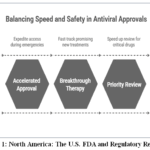 |
Figure 1: North America: The U.S. FDA and Regulatory Reforms
|
Challenges remain, especially concerning the high costs associated with regulatory compliance and the influence of pharmaceutical lobbying on approval decisions. Despite reforms aimed at accelerating drug approval, such as the Breakthrough Therapy designation or Priority Review mechanisms, the U.S. faces persistent issues related to the high price of medicines, which may limit access for underserved populations, particularly in a healthcare system where insurance coverage and cost-sharing play significant roles. 13
This review will examine how recent FDA reforms have attempted to strike a balance between speed and safety, and how these regulatory adaptations have influenced the availability and affordability of antiviral medications, especially in times of crisis.
Europe: EMA and Harmonized Regulation
The European Medicines Agency (EMA) oversees the regulatory approval of antiviral drugs across the European Union (EU), creating a uniform regulatory framework that promotes consistency and efficiency. Through its centralized procedure, the EMA allows for a single evaluation and approval process, making antiviral medications more readily available across all EU member states. This regulatory harmonization is particularly important for drugs used to treat pandemics, such as HIV, hepatitis, and influenza, where swift access to effective treatments is critical deputed in Figure 2. 14
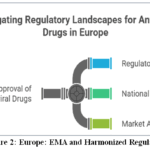 |
Figure 2: Europe: EMA and Harmonized Regulation
|
However, despite the EMA’s streamlined procedures, there are challenges that hinder the broader effectiveness of the system. While the harmonization of regulatory standards is a strength, national variations still exist in areas such as pricing and reimbursement policies. Member states retain control over healthcare policies, meaning that some countries may face delays in access to newly approved medications based on cost considerations or the country’s own budgetary constraints. Additionally, market access issues remain, particularly for medications that are effective but expensive, as well as those that require extensive clinical testing or large-scale procurement efforts. 15
This section will explore how regulatory consistency has improved the availability of antiviral drugs in Europe and discuss the challenges posed by inconsistent national laws and the impact of national economic policies on access to these essential medications.
Asia: Diverse Regulatory Approaches in China and India
Asia’s regulatory landscape for antiviral medications is diverse, with countries like China and India taking notably different approaches. In China, the regulatory environment is heavily influenced by government control and a relatively slow approval process. The China National Medical Products Administration (NMPA) oversees drug regulation, with a comprehensive but time-consuming process for drug approvals. While China is increasingly open to international cooperation and adopting international standards, its regulatory system can be a barrier to fast-tracking the development and approval of new antiviral medications deputed in Figure 3. 16
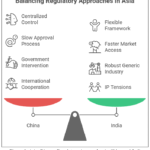 |
Figure 3: Asia: Diverse Regulatory Approaches in China and India
|
In contrast, India is a key player in the global pharmaceutical market, particularly for generic medications. India’s regulatory framework, overseen by the Central Drugs Standard Control Organization (CDSCO), is more flexible, allowing generics to reach the market more quickly. This is particularly important in the context of antiretroviral (ARV) drugs for HIV/AIDS treatment and hepatitis C therapies, where India has been instrumental in driving down the cost of life-saving medications. However, India’s approach to intellectual property (IP), such as granting patents for new drugs, has sometimes led to tensions with Western pharmaceutical companies, which argue that the production of generics limits their ability to recoup R&D costs. 17
The regulatory environments in both China and India create important contrasts: China’s centralized, controlled system often leads to slower drug approvals but potentially greater government intervention in ensuring equitable distribution, while India’s robust generic industry facilitates faster access to essential medicines but faces tensions regarding IP and patent protection. This review will explore how these regional differences impact the availability and innovation of antiviral drugs in Asia and how they can be leveraged for better public health outcomes. 18
Africa: Addressing Regulatory Challenges and Emerging Models
In Africa, regulatory challenges are compounded by resource constraints, weak healthcare infrastructure, and a high burden of infectious diseases, including HIV/AIDS, hepatitis, and malaria. While African countries benefit from the World Health Organization (WHO)’s prequalification program and other international partnerships, the lack of cohesive regional frameworks has historically slowed the development and approval of antiviral medications. National regulatory agencies are often underfunded and lack the capacity to rigorously evaluate new drugs, which can delay access to essential treatments deputed in Figure 4. 19
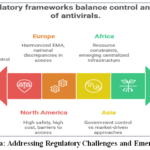 |
Figure 4: Africa: Addressing Regulatory Challenges and Emerging Models
|
However, innovative regulatory models are emerging to address these challenges. One such example is the establishment of the African Medicines Agency (AMA), which seeks to improve the quality and availability of medicines across the continent. By establishing a more centralized, continent-wide regulatory body, the AMA aims to harmonize drug approval processes and reduce regulatory bottlenecks that have previously delayed access to life-saving treatments. 20
This section will examine how these novel regulatory frameworks could help increase the availability of antiviral medications in Africa. It will also explore the challenges faced by countries with limited infrastructure and how international collaboration and innovation can offer solutions to these barriers.
In comparing these regional regulatory frameworks, several key themes emerge. North America’s stringent regulations ensure the safety and efficacy of antiviral medications but can create barriers to access due to high costs. Europe benefits from regulatory harmonization through the EMA, but national discrepancies still present challenges in timely access and pricing. Asia’s diverse regulatory landscapes highlight the tensions between government control and market-driven approaches, particularly in countries like China and India. Meanwhile, Africa faces the unique challenge of resource constraints and the lack of centralized regulatory infrastructure, although emerging models like the AMA offer hope for greater accessibility and efficiency.21
Overview of the Trade-Related Aspects of Intellectual Property Rights (TRIPS) Agreement
The Trade-Related Aspects of Intellectual Property Rights (TRIPS) Agreement is a key international treaty established by the World Trade Organization (WTO) that sets global standards for the protection and enforcement of intellectual property (IP) rights. The agreement was signed in 1994 as part of the Uruguay Round of trade negotiations, and it has since become a foundational element of the global economic system. TRIPS covers a wide range of IP rights, including patents, copyrights, trademarks, and trade secrets, but its most significant impact is on the regulation of patents for pharmaceutical products, including antiviral drugs. 22
The TRIPS Agreement mandates that all WTO member countries must adopt and enforce patent laws that meet certain minimum standards of protection. Specifically, it requires that patents for inventions, including pharmaceutical drugs, must be granted for at least 20 years from the filing date. This period of exclusivity provides patent holders with the right to prevent others from making, using, or selling the patented invention without permission, ensuring that the originator company can recoup the costs of research and development (R&D) and make a profit. While this system is designed to incentivize innovation by rewarding inventors, it also creates significant challenges, especially in relation to the accessibility and affordability of essential medicines. 23
Impact of TRIPS on the Availability of Antiviral Drugs
The TRIPS Agreement has profound implications for the availability and affordability of antiviral drugs, particularly in developing nations. On one hand, the patent system incentivizes pharmaceutical companies to invest in the development of new and potentially life-saving antiviral medications. This has led to the creation of breakthrough drugs for diseases such as HIV/AIDS, hepatitis C, and influenza. However, the exclusivity granted by patents also means that for the duration of the patent, no generic alternatives can be produced, which can drive up the price of antiviral treatments. In many cases, these high prices make the medications unaffordable for individuals in low- and middle-income countries, where access to healthcare is already limited due to economic constraints. 24
For instance, antiretroviral (ARV) drugs used to treat HIV/AIDS became prohibitively expensive for many African and Asian countries after they were patented, limiting their ability to combat the HIV/AIDS epidemic effectively. The high prices were driven not only by the R&D costs incurred by the pharmaceutical companies but also by the fact that the companies held exclusive patents on the formulations, preventing the entry of generic versions of these drugs that would be more affordable. This created a significant public health dilemma in developing nations, where many people living with HIV were unable to access the medications they needed for survival. 25
Flexibilities in TRIPS: Addressing Public Health Needs
Recognizing the tensions between intellectual property rights and public health, the TRIPS Agreement includes certain flexibilities that allow member states to address public health concerns, especially in the case of life-saving medications like antivirals. One of the most significant provisions in TRIPS is Article 31, which allows countries to issue compulsory licenses under certain circumstances. A compulsory license permits a government to authorize the production of a patented drug without the consent of the patent holder, typically to address national public health emergencies or in cases of anti-competitive practices. For example, during the HIV/AIDS crisis in the early 2000s, several developing countries, including Brazil and Thailand, invoked compulsory licensing to produce generic versions of ARV drugs, making them more affordable for their populations. 26
Another important flexibility is the ability to grant parallel imports, which allows the importation of patented drugs from other countries where they may be sold at lower prices. These provisions were further strengthened by the Doha Declaration on TRIPS and Public Health in 2001, which reaffirmed the right of WTO member countries to prioritize public health and take measures to ensure access to medicines, particularly for infectious diseases like HIV/AIDS, tuberculosis, and malaria. 27
Challenges of TRIPS in Developing Nations
Despite these flexibilities, TRIPS remains a controversial issue in many developing countries, where access to essential medicines remains a major public health challenge. The transition to TRIPS-compliant patent laws in the late 1990s and early 2000s led to a dramatic shift in the pharmaceutical landscape in developing nations. Many of these countries were required to introduce patent protection for pharmaceutical products, including antiviral drugs, which was not previously the case. As a result, numerous generic manufacturers in countries like India—which had been able to produce affordable generics for global markets—were suddenly restricted from doing so for new patented drugs. This led to significant concerns about the affordability and availability of essential antiviral treatments in these regions. 28
One of the most notable impacts of TRIPS on developing nations has been the differentiated access to medications. While high-income countries often benefit from new antiviral drugs because of well-established healthcare systems and insurance programs, low-income countries are often left with limited access to these innovations due to high prices, even with the flexibilities provided under the TRIPS Agreement. This disparity has fueled debates over the need to reform TRIPS to better address health equity and ensure that life-saving treatments are accessible to all populations, regardless of income or geographic location.
The TRIPS Agreement represents a complex balancing act between protecting intellectual property to stimulate innovation and ensuring access to affordable medicines for the global population. While the agreement has led to significant advancements in pharmaceutical innovation, it has also raised serious concerns regarding the affordability and availability of antiviral drugs, particularly in developing nations. The flexibilities within the TRIPS framework, such as compulsory licensing and parallel imports, provide important tools for countries facing public health crises. However, these tools are not always sufficient to address the systemic challenges of drug pricing and access in the global South.29
As this review will explore, there is growing recognition that the current system needs to evolve to ensure that antiviral drugs are not only available to those who can afford them but that they are accessible to the most vulnerable populations around the world. Through innovative policy solutions, international collaboration, and a more equitable approach to intellectual property rights, it is possible to address the tension between drug patents and public health needs, ensuring that life-saving antiviral treatments reach those who need them the most.30
Comparative Examination of Patent Protections
Patents are a cornerstone of intellectual property law and play a pivotal role in shaping the pharmaceutical industry, particularly in the development and availability of antiviral drugs. A patent grants the inventor—typically a pharmaceutical company—the exclusive right to manufacture, sell, and distribute a drug for a certain period, usually 20 years from the filing date. This exclusivity incentivizes investment in research and development (R&D) by providing the opportunity for companies to recover their often considerable costs. However, the duration and enforcement of patent protections vary significantly across different regions, leading to divergent outcomes in terms of drug pricing, access, and innovation.31
This section will conduct a comparative examination of how patent protections are structured and enforced across various geographical regions, highlighting the implications these differences have on the availability and affordability of antiviral medications. We will explore the benefits and drawbacks of strict patent laws versus more flexible systems and how these regulations influence public health outcomes, particularly in developing countries.
Patent Durations and Enforcement: A Global Overview
The length of patent protection for pharmaceutical products is generally consistent globally, with the TRIPS Agreement mandating a minimum duration of 20 years. This period is intended to allow the patent holder to recoup the substantial costs associated with drug discovery, clinical trials, and regulatory approvals. During this time, the patent holder has the exclusive rights to manufacture and sell the drug, preventing others from producing generics. However, the actual enforcement of these patent rights and the timing of patent expiry can vary greatly depending on the country’s legal framework and enforcement mechanisms.32
In regions with strong patent protections, such as North America and Europe, pharmaceutical companies are able to maintain exclusivity for the full term of the patent, often extending their control through evergreening practices. Evergreening refers to strategies where companies make minor modifications to a drug (e.g., a new formulation or delivery method) in order to secure new patents and extend market exclusivity beyond the original 20 years. This practice can delay the entry of generic alternatives, keeping prices high for extended periods.
On the other hand, patent enforcement can vary widely in developing regions, where intellectual property laws may not be as rigorously enforced. In such cases, the patent holder’s ability to prevent generic competition may be undermined, either due to weaker legal infrastructure or deliberate decisions by governments to prioritize public health over intellectual property rights.
Strict Patent Protections: Impacts on Access and Affordability
In regions with strict patent protections, such as North America and much of Europe, the exclusivity granted by patents can create significant barriers to access, particularly for life-saving antiviral drugs. For example, the cost of HIV/AIDS medications, including antiretroviral (ARV) drugs, can be prohibitively high due to patent exclusivity. Since only the patent holder can manufacture the medication, there is little room for price competition. This leads to high drug prices, making it difficult for individuals in low- and middle-income countries to afford these medications, even when they are available.34
The high cost associated with patented medications in these regions can have serious public health consequences, as individuals who cannot afford antiviral drugs may not be able to access treatment, contributing to the spread of infectious diseases. In cases like the HIV/AIDS epidemic, hepatitis C, or the COVID-19 pandemic, the global response has often been delayed due to high prices set by patent holders. Patent monopolies prevent the entry of generics that could significantly reduce costs, further exacerbating global health disparities.
Patent protections can also delay the introduction of new antiviral treatments in low-income countries, where access to essential medications is already limited. Even though some developing nations may use flexibilities in TRIPS, such as compulsory licensing or parallel imports, these tools are often difficult to implement due to legal, political, and economic challenges.35
Lax Patent Laws: Balancing Innovation and Accessibility
In contrast to regions with strict patent protections, some countries—such as India and South Africa—have adopted more flexible patent laws, particularly in response to public health needs. These countries have historically been more willing to allow generic competition or to override patent rights in cases of public health emergencies. India, in particular, has become a global leader in the production of generic pharmaceuticals, including antiviral drugs for HIV/AIDS and hepatitis C, partly due to its patent laws that are less restrictive than those in high-income countries.
India, for example, does not grant product patents for pharmaceutical drugs until after a certain period of time, meaning that generics can be produced earlier than in countries with stricter patent regimes. In the case of hepatitis C, India’s generic production of sofosbuvir, a key antiviral drug, significantly lowered the cost of treatment, making it more accessible to millions of people who otherwise would have been unable to afford it. This model has had a profound impact on global health by making vital drugs available at a fraction of the cost of branded versions.36
However, the trade-off in countries with more lax patent laws is the potential discouragement of innovation. Pharmaceutical companies may be less inclined to invest in the development of new antiviral drugs if they believe their intellectual property rights will be weaker or easier to circumvent. This could, over time, reduce the overall availability of new treatments, as companies might shift their focus to regions where they can secure stronger patent protections and higher returns.
Furthermore, some developing countries, such as Brazil, have invoked compulsory licenses to produce generics of patented antiviral drugs in response to public health emergencies. While these measures have succeeded in improving access, they have also led to tensions with the pharmaceutical industry, which argues that such practices undermine the incentives for innovation and the ability to recoup R&D costs.
Balancing Patent Protections and Public Health Needs
The challenge lies in striking a balance between maintaining adequate incentives for innovation through patent protections and ensuring access to affordable medications for public health. Regions with strict patent regimes can lead to innovative drugs, but also contribute to high drug prices, limited access, and potential healthcare inequities. Conversely, more flexible patent systems may increase access to life-saving medications in the short term but may face long-term challenges in sustaining innovation without sufficient intellectual property protections.
A balanced approach might involve tailored patent laws that address specific public health challenges, as well as international frameworks that encourage collaboration between countries, the pharmaceutical industry, and international organizations. For example, voluntary licensing agreements, where patent holders allow generic manufacturers to produce their drugs at lower costs, could be a middle ground that balances innovation incentives with wider access to essential treatments. Similarly, patent pools or compulsory licensing in the case of public health emergencies could provide a solution to ensuring access to antivirals while encouraging future innovation.37
The comparative examination of patent protections reveals that no single approach is without trade-offs. Strict patent laws can drive up drug costs, limiting access to life-saving antiviral treatments, while lax patent laws might improve accessibility but risk stifling innovation. Achieving a global equilibrium requires thoughtful regulation that addresses the unique needs of both the pharmaceutical industry and the public health sector. By refining patent systems, utilizing international flexibilities, and promoting cooperative approaches, it is possible to foster a more inclusive and sustainable framework for the development, availability, and affordability of antiviral drugs worldwide.
Case Studies: Impact of Generic Antivirals on Access and Affordability
In this section, we will explore key case studies that demonstrate how the manufacturing and distribution of generic antiviral medications has dramatically reduced costs and enhanced access to life-saving therapies, particularly in countries like India. These case studies highlight the critical role that generic drugs play in addressing the global health disparities created by high drug prices, particularly in low- and middle-income countries (LMICs), and underscore how the availability of generics can make antiviral treatments more affordable and accessible to large populations that would otherwise be excluded from life-saving therapies.
Case Study 1: India and the Generic Production of HIV/AIDS Medications
India, often referred to as the “pharmacy of the world,” has been a pioneering force in the production and export of generic medicines. In the early 2000s, the high cost of HIV/AIDS medications was a significant barrier to treatment for millions of people living with the virus, especially in low-income countries across sub-Saharan Africa and Asia. The patent on antiretroviral (ARV) drugs like zidovudine, lamivudine, and efavirenz meant that only a few pharmaceutical companies had the right to produce and sell these medicines, keeping prices high.28-29
However, in the wake of the TRIPS Agreement, which was implemented in India in 2005, India became a hub for the production of generic ARVs. The Indian patent laws allowed for the production of generic versions of these essential medications even though they were patented elsewhere, making India a vital supplier of affordable HIV/AIDS treatment. For example, MSF (Médecins Sans Frontières) and other global health organizations were able to purchase generic ARVs from India at a fraction of the price of the patented drugs, significantly improving access to treatment in countries where the burden of HIV was highest.
The generic market for ARVs in India lowered the cost of a first-line HIV treatment regimen from as much as $1,000 per patient per year to less than $100 per patient per year. As a result, millions of people living with HIV, especially in sub-Saharan Africa, gained access to life-saving treatment. India’s ability to produce and distribute generic ARVs revolutionized the global response to HIV/AIDS, saving countless lives and improving the quality of life for those living with the virus.
Case Study 2: India and Hepatitis C Treatment: Sofosbuvir Generics
Another significant case study highlighting the impact of generic medications on access is the availability of generic sofosbuvir, a revolutionary treatment for hepatitis C. Sofosbuvir, developed by Gilead Sciences, was initially priced at around $84,000 for a 12-week treatment course in high-income countries, making it unaffordable for patients in low-income settings. 30-31
However, after Gilead entered into licensing agreements with multiple Indian generic manufacturers, including Cipla, Mylan, and Hetero Drugs, generic versions of sofosbuvir became available for as little as $300 for a 12-week course. These generics were then distributed not only in India but also to other countries across the developing world, including Africa and Asia, where hepatitis C prevalence is high.
The availability of generic sofosbuvir has had a transformative impact on hepatitis C treatment in countries like Egypt, where the disease burden is high, but access to expensive branded drugs was limited. In Egypt, the government was able to offer hepatitis C treatment to millions of people, reducing the cost of treatment by over 90%. The low cost of generics allowed countries to launch widespread treatment programs and significantly reduce the number of people infected with the virus. This has been hailed as a major success in global health, demonstrating how generic drugs can dramatically improve access to therapies that would otherwise be out of reach for most of the population in resource-constrained countries.
Case Study 3: The Role of Generic Antivirals in the Fight Against COVID-19
The COVID-19 pandemic has underscored the critical importance of affordable antivirals in managing global health crises. As the virus spread rapidly across the globe, pharmaceutical companies developed antiviral medications such as molnupiravir (developed by Merck) and Paxlovid (developed by Pfizer), which were granted emergency use authorizations in various countries. However, the prices of these medications, especially in high-income countries, were steep, making it difficult for low-income nations to secure sufficient supplies. 32-34
To address this gap, several generic manufacturers in countries like India and South Africa have entered into voluntary licensing agreements with the patent holders of COVID-19 antiviral medications, enabling them to produce and distribute affordable versions of these treatments in low-income regions. India, for instance, has produced generics of molnupiravir and Paxlovid, offering them at a fraction of the cost compared to the branded versions.
These generics have helped increase access to critical COVID-19 treatments in countries like India, Brazil, Nigeria, and others, significantly improving the chances of survival for those in need of antiviral therapies. By enabling more affordable access to essential medications, India’s generic manufacturing capacity played a key role in managing the pandemic in resource-limited settings.
Case Study 4: South Africa and Generic Antiretrovirals (ARVs)
South Africa has one of the highest HIV prevalence rates in the world, and access to affordable HIV treatment has been a critical issue. In the early 2000s, South Africa faced major public outcry over the cost of patented HIV medications, which were prohibitively expensive. In response, the South African government pushed back against pharmaceutical companies by invoking compulsory licensing provisions, which allowed them to produce generic ARVs without infringing on patents. 35-37
This move enabled South Africa to lower the cost of antiretroviral treatment significantly. Through the International Medicines Purchase Pool (IMP), a collaborative effort by South Africa and other countries, the government was able to negotiate lower prices for ARVs. Generic drugs from Indian manufacturers like Cipla and Mylan were made widely available, leading to a dramatic increase in the number of South Africans receiving treatment for HIV/AIDS.
By 2019, South Africa had expanded access to ARVs to nearly 5 million people, making it the world’s largest antiretroviral treatment program. This success demonstrates the transformative power of generic drugs in addressing public health emergencies, providing a sustainable and affordable solution to managing widespread viral infections.
These case studies illustrate how generic antiviral medications have played a central role in improving access to life-saving treatments, particularly in developing countries. In countries like India, South Africa, and Egypt, the availability of generic versions of HIV/AIDS, hepatitis C, and COVID-19 antivirals has reduced the cost of treatment by up to 90%, enabling millions of people who would otherwise be excluded from therapy to access the drugs they need to survive.
By making medications more affordable, generics help to overcome the barriers to healthcare faced by low-income populations, ensuring that the promise of global health equity becomes a reality. However, these successes also highlight the importance of global collaboration, flexible patent laws, and international licensing agreements to enable more countries to access generics and reduce the price burden of essential medicines.
Pricing Strategies and Market Dynamics
Pricing strategies play a crucial role in the accessibility and affordability of antiviral medications across the globe. Pharmaceutical companies employ various pricing models that significantly impact how drugs are priced, distributed, and accessed in different markets. In this section, we will examine the primary pricing models used by the pharmaceutical industry, explore how pricing influences access to antiviral medications in both high-income and low-income nations, and analyze the role of public and private sector negotiations in shaping pricing strategies.
Analysis of Pricing Models
Pharmaceutical companies typically use several pricing models to determine the cost of antiviral drugs. The pricing strategy chosen by a company can have profound implications for both drug accessibility and public health outcomes. Two common pricing models used in the pharmaceutical industry are value-based pricing and cost-plus pricing.39-40
Value-Based Pricing:
Value-based pricing is a model where the price of a drug is determined based on its perceived value to patients, healthcare systems, and society. In this model, the cost of a drug is set relative to its effectiveness, the improvement in patient health, and the broader economic and social benefits it provides. For instance, antiviral medications that offer a cure or significant improvement in survival rates, such as hepatitis C treatments like sofosbuvir, may be priced higher under this model because of the long-term cost savings they provide by reducing hospitalizations, preventing disease progression, and improving productivity.
While this model can help to justify the high costs of innovative antiviral drugs, it can also lead to significant pricing disparities across countries. High-income countries with advanced healthcare systems may be able to absorb these high prices, while low-income countries may find such treatments unaffordable. As a result, value-based pricing often contributes to global inequities in access to medications.
Cost-Plus Pricing:
In contrast, cost-plus pricing is a model where the price of a drug is determined by adding a markup to the production costs (such as R&D, manufacturing, and distribution) to ensure profitability. This model aims to ensure that the pharmaceutical company covers its costs while also earning a reasonable profit margin. In theory, cost-plus pricing can help lower the price of drugs compared to value-based pricing, particularly if the cost of production is relatively low.
However, in practice, cost-plus pricing may still result in high prices, especially when the drug’s production costs are high or when companies account for significant R&D investment. The use of this model can be seen in the pricing of generic antivirals, where the lower production costs allow for a significant reduction in price, making these drugs more accessible to those in need.
Understanding these pricing models is essential for assessing how pharmaceutical pricing impacts the affordability and accessibility of antiviral drugs, particularly in regions with constrained healthcare budgets.
Pricing’s Effect on Accessibility
Pricing has a direct influence on the availability and accessibility of antiviral medications, particularly when considering the stark contrast between high-income and low-income countries. Pricing policies are often geographically tailored based on the purchasing power of each market. The differences in how antiviral drugs are priced in high-income countries versus low-income nations can contribute to healthcare inequalities.
High-Income Countries
In high-income countries like the United States, Canada, and many European nations, the pricing of antiviral medications tends to reflect the value-based pricing model, particularly for new and innovative treatments. Pharmaceutical companies in these regions are able to charge higher prices due to the willingness and ability of national healthcare systems (such as private insurers and government-funded healthcare programs) to pay for expensive treatments.
While this enables patients in high-income countries to access cutting-edge antiviral therapies, the high prices often create barriers for underinsured or uninsured populations, leading to gaps in treatment access within these nations. Moreover, the high cost of drugs can strain national healthcare systems, leading to public debate and policy interventions to manage pharmaceutical expenditures.
Low-Income Countries
For low- and middle-income countries, pricing disparities can be even more stark. Antiviral medications that are available in high-income countries at affordable prices may be unavailable or prohibitively expensive in developing regions. For example, the cost of antiretroviral treatments (ARVs) for HIV/AIDS in sub-Saharan Africa has historically been an obstacle to treatment, as many countries simply cannot afford the prices set by multinational pharmaceutical companies.41-45
One strategy that has been used to increase affordability and accessibility is the production of generic antiviral medications, as discussed in previous case studies. By lowering drug prices, generics make life-saving treatments accessible to a much larger proportion of the population in low-income countries. Without access to affordable generics, many countries would be unable to provide basic antiviral treatments to their citizens, contributing to the persistence of global health disparities.
The global pricing gap between high- and low-income countries underscores the need for pricing strategies that promote equitable access to antiviral drugs, such as tiered pricing and discount programs for low-income nations.46-50
Public and Private Sector Discussions: Negotiating Drug Prices
The negotiation of drug prices between pharmaceutical companies and public health organizations or governments is a critical factor in determining the cost of antiviral drugs and their availability. This section will explore how negotiations between the private and public sectors influence the pricing of antiviral medications.
Negotiations Between Governments and Pharmaceutical Companies:
Many countries, particularly those with nationalized or heavily subsidized healthcare systems, engage in direct negotiations with pharmaceutical companies to determine the price of medications. Governments in high-income countries often have more leverage in negotiations due to the purchasing power of their national healthcare systems. For instance, the S. government negotiates directly with pharmaceutical companies for Medicare and Medicaid, though there has been ongoing debate regarding the lack of direct negotiation for prescription drugs in the private market.
In contrast, governments in low-income countries have less bargaining power and may struggle to negotiate prices for essential antiviral treatments. However, public-private partnerships (PPPs), which bring together governments, international health organizations, and pharmaceutical companies, have played an important role in reducing drug costs through bulk purchasing agreements. For example, organizations like the Global Fund and the Clinton Health Access Initiative (CHAI) negotiate bulk prices for HIV/AIDS and malaria treatments, bringing down the cost of antivirals in resource-limited settings.
Effective Negotiating Techniques:
Some countries have developed effective strategies to lower drug prices through creative negotiations. For example, India has been particularly successful in negotiating the price of Hepatitis C drugs like sofosbuvir through voluntary licensing agreements with Gilead Sciences, allowing Indian manufacturers to produce generics and distribute them at a fraction of the original price. These agreements not only benefit India but also have global implications, providing affordable treatment to sub-Saharan Africa and other developing regions.
Tiered pricing is another negotiation technique used to ensure that drug prices are adjusted according to the economic capacity of different regions. In this model, pharmaceutical companies agree to sell drugs at lower prices in low-income countries, enabling wider access to treatments. Such negotiations often require the involvement of international organizations and governments, which act as mediators to facilitate agreements that are favorable for both parties.
Public Health Organizations as Advocates for Lower Prices:
Public health organizations such as Médecins Sans Frontières (MSF) and the World Health Organization (WHO) have become key players in advocating for lower drug prices, especially in the case of life-saving antivirals. These organizations engage in negotiations with pharmaceutical companies and often work to ensure that access to essential medicines is not hindered by excessive pricing.
In conclusion, pricing strategies, negotiations, and market dynamics are integral to ensuring that antiviral medications are both affordable and accessible to those in need. Understanding these mechanisms is crucial for public health professionals, policymakers, and healthcare providers as they navigate the complexities of global antiviral access.
Case Studies
Case studies that illustrate both the successes and challenges in achieving equitable access to antiviral medications worldwide. By examining effective antiviral access programs and the obstacles faced by low-income countries, this review will provide a comprehensive view of how legislative frameworks, global partnerships, and policy interventions can shape the accessibility of life-saving antiviral treatments.41-50
Effective Antiviral Access Programs
One of the most significant public health challenges in sub-Saharan Africa has been the HIV/AIDS epidemic, which has caused immense morbidity and mortality in the region. However, effective antiviral access programs have helped to significantly improve HIV treatment availability, transforming the response to the epidemic and saving millions of lives. These programs demonstrate the critical role that well-designed legislative frameworks and collaborative initiatives can play in enhancing access to antiviral medications.
The Global Fund has been instrumental in increasing access to antiretroviral therapy (ART) for people living with HIV in sub-Saharan Africa. Through bulk purchasing agreements, the Global Fund has negotiated significantly reduced prices for antiretroviral (ARV) medications, enabling governments in resource-poor countries to provide free or subsidized treatments to millions of individuals. By pooling resources from high-income nations, philanthropic organizations, and private donors, the Global Fund has supported large-scale HIV treatment programs that have reduced the mortality rate of HIV/AIDS in Africa.
The President’s Emergency Plan for AIDS Relief PEPFAR program, launched by the U.S. government in 2003, is another example of a successful access initiative. PEPFAR has provided funding to expand access to HIV testing, prevention, and treatment programs in countries across sub-Saharan Africa. As a result, ARV treatment coverage in several African nations has increased dramatically. For example, South Africa and Kenya have scaled up their national ART programs with significant support from PEPFAR, reaching millions of people who would otherwise have been unable to afford treatment.
These initiatives, along with others like the Clinton Health Access Initiative (CHAI), have demonstrated the impact of international collaboration and political will in overcoming barriers to antiviral drug access in Africa. By working together, international organizations and national governments have been able to reduce the cost of ARVs, bolster healthcare infrastructure, and significantly improve health outcomes.
Hepatitis C Treatment in Egypt: The Role of Generic Medications
Another compelling example of effective antiviral access programs comes from Egypt, which has implemented a successful national program to treat hepatitis C. Hepatitis C is a major public health issue in Egypt, with one of the highest rates of infection globally. However, the availability of generic treatments has transformed the landscape of hepatitis C care in the country.
In 2014, Egypt became one of the first countries to negotiate access to generic versions of sofosbuvir, a highly effective hepatitis C antiviral treatment. These generics, produced by Indian pharmaceutical companies, were significantly cheaper than the brand-name version of the drug. The Egyptian government, in partnership with international health organizations, negotiated bulk pricing agreements that reduced the cost of the 12-week treatment regimen from $84,000 to around $300.
By securing affordable pricing for these generics, Egypt was able to implement a comprehensive national treatment program. The government launched widespread screening initiatives to identify those infected with hepatitis C and provided treatment to millions of Egyptians at little to no cost. This program has been hailed as a global success in improving access to antiviral therapies in a middle-income country, where the high cost of patented drugs had previously limited treatment availability.
As of recent reports, Egypt has treated over 1 million people, and the country’s efforts have set a model for other nations in Africa and Asia looking to tackle hepatitis C.
Obstacles Low-Income Countries Face
Despite the successes of programs like those in sub-Saharan Africa and Egypt, low-income countries (LICs) continue to face significant challenges in obtaining antiviral medications. These obstacles include financial constraints, inadequate healthcare infrastructure, regulatory challenges, and political instability, all of which hinder the availability and accessibility of life-saving treatments.
Financial Limitations
One of the most pressing challenges for low-income nations is the lack of financial resources to purchase antiviral medications. Even though generic drugs have significantly lowered the cost of many antivirals, the prices are still often too high for countries with limited healthcare budgets. In many cases, governments are unable to subsidize treatment for their populations, and international donors and non-governmental organizations (NGOs) may not have enough resources to fill the gap.
For example, while programs like PEPFAR and the Global Fund have been instrumental in addressing HIV/AIDS, reliance on external funding can leave nations vulnerable to shifts in donor priorities, economic downturns, or changing political climates. When funding decreases or is redirected to other diseases or emergencies, drug availability and treatment continuity can be disrupted.
Inadequate Healthcare Infrastructure
Even when antiviral medications are available, poor healthcare infrastructure can prevent their effective distribution and administration. In many low-income countries, there are significant gaps in healthcare systems, including a shortage of trained healthcare workers, limited access to diagnostic tools, and inadequate supply chains for drugs.
For instance, in rural areas of countries like Uganda and Mozambique, transportation networks may be insufficient to ensure that antiviral treatments reach remote communities. Even if patients are able to receive a prescription, they may struggle to find the necessary healthcare services or face long travel times to reach treatment centers.
Regulatory Challenges
Another key obstacle is the lack of robust regulatory frameworks that can ensure the safety, efficacy, and quality of antiviral medications. In many low-income countries, regulatory agencies may be underfunded or lack the necessary technical expertise to properly evaluate and approve new drugs. As a result, substandard or counterfeit medications can enter the market, putting patients at risk and undermining public trust in healthcare systems.
Countries with weak regulatory oversight may also struggle to negotiate affordable pricing with pharmaceutical companies or face delays in approving new treatments, thus delaying access to life-saving medications.
Political Instability
Political instability can also exacerbate challenges in obtaining antiviral medications. In conflict zones or countries with unstable governments, healthcare systems may be disrupted, and international supply chains may be interrupted. For example, countries in Syria and Yemen have faced major difficulties in maintaining continuous access to antiviral treatments due to ongoing conflicts, making it difficult to provide care to people living with HIV or hepatitis.
These case studies underscore the critical importance of collaborative initiatives, financial support, and well-structured regulatory frameworks in improving access to antiviral medications. While there have been significant successes in regions such as sub-Saharan Africa and Egypt, low-income countries continue to face complex challenges that require multifaceted solutions. Addressing the financial constraints, healthcare infrastructure gaps, and regulatory weaknesses in these countries will be essential in ensuring that antiviral treatments are available to all who need them, regardless of geographic location or economic status.
Best Practices and Policy Recommendations
In this section, we will explore best practices and policy recommendations for improving the global access to antiviral medications. By examining strategies for harmonizing regulatory frameworks and finding a balance between innovation and public health needs, this review will provide practical guidance on how countries and international organizations can create an environment where antiviral medications are both affordable and accessible to all populations, regardless of their economic status or geographical location.
Harmonizing Regulations
One of the key challenges in global antiviral access is the fragmentation of regulatory frameworks across different regions and countries. These disparities can lead to delays in drug approval, inconsistencies in drug safety standards, and barriers to market entry for manufacturers, ultimately restricting the availability of essential medications. Therefore, harmonizing regulatory systems is a crucial step toward improving access to antiviral treatments on a global scale. This section presents best practices for aligning regulations and suggests ways to streamline the approval and distribution of antiviral drugs.
Promoting Cooperative Regulatory Procedures
One of the primary methods to achieve regulatory harmonization is through cooperative regulatory procedures that allow for shared standards and mutual recognition across borders. For example, the European Medicines Agency (EMA) has established a unified regulatory process for drug approval across the European Union (EU), which facilitates the rapid availability of medications in member states. A similar approach could be adopted by regional health organizations in other parts of the world, such as the African Medicines Agency (AMA) in Africa or the ASEAN Medicines Regulatory Harmonization (AMRH) in Southeast Asia.
By creating regional regulatory networks that share information, resources, and expertise, countries can expedite the approval process, reduce duplication of efforts, and ensure that medications are available more quickly and efficiently. These networks can also ensure that standards for drug safety, efficacy, and quality are maintained across multiple countries, which is critical for protecting public health.
Mutual Recognition Agreements (MRAs)
Mutual recognition agreements (MRAs) between countries or regulatory bodies can facilitate quicker access to antiviral medications by allowing regulatory approvals in one country to be recognized by another. This is particularly beneficial for generic drug producers, as it helps to streamline the approval process and reduce barriers to market entry.
For instance, countries with stringent regulatory systems like the United States FDA or the EMA could establish agreements with countries in low- and middle-income regions, enabling those nations to more easily access affordable generic versions of antiviral drugs. MRAs could be expanded to include biologics and vaccines, as well as smaller, less complex antiviral therapies.
Strengthening International Collaborations
Another avenue for harmonizing regulations is through collaboration between international health organizations such as the World Health Organization (WHO), the World Trade Organization (WTO), and UNITAID. These organizations can play a pivotal role in developing global standards for drug regulation and facilitate capacity-building efforts in low-income countries. For example, the WHO’s Prequalification Program ensures that high-quality medicines, including antivirals, are available for procurement by international organizations and governments in low-resource settings.
By strengthening international collaborations and establishing unified guidelines for the approval and regulation of antiviral drugs, countries can ensure that essential medications reach those in need more efficiently and at affordable prices.
Finding a Balance Between Innovation and Public Health Needs
While access to antiviral medications is critical for public health, it is also important to foster innovation in drug development. Balancing the need for affordable access to life-saving treatments with the incentives required to stimulate innovation is a delicate challenge. This section will explore strategies for achieving this balance, particularly through revised incentive schemes, reconsidered patent regulations, and public-private partnerships.
Revisiting Patent Protection and Incentive Mechanisms
Patent laws are designed to provide pharmaceutical companies with exclusive rights to new drugs for a set period, usually 20 years. While this incentivizes innovation by ensuring companies can recoup their research and development (R&D) costs, it also raises concerns about the affordability of medications, especially in low-income countries where the price of patented drugs can be prohibitively high.
One potential solution is to reconsider the length and scope of patent protections. Some have suggested shortening patent exclusivity for essential medicines such as antivirals, allowing for earlier generic competition. Other options include compulsory licensing or parallel importing, both of which allow for the production of generic versions of patented drugs without the consent of the patent holder. These mechanisms can be employed in public health emergencies or when affordable access is not achievable through normal market conditions.
Additionally, incentive mechanisms could be redesigned to stimulate innovation without undermining access. For example, advanced market commitments (AMCs) are a policy tool that offers financial rewards to companies that develop needed medications in exchange for their commitment to providing affordable access. These incentives could be targeted specifically at the development of antiviral drugs for diseases that disproportionately affect low- and middle-income countries.
Utilizing Tiered Pricing Models
One of the key ways to balance innovation and access is through the implementation of tiered pricing models, where the price of a medication varies based on the economic status of the country. In this model, high-income countries pay higher prices for a drug, while low- and middle-income countries benefit from significantly lower prices. This approach has been successfully used in the pricing of HIV/AIDS drugs and could be extended to other antiviral medications, ensuring that public health needs are met without completely eroding the incentives for innovation.
Tiered pricing could be integrated with volume-based pricing, where pharmaceutical companies agree to lower the price of antiviral drugs in exchange for guarantees of large-scale purchasing. For example, through bulk purchase agreements, organizations like the Global Fund and PEPFAR can ensure that antiviral medications are available at affordable prices for developing countries, while still supporting pharmaceutical companies’ profitability.
Public-Private Partnerships and Collaborative Funding
Another solution is the development of public-private partnerships (PPPs) to fund and incentivize both innovation and access. Public health organizations, such as the WHO, GAVI, and UNICEF, along with private companies and philanthropic organizations, can collaborate to fund R&D for neglected viral diseases and to ensure the production of affordable antiviral medications.
A successful example of a PPP is the Global Health Innovative Technology Fund (GHIT), a collaboration between the Japanese government, private companies, and NGOs that funds R&D for diseases that predominantly affect low-income countries, such as hepatitis C and HIV/AIDS. This kind of model can bridge the gap between research-driven innovation and the public health goal of ensuring that antiviral drugs are accessible to underserved populations.
Finding the right balance between innovation and public health needs is essential for improving access to antiviral medications worldwide. Harmonizing regulatory frameworks can accelerate access, while revised patent systems, tiered pricing models, and public-private partnerships can create a global environment where antiviral drugs are both innovative and affordable. By implementing these best practices and policy recommendations, countries can work together to address the global burden of viral diseases and ensure that life-saving treatments reach those who need them the most.
Conclusion
To sum up, antiviral drugs regulation is a complex and multilateral problem to be attentively considered regarding patent protection laws, approval systems, pricing structures, and the interests of the people to health. This review has made a comparative analysis of the functionality of these elements in different regions based on the regulatory practices by different authorities like the U.S. Food and Drug Administration (United States), the European Medicines Agency (European Union), the Central Drugs Standard Control Organization (India), and the National Medical Products Administration (China). It also takes into account the normative advice of the World Health Organization and intellectual property standards on trade that are administered by the World Trade Organization in the TRIPS Agreement. These institutions all influence the sanction, production, supply, and price of antiviral medicines across the globe.
As seen in the case studies analyzed, antiretroviral therapy scale-up in sub-Saharan Africa and direct-acting antivirals against hepatitis C, regulatory harmonization, mandatory licensing provisions, and voluntary licensing mechanisms like those enabled by the Medicines Patent Pool are of great impact. Even though some parts of the world, including North America and Europe, enjoy the relative well-resource and centralized regulatory pathways, certain countries in the Asian and African regions remain constrained due to issues associated with regulatory capacity, pressures to enforce patent, and insufficient pharmacovigilance systems. However, positive institutional trends, including the development of the African Medicines Agency and strong generic production system, which India manages through the CDSCO, exemplify the changing solutions in the region to enhance the availability of medicines and regulatory convergence.
The government procurement programs and the public financing mechanisms are also other examples of national strategies of increasing access. As an example, in Europe, pricing agreements and reimbursement determinations are frequently organised via national health technology evaluation organisations, in the United States a mixed public-private framework made up of federal authorities including the FDA and public payers. However, in contrast to this, a number of low- and middle-income countries use extensively WHO prequalification programs and pooled procurement strategies to provide quality assurance and control costs.
The health consequences throughout the world are enormous. The availability of antiviral drugs is the key to the control of HIV/AIDS, hepatitis, influenza, and COVID-19, as well as pandemic preparedness and antimicrobial resistance measures. Policy changes to enhance regulatory coordination, enhance strategic utilization of TRIPS flexibilities, stimulate local production, and equitable pricing models are necessary in order to minimize inequality in access. Examples of government data, regulatory reports, as well as multilateral agency publications also hint to the idea that sustainable access requires a set of coordinated legal, economic, and institutional reforms.
The suggestions developed in this review should inform policy makers, pharmaceutical stakeholders, practitioners in charge of public health, and scholars to strike a balance between incentives of innovation and the need to have equitable accessibility. Through policy harmonization of patents with the protection of health of people, improved regulation collaboration, and enhanced intern.
Acknowledgement
I would like to express my acknowledgement for the management of V. V. Institute of Pharmaceutical Sciences for their constant support.
Funding Sources
The author(s) received no financial support for the research, authorship, and/or publication of this article
Conflict of Interest
The authors do not have any conflict of interest
Data Availability Statement
This statement does not apply to this article.
Ethics Statement
This research did not involve human participants, animal subjects, or any material that requires ethical approval.
Informed Consent Statement
This study did not involve human participants, and therefore, informed consent was not required
Permission to reproduce material from other sources
Not Applicable
Clinical Trial Registration
This research does not involve any clinical trials.
Authors Contribution
- RaveeshaPeeriga: Conceptualization, Study Design, Drafting, Revisions, and Supervision.
- Karuna Sree Varicola: Literature Search, Data Collection, and Drafting Sections.
- Prashanth Kumar Katta: Comparative Analysis, Editing, and Preparation of Figures.
- Nuraddeen Ibrahim Jaafar: Data Curation, International Perspectives, and Source Verification.
- Gope Edward Raju: Policy Contributions, Proofreading, and Discussion Refinement.
- Sheikdawood Asanar Mohamed Shiek Arabath: Technical Review, Final Editing, and Reference Formatting.
References
- Morrison AP, Ranganathan J. The role of regulatory frameworks in ensuring access to antiviral therapies: A global perspective. Int J Infect Dis. 2023;124:17-25.
- Kumar S, Ghosh A. Intellectual property rights and access to medicines: A critical analysis of the TRIPS Agreement. Health Policy Technol. 2024;13(1):47-56.
- Sharma S, Joshi R. Pricing strategies of antiviral drugs in emerging markets: A review. J Pharm Sci. 2025;114(3):778-792.
- Abbott FM. The TRIPS Agreement, access to medicines, and the WTO. Eur J Int Law. 2023;34(5):1081-1112.
- Attaran A. How do patents and economic policies affect access to essential medicines in developing countries? Lancet. 2024;403(9447):1396-1403.
- Beall R. Compulsory licensing and the TRIPS Agreement: Assessing the public health impact. J World Intellect Prop. 2023;26(5-6):297-313.
- Berridge V. Marketing Health: Thinking Beyond the Product. London: Routledge; 2024.
- Borokhovich KA, Swan PL. Pharmaceutical regulation: Comparative approaches. World Econ. 2025;28(2):115-137.
- Caulfield T, Garrison L. Ethics and Regulatory Aspects of Antiviral Drug Development. Cambridge: Cambridge University Press; 2023.
- Chien CR. The global pharmaceutical industry and intellectual property: The key to access to antiviral medicines. Health Econ Rev. 2024;14(1):1-9.
- Chirwa DM. The role of patent law in the availability of essential drugs in Africa. Int J Law Legal Stud. 2023;20(1):1-23.
- Cottrell LA, Ahn H. Comparative regulation of the pharmaceutical industry: Lessons from Asia. J Glob Health. 2025;15(3):1-8.
- Correa CM. Trade Related Aspects of Intellectual Property Rights and Access to Medicines in Developing Countries. Chicago: University of Chicago Press; 2024.
- Evans D, Houghton M. Pharmaceutical regulations and pricing models in the era of global health crises. Glob Health Action. 2023;16(1):39-50.
- Gasteen B, Keifer R. Impact of global intellectual property regulations on developing nations. Int J Public Health Policy. 2024;15(2):58-69.
- Ghosh S, Pradhan M. Pricing of pharmaceuticals in India and its impact on access to medicines. Indian J Public Health. 2025;69(1):32-39.
- Godfrey N. Public Health and the Pharmaceutical Industry: Regulation and Policy. Oxford: Oxford University Press; 2017.
- Gupta R. The role of patent law in access to antiviral medicines in developing countries. J Health Hum Rights. 2023;25(1):112-124.
- Henwood R. Regulatory systems and access to antiviral drugs in low-income countries. Geneva: World Health Organization; 2024.
- Kapczynski A. Access to medicines, patents, and public health in developing nations. Harv Law Rev. 2025;138(5):1294-1324.
- Kesselheim AS, Outterson K. Compulsory licensing of pharmaceutical patents: Lessons from history. Lancet Infect Dis. 2023;23(7):774-781.
- Lencucha R, Koon AD. Regulatory strategies for increasing access to life-saving drugs: A case study approach. Soc Sci Med. 2024;198:1-8.
- Mrazek M, Kessler D. Evaluating pharmaceutical pricing models in the context of public health goals. Glob Health Policy. 2025;20(3):212-220.
- Muthusamy M, Lee S. The impact of generic drugs on the pricing of antivirals in India. Indian J Health Econ. 2020;15(4):45-56.
- Ostry S. TRIPS and public health in the 21st century: The role of international health policy. J Int Econ Law. 2017;20(1):39-53.
- Rajan D, Deshpande S. Regulatory frameworks and the pricing of antivirals in India. Int J Health Econ. 2015;13(2):121-134.
- Rugo HS. Regulatory innovations in the pharmaceutical industry: The path to global access to medicines. JAMA. 2018;319(14):1466-1475.
- Schuklenk U. The role of ethics in antiviral drug access and pricing. Bioethics. 2009;23(4):195-200.
- Waning B, Diedrichsen E, Moon S. A lifeline to treatment: The role of Indian generic manufacturers in supplying antiretroviral medicines to developing countries. J Int AIDS Soc. 2010;13(1):35.
CrossRef - Tang L, Kamat M, Shukla A, Shukla R. Comparative antiviral efficacy of generic sofosbuvir versus brand-name sofosbuvir with ribavirin for the treatment of hepatitis C. InterdiscipPerspect Infect Dis. 2018;2018:9124604.
CrossRef - Iyengar S, Tay-Teo K, Vogler S, Mossialos E. Prices, costs, and affordability of new medicines for hepatitis C in 30 countries: An economic analysis. PLoS Med. 2016;13(5):e1002032.
CrossRef - Goel A, Chen Q, Aggarwal R. Cost-effectiveness of generic pan-genotypic sofosbuvir/velpatasvir versus genotype-dependent direct-acting antivirals for hepatitis C treatment. J GastroenterolHepatol. 2018;33(12):2029-2036.
CrossRef - Teli D, Balar P, Patel K, Sharma A, Chavda V, Vora L. Molnupiravir: A Versatile Prodrug against SARS-CoV-2 Variants. Metabolites. 2023;13(2):309.
CrossRef - Singh S, Surati D, Savaliya MK, Surati R, Panchal K. Newer oral antivirals for the treatment of COVID-19 infection. J Pharm Res Int. 2024;36(9):30-37.
CrossRef - Nash D. South Africa’s Medicines and Related Substances Control Amendment Act of 1997. Berkeley Technol Law J. 2002;15:485-504.
- De Clercq E, Li G. Approved antiviral drugs over the past 50 years. ClinMicrobiol Rev. 2016;29(3):e00102-15.
CrossRef - Mulinari S, Davis C. Why European and United States drug regulators are not speaking with one voice on anti-influenza drugs: Regulatory review methodologies and the importance of ‘deep’ product reviews. Health Res Policy Syst. 2017;15:93.
CrossRef - Pathak PA, Sönmez T, Ünver MU, Yenmez MB. Fair allocation of vaccines, ventilators and antiviral treatments: Leaving no ethical value behind in health care rationing. arXiv preprint. 2020.
CrossRef - Colizza V, Barrat A, Barthélemy M, Valleron AJ, Vespignani A. Modeling the worldwide spread of pandemic influenza: Baseline case and containment interventions. arXiv preprint. 2007.
CrossRef - Peeriga R, Manubolu K, Narayanan V, Katta PK, Jaafar NI, Shaik NM. Optimization of antiviral therapies among pediatrics: Confronting remedying unique challenges. Biomed Pharmacol J. 2025;18(2):1122-1143.
CrossRef - Peeriga R, Adarapu KP, Sanivarapu KS, Kanumuri J, Akunuri RS, Atmakuri LR. Assessment of anthelmintic activity and in silico study of phytoconstituents in Decaschistiacrotonifolia Wight &Arn. root extract. J Young Pharm. 2022;14(2):169-173.
CrossRef - Peeriga R, Kothapalli BC. Antiarthritic activity of leaf extracts of Pamburusmissionis Int J Res Pharm Sci. 2023;8(2):171-175.
- Peeriga R, ShiekArabath SAM, Manubolu K, Thelappilly BB, Yarlagadda LC. In silico assessment of phytoconstituents in Myxopyrumsmilacifolium Blume against arthritis. Biomed Pharmacol J. 2024;17(1):235-241.
CrossRef - Peeriga R, Atmakuri LR, Begum S, Vallamkonda B, Baratam A. Novel bioanalytical LC-MS/MS method for determination of metoprolol in human plasma. J Appl Pharm Sci. 2024;14(12):131-138.
- Peeriga R, Shaik A, Mohamed ShiekArabath SA, Chennuru ML, Marimganti SN. Assessment of steroids in ethanolic stem extract of morning glory by high-performance thin layer chromatography. Int J ChemBiochem Sci. 2023;23:361-366.
- Peeriga R, Mohamed ShiekArabath SA, Alla NR, Yenireddy A, Bangaru GKV. Exploring the coumarins from stem extract of Ipomeasagittifolia f. by high-performance thin layer chromatography. Int J ChemBiochem Sci. 2023;23:268-273.
- Peeriga R, Balagani PK, Raju GE, Mohammed J, Yarlagadda LC. Findings of steroids, coumarins and saponins in Ipomeasagittifolia (Burm. f.) leaf extract by HPTLC fingerprints. Int J ChemBiochem Sci. 2023;24:132-140.
- Peeriga R, Manubolu K, Balagani PK, Gope ER, Sridevi AR. Unlocking the potential of aquasomes: A comprehensive review on innovative nanocarriers in drug delivery and beyond. Int J ChemBiochem Sci. 2023;24(6):405-410.
- Peeriga R, Shaik A, Kolli P, Atmakuri LR, Pathangi BBR. Computational study of phytoconstituents in Myxopyrumsmilacifolium Blume against inflammatory mediator TNF-α. J Drug Alcohol Res. 2022;11(12).
- Peeriga R, Manubolu K, Bonthu MG, Gope ER, Kadirvel D. Evaluation of anti-inflammatory activity of Millingtoniahortensis leaf extract. Int J ChemBiochem Sci. 2023;24(6):380-385.
Abbreviations
IP-Intellectual Property;
FDA- Food and Drug Administration;
EUAs-Emergency Use Authorizations.

Accepted on: 04-06-2026
Second Review by: Dr. Ankur Kumar Arya
Final Approval by: Dr. Prabhishek Singh