From Nature to Nanocarriers: Advancements in NaturalPolymer Drug Delivery Systems
 , Bonthagarala Brahmaiya, Mudundi Tejomanasa, Routhu Sai Varshitha and Baby Lakshmi Sravani Kollipara
 Pharmaceutics Department, Shri Vishnu College of Pharmacy, Bhimavaram, India
Corresponding Author E-mail: mohan021968@gmail.com
Download this article as:
ABSTRACT:Natural polymers have evolved from conventional biomaterials into sophisticated platforms for nanoscale drug delivery, offering a promising solution to the limitations of traditional therapeutic systems. Natural polymers are derived from plant, animal, and microbial sources, biopolymers such as polysaccharides and proteins, and exhibit inherent biocompatibility, biodegradability, non-immunogenicity, and structural similarity to biological macromolecules, making them ideal candidates for Nanocarrier development. This review comprehensively discusses the transition from nature-derived polymers to advanced nanocarriers, emphasising their role in modern drug delivery systems. The article outlines the classification of natural polymers, including polysaccharides, proteins, and composite systems with special emphasis on polymers of Indian origin such as gum karaya, gum Gatti, Butea Monosperma gum, guggul, chitosan, and cellulose-based fibres. Polymeric nanocarriers, particularly Nanospheres and Nanocapsules, are examined in detail with respect to their structure, drugloading mechanisms, release behaviour, and therapeutic relevance. Various Nanoparticle fabrication techniques, such as solvent evaporation, emulsification diffusion, salting-out, nanoprecipitation, dialysis, and supercritical fluid technology, are systematically discussed. The review further explores diverse applications of biopolymeric Nanocarriers in controlled and targeted drug delivery, cancer therapy, wound healing, tissue engineering, gene delivery, antimicrobial therapy, vaccine delivery, and theranostics. Additionally, clinically approved and advanced biopolymer-based Nanoparticle formulations, including albumin-bound paclitaxel, dextran-coated iron oxide Nanoparticles, cyclodextrin-based nano-pharmaceuticals, and emerging chitosan and alginate systems, are summarised to highlight translational success. Finally, prospects focusing on smart stimuli-responsive systems, multifunctional theranostic platforms, antioxidant Nanocarriers, and challenges related to large-scale manufacturing and regulatory compliance are discussed. Overall, this review highlights the growing clinical and commercial potential of natural polymer-based nanocarriers as transformative tools in next-generation drug delivery and personalised medicine.
KEYWORDS:Biopolymers; Nano-capsules; Nanocarriers; Nanoparticles; Nanospheres; Natural Polymers
Introduction
For many years, natural polymers have been derived from organic sources like microbes, algae, plants, or animals. It has been utilised extensively in medicinal applications like tissue regeneration and medications. Natural polymers include polysaccharides, polyesters and proteins that come from the kingdoms of plants and animals. For example, certain natural polymers like cellulose and chitinare essential for preserving the structural integrity of plant and animal cells. On the other hand, some, like lysozymes, provide biological defence against the environment.1
The development of nanomedicine has brought attention to the need for more sophisticated drug delivery methods and drastically changed therapeutic approaches. The emphasis has turned to developing more efficient and focused delivery methods to enhance treatment outcomes due to the rising incidence of several illnesses. Nanocarriers have become adaptable platforms that can improve therapeutic efficacy while resolving typical issues with traditional medication delivery. They are known to augment pharmacological and preventive effects, reduce undesirable side effects, and increase the solubility and bioavailability of poorly soluble drugs. Nano-spheres, Nano-capsules, Nano-emulsions, Nanoliposomes, and Nano-Niosomes are examples of common nanocarrier systems.
Many types of nanoparticles, like polymer-based, inorganic, and lipid-based systems, have been investigated for drug delivery. Among these, polymeric nanoparticles have drawn a lot of interest because of their adaptability and usefulness in medication delivery. Polymeric nanoparticles are versatile for a vast range of biological applications due to their variable size, shape, and surface charge. They are usually identified as colloidal carriers with particle sizes between 1 and 1000 nm.
To enhance therapeutic effectiveness and minimise side effects, polymeric nanocarriers can encapsulate various therapeutic agents, improve their bioavailability, and provide controlled release. Since polymer characteristics influence key nanoparticle properties, including size, shape, surface charge, and drugloading capacity, thorough characterisation of the polymers used in the formulation is crucial. Smart polymeric Nanocarriers respond to specific stimuli such as pH, temperature, or enzymesand enable controlled drug release and ultimately improve therapeutic outcomes.2 Similar to other nanomaterials utilised in biomedicine, polymeric nanoparticles have special qualities because of their nanometric size. Among these are better dissolving kinetics for encapsulated medications, which are typically poorly or completely insoluble in water when in crystalline form.3
Alginate is now one of the most often used natural polymers to create microcapsules. Scientists have recently focused on fine-tuning chitosan and starch for use in nanodrug delivery. Using natural polymers could be one method of avoiding the possible risks associated with nanodrug delivery. This is because natural polymers are often harmless, non-immunogenic, biocompatible, and biodegradable in addition to being abundant in nature.4
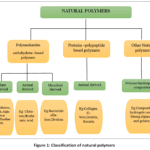 |
Figure 1: Classification of natural polymers
|
Table 1: Natural polymers from Indian origin and their applications
|
Natural polymer |
Source /plant -Indian origin |
Applications |
|
Gum karaya |
Sterculia urens -native to India |
Karaya gum is an acidic polysaccharide galactose, rhamnose, and galacturonic acid that exhibits good rheological stability when used in a silica nanocomposite fracturing fluid for high temperature applications.5 It has been shown that gum karaya can stabilise zero-valent iron (NZVI) nanoparticles for environmental cleanup.6 A pH-responsive polyelectrolyte combination comprising modified chitosan and carboxymethyl karaya gum was created for the administration of two drugs, 5-fluorouracil and curcumin, in a biomedical setting.7
|
|
Gum Ghatti |
Anogeissus latifolia, also called axle wood |
The chemical characterisation of ghatti was swelling behaviour, water solubility, and high molecular weight. Gum serves as a stabilising and reducing agent in the green production of palladium nanoparticles.8 Hydrogels and wastewater treatment applications include the use of gum ghatti in a biodegradable hydrogel for environmental remediation.9 |
|
Butea Monosperma Gum – “Palas” or “Flame of Forest” |
Butea Monosperma -native to the Indian subcontinent |
Investigation of the gum’s rheological characteristics, such as viscosity and gelation. This gum was used to create and characterise a hydrogel that was loaded with curcumin and showed promise for medication delivery.10 Utilise Butea gum as a matrix former in sustained release tablets.
|
|
Guggul -Gum Resin |
Commiphora weightii – a traditional medicinal plant in India |
An in vivo investigation reveals diuretic efficacy in its gum extract. Guggul is an oleo gum resin that contains terpenoids, Guggulsterones and other chemicals. A study showed how guggul resin’s physicochemical deterioration is impacted by storage conditions. In order to increase bioavailability, guggul lipids were incorporated into chitosan nanoparticles using the ionic gelation process.11 Proniosomes, nanoparticles, and other novel drug delivery systems were examined for guggul.
|
|
Chitosan |
From marine waste, Ex-shrimp shells relevant in the Indian context |
Chitosan and sodium alginate have been used in India to create biodegradable packaging materials.12 As previously indicated, chitosan and karaya gum are mixed to create biomedical polyelectrolyte complexes. |
Positive aspects of natural polymers over synthetic polymers
- Natural polymers are inherently biodegradable because they are composed of polysaccharides, proteins, or nucleic acids that microorganisms can easily metabolise.13
- Natural polymers exhibit a high degree of biocompatibility due to their close structural resemblance to biological macromolecules present in human tissues.14
- Since natural polymers are structurally similar to biological macromolecules, the body more readily accepts them, enhancing patient compliance and reducing adverse events.
- Natural polymers offer safer profiles for in vivo applications since they rarely elicit toxic or allergic reactions. Their metabolism and clearance from the body are welltolerated, reducing concerns related to inflammatory responses or long-term accumulation, which is often a limitation with synthetic materials.
- Many natural polymers possess excellent hydrophilicity, allowing them to swell and form hydrogels.
- Many natural polymers can be extracted economically from agricultural or microbial sources,15 making them more accessible and cost-efficient compared to complex synthetic polymer production.
- Natural polymers can be processed into various dosage forms such as hydrogels, nanocarriers, films, capsules, microspheres, and scaffolds, providing broad formulation flexibility.
- Due to their natural origin, these polymers are highly compatible with biomolecules like proteins, peptides, genes, antibodies, and growth factors, making them ideal for gene delivery, vaccine delivery, and biologics stabilisation.
- Many Phyto-polymers such as alginate, Gelatin, gum Arabic, and starch, are classified as GRAS -Generally Recognised as Safeby regulatory bodies, making formulation development and approval smoother compared to newer synthetic materials.
Limitations in the development of Natural polymeric Nanocarriers:
- Natural polymers obtained from plants, animals or microbes often vary in composition and molecular weight, leading to inconsistent nanocarrier properties.
- Many natural polymers form nanoparticles with lower mechanical stability compared to synthetic polymers, which affects durability and drug protection.
- Some natural polymers cannot efficiently encapsulate a large amount of drug, especially hydrophobic drugs.
- It is difficult to precisely control sustained or targeted release because natural polymers may degrade unpredictably.
- Extraction and purification of natural polymers from biological sources require multiple steps, increasing processing time and cost.
- Natural materials can easily support microbial growth, requiring strict sterilisation and preservation methods.
- Nanocarriers made from natural polymers may undergo aggregation, degradation, or structural changes over time.
- Scaling up nanoparticle synthesis while maintaining uniform size and distribution is challenging with natural polymers.
Nanocarriers
Nanocarriers are nanoscale delivery systems designed to transport therapeutic agents with improved stability, solubility, and bioavailability. Their small size enables enhanced permeability and retention in tumours and efficient cellular uptake. They allow controlled and targeted drug release through mechanisms such as pH sensitivity, enzyme responsiveness, or ligand-mediated targeting. They reduce systemic toxicity and enhance therapeutic efficacy, making them valuable in cancer therapy, antimicrobials, and regenerative medicine.
Classification of polymeric nanoparticles
Based on their composition, polymeric nanoparticles are classified into Nanocapsules and Nanospheres.
Nanocapsules
Nanocapsules are delivery systems where drug molecules are either enclosed within the nanoparticle core or adsorbed onto a surrounding polymeric shell. They typically range from 10-1000nm and can encapsulate hydrophobic, hydrophilic and sensitive therapeutic agents. Polymeric shell is made up of biodegradable and biocompatible polymers such as polylactic-co-glycolic acid, Chitosan, Gelatin, Alginate, and polycaprolactone. This shell protects the drug from degradation and provides control of target release. Nanocapsules enhance drug stability and bioavailability, especially for unstable or poorly soluble molecules.
Nanospheres
Nanospheres are solid, spherical, polymer-based nanoparticles typically sized between 10 and 1000nm. Unlike Nanocapsules, Nanospheres consist of uniform polymeric matrix where the drug may be entrapped, adsorbed or dispersed throughout the structure. Their solid matrix allows for controlled, sustained or modified release, which enhances drug bioavailability and protects unstable therapeutic molecules like proteins, peptides, nucleic acids and poorly soluble drugs from degradation.
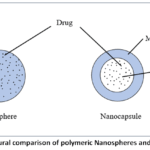 |
Figure 2: Structural comparison of polymeric Nanospheres and Nanocapsules
|
Nano-based drug delivery systems using natural polymers:
Alginate-based drug delivery system:
Guluronic and mannuronic acid residues are arranged in random sequences to form alginate, a linear, unbranched polysaccharide.16 Water-insoluble gels can form when divalent cations, like calcium, replace the sodium ions found in alginate salts in aqueous settings. A broad array of therapeutic compounds, including proteins, peptides, andoligonucleotides,17 as well as medications that are soluble in water or sensitive to organic solvents, are effectively transported by alginates. To make alginate nanoparticles, a tiny needle is used to drip an aqueous sodium alginate solution into a solution with cationic cross-linkers such as calcium ions, chitosan, or poly-L-lysine. These cations interact with mannuronic and guluronic residues to generate a distinctive “egg box” structure that serves as the foundation for the gel matrix.18 Drug release happens when the matrix redissolves after administration as a result of the interchange of divalent ions with monovalent ones, especially sodium ions in physiological fluids. The potential for a quick release of therapeutic substances as a result of this ion exchange process is a disadvantage of this technique.
Chitosan-based drug delivery system:
Chitin, a structural element of crab shells, is deacetylated to generate chitosan, a naturally occurring polymer.19 In terms of structure, it is a cationic polysaccharide composed of linear D-glucosamine units linked by β(1,4). Numerous techniques for creating chitosan nanoparticles and their uses in medication delivery have been extensively documented. Chitosan nanoparticles can contain drugs by complexation,20 ionic cross-linking, or chemical cross-linking.
Gelatin-based drug delivery system:
A two-step desolvation method is frequently used to create Gelatinnanoparticles.21 This coacervation technique entails heating an aqueous Gelatin solution roughly above 40 °C and adding a soluble polymer or a water-miscible nonsolvent. Chemical cross-linking, usually using glutaraldehyde, stabilises and hardens the resulting concentrated Gelatin droplets. As an alternative, emulsion methods like oil-in-water or water-in-oil emulsions are used to create nanoparticles. Gelatin nanoparticles that have been PEGylated have cellular absorption by endocytosis and longer blood circulation.22
Hyaluronic acid-based drug delivery system
Because of its great affinity for the CD44 receptors, which are overexpressed in many sick and malignant cells, hyaluronic acid (HA) is used. HA is a naturally obtained polysaccharide found in the extracellular matrix, which has special biological properties like biocompatibility, biodegradability, non-immunogenicity, and intrinsic targeting ability. These characteristics make HA a perfect choice for creating smart nanocarriers with improved selectivity and controlled release capabilities. In HA-based nanocarrier systems, the polymer is used to encapsulate therapeutic molecules, such as small drugs, nucleic acids, peptides, and imaging agents, in a variety of nanoscale formulations like nanoparticles, nanogels, liposomes, micelles, and dendrimers. In the end, these Nano systems can improve bioavailability and therapeutic results by preventing drug degradation and increasing the solubility of weakly water-soluble substances and extending circulation duration. Furthermore, HA-modified nanocarriers allow for active targeting, which minimises systemic toxicity and reduces off-target effects by promoting receptor-mediated absorption into particular tissues or tumours. Many HA nanocarrier systems are also engineered as stimuli-responsive platforms, releasing the response to conditions such as pH, enzymes, temperature, or redox gradients present in diseased microenvironments.
Pullulan-based drug delivery system
Pullulan is a linear, water-soluble glucan that shares structural similarities with cellulose and dextran. It is made up of repeating units of three α-1,4-linked glucose residues connected by α-1,6 connectionsat the terminal glucose. Fermentation pullulan,23 which is produced by Aureobasidium pullulans, can be chemically altered to add hydrophobicity, for example, by acetylation, encouraging self-assembly into nanoparticles with hydrophobic cores that can trap lipophilic medications. Pullulan nanoparticles can be made by dialysing an organic solution against water or by using reverse micellar methods, which involve adding a drugpolymer aqueous solution to an Aerosol OT reverse micellar system in n-hexane. Cross-linking with glutaraldehydeis typically used to produce stabilisation.24
Methods of preparation of polymeric nanocarriers
Based on the polymerisation of the monomers, two groups of approaches have been established for the creation of NPs based on their uses. This approach could be categorised as
Two-step methods produce nanoparticles through an emulsification process.
One-step methods generate nanoparticles directly, without requiring emulsification.
Two-step technique based on emulsification
This process emulsifies polymers and organic solvents in the aqueous phase. nanodroplets can be formed by emulsifying both lower and higher energy. The removal of the organic solution is the next step in the nanodroplet process for NPs.
Solvent evaporation method
The polymer and drug are dissolved in a volatile organic solvent and emulsified into an aqueous phase containing a stabiliser. The organic solvent is then evaporated under stirring or reduced pressure, leading to polymer precipitation and formation of solid nanoparticles.
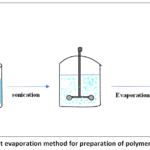 |
Figure 3: solvent evaporation method for preparation of polymeric Nanoparticles
|
Emulsion diffusion
The double emulsion strategy is primarily utilised for hydrophilic molecules,25 whereas the single encapsulation technique is typically employed for hydrophobic compounds. The solvent is diffused in the aqueous phase and then evaporates in the organic phase, and it is usually utilised in two-phaseorganic and aqueous systems.26
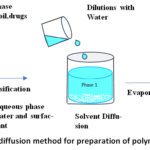 |
Figure 4: Emulsion diffusion method for preparation of polymeric nanoparticles
|
Salting out technique
In this method,27 Polymers are primarily dissolved in an aqueous soluble organic solvent, such as acetone and tetrahydrofuran. The surfactants make up the aqueous phase. Magnesium chloride hexahydrate is a commonly utilised salt. The Organic solvent diffuses from the oil phase into the aqueous phase, leading to nanoparticle formation, while the oil phase becomes emulsified in the aqueous medium under mechanical stirring. Samples are then purified after the salting-out reagents are eliminated by centrifugation.28
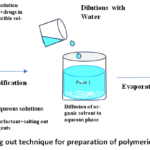 |
Figure 5: Salting out technique for preparation of polymeric Nanoparticles
|
One-step procedure
Nano precipitation
This process, which is based on interfacial deposition and involves the transport of organic solvents and polymers dissolving in an aqueous phase. The polymers and the water-miscible organic solvent diffuse into the leading nanoprecipitate. The polymers undergogradual aggregation in the aqueous phase, which may include a stabiliser or surfactant. To generate nanoparticles, the organic solvent was added dropwise into the aqueous phase under continuous mixing. The NPs are collected by ultracentrifugation. After that, the surfactant is removed by washing them with distilled water.
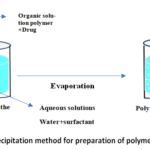 |
Figure 6: Nano precipitation method for preparation of polymeric Nanoparticles
|
Dialysis
This method employs a semipermeable membrane or dialysis tube, which acts as a physical barrier for the polymers. The drug and polymers are first dissolved in an organic solvent and placed inside the dialysis membrane, and then dialysed against a nonsolvent. As the solvent diffuses out of the membrane, the ability of the mixture to keep the polymer dissolved gradually decreases. With the rise in interfacial tension, the polymer begins to aggregate, forming a colloidal suspension that ultimately yields nanoparticles.
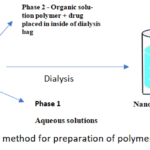 |
Figure 7: Dialysis method for preparation of polymeric Nanoparticles
|
Super critical fluid technology
A wide range of chemical and material science disciplines make substantial use of supercritical fluid technologies.29 By merely altering temperature or pressure, these methods’ physicochemical characteristics can be transformed from a gaseous to a liquid state. This enables controlled adjustment of the reaction conditions, in which the chitosan solution is added dropwise under continuous stirring with the polyanionic sodium tripolyphosphate, resulting in the formation of cross-linked chitosan nanoparticles. The negatively charged phosphoric ions of TPP must come into contact with the abundant ammonia group on chitosan molecules. During cross-linking activities, water is extruded from the particles, which could extend the drug’s release. Three distinct phenomena, solution, aggregation, and opalescent suspension, are present in the formulation of NPs
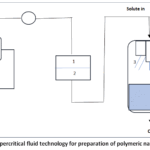 |
Figure 8: Supercritical fluid technology for preparation of polymeric nanoparticles
|
Applications
Drug delivery
A)Controlled /Sustained release
A study made chitosan-based nanohybrid hydrogels with 2D nanoparticlesand scaffolds.30 These showed prolonged drug release in vitro and good biocompatibility and were tested with NIH 3T3 fibroblasts.Smart biopolymer gels, which are“next-generation biopolymer gels”, for example, alginate, respond to stimuli,pH, and temperatureto manage drug delivery.31
Oral, mucosal, and targeted Delivery
Due to themucoadhesion and biocompatibility of chitosan-based systems, chitosan has been employed for oral, ocular, nasal, and vaginal administration. Chitosan nanogels were created especially to deliver genes and proteins.32 Chitosan-HA nanoparticles loaded with siRNA targeting the BCL2 gene demonstrated effective gene silence in cancer cells and decreased tumour volume in mice, both in-vitro and in-vivo.33
Delivery of anticancer Drugs
Doxorubicin has been administered using chitosan-TPPNP,34 which had improved retention and decreased adverse effects. The stability, bioavailability, and cellular uptake of chitosan nanoparticles loaded with polyphenolssuch as those found in tea are enhanced.
Healing of wounds
Biopolymer NPsderived from chitosan, alginate, collagen, etcare great for wound dressings because they have antimicrobial qualities and encourage tissue regeneration and wound closure.35 Biopolymeric nanofibers filled with nanoparticles function similarly to sophisticated wound dressings, offering both antibacterial action and prolonged release of medicinal medicines.36
Regenerative medicine and tissue engineering
When employed for bone regeneration in the nanohybrid hydrogel + scaffold study (chitosan + 2D nanoparticles).37The scaffold greatly improved bone-regeneration in vitro by supporting cell proliferation within its pores. These biopolymeric nanocomposites are especially useful in regenerative scaffolds, as they integrate the mechanical strength of nanoparticles with the biocompatibility of chitosan.
Gene delivery and therapy
Gene delivery using chitosan nanoparticles: Chitosan can preserve DNA and RNA by forming complexes with them and facilitating cellular absorption. In a rat burn model, the application of a chitosan-alginate hydrogel containing VEGF + TGF-β1 genesresulted in increased expression and better wound healing.38
Delivery of antimicrobials and antibiotics
Gentamicin-encapsulated chitosan nanoparticles were created for lung delivery.The system demonstrated antimicrobial activity and decreased systemic toxicity. When utilised as NPs, many biopolymersparticularly chitosan,offer the twin advantages of carrier and active agent due to their intrinsic antibacterial properties.
Vaccine / Immunotherapy
Chitosan-based delivery systems have been explored for vaccine administration,particularly mucosal vaccines,due to their biocompatibility, immunoadjuvant potential, and ability to protect antigens.Chitosan’s cationic properties aid in loading antigens and promoting antigen-presenting cell absorption.
Theranostics
Biopolymers like chitosan are being mixed with imaging agents or responsive moieties in theranostics to create nanogels that can report based on stimuli and deliver medications. For instance, biopolymer-based magnetic or fluorescent nanoparticle systems can be made to be remotely controlled, deliver medicines, and serve as imaging contrast agents.
Table 2: Representative biopolymer-based nanocarrier systems and their quantitative therapeutic outcomes.
|
System |
Biopolymer |
Primary application |
Key quantitative effect |
|
DOX-CT-MNPs |
Chitosan |
Chemotherapy on mouse |
Apoptosis: 75.8% vs 44.5% free DOX in EST model.39 |
|
HA-Chitosan-DOX |
Chitosan + HA |
CD44-targeted cancer |
Encapsulation ≈89%, HeLa viability ≈22% at 72 h.39 |
|
Chitosan-siRNA NPs |
Chitosan |
Gene silencing |
Tumour volume reductions reported ~40–60%, strong target knockdown, e.g., Bcl-2.40 |
|
Chitosan-coated oral insulin |
Chitosan/glucose polymer |
Oral insulin -rodents & NHPs41 |
Dose-dependent glucose lowering in mice, rats, and baboons without hypoglycaemia.42 |
|
Chitosan NPs / hydrogels |
Chitosan |
Wound healing |
Near-complete wound closure by day 10–21 in multiple models improved collagen/epithelialization.43 |
|
Dextran-IONPs |
Dextran |
MRI / drug delivery/hyperthermia44 |
Strong MRI contrast and in vivo tumour growth delay with drug-loaded formulations.45 |
Examples of market / clinically-translated biopolymeric nanoparticle formulations
Abraxane, also referred to as “nab-Paclitaxel” or nanoparticle albumin-boundpaclitaxel.
Paclitaxel forms ~130 nm nanoparticles by associating with albumin, a naturally occurring protein, which serves as the carrier.46 It is FDA-approved for treating several cancers,including pancreatic cancer, breast cancer, and non-small cell lung cancer.47Compared to solvent-based paclitaxel,albumin NPs improve tumour accumulation, lower toxicity, and provide improved biodistribution.48 According to numerous pharmacokinetic and preclinical investigations. This formulation of albumin, a naturally occurring biopolymer, is arguably the most commercially successful example of a “biopolymer nanoparticle”.49
Fyarro-sirolimus binds to albumin
Sirolimus, a mTOR inhibitor, coupled to albumin, is another formulation of albumin nanoparticles. Recent reports state that the FDA has approved Fyarro for a rare tumour called PEComa.
Feraheme/ Ferumoxytolpolysaccharide-coated iron oxide nanoparticles
Iron oxide nanoparticles coated with polysaccharides and carboxymethyldextran.50Approved by the FDA as an intravenous iron therapy for iron-deficiency anaemia.A therapeutic and imaging-trial nanoparticle productwith a biopolymer coating that has received clinical approval.51 It has numerous clinical and imaging studies, as well as an FDA label.52
Magnetic nanoparticle hyperthermia using nanothermtherapy
In therapeutic formulations, superparamagnetic iron-oxide nanoparticlesare usually coated or stabilised with organic biopolymers like dextran/biocompatible shells.53 By utilising albumin’s biocompatibility and extended circulation, the utilisation of albumin NPs for sirolimus demonstrates translational logic comparable to that of Abraxane.
Cyclodextrinpolymercamptothecinconjugate, or CRLX101
A Cyclodextrin-polyethene glycol polymer self-assembles into nanoparticles and is chemically coupled to camptothecinto create a “drug conjugate” for nanoparticles.54 Phase 1/2a clinical trials have been carried out; the firstinhuman trial demonstrated favourable pharmacokinetics,55 tolerable safety, and some indications of effectiveness.CRLX101 is shown to accumulate in Tumour tissue, provide prolonged CPT release,56 and maintain intracellular CPT concentration in preclinical and early clinical investigations. A “Nano-pharmaceutical” that is very clinically progressed but not yet widely sold.
In-trial and clinically advanced biopolymer nanoparticle systems -2024–2025
CRLX101 -formerly NLG207cyclodextrin-containing polymercamptothecin nano-pharmaceutical biopolymer component:
A polymer backbone that self-assembles into NPs incorporates cyclodextrin, a naturally occurring cyclic oligosaccharide. Several early-phase clinical trials, phase 1/2a and additional combination trials in solid tumours. clinically sophisticated but not widely available. It uses cyclodextrin, a naturally occurring macrocyclic carbohydrate, as a structural and solubilising component.Human trials have produced solid clinical safety and PK data. First-in-human phase 1/2a published trials and clinicaltrials.gov records are the sources of evidence.
Additional iron-oxide/dextran-coated nanoparticle treatments and tracers
Natural polysaccharide coatings on magnetic nanoparticles made of dextran or dextran derivatives.57 Several clinical trials for MRI contrast and hyperthermia, as well as several regulatory and CE approvals for particular indications, seeferumoxytol, Resotran, and NanoTherm. Through 2024–2025, clinical development for diagnostic and therapeutic purposes is ongoing.
Clinical research on chitosan-based nanoparticle products is now underway in dental, topical/wound, mucosal vaccinations, etc.
Chitosan, a marine-derived polysaccharide that is deacetylated chitin. As of 2024–2025, the majority of early-phase/interventional clinical trials on dental irrigants, wound dressings, topical sprays, mucosal vaccines, or adjuvant systems are investigational rather than commercial. These trials are primarily Phase 1/2 or device/clinical evaluations. Although it has not yet led to fully approved drug products, chitosan remains one of the most extensively studied phyto-polymers in nanomedicine and shows substantial clinical promise.
Table 3: Natural polymeric nanoparticle systems: Marketed &clinically advanced -2024–2025
|
Formulation/Trade name |
Polymer source and type |
Therapeutic target/indication |
Clinical stage/status |
Mechanism of action/Delivery approach |
|
Abraxane- Albumin-bound paclitaxel |
Albumin, a natural protein polymer |
Breast, pancreatic and lung cancers |
Marketed- FDA, EMA |
Passive tumour targeting via EPR. Albumin-mediated transport |
|
Onivyde- irinotecan liposome injection |
Lecithin, a natural phospholipid polymer |
Pancreatic cancer |
Marketed/ongoing Phase -4 follow-up |
Liposome-encapsulated irinotecan for enhanced tumour penetration. |
|
Chitosan-PLGA nanoparticles – Insu Nano |
Chitosan from crustacean shells |
Type-1 diabetes Oral |
Phase-III NCT05890291 |
Mucoadhesive nanoparticles improve GI insulin absorption. |
|
Alginate curcumin Nanocarriers NanoCur |
Alginate, a seaweed polysaccharide |
Colorectal cancer |
Phase -II NCT05910432 |
Sustained release and colon-targeted delivery |
|
Hyaluronic acid Doxorubicin Nanoconjugate-HA-DOX |
Hyaluronic acid |
Breast cancer |
Phase-IIb 2025 |
CD44-Targeted nanoparticle uptake |
|
Dextran iron oxide Nanoparticles |
MRI |
MRI contrast and targeted imaging |
Marketed/Reapproved -2024 |
Biocompatible coating for imaging and targeted delivery |
|
Silk Fibroin curcumin nanoparticles-SilFi-Cur |
Silk Fibroin |
Neuroprotection in Alzheimer’s |
Phase-I/II NCT05877304 |
Cross-linked Fibroin Nanoparticles enhanced BBB permeability |
|
Gelatin siRNA Nanoparticles -Gel-NanoRNA |
Gelatin |
Solid tumour immunotherapy |
Phase II -2025 |
Biodegradable siRNA delivery vehicle |
|
Carrageenan–Curcumin Nanogels- CarraCur |
Carrageenan red algae polysaccharide- |
Inflammatory bowel disease |
Phase I completed -2024 |
Local anti-inflammatory delivery |
|
Pullulan Paclitaxel Nanoparticles |
Pullulan |
Ovarian cancer |
Phase II -2025 |
Tumour-targeted, biodegradable polymeric nanocarrier |
|
Pectin 5-FU Nanoparticles PecFu |
Pectin |
Ovarian cancer |
Phase II NCT06018232 |
Colon-specific degradation and release |
|
Starch-Based siRNA Nanoparticles Sta-RNA |
Starch biopolymer |
Liver fibrosis |
Preclinical to Phase I -2025 |
Hepatic targeting via mannose receptors |
Future Prospects of biopolymeric nanocarriers
Smart, stimuli-responsive nanogels and biopolymer gels
Next-generation biopolymer gelsderived from materials such as chitosan, alginate,58 and collagenare being developed to respond to stimuli like pH, temperature, light, magnetic fieldsor electric signals, enabling controlled, on-demand localised drug release. These “smart” gels integrate therapeutic and diagnostic functions into a single biopolymer system, serving as theranostic platforms.
Active antioxidant nanocarriers made of biopolymers
Current reviews highlight biopolymer-based nano-systems that have antioxidativeproperties in addition to medication delivery.59 which may aid in the treatment of disorders linked to oxidative stress. The dual function therapeutic and antioxidantcreates new opportunities for the treatment of chronic diseases, particularly neurological or inflammatory disorders.
Delivery of natural bioactive compounds
Natural anticancer chemicals from plants and marine speciesare increasingly being encapsulated in biopolymeric nanocarriers to enhance their solubility,60 bioavailability, and tumour targeting. This helps overcome the main drawbacks of many natural bioactives, such as their instability and poor water solubility, and it may result in cancer treatments that are less harmful and more effective.
Better biopolymer platforms for medical translation
Scaling up the manufacturing of biopolymeric nanoparticles with high repeatability, low toxicity, and good storage stability,all of which are essential for regulatory approval,is becoming increasingly important. Reviews note that improved characterisation, long-term in vivo safety data, and established production procedures are necessary for clinical translation.
Multimodal and multifunctional carriers -sensing, imaging, and theranostics
Using nano micelles, nanogels, and dendrimers, biopolymeric nanocarriers are being created not only for drug administration but also for bioimaging, MRI, NIR, biosensing, and diagnostic applications. Personalised medicine, in which a single biopolymer-based nanoparticle can diagnose, administer therapy, and track treatment response, is made possible by this multifunctionality.
Nanocarriers based on chitosan: Long-term potential
Chitosan nanoparticles continue to be a hot topic: Chitosan NP-based systems for oral delivery, pH-responsive release, and enhanced bioavailability are covered in fairly recent studies in 2025. Future research will probably increase scale-up, stability, and regulatory compliance while refining chitosan formulations for targeted distribution, e.g., tumour, mucosal tissues.
Conclusion
Natural polymers have evolved from conventional biomaterials into advanced nanoscale drug delivery systems that can overcome several limitations of traditional therapies. Biopolymeric nanocarriers enhance drug solubility, stability, targeted distribution, and controlled release through advances in molecular engineering, hybrid nanotechnology, and stimuli-responsive design. Their inherent biocompatibility, biodegradability, and structural tunability reduce systemic toxicity while enabling efficient delivery of small molecules, biologics, and genetic therapeutics. These systems have demonstrated promising applications in cancer therapy, gene delivery, regenerative medicine, and vaccine development. Despite these advances, significant challenges remain, including variability in natural polymer sources, limited long-term stability, and difficulties in large-scale manufacturing. In addition, insufficient in vivo safety data and a lack of standardised regulatory frameworks hinder clinical translation. Future research should emphasise scalable green synthesis approaches, advanced characterisation methods, and improved reproducibility of nanoparticle fabrication. Integration of artificial intelligence-assisted formulation design and multifunctional theranostic nanocarriers may further accelerate personalised medicine. Overall, continued interdisciplinary research is essential to fully realise the clinical and commercial potential of natural polymer-based nanocarrier systems in next-generation pharmaceutical drug delivery.
Acknowledgement
The authors express their gratitude to Shri Vishnu College of Pharmacyfor supporting this work and extended thanks to the Department of Pharmaceutics for their invaluable guidance, resources, and facilities that significantly contributed to the completion of this work.
Funding Sources
The author(s) received no financial support for the research, authorship, and/or publication of this article.
Conflict of Interest
The authors do not have any conflict of interest.
Data Availability Statement
This statement does not apply to this article.
Ethics Statement
This research did not involve human participants, animal subjects, or any material that requires ethical approval.
Informed Consent Statement
This study did not involve human participants, and therefore, informed consent was not required.
Clinical Trial Registration
This research does not involve any clinical trials.
Permission to reproduce material from other sources
Not Applicable
Authors Contribution
- Manthina Mohan Varma: Project Administration.
- Bonthagarala Brahmaiya: Visualisation, Supervision.
- Mudundi Tejomanasa: Data Collection, Analysis.
- Routhu Sai Varshitha: Conceptualisation, Methodology, Writing – Original Draft.
- Baby Lakshmi Sravani: Writing – Reviewing and Editing.
References:
- Ramana BV VK. A review article on natural polymers in novel drug delivery systems. Int J Multidiscip Res. 2024;6(6).
CrossRef - L. E. Polymeric Nanoparticles in Targeted Drug Delivery: Unveiling the Impact of Polymer Characterisation and Fabrication. Polymers, March 2025;17(7):833.
CrossRef - Geszke-Moritz M MM. Biodegradable polymeric nanoparticle-based drug delivery systems: comprehensive overview, perspectives and challenges.Polymers. sep 2024;16(17):2536.
CrossRef - Burnsworth B SKPY. Recent Trends in Nano Drug Delivery Systems for Cancer Treatment. Chem Pharm Res. 2025;7(1):1-8.
CrossRef - Chauhan G, OKPC. Chauhan G, Ojha K, Prasad CV. A novel and cleaner bio-polymer Gum Karaya-based Silica nanocomposite fracturing fluid for high-temperature application. Journal of Petroleum Exploration and Production Technology. oct 2021;11(10):3785-3795.
CrossRef - Sana SS ASVRRVAMKS. An investigation of zinc oxide nanoflowers bio-fabricated from karaya gum for their antibacterial, antibiofilm, antioxidant, anticancer, and hemocompatibility properties in vitro. International Journal of Biological Macromolecules. Aug 2025:146996.
CrossRef - Anjar R MMCRBV. Development of a novel polyelectrolyte complex nanocomposite of modified chitosan and karaya gum for co-delivery of 5-fluorouracil and curcumin for cancer therapy. Journal of Materials Chemistry B. 2025;13(11):3602-3617.
CrossRef - Singh R PHKSTDPNAFCJHSRS. Gum ghatti: a comprehensive review on production, processing, remarkable properties, and diverse applications. ACS omega. Feb 2024;9(9):9974-9990.
CrossRef - Singh A MNRKAVNSKASH. Recapitulating the physicochemical and functional characteristics of gum ghatti and its myriad applications in the food industry. Food Hydrocolloids. Jan 2025;158:110471.
CrossRef - Jain S DP. Butea monosperma (Lam.) Taub: Review on its chemistry, morphology, ethnomedical uses, phytochemistry and pharmacological activities. Journal of Drug Delivery & Therapeutics. April 2023;13(4).
CrossRef - Chauhan P WKSG. The Multifaceted Nature of Guggulsterone: Phytochemical Insights and Pharmacological Efficacy. Current Pharmacology Reports. Dec 2025;11(1):1-27.
CrossRef - Remya S BJ. Chitosan and Sodium Alginate: The Potential of Natural Biopolymers of Marine Origin in Development of Biodegradable Packaging Material: Natural Biopolymers in Biodegradable Packaging Material. Fishery Technology. 2025;62(1).
CrossRef - Geszke-Moritz M MM. Biodegradable polymeric nanoparticle-based drug delivery systems: comprehensive overview, perspectives and challenges. Polymers. Sep 2024;7(16):25-36.
CrossRef - AN E. Collagen and collagen-derived materials: synthesis, structure, classification, fundamental properties and biomedical applications. Discover Applied Sciences. Oct 2025;7(10):11-14.
CrossRef - Nanda D BDPSBA. Advances in natural polymer-based hydrogels: Synthesis, applications, and future directions in biomedical and environmental fields. Discover Polymers. Mar 2025;2(1):6.
CrossRef - Al-Roujayee AS HEDAJSHJAISVGA. Alginate-based systems: advancements in drug delivery and wound healing. International Journal of Polymeric Materials and Polymeric Biomaterials. Jun 2025;74(9):846.
CrossRef - E R. Alginate-based nanoparticles for drug delivery. In Theranostics Nanomaterials in Drug Delivery. Jan 2025:157-168.
CrossRef - Lai J AASWKVSVAS. Alginate-based encapsulation fabrication technique for drug delivery: an updated review of particle type, formulation technique, pharmaceutical ingredient, and targeted delivery system. Pharmaceutics. Mar 2024;16(3):370.
CrossRef - Bal K KÇSŞSKÖEEGM. Recent progress in chitosan-based nanoparticles for drug delivery: a review on modifications and therapeutic potential. Journal of Drug Targeting. Sep 2025;33(8):1366-1393.
CrossRef - Stefanache A LIANDDGCOIPCADMCMCGDL. Chitosan nanoparticle-based drug delivery systems: advances, challenges, and future perspectives. Polymers. May 2025;17(11):14.
CrossRef - Özerkan D DKFKİ. Synthesis and characterisation of NIR-sensitive curcumin-gelatin nanoparticles for targeted drug delivery in 3D colon cancer. Scientific Reports. Mar 2026.
CrossRef - H B. EGFR-targeted gelatin nanoparticles observation method and process. Journal of Computational Analysis & Applications. Oct 2025;34(7).
- Thomas N PLCMFRAGABA. Potential of pullulan-based polymeric nanoparticles for improving drug physicochemical properties and effectiveness. Polymers. Jul 2024;16(15):21-51.
CrossRef - Pawara Y MH. Surface-functionalized pullulan-based polymeric nanoparticles containing resveratrol: a green approach for lung cancer targeted delivery. Particulate Science and Technology. Apr 2025;43(3):16-32.
CrossRef - Camacho V BJPL. Double emulsion-based encapsulation of iron in amphiphilic block copolymer nanocarriers for controlled release. Journal of Biomaterials Applications. Oct 2025:08853282251393482.
CrossRef - Bhardwaj H SSJR. Advanced preparation techniques for polymeric nanoparticles and their application in drug delivery. Pharmaceutical Nanotechnology. Apr 2025.
CrossRef - Bhadra D BS. Production of Polymer-Based Nanoparticles. In Commercial Scale Production of Nanomedicines. Aug 2025:214-292.
CrossRef - P S. Selection of an Appropriate Technique for Nano-Carrier Preparation: A Multi Criteria Decision-Making Methodology. In Nanomedicine for Neurodegenerative Disorders. May 2025:259-275.
CrossRef - Liu H LXPYLGCH. Supercritical fluids: an innovative strategy for drug development. Bioengineering. Aug 2024;11(8):788.
CrossRef - Mahanta AK SSPPKSHSMP. Nanoparticle-induced controlled drug delivery using chitosan-based hydrogel and scaffold: application to bone regeneration. Molecular pharmaceutics. Nov 2018;16(1):327-338.
CrossRef - Shergujri DA KMNAAMAIRSMRKN. Next-generation biopolymer gels: innovations in drug delivery and theranostics. Journal of Materials Chemistry. B. Mar 2025;13(10):3222-3244.
CrossRef - Arpa MD AF. Chitosan-based nanogels in modern drug delivery: Focus on protein and gene applications. Gels. Sep 2025;11(9):735.
CrossRef - Desai N RDSSGRPPKBSAGJBDKN. Chitosan: a potential biopolymer in drug delivery and biomedical applications. Pharmaceutics. Apr 2023;15(4):1313
CrossRef - Ahuekwe EF AFAOTOPTGDAAAJOI. Biosynthesised and natural chitosan-based nanoparticles for biomedical applications. Chitosan-Based Nanoparticles for Biomedical Applications. jan 2025:33-73
CrossRef - Kumar M MSCSBA. Biopolymer-based nanoparticles and their therapeutic potential in wound healing–A review.International Journal of Biological Macromolecules. May 2024;267:131-135.
CrossRef - Darghiasi SF RFFA. Maximising the therapeutic benefits of biopolymer-derived nanoparticles in wound healing. Iranian Journal of Basic Medical Sciences. 2025;28(7):835.
- Obeidat WM LI. Chitosan nanoparticles: approaches to preparation, key properties, drug delivery systems, and developments in therapeutic efficacy. AAPS Pharm Sci Tech. Apr 2025;26(5):108.
CrossRef - Gonciarz W BEBMJAPBANVCM. Chitosan-based formulations for therapeutic applications. A recent overview. Journal of Biomedical Science. jul 2025;32(1):62.
CrossRef - Radwan AM EAAEMNNTEGA. In vivo antitumor activity of doxorubicin loaded on chitosan functionalized Pb2Mn2Fe12O22 magnetic nanoparticles. Scientific Reports. Oct 2025;15(1):34313.
CrossRef - Antoniou V MEGEAKHS. Gene therapy with chitosan nanoparticles: modern formulation strategies for enhancing cancer cell transfection. Pharmaceutics. jun 2024;27(7):868.
CrossRef - Hunt NJ LGHSDJNMNRWLMBELWCKZ. Oral nanotherapeutic formulation of insulin with reduced episodes of hypoglycaemia. Nature Nanotechnology. Apr 2024;19(4):534-544.
CrossRef - Golkar N SZARHRAAGA.. An oral nanoformulation of insulin: development and characterisation of human insulin-loaded graphene oxide-sodium alginate-gold nanocomposite in an animal model. Journal of Drug Delivery Science and Technology. Apr 2023;82:104309.
CrossRef - Sharma G GJJSAKJ. Accelerated full-thickness skin wound tissue regeneration by self-crosslinked chitosan hydrogel films reinforced by oxidised CNC-AgNPs stabilised Pickering emulsion for quercetin delivery. Journal of Nanobiotechnology. jun 2024;22(1):323.
CrossRef - Wagh H BSSD. Comprehensive investigation of synthesis, properties and biomedical utilisation of multifunctional dextran-based polymeric nanoparticles. Colloid and Polymer Science. Dec 2025:1-27.
- SF A. Iron oxide nanoparticles enhancing magnetic resonance imaging: A review of the latest advancements. Journal of Science: Advanced Materials and Devices. Mar 2025:100875.
CrossRef - Cobanoglu E VCVGBE. Paclitaxel loaded human serum albumin nanoparticles, from batch to microfluidics: A smart manufacturing approach for nab-paclitaxel nanosimilar candidate and in vitro head-to-head comparison. Journal of Drug Delivery Science and Technology. Oct 2025:107-687.
CrossRef - Kadri H AMAFEADAKM. Albumin Nanoparticles in Cancer Therapeutics: Clinical Status, Challenges, and Future Directions. Pharmaceutics. Oct 2025;17(10):1290.
CrossRef - Shrestha S SAKJTRKJ. Recent advances in albumin nanoparticle-based cancer therapies. Journal of Pharmaceutical Investigation. Jan 2025;55(1):1-4.
CrossRef - Cobanoglu E VCVGBE. Paclitaxel loaded human serum albumin nanoparticles, from batch to microfluidics: A smart manufacturing approach for nab-paclitaxel nanosimilar candidate and in vitro head-to-head comparison. Journal of Drug Delivery science and technology. Oct 2025:107687.
CrossRef - Huang Y HJKHCD. Huang Y, Hsu JC, Koo H, Cormode DP. Repurposing ferumoxytol: Diagnostic and therapeutic applications of an FDA-approved nanoparticle. Theranostics. jan 2022;12(2):796.
CrossRef - Dong Z SGZXLCHRTJZWXLQWLBWJ. Diagnostic performance and safety of a novel ferumoxytol-enhanced coronary magnetic resonance angiography. Circulation: Cardiovascular Imaging. jul 2023;16(7):580-590.
CrossRef - Daldrup-Link HE TARAIMMRSSGSMM. How to stop using gadolinium chelates for magnetic resonance imaging: clinical-translational experiences with ferumoxytol. Pediatric radiology. Feb 2022;52(2):354-366.
CrossRef - Chen Y SHLYHXYYCZZXQYLXZFBJ. Magnetic nanomaterials for hyperthermia-based therapy and controlled drug delivery. Bioactive Materials. Nov 2025;53:591-629.
CrossRef - Serrano-Martinez A VMDGMAHSPLACGLR. A systematic review of clinical trials on the efficacy and safety of CRLX101 cyclodextrin-based nanomedicine for cancer treatment. Pharmaceutics. jun 2023;15(7):1824.
CrossRef - Bolati J YDLMYC. Camptothecin Nanoformulations: Recent Advances in Preparation, Bioactivities, and Clinical Perspectives. Annals of Biomedical Engineering. Jan 2026:1-34.
CrossRef - Ghorai M DNMTMAGVSSPDA. Advances in camptothecin nanomedicine: enhancing targeted breast-cancer therapeutics using innovative drug delivery systems. The Nucleus. Jul 2025:1-1.
CrossRef - Ciuraszkiewicz A HŁGPWTSGKŁDKBAWBJRA. Role of dextran decomposition process on the magnetite nanoparticles crystallisation and magnetic hyperthermia effect. Journal of Magnetism and Magnetic Materials. Jul 2025;623:172-999.
CrossRef - Shergujri DA KMNAAMAIRSMRKN. Next-generation biopolymer gels: innovations in drug delivery and theranostics. Journal of Materials Chemistry. B. Mar 2025;13(10):3222-3244.
CrossRef - Stevanović M FN. A review of recent developments in biopolymer nano-based drug delivery systems with antioxidative properties: Insights into the last five years. Pharmaceutics. May 2024;16(5):670.
CrossRef - Elmowafy M SKEMAOGHAMME. Polymeri c nanoparticles for delivery of natural bioactive agents: recent advances and challenges. Polymers. Feb 2023;15(5):1123.
CrossRef

Accepted on: 06-05-2026
Second Review by: Dr. Nikesh Narang and Dr. Anjali Patadiya
Final Approval by: Dr. Prabhishek Singh