Association of Thyroid Dysfunction with Atherogenic Dyslipidaemia in Adults with Hypothyroidism: A Retrospective Study
 , Salma Kamel1, Fatima Abdul Rehman1, Noora Sayed Rasul1, Mahir Jallo2, May Khalil3and Rasha Eldeeb3*
 1College of Medicine, Gulf Medical University, Ajman, UAE
2Internal Medicine Department, Thumbay University Hospital, Gulf Medical University, Ajman, UAE
3Biomedical Sciences Department, College of Medicine, Gulf Medical University, Ajman, UAE
Corresponding Author E-mail: dr.rashaeldeeb@gmu.ac.ae
DOI : http://dx.doi.org/10.13005/bpj/3535
Download this article as:

Hypothyroidism is associated with metabolic dysregulation, particularly lipid abnormalities that may contribute to increased cardiovascular risk. A retrospective observational analysis was conducted to evaluate the association between thyroid dysfunction and metabolic parameters among 300 adults with hypothyroidism attending a tertiary healthcare centre in the United Arab Emirates between June 2020 and April 2025. Demographic, anthropometric, and biochemical variables were obtained from electronic medical records and the relationships between thyroid function indices and metabolic parameters were assessed using correlation and multivariable regression analyses. The mean age of participants was 44.9 ± 11.9 years, and the majority were female and overweight or obese. Hypercholesterolemia and elevated low-density lipoprotein cholesterol (LDL-C) were identified in 37.8% and 28.3% of patients, respectively. Patients with overt hypothyroidism exhibited significantly higher body mass index, total cholesterol, and LDL-C levels than those with subclinical hypothyroidism, although these subgroup findings should be interpreted cautiously given the small number of patients with overt hypothyroidism (n = 9). Serum thyroid-stimulating hormone (TSH) concentrations demonstrated significant positive correlations with total cholesterol, LDL-C, and very-low-density lipoprotein cholesterol (VLDL-C). In multivariable regression models, TSH remained independently associated with total cholesterol (β = 0.485, p < 0.001) and LDL-C (β = 0.417, p < 0.001), and higher TSH levels were independently associated with increased odds of hypercholesterolemia and elevated LDL-C. These findings indicate that thyroid dysfunction is independently related to atherogenic lipid abnormalities in adults with hypothyroidism, highlighting the potential contribution of impaired thyroid function to cardiometabolic risk and the clinical importance of routine lipid monitoring and metabolic risk assessment in this population.
KEYWORDS:Cardiometabolic Risk; Dyslipidaemia; Hypothyroidism; Low-Density Lipoprotein Cholesterol (LDL-C); Thyroid Dysfunction; Thyroid-Stimulating Hormone (TSH)
Introduction
Hypothyroidism is a prevalent endocrine disorder with systemic effects arising from alterations in cellular metabolism, energy expenditure, and cardiovascular function. Thyroid hormones regulate numerous metabolic pathways involved in lipid synthesis, lipoprotein transport, thermogenesis, glucose homeostasis, and body weight regulation. Consequently, thyroid hormone deficiency may lead to metabolic abnormalities that contribute to adverse cardiovascular outcomes. 1-5
The relationship between thyroid function and lipid metabolism has attracted considerable clinical interest because dyslipidaemia represents one of the most important potentially reversible complications of hypothyroidism. Thyroid hormones influence hepatic cholesterol metabolism through multiple mechanisms, including regulation of low-density lipoprotein receptor (LDLR) expression, cholesterol synthesis, bile acid production, and lipoprotein clearance. Reduced thyroid hormone activity downregulates hepatic LDL receptor expression, thereby limiting the clearance of circulating atherogenic lipoproteins and increasing total cholesterol and low-density lipoprotein cholesterol (LDL-C) concentrations.1-4 Furthermore, thyroid hormones modulate triglyceride metabolism through their effects on lipoprotein lipase, hepatic lipase, fatty acid oxidation, and very-low-density lipoprotein (VLDL) turnover.3-5 These mechanisms provide a physiological basis for the dyslipidaemia commonly observed in patients with hypothyroidism.
Several clinical studies have demonstrated an association between hypothyroidism and adverse lipid profiles; however, the magnitude and consistency of these abnormalities remain variable across different populations. 6-9 While overt hypothyroidism is associated with significant elevations in total cholesterol and LDL-C, findings in subclinical hypothyroidism have been less consistent. 6,9 This variability may reflect differences in disease severity, treatment status, population characteristics, and the presence of coexisting metabolic disorders. Consequently, further investigation of the relationship between thyroid dysfunction severity and lipid abnormalities remains clinically relevant.
Beyond its effects on circulating thyroid hormone concentrations, thyroid-stimulating hormone (TSH) itself may play a crucial role in metabolic regulation. Experimental evidence suggests that TSH receptors are expressed in several extra-thyroidal tissues, including hepatocytes and adipocytes, where TSH signalling may influence cholesterol synthesis, lipid storage, and adipogenesis. 2,10 These observations have generated increasing interest in the possibility that TSH may contribute to cardiometabolic risk through extra-thyroidal metabolic pathways. Understanding whether TSH is associated with adverse lipid profiles may therefore provide additional insights into the metabolic consequences of thyroid dysfunction.
Hypothyroidism is also frequently accompanied by obesity and alterations in body composition. Thyroid hormones are major determinants of resting energy expenditure and mitochondrial function and reduced thyroid hormone activity may promote weight gain through decreased thermogenesis and impaired substrate utilization. 5,12,13Conversely, obesity may influence thyroid physiology through adipokine-mediated pathways, creating a complex bidirectional relationship between thyroid function and body weight.12,13 Because obesity is independently associated with dyslipidaemia and cardiovascular disease, assessment of body mass index (BMI) is important when evaluating the metabolic consequences of hypothyroidism.
Another area of ongoing interest is the potential relationship between thyroid dysfunction and vitamin D status. Vitamin D receptors are expressed in thyroid tissue and immune cells, and several studies have suggested associations between vitamin D deficiency, autoimmune thyroid disease, and thyroid hormone abnormalities.14-16 However, available evidence remains inconsistent, and the clinical significance of these associations remains incompletely understood.
The cardiovascular implications of thyroid dysfunction extend beyond isolated biochemical abnormalities. Both overt and subclinical hypothyroidism have been associated with endothelial dysfunction, accelerated atherosclerosis, coronary heart disease, heart failure, and increased cardiovascular mortality.17-25 Because dyslipidaemia represents a major modifiable cardiovascular risk factor, understanding the relationship between thyroid dysfunction severity and lipid abnormalities may have important implications for risk stratification and clinical management.
Although the association between hypothyroidism and dyslipidaemia has been extensively investigated, data from Middle Eastern populations remain limited, particularly regarding the independent relationship between TSH and lipid abnormalities after adjustment for anthropometric and clinical confounders. Furthermore, few studies have simultaneously examined thyroid dysfunction severity, lipid profile alterations, BMI, and vitamin D status within a real-world clinical setting.
Therefore, the present study aimed to evaluate the association between thyroid dysfunction severity and metabolic abnormalities among adults with hypothyroidism attending a tertiary care center in the United Arab Emirates. Specifically, the study investigated the relationships between thyroid function parameters, lipid profile abnormalities, BMI, and vitamin D status, and examined whether TSH independently predicts atherogenic lipid abnormalities after adjustment for relevant demographic and metabolic factors.
Materials aaand Methods
Study Design and Population
Electronic medical records were retrospectively reviewed for adult patients with a diagnosis of hypothyroidism who attended a tertiary healthcare center in the United Arab Emirates between June 2020 and April 2025. The study aimed to investigate the association between thyroid dysfunction and metabolic abnormalities, with particular emphasis on lipid profile alterations, body mass index (BMI), and vitamin D status.
Adult patients (≥18 years) with a documented diagnosis of hypothyroidism and available thyroid function testing were eligible for inclusion irrespective of treatment status. To be included in the analysis, patients were required to have at least one measurement of thyroid-stimulating hormone (TSH) and at least one lipid profile assessment available in their medical records. For patients with multiple visits during the study period, the most complete laboratory dataset available was selected for analysis. Only one dataset per patient was included to avoid duplication of observations and ensure statistical independence of the study sample. A total of 300 patients fulfilled the inclusion criteria and constituted the final study cohort.
Approval was obtained from the institutional research ethics committee, and the study was conducted in accordance with the principles of the Declaration of Helsinki. The requirement for individual informed consent was waived because the study involved retrospective analysis of anonymized data.
Data Collection
A standardized data collection template was used to retrieve demographic, anthropometric, clinical, and laboratory variables from the electronic medical record system. Demographic variables included age and sex. Anthropometric measurements included height, weight, and BMI.
Laboratory variables included serum TSH, free thyroxine (FT4), free triiodothyronine (FT3), total cholesterol, triglycerides, low-density lipoprotein cholesterol (LDL-C), high-density lipoprotein cholesterol (HDL-C), and very-low-density lipoprotein cholesterol (VLDL-C). Additional biochemical variables included vitamin D, vitamin B12, and serum iron concentrations. Information regarding thyroid hormone replacement therapy, lipid-lowering medications, and documented comorbidities was also recorded when available.
Classification of Thyroid Dysfunction
Classification of thyroid dysfunction severity was performed only in patients with simultaneous TSH and FT4 measurements obtained during the same clinical encounter. The laboratory reference ranges used were 0.4–4.0 mIU/L for TSH and 10.3–23.2 pmol/L for FT4 and these reference ranges remained unchanged throughout the study period. Overt hypothyroidism was defined by elevated TSH accompanied by FT4 concentrations below the laboratory reference range, whereas subclinical hypothyroidism was defined by elevated TSH with FT4 concentrations remaining within the reference range. Patients without concurrent TSH and FT4 measurements were included in descriptive and correlation analyses but were excluded from subgroup comparisons based on disease severity.
Outcome Measures
The primary outcome of the study was the association between thyroid dysfunction and lipid abnormalities. Secondary outcomes included the relationships between TSH concentrations and metabolic parameters, including lipid profile components, BMI, vitamin D, vitamin B12, and serum iron levels. Additional analyses were performed to identify independent predictors of dyslipidaemia.
Statistical Analysis
Data analysis was performed using IBM SPSS Statistics version 29.0 (IBM Corp., Armonk, NY, USA). The distribution of continuous variables was evaluated using the Shapiro–Wilk test together with visual assessment of distribution plots. Normally distributed data are summarized as mean ± standard deviation (SD), while non-normally distributed data are reported as median and interquartile range (IQR). Categorical data are summarized as frequencies and percentages.
Differences between the overt and subclinical hypothyroidism groups were assessed using the independent-samples t-test for normally distributed variables and the Mann–Whitney U test for non-normally distributed variables. Associations between categorical variables were evaluated using the chi-square test or Fisher’s exact test. Correlations between TSH concentrations and metabolic parameters were assessed using Spearman correlation analysis.
Multivariable linear regression analyses were performed to identify independent determinants of total cholesterol and LDL-C concentrations after adjustment for age, sex, BMI, TSH concentration, and lipid-lowering therapy. Multivariable logistic regression models were subsequently constructed to evaluate predictors of hypercholesterolemia, elevated LDL-C, and the presence of any atherogenic lipid abnormality. Results are reported as β coefficients or odds ratios (ORs) with corresponding 95% confidence intervals (CIs).
All statistical tests were two-tailed, and a p-value <0.05 was considered statistically significant. Analyses were performed using available-case methodology, and no imputation procedures were applied for missing data. Given the exploratory nature of the study, adjustments for multiple statistical comparisons were not performed. Regression model assumptions were assessed by examination of residuals and influential observations. Given the marked right-skewness of TSH concentrations, sensitivity analyses were performed to evaluate the potential influence of extreme TSH values on the regression estimates.
Results
Baseline Characteristics of the Study Population
The analysis included 300 adults with hypothyroidism. The cohort had a mean age of 44.89 ± 11.94 years, and females constituted 63.3% of the study population. Participants were overweight or obese, with a mean BMI of 30.30 ± 5.64 kg/m².
Thyroid function testing demonstrated a median TSH concentration of 2.77 µIU/mL (IQR 1.46–5.28), although substantial variability was observed across the cohort (mean 8.04 ± 27.29 µIU/mL). Mean FT4 and FT3 concentrations were 11.45 ± 2.74 pmol/L and 4.82 ± 0.75 pmol/L, respectively.
Regarding lipid parameters, mean total cholesterol was 192.48 ± 46.05 mg/dL, mean triglycerides were 135.45 ± 96.59 mg/dL, mean LDL-C was 108.89 ± 40.15 mg/dL, mean HDL-C was 57.69 ± 23.61 mg/dL, and mean VLDL-C was 25.84 ± 15.03 mg/dL. Vitamin D measurements were available for 119 patients and demonstrated a median concentration of 22.6 ng/mL, whereas median vitamin B12 and iron concentrations were 276.0 pg./mL and 66.0 µg/dL, respectively.
Table 1: Baseline Characteristics of the Study Population
|
Variable |
n | Mean ± SD | Median (IQR) |
| Age (years) | 300 | 44.89 ± 11.94 |
43.0 (37.0–52.0) |
|
BMI (kg/m²) |
300 | 30.30 ± 5.64 | 29.73 (26.46–33.32) |
| TSH (µIU/mL) | 296 | 8.04 ± 27.29 |
2.77 (1.46–5.28) |
|
FT4 (pmol/L) |
115 | 11.45 ± 2.74 | 11.20 (9.90–12.93) |
| FT3 (pmol/L) | 44 | 4.82 ± 0.75 |
4.79 (4.41–5.28) |
|
Total Cholesterol (mg/dL) |
291 | 192.48 ± 46.05 | 190.0 (161.0–215.0) |
| Triglycerides (mg/dL) | 298 | 135.45 ± 96.59 |
109.0 (74.25–160.75) |
|
LDL-C (mg/dL) |
290 | 108.89 ± 40.15 | 106.0 (80.25–133.75) |
| HDL-C (mg/dL) | 293 | 57.69 ± 23.61 |
52.0 (45.0–61.0) |
|
VLDL-C (mg/dL) |
286 | 25.84 ± 15.03 | 22.0 (14.0–31.75) |
| Vitamin D (ng/mL) | 119 | 27.22 ± 27.02 |
22.6 (16.7–31.2) |
|
Vitamin B12 (pg./mL) |
155 | 324.95 ± 218.11 | 276.0 (175.5–416.0) |
| Iron (µg/dL) | 133 | 67.45 ± 37.03 |
66.0 (34.0–87.0) |
Abbreviations: SD, standard deviation; IQR, interquartile range; BMI, body mass index; TSH, thyroid-stimulating hormone; FT4, free thyroxine; FT3, free triiodothyronine; LDL-C, low-density lipoprotein cholesterol; HDL-C, high-density lipoprotein cholesterol; VLDL-C, very-low-density lipoprotein cholesterol.
Comparison Between Overt and Subclinical Hypothyroidism
Among patients with simultaneous TSH and FT4 measurements, 44 individuals could be classified according to thyroid dysfunction severity. Nine patients fulfilled criteria for overt hypothyroidism, whereas 35 were classified as having subclinical hypothyroidism. Patients with overt hypothyroidism were observed to have higher BMI values compared with those with subclinical disease (33.3 ± 3.6 vs. 29.1 ± 5.9 kg/m², p = 0.013). As expected, TSH concentrations were markedly elevated and FT4 concentrations significantly lower in the overt hypothyroidism group (both p < 0.001).
About lipid metabolism, patients with overt hypothyroidism were observed to have higher total cholesterol concentrations (232.0 ± 50.4 vs. 185.2 ± 35.7 mg/dL, p = 0.015) and LDL-C concentrations (141.3 ± 47.9 vs. 98.9 ± 35.7 mg/dL, p = 0.015). No statistically significant differences were observed for triglycerides, HDL-C, or VLDL-C. These differences in lipid profile parameters are illustrated in Figure 1.
Table 2: Comparison of Clinical and Biochemical Characteristics Between Patients with Overt and Subclinical Hypothyroidism
|
Variable |
Overt Hypothyroidism
(n=9) |
Subclinical Hypothyroidism
(n=35) |
p-value |
| Age (years) | 38.1 ± 11.7 | 45.4 ± 11.7 |
0.141 |
|
BMI (kg/m²) |
33.3 ± 3.6 | 29.1 ± 5.9 | 0.013 |
| TSH (µIU/mL) | 85.6 ± 103.8 | 6.7 ± 2.2 |
<0.001 |
|
FT4 (pmol/L) |
6.2 ± 2.0 | 11.0 ± 1.5 | <0.001 |
| TC (mg/dL) | 232.0 ± 50.4 | 185.2 ± 35.7 |
0.015 |
|
TG (mg/dL) |
156.7 ± 89.8 | 140.7 ± 76.1 | 0 .641 |
| LDL-C (mg/dL) | 141.3 ± 47.9 | 98.9 ± 35.7 |
0.015 |
|
HDL-C (mg/dL) |
59.4 ± 14.6 | 63.7 ± 36.8 | 0.296 |
| VLDL-C (mg/dL) | 31.2 ± 17.8 | 28.6 ± 15.7 |
0.705 |
Abbreviations: SD, standard deviation; BMI, body mass index; TSH, thyroid-stimulating hormone; FT4, free thyroxine; TC, total cholesterol; TG, triglycerides; LDL-C, low-density lipoprotein cholesterol; HDL-C, high-density lipoprotein cholesterol; VLDL-C, very-low-density lipoprotein cholesterol. Comparisons between groups were performed using the independent-samples t-test for normally distributed variables and the Mann–Whitney U test for non-normally distributed variables, as appropriate. A p-value <0.05 was considered statistically significant.
Figure 1. Comparison of Lipid Profile Parameters According to Thyroid Dysfunction Severity.
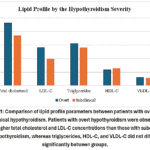 |
Figure 1: Comparison of lipid profile parameters between patients with overt and subclinical hypothyroidism. Click here to View Figure |
Prevalence of Lipid Abnormalities
Overall, hypercholesterolemia was present in 37.8% of patients, elevated LDL-C in 28.3%, hypertriglyceridemia in 30.2%, and low HDL-C in 14.3%. Patients with overt hypothyroidism demonstrated a significantly greater prevalence of elevated LDL-C compared with patients with subclinical hypothyroidism (55.6% vs. 18.2%, p = 0.038). Although hypercholesterolemia and hypertriglyceridemia were numerically more common among patients with overt disease, these differences did not reach statistical significance.
Table 3: Prevalence of Lipid Abnormalities According to Thyroid Dysfunction Severity
|
Lipid Abnormality |
Overall n (%) | Overt n (%) | Subclinical n (%) | P-Value |
| Hypercholesterolemia (≥200 mg /dL) | 110 (37.8) | 6 (66.7) | 12 (36.4) |
0.139 |
|
High LDL-C (≥130 mg/dL) |
82 (28.3) | 5 (55.6) | 6 (18.2) | 0.038 |
| Hypertriglyceridemia (≥150 mg/dL) | 90 (30.2) | 5 (55.6) | 14 (40.0) |
0.467 |
|
Low HDL-C (<40 mg/dL) |
42 (14.3) | 0 (0.0) | 7 (20.6) | 0.314 |
| Any Atherogenic Lipid Abnormality | 168 (56.0) | 7 (77.8) | 22 (62.9) |
0.695 |
Abbreviations: LDL-C, low-density lipoprotein cholesterol; HDL-C, high-density lipoprotein cholesterol. Data are presented as number (percentage). Comparisons between overt and subclinical hypothyroidism groups were performed using the chi-square test or Fisher’s exact test, as appropriate. A p-value <0.05 was considered statistically significant.
Correlation Between TSH and Metabolic Parameters
Spearman correlation analysis demonstrated significant positive associations between TSH and total cholesterol (rho = 0.166, p = 0.0047), LDL-C (rho = 0.161, p = 0.0062), and VLDL-C (rho = 0.122, p = 0.041).
The association between TSH and triglycerides approached statistical significance (rho = 0.110, p = 0.0587). No significant correlations were observed between TSH and HDL-C, BMI, vitamin D, vitamin B12, or iron concentrations.
Table 4: Correlation Between TSH and Metabolic Parameters
|
Variable |
n | Spearman rho | p-value |
| TC | 287 | 0.166 |
0.0047 |
|
LDL-C |
286 | 0.161 | 0.0062 |
| TG | 294 | 0.110 |
0.0587 |
|
HDL-C |
289 | 0.009 | 0.875 |
| VLDL-C | 282 | 0.122 |
0.041 |
|
BMI |
296 | -0.032 | 0.582 |
| Vitamin D | 118 | -0.131 |
0.159 |
|
Vitamin B12 |
155 | -0.032 | 0.693 |
| Iron | 132 | -0.079 |
0.370 |
Abbreviations: TSH, thyroid-stimulating hormone; TC, total cholesterol; LDL-C, low-density lipoprotein cholesterol; TG, triglycerides; HDL-C, high-density lipoprotein cholesterol; VLDL-C, very-low-density lipoprotein cholesterol; BMI, body mass index. Correlations were assessed using Spearman’s rank correlation coefficient (rho). A p-value <0.05 was considered statistically significant.
Multivariable Linear Regression Analysis
After adjustment for age, sex, BMI, and lipid-lowering therapy, TSH remained an independent predictor of total cholesterol and LDL-C concentrations.
For total cholesterol, each unit increase in TSH was associated with a 0.485 mg/dL increase in cholesterol concentration (95% CI 0.300–0.671, p < 0.001).
Similarly, TSH independently predicted LDL-C concentrations (β = 0.417, 95% CI 0.257–0.577, p < 0.001).
Lipid-lowering therapy was independently associated with lower LDL-C concentrations (β = −17.280, p = 0.009). Regression diagnostic and sensitivity analyses indicated that the observed associations of TSH with total cholesterol and LDL-C were not materially altered by influential observations or the markedly skewed TSH distribution.
Table 5: Multivariable Linear Regression Analysis of Factors Associated with Total Cholesterol and LDL-C Concentrations
|
Outcome |
Predictor | β Coefficient | 95% CI | p-value |
| TC | TSH | 0.485 | 0.300–0.671 |
<0.001 |
| Age | 0.000 | -0.434–0.434 | 0.999 | |
| Male sex | -7.983 | -18.766–2.801 |
0.146 |
|
| BMI | 0.578 | -0.333–1.490 | 0.213 | |
| Lipid-Lowering Therapy | -5.979 | -20.916–8.958 |
0.431 |
|
|
LDL-C |
TSH | 0.417 | 0.257–0.577 | <0.001 |
| Age | 0.049 | -0.327–0.425 |
0.798 |
|
|
Male sex |
-1.183 | -10.495–8.129 | 0.803 | |
| BMI | 0.459 | -0.329 –1.248 |
0.253 |
|
| Lipid-Lowering Therapy | -17.280 | -30.181- -4.378 | 0.009 |
Abbreviations: β, regression coefficient; CI, confidence interval; TC, total cholesterol; LDL-C, low-density lipoprotein cholesterol; TSH, thyroid-stimulating hormone; BMI, body mass index. Multivariable linear regression models were adjusted for age, sex, BMI, TSH concentration, and lipid-lowering therapy. A p-value <0.05 was considered statistically significant.
Multivariable Logistic Regression Analysis
Multivariable logistic regression demonstrated that higher TSH concentrations were independently associated with increased odds of hypercholesterolemia (OR 1.029, 95% CI 1.003–1.054, p = 0.026) and elevated LDL-C (OR 1.044, 95% CI 1.003–1.086, p = 0.037).
BMI was independently associated with hypercholesterolemia (OR 1.047, p = 0.040). Male sex (OR 2.142, p = 0.004) and BMI (OR 1.050, p = 0.028) were independently associated with the presence of any atherogenic lipid abnormality.
Table 6: Multivariable Logistic Regression Analysis of Factors Associated With Atherogenic Lipid Abnormalities
|
Outcome Variable |
Predictor | OR | 95% CI | p-value |
| Hypercholesterolemia | TSH | 1.029 | 1.003–1.054 |
0.026 |
|
|
BMI | 1.047 | 1.002–1.094 | 0.040 |
| Elevated LDL-C | TSH | 1.044 | 1.003–1.086 |
0.037 |
|
|
BMI | 1.047 | 0.998–1.098 | 0.058 |
| Any Atherogenic Lipid Abnormality | Male sex | 2.142 | 1.274–3.600 |
0.004 |
|
|
BMI | 1.050 | 1.005–1.098 |
0.028 |
Abbreviations: OR odds ratio; CI, confidence interval; TSH, thyroid-stimulating hormone; BMI, body mass index; LDL-C, low-density lipoprotein cholesterol. Results are presented as odds ratios (ORs) with 95% confidence intervals (CIs). A p-value <0.05 was considered statistically significant.
Discussion
The present study evaluated the association between thyroid dysfunction and metabolic abnormalities in adults with hypothyroidism, identifying significant relationships between thyroid function and atherogenic lipid parameters. The principal findings were that serum TSH concentrations were positively associated with total cholesterol, LDL-C, and VLDL-C, and that TSH remained an independent predictor of both total cholesterol and LDL-C after adjustment for age, sex, BMI, and lipid-lowering therapy. In addition, patients with overt hypothyroidism were observed to have higher total cholesterol and LDL-C concentrations than those with subclinical disease. Collectively, these findings support the central physiological role of thyroid hormones in lipid homeostasis and reinforce the concept that thyroid dysfunction contributes to cardiometabolic risk through mechanisms extending beyond endocrine regulation alone. 1–5,17
The association between hypothyroidism and dyslipidaemia has long been recognized as one of the most clinically important metabolic consequences of thyroid hormone deficiency. Thyroid hormones regulate multiple aspects of lipid metabolism, including hepatic cholesterol synthesis, LDL receptor expression, lipoprotein clearance, bile acid production, and triglyceride turnover.1–5 Reduced thyroid hormone activity impairs receptor-mediated clearance of circulating LDL particles, resulting in elevations of total cholesterol and LDL-C and contributing to an atherogenic lipid profile.1–4,9 The significantly higher total cholesterol and LDL-C concentrations observed among patients with overt hypothyroidism in the present study are therefore physiologically consistent with established mechanisms of thyroid hormone action.
The present findings agree with previous clinical investigations evaluating the metabolic consequences of hypothyroidism. Tarboush et al. reported significant deterioration of lipid profiles among patients with thyroid dysfunction, particularly with respect to total cholesterol and LDL-C concentrations.7 Similarly, Karthick et al.8 demonstrated positive associations between TSH concentrations and dyslipidaemia in both overt and subclinical hypothyroidism. Tarboush et al 7 also observed more pronounced lipid abnormalities among patients with overt disease, supporting the concept that progressive thyroid hormone deficiency is accompanied by worsening disturbances in lipid metabolism. These findings collectively suggest that alterations in lipid homeostasis represent a fundamental metabolic manifestation of hypothyroidism across diverse populations.
One of the most clinically relevant observations in the present study was the association between serum TSH concentrations and both total cholesterol and LDL-C after adjustment for age, sex, BMI, and lipid-lowering therapy. While TSH has traditionally been considered a biomarker of thyroid gland function, experimental evidence suggests that TSH may also influence lipid metabolism through extra-thyroidal TSH receptor signalling.2,4,10 Functional TSH receptors have been identified in hepatocytes and adipocytes, where TSH signalling may influence cholesterol synthesis, adipogenesis, and lipid storage.4,10 Experimental studies have demonstrated that TSH can stimulate expression of HMG-CoA reductase and other pathways involved in cholesterol biosynthesis, providing a plausible mechanistic explanation for the observed associations.4,10 However, because FT4 and FT3 were not included concurrently with TSH in the regression models, the present study cannot establish a direct TSH effect independent of circulating thyroid hormone concentrations.
The independent predictive value of TSH observed in the present study is also supported by epidemiological evidence linking elevated TSH concentrations with adverse cardiovascular outcomes. Rodondi et al. demonstrated that subclinical hypothyroidism is associated with increased risks of coronary heart disease and cardiovascular mortality, particularly among individuals with higher TSH concentrations.21 Similar findings have been reported for heart failure, cardiovascular events, and all-cause mortality.22 Furthermore, Moon et al. reported in a meta-analysis that subclinical hypothyroidism is associated with increased cardiovascular disease risk, particularly among younger individuals and those with more pronounced thyroid dysfunction.25 These observations suggest that thyroid dysfunction may contribute to cardiovascular risk even before the development of overt hypothyroidism.
The positive associations identified between TSH and VLDL-C further support the role of thyroid hormones in triglyceride-rich lipoprotein metabolism. Thyroid hormones regulate lipoprotein lipase activity, hepatic lipase function, fatty acid oxidation, and hepatic triglyceride handling. 2–5 Impairment of these pathways may contribute to delayed clearance of triglyceride-rich lipoproteins and increased VLDL production. Although the association between TSH and triglycerides in the present study did not reach conventional statistical significance, the observed trend is in consistent with previous reports describing altered triglyceride metabolism in hypothyroid states. 8,9 Although the observed correlation coefficients were modest in magnitude, the associations remained statistically significant and persisted after multivariable adjustment, Nevertheless, the weak magnitude of these correlations suggests limited clinical significance at the individual-patient level and indicates that TSH accounts for only a small proportion of the variability in lipid parameters.
Another important aspect of the present findings relates to the interaction between thyroid dysfunction and obesity. Thyroid hormones play a fundamental role in regulating resting energy expenditure, adaptive thermogenesis, mitochondrial respiration, and substrate utilization.5 Consequently, reductions in thyroid hormone activity may promote positive energy balance and weight gain. Patients with overt hypothyroidism in the present study demonstrated significantly higher BMI values than those with subclinical disease, supporting the contribution of thyroid hormone deficiency to alterations in body composition and energy metabolism.
However, the relationship between thyroid dysfunction and obesity is complex and bidirectional. Reinehr 12 proposed that obesity-related increases in TSH may represent an adaptive physiological response rather than evidence of primary thyroid dysfunction. Similarly, Ríos-Prego et al.13 emphasized the influence of leptin signalling, inflammatory mediators, and adipokine pathways on hypothalamic-pituitary-thyroid axis regulation. In the present study, no significant correlation was observed between TSH concentrations and BMI across the entire cohort, suggesting that obesity in patients with hypothyroidism is influenced by multiple physiological, behavioural, and environmental factors beyond thyroid hormone status alone.
Vitamin D deficiency was common within the study population but was not significantly associated with thyroid dysfunction severity or TSH concentrations. The relationship between vitamin D and thyroid disease remains controversial. Vitamin D receptors are expressed in thyroid tissue and immune cells, and vitamin D has been implicated in immune regulation and thyroid autoimmunity.14–16 Several studies have reported lower vitamin D concentrations among patients with autoimmune thyroid disease, whereas others have failed to demonstrate consistent associations between vitamin D status and thyroid hormone concentrations.14–16 Given the influence of obesity, ethnicity, geographic location, dietary intake, supplementation practices, and sun exposure on vitamin D concentrations, the absence of a significant association in the present study is not unexpected.
From a cardiovascular perspective, the present findings further emphasize the importance of comprehensive metabolic assessment in patients with hypothyroidism. Dyslipidaemia remains one of the most important modifiable cardiovascular risk factors, and elevations in LDL-C play a central role in atherosclerotic plaque development and progression.23 Thyroid hormone deficiency may further contribute to cardiovascular risk through endothelial dysfunction, increased arterial stiffness, impaired vasodilation, altered vascular reactivity, increased systemic vascular resistance, and reduced cardiac output.17,19,23 Consequently, thyroid dysfunction and dyslipidaemia likely act synergistically to increase long-term cardiovascular risk.
From a clinical perspective, the present findings support routine lipid screening in patients with hypothyroidism, particularly among individuals with elevated TSH concentrations. Identification of atherogenic dyslipidaemia at an early stage may facilitate implementation of lifestyle interventions, optimization of thyroid hormone replacement therapy, and appropriate cardiovascular risk management. These considerations may be especially relevant in populations with a high prevalence of obesity, metabolic syndrome, and cardiovascular disease.
The present study contributes important regional data regarding the metabolic consequences of hypothyroidism in a Middle Eastern population. Real-world evidence from this region remains limited despite the high prevalence of obesity, diabetes mellitus, dyslipidaemia, and cardiovascular disease. The inclusion of anthropometric, biochemical, and lipid variables enabled comprehensive evaluation of the metabolic phenotype associated with hypothyroidism, while multivariable regression analyses allowed assessment of independent associations after adjustment for major confounding variables.
Several limitations warrant consideration when interpreting the present findings. First, the retrospective design does not permit causal inference and is inherently susceptible to information bias and incomplete data capture. Second, laboratory investigations were not available for all patients, resulting in variable sample sizes across analyses. Third, only a subset of patients had concurrent TSH and FT4 measurements available for classification of disease severity, and the small overt hypothyroidism subgroup (n = 9) warrants cautious interpretation of severity-based comparisons. Consequently, findings related to overt-versus-subclinical hypothyroidism should be considered exploratory and hypothesis-generating. However, the consistency of the overall results across correlation analyses, linear regression models, and logistic regression analyses strengthens confidence in the observed association between thyroid dysfunction and adverse lipid metabolism. Additional variables that may influence lipid homeostasis, including smoking status, dietary patterns, physical activity, thyroid autoantibody status, duration of thyroid disease, and treatment adherence, were not consistently available and therefore could not be incorporated into the analyses.
Despite these limitations, the present findings are biologically plausible and highly consistent with established physiological mechanisms linking thyroid hormones to hepatic lipid metabolism. The convergence of evidence from subgroup analyses, correlation analyses, and multivariable regression models suggests that thyroid dysfunction exerts clinically meaningful effects on atherogenic lipid profiles, particularly LDL-C metabolism. Given the high prevalence of obesity, dyslipidaemia, and cardiovascular disease within Middle Eastern populations, routine metabolic assessment of patients with hypothyroidism may facilitate earlier identification of individuals at increased cardiovascular risk. Future prospective studies incorporating larger cohorts, serial thyroid function measurements, advanced lipid phenotyping, molecular metabolic characterization, and cardiovascular outcome assessment are warranted to further clarify the mechanistic pathways linking thyroid dysfunction and cardiometabolic disease.
Conclusion
This retrospective study identified significant associations between thyroid dysfunction and adverse lipid profiles among adults with hypothyroidism. Higher TSH concentrations were associated with total cholesterol and LDL-C after adjustment for age, sex, BMI, and lipid-lowering therapy, supporting the potential contribution of thyroid dysfunction to cardiometabolic risk. Patients with overt hypothyroidism also exhibited higher total cholesterol and LDL-C concentrations than those with subclinical disease; however, these subgroup findings should be interpreted cautiously given the small number of patients with overt hypothyroidism (n = 9). These findings support the importance of comprehensive lipid assessment in patients with hypothyroidism. Future prospective studies are recommended to further clarify the relationship between thyroid dysfunction, lipid metabolism, and cardiovascular risk.
Acknowledgement
The authors would like to acknowledge the Medical Records Department and the Information Technology Department of Thumbay University Hospital, Gulf Medical University, for their assistance in facilitating access to the electronic medical records utilized in this study.
Funding Sources
The author(s) received no external financial support for the research, authorship, and/or publication of this article.
Conflicts of Intereest
The authors have no conflicts of interest to disclose.
Data Availability Statement
This statement is not applicable in the context of this article.
Ethics Statement
Ethical approval for this study was obtained from the Institutional Review Board of Gulf Medical University.
Informed Consent Statement
This study involved no human participants; therefore, informed consent was not required.
Clinical Trial Registration
This research does not involve any clinical trials.
Permission to reproduce material from other sources.
Not applicable.
Author’s Contributions
- Yasmin Izadi: Contributed to data collection, data extraction, data entry, and literature review.
- Salma Kamel: Contributed to data collection, data extraction, data entry, and literature review.
- Fatima Abdul Rehman: Contributed to data collection, data extraction, data entry, and literature review.
- Noora Sayed Rasul: Contributed to data collection, data extraction, data entry, and literature review.
- Mahir Jallo: Contributed to validation of clinical data, interpretation of patient-related findings, and manuscript review.
- May Khalil: Contributed to conceptualization, study design, methodology development, supervision of data collection, data analysis, and critical revision of the manuscript for important intellectual content.
- Rasha Eldeeb: Contributed to conceptualization, study design, methodology development, supervision of data collection, data analysis, interpretation of findings, manuscript drafting, critical revision of the manuscript for important intellectual content, and overall project supervision.
References
- Duntas LH, Brenta G. The effect of thyroid disorders on lipid levels and metabolism. Med Clin North Am. 2012;96(2):269-281. doi: 10.1016/j.mcna.2012.01.012
CrossRef - Duntas LH, Brenta G. A renewed focus on the association between thyroid hormones and lipid metabolism. Front Endocrinol (Lausanne). 2018; 9:511. doi:10.3389/fendo.2018.00511.
CrossRef - Sinha RA, Singh BK, Yen PM. Direct effects of thyroid hormones on hepatic lipid metabolism. Nat Rev Endocrinol. 2018;14(5):259-269. doi:10.1038/nrendo.2018.10
CrossRef - Liu H, Peng D. Update on dyslipidaemia in hypothyroidism: the mechanism of dyslipidaemia in hypothyroidism and its treatment. Endocr Connect. 2022;11(2): e210002.
CrossRef - Mullur R, Liu YY, Brent GA. Thyroid hormone regulation of metabolism. Physiol Rev. 2014;94(2):355-382.
CrossRef - Al-Odat I, Al-Fawaeir S, Al-Mahmoud MH. Study of the association between thyroid dysfunction and serum lipid abnormalities. Biomed Rep. 2024;21(4):138. doi:10.3892/br.2024.1826
CrossRef - Tarboush F, Alsultan M, Alourfi Z. The correlation of lipid profile with subclinical and overt hypothyroidism: a cross-sectional study from Syria. Medicine (Baltimore). 2023;102(37): e34959. doi:10.1097/MD.0000000000034959
CrossRef - Karthick N, Dillirani V, Poongothai S, Subhasini A. Dyslipidemia in overt and subclinical hypothyroidism and its correlation with thyroid-stimulating hormone levels. Int J Res Med Sci. 2021;9(6):1670-1676.
- Rizos CV, Elisaf MS, Liberopoulos EN. Effects of thyroid dysfunction on lipid profile. Open Cardiovasc Med J. 2011; 5:76-84.
CrossRef - Brent GA. Mechanisms of thyroid hormone action. J Clin Invest. 2012;122(9):3035-3043.
CrossRef - Pearce EN, Wilson PWF, Yang Q, Vasan RS, Braverman LE. Thyroid function and lipid subparticle sizes in a population-based cohort. J Clin Endocrinol Metab. 2008;93(3):888-894.
CrossRef - Reinehr T. Obesity and thyroid function. Mol Cell Endocrinol. 2010;316(2):165-171.
CrossRef - Ríos-Prego M, Anibarro L, Sánchez-Sobrino P. Relationship between thyroid dysfunction and body weight: a not so evident paradigm. Int J Gen Med. 2019; 12:299-304.
CrossRef - Kim D. The role of vitamin D in thyroid diseases. Int J Mol Sci. 2017;18(9):1949. doi:10.3390/ijms18091949
CrossRef - Mackawy AMH, Al-Ayed BM, Al-Rashidi BM. Vitamin D deficiency and its association with thyroid disease. Int J Health Sci (Qassim). 2013;7(3):267-275.
CrossRef - Chao G, Zhu Y, Fang L. Correlation between Hashimoto’s thyroiditis-related thyroid hormone levels and 25-hydroxyvitamin D. Front Endocrinol (Lausanne). 2020; 11:4. doi:10.3389/fendo.2020.00004
CrossRef - Jonklaas J. Hypothyroidism, lipids, and lipidomics. 2024;84(2):293-300.
CrossRef - Biondi B, Cooper DS. The clinical significance of subclinical thyroid dysfunction. Endocr Rev. 2008;29(1):76-131.
CrossRef - Chaker L, Bianco AC, Jonklaas J, Peeters RP. Hypothyroidism. Lancet. 2017;390(10101):1550-1562.
CrossRef - Pearce SHS, Brabant G, Duntas LH, et al. 2013 ETA guideline: management of subclinical hypothyroidism. Eur Thyroid J. 2013;2(4):215-228. doi:10.1159/000356507
CrossRef - Rodondi N, den Elzen WPJ, Bauer DC, et al. Subclinical hypothyroidism and the risk of coronary heart disease and mortality. JAMA. 2010;304(12):1365-1374. doi:10.1001/jama.2010.1361
CrossRef - Rodondi N, Newman AB, Vittinghoff E, et al. Subclinical hypothyroidism and the risk of heart failure, other cardiovascular events, and death. Arch Intern Med. 2005;165(21):2460-2466. doi:10.1001/archinte.165.21.2460
CrossRef - Cappola AR, Desai AS, Medici M, et al. Thyroid and cardiovascular disease: research agenda for enhancing knowledge, prevention, and treatment. Circulation. 2019;139(25):2892-2909. doi:10.1161/CIRCULATIONAHA.118.036859
CrossRef - Åsvold BO, Vatten LJ, Bjøro T, et al. Thyroid function within the normal range and risk of coronary heart disease: an individual participant data analysis of 14 cohorts. JAMA Intern Med. 2015;175(6):1037-1047. doi:10.1001/jamainternmed.2015.0930
CrossRef - Moon S, Kim MJ, Yu JM, Yoo HJ, Park YJ. Subclinical hypothyroidism and the risk of cardiovascular disease and all-cause mortality: a meta-analysis of prospective cohort studies. Thyroid. 2018;28(9):1101-1110.
CrossRef
 PlumX:
 Views: 974
  PDF Downloads:
128
PDF Downloads:
128 
Accepted on: 04-09-2026
Second Review by: Dr. Randa Salah Gomaa Mahmoud and Dr. Nina Mariana
Final Approval by: Dr. Anton R Keslav