A Comprehensive and Compendious Review on Herbal Plants in Parkinson’s Disease Therapy
 , Sumeet Gupta, Manisha Bhatia*
 Department of Pharmacology, Maharishi Markandeshwar College of Pharmacy, Maharishi Markandeshwar (Deemed to be University), Mullana, Ambala, Haryana, India.
Corresponding Author email: manisha181979@mmumullana.org
Download this article as:
ABSTRACT:Parkinson’s disease (PD) is a chronic neurodegenerative disorder characterized by progressive degeneration of dopaminergic neurons, leading to motor and non-motor dysfunctions. Herbal medicinal plants have gained considerable attention because of their potential neuroprotective effects in management of Parkinson disease, which is the need of the hour. This review summarizes the therapeutic potential of vital medicinal plants along with their major bioactive constituents responsible for anti-parkinson effect. Mucuna pruriens contains levodopa, a dopamine precursor effective in improving motor symptoms, while Ginkgo biloba exhibits antioxidant and anti-inflammatory activities that may provide neuroprotection. Bacopa monnieri and Centella asiatica possess neurotrophic, antioxidant, anti-inflammatory, and anti-apoptotic properties that may support dopaminergic neuronal function. Bioactive compounds found in plants such as alkaloids, flavonoids, and polyphenols modulate multiple pathways associated with PD pathogenesis, including oxidative stress, neuroinflammation, mitochondrial dysfunction, and apoptosis. Thus, it is ascertained that a variety of herbal plants and their potent bioactive components have immense potential to be used as adjunctive or substitute therapy for this chronic illness. Although preclinical studies demonstrate promising therapeutic potential, further experimental and clinical validation are of utmost importance to establish the safety, efficacy, and clinical applicability of herbal therapies in Parkinson’s disease management.
KEYWORDS:Herbal supplements; Herbal remedies; Medicinal plants; Plant-based treatment; Parkinson's disease; Traditional medicine
Introduction
Dopaminergic cell death in the substantia nigra pars compacta (SNpc) is an hallmark for Parkinson disease (PD), a progressive neurodegenerative disorder characterized by motor (tremor, rigidity, bradykinesia, postural instability) and non-motor (cognitive impairment, depression, sleep abnormalities) symptoms.1Despite the fact that it is the second most common neurodegenerative disorder Levodopa, dopamine agonists, and monoamine oxidase-B inhibitors are the only pharmacological treatments currently available for Alzheimer’s disease.2Nevertheless, these traditional treatments fail to prevent the actual development of the disease and are usually connected to prolonged complications such as motor instability, dyskinesias, and neuropsychiatric adverse effects. There has been an increasing interest in alternative and complementary treatments which includes using herbal plants and phytochemicals, as neuroprotective, antioxidant, anti-inflammatory and anti-apoptotic treatments in experimental and clinical studies. The efficacy of herb plants in neurodegenerative diseases has been reconsidered because the plants are abundant in bioactive compounds, including alkaloids, flavonoids, terpenoids, saponins, and polyphenols, which contain pleiotropic effects on cellular pathways which have been part in the pathophysiology of PD.3It is thought that oxidative stress and mitochondrial malfunction are the initial stages of Parkinson’s disease development that results in the dying of the dopaminergic cells.4Miraculous herbs like Mucuna pruriens, Withania somnifera, Curcuma longa,
Ginkgo biloba, and Bacopa monnieri have received much research attention on their neuroprotective potential, positive effects in oxidative stress regulation, dopaminergic transmission regulation, alpha-synuclein aggregation inhibition, and behavioral improvements.5 It is worth noting that the seeds of Mucuna pruriens are naturally endowed with levodopa, the gold standard in PD treatment, and other phytochemicals that can potentially decrease the development of dyskinesias, providing the holistic alternative to the synthetic levodopa preparations.6 Furthermore, central nervous system inflammation and immune activation are starting to be involved in the pathogenesis of PD, where neuronal death is worsened by microglia activation and production of pro inflammatory cytokines into the central nervous system.7Natural extracts, especially the extracts of Curcuma longa (curcumin) and Withania somnifera(withanolides) exhibit a strong anti-inflammatory and immunomodulatory response with the capability to inhibit over activation of microglia and promote neuronal survival.8 Equally, Ginkgo biloba and green tea catechin derived polyphenols have been shown to be able to scavenge free radicals, enhance mitochondrial activity and inhibit the apoptotic pathway, thus retarding the progression of diseases in animal models.9Notably, these herbal compounds frequently possess multitarget activity, unlike drugs of conventional single-target therapy, and thus are favored to treat complex diseases such as PD which involve multiple pathological cascades.Besides the preclinical population, clinical research studies have also demonstrated the therapeutic importance of herbal plants with PD. Clinical tests have revealed Mucuna pruriens to be established with fast action and last longer than standard levodopa along with less exposure to motor issues.10Likewise, Bacopa monnieri has been linked to better thinking and memory abilities that are essential in dealing with non-motor symptoms of PD.11 The clinical effectiveness remains yet to be determined, however, integration of herbal medicine in the management of PD is a possible complementary option especially in areas where Ayurveda, Traditional Chinese Medicine and other ethno medicinal practices are highly practiced. In spite of these positive results, there are still difficulties in standardization, optimization of dosage, safety confirmation, and elucidation of mechanisms behind herbal treatments. Most of the herbal formulations have been characterized by inconsistency in the concentration of active constituents, a deficiency of rigorous clinical trial evidence, and poor bioavailability of active phytochemicals, all of which have hampered their translation to mainstream therapeutics.12Moreover, herb-drug interactions with the traditional PD drugs should be examined with care to guarantee the patient safety. To improve the effectiveness and bioavailability of plant-derived compounds, future studies are then based on systematic pharmacological studies, randomized controlled trials, and improved delivery systems like nanoformulations.13In the nutshell, a significant potential of using herbal plants is their potential in the development of neuroprotective and symptomatic treatment of Parkinson’s disease. These natural compounds provide multi target therapeutic advantage by targeting oxidative stress, neuro inflammation, mitochondrial dysfunction and protein aggregation, which are multi factorial in nature and are consistent with the nature of PD (Figure1). Although modern data proves their complementary application with the standard pharmacotherapy, additional clinical testing and regulatory standardization is crucial in making herbal medicine an integral part of evidence-based treatment of PD.
Pathogenesis of Parkinson’s Disease
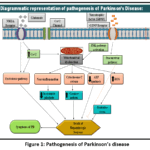 |
Figure 1: Pathogenesis of Parkinson’s disease
|
Current Conventional Treatments
The pharmaceutical treatment of the Parkinson’s disease is based on levodopa (L-DOPA), which the brain converts into dopamine. This therapy has a great effect on the motor symptoms, as it restores the amount of required dopamine. Nevertheless, in the course of the disease, L-DOPA may not be as effective and prolonged use may cause dyskinesias (uncontrollable movements) and motor irregularities.14Another group of drugs that are used to replicate the actions of dopamine is known as dopamine agonists and may be used either in combination with L-DOPA or as a primary treatment in younger patients (pramipexole and ropinirole).Others include Catechol-O-Methyl transferase (COMT) inhibitors that extend the effect of L-DOPA by blocking the metabolic process of L-DOPA and inhibitors of monoamine oxidase-B (MAO-B) which help to increase the level of dopamine by inhibiting its degradation.15 Even though they are effective, conventional treatments are very inadequate and not practical. As the disease progresses, L-DOPA therapy tends to cause motor swings and dyskinesias. Dopamine agonists lead to side effects such as hallucinations, sleep problem and impulse control disorder.16,17Also, the current medications do not halt the neurodegenerative process (Figure 2), and they do not slow the rate of the disease and its course over the long run, thereby leading to the decreasing returns in symptom management and quality-of-life.18,19
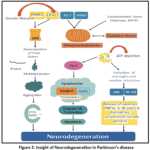 |
Figure 2: Insight of Neurodegeneration in Parkinson’s disease
|
Herbal Plants in Parkinson’s Disease Research
A multidisciplinary approach would be phytochemical analysis, and in vitro screening, along with relevant in vivo animal models and clinical trials to determine the curative value of herbal plants in Parkinson disease (PD). Plant materials are first collected, then authenticated via botanical means, and extracted using suitable solvents, including ethanol, methanol, chloroform and water to extract vital bioactive constituents.20 Subsequently, phytochemical profiling is conducted by applying such sophisticated techniques such as gas chromatography-mass spectrometry (GC-MS), liquid chromatography-mass spectrometry (LC-MS), and high-performance liquid chromatography (HPLC)to define the major alkaloids, flavonoids, terpenoids, and polyphenols that are involved in neuroprotection.21Monoamine oxidase-B (MAO-B) activity inhibition and free radical scavenging are often used in vitro methods to assess antioxidant and anti-Parkinson capabilities.22Subsequently neuroprotective, dopaminergic and the motor restoration of the neurotoxin-induced models are tested in preclinical models named as 1-methyl-4-phenyl-1,2,3,6-tetrahydropyridine (MPTP) and 6-hydroxydopamine (6-OHDA) models.23Rotarod, open field and pole tests are behavioral tests that are used to assess the improvements in locomotor activity and coordination. Also, the effectiveness of neuroprotection is verified by biochemical assays like dopamine levels in the striatum, analysis of oxidative stress levels, and immunohistochemical evidence of tyrosine hydroxylase (TH)-positive neurons.24 Herbal promising candidates that include Mucuna pruriens (a natural source of levodopa), Withania somnifera(Ashwagandha), and Ginkgo biloba have undergone system and human trials where randomized controlled designs are used to determine efficacy, safety, dosage, and tolerability in PD patients.25,26 The combination of this methodology has made sure that traditional knowledge has been translated into evidence-based therapeutics in managing the varied aspect of Parkinson’s disease (Table 1 and Table 2).
Table 1: List of selected potential drugs for treatment of neurodegenerative diseases
|
Sr. No. |
Common Name | Taxonomical Name | Plant Part Used | Active Constituents | Uses |
| 1. | Maidenhair tree | Ginkgo biloba | Leaves | Rutin |
Dementia, increase memory |
|
2. |
Rosemary | Salvia rosmarinus | Leaves | Rosmarinic acid |
Antiviral, anti-inflammatory |
|
3. |
Turmeric | Curcuma longa | Rhizomes | Curcumin |
Anticancer, antidiabetic, neuroprotective |
|
4. |
Ginseng | Panax ginseng | Roots | 20(s)-protopanaxadiol |
Stroke, PD, and AD |
|
5. |
Brahmi | Bacopamonnieri | Whole plant | Betulinic acid |
Rheumatism, epilepsy, insomnia, nerve tonic |
|
6. |
Shankhpushpi | Convolvulus pluricaulis | Whole plant | Flavonol |
Memory-boosting and nootropic activities, stress reduction, anxiety |
|
7. |
Gotu kola | Centella asiatica | Leaves/Whole plant | Asiatic acid | Improve memoy, neuroprotection, antioxidant, AD |
| 8. | Ginger | Zingiber officinale | Rhizomes | Gingerols, |
Enhance congestive functions in AD. |
|
9. |
Garlic | Allium sativum | Bulbs | Allicin | Antioxidant memory, neuroprotection, AD treatment, |
| 10. | Sweet orange | Citrus sinensis | Fruit peel | Quercetin |
Antioxidant, antiviral, anticancer, anti-inflammatory |
|
11. |
Green tea | Camellia sinensis | Leaves | Epigallocatechin-3-gallate |
Antioxidant, anticancer, treatment of AD and ND |
|
12. |
Chinese goldthread | Coptis chinensis | Rhizomes | Berberine | Anti-oxidant, improve memory |
| 13. | Grapevine | Vitis vinifera | Fruits/Seeds | Resveratrol |
Anticancer, anti inflammatory |
|
14. |
Toothed club moss | Huperziaserrata | Whole plant | Huperzine A | Improve memory, AChEinibitiors |
| 15. | Cassiae semen | Cassia obtusifolia | Seeds | Auranthio-obtusin |
Mediates loss of dopaminergic neuron |
|
16 |
Polygala
(Yuan Zhi/Senega Root) |
Polygala tenuifolia | Roots | Xanthones |
Neuroprotective effect |
Table 2: List of selected potential drugs for treatment of neurodegenerative diseases
|
Sr. No. |
Common Name | Taxonomical Name | Plant Part Used | Active Constituents | Uses |
| 1. | Velvet bean | Mucuna pruriens | Seeds | Flavonoids |
Neurological disorders |
|
2. |
Creeping blepharis | Blepharismaderaspatensis | Whole plant | Steroids –Gomisin D |
Anti hyperlipidaemic, anti-atherogenic |
|
3. |
Smilax spp. | Smilax perfoliata | Roots | Rutin | Improved motor control and oxidative stress |
|
4. |
Smilax spp. | Smilax zeylanica | Roots | · β-sitosterol |
· Antimicrobial, antifungal, analgesic, and antioxidant |
| 5.
|
Psyllium husk/Isabgol | Plantago ovate | Seeds/Husk | Cyano genetic gylcocydes –Linamarin |
Constipation, chronic diarrhea and dysentery |
|
6. |
Licorice | Glycyrrhizaglabra | Roots | Glycyrrhetic acid | Antiviral effect, anti-inflammatory effect, antitumor effect. |
| 7. | Danshen | Salvia miltiorrhiza | Roots | Salvianolic acid |
Hepatic protection, antioxidant, anti-tumor, immune regulation |
|
8. |
Lemon balm | Melissa officinalis | Leaves | Geranial | Anxiety, neurosis and nervous excitability, palpitation |
| 9. | Black seed | Nigella sativa | Seeds | Thymoquinone, Nigellone |
Neuroprotective, anti-inflammatory |
|
10. |
Saffron | Crocus sativus | Stigmas | Crocin, Safranal | Antioxidant, mood enhancement |
| 11. | Black pepper | Piper nigrum | Fruits | Piperine |
Enhances absorption of other herbs, antioxidant |
|
12. |
Golden root | Rhodiola rosea | Roots/Rhizomes | Rosavins | Cognitive enhancement, adaptogen |
| 13. | Sage | Salvia officinalis | Leaves | Rosmarinic Acid |
Cognitive enhancement, antioxidant |
|
14. |
Velerian root | Valeriana officinalis | Roots/Rhizomes | Valerenic Acid | Muscle relaxation, sleep support |
| 15. | St. John’s Wort | Hypericum perforatum | Flowers | Hyperformin
|
Mood enhancement, neuroprotective |
|
16. |
Ashwagandha | Withania somnifera | Roots | Withanolides |
Reduces stress |
Potential Herbs for the Treatment of Parkinson’s Disease
Maidenhair tree (Ginkgo biloba)
Ginkgo biloba is a famous herb since it is rich in bioactive chemicals particularly flavonoids, has medicinal potential and terpenoids. Quercetin and kaempferol are examples of flavonoids with high anti-inflammatory and antioxidant properties.27Terpenoids are ginkgolides and bilobalides, which help the herb to enhance cerebral blood circulation and shield the neuronal cells against oxidative injury.28Numerous researches were conducted on the potential advantages of Ginkgo biloba in Parkinson. Many clinical trials have evaluated its efficacy in the cognitive performance and motor symptoms.29Studies have shown that Ginkgo biloba has been linked to improvements in dementia symptoms and cognitive functioning in Parkinson’s disease patients. According to a meta-analysis, patients with neurodegenerative illnesses had a significant improvement in both cognitive quality of life and neurological functionality when using Ginkgo biloba extract.30The action mechanism of Ginkgo biloba is to improve the microcirculation of the brain, decrease the oxidative stress and modulate neurotransmitters systems. It has been shown that it is capable of reducing motor symptoms and the general functioning of Parkinson’s disease, although with inconsistent results with some studies showing moderate effects.31 Altogether, Ginkgo biloba has potential as a complement therapy to cope with cognitive and motor symptoms of PD.32
Rosemary (Salvia rosmarinus)
Salvia rosmarinus(rosemary) is a medicinal and aromatic plant with bioactive compounds, including rosmarinic and carnosic acids. These compounds have potent anti-inflammatory and antioxidant activities to promote the neuroprotective effects of rosemary. In particular, carnosic acid has been shown to prevent neuronal cell death caused by inflammation and oxidative stress.33Neuroprotective and cognitive enhancing effects of rosemary have already been demonstrated in several studies.Anti oxidative carnosic acid and rosmarinic acid protect brain tissue against oxidative damage and alleviate neuroinflammation. It has been demonstrated that rosemary extract is capable of improving neurodegenerative illness models in animals by improving mental performance and reducing oxidative stress.34It has also been demonstrated that rosemary has potential benefits to alleviate cognitive functioning and mood in humans. In a study, it was also discovered that rosemary essential oil had beneficial effects on the mood and mental functioning of healthy individuals.35
Turmeric (Curcuma longa)
Curcumin, the active component of the spice named turmeric (Curcuma longa), is a herb possessing anti-inflammatory, antioxidant and neuroprotective properties.Its possible advantages in neurodegenerative diseases including Parkinson’s have been the subject of extensive research. 36It lessens oxidative stress and neutralizes reactive oxygen species (ROS), which is a significant contributing element to Parkinson’s disease development. Furthermore, pro-inflammatory cytokines and enzymes including NF-kB and COX-2 are inhibited by curcumin, reducing neuroinflammation.37Curcumin had also been reported in human studies to improve motor symptoms in patients. Experimental studies showed that curcumin supplementation resulted in notable reductions in motor symptoms and overall life satisfaction. However, the bioavailability of curcumin is a concern, as it is poorly absorbed when taken orally. Researchers are investigating different delivery systems and formulations to increase its effectiveness.38
Ginseng (Panax ginseng)
Panax ginseng contains ginsenosides, which are the primary bioactive substances responsible for its majority of therapeutic actions. It has been demonstrated that ginsenosides have neuroprotective, anti-inflammatory, and antioxidant qualities. They help enhance dopamine production and protect neurons from oxidative damage.39 Number of studies on Panax ginseng impact on Parkinson’s disease motor and cognitive symptoms have been conducted in the previous years. Research indicates that ginsenosides can improve motor function and cognitive performance by enhancing dopamine levels and protecting dopaminergic neurons from neurotoxic damage. It has been demonstrated that consuming its supplement can considerably lower motor symptoms, including tremors and rigidity. Apart from its effects on motor function, Panax ginseng has been demonstrated to enhance cognitive performance and reduce fatigue in patients suffering from Parkinson. A study reported that ginseng supplementation led to improved cognitive function and better management of motor symptoms. However, more thorough clinical trials are required to confirm its safety and effectiveness in the treatment of Parkinson’s disease.40
Brahmi (Bacopamonnieri)
Bacopamonniera which is also known as Brahmi in the traditional Indian system of medicine has been a recognized natural nootropic with cognition enhancing and neuroprotective potentials. A pilot study evaluated the impact of Bacopamonnieri extract in which 20 subjects were randomized to receive either placebo in this double blind, placebo-controlled, cross-over trial or Bacopamonneri extract in the doses of 225 mg or 450 mg daily for 90 days.41 The study employed the Parkinson’s Disease Quality of Life (PDQL) instrument and Motor Activity Log at baseline and 30, 60, and 90 days post-treatment.Results revealed that 450 mg daily dose-based emotional function improvements dependent on time.However, there were no meaningful changes in systemic symptoms, or social function between the intervention and placebo groups investigated neuroprotection and neurorescue property of Bacopamonneri extract in the MPTP (1-methyl-4-phenyl-1,2,3,6-tetrahydropyridine)- induced Parkinson’s disease mouse model.42 Mice were treated with Bacopamonnieri extract (40 mg/kg b.w.) prior to (neuroprotective) and following (neuro rescue) MPTP injection.The treatment resulted in significant improvements in behavioral parameters, dopamine levels, and reductions in oxidative stress markers.Both pre- and post-treatment with the extract demonstrated protective effects on dopaminergic neurons, with pretreatment showing more pronounced benefits.In silico analysis suggested that Bacopamonnieri constituents might inhibit monoamine oxidase B, potentially preventing the transformation of MPTP to the toxic metabolite MPP +. These findings indicate that Bacopamonnieri extract may offer neuroprotective effects in Parkinson’s disease models.43
Shankhpushpi (Convolvulus pluricaulis)
Shankhpushpi (Convolvulus pluricaulis) is a highly prominent Ayurvedic plant, which has traditionally been used as a memory-enhancer and as a brain tonic. Recent science studies provided insight into its neuroprotective properties with the hope that it can be used to treat neurodegenerative diseases, including Parkinson.44 There are significant compounds that are identified as scopoletin, kaempferol, quercetin, 4-hydroxycinnamic acid and ayapanin. These bioactive compounds have been reported to react with molecular targets that are linked with the growth, survival and function of neurons, and thus provide neuroprotective effects that can be applicable in dealing with Parkinson diseases. The neuroprotective effect of C. pluricaulis has been proved in several studies. As an example, its extract has been demonstrated to have considerable neuroprotective activity, which confirms its use in neuroprotection.45Besides, the herb has been found to have antioxidative stress properties that protect neuronal cells against cell damage, which has further confirmed its use in neuroprotection.46
Gotu kola (Centellaasiatica)
Centellaasiatica (L.) Urban, commonly known as Gotu Kola or Indian Pennywort has been traditionally applied in various medical systems for example Ayurveda, and Unani and Thai medicine and also in traditional Chinese medicine , as a herb with possible cognitive-enhancing and neuroprotective effects. The triterpenoids, asiaticoside and asiatic acid are some of the active compounds in Gotu kola that have showed neuroprotective effects in preclinical studies. These substances have been demonstrated to alleviate oxidative stress, lower levels of β-amyloid, prevent apoptosis and enhance mitochondrial health which are all favourable to neuronal survival.47Although there is little direct clinical evidence to support the use of Gotu kola in the treatment of PD, its neuroprotective effects are suggestive of its use. A brief survey pointed out that Gotu kola would be a suitable substitute medicine in a neurological illness by its nature, especially the Parkinson’s disease due to its anti-inflammatory and antioxidant effects, amelioration of mitochondrial defects, and elevation of brain-derived neurotrophic factors.48 A clinical trial was conducted to assess the efficacy of Gotu kola extract in two doses, 750 mg and 1000 mg per day, on cognitive function in subjects with vascular cognitive impairment.Gotu kola extract treatment also improved vascular cognitive impairment after cerebral ischemia/reperfusion injury and the result of memory domains were significantly improved.49
Ginger (Zingiberofficinale)
Ginger (Zingiberofficinale) is a common spice and medicine herb with bioactive compounds which include 6-gingerol and 6-shogaol which have high antioxidant and anti-inflammatory properties.50 The possible neuroprotective activity of ginger has been investigated recently, especially in relation to neurodegenerative disorders, such as Parkinson’s disease (PD). New evidence implies that ginger and its active constituents can provide neuroprotection in PD with remarkable anti-inflammatory and antioxidant actions. Ginger bioactive compounds have the potential to regulate cell survival and cell death signaling pathways to enhance the neurological symptoms and conditions by suppressing inflammation and oxidative stress.51Dopaminergic Cell Protection 6-Shogaol, a major constituent in ginger provide immunity to dopaminergic neurons against toxins such as MPP + and MPTP in experimental animals and potentially could prevent neuronal damage in PD. 52In the animal literature, ginger extract demonstrated cognitive-improving activities and neuroprotective properties, which may involve an increase in the brain-derived neurotrophic factor (BDNF) and neurotransmitter regulation. Moreover, the authors have indicated that additional factors in the environment, including the position of childcare facilities relative to the school, contribute to higher absenteeism rates.53
Garlic (Allium sativum)
Garlic (Allium sativum) is a popular cooking herb, which has been highly researched with a broad range of health benefits, such as cardiovascular protection, immune boosting, and possible anticancer action.54Although these are the most recognized areas, there are studies with indications that garlic can possess neuroprotective effects that can be applied in neurological diseases like Parkinson’s disease (PD). There is a progressive deterioration of dopaminergic neurons in Parkinson, the role of which in the pathogenesis of the disease is played by oxidative stress. Garlic has compounds that have sulfur, including allicin which is a powerful antioxidant. Another similar factor in the Parkinson’s disease is chronic neuroinflammation that may prevent the loss of neurons and prevent the development of the disease.55 Garlic contains anti-inflammatory constituents, such as diallyl disulfide and s-allyl cysteine that have been demonstrated to regulate inflammatory signaling and decrease neuroinflammation.56Garlic can reduce inflammation, thus it might preserve neuronal function and has the ability to delay the progression of the disease.Garlic is proved to enhance the health of the heart by lowering blood pressure, improving cholesterol levels, and stimulating blood circulation.57
Sweet orange; hesperidin, naringin (Citrus sinensis)
Citrus fruits, (Citrus sinensis) including lemons, limes, and grapefruits are abundant sources of bioactive compounds, including flavonoids, vitamins, and antioxidants. Direct evidence of citrus fruits for specific treatment of Parkinson disease (PD) is missing, but the fruits are rich in vitamin C and other flavonoids that are potent antioxidants and can help to counteract some factors that lead to the progression of PD. Antioxidants aid in countering free radicals and in alleviating oxidative strain, which is believed to contribute to neurodegeneration in the case of Parkinson disease.58Citrus fruits have a potential to provide a protective effect against PD progression by apoptosis through diminishing oxidative damage of neurons.59Citrus flavanoids, hesperidin and naringenin, have been reported in some studies to have neuroprotective action. These compounds can aid brain survival by alleviating oxidative stress and inflammation which could delay neurodegeneration in PD. Nonetheless, the mechanisms and their possible therapeutic uses remain to be explored further in the future.Some recent studies have pointed at the beneficial effects of flavonoid-rich diets to the health of the brain. One of the large-scale observational studies concluded that the intake of foods rich in flavonoid like berries and tea lowers the risk of developing dementia and may have an effect on neurodegenerative diseases such as PD.60Citrus fruits contain low calorie levels, high fiber content, vitamins, and essential minerals, which explains why they are a useful dietary supplement to a balanced diet. The diet rich in nutrients including antioxidants, vitamins, and minerals is very critical in ensuring the brain health, preclude the decline in cognition and other risks of brain diseases associated with aging.61
Green tea (Camellia sinensis)
Green tea is a common beverage produced from Camellia sinensis which has been researched on its possible health effects, its effects on neurodegenerative diseases like Parkinson. The green tea is rich in numerous bioactive substances, the most significant ones being catechins especially the epigallocatechin gallate (EGCG). Green tea possess good range of polyphenols and especially catechins which contain antioxidants. Antioxidants are known to counteract the effects of the free radicals which are molecules capable of damaging cells when subjected to oxidative stress, and the antioxidant properties of green tea have the potential of having neuroprotective effects in Parkinson’s disease development and progression.62Certain researches indicate that green tea can have moderate anti-inflammatory effect. Chronic inflammation has been linked with neurodegenerative illnesses, and suppressing inflammation could have a role to play in safeguarding neuron survival and delaying neurodegeneration in the dopaminergic neurons.63Animal research has explored the possibility of neuroprotective effect of green tea constituents and specifically EGCG against dopaminergic neurons.64 The neuroprotective effects of the green tea extracts have been demonstrated to alter the state of proteins in the brain, one of which is alpha-synuclein. Parkinson’s disease is characterized by an abnormal deposition of alpha-synuclein, and the inhibition of its aggregation can be helpful.65
Chinese goldthread (Coptischinensis)
Coptis chinesis(Chinese goldthread) is named as male herb in old Chinese Medicine and is considered as a powerful anti-inflammatory and antimicrobial agent.66However, there is scanty scientific evidence for its efficacy in Parkinson’s disease (PD).The efficacy of Chinese herbal medicine (CHM) as an adjunctive treatment of PD patients might have clinical efficacy and safety, which are evaluated using a meta-analysis; however, additional high-quality research is required to confirm such results. PD can be treated mainly by medications (levodopa, dopamine agonists, and MAO-B inhibitors), physical therapy, and, in some situations, surgery.67Although potential herbal remedies are studied to prove their potential in controlling the PD symptoms or to contribute to the overall health, it is essential to consider these treatments with care and consult with healthcare specialists. Herbal remedies can be very effective and safe, but they can be dependent or in few cases reactive to other drugs.68
Grapevine (Vitisvinifera)
Compounds obtained through grapevine have been widely researched with regard to their antioxidant and neuroprotective effects, especially grape seed extract, and resveratrol. The compounds have great antioxidant activity, which is higher than that of commonly recognized antioxidants, such as vitamins C and E, and 2-carotene.69,70 Studies have also shown that grape seed extract is capable of inhibiting memory impairment in animal study through improving the functionality of cholinergic neurons and minimizing the stress levels of oxidative stress in the hippocampus. Also, resveratrol, a polyphenol that is present in grape peels in abundance, has been linked with neuroprotective events, possibly because of its anti-oxidant and anti-inflammatory effect. These are good news though not directly proven, the use of grapevine extracts as a specific means of treating Parkinson’s diseases is not supported by direct data.71
Toothed club moss(Huperziaserrata)
Another alkaloid found in the club moss Huperziaserratais known as Huperzine A and this substance has been shown to inhibit acetylcholinesterase, and therefore stimulating the amount of acetylcholine in the brain. The inquiries have so far been inconclusive and primarily have been focused on possible therapeutic effects for Alzheimer disease. According to clinical evidence, no considerable investigation supports the application of huperzine A in the domain of neurodegenerative diseases, only slight side effects like nausea, vomiting, and diarrhea have been reported in a limited number of preclinical studies.72Regarding its safety parameters it is relatively well-tolerated but could potentially have mild cholinergic side effects including nausea. In brief, huperzine A is not recommended in pregnancy or lactation because there is no adequate data regarding its effectiveness and safety.73Moreover, when taking huperzine Acaution should be exercised when taking other acetylcholinesterase inhibitors or other cholinergic drugs because of its additive effects, and when taking medications that slow the heart rate such as beta-blockers.
Cassiae semen (Cassia obtusifolia)
Cassia obtusifolia is a popular herb that has been widely used in herbal therapy to treat various diseases since time immemorial. Scientists have recently examined its possible neuroprotective properties, especially in relation to Parkinson’s disease .In a 2010 study, scientists examined the effects of Cassia obtusifolia seed extract (COE) on both in vivo and in vitro models of PD. COE reduced cell damage in PC12 cells effects in the striatum of rats and a 6-hydroxydopamine (6-OHDA) induced form of the disease in Parkinson via attenuating reactive oxygen species generation, inhibiting glutathione (GSH) depletion, blocking mitochondrial membrane potential (MMP) reduction, and blocking the activation of caspase-3.74COE also prevented the cytotoxicity of 1-methyl-4-phenylpyridinium (MPP +) and 6-OHDA in primary mouse mesencephalic dopaminergic neurons.In the mouse model of Parkinsonism after 1-methyl-4- phenyl-1, 2, 3 ,6-tetrahydropyridine (MPTP) was utilized in the disease production, the COE intervention enhances the motor activity and prevents the dopaminergic neuronal death of the substantia nigra and striatum.75 These results indicate that COE could have a neuroprotective effect in PD, which reduces oxidative stress and neuronal apoptosis.76
Yuan Zhi/Senega Root(Polygala tenuifolia)
Polygala tenuifolia, which is referred to as Yuan Zhi in traditional Chinese. In Chinese medicine has been studied for its potential neuroprotective effects, including applications related to Parkinson’s disease (PD). Recent research indicates that extracts from this plant and its active compounds may offer therapeutic benefits for neurodegenerative conditions. A study investigated the effects of WIN-1001Xa 20% ethanol extract derived from Polygala tenuifolia, Angelica tenuissima, and Dimocarpus longan on animal models of PD. WIN-1001X treatment improved the symptoms of Parkinsonism in 1-methyl-4-phenyl-1,2,3,6-tetra- hydropyridine- (MPTP-) induced mice. Rota-rod and pole tests revealed improvement in motor performance.Additionally,WIN-1001X prevented decrease of tyrosine hydroxylase activity in the substantia nigra and striatum regions critical for dopamine production. The study also noted that WIN-1001X enhanced autophagy a cellular recycling process suggesting a mechanism for its neuroprotective effects.77 The principal active compound on saponin B isolated from WIN-1001X, potently induces autophagosomes in human neuroblastoma cell lines.78The saponins of Polygala tenuifolia, e.g. tenuigenin, tenuifolin, have anti-dementia effect. They may decrease accumulation of β-amyloid, act as anti-oxidants, regulate neurotransmitters, enhance synaptic activity, have anti-inflammatory effects, inhibit neuronal apoptosis, and regulate autophagy.79
Velvet bean (Mucunapruriens)
Mucunapruriens or the velvety bean is a tropical leguminous plant of the family Fabaceae that is native to the continents of Africa and Asia. It has been traditionally employed in the treatment of diverse conditions including disorders of the nervous system, male sterility, and as an aphrodisiac in ayurvedic and other systems of traditional medicine.80One of the major factors contributing to increasing scientific attention is its richness in levodopa (L-DOPA), dopa synapse dopamine’s precursor. Levodopa is a widely used drug in Parkinson’s disease which is converted to dopamine in the brain.81Mucunapruriens comprises several other biologically active compounds such as alkaloids, flavonoids and sterols along with levodopa.A few reports that these molecules could have neuroprotective effects separate to levodopa by modulating the oxidative stress, which is involved in the development of neurodegenerative disorders such as Parkinson’s.82
Creeping blepharis (Blepharismaderaspatensis)
Blepharismaderaspatensis, an Acanthaceae family plant, has been traditionally used in different disease conditions. Notably, its seeds contain steroids, including gomisin D, that have been used to treat neurological conditions like Parkinson’s disease.83While traditional uses suggest potential benefits, scientific studies specifically investigating the efficacy of Blepharismaderaspatensis in Parkinson’s disease remains limited. However, related studies have explored the neuroprotective properties of this species. For instance, a recent investigation evaluated the neuroprotective effects of an ethanol extract of Blepharismaderaspatensis against a rat model of Alzheimer’s disease induced by colchicines.The results demonstrated a dose-dependent neuroprotective activity indicating potential therapeutic applications for neurodegenerative conditions.84Additionally, the plant has exhibited significant antioxidant activity, which is crucial in combating oxidative stress a contributing factor in neurodegenerative diseases. Phytochemical analyses shown that bioactive substances such as flavonoids, phenols, and terpenoids are present which may underlie these antioxidant properties.85
Smilax spp.(Smilax perfoliata)
Currently, there is no direct scientific evidence supporting the application of Smilax perfoliata in the therapy of the Parkinson’s disease.However, conventional medicine practices have utilized various species of the Smilax genus for neurological conditions. For instance, Smilax perfoliata roots have been traditionally used in the treatment of epilepsy, psychosis, nervous system disorders, and Parkinson.86,87While these traditional uses suggest potential neurological benefits, it’s important to note that such applications are based on anecdotal evidence rather than rigorous scientific studies. In contrast, other species like Smilax china have undergone scientific investigation. An ethanol-based bark extract from Smilax china demonstrated neuroprotective effects in wistar rat model of Parkinson’s disease caused by rotenone, showing improvements in motor function and reductions in oxidative stress.88
Smilax spp.(Smilax zeylanica)
Smilax zeylanica, a climbing shrub native to Asia, has been traditionally utilized in various medicinal systems for its therapeutic properties. While direct studies on its effects in Parkinson’s disease are limited, related studies and its known pharmacological activities suggest potential benefits in neurodegenerative conditions. Oxidative stress contributes greatly to the pathogenesis of neurodegenerative diseases like PD. Studies have demonstrated that extracts from Smilax zeylanica possess strong antioxidant activities. For instance, methanolic extracts of the plant have shown notable free radical scavenging abilities, which could help mitigate oxidative damage in neuronal cells.90Smilax china, has indicated immense neuroprotective effects in PD models. An ethanol-based bark extract from Smilax china was found to improve motor functions and reduce oxidative stress in a model of Parkinson’s disease in rats produced by rotenone. 91Given the phytochemical similarities between Smilax species, it’s plausible that Smilax zeylanica may offer comparable neuroprotective benefits. Traditionally, Smilax zeylanica has been employed to treat ailments such as rheumatism, skin diseases, and abscesses. Phytochemical analyses have identified compounds like flavonoids, saponins, and alkaloids,which have anti inflammatory effects and antioxidant activity.89These are indeed pertinent properties, as inflammation and oxidative stress play a central role in neurodegenerative processes, such as those occurring in PD.92
Psyllium husk/Isabgol (Plantago ovate)
Plantago ovata, commonly known as psyllium husk, has been studied for its potential benefits in managing Parkinson’s disease, particularly concerning gastrointestinal symptoms and the pharmacokinetics of levodopa, the primary medication used in treatment.The water-soluble fiber in Plantago ovata husk acts as a bulk-forming laxative, which can alleviate constipation by regulating bowel movements. This improvement in gastrointestinal function can increase the general standard of living for affected patients.93 Levodopa’s effectiveness can be influenced by its absorption rate, which is affected by gastrointestinal motility. Studies have explored the co-administration of Plantago ovata husk with levodopa/carbidopa therapy.Plantago ovata husk can lead to more stable levodopa plasma concentrations by reducing fluctuations. This stabilization may result in a more consistent therapeutic effect, potentially minimizing motor fluctuations in patients.94Experimental studies have shown that the addition of Plantago ovata husk can enhance the bioavailability of levodopa.95
Licorice (Glycyrrhizaglabra)
Glycyrrhizaglabra, commonly known as licorice root, has been investigated for its potential therapeutic effects in Parkinson’s disease (PD). Several studies have explored its neuroprotective properties and possible benefits for PD patients.Adjunct Therapy in PD Patients A double-blind, randomized study clinical trial assessed the efficacy of oral licorice administration as a supplement to PD sufferers’ treatment. Over six months, participants received either licorice syrup or a placebo. The study found significant increases in the results revealed that there were significant increases in the total the Unified Parkinson’s Disease Rating Scale (UPDRS) scores, activities of daily living, and tremor in the licorice group without serious adverse events. Notably, motor function and rigidity scores improved after four months of licorice intake. The licorice syrup possess 136 μg of polyphenols, 12.14 mg of glycyrrhizic acid, and 136 mg of licorice extract in 5 cc.96Neuroprotective mechanisms research has identified that liquiritigenin, a compound extracted from licorice root, can induce the expression of RNF146 protein. This protein helps remove excessively accumulated poly ADP-ribose (PAR) and associated modified proteins, thereby inhibiting dopaminergic neuronal cell death. The mechanism involves liquiritigenin binding to estrogen receptors, regulating transcription processes that protect.97In summary, both clinical and preclinical studies suggest that Glycyrrhizaglabra may offer neuroprotective benefits for individuals with Parkinson’s disease.98
Danshen (Salvia miltiorrhiza)
Salvia miltiorrhiza, also referred to as Danshen has been studied regarding its possible therapeutic benefits in Parkinson’s disease. Studies show that some of the compounds obtained out of this herb can have neuroprotective effects that can be applied in PD.This antioxidant from Salvia miltiorrhiza has revealed itself as having preventive effects to neuronal damage due to oxidative stress. One study established that significantly less reactive oxygen species (ROS) was generated by the production of salvianolic acid B and inhibited the occurrence of apoptosis in 6-hydroxydopamine exposure in human neuroblastoma SH-SY5Y cells, which is a neurotoxin used to mimic Parkinsonian disease.99This compound reduces the inhibition of cytochrome c and activity of caspase-3 transport to the cytoplasm and inhibition. These results suggest that salvianolic acid B, including PD, can be useful in treating oxidative stress-related neurodegenerative diseases. Salvia miltiorrhiza has been found to inhibit monoamine oxidase (MAO) enzymes involved in the breakdown of neurotransmitters such as dopamine with its lipophilic compounds like Tanshinone I. Both MAO-B and MAO-A inhibition are known to be effective therapeutic approaches to PD. Studies show potent suppression of MAO-A and moderate blockage of MAO-B in human beings and selective antagonist of muscarinic acetylcholine M4 receptor that can be used in managing motor dysfunction and depression in PD.100
Lemon balm (Melissa officinalis)
Lemon balm or Melissa officinalis has long been used because of its soothing properties and possible therapeutic value. According to recent discovery its antioxidant properties have the potential to provide neuroprotective effects, which is relevant to neurodegenerative diseases. Antioxidant properties and neuroprotection oxidative stress has a crucial role in the development of neurodegenerative diseases. It has been suggested that lemon balm has high antioxidant activity which can help to counteract oxidative stress. According to a review lemon balm infusion significantly improved the state of oxidative stress, which could lead to the possible use of longer-lasting results of that substance in treating diseases related to oxidative stress, including PD.101A study of the impact of Melissa officinalis extract on in the dentate gyrus in mice, neurogenesis and discovered that it had an effect on serum corticosterone and GABA, both of which are related to stress reactions and neuron health.102 Although these results are encouraging, there is not much direct clinical evidence in favor of the use of lemon balm as a specific agent against PD. Nonetheless, its possibility to alleviate oxidative stress and promote the wellbeing of neurons indicates that it may be used as a complementary medication in the treatment of PD symptoms.
Black seed (Nigella sativa)
Nigella sativa or black seed and its active ingredient thymoquinone (TQ) have been studied for its neuroprotective action in PD. Research has shown that TQ can prevent toxins such as 6-hydroxydopamine (6-OHDA) toxin on dopaminergic neurons by alleviating the effects of oxidative stress and maintaining neuronal integrity. TQ administration in a rat model led to a considerable enhancement of the motor behavior and neuronal functions.TQ has been found to inhibit the response of the central nervous system of the body, microglial cell which are the major immune cells in the central nervous system. TQ can suppress pro-inflammatory cytokines and pathways and thus decrease inflammation-induced neuronal damage.103Although promising in preclinical studies, little clinical evidence has been identified on the effectiveness of Nigella sativa and thymoquinone in PD patients. Further investigation and serious clinical trials should be integrated so as to determine their potential therapeutic use and safety in humans. Nigella sativa and its potent compound thymoquinone have properties with the potential to provide neuroprotection in models of Parkinson disease.104
Saffron (Crocus sativus)
The herb saffron (Crocus sativus) has been extensively studied on account of its neuroprotective effects against Parkinson’s disease. Saffron has the primary bioactive constituents in the form of crocin, crocetin and safranal that have the potential to be used in the management of PD.105Oxidative stress happens to be a significant factor that leads to the degeneration of the dopaminergic neurons in PD. Crocin and crocetina high potency antioxidant effect have been determined, and this is capable of reducing the oxidative damage of neuronal tissues.It has been observed that the chemicals reduce the oxidative stress and catalase (CAT) through boosting the activity of antioxidant enzymes such as superoxide dismutase (SOD), and thus the ones that are compromised and on their last leg are kept from being damaged by the aggregates of the protein α-synuclein.106Among others, the aggregates of the protein α-synuclein are signs of the pathology of PD. Experimental studies have proved that saffron and its components can prevent the aggregation and dissociation of its fibrils. A significant positive effect on motor functions and lifespan of a Drosophila model system over expressing mutant α-synuclein with saffron or crocetin dietary supplementation demonstrated that the supplement has the potential to prevent toxicity caused by α-synuclein.107
Black pepper (Piper nigrum)
Piper nigrum (black pepper) is a vital source of the bioactive compound, piperine, which has been studied with respect to its possible neuroprotective activity in Parkinson’s disease (PD).MAO-B is an enzyme that decomposes dopamine, a neurotransmitter that is deficient in the patients of PD. The levels of dopamine may be increased using MAO-B inhibition. Piperine and its derivatives have been shown to be selective inhibitors of the activity of the MAO-B and hence could be used therapeutically in PD.108Oxidative stress and inflammation in PD is caused by dopaminergic neuron degeneration. Piperine has been shown to possess antioxidant properties since it reduced the signs of oxidative stress and enhanced the action of antioxidant enzymes. In addition, it also suppresses cytokines that cause inflammation, which are anti-inflammatory, and as such, could prevent the inflammatory damage to neurons.109 Dysfunctional autophagy, cell dismantling, has been associated with the pathology of PD. Piperine has been reported to induce autophagy through activation of protein phosphatase 2A (PP2A) which leads to an inhibition of mTORC1 pathway. This activation effect induces the facilitation of the clearance of damaged mitochondria and proteins which could lead to alleviation of neurodegeneration associated with PD.110
Golden root (Rhodiolarosea)
Golden root is a herb also named as Rhodiolarosea a traditional adaptability promoter that aims at enhancing physical and mental strength.111 Recent research has investigated its possible use in neuroprotective Parkinson’s disease. Neuroprotective effects and studies on Rhodiolarosea for the treatment of neurodegeneration have been conducted.112One of the studies was on its effects on neurotoxicity (PD-induced by MPTP) in rats. However, it can be successfully applied to the treatment of stress-related symptoms the patients of PD possess due to its adaptogenic nature as well. Rhodiolarosea posess proven neuroprotective properties in the preclinical diseases of CNS such as Parkinson.113
Sage (Salvia officinalis)
Sage or Salvia officinalis is not new in terms of medicine and, perhaps, its impact on cognitive performance has been well demonstrated. Its effects in Parkinson’s disease have also been subject of recent research with its neuroprotective and cognitive-promoting effects having potential to help in survival of dopaminergic neurons against oxidative stress and inflammation, both of which are major contributors to PD progression.114Sage has been reported to exert antioxidant and anti-inflammatory actions which may be relevant in the protection of dopaminergic neurons from oxidative stress and inflammation which are two of the most significant factors in the progression. The findings showed that the extract can help in lowering neurodegeneration and improving motor behavior in the rats.115Cognitive impairment is a very common problem amongst individuals with Parkinson disease. A pilot clinical experiment was aimed at establishing the effects of Salvia officinalis on PD patients. The scholars found out that salvia supplementation was associated with improved memory and attention, and it implies that the agent may be employed as a cognitive enhancer in PD.116
Velerian root (Valerianaofficinalis)
Valerian root or Valerianaofficinalis has been utilized for some time as a sedative and anxiolytic. In respect of sleep disturbances and neuroprotection, recent literature has explored the way it can prove especially in the management of Parkinson’s disease. Valerian was used in traditional medicine to treat sleep disorders and anxiety, a fact sheet by National Center of Complementary and Integrative Health (NCCIH).Still, evidence for its effectiveness in people with PD is scant and further studies are needed to prove its potential in this regard.117 The Neurochemical Research article tested whether its extract had cytoprotective effect on an in vitro experimental model of Parkinson’s disease. Those results revealed that the extract possessed neuroprotective properties and this means that it can be utilized to produce cytoprotective therapy in PD.118
St. John’s Wort(Hypericumperforatum)
Hypericumperforatum contains neuroprotective effect on preclinical models of Parkinson disease, owing to its antioxidant property.Hypericumperforatum also referred to as St. Johns Wort is a unique plant that has been used in healing process traditionally as an antidepressant. The evidence of its potential benefit in the management of Parkinson’s disease has been examined in the recent studies, including the effects of its neuroprotective activity. The authors conducted a research study on the action of a hydroalcoholic extract of Hypericumperforatum in a rat model of PD induced by 6-hydroxydopamine in a research article published in Molecular and Cellular Neurobiology. The results indicated that the extract was capable of reducing motor impairment and impacted neuroprotectivity that revealed its potential usage as PD treatment.119The active compounds of Hypericumperforatum may prevent the incidence of oxidative stress by the effects of their active compounds including hyperforin and quercetin. In addition, it has been demonstrated to inhibit the lowering of the astrocyte activation and monoamine oxidase-B (MAO-B) activity in the striatum, which is another confirmation of its potential benefits as a treatment methodology of PD.120
Ashwagandha (Withaniasomnifera)
Aswagandha, or Withaniasomnifera is a substance containing ashwagandolides as the primary active compounds which generate its curative effects. It has been found that withinolides have antioxidant and anti-inflammatory properties as well as neuro protecting properties. They help in alleviating the oxidative stress and keeping the neuronal cells in a healthy state.121Ashwagandha has also demonstrated a significant level of neuroprotection on the models of the Parkinson’s disease. It was found that it can raise dopamine levels, reduce oxidative stress and improve neuronal survival. The clinical evidence has also suggested that Ashwagandha extract can reverse motor impairment and motor coordination in animals with Parkinson’s disease.122The clinical studies have also suggested that Ashwagandha extract can also take part in enhancing the overall wellbeing of patients with neurodegenerative diseases as well as improving their cognitive performance. Ashwagandha supplementation has been seen to be beneficial in improving cognitive functioning in a study done on patients with mild impaired cognitive disorder and also reducing stress levels.123These findings contribute to the fact that it may be a potentially adjunctive treatment option to Parkinson’s disease but further clinical trials are required to establish its effectiveness in human patients.124
Future Directions and Research Needs
Herbal medicine is a discipline that is constantly developing at a tremendous peace and is characterized by consistent research and innovations that provide novel opportunities in the treatment of Parkinson’s disease. Numerous emerging trends and innovative research directions are shaping the future of herbal treatments:
Advanced Formulations: The innovations in herbal medicine also involve development of complex compositions in order to enhance bioavailability and effectiveness of the herbal compounds. Nano-formation methods such as are being researched to increase absorption and targeted delivery of various herbal components e.g., curcumin and ginsenosides (Figure 3). The development of these advances seeks to overcome the drawbacks of the conventional herbal preparations, and realize greater therapeutic potential.125
Combination Therapies: Research is increasingly focusing on combination therapies that integrate herbal remedies with conventional treatments. Studies are exploring how herbal supplements can synergistically work with standard PD medications to increase efficacy and minimize side effects. This approach aims to create more holistic and personalized treatment regimens.126
Pharmacogenomics: Emerging trends in pharmacogenomics are being applied to herbal medicine. This field examines how genetic variations affect individual responses to herbal treatments. By tailoring herbal therapies based on genetic profiles, researchers hope to improve treatment outcomes and minimize adverse effects.127
Mechanistic Insights: New research is uncovering the mechanistic pathways through which herbal compounds exert their effects. Advances in molecular biology and biochemistry are providing deeper insights into how herbs like Ginkgo biloba and Ashwagandha influence neurotransmitter systems, oxidative stress, and neuroinflammation. Understanding these mechanisms can help refine herbal treatments and identify new therapeutic targets.128
Discussion
Herbal plants have proven to be promising natural therapeutics for the management of Parkinson’s disease because of their pleotropic neuroprotective effect and relatively lower adverse effects than conventional treatments. Oxidative stress, mitochondrial dysfunction, neuroinflammation, α-synuclein aggregation, and progressive degeneration of dopaminergic neurons in the substantia nigra are the mechanisms responsible for the pathogenesis of PD. Many medicinal plants like Ginkgo biloba, Curcuma longa, Withaniasomnifera, Mucunapruriens, Bacopamonnieri, and Camellia sinensis are rich in bioactive phytochemicals including flavonoids, alkaloids, phenolics, terpenoids and sulfur containing compounds that have antioxidant, anti-inflammatory, antiapoptotic, and mitochondrial protection properties. These phytoconstituents possess antioxidant properties, attenuate inflammatory cytokines, boost endogenous antioxidant mechanisms, and facilitate dopaminergic transmission, which decreases neuronal damage and restores behavioral deficits in experimental models of Parkinson’s disease. Epigallocatechin gallate, curcumin, withanolides, bacosides and levodopa from Mucunaprurienshave been demonstrated to possess substantial neuroprotective effects by interfering with the molecular signaling pathways and by inhibiting the aggregation of α-synuclein. Also, sulfur-containing compounds such as diallyl disulfide from garlic, showed protective effects against oxidative and inflammatory injury in the neurons. While the therapeutic potential of herbal medicines has been established by numerous in vitro and in vivo studies, the majority of these studies have been conducted in the laboratory, and factors which include low bioavailability, poor standardization and a lack of clinical trials have hindered the clinical use of these herbs. Herbal plants are a potentially useful complementary approach to Parkinson’s disease management, but more carefully designed clinical studies are utmost needed to establish their long-term safety and efficacy.
Conclusion
Herbal plants represent a promising adjunctive approach for the management of Parkinson’s disease because of their antioxidant, anti-inflammatory, neuroprotective, and neuromodulatory properties. Herbal treatment, together with standard therapy of Parkinson’s disease, may be more holistic means of treating the ailment, yet it is important to pay close attention to both clinical and patient-specific considerations. Traditional medicinal plants such as Ginkgo biloba, Withaniasomnifera, and Panax ginseng have demonstrated encouraging therapeutic potential in experimental and preclinical studies. However, despite these promising findings, the majority of current evidence is derived from in vitro and animal studies, with limited large-scale clinical validation in humans. Furthermore, issues related to safety, toxicity, standardization, herb–drug interactions, pharmacokinetics, and long-term efficacy remain insufficiently explored. Therefore, additional randomized controlled clinical trials and mechanistic investigations are necessary to establish the safety, efficacy, and clinical applicability of herbal therapies in Parkinson’s disease management. A better understanding of these medicinal plants may contribute to the development of safer and more effective complementary therapeutic strategies for Parkinson’s disease.
Acknowledgment
We heartlythank the faculty from MM College of Pharmacy, Maharishi Markandeshwar (Deemed to be University), Mullana, Ambala, Haryana, and Ch. Devi Lal College of Pharmacy, Bhagwangarh, Jagadhri, Haryana for their constant guidance, advice, mentorship and assistance with the literature search strategies.
Funding Sources
The author(s) received no financial support for the research, authorship, and/or publication of this article.
Conflict of Interest
The authors do not have any conflict of interest.
Data Availability Statement
This statement does not apply to this article.
Ethics Statement
This research did not involve human participants, animal subjects, or any material that requires ethical approval.
Informed Consent Statement
This study did not involve human participants, and therefore, informed consent was not required.
Clinical Trial Registration
This research does not involve any clinical trials.
Permission to reproduce material from other sources
Not Applicable
Author Contributions
- Ritu: Conceptualization, Methodology, Writing – Original Draft.
- Manish Kumar: Data Collection, Analysis, Writing – Review & Editing.
- Sumeet Gupta : Visualization, Supervision, Project Administration.
- Manisha Bhatia : Funding Acquisition, Resources, Supervision.
References
- Kalia LV, Lang AE. Parkinson’s disease. Lancet. 2015;386 (9996):896-912. doi:10.1016/S0140-6736(14)61393-3.
CrossRef - Poewe W, Seppi K, Tanner CM,et al . Parkinson disease. Nat Rev Dis Primers. 2017;3(1):17013. doi:10.1038/nrdp.2017.13.
CrossRef - Ayaz M, Sadiq A, Junaid M, Ullah F, Ovais M, Ahmed J. Neuroprotective and anti-aging potentials of essential oils from aromatic and medicinal plants. Front Aging Neurosci. 2019;11:168. doi:10.3389/fnagi.2019.00168.
CrossRef - Schapira AHV, Jenner P. Etiology and pathogenesis of Parkinson’s disease. MovDisord. 2011;26(6):1049-1055. doi:10.1002/mds.23732.
CrossRef - Singh N, Bhalla M, de Jager P, Gilca M. An overview on Ashwagandha: A Rasayana (rejuvenator) of Ayurveda. Afr J Tradit Complement Altern Med. 2011;8(5 Suppl):208-213.
CrossRef - Manyam BV. An alternative medicine treatment for Parkinson’s disease: Results of a multicenter clinical trial. HPN Neurol J. 1995;3(2):45-52.
- Hirsch EC, Vyas S, Hunot S. Neuroinflammation in Parkinson’s disease. Parkinsonism RelatDisord. 2012;18(Suppl 1):S210-S212. doi:10.1016/S1353-8020(11)70065-7.
CrossRef - Dutta R, Khalil R, Green R, Mohapatra SS, Mohapatra S. Withaniasomnifera and its potential role in integrative oncology. Int J Mol Sci. 2019;20(21):5318. doi:10.3390/ijms20215318.
CrossRef - Mandel SA, Weinreb O, Amit T, Youdim MBH. Cell signaling pathways in the neuroprotective actions of the green tea polyphenol (-)-epigallocatechin-3-gallate. J Neurochem. 2004;88(6):1555-1569. doi:10.1046/j.1471-4159.2004.02291.x.
CrossRef - Katzenschlager R, Evans A, Manson A, et al. Mucunapruriens in Parkinson’s disease: A double-blind clinical and pharmacological study. J NeurolNeurosurg Psychiatry. 2004;75(12):1672-1677. doi:10.1136/jnnp.2003.028761.
CrossRef - Calabrese C, Gregory WL, Leo M, Kraemer D, Bone K, Oken B. Effects of a standardized Bacopamonnieri extract on cognitive performance, anxiety, and depression in the elderly. J Altern Complement Med. 2008;14(6):707-713. doi:10.1089/acm.2008.0018.
CrossRef - Athauda D, Foltynie T. The ongoing pursuit of neuroprotective therapies in Parkinson disease. Nat Rev Neurol. 2015;11(1):25-40. doi:10.1038/nrneurol.2014.226.
CrossRef - Khezri K, Saeedi M, MalekiDizaj S, Adibkia K. Nanotechnology in the treatment of Parkinson’s disease: A review. J Drug DelivSci Technol. 2022;68:103060. doi:10.1016/j.jddst.2021.103060.
CrossRef - Olanow CW, Stern MB, Sethi K. The scientific and clinical basis for the treatment of Parkinson disease. Neurology. 2009;72(21 Suppl 4):S1-S136. doi:10.1212/WNL.0b013e3181a1d44c.
CrossRef - Fox SH, Katzenschlager R, Lim SY, etal.Movement Disorder Society Evidence-Based Medicine Committee. International Parkinson and Movement Disorder Society evidence-based medicine review: Update on treatments for the motor symptoms of Parkinson’s disease. MovDisord. 2018;33(8):1248-1266. doi:10.1002/mds.27372.
CrossRef - Schapira AHV, Chaudhuri KR, Jenner P. Non-motor features of Parkinson disease. Nat Rev Neurosci. 2017;18(7):435-450. doi:10.1038/nrn.2017.62.
CrossRef - Weintraub D, Koester J, Potenza MN, Siderowf AD, etal.Impulse control disorders in Parkinson disease: a cross-sectional study of 3090 patients. Arch Neurol. 2010;67(5):589-595. doi:10.1001/archneurol.2010.65.
CrossRef - Athauda D, Foltynie T. The ongoing pursuit of neuroprotective therapies in Parkinson disease. Nat Rev Neurol. 2015;11(1):25-40. doi:10.1038/nrneurol.2014.226.
CrossRef - Bloem BR, Okun MS, Klein C. Parkinson’s disease. Lancet. 2021;397(10291):2284-2303. doi:10.1016/S0140-6736(21)00218-X.
CrossRef - Harborne JB. Phytochemical Methods: A Guide to Modern Techniques of Plant Analysis. 3rd ed. Springer; 1998.
- Sasidharan S, Chen Y, Saravanan D, Sundram KM, Yoga Latha L. Extraction, isolation and characterization of bioactive compounds from plants’ extracts. Afr J Tradit Complement Altern Med. 2011;8(1):1-10. doi:10.4314/ajtcam.v8i1.60483..
CrossRef - Szwajgier D, Baranowska-Wójcik E, Borowiec K. Phenolic compounds and their potential effects on Parkinson’s disease. Int J Mol Sci. 2018;19(12):3953. doi:10.3390/ijms19123953
CrossRef - Bové J, Perier C. Neurotoxin-based models of Parkinson’s disease. Neuroscience. 2012;211:51-76. doi:10.1016/j.neuroscience.2011.10.057 .
CrossRef - Duty S, Jenner P. Animal models of Parkinson’s disease: a source of novel treatments and clues to the cause of the disease. Br J Pharmacol. 2011;164(4):1357-1391. doi:10.1111/j.1476-5381.2011.01426.x .
CrossRef - Katzenschlager R, Evans A, Manson A, et al. Mucunapruriens in Parkinson’s disease: a double-blind clinical and pharmacological study. J NeurolNeurosurg Psychiatry. 2004;75(12):1672-1677. doi:10.1136/jnnp.2003.028761.
CrossRef - Singh N, Bhalla M, de Jager P, Gilca M. An overview on Ashwagandha: a Rasayana (rejuvenator) of Ayurveda. Afr J Tradit Complement Altern Med. 2011;8(5 Suppl):208-213.
CrossRef - Mahadevan S, Park Y. Multifaceted therapeutic benefits of Ginkgo biloba L.: chemistry, efficacy, safety, and uses. J Food Sci. 2008;73(1):R14-R19. doi:10.1111/j.1750-3841.2007.00697.x
CrossRef - Smith JV, Luo Y. Studies on molecular mechanisms of Ginkgo biloba extract. ApplMicrobiolBiotechnol. 2004;64(4):465-472. doi:10.1007/s00253-003-1527-9.
CrossRef - Tan MS, Yu JT, Tan CC, et al. Efficacy and adverse effects of Ginkgo biloba for cognitive impairment and dementia: a systematic review and meta-analysis. J Alzheimers Dis. 2015;43(2):589-603. doi:10.3233/JAD-140837 .
CrossRef - Yang G, Wang Y, Sun J, Zhang K, Liu J. Ginkgo biloba for mild cognitive impairment and Alzheimer’s disease: a systematic review and meta-analysis of randomized controlled trials. Curr Top Med Chem. 2016;16(5):520-528. doi:10.2174/1568026615666150813143520
CrossRef - Rojas P, Serrano-García N, Medina-Campos ON, Pedraza-Chaverri J, Maldonado PD, Ruiz-Sánchez E. Ginkgo biloba extract protects against oxidative stress in experimental models of neurodegeneration. Neurochem Res. 2008;33(7):1392-1400. doi:10.1007/s11064-007-9574-0
- Chandrasekaran K, Mehrabian Z, Spinnewyn B, Drieu K, Fiskum G. Neuroprotective effects of Ginkgo biloba extract EGb 761 in neurodegenerative disorders. Cell MolBiol (Noisy-le-grand). 2001;47(4):663-669.
- Habtemariam S. The therapeutic potential of rosemary (Rosmarinusofficinalis) diterpenes for Alzheimer’s disease. Evid Based Complement Alternat Med. 2016;2016:2680409. doi:10.1155/2016/2680409 .
CrossRef - Rasoolijazi H, Mehdizadeh M, Soleimani M, Nikbakhte F, Noorbakhsh SM. The protective effect of rosemary extract against cognitive impairment and oxidative stress in an experimental model of neurodegeneration. Iran J Pharm Res. 2015;14(1):267-274.
- Moss M, Cook J, Wesnes K, Duckett P. Aromas of rosemary and lavender essential oils differentially affect cognition and mood in healthy adults. Int J Neurosci. 2003;113(1):15-38. doi:10.1080/00207450390161903.
CrossRef - Hewlings SJ, Kalman DS. Curcumin: a review of its effects on human health. Foods. 2017;6(10):92. doi:10.3390/foods6100092.
CrossRef - Mythri RB, Bharath MMS. Curcumin: a potential neuroprotective agent in Parkinson’s disease. Curr Pharm Des. 2012;18(1):91-99. doi:10.2174/138161212798918995
CrossRef - Kaur H, More SV. Neuroprotective effects of curcumin in Parkinson’s disease and its bioavailability challenges: a review. Pharmacol Rep. 2020;72(4):929-944. doi:10.1007/s43440-020-00115-6.
- Radad K, Gille G, Liu L, Rausch WD. Use of ginseng in medicine with emphasis on neurodegenerative disorders. J Pharmacol Sci. 2006;100(3):175-186. doi:10.1254/jphs.CRJ05010X .
CrossRef - Van Kampen J, Robertson H, Hagg T, Drobitch R. Neuroprotective actions of the ginseng extract G115 in two rodent models of Parkinson’s disease. Exp Neurol. 2003;184(1):521-529. doi:10.1016/S0014-4886(03)00398-4.
CrossRef - Calabrese C, Gregory WL, Leo M, Kraemer D, Bone K, Oken B. Effects of a standardized Bacopamonnieri extract on cognitive performance, anxiety, and depression in the elderly: a randomized, double-blind, placebo-controlled trial. J Altern Complement Med. 2008;14(6):707-713. doi:10.1089/acm.2008.0018.
CrossRef - Shinomol GK, Bharath MMS, Muralidhara. Bacopamonnieri modulates endogenous cytoplasmic and mitochondrial oxidative markers in preclinical models of neurodegeneration. Neurochem Res. 2012;37(11):2588-2598. doi:10.1007/s11064-012-0868-6.
- Hosamani R, Muralidhara, Bharath MMS. Neuroprotective efficacy of Bacopamonnieri against MPTP-induced Parkinsonian pathology: behavioral, biochemical, and molecular evidence. Neurotox Res. 2016;29(4):535-551.
- Nahata A, Patil UK, Dixit VK. Effect of Convolvulus pluricaulisChoisy on learning behavior and memory enhancement activity in rodents. Nat Prod Res. 2008;22(16):1472-1482. doi:10.1080/14786410802267617 .
CrossRef - Bihaqi SW, Sharma M, Singh AP, Tiwari M. Neuroprotective role of Convolvulus pluricaulis on aluminium-induced neurotoxicity in rat brain. J Ethnopharmacol. 2011;136(3):564-568. doi:10.1016/j.jep.2010.06.040 .
CrossRef - Sharma K, Bhatnagar M, Kulkarni SK, Gupta YK. Neuroprotective effect of Convolvulus pluricaulis against oxidative stress and neuronal damage: a review of experimental evidence. Pharmacogn Rev. 2010;4(8):169-173.
- Orhan IE. Centellaasiatica (L.) Urban: from traditional medicine to modern medicine with neuroprotective potential. Evid Based Complement Alternat Med. 2012;2012:946259. doi:10.1155/2012/946259.
CrossRef - Gray NE, Harris CJ, Quinn JF, Soumyanath A. Centellaasiatica modulates antioxidant and mitochondrial pathways and improves cognitive function: implications for neurodegenerative diseases. Sci Rep. 2018;8(1):8881. doi:10.1038/s41598-018-27108-8 .
- Farhana KM, Malueka RG, Gofir A, Sari DCR. Effectiveness of Centellaasiatica extract in improving cognitive function after stroke: a randomized controlled trial. Evid Based Complement Alternat Med. 2016;2016:2795915. doi:10.1155/2016/2795915.
CrossRef - Semwal RB, Semwal DK, Combrinck S, Viljoen AM. Gingerols and shogaols: important nutraceutical principles from ginger. Phytochemistry. 2015;117:554-568. doi:10.1016/j.phytochem.2015.07.012.
CrossRef - Choi JG, Kim N, Huh E, et al. Protective effects of ginger and its active constituents in neurodegenerative diseases. Molecules. 2018;23(6):1361. doi:10.3390/molecules23061361 .
CrossRef - Ha SK, Moon E, Ju MS, et al.6-Shogaol, a ginger product, modulates neuroinflammation and protects dopaminergic neurons in experimental Parkinson’s disease models. Neurosci Lett. 2012;513(2):143-147. doi:10.1016/j.neulet.2012.02.046.
CrossRef - Saenghong N, Wattanathorn J, Muchimapura S, et al. Zingiberofficinale improves cognitive function and neuroprotection through modulation of BDNF and antioxidant systems. Evid Based Complement Alternat Med. 2012;2012:383062. doi:10.1155/2012/383062.
CrossRef - Rivlin RS. Historical perspective on the use of garlic. J Nutr. 2001;131(3 Suppl):951S-954S. doi:10.1093/jn/131.3.951S.
CrossRef - Borek C. Garlic reduces dementia and heart-disease risk. J Nutr. 2006;136(3 Suppl):810S-812S. doi:10.1093/jn/136.3.810S .
CrossRef - Colín-González AL, Santana RA, Silva-Islas CA, Chánez-Cárdenas ME, Santamaría A, Maldonado PD. The antioxidant mechanisms underlying the age-related and neuroprotective effects of garlic and its derivatives. Oxid Med Cell Longev. 2012;2012:907162. doi:10.1155/2012/907162 .
CrossRef - Ried K, Fakler P, Stocks NP. Effect of garlic on blood pressure: a systematic review and meta-analysis. BMC CardiovascDisord. 2013;13:119. doi:10.1186/1471-2261-13-119
CrossRef - Ghorbani A, Rashidi R. Therapeutic effects of citrus flavonoids in neurodegenerative diseases: current evidence and future perspectives. NutrNeurosci. 2019;22(10):705-721. doi:10.1080/1028415X.2018.1435584.
- Khan H, Ullah H, Aschner M, Cheang WS, Akkol EK. Neuroprotective effects of naringenin and hesperidin in neurological disorders. Molecules. 2020;25(20):4654. doi:10.3390/molecules25204654.
CrossRef - Commenges D, Scotet V, Renaud S, Jacqmin-Gadda H. Intake of flavonoids and risk of dementia. Eur J Epidemiol. 2000;16(4):357-363. doi:10.1023/A:1007614613771.
CrossRef - Del Rio D, Rodriguez-Mateos A, Spencer JPE, Tognolini M, Borges G, Crozier A. Dietary (poly)phenolics in human health: structures, bioavailability, and evidence of protective effects against chronic diseases. Antioxid Redox Signal. 2013;18(14):1818-1892. doi:10.1089/ars.2012.4581.
CrossRef - Mandel SA, Weinreb O, Amit T, Youdim MBH. Cell signaling pathways in the neuroprotective actions of the green tea polyphenol (-)-epigallocatechin-3-gallate. J Neurochem. 2004;88(6):1555-1569. doi:10.1046/j.1471-4159.2004.02291.x
CrossRef - Weinreb O, Mandel S, Amit T, Youdim MBH. Neurological mechanisms of green tea polyphenols in Alzheimer’s and Parkinson’s diseases. J NutrBiochem. 2004;15(9):506-516. doi:10.1016/j.jnutbio.2004.05.001.
CrossRef - Levites Y, Weinreb O, Maor G, Youdim MBH, Mandel S. Green tea polyphenol (-)-epigallocatechin-3-gallate prevents N-methyl-4-phenyl-1,2,3,6-tetrahydropyridine-induced dopaminergic neurodegeneration. J Neurochem. 2001;78(5):1073-1082. doi:10.1046/j.1471-4159.2001.00490.x.
CrossRef - Ehrnhoefer DE, Bieschke J, Boeddrich A, et al. EGCG redirects amyloidogenic polypeptides into unstructured, off-pathway oligomers. Nat StructMol Biol. 2008;15(6):558-566. doi:10.1038/nsmb.1437.
CrossRef - Imenshahidi M, Hosseinzadeh H. Berberine and barberry (Berberis vulgaris): a clinical review. Phytother Res. 2019;33(3):504-523. doi:10.1002/ptr.6252.
CrossRef - Liu J, Wang LN, Zhan SY. Chinese herbal medicines for Parkinson’s disease. Cochrane Database Syst Rev. 2012;(12):CD007830. doi:10.1002/14651858.CD007830.pub2.
CrossRef - Armstrong MJ, Okun MS. Diagnosis and treatment of Parkinson disease: a review. JAMA. 2020;323(6):548-560. doi:10.1001/jama.2019.22360 .
CrossRef - Balu M, Sangeetha P, Murali G, Panneerselvam C. Modulatory role of grape seed extract on age-related oxidative DNA damage in central nervous system of rats. Brain Res Bull. 2006;68(6):469-473. doi:10.1016/j.brainresbull.2005.08.022.
CrossRef - Vauzour D, Rodriguez-Mateos A, Corona G, Oruna-Concha MJ, Spencer JPE. Polyphenols and human health: prevention of disease and mechanisms of action. Nutrients. 2010;2(11):1106-1131. doi:10.3390/nu2111106 .
CrossRef - Albani D, Polito L, Signorini A, Forloni G. Neuroprotective properties of resveratrol in different neurodegenerative disorders. BioFactors. 2010;36(5):370-376. doi:10.1002/biof.117 .
CrossRef - Wang R, Yan H, Tang XC. Progress in studies of Huperzine A, a natural cholinesterase inhibitor from Chinese herbal medicine. ActaPharmacol Sin. 2006;27(1):1-26. doi:10.1111/j.1745-7254.2006.00255.x.
CrossRef - Yang G, Wang Y, Tian J, Liu JP. Huperzine A for Alzheimer’s disease: a systematic review and meta-analysis of randomized clinical trials. PLoS One. 2013;8(9):e74916. doi:10.1371/journal.pone.0074916.
CrossRef - Yoon WJ, Lee NH, Hyun CG, Kim SS. Neuroprotective effects of Cassia obtusifolia seed extract against Parkinsonian models through suppression of oxidative stress and apoptosis. J Ethnopharmacol. 2010;132(2):525-532.
- Lee HJ, Noh YH, Lee DY,etal.Protective effects of Cassia obtusifolia seed extract in MPTP-induced models of Parkinson’s disease. Neurosci Lett. 2010;475(2):89-94.
CrossRef - Mandel S, Weinreb O, Amit T, Youdim MBH. Mechanisms of neuroprotection by natural antioxidant compounds in Parkinson’s disease. J Neurochem. 2004;88(6):1555-1569. doi:10.1046/j.1471-4159.2004.02291.x
CrossRef - Choi JG, Kim HG, Ju MS, Choi JG, Jeong SY, Oh MS, Huh Y. WIN-1001X, a herbal formulation containing Polygala tenuifolia, protects against MPTP-induced neurotoxicity and improves motor dysfunction in experimental Parkinson’s disease. Evid Based Complement Alternat Med. 2011;2011:642689. doi:10.1093/ecam/nep028.
CrossRef - Park HJ, Shim HS, Kim JY, Kim KS, Choi WK, Shim I. Neuroprotective effects of onjisaponin B isolated from Polygala tenuifolia through induction of autophagy and neuronal survival pathways. Neurosci Lett. 2010;486(3):159-164.
- Hu Y, Liao HB, Dai-Hong G, Liu P, Wang YY, Rahman K. Antidepressant, neuroprotective, and cognition-enhancing effects of Polygala tenuifolia: a review of its pharmacological properties and active constituents. J Ethnopharmacol. 2010;126(1):1-10. doi:10.1016/j.jep.2009.08.011.
CrossRef - Manyam BV. Paralysis agitans and levodopa in “Ayurveda”: ancient Indian medical treatise. MovDisord. 1995;10(1):47-48. doi:10.1002/mds.870100111.
CrossRef - Katzenschlager R, Evans A, Manson A, et al. Mucunapruriens in Parkinson’s disease: a double-blind clinical and pharmacological study. J NeurolNeurosurg Psychiatry. 2004;75(12):1672-1677. doi:10.1136/jnnp.2003.028761.
CrossRef - Lampariello LR, Cortelazzo A, Guerranti R, Sticozzi C, Valacchi G. The magic velvet bean of Mucunapruriens. J Tradit Complement Med. 2012;2(4):331-339. doi:10.1016/S2225-4110(16)30119-5.
CrossRef - Kirtikar KR, Basu BD. Indian Medicinal Plants. Vol 3. International Book Distributors; 2008. Original work published 1935.
- Venkatesh P, Shanthesh Kumar SR, Ravikumar K. Neuroprotective effect of Blepharismaderaspatensis ethanol extract against colchicine-induced cognitive impairment and neurodegeneration in rats. Int J Green Pharm. 2018;12(3):S531-S538.
- Sreejith M, Kannappan N, Santhiagu A, Mathew PT. Phytochemical screening and antioxidant activity of Blepharismaderaspatensis (L.) B. Heyne ex Roth. Asian Pac J Trop Biomed. 2013;3(8):634-639. doi:10.1016/S2221-1691(13)60129-5.
CrossRef - Kirtikar KR, Basu BD. Indian Medicinal Plants. Vol 4. International Book Distributors; 2008. Original work published 1935.
- Warrier PK, Nambiar VPK, Ramankutty C. Indian Medicinal Plants: A Compendium of 500 Species. Vol 5. Orient Longman; 1996.
- Prakash J, Thenmozhi AJ, Manivasagam T, Essa MM. Neuroprotective effect of Smilax china against rotenone-induced Parkinsonism in Wistar rats through attenuation of oxidative stress and mitochondrial dysfunction. Neurochem Res. 2014;39(6):1159-1170.
- Ramu A, Mahadevan N. Phytochemical screening and antioxidant activity of Smilax zeylanica Linn. Int J Pharm Pharm Sci. 2012;4(2):563-566.
- Jeyachandran R, Mahesh A, Cindrella L. Evaluation of free radical scavenging and antioxidant potential of Smilax zeylanica Linn. J Pharm Res. 2010;3(9):2195-2198.
- Prakash J, Thenmozhi AJ, Manivasagam T, Essa MM. Neuroprotective effect of Smilax china against rotenone-induced Parkinsonism in Wistar rats through attenuation of oxidative stress and mitochondrial dysfunction. Neurochem Res. 2014;39(6):1159-1170.
- Warrier PK, Nambiar VPK, Ramankutty C. Indian Medicinal Plants: A Compendium of 500 Species. Vol 5. Orient Longman; 1996.
- Ashraf W, Pfeiffer RF, Park F, Lof J, Quigley EMM. Constipation in Parkinson’s disease: objective assessment and response to psyllium (Plantago ovata) supplementation. MovDisord. 1997;12(6):946-951. doi:10.1002/mds.870120617
CrossRef - Fernández HH, Lapane KL. Predictors of levodopa response and gastrointestinal influences on levodopa absorption in Parkinson’s disease. Parkinsonism RelatDisord. 2002;8(5):321-327.
- Muñoz A, Costa J, López C, Díaz M. Influence of Plantago ovata husk on levodopa pharmacokinetics and bioavailability in experimental models. Eur J Drug MetabPharmacokinet. 2006;31(4):265-272.
- Salari M, Rafiee Z, Hosseinzadeh H, Emami SA. Efficacy of Glycyrrhizaglabra syrup as an adjunct therapy in patients with Parkinson’s disease: a randomized, double-blind, placebo-controlled clinical trial. Phytother Res. 2018;32(11):2345-2353.
- Choi EJ, Kim KH, Han YH, Kim HS. Liquiritigenin protects dopaminergic neurons through induction of RNF146 and suppression of poly(ADP-ribose)-mediated cell death. MolNeurobiol. 2013;48(3):723-735.
- Asl MN, Hosseinzadeh H. Review of pharmacological effects of Glycyrrhiza species and its bioactive compounds. Phytother Res. 2008;22(6):709-724. doi:10.1002/ptr.2362
CrossRef - Tian LL, Wang XJ, Sun YN, et al. Salvianolic acid B protects dopaminergic neurons against 6-hydroxydopamine-induced oxidative stress and apoptosis. Neurosci Lett. 2008;437(3):213-216. doi:10.1016/j.neulet.2008.04.018 .
CrossRef - Ren Y, Houghton PJ, Hider RC, Howes MJR. Novel diterpenoid compounds from Salvia miltiorrhiza with monoamine oxidase inhibitory activity. J Pharm Pharmacol. 2004;56(10):1281-1288. doi:10.1211/002235702434.
- Yoo DY, Choi JH, Kim W, et al. Effects of Melissa officinalis extract on neurogenesis, corticosterone levels, and GABAergic neuronal function in the mouse dentate gyrus. Neurochem Res. 2011;36(2):250-257.
CrossRef - Kennedy DO, Wake G, SavelevS,et al. Modulation of mood and cognitive performance following acute administration of Melissa officinalis (lemon balm). PharmacolBiochemBehav. 2003;75(3):687-695. doi:10.1016/S0091-3057(03)00174-9.
- Sedaghat R, Roghani M, Khalili M, Baluchnejadmojarad T, rabmoazzen M. Thymoquinone protects against 6-hydroxydopamine-induced neurotoxicity in a rat model of Parkinson’s disease through antioxidant and anti-inflammatory mechanisms. Neurochem Res. 2014;39(1):97-105.
- Ahmad A, Husain A, Mujeeb M, et al. A review on therapeutic potential of Nigella sativa: a miracle herb. Asian Pac J Trop Biomed. 2013;3(5):337-352. doi:10.1016/S2221-1691(13)60075-1.
CrossRef - Pitsikas N. Crocus sativus L. and its constituentscrocin and safranal: effects on cognitive function, neuroprotection, and neurodegenerative diseases. Phytother Res. 2016;30(4):563-574. doi:10.1002/ptr.5570
CrossRef - Samarghandian S, Borji A, Farkhondeh T. Crocin attenuates oxidative stress and protects against neurodegeneration through enhancement of antioxidant defense systems. Biomed Pharmacother. 2013;67(8):733-740.
- Purushothuman S, Nandasena C, Peoples CL, El Massri N, Johnstone DM. Saffron pre-treatment offers neuroprotection to nigral and retinal dopaminergic cells of MPTP-treated mice and reduces α-synuclein-related toxicity. PLoS One. 2013;8(11):e78437. doi:10.1371/journal.pone.0078437.
CrossRef - AlOmar SY, Alqahtani SM, Kadasah SG. Piperine and its derivatives as selective monoamine oxidase-B inhibitors: implications for Parkinson’s disease therapy. Molecules. 2019;24(22):4120. doi:10.3390/molecules24224120.
CrossRef - Bang JS, Oh DH, Choi HM, et al. Anti-inflammatory and antioxidant effects of piperine in experimental models of neurodegeneration. IntImmunopharmacol. 2009;9(7-8):942-950. doi:10.1016/j.intimp.2009.04.003.
CrossRef - Wang D, Qian L, Xiong H, et al. Antioxidants protect PINK1-dependent dopaminergic neurons in Drosophila through modulation of autophagy pathways: implications for piperine-mediated neuroprotection. Neurobiol Dis. 2015;74:1-12. doi:10.1016/j.nbd.2014.10.015.
CrossRef - Panossian A, Wikman G, Sarris J. Rosenroot (Rhodiolarosea): traditional use, chemical composition, pharmacology and clinical efficacy. Phytomedicine. 2010;17(7):481-493. doi:10.1016/j.phymed.2010.02.002.
CrossRef - Qu ZQ, Zhou Y, Zeng YS, Lin YK, Li Y, Zhong ZQ, Chan AS. Protective effects of Rhodiolarosea on dopaminergic neurons in experimental models of Parkinsonism. Phytother Res. 2009;23(8):1147-1154. doi:10.1002/ptr.2752 .
CrossRef - Amsterdam JD, Panossian AG. Rhodiolarosea L. as a putative botanical antidepressant and neuroprotective agent. Phytomedicine. 2016;23(7):770-783. doi:10.1016/j.phymed.2016.02.009
CrossRef - Perry NSL, Bollen C, Perry EK, Ballard C. Salvia for dementia therapy: review of pharmacological activity and pilot clinical studies. PharmacolBiochemBehav. 2003;75(3):651-659. doi:10.1016/S0091-3057(03)00108-7.
CrossRef - Hamidpour M, Hamidpour R, Hamidpour S, Shahlari M. Chemistry, pharmacology, and medicinal property of Salvia officinalis (sage) to prevent and cure illnesses such as obesity, diabetes, depression, dementia, lupus, autism, heart disease, and cancer. J Tradit Complement Med. 2014;4(2):82-88. doi:10.4103/2225-4110.130373.
CrossRef - Akhondzadeh S, Noroozian M, Mohammadi M, Ohadinia S, Jamshidi AH, Khani M. Salvia officinalis extract in the treatment of patients with mild to moderate cognitive impairment: a randomized, double-blind, placebo-controlled trial. J Clin Pharm Ther. 2003;28(1):53-59. doi:10.1046/j.1365-2710.2003.00463.x .
CrossRef - Bent S, Padula A, Moore D, Patterson M, Mehling W. Valerian for sleep: a systematic review and meta-analysis. Am J Med. 2006;119(12):1005-1012. doi:10.1016/j.amjmed.2006.02.026.
CrossRef - Sudati JH, Vieira FA, Pavin NF, et al. Valerianaofficinalis protects against neurotoxicity and oxidative damage in experimental neurodegenerative models. Neurochem Res. 2009;34(12):2158-2166. doi:10.1007/s11064-009-0014-4.
- Abedi P, Shokrzadeh M, Hosseini M, Sadeghnia HR, Soukhtanloo M. Neuroprotective effects of Hypericumperforatum extract in a 6-hydroxydopamine-induced rat model of Parkinson’s disease. Metab Brain Dis. 2014;29(3):775-782. doi:10.1007/s11011-014-9560-8.
- Cervo L, Rozio M, Ekalle-Soppo CB, Guiso G, Caccia S. Role of hyperforin and flavonoids from Hypericumperforatum in neuroprotection and modulation of monoaminergic systems. Pharmacopsychiatry. 2002;35(Suppl 1):S41-S46. doi:10.1055/s-2002-19839.
CrossRef - Mishra LC, Singh BB, Dagenais S. Scientific basis for the therapeutic use of Withaniasomnifera (Ashwagandha): a review. Altern Med Rev. 2000;5(4):334-346.
- RajaSankar S, Manivasagam T, Surendran S, Ashokkumar N, Menon VP. Protective effect of Withaniasomnifera root extract in an experimental model of Parkinson’s disease: role of antioxidant mechanisms. Neurochem Res. 2009;34(3):630-636. doi:10.1007/s11064-008-9825-2.
- Choudhary D, Bhattacharyya S, Bose S. Efficacy and safety of Ashwagandha (Withaniasomnifera) root extract in improving memory and cognitive functions. J Diet Suppl. 2017;14(6):599-612. doi:10.1080/19390211.2017.1284970.
CrossRef - Kuboyama T, Tohda C, Komatsu K. Neuritic regeneration and neuroprotective effects of withanolides from Withaniasomnifera in neurodegenerative disorders. Evid Based Complement Alternat Med. 2014;2014:197642. doi:10.1155/2014/197642.
- Yadav VR, Suresh S, Devi K, Yadav S. Novel formulation strategies for enhancing oral bioavailability of curcumin and other herbal phytoconstituents. Int J Pharm Sci Drug Res. 2009;1(2):43-49.
- Patel T, Zhou J, Piepmeier JM, Saltzman WM. Polymeric nanoparticles for drug delivery to the central nervous system and treatment of neurodegenerative diseases. Adv Drug Deliv Rev. 2012;64(7):701-705. doi:10.1016/j.addr.2011.12.006 .
CrossRef - McFarthing K, Rafaloff G, Baptista MAS, Wyse RK, Stott SRW. Parkinson’s disease drug therapies in the clinical trial pipeline: 2020 update. J Parkinsons Dis. 2020;10(3):757-774. doi:10.3233/JPD-202128.
CrossRef - Li JH, Zhang X, Huang Q. Pharmacogenomics and personalized medicine: applications in herbal and traditional medicine research. Pharmacogenomics. 2019;20(12):879-892. doi:10.2217/pgs-2019-0038.
Abbrevations
PD- Parkinson’s disease
COMT- Catechol-O-Methyl transferase
MAO-B- Monoamine Oxidase-B
HPLC- High-performance liquid chromatography
LC-MS- liquid chromatography-mass spectrometry
GCMS- Gas chromatography mass spectrometry
6-OHDA- 6-hydroxydopamine
MPTP- 1-methyl-4-phenyl-1,2,3,6-tetrahydropyridine
TH – Tyrosine hydroxylase
ROS- Reactive oxygen species
BDNF- Brain-derived neurotrophic factor
EGCG- Epigallocatechin gallate
CHM- Chinese herbal medicine
MPP+- 1-Methyl-4-phenylpyridinium ion
SNpc- Substantia nigra pars compacta

Accepted on: 09-07-2026
Second Review by: Dr. Manoj Dalai
Final Approval by: Dr. Patorn Piromchai