Preclinical Evaluation of Antiarrhythmic Drugs Against Atrial Fibrillation in Experimental Animal Models.
 , , 7, , 7*, Ravshan Komiljonovich Sultonov3, Sirojiddin Rashidovich Kenjaev4, Nilufar Makhsudovna Dushaeva5, Bakhtiyor Bakhodiro’g’li Abdurasulov6, Odinakhon Ubaydullaevna Ikramova6, Qobiljon G’ofirjono’g’li Sobirov6, Abduqodir Abdurashidovich Qobulov6 and Sokhib Zamonogli Rashidov2, 7
 1Department of Rehabilitation, Sports Medicine and Physical Education of Bukhara State Medical Institute named after Abu Ali ibn Sino, Bukhara, Uzbekistan
2Department of Pharmacology and Toxicology of the Institute of Chemistry of Plant Substances named after Academician S.Y. Yunusov of the Academy of Sciences of the Republic of Uzbekistan, Uzbekistan
3Department of Morphological Sciences, Termez University of Economics and Service,Termez, Uzbekistan
4Department of Cardioreanimatology Republican Scientific Center for Emergency Medical Care, Tashkent, Uzbekistan
5Department of General Medical Sciences, Namangan State University Faculty of Medicine, Namangan, Uzbekistan
6Department of Clinical Sciences, Namangan State University Faculty of Medicine, Namangan, Uzbekitan
7Department of Pharmacology of Tashkent State Medical University. Tashkent, Uzbekistan.
Corresponding author Email: tolmas4th@mail.ru
DOI : http://dx.doi.org/10.13005/bpj/3474
Download this article as:

CVD are the leading cause of death and disability worldwide and arrhythmias, in particular AF, are one of the main causes of death and disability from CVD. In this regard, the main purpose of the work is to conduct preclinical studies on the analysis of promising anti-ventricular fibrillation, as well as anti-atrial fibrillation among known drugs with antiarrhythmic activity, widely used in medical practice. The studies used white mice with a body weight of 18-22 g and white woolless rats with a body weight of 180-250 g. The experiments studied the antiarrhythmic activity of drugs with antiarrhythmic activity of allapinine in doses from 0.05 to 1.5 mg/kg, propafenone from 3 to 10 mg/kg and Amiodarone in doses from 45 to 60 mg/kg administered orally to experimental animals. Rhythm disturbances of peripheral origin were caused by the administration of 15 mg/kg of aconitine and barium chloride, 250 mg/kg of calcium chloride, 0.22 mcg/kg of adrenal hydrochloride and AF by injecting 200 mcg/kg of aconitine into the tail vein of experimental animals. In the conducted studies, allapinine, propafenone and amiodarone also primarily eliminated ventricular rhythm disturbances and then restored the rhythm of the atria. Although the instructions for the use of these drugs in clinical practice also mention ventricular rhythm disorders, in practice we see that these drugs mainly eliminate ventricular rhythm disorders. The quest for methods to broaden the scope of the use of medications that prevent AF is still relevant in medical practice, even though large-scale, important studies of antiarrhythmic pharmaceuticals are now being conducted worldwide.
KEYWORDS:Antiarrhythmic drugs; Antiarrhythmic effect; Cardiac arrhythmia; Electrocardiogram; Ventricular extrasystole; Ventricular fibrillation
Introduction
Diseases of the cardiovascular system (CVD) have been one of the leading causes of death for many years, both worldwide and in many economically developed countries.The main causes of development are recognized as acceleration of the rhythm of life in the past and new centuries, mental and psychophysical stress, insufficient physical activity, eating disorders, an imbalance between work and rest, various bad habits, unjustifiably low consumption of medications, the role of CVD in the global community.1,2Atrial fibrillation (AF) is the most common persistent cardiac arrhythmia (CA) and although the risk of developing it is higher in women, it is more common in men than in women.It is worth noting that ventricular fibrillation (VF) is much less common, although it represents a higher risk of death and AF is relatively common and is relevant because it leads to the development of serious complications.Over the past 30 years, there has been a sharp increase in the incidence, especially in economically developed countries. The World Health Organization predicts that in the next 5 years, the prevalence of CA and emergency calls, primarily due to AF, will increase 4-fold.3,4,5AF, the most common type of CA is tachyarrhythmia, which has serious consequences, including numerous cases of disability and death and negatively affects the quality of life of patients.AF occurs in about 3% of the general population and in people over the age of 65, this figure is 9%. This, in turn, is one of the frequent reasons for hospitalization of patients in medical practice, in particular, in cardiology, complicates the course of the underlying or concomitant disease, increases the risk of ischemic stroke and heart failure.6,7,8It is important to note that although the incidence among women has been lower than among men over the past 20 years, the progressive increase in AF related mortality remains high. Despite the controversy, the mortality rate of women related to AF appears to be higher.The analysis shows that the frequency and prevalence of AF have increased over the past 20 years and continue to increase over the next 30 years, especially in countries with average demographics and as the largest outbreaks have become a public health concern. A systematic review of population-based research worldwide showed that the number of people with AF in 2010 was 33.5 million and by 2017 it was about 37.6 million, which is 0.51% of the world’s population and has also increased the incidence by 33% over the past 20 years. However, between 2017 and 2024, a total of 3 million new cases of AF were registered in the database worldwide and by 2024 their number will increase by more than 6 million more. The incidence rate was estimated to be 31% higher in 2017 than in 1997 and is expected to increase by more than 50% by 2025. The largest load is observed in countries with high socio-demographic indicators, but recently the greatest growth has been observed in countries with average socio-demographic indicators.9_12Future forecasts show that by 2050, the number of cases of atrial fibrillation may exceed the current level by more than 60%. Diseases associated with cardiac arousal disorders, AF and sudden heart attacks, the frequency and epidemiology depend on age, primary arrhythmia syndromes and hereditary cardiomyopathies are a common cause in young patients, while coronary heart disease is the leading etiology in people aged 35 years and older.While the prevalence of AF has now more than doubled in the last decade and the frequency of occurrence will depend on the patient’s age, gender and method of detection, extrasystoles are also a paroxysmal form of AF in young patients, as in 20% of healthy newborns. The frequency of ventricular extrasystole (VE) decreases to 10% in infants and adolescents and increases by another 20% in healthy adolescents.13_16Today, age is the single most important risk factor for AF in the general population: the prevalence of AF ranges from 0.2% in people under 50 to 4.0% in people aged 60-70 and 18% in people over 80. Of these, approximately 50% of patients have permanent AF and 25% have paroxysmal and permanent AF. There are also extrasystoles that occur in the form of an electrical pulse of the heart, which is not part of the natural heart rhythm. In particular, while VE occurs in 95% of men aged 15-39 years, VE occur more than 10 times per hour in the same proportion of men aged 40 years and older. In particular, premature ventricular contractions occur in 1% of clinically normal people on a standard electrocardiogram (ECG) and in 40-75% of apparently healthy people.data described as found in a 24-48-hour outpatient (Holter) ECG recording. According to scientific and statistical studies conducted in our country, today the number of patients with various clinical forms of AF exceeds 330 thousand and about 80% of them are patients with AF of unknown etiology.17,18,19
In this regard, improving measures aimed at preventing AF, which can lead to death and disability due to very serious complications is a very important task that needs to be addressed. Prevention or elimination of ectopic foci, especially in the early stages is an essential aspect of preventing the superficial spread of AF. This, in turn, can lead to a reduction in mortality and disability from CVD, especially among the working-age population, as well as to an improvement in the quality of life of patients.
Materials and Methods
In the presented manuscript, the object of research is antiarrhythmic drugs (AAD), widely used in medical practice: allapinine (PHARMACEUTICAL CENTER VILAR JSC (Russia)), propafenone (PRO.MED.CS, Praha a.s.), amiodarone (BIOCOM, JSC (Russia)) drugs were selected. All studies of the acute toxicity20,21 and activity of the studied drugs in relation to rhythm disturbances were conducted under standard vivarium conditions20 while the animals were kept and maintained at a body weight of 18-22 g. laboratory white mice with a body weight of 180-250 g. in white rats without offspring.23When evaluating the antiarrhythmic activity of the studied compounds, specific doses of these drugs were used, in particular, Allapinine 0.05; 0.1; 0.5; 1 and 1.5 mg/kg and propafenone 3; 5; 7 and 10 mg/kg, amiodarone 40; 45; 50; 55 and 60 mg/kg, administered orally.
Study of the antiarrhythmic effect of aconite in rats.
The antiarrhythmic activity of the studied brics was evaluated using models of arrhythmias caused by chemical compounds in patients with cardiac arrhythmias of peripheral origin.Before starting the experiment, all experimental animals underwent an ECG analysis using a Schiller Cardiovet AT-1 device designed for experimental animals (standard connection II).Then, a dose of 12-15 mg/kg of aconitine was injected into the tail vein of rats, administered by an experimental production laboratory, causing mixed interventricular multifaceted extrasystole (bqpes) in animals of all experimental groups.The formation of cardiac arrhythmias began, as a rule, 1-2 minutes after the cessation of aconitine administration. ECG recording was performed 1, 3, 5, 10, 15 and 20 minutes after the injection of aconite.Since the test substance was studied orally for preventive purposes, aconitine was administered 60 minutes before administration. All experiments were conducted in accordance with the control scheme of the study. The activity of the studied compound was assessed by its ability to prevent cardiac arrhythmias caused by aconitine.Based on the results of the experiments, the average effective dose of the studied ED50 compounds was calculated, i.e. the dose that prevents cardiac arrhythmias in 50% of animals.The results were processed using the Litchfield and Wilcoxon method. In addition, the LD50 to ED50 ratio was calculated, that is, the antiarrhythmic index (therapeutic breadth of action). It should be noted that the method proposed by Lichfold-Wilcoxin corresponds to modern statistical methods and is a convenient method with high reliability.21,28,29In this model of arrhythmia, Class IC antiarrhythmic drugs, in particular allapinine and propafenone, were used as a reference (comparative) drug.21
Study of antiarrhythmic activity of barium chloride in rats.
The following is a description of the methodology for studying the antiarrhythmic activity of the studied compounds on a model of cardiac arrhythmia with barium chloride. It is known that barium chloride has the ability to block the permeability of potassium, and, accordingly, the model of arrhythmia through barium chloride is used for Class III drugs with antiarrhythmic effects.During the studies, barium chloride was administered to rats in the experimental group at a dose of 15-20 mg/kg, which caused rhythm disturbances in the form of polytopic extrasystoles. With standard connection II, changes in heart rate were recorded on the ECG for 15 minutes at a rate of 25 mm/s.Initially, a background signal is recorded and then changes are recorded every 60 seconds after the introduction of barium chloride and the test substance.Polyphocal arrhythmia usually develops after administration of a barium chloride solution at a dose of 15-20 mg/kg, therefore it is necessary to select a dose of the test substance that reduces or completely eliminates the arrhythmia within 15 minutes.The effect of each dose of the test substance was calculated as a percentage. The cardiac arrhythmia caused by barium chloride is due to its ability to block potential-dependent intercellular potassium channels, therefore, a class III drug amiodarone was used for the antiarrhythmic effect.
To study the activity of aconite against fibrillation caused in rats.
The effect of the studied drugs against ventricular fibrillation was revealed under experimental conditions when an intravenous dose of aconitine 200 mcg/kg was administered to laboratory white mice for 30-40 minutes, at which irreversible ventricular fibrillation and death were observed in 100% of cases. At the same time, the antiarrhythmic activity of the drugs was assessed by preventing the development of inevitable ventricular fibrillation and increasing the survival rate of experimental animals as a percentage compared with the control and comparing the drugs with each other.
Statistical processing of the data obtained as a result of the conducted studies for accelerated quantitative assessment of the pharmacological effect statistical processing was carried out according to the statistical table and using the Student’s criterion using statistical programs Windows XP (Excel).
Results
Determination of acute toxicity of AADs with different routes of administration in various laboratory animals.
The acute toxicity of known drugs was determined on outbred laboratory white mice and white rats. When orally administered to mice in various doses of AADs in the form of a solution, no changes in the general condition of the animals and deaths were observed for some time. As the dose increased, the mice showed signs such as respiratory and motor depression, as well as muscle weakness, but no deaths were observed.Then breathing became faster, motor activity increased, after 45 minutes the animals showed signs such as slowing down breathing and motor activity, foamy saliva, muscle weakness, preparation for a seizure and 60 minutes after the seizures, death was observed in animals in different percentages, depending on each seizure.Studies have shown that LD50 = 52.0 (43.9÷61.0) mg/kg of allapinine in white mice, 3472 (3123÷3821) mg/kg in propafenone and 3585.6 (3201.5÷4016) mg/kg in Amiodarone. The average lethal dose, also determined for white calamuses, is shown in the table below (Table 1).
Table 1: Acute toxicity of AADs detected in experimental animals with various methods of administration.
|
Drugs |
Routs of adminstration |
Animals |
|
|
|
In mice LD50 mg/kg (P<0,05) |
In rats LD50 mg/kg (P<0,05) |
|
|
Allapinine |
Orally (per os)
|
52,0 (43,9÷61,0) |
57,5 (51,3÷64,4) |
|
Propafenone |
3472 (3123÷3821) |
4255 (3787÷4723) |
|
|
Amiodarone |
3585.6 (3201.5÷4016) |
4810 (4294,6÷5387,2) |
|
Thus, in experiments on mice and rats, propafenone was found to be similar in its resorptive properties to amiodarone. In terms of toxicity, these drugs are less toxic than allapinine, have a less pronounced depressive effect and have a shorter duration of action.
To determine the antiarrhythmic activity of aconitine during oral administration of AADs.
In the study, aconitine arrhythmia was caused by the injection of 15 mg/kg of aconitine into the tail vein of laboratory white rats under anesthesia by intraperitoneal administration of ethamine sodium at a dose of 40 mg/kg. Initially, the initial results in experimental animals were recorded on an ECG in the II standard lead.Cardiac conduction disorders of the multiple ventricular type were observed in all rats in the group an average of 2.77±0.12 minutes after administration of 15 mg/kg of aconitine into the tail vein of animals in the control group.The resulting CAs were not stopped in 3 out of 10 rats of the control group and in 7 rats death occurred after 15± 0.24 minutes (Figure1).
In turn, all rats in the experimental group exposed to aconitine at a dose of 0.05 mg/kg of allapinine had cardiac arrhythmias for 2.2±0.24 minutes, such as partially ventricular multifaceted extrasystoles.The rhythm did not recover and after 16.1±0.36 minutes, all rats in the group experienced death as a result of ongoing asystole. At a dose of 0.1 mg/kg, 70% of the rats in the group had cardiac arrhythmias after 4.83± 0.16 minutes, the rhythm did not recover and 70% of the rats died.When exposed to doses of 0.5 and 1.0 mg/kg of allapinine in 70 and 50% of rats, respectively, after 8.25±0.21 and 9.5±0.24 minutes, non-ventricular cardiac arrhythmias occurred and after 17.5±0.27 and 13± 0.5 minutes, normal sinus rhythm was restored. and in 30%, mortality was observed.In addition, the high effectiveness of allapinine against arrhythmias in the aconitine model of cardiac arrhythmias was demonstrated at a dose of 1.5 mg/kg without rhythm disturbances for 60 minutes and experimental animals woke up from anesthesia while maintaining a normal sinus rhythm (Table 2).
Table 2: Antiarrhythmic efficacy of AADs in various doses in patients with cardiac arrhythmias caused by aconitine in rats (n=10).
|
Research groups |
Doses in mg/kg |
Cardiac arrhythmias |
Survival rate in % |
||
|
Rhythm disturbances in % |
The beginning in minutes |
Duration in minutes |
|||
|
Control group + aconitine15 mg/kg |
dis.water |
100 |
2,77±0,12 |
The rhythm has not been restored |
30 |
|
Allapinine +Akonitine 15 mkg/kg |
0,05 |
100 |
2,2±0,24* |
0 |
|
|
0,1 |
80 |
4,83±0,16* |
30 |
||
|
0,5 |
70 |
8,25±0,21* |
17,5±0,27* |
50 |
|
|
1,0 |
50 |
9,5±0,24* |
13±0,5* |
70 |
|
|
1,5 |
0 |
– |
– |
100 |
|
|
Propafenone + Akonitine 15 mkg/kg
|
3,0 |
100 |
3,96±0,2* |
23,03±9* |
30 |
|
5,0 |
100 |
4,89±0,24* |
18,85±2,4* |
40 |
|
|
7,0 |
100 |
5,75±0,12* |
21,3±2,2* |
60 |
|
|
10,0 |
100 |
6,6±0,24* |
26±0,6* |
80 |
|
Note: * is the confidence level relative to the control P < 0.05.
a – is the confidence level relative to allapinin P < 0.05.
b – is the confidence level compared with propafenone P < 0.05.
As can be seen from the data presented in the table, the activity of allapinine in the ability to prevent and stop cardiac arrhythmias caused by aconitine in rats is slightly higher than that of propafenone.Unlike propafenone, the use of allapinine against the background of aconitine arrhythmia leads to a faster cessation of cardiac arrhythmias and restoration of normal sinus rhythm.
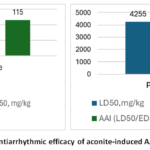 |
Figure 1: Comparison of the antiarrhythmic efficacy of aconite-induced AADs with oral administration.
|
When comparing the antiarrhythmic activity indixes (AAI) (LD50/ED50) of the compared substances, propafenone showed an advantage over allapinine in terms of the breadth of therapeutic action.The data in Figure1 show that with the prophylactic use of allapinine, the antiarrhythmic index was 115 and the similar index of propafenone was 740, respectively.When taken orally, propafenone is more than 5-6 times higher than allapinine in terms of therapeutic effect.
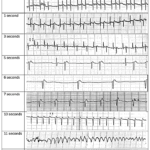 |
Figure 2: ECG recording with standard II-lead of the control group in a model of aconitine arrhythmia.
|
As shown in Figure 2, when exposed to 15 mg/kg of aconitine in experimental animals, death was observed as a result of sinus arrhythmia and artial extrasystole (AE) after 30 seconds, partial ventricular multifocal extrasystole (PVME) after 1-7 minutes, PT after 7 minutes, Af after 10 minutes, VE after 11 minutes and prolonged asystole after 15 minutes.
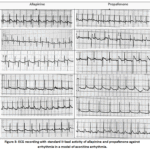 |
Figure 3: ECG recording with standard II-lead activity of allapinine and propafenone against arrhythmia in a model of aconitine arrhythmia.
|
As shown in the figure, allapinine and propafenoneprimarily eliminated ventricular rhythm disturbances and then restored rhythm in the atria. Although the instructions for the use of these drugs in clinical practice also mention ventricular rhythm disorders, in practice we see that these drugs mainly eliminate ventricular rhythm disorders.
To determine the antiarrhythmic efficacy of AADs in CAs caused by barium chloride.
It is known that barium chloride reduces the conductivity of potassium. Accordingly, an arrhythmia model using barium chloride is suitable for the determination of substances with Class III antiarrhythmic properties. The higher antiarrhythmic activity of allapinine compared with propafenone was also shown in other experimental models of cardiac rhythm pathology.
In particular, during the research, experiments were also conducted on the barium chloride model of cardiac arrhythmias in white laboratory rats [Mironov A.N. Guidelines for conducting preclinical studies of medicines. Often the first. — M.: Grif and K, 2012. — 944 p.]. Below are images of rhythm disturbances caused by exposure to 15 mg/kg of barium chloride, recorded on an ECG in the II standard lead (see Figure 4).
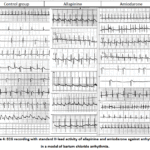 |
Figure 4: ECG recording with standard II-lead activity of allapinine and amiodarone against arrhythmia in a model of barium chloride arrhythmia.
|
As shown in Figure 4, when exposed to 15 mg/kg of barium chloride in experimental animals, death was observed as a result of sinus arrhythmia and artial extrasystole (AE) after 5minutes, partial ventricular multifocal extrasystole (PVME) after 6-11 minutes, AF after 12 minutes, VE after 13 minutes and prolonged asystole after 15 minutes.Also,allapinineand amiodarone primarily eliminated ventricular rhythm disturbances and then restored rhythm in the atria. Although the instructions for the use of these drugs in clinical practice also mention ventricular rhythm disorders, in practice we see that these drugs mainly eliminate ventricular rhythm disorders.
As a result, when exposed to barium chloride at a dose of 0.1 mg/kg of allapinine for 20.2± 0.7 minutes, all rats in the experimental group had partially ventricular cardiac arrhythmias. The rhythm did not recover and after a minute, 50% of the rats in the group died and at a dose of 0.5 mg/kg after 24.3 minutes, 60% of the rats in the group had cardiac arrhythmias and 60% of the rats died.In 40 and 20% of rats that were orally administered allapinine at doses of 0.75 and 1.0 mg/kg, respectively, after 26±1.6 and 27.2±0.48 minutes, cardiac arrhythmias of the Olma-ventricular type were observed and none of the rats had deaths after 10.8±0.43 and 10.2±0.96 minutes after the introduction. minutes.The high antiarrhythmic efficacy of allapinine in the barium chloride model of cardiac arrhythmias was manifested mainly at a dose of 1.0 mg/kg. In rats treated with allapinine orally at a dose of 1.0 mg/kg, no cardiac arrhythmias were observed for 60 minutes in a model of cardiac arrhythmias using barium chloride and the experimental animals woke up from anesthesia while maintaining a normal sinus rhythm. (Table 3).
Table 3: Antiarrhythmic activity of AADs in rats in a model of induced arrhythmia through barium chloride in various doses (n = 10).
|
Research groups |
Doses in mg/kg |
Cardiac arrhythmias |
Survival rate in % |
||
|
Rhythm disturbances in % |
The beginning in minutes |
Duration in minutes |
|||
|
Control group + bariyxlor 15 mg/kg |
dis.water |
100 |
5,83±0,2 |
12±3 |
50 |
|
Allapinine + bariyxlorid 15 mg/kg |
0,1 |
100 |
20,2±0,7* |
12±2,35* |
50 |
|
0,5 |
60 |
24,3±0,21* |
11,7±0,32* |
40 |
|
|
0,75 |
40 |
26±1,6* |
10,8±0,43* |
60 |
|
|
1,0 |
20 |
27,2±0,48* |
10,2±0.96* |
100 |
|
|
Amiodarone + bariy xlorid15 mg/kg |
40 |
100 |
6,12±0,2* |
12,8±2,11* |
50 |
|
45 |
100 |
11,3±0,2* |
23,25±2,23* |
60 |
|
|
50 |
100 |
15,2±0,77* |
22,4±5,8* |
70 |
|
|
55 |
60 |
15,9±0,32* |
21±1,4* |
80 |
|
|
60 |
50 |
16,45±0,7* |
19,75±0,7* |
100 |
|
Note: * is the confidence level relative to the control P < 0.05.
a – is the confidence level relative to allapinin P < 0.05.
b – is the confidence level compared with amiodarone P < 0.05.
Amiodarone, the main drug of Class III AADs, selected as a comparative drug, was administered orally to rats at doses of 40; 45; 50; 55 and 60 mg/kg and after 60 minutes, 15 mg/kg of barium chloride was injected into the tail vein of rats and ECG changes in heart rate with standard connection II were recorded in within 1-60 minutes. went. In the conducted experiments, in all doses of Amiodarone, respectively 6,12±0,2; 11,3±0,2; 15,2±0,77; 15,9±0,32 and within 16.45± 0.7 minutes, in accordance with the dosage, rhythm disturbances occurred at doses of 40-50 mg/kg up to 100%, at doses of 55 mg/kg up to 60% and at doses of 60 mg/kg up to 50%.
The resulting rhythm disturbance led to the death of 50% of rats after 8.95 ± 0.6 minutes at a dose of 40 mg / kg of Amiodarone, the rhythm was not restored in the remaining rats in the group, while death was observed in 40-20% of rats after 11.8± 1.2 and 19.75± 0.6 minutes, respectively, at a dose of 45-55 mg / kg, in During this time, the rhythm was restored in the remaining rats. In rats treated with a dose of Amiodarone 60 mg/kg, when exposed to barium chloride, rhythm disturbances were observed after 16.45± 0.7 minutes and rhythm disturbances that occurred after 19.75± 0.6 minutes completely recovered in 100% of the rats in the group and no death was observed (Figure5).
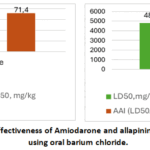 |
Figure 5: Comparison of the effectiveness of Amiodarone and allapinine against induced arrhythmia using oral barium chloride.
|
It has been shown that amiodarone in arrhythmias caused by oral administration of barium chloride, as shown in fig 5, has no less antiarrhythmic activity than Allapinine and therefore has a higher antiarrhythmic index for preventive use.It also turned out that Allapinine significantly surpasses amidarone, a well-known drug with antiarrhythmic properties, belonging to the III class of drugs with lower antiarrhythmic activity, in terms of the breadth of therapeutic effect.
Evaluation of the effectiveness of antiarrhythmic drugs against fibrillation.
The antiarrhythmic effect of allapinine and propafenone when administered orally was found in white mice. Intravenous administration of aconitine at a dose of 200 mcg/kg to awake mice in the control group led to the development of irreversible cardiac fibrillation and the death of 100% of the animals within the first 30-40 minutes.Oral administration of allapinine at doses of 0.5, 1.0, 5.0 and 10 mg/kg, as well as intravenous administration of aconitine 200 mcg/ kg after 60 minutes prevented the development of fatal atrial fibrillation after 20 minutes and, in turn, prevented death in 10, 40, 70 and 90% of animals, respectively.In the case of propafenone, this effect was studied mainly at doses of 10, 15 and 20 mg/kg, which were 10, 20 and 30 percent, respectively (Table 4).
Table 4: Comparison of the antiarrhythmic activity of propafenone and allapinine in irreversible cardiac fibrillation caused by a lethal dose of aconitine (in white mice).
|
Drugsand routs of adminstration |
Doses in mg/kg
|
Aconitine 200 mcg/kg intravenously |
Protective effect against fibrillation, in % |
||
|
Number of animals |
|||||
|
Total |
They died of atrial fibrillation. |
Survivor |
|||
|
Nazorat guruhi (akonitin) |
200 mkg/kg |
40 |
40 |
0 |
0 |
|
Allapininper os |
0.5 |
10 |
9 |
1 |
10 |
|
1 |
10 |
6 |
4 |
40 |
|
|
5 |
10 |
3 |
7 |
70 |
|
|
10 |
10 |
1 |
9 |
90 |
|
|
Propafenoneper os |
5 |
10 |
10 |
0 |
0 |
|
7 |
10 |
10 |
0 |
0 |
|
|
10 |
10 |
9 |
1 |
10 |
|
|
15 |
10 |
8 |
2 |
20 |
|
|
20 |
10 |
7 |
3 |
30 |
|
In addition, studies have been conducted to determine the antiarrhythmic activity of antiarrhythmic drugs based on a model of cardiac arrhythmias with calcium chloride and adrenaline. In the conducted studies, the studied drugs Allapinine, propafenone and amiodarone did not show antiarrhythmic activity caused by the use of calcium chloride when administered orally at their specific doses and the viability of the experimental animals did not differ from the control group. Also, these drugs did not show antiarrhythmic activity caused by epinephrine hydrochloride and the survival rate of experimental animals did not differ from the control group.
Discussion
Arrhythmias belong to complex and poorly studied branches of medicine, not only cardiology. Rhythm disturbances are an important medical and social problem that arises as a result of a number of conditions and, in turn, is a group of diseases that occur under the influence of various factors, such as clinical, electrophysiological, molecular genetic, laboratory, immunological, hormonal and metabolic changes. Therefore, these diseases are consistently studied in all countries of the world. Arrhythmias play an important role as the main factor in the occurrence of heart failure, various thromboembolic complications, sudden heart attacks and death as a result of adverse effects on the course of treatment of coronary heart disease, myocardial infarction, arterial hypertension from year to year.1,23_26The latest technologies of fundamental and applied natural and technical sciences have been gradually introduced into medical practice in recent years for the diagnosis, treatment and prevention of cardiac arrhythmias. In this regard, internal cardioverter defibrillators are used in the primary and secondary prevention of sudden cardiac death and this method is the main one for improving the results of cardiac survival in the acute phase, early reperfusion and therapeutic hypothermia. The past three decades have also seen an exponential increase in scientific advances in the clinical treatment of BF and ventricular paroxysmal tachycardia, which are considered a potential risk factor for sudden cardiac arrest, as well as the use of injury treatments such as pulmonary vein catheter isolation and the use of an ablative defibrillator.3_,6In addition, neuromodulation treatment of ventricular arrhythmias can improve survival in severe complications of cardiac arrhythmias. However, the above-mentioned surgical methods are not highly effective and have limited long-term use, while their impact on patient treatment outcomes, prevention of complications and long-term prognosis is practically ignored. Recently, antiarrhythmic drugs for cardiac arrhythmias have occupied an important place in the prevention of diseases, as they are the optimal method for modern treatment and secondary prevention of dangerous consequences of heart attacks. With this in mind, the development of principles and means of individualizing therapy based on the nosological, somatic, social and personal characteristics of patients is one of the most promising areas of modern arrhythmology.11,12,18,19
In this regard, the presented manuscript presents the results of studies to determine the pronounced activity of antiarrhythmic drugs in relation to atrial fibrillation.Propafenone and amiodarone are 50-80 times less toxic than allapinine, which consists of many alkaloids.Allapinine exhibits high antiarrhythmic activity in small doses, up to 57 times higher than the activity of propafenone and up to 570 times higher than the activity of amiodarone.It is a less toxic drug. Propafenone and amiodarone are 50-80 times less toxic than allapinine, which consists of many alkaloids. However, the difference in the breadth of therapeutic effect is 5-6 times, which means that even very small doses of allapinine have high activity. Allapinine exhibits high antiarrhythmic activity in small doses, up to 57 times higher than the activity of propafenone and up to 570 times higher than the activity of amiodarone. It is the fact that biological activity is manifested in relatively small doses in alkaloid structures that determines the biological value of these substances.20,21,33,34,35 Drugs such as Allapinine, propafenone and Amiodarone, widely used in clinical practice against arrhythmias, are highly active in eliminating rhythm disturbances that occur mainly in the ventricles. In addition, allapinine has a pronounced antiarrhythmic activity against aconitine-induced fibrillation and is able to increase the survival rate of experimental animals by up to 90 percent.It has a unique activity against fibrillation caused by aconitine-induced fibrillation and is able to increase the survival rate of experimental animals by up to 90 percent. Propafenone exhibits this activity to a somewhat lesser extent, although propafenone and allapinine belong to the same class of antiarrhythmic drugs and have a similar mechanism of action. It is noteworthy that, although the therapeutic effect of propafenone and Amiodarone is high, antiarrhythmic activity prevails, in particular, by increasing the time of occurrence of rhythm disturbances caused by an arrhythmogenic substance, eliminating rhythm disturbances in a relatively short time and increasing the viability of experimental animals. At the same time, it is worth noting that in our country, as well as all over the world, it is on the basis of promising results in the field of pharmacotoxicology29,30that research on hepatoprotectors,27antifibrotic, neuropsychopharmacological20,21,28,29,30agents for the pharmaceutical industry is being conducted at a consistent pace. Allapinin, which is widely used in cardiology practice, in particular in arrhythmology, is also an original drug and is the result of more than half a century of scientific and practical work in this direction at our institute.5,8,12,19 Thus, the fact that allapinine exhibits pronounced antiarrhythmic activity compared to propafenone, as well as the fact that allapinine consists of several metabolites, necessitated the conduct of studies based on each alkaloid included in its composition. Current medications frequently cause undesirable ventricular side effects by affecting both atrial and ventricular tissue. In order to improve safety, research is concentrated on developing atrial-selective drugs that target atrial-specific channels.31,32Extensive and in-depth research is being conducted, given that individual studies of each alkaloid in allapinine can lay the foundation for achieving promising results in this area. We plan to present the results of research in this area in future scientific publications.
Conclusion
Thus, rhythm disorders such as atrial fibrillation are a serious and pressing problem and the introduction of drugs with low toxicity and pronounced antifibrillation effects into practice is an important task in addressing this problem. The process of researching new natural or synthetic compounds and implementing drugs with identified activity into practice requires a long period of time, great effort and funds. In this regard, studying the side effects of well-known drugs such as alapinine, propafenone and amiodarone, which are widely used in medical practice, is a promising and effective direction.
In particular, unlike propafenone and amiodarone, alapinine has a high ability to block both sodium and potassium channels, depending on various arrhythmia patterns. Therefore, all the aforementioned drugs are primarily used to treat ventricular and atrial arrhythmias. Therefore, all the aforementioned drugs are primarily used to treat ventricular and atrial arrhythmias. Despite the fact that large-scale significant research is currently being conducted worldwide on antiarrhythmic drugs, the search for ways to expand the application boundaries of drugs that prevent atrial fibrillation has not lost its relevance in medical practice.
Acknowledgement
The authors’ acknowledgements go to the Institute of Chemistry of Plant Substances named after Academician S.Y. Yunusov of the Academy of Sciences of the Republic of Uzbekistan, for supporting this work.
Funding Sources
The author(s) received no financial support for the research, authorship, and/or publication of this article.
Conflict of Interest
The author(s) do not have any conflict of interest.
Data Availability Statement
This statement does not apply to this article.
Ethics Statement
All research work in this article was carried outbased on the permission of the Ethics Committee under the Ministry of Health of the Republic of Uzbekistan No. 1/1-1628.
Informed Consent Statement
This study did not involve human participants and therefore, informed consent was not required.
Clinical Trial Registration
This research does not involve any clinical trials
Author Contributions
- MayramMiralievnaBoltaeva: Conceptualization, Methodology, Writing – Original Draft.
- Zafar IsomiddinovichSanoev: Data Collection, Analysis, Writing – Review & Editing.
- RavshanKomiljonovichSultonov: Funding Acquisition, Resources, Supervision.
- Sirojiddin RashidovichKenjaev: Data Collection, Analysis, Writing – Review & Editing.
- NilufarMakhsudovnaDushaeva; Funding Acquisition, Resources, Supervision.
- BakhtiyorBakhodiro’g’liAbdurasulov;Funding Acquisition, Resources, Supervision.
- OdinakhonUbaydullaevnaIkramova;Funding Acquisition, Resources, Supervision.
- QobiljonG’ofirjono’g’liSobirov; Funding Acquisition, Resources, Supervision.
- AbduqodirAbdurashidovichQobulov: Conceptualization, Methodology, Funding Acquisition.
- SokhibZamonogliRashidov; Conceptualization, Methodology, Funding Acquisition.
- Tolmas TolibovichKhamroev; Conceptualization, Methodology, Writing – Original Draft. Pharmacological and toxicological experiments, statistical Analysis
References
- Kim YJ, Heo J, Park KS, Kim S. Proposition of novel classification approach and features for improved real-time arrhythmia monitoring. ComputBiol Med. 2016;75:190-202.
CrossRef - Zakirov N.U., Irisov D.B., Koibakov M.B. On the prospects for the prevention of thromboembolic complications in patients with non-valvular atrial fibrillation in Uzbekistan. Cardiology of Uzbekistan. 2019;1(51):86-92.
- Kurbanov R.D., Zakirov N.U., Ganiev T.Z., Irisov D.B. Identification of clinical predictors of the progression of recurrent forms of atrial fibrillation to a permanent form. Cardiology of Uzbekistan.2017;2:35-40.
- Zakirov N.U., Kevorkov A.G., RasulovA.Sh., TursunovE.Ya. The relationship of cardiac rhythm turbulence and ventricular arrhythmia in patients with multivessel coronary artery disease. Cardiology of Uzbekistan.2017;4(54):24-29.
- Sanoev, Z.I., Djaxangirov, F.N., Sadikov, A.Z., Sagdullaev, S.S. Hamroyev T.T. Antiarrhythmic activity of N-deacetyllappaconitine when administered orally. Annals of the Romanian Society for Cell Biology. 2021;25(2):2339–2346.
- Schnabel RB, Yin X, Gona P, et al. 50 year trends in atrial fibrillation prevalence, incidence, risk factors and mortality in the Framingham Heart Study: a cohort study. 2015;386:154–62.
CrossRef - Miyasaka Y, Barnes ME, Gersh BJ, et al. Secular trends in incidence of atrial fibrillation in Olmsted County, Minnesota, 1980 to 2000 and implications on the projections for future prevalence. 2006;114:119–25.
CrossRef - Sanoev Z.I., Abdinazarov I.T., Rakhimboev S.D., Rashidov S.Z., Hamroyev T.T. Study Of The General Pharmacological Properties Of A New Antiarrhythmic N-Deacetyllappaconitine With Oral Administration. The American Journal of Medical Sciences and Pharmaceutical Research. 2021;3(03):60-64.
CrossRef - Magnussen C., Niiranen TJ, Ojeda FM, et al. Sex differences and similarities in atrial fibrillation epidemiology, risk factors and mortality in community cohorts: results from the BiomarCaRE Consortium (Biomarker for Cardiovascular Risk Assessment in Europe). 2017;136:1588–97.
CrossRef - Nasirova D.A., Tashenbayeva E.N. The upcoming epidemic of atrial fibrillation and related diseases is a cause for concern. Journal of cardiorespiratory research. 2022;4(1):16-20.
- Zoni-Berisso M, Lercari F, Carazza T, Domenicucci S. Epidemiology of atrial fibrillation: European perspective. 2014;6:213-20.
CrossRef - Zakhidova L.T., Saidkhodjaeva D.M., Sanoev Z.I., Tukhtasheva V.F., Rakhmanova H.A.., Hamroyev T.T. Toxicological Characteristics Of N-Deacetyllappaconitine Under Chronic Administration In White Rats. The American Journal of Applied Sciences. 2021;3(03):34-41.
CrossRef - Chugh SS., Havmoeller R., Narayanan K., et al. Worldwide epidemiology of atrial fibrillation: a Global Burden of Disease 2010 Study. 2014;129:837–47.
CrossRef - Lippi G., Sanchis-Gomar F., Cervellin G. Global epidemiology of atrial fibrillation: An increasing epidemic and public health challenge. International Journal of Stroke. 2021;16(2):217-221.
CrossRef - Maryam Kavousi. Differences in Epidemiology and Risk Factors for Atrial Fibrillation-b. ween Women and Men. Frontiers in Cardiovascular Medicine. 2020;7(10):3389.
CrossRef - Tarasov A.V., Davtyan K. V., Martsevich S. Yu. Comparison of the effectiveness of antiarrhythmic therapy in the postoperative period of catheter isolation of the pulmonary vein mouths for the prevention of early recurrence of atrial tachyarrhythmias in the framework of the study PROOF. Regional pharmacotherapy in cardiology.2017;13(1):18-24.
CrossRef - Philip J., Fernando L., Greg R., Patricio L-J., et al. Cardiovascular disease in the Americas: the epidemiology of cardiovascular disease and its risk factors. The Lancet Regional Health – Americas. 2025;42:100960
CrossRef - Hackam, Daniel G.The Changing Epidemiology of Cardiovascular Disease: Two Steps Forward, One Step Back, Canadian Journal of Cardiology. 2020;36(7):995 – 996.
CrossRef - Khamroev T.T., Sanoev Z.I., Rakhimboev S.D., Abdinazarov I.T., Rashidov S.Z. Effect of antiarrhythmic substance N – dezacetyllapoconitin on the central nervous system. ISJ Theoretical &Applied Science. 2021;07(99):153-157.
CrossRef - National Research Council. Guide for the Care and Use of Laboratory Animals: Eighth Edition. Washington, DC: The National Academies Press.2011;316.
- Mironov A.N.Guidelines for conducting preclinical studies of medicines / Edited by M.: Grif and K. 2012;1:944.
- Goette, A., Kalman, J. M., Aguinaga, L., et al. EHRA/HRS/APHRS/SOLAECE expert consensus on atrial cardiomyopathies: Definition, characterization and clinical implication. 2016;18(10):1455-1490.
CrossRef - Miller O.N., Syrov A.V., Doshchitsin V.L., Pavlova T.V., Tarasov A.V. clinical recommendations and expert opinion on the use of antiarrhythmic drugs in real practice. ConsiliumMedicum 2019;21(5):43-50.
CrossRef - Sudden cardiac death/L.A. Bokeria, A.S. Revishvili, N.M. Neminushchy, I. V. Pronicheva – 2nd ed., reprint. and add. Moscow :GEOTAR-Media, 2020;352.
- Mufazalova N.A., Valeeva L.A., Batrakova K.V., Mufazalova L.F. Epilepsy and the cardiovascular system // Modern problems of science and education. 2021;3;1-12.
CrossRef - Blinova V.V., Bogdanova T.M., Semenova V.A., Pasechnik A.D., Bobrov G.V. Cardiac arrhythmias and conduction disorders in diseases of the esophagus and gastrointestinal tract // Modern problems of science and education. 2020;6;1-11.
CrossRef - Aripov A. N, Akhunzhanova L. L, Nabiev A. U, Aripov O. A, Khamroev T. T. Evaluation of Antifibrotic Activity of a Combination of a New Phytocomposition and Proanthocyanidins in Rats.Biomed Pharmacol J. 2024;17(4):2739-2749.
CrossRef - Rakhimova, S.K., Kurbanov, U.K., Mezhlumyan, L.G. et al. Proteins from the Aerial Part of Delphinium leptocarpum and Their Biological Activity. Chem Nat Compd.2023;59:750–753.
CrossRef - Sanoev Z. I, Ismailova D. S, Rakhimboev S. D. et al. Synthesis and Research Anticonvulsant Activity of Annulated Triazolo-Thiadiazine Derivative in Laboratory Animals. Biomed Pharmacol J. 2023;16(4):2457-2467.
CrossRef - Sanoev Z. I, Rashidov S. Z. Khamroev T. T., et al. Synthesis and Antidepressant Activity of 5-(2-Aminophenyl)-1,3,4-Oxadiazole-2-(3H)-Thione. Biomed Pharmacol J. 2026;19(1):642-652.
CrossRef - He J, Li S, Ding Y, Tong Y, Li X. Research Progress on Natural Products’ Therapeutic Effects on Atrial Fibrillation by Regulating Ion Channels. 2022;4559809:1-23.
CrossRef - Kraft M, Büscher A, Wiedmann F, et al. Current Drug Treatment Strategies for Atrial Fibrillation and TASK-1 Inhibition as an Emerging Novel Therapy Option. Front Pharmacol. 2021;12:638445.
CrossRef
Abbreviations
CVD – diseases of the cardiovascular system;
AF – atrial fibrillation;
VF – ventricular fibrillation;
CA – cardiac arrhythmia;
VE – ventricular extrasystole;
ECG – electrocardiogram;
AAD – antiarrhythmic drugs;
PVME – partial ventricular multifocal extrasystole
AAI– antiarrhythmic activity indixes
 PlumX:
 Views: 722
  PDF Downloads:
124
PDF Downloads:
124