Phytochemical Diversity and Pharmacological Activities of Vietnamese Gynostemma Species in Metabolic Disorders: A Scoping Review
 , Than Thi Kieu My2, Nguyen Ly Tra My3, Hoang Ha My4and Nguyen Ha Linh5
 1Vietnam Academy of Science and Technology, Vietnam
2 Faculty of Medicinal Materials - Traditional Pharmacy, Hanoi University of Pharmacy, Vietnam
3Renaissance International School Saigon, Vietnam
4FPT Highschool, Vietnam
5Foreign Language Specialised School, Ha Noi, Vietnam
Corresponding Author’s Email: vuongthihuyentrang@gmail.com
DOI : http://dx.doi.org/10.13005/bpj/3433
Download this article as:

Vietnam is home to six documented Gynostemma species that have long been used for their health-promoting effects. In recent years, experimental and pharmacological studies have increasingly documented their potential relevance to metabolic disorders. Nonetheless, data on their phytochemical composition and pharmacological activities related to metabolic disorders remain fragmented and have not been thoroughly integrated. This scoping review compiles existing data on the phytochemical constituents, metabolic mechanisms, and safety of Vietnamese Gynostemma species, emphasizing their lipid-lowering, antidiabetic, and hepatoprotective effects pertinent to herbal drug development. The review followed PRISMA-ScR guidelines. Only studies reporting phytochemical or biological evidence on Vietnamese Gynostemma species were included. A total of 56 compounds were reported, including 39 dammarane-type saponins identified in G. pentaphyllum, G. compressum, G. guangxiense, G. burmanicum, G. laxum, and G. longipes. The reported metabolic effects were primarily linked to AMPK activation, inhibition of sterol regulatory element-binding protein-1c (SREBP-1c), and enhanced insulin sensitivity. Limited clinical observations support the lipid-lowering and antidiabetic effects, while existing toxicological data suggest a substantial safety margin, with LD₅₀ values typically exceeding 50-100 g/kg. Taken together, Vietnamese Gynostemma species exhibit consistent phytochemical and pharmacological properties that support their traditional use in metabolic disorders. However, greater standardization of herbal materials and well-designed clinical studies remain essential to translate these findings into evidence-based clinical applications.
KEYWORDS:Antidiabetic activity; Anti-obesity activity; Gynostemma; Gynostemma pentaphyllum; Hepatoprotective activity; Metabolic disorders; Phytochemistry; Vietnamese medicinal plants
Introduction
In recent years, the genus Gynostemma has gained increasing public attention globally. Gynostemma pentaphyllum is widely distributed in East and Southeast Asia, particularly in China, Japan, Korea, and Vietnam, where it commonly grows in mountainous and humid forested areas. The distribution data and taxonomic status of the investigated Gynostemma species were cross-checked and aligned with the database provided by Plants of the World Online (POWO, 2025). Within this group of herbaceous plants, Gynostemmapentaphyllum hasattracted the most attention, as it remains the most extensively studied and is widely consumed as herbal tea. In addition, it has been recognized as an adaptogen with strong antioxidant and metabolic-regulating properties.1-2Recent high-impact international reviews consistently validate its efficacy in managing metabolic syndromes across diverse populations. 3The members of this genus are rich in dammarane-type saponins, which are known to support several biological functions, such as lipid-lowering, anti-inflammatory, and hepatoprotective effects.
Although G. pentaphyllum is well-known, the utilization of it and the other five Gynostemma species indigenous to Vietnam remains limited. 4 The other species are Gynostemma compressum, Gynostemma guangxiense, Gynostemma burmanicum, Gynostemma laxum, and Gynostemma longipes.Viewed through the broader phylogenetic framework of the genus across Asia, these local species have been the subject of extensive investigation. While international research on Chinese and East Asian accessions has primarily focused on standard dammarane frameworks, Vietnamese species exhibit distinct evolutionary plasticity. This has led to the identification of 30 new saponins with unique structural features, including unusual sugar patterns and diverse sugar moieties (typically glucose, rhamnose, and xylose) at positions C-3 and/or C-21, forming mono- or bidesmoside structures. Saponins are the primary bioactive constituents and can be subdivided into three classes: dammar-24-ene, epoxy-dammarane, and cyclo-dammarane. Among them, gypenosides, notably VN1-VN7, have been identified as potential AMPK activators, which is of particular interest given that AMPK is a key regulator of glucose uptake and lipid metabolism.5-6
The antihyperlipidemic efficacy of G. pentaphyllum extracts is well-documented.7Administration of these extracts to hypercholesterolemic animals significantly reduced serum cholesterol and triglyceride levels, possibly through AMPK upregulation and downregulation of lipogenic genes such as SREBP-1c and FAS. In addition, G. compressum extract has been hypothesized to promote AMPK activation and ACC inhibition in oleic acid-loaded hepatocytes, thereby attenuating oleic acid-induced lipogenesis and lipid accumulation. These findings are consistent with current mechanistic evidence suggesting that AMPK activation is an important pathway underlying the lipid-lowering effects of Gynostemma saponins.
The clinical and preclinical antidiabetic effects of these species are also well documented. In STZ-induced diabetic mice, extracts of G. pentaphyllum, G. compressum, and G. burmanicum lowered blood glucose levels, improved pancreatic β-cellmorphologyand function, and reduced oxidative stress. Mechanistically, AMPK activation increases GLUT4 translocation to the muscle cell membrane, thereby enhancing glucose uptake while suppressing hepatic gluconeogenesis through transcriptional regulation. Echoing the positive outcomes of broader multinational trials, clinical cohorts in Vietnam whose participants consumed 6 g/day of G. pentaphyllum tea demonstrated statistically significant reductions in fasting plasma glucose and HbA1c levels, with no notable adverse effects reported. 8
Beyond their metabolic benefits, Vietnamese Gynostemma species exhibit potent antioxidant and hepatoprotective activities. Total flavonoids and saponin fractions from G. pentaphyllum and G. burmanicum showed potent radical scavenging capabilities and inhibition of lipid peroxidation in mouse liver mitochondria; these effects are associated with reduced MDA levels and restored SOD and CAT activities.
The immunomodulatory effects of G. pentaphyllum have also been confirmed in immunosuppressed mice induced with cyclophosphamide and irradiation. Gypenosides improved splenic lymphocyte proliferation and eosinophil counts and improved the thymus/spleen index. The anti-inflammatory effect is partially mediated through NF-κB blockade, while compounds isolated from G. laxum have been shown to reduceCOX-2 and iNOS expression in HepG2 cells. Thus, current findings suggest that Vietnamese Gynostemma species modulate multiple molecular pathways, including AMPK activation, inhibition of inflammatory transcription factors (e.g., NF-κB), and mitigation of mitochondrial oxidative stress.
Unlike previous reviews that broadly summarize the genus Gynostemma or focus primarily on G. pentaphyllum, this PRISMA-ScR scoping review synthesizes the available evidence on Vietnamese Gynostemma species by integrating species-level phytochemical diversity, metabolic mechanisms, and safety and clinical evidence to identify research gaps and priorities for future standardization.9-11
Materails and Methods
This scoping review was conducted in accordance with the PRISMA Extension for Scoping Reviews (PRISMA‑ScR) guidelines.12 The aim was to systematically discern and synthesize the published evidence pertaining to the phytochemical profiles and biochemical activities, and therapeutic benefits, if any, of Gynostemma species in Vietnam. The review protocol was developed following established procedures for evidence mapping in herbal pharmacology.13
A comprehensive literature search was conducted in five databases: Scopus, Google Scholar, Vietnam Journals Online (VJOL), the National Library of Medicine of Vietnam, and PubMed. The review covered the literature published from January 1995 to December2025. The search strategy combined both controlled vocabulary and free‑text keywords and included “Gynostemma”, “saponins”, “gypenosides”, “Vietnam”, “antidiabetic”, “lipid‑lowering”, “hepatoprotective”, “AMPK activation”, “phytochemistry” and “herbal pharmacology”. Boolean operators and truncation symbols were used to refine the search strategy.
All records retrieved from the databases were imported into Zotero reference management software (version 8.0; Corporation for Digital Scholarship, Vienna, VA, USA) for reference management and organization. Duplicates were identified and removed using Zotero’s built-in de-duplication function followed by manual checking. The de-duplicated records were then exported to Microsoft Excel for systematic title and abstract screening.
For Vietnamese Gynostemma species, studies were included if they reported phytochemical analyses, pharmacological investigations (in vitro, in vivo, or clinical), safety or toxicity assessments, therapeutic mechanisms of action, or any interplay of these elements. We excluded reviews, editorials, conference papers, and documents that did not include actual experiments or original analytical work. Both English and Vietnamese papers were considered eligible, provided that sufficient methodological detail was available.
Two independent reviewers screened titles and abstracts. A standardized Excel form was used for full‑text screening and data extraction. Information was collected on plant species, chemical constituents, biological effects, experimental models, dosage, duration, outcome measures, safety data and other relevant variables. Any disagreements between reviewers were resolved through discussion and consensus, or by consultation with a third reviewer.
Following the methodology for scoping reviews, the methodological quality of the included studies was not formally appraised. Instead, our main focus was on the breadth of evidence and the mapping of the main findings. The data were organized and summarized thematically, based on the class of the compounds (saponins, flavonoids, etc), the type of pharmacological action (hypoglycemic, lipid-lowering, etc.), and the mechanism of action (e.g., AMPK activation).
A PRISMA-ScR flow diagram was usedto document the screening and selection process. The findings were synthesized narratively, with summary tables provided to facilitate interpretation.
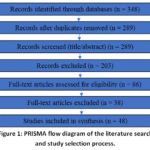 |
Figure 1: PRISMA flow diagram of the literature search and study selection process. |
Results
Plant Taxonomy
Climbing vines of the genus Gynostemma Blume (Cucurbitaceae) are of considerable interest for pharmacological and industrial applications because of their diverse and remarkable bioactive constituents.
This genus, approximately 17 species, is native to a broad geographic range encompassing the Indian subcontinent (e.g., India, Bangladesh, Sri Lanka, Nepal), the Himalayas, China, East Asia (Japan, Korea), and extending extensively throughout Southeast Asia to New Guinea. China harbours the highest species richness, with 14 species, most of which are endemic. 14 Gynostemma was one of the genera described by Blume in 1825 and is placed within the tribe Zanonieae, subfamily Nhandiroboideae, 15with two subgenera: Trirostellum, which bears capsule‑type fruits, and Gynostemma which bears berry fruits. In Vietnam, this genus is represented by several species and is known for its potential anti‑inflammatory, hepatoprotective and antioxidant activities.
In Vietnam, specialized floristic literature has traditionally recognized three main species: G. pentaphyllum, G. laxum, and G. pedatum Blume. 16-18More recently, based on taxonomic studies by Prof. Pham Thanh Ky and colleagues at Hanoi University of Pharmacy, six species have been documented in Vietnam, including four newly recorded species (including four new records).
G. pentaphyllum (Thunb.) Makino – Known locally as Giảo cổ lam or Cổ yếm; this species comprises two varieties:
G. pentaphyllum var. pentaphyllum (glabrous fruit)
G. pentaphyllum var. dasycarpum (hispid fruit)
G. laxum (Wall.) Cogn. – Known as Cổ yếm lá bóng.
G. longipes C.Y. Wu – Known as Giảo cổ lam cuống quả dài.
G. burmanicum King ex Chakrav. – Known as Giảo cổ lam Miến Điện; identified down to the variety: G. burmanicum var. molle.
G. guangxiense X.X. Chen & D.H. Qin – Known as Giảo cổ lam Quảng Tây.
G. compressum X.X. Chen & D.R. Liang – Known as Giảo cổ lam quả dẹt.
G. pentaphyllum var. dasycarpum is characterized by densely hispid fruits. In addition, G. burmanicum var. molle is more pubescent than the typical variety in both stems and leaves, thus contributing to the infraspecific morphological diversity observed within the genus Gynostemma.
Given this diversity, Gynostemma warrants further taxonomic and ecological investigation, particularly with respect to its distribution, adaptation to local environments and variation in the composition of bioactive constituents, rather than being regarded merely as a simple herbal plant.19-20
The accurate and consistent identification of G. guangxiense and G. burmanicum at the species level based on morphological characteristics was complemented by molecular analysis of the ITS‑rDNA region.21When integrated with morphological and microscopic data, these findings further strengthen the floristic database and provide a basis for quality control and biodiversity conservation.
Morphological Characteristics and Identification Key
Species within the genus Gynostemma share common characteristics: pedate compound leaves (3–9 leaflets), branched tendrils, dioecious flowers, and globose or compressed fruits typically containing 2–3 seeds. On the basis of leaf morphology, pedicel features and fruit characteristics, a simple identification key can be constructed as follows:
Leaves with 3–5 leaflets
Stems and leaves densely pubescent: G. burmanicum var. molle
Leaves glabrous or sparsely hairy, fruit globose without lobes: laxum
Leaves glabrous, fruit with 2–3 lobes: G. guangxiense
Leaves with 5–7 (-9) leaflets
Fruit globose, pedicel < 5 mm:
Fruit glabrous: pentaphyllum var. pentaphyllum
Fruit hispid: pentaphyllum var. dasycarpum
Fruit globose, pedicel 15–20 mm: G. longipes
Fruit compressed, obtriangular: G. compressum
The research team conducted field surveys across multiple provinces, compiling distribution data and detailed descriptions of morphological and microscopic characteristics, thereby elucidating the biodiversity of this genus in Vietnam. This serves as a critical basis for subsequent in-depth research and gene pool conservation.
Table 1: Comparison of Distribution and Morphological Characteristics of Six Gynostemma Species inVietnam
| Species | Distribution (Provinces) | Morphological Characteristics | Distinctive Features |
| G. pentaphyllum 4, 17 | Lao Cai, Son La, Cao Bang, Lang Son, Yen Bai, Thai Nguyen, Tuyen Quang, Hoa Binh, Thanh Hoa, Nghe An, Ha Tinh, Quang Binh, Thua Thien Hue, Kon Tum, Dong Nai | 5-7 leaflets, serrate margins; fruits black and glabrous; stem slender and sparsely hairy | Typically 5 leaflets, rarely hairy. Widely distributed. |
| G. longipes 9, 18 | Lao Cai (Sapa), Cao Bang | 7-9 lanceolate leaflets; fruits yellow-green; stem hairy | 7-9 leaflets, long petiole. |
| G. laxum 16, 17 | Lao Cai, Hoa Binh, Bac Kan, Cao Bang, Ba Vi (Hanoi) | 3 thin, glossy, glabrous leaflets; stem slender | 3 leaflets, leaves thin, glossy, and glabrous. |
| G. burmanicum 10, 18 | Lao Cai, Hoa Binh, Son La, Vinh Phuc, Bac Kan | 3-5 densely hairy leaflets; fruit sparsely hairy; stem angular, villous | Stems and leaves very hairy; fruit sparsely hairy. |
| G. guangxiense 9, 14 | Yen Bai, Hoa Binh, Ninh Binh | 3-5 leaflets, serrate, coriaceous; fruit glabrous, small; stem slender, glabrous | Leaves glabrous with serrate margins; stem slender. |
| G. compressum 9, 10 | Cao Bang, Lang Son | 5-7 rhombic leaflets; fruit compressed, green; stem prostrate, rooting at nodes | Characteristic compressed fruit; stem prostrate on the ground. |
Microscopic Characteristics
Microscopic features are essential for species differentiation when medicinal samples are not intact:
Leaf Microscopy
Leaflets exhibit a small cross-sectional area; the midrib cross-section shows a distinct adaxial ridge, two to three layers of collenchyma and arc‑shaped vascular bundles surrounding the xylem. Palisade tissue is well developed, and the epidermis typically bears both covering trichomes and glandular trichomes.
Stem Microscopy
The cross‑section is pentagonal, with five distinct ridges. Vascular bundles are arranged in two concentric rings: the outer ring comprises five small bundles at the angles, and the inner ring comprises five larger bundles. Each bundle is surrounded by a sclerenchyma arc, forming a total of ten characteristic sclerenchyma arcs. The epidermis is cutinized, and the cortical parenchyma consists of multiple layers of thin‑walled cells.
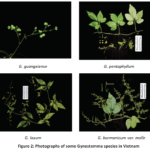 |
Figure 2: Photographs of some Gynostemma species in Vietnam |
Chemical Constituents
Qualitative analysis of major phytochemical groups indicated that most Gynostemma Blume species distributed in Vietnam contain key classes of organic compounds, including saponins, flavonoids, reducing sugars, organic acids, amino acids, sterols and polysaccharides. These seven groups were detected concurrently in G. pentaphyllum, G. longipes, G. laxum, G. burmanicum, G. guangxiense and G. compressum. Among these, saponins and flavonoids are considered the principal chemical constituents, and they play a crucial role in the biological activities of Gynostemma species.
Aggregated data from scientific studies published by Prof. Pham Thanh Ky and colleagues have reported the isolation and structural elucidation of 56 distinct compounds from Gynostemma species, including 39 saponins, five flavonoids, six glycosides and six compounds belonging to organic acid, ester and heterocyclic classes. These compounds were isolated from crude extracts or solvent fractions and structurally characterized using modern spectroscopic techniques such as NMR, MS and IR in studies published up to 2021.
Saponins
Saponins are the characteristic and predominant compound group in Gynostemma Blume species and represent the most biologically significant group investigated and isolated in Vietnam. In total, 39 dammarane-type saponins have been isolated from six Gynostemma species collected in Vietnam; notably, over 30 compounds are novel saponins never before reported in nature. 22 Structurally, these saponins primarily belong to the dammarane group and can be classified into three main subgroups based on the aglycone skeleton at the C-17 position:
The dammar-24-ene group (linear chain at C-17).
The epoxy-dammar group (epoxy ring closure at C-21/C-23 or C-20/C-24).
The cyclo-dammar group (cyclopentane ring closure at C-21/C-24).
Most saponins are bidesmosides (bearing two sugar chains at C‑3 and C‑21); however, several monodesmosides, with a sugar chain only at C‑3, have also been identified. The sugar chains mainly consist of β‑D‑glucose, β‑D‑xylose and α‑L‑rhamnose, forming diverse sugar combinations at the C‑3 position.
Structural characteristics and species distribution are as follows:
Gynostemma pentaphyllum (Thunb.) Makino: Eight dammarane saponins (SAP1-8) were isolated, including 7 novel compounds named Gypenoside VN1-VN7. These saponins exhibit diverse aglycone skeletons, including the dammar-24-ene group (Gypenoside VN1-VN4), the cyclo-dammar group (Gypenoside VN5, VN6), and the epoxy-dammar group (Gypenoside VN7).
Gynostemma longipes C. Y. Wu: Three saponins were isolated: CGP-1 (gylongiposide II), CGP-5 (gylongiposide III), and CGP-7, all of which are monodesmosides. Notably, CGP-5 is a novel compound with a rare diepoxydammarane skeleton, representing an aglycone appearing for the first time in the genus Gynostemma. 23
Gynostemma burmanicum var. molle: Nine dammarane saponins were isolated, including known compounds (Ginsenosides Rb3, Rg5, F2; Gypenosides IX, XIII) and 3 novel saponins (Gypenoside B1-B3). This is the first report of Ginsenosides Rg5 and 20(S)-Ginsenoside Rg3 in the genus Gynostemma. 24
Gynostemma guangxiense: Four saponins were isolated, including two novel compounds, Gynoside VN1 and VN2, featuring an ocotillol skeleton characteristic of Vietnamese Ginseng (Panax vietnamesis). Ginsenoside Rb3 and Quinquenoside L3 were also recorded for the first time in this genus.
Gynostemma compressum: This species yielded the highest number of novel saponins, with 14 new compounds named Gycomoside VN1-VN10 and Gycomol VN1-VN4. These belong to the dammar-24-ene group but uniquely feature a hydroxyl group at the 1β position—a rare characteristic in dammarane saponins, which explains the novelty of 13 out of 14 compounds. 25
Table 2: Saponins Isolated from Gynostemma Species in Vietnam
| No. | Code | Compound Name | Species |
| 1 | CGP7 | (23S)-3β,20S,21S-trihydroxy-19-oxo-21,23-epoxydammar-24-ene 3-O-[α-L-rhamnopyranosyl-(1→2)]-[β-D-xylopyranosyl-(1→3)]-α-L-arabinopyranoside | G. longipes20 |
| 2 | GPWB6.6 | 20-S-Ginsenoside Rg3 | G. burmanicum25 |
| 3 | SAP2 | 3β,20S,21-trihydroxydammar-24-ene-3-O-{[α-L-rhamnopyranosyl-(1→2)][β-D-glucopyranosyl-(1→3)]-α-L-arabinopyranosyl}-21-O-β-D-glucopyranoside | G. pentaphyllum20 |
| 4 | GPWB 11.3 | Ginsenoside B3 | G. burmanicum25 |
| 5 | GPWB6.5 | Ginsenoside F2 | G. burmanicum25 |
| 6 | GPWB 11.5 | Ginsenoside Rb3 | G. burmanicum25 |
| 7 | GPL12.3 | Ginsenoside Rb3 | G. guangxiense25 |
| 8 | GPWB5.16 | Ginsenoside Rg5 | G. burmanicum25 |
| 9 | GC14 | Gycomol VN1 | G. compressum25 |
| 10 | GC15 | Gycomol VN2 | G. compressum25 |
| 11 | GC3 | Gycomol VN3 | G. compressum25 |
| 12 | GC8 | Gycomol VN4 | G. compressum25 |
| 13 | GC12 | Gycomoside II | G. compressum25 |
| 14 | GC9 | Gycomoside VN1 | G. compressum25 |
| 15 | GC7 | Gycomoside VN10 | G. compressum25 |
| 16 | GC11 | Gycomoside VN2 | G. compressum25 |
| 17 | GC13 | Gycomoside VN3 | G. compressum25 |
| 18 | GC10 | Gycomoside VN4 | G. compressum25 |
| 19 | GC17 | Gycomoside VN5 | G. compressum25 |
| 20 | GC16 | Gycomoside VN6 | G. compressum25 |
| 21 | GC4 | Gycomoside VN7 | G. compressum25 |
| 22 | GC5 | Gycomoside VN8 | G. compressum25 |
| 23 | CGP1 | Gylongiposide II | G. longipes20 |
| 24 | CGP5 | Gylongiposide III | G. longipes20 |
| 25 | GC6 | Gymocoside VN9 | G. compressum25 |
| 26 | GPL4.10 | Gynoside VN1 | G. guangxiense25 |
| 27 | GPL7.5 | Gynoside VN2 | G. guangxiense25 |
| 28 | GPWN8.5 | Gypenoside B1 | G. burmanicum25 |
| 29 | GPWB8.9 | Gypenoside B2 | G. burmanicum25 |
| 30 | GPWB8.10 | Gypenoside IX | G. burmanicum25 |
| 31 | SAP8 | Gypenoside VN1 | G. pentaphyllum 20 |
| 32 | SAP4 | Gypenoside VN2 | G. pentaphyllum 20 |
| 33 | SAP7 | Gypenoside VN3 | G. pentaphyllum 20 |
| 34 | SAP1 | Gypenoside VN4 | G. pentaphyllum 20 |
| 35 | SAP5 | Gypenoside VN5 | G. pentaphyllum 20 |
| 36 | SAP3 | Gypenoside VN6 | G. pentaphyllum 20 |
| 37 | SAP6 | Gypenoside VN7 | G. pentaphyllum 20 |
| 38 | GPWB5.15 | Gypenoside XIII | G. burmanicum25 |
| 39 | GPL12.1 | Quinquenoside L3 | G. guangxiense25 |
Flavonoids
The flavonoids isolated from Gynostemma species in Vietnam are all flavonols and their 3-O-β-rutinoside derivatives. Specifically, G. laxum showed the presence of Quercetin, Ombuin, and 7-O-Methylrutin, consistent with qualitative reaction results. Other species such as G. pentaphyllum and G. guangxiense also contain flavonoids like Ombuoside, Rutin, and Quercetin. Flavonoids in Gynostemma species are significant contributors to the antioxidant and cytoprotective activities of the medicinal material.
Table 3: Flavonoid Compounds Isolated from Gynostemma Species in Vietnam
| No. | Flavonoid | Synonyms | Isolated Species |
| 1 | Quercetin | G. pentaphyllum26, G. laxum27, G. guangxiense19 | |
| 2 | Rutin | Quercetin-3-O-β-rutinoside | G. pentaphyllum28 |
| 3 | Ombuin | G. pentaphyllum28; G. laxum27 | |
| 4 | Ombuoside | Ombuin-3-O-β-rutinoside | G. pentaphyllum28 |
| 5 | 7-O-Methylrutin | Rhamnetin-3-O-β-rutinoside | G. laxum27 |
Glycosides and Other Compounds
The plant G. laxum contains several secondary metabolites, including saponins, flavonoids, and, most recently, 2,4-dihydroxybenzyl-O-α-L-rhamnopyranoside. This compound was reported as a novel natural product. Other secondary metabolites, including uracil, vanillic acid, benzoic acid, coumaric acid, and the ester compound ethyl 3,4-dihydroxybenzoate, were isolated from G. burmanicum and G. laxum. Several sterol glycosides have also been isolated from G. guangxiense, among which is (22E)-stigmasta-5,22-dien-3-yl-hexopyranoside.
Biological Activity and Toxicity Studies
Biological activity and toxicity studies on Gynostemma species, including the plant in this work, G. laxum, have been wide in Vietnam, including studies on the cardiovascular and metabolic systems, hepatoprotective activity, immunomodulation, and anticancer activity.29
Hypocholesterolemic and Lipid-Lowering Effects
Research concerning the cholesterol-lowering impact of Gynostemma has been ongoing for more than two decades now. In an animal model of exogenous hypercholesterolemia (caused by dietary cholesterol ingestion of 20 mg/kg/day for 30 days), G. Pentaphyllum liquid extract (10 g/kg/day) significantly reduced the increase in blood cholesterol levels by 71% compared with the control (p < 0.01).30In the endogenous hypercholesterolemia rabbit model, oral G. pentaphyllum extract (5 g/kg/day) administered from day 4 maintained serum cholesterol at 82.0 ± 9.9% of baseline, compared with 143.5 ± 20.1% in the untreated control group (p < 0.02). 31
More recent in vitro studies using G. compressum in HepG2 cells indicated that the n-butanol fraction (GCB) prevented lipid accumulation in oleic acid-stimulated cells. GCB significantly reduced lipid accumulation to 80.27 ± 3.71% of the control level at 100 μg/mL (p < 0.05). Mechanistic investigations in 3T3-L1 cells confirmed that GCB promoted the phosphorylation of AMPK and ACC. GC13, an isolated compound tested at 10 μM, was found to increase p-AMPK levels and downregulate FAS and SREBP-1c.
These findings are consistent with systematic clinical evidence demonstrating the lipid-lowering efficacy of G. pentaphyllum in dyslipidemia.32 Ten new dammarane-type saponins with hypolipidemic activity were also identified from G. pentaphyllum, further supporting the biochemical basis for these effects.
Additionally, actiponin extract of G. pentaphyllum demonstrated significant reductions in body weight and visceral fat area in a randomized, double-blind, placebo-controlled clinical trial.33
Hypoglycemic Effects
Research has shown that G. pentaphyllum (GP) extract co‑administered with the sulfonylurea gliclazide improves glycated serum protein indices more effectively than gliclazide monotherapy. Significant (p < 0.001) improvements were observed after 4 weeks of co‑treatment in fasting plasma glucose (FPG), oral glucose tolerance test (OGTT) responses and HbA1c. The HbA1c level in the GP extract group decreased by approximately 2 percentage points, compared with a reduction of 0.7 percentage points in the placebo group (p < 0.001). In a separate randomized controlled trial, GP tea (6 g/day for 12 weeks, n = 24) was reported to improve insulin sensitivity in patients with type 2 diabetes, as measured by the homeostatic model assessment of insulin resistance (HOMA-IR).
In streptozotocin (STZ)‑induced diabetic mice, aqueous residue fractions of G. guangxiense (Gg) and G. burmanicum var. molle (Gb) at 10 g/kg reduced blood glucose levels by 30.9% and 33.9%, respectively, comparable to gliclazide at 20 mg/kg. In diabetic mice treated with an ethanol extract of G. compressum (GCE), blood glucose decreased by 33–36%, accompanied by reduced pancreatic malondialdehyde (MDA) levels and evidence of islet proliferation. Protective effects on high-fat-diet-induced disorders of glucose metabolism have also been confirmed in vivo using heat‑processed G. pentaphyllum extracts.34
Antioxidant and Hepatoprotective Effects
A complete liquid extract and the flavonoid fraction of G. pentaphyllum inhibited lipid peroxidation in rat liver mitochondrial preparations. At a concentration of 0.3 mg/mg protein, the total flavonoid fraction achieved an antioxidant activityof 63.8%. The total saponin fraction (administered orally at 7,5 mg/kg; dosage to be specified according to the original study) exhibited hepatoprotective activity against paracetamol‑induced hepatotoxicity, comparable to silymarin (p < 0.01).35-36Extracts of G. guangxiense and G. burmanicum (20 g/kg) reduced serum AST, ALT and MDA levels and ameliorated paracetamol‑induced histopathological liver damage in mice.37
Immunomodulatory Effects
The immunomodulatory potential of G. pentaphyllum extract (GCL2) was evaluated in cyclophosphamide (CY)-induced and irradiation-induced immunosuppressed mouse models. GCL2 administration was associated with enhanced ovalbumin-induced delayed-type hypersensitivity (p < 0.01) and elevated eosinophil counts (p < 0.01) and increased splenic plaque-forming cell numbers (p < 0.01) demonstrating a positive influence on both cellular and humoral immunity.38
Physical Strength Enhancement
In a forced‑swimming test, high‑dose total saponins from G. pentaphyllum (1.672 g/kg) increasedswimming time by 214.3% comparedwith the control group (p < 0.05), suggesting anti‑fatigue and endurance‑enhancing effects.30
Anti-inflammatory Activity
Compounds GL‑1, GL‑2 and GL‑8 isolated from G. laxum inhibited TNF‑α‑induced NF‑κB activation in HepG2 cells, with IC₅₀ values ranging from 7.6 to 9.3 μM. GL‑2 also significantly suppressed the expression of iNOS and COX‑2, indicating dual inhibition of key pro‑inflammatory mediators.
Cytotoxicity Against Cancer Cell Lines
Five novel gypenosides (VN1–VN7) obtained from G. pentaphyllum exhibited cytotoxic activity against A549, HT‑29, SK‑OV‑3 and MCF‑7 cancer cell lines, with IC₅₀ values below 50 μM; gypenoside VN5 showed the strongest effect, with an IC₅₀ of 19.8 μM in MCF‑7 cells. CGP‑7, isolated from G. longipes and G. burmanicum, also displayed selective cytotoxic activity against tumour cell lines.39-40
Safety Evaluation
Gynostemma species generally exhibit a high safety profile.41 – 43
G. pentaphyllum: No acute toxicity at 50 g/kg (oral).
G. longipes: LD₅₀ = 119.49 g/kg.
G. laxum: No mortality at 150 g/kg.
G. guangxiense: LD₅₀ = 125.5 g/kg.
G. burmanicum: LD₅₀ = 146.5 g/kg.
G. compressum: LD₅₀ ≈ 102 g/kg (aqueous extract).
Toxic symptoms at very high doses included reduced motility and diarrhea, likely due to saponin irritation, with no specific organ damage observed..44
Table 4: Summary of Notable Biological Activities of Gynostemma Species in Vietnam
| Activity | Species | Sample Type | Model | Positive Control | Results | P-value |
| Hypolipidemic | G. pentaphyllum 30, 31 | Total extract (aqueous) | In vivo (mouse – exogenous, rabbit – endogenous) | None / Cholesterol control | Reduced blood cholesterol by 71% (mouse), 82% (rabbit) | p<0.01; p<0.02 |
| G. compressum 25 | Fractionated extract | In vitro (HepG2) | Fenofibrate | Inhibited lipid accumulation: 13.97–19.73% | p<0.05 | |
| Hypoglycemic | G. pentaphyllum 7,8 | Aqueous extract | In vivo (human, clinical) | Sulfonylurea | Reduced blood glucose; improved biochemical indices | p<0.05 |
| G. guangxiense, G. burmanicum 21, 27 | Total extract | In vivo (STZ mouse) | Gliclazide | Reduced blood glucose 30.87% – 33.87% | p<0.05 | |
| G. compressum 25 | 80% EtOH extract | In vivo (STZ mouse) | Gliclazide | Reduced blood glucose 33–36% | p<0.01 | |
| Hepatoprotection | G. pentaphyllum 35, 36 | Total extract, flavonoids | In vivo (rat liver mitochondria) | None | AOA 64% (flavonoids); marked MDA reduction | p<0.01 – 0.05 |
| G. guangxiense 21 | Total extract | In vivo (paracetamol mouse) | Silymarin | Reduced ALT, AST, MDA; improved liver histology | p<0.01 | |
| G. burmanicum 37 | Total extract | In vivo (paracetamol mouse) | Silymarin | Reduced ALT, AST, MDA; improved liver histology | p<0.05 | |
| Immunomodulation | G. pentaphyllum 38 | Total extract | In vivo (CY mouse, irradiated) | None | Increased hypersensitivity, increased plaque-forming lymphocytes | p<0.01 |
| Physical Strength | G. pentaphyllum 18, 30 | Total saponins | In vivo (mouse swimming) | 0.9% NaCl | Increased swimming time by 214% | p<0.05 |
| Cytotoxicity | G. pentaphyllum 40 | Pure compounds (VN1-VN7) | In vitro (cancer cell lines) | Mitoxantrone | IC₅₀: 20–40 μM on A549, MCF-7 … | |
| G. longipes 23 | Pure compounds (Gylongiposide) | In vitro | Mitoxantrone | IC₅₀: 9.8–49.6 μM | ||
| Anti-inflammatory | G. guangxiense, G. burmanicum 21, 27 | Novel isolated compounds | In vitro | Ellipticine | IC₅₀: 58–95 μg/mL (some samples) | |
| G. laxum 41 | Pure compounds (GL-1, GL-2, GL-8) | In vitro (HepG2) | TNF-α | Inhibited NF-κB, iNOS, COX-2; IC₅₀ ≈ 7–9 μM |
Resource and Product Development
Based on diverse pharmacological effects, Gynostemma has been promoted for practical application in Vietnam.
Raw Material Development
The project “Research on trial cultivation of Gynostemma pentaphyllum according to Good Agricultural and Collection Practices (GACP)” (2010-2013) established standard cultivation protocols (propagation by cuttings/seeds, optimal density, shading).44 The Hoa Binh region yielded the highest saponin content (5.10%).45
Product Development (Gylopsin)
“Gylopsin,” a capsule containing standardized G. pentaphyllum and Ampelopsis cantoniensis extracts, was successfully developed. This product was granted a herbal medicine registration number in Vietnam in 2020, transitioning from a dietary supplement to a regulated medicinal product, exemplifying the successful linkage between academic research and commercial application.46
Discussion
The systematic mapping of Gynostemma species in Vietnam reveals a profound phytochemical diversity that extends significantly beyond the well-known G. pentaphyllum. Using a comprehensive approach integrating morphological, microscopic, and molecular (ITS-rDNA) methods, six distinct species were identified, filling a long-standing gap in the botanical authentication of this genus in Southeast Asia. 47-48Detailed microscopic features, such as the pentagonal stem cross-section with 10 typical sclerenchyma arcs, serve as robust diagnostic criteria for the quality control of herbal materials, enabling accurate differentiation of authentic species from potential substitutes or adulterants. These diagnostic criteria also carry practical pedagogical value in pharmacognosy for pharmaceutical quality assurance and regulatory standardization of Gynostemma raw materials across supply chains.The isolation of 56 compounds, including 30 novel dammarane-type saponins, underscores the unique chemical footprint of the Vietnamese accessions.In contrast to the extensively characterized Chinese accessions, which predominantly yield protopanaxadiol- and protopanaxatriol-type gypenosides with relatively conserved sugar moieties, the Vietnamese species display greater structural diversification in both aglycone skeletons and glycosylation patterns. For example, the co-occurrence of dammar-24-ene, epoxy-dammarane, and cyclo-dammarane subgroups within a single species (G. pentaphyllum) has not been reported to the same extent in Chinese populations, suggesting that geographic isolation and ecological adaptation may have driven chemo-diversification in the Vietnamese gene pool. Notably, the discovery of the rare 1β-hydroxyl structural feature in saponins derived from G. compressum (Gycomoside VN1-VN10) is a significant finding with potential structure-activity relationship (SAR) implications, as the introduction of a hydroxyl group at the 1β position may alter the polarity, glycosylation pattern, and receptor-binding affinity of these saponins, thereby modulating their biological potency. This structural trait is rarely reported in the global Gynostemma literature.49From a pharmacological standpoint, the sustained activation of the AMPK pathway by these saponins establishes a clear molecular foundation for their diverse effects on metabolic disorders. Our data synthesis corroborates that these extracts not only reduce lipid accumulation by downregulating SREBP-1c and FAS but also markedly improve insulin sensitivity. Vietnamese clinical evidence corroborates this by demonstrating a significant 2% reduction in HbA1c levels among patients with type 2 diabetes.To further understand the translational potential of these findings, it is highly valuable to contextualize them within broader international research. For instance, rigorously controlled global trials utilizing standardized Gynostemma extracts, such as ActivAMP, have established a strong precedent for its efficacy in improving body composition and metabolic health. 50Building upon this clinical foundation, a 12-week randomized controlled trial demonstrated that extracts enriched with gypenoside L significantly improved resistance to physical and mental fatigue, correlating with increased endothelial nitric oxide synthase (eNOS) levels. 51 More importantly, the mechanistic gap between animal models and human physiology is bridged by recent biopsy-validated evidence; a human crossover study confirmed that G. pentaphyllum supplementation directly induces AMPK Thr172 phosphorylation and alters ACC signaling in human skeletal muscle, which corresponds with enhanced mitochondrial respiration and improved exercise performance.52However, these clinical findings should be interpreted with caution, as the broader clinical evidence remains heterogeneous in terms of study design, sample size, intervention duration, and extract composition. This international context also underscores the importance of herbal standardization, since differences in species identity, plant source, extraction procedures, and gypenoside content may influence pharmacological outcomes and complicate direct comparisons across studies. In addition, pharmacokinetic evidence for individual gypenosides remains limited, and further work is needed to clarify their bioavailability and potential herb-drug interactions.This international context underscores a critical next step for regional research: prioritizing herbal standardization and dosage consistency to validate local outcomes against global benchmarks.Accordingly, future regional research should prioritize herbal standardization and dosage consistency to enable more meaningful comparisons with international findings.
It is important to acknowledge several alternative hypotheses and confounding factors that could also explain the observed pharmacological data. First, many of the in vivo studies employed crude or semi-purified extracts rather than isolated compounds; therefore, synergistic or antagonistic interactions among multiple phytochemical classes (saponins, flavonoids, polysaccharides) may confound the attribution of biological effects solely to dammarane-type saponins. Second, the predominance of rodent models with chemically induced pathologies (e.g., STZ-induced diabetes, paracetamol-induced hepatotoxicity) limits direct extrapolation to chronic human metabolic diseases, where disease etiology and progression differ substantially. Third, the geographic and environmental variability among collection sites (e.g., altitude, soil composition, seasonal harvesting) may introduce significant phytochemical heterogeneity, making it difficult to ascertain whether the reported effects are species-specific or site-specific. Fourth, publication bias cannot be excluded, as studies with negative or inconclusive findings may remain unpublished, potentially inflating the overall impression of efficacy. Fifth, the limited number of clinical studies, which were generally small in sample size (ranging from 20 to 40 participants), short in duration (4–12 weeks), and lacking long-term follow-up, constrains the strength of translational conclusions. Future research should address these limitations through rigorously designed, multi-center randomized controlled trials with adequate statistical power, standardized extract preparations, and extended observation periods.
This scoping review itself has several methodological limitations that should be acknowledged. First, as inherent to the scoping review design, the methodological quality of the included studies was not formally appraised; consequently, findings from studies with varying levels of rigor were synthesized without weighting for evidence quality. Second, a substantial proportion of the included evidence originated from a single research group (Prof. Pham Thanh Ky and colleagues at Hanoi University of Pharmacy), which, although reflecting the pioneering nature of their work, may introduce a degree of investigator-dependent bias. Third, the search was restricted to English and Vietnamese language publications, potentially excluding relevant studies published in Chinese or other languages, given that the genus Gynostemma is extensively studied in China. Fourth, the heterogeneity of study designs, extract preparations, dosage regimens, and outcome measures across the included studies precluded formal meta-analysis, limiting the ability to draw quantitative conclusions. Despite these limitations, the present review provides a comprehensive evidence map that identifies clear research gaps and informs the direction of future investigations.
Additionally, the safety profile of Vietnamese Gynostemma species appears favourable, as LD50 values generally exceed 100 g/kg, suggesting a relatively wide therapeutic window. Furthermore, these gypenosides exhibit pronounced hepatoprotective properties, particularly in attenuating liver fibrosis.53These properties, pending further validation through chronic toxicity studies and well-designed clinical trials, may expand their therapeutic applications beyond metabolic disorders to include hepatic and fibrotic pathologies.
The high safety margin and the successful commercial development of standardized products like “Gylopsin” demonstrate the successful translation of traditional ethnobotanical knowledge into evidence-based phytotherapy. Despite these advancements, certain challenges remain. Although current data indicates significant saponin yields in areas such as Hoa Binh (up to 5.10%), additional research is necessary to delineate the pharmacokinetic profiles of the 30 newly identified saponins to comprehensively understand their bioavailability, systemic distribution, and potential herb-drug interactions. Key challenges include the absence of validated analytical methods for simultaneous quantification of multiple gypenosides, the lack of standardized reference materials for newly discovered compounds, and insufficient data on the metabolic fate of these saponins following oral administration. Establishing pharmacokinetic parameters such as half-life, maximum plasma concentration, and area under the curve for individual gypenosides would be essential for rational dosage design and safety evaluation in future clinical applications.
Conclusion
Through the synthesis and comparative analysis of research findings on the genus Gynostemma Blume in Vietnam published from 1995 to 2025, this review highlights a comprehensive scope of achievements ranging from plant taxonomy, microscopic characteristics, phytochemistry, toxicity, and pharmacological activities to applied product development, thereby establishing a closed-loop research ecosystem with high practical applicability.
Taxonomy: Six species were identified (G. pentaphyllum, G. laxum, G. longipes, G. burmanicum, G. guangxiense, G. compressum) using morphological, microscopic, and molecular methods.
Chemistry:56 compounds were isolated, including 39 dammarane saponins (30 novel). Notably, G. compressum yielded rare 1β-hydroxyl saponins.
Bioactivity: Confirmed effects include lipid and glucose metabolism regulation (AMPK pathway), hepatoprotection, immunomodulation, anti-inflammation, and selective cytotoxicity against cancer cells.
Safety:High safety profile with LD₅₀ values generally > 100 g/kg; no severe organ toxicity observed.
Application: Successful development of GACP cultivation areas and the commercialized herbal medicine “Gylopsin.”
The microscopic characteristics (such as the pentagonal stem structure with 10 sclerenchyma arcs) and the morphological identification keys presented in this study established in this study serve as practical diagnostic tools for quality control and regulatory authentication of Gynostemma genus, thereby safeguarding against substitution or adulteration in herbal medicine supply chains and formulations.
Acknowledgement
The authors would like to thank their respective institutions for supporting this research work. The affiliated departments are highly appreciated for allowing access to their laboratory facilities and resources. The authors are also profoundly grateful to the relevant organizations and technical experts for their guidance during the data procurement process.
Funding Sources
The author(s) received no financial support for the research, authorship, and/or publication of this article.
Conflict of Interest
The authors do not have any conflict of interest.
Data Availability Statement
This statement does not apply to this article.
Ethics Statement
This research did not involve human participants, animal subjects, or any material that requires ethical approval.
Informed Consent Statement
This study did not involve human participants, and therefore, informed consent was not required.
Clinical Trial Registration
This research does not involve any clinical trials.
Permission to reproduce material from other sources
Not Applicable
Author Contributions
- Vuong Thi Huyen Trang: Conceptualization, Methodology, Supervision, Writing – Review & Editing.
- Than Thi Kieu My: Conceptualization, Methodology, Supervision, Writing – Review & Editing.
- Nguyen Ly Tra My: Data Collection, Investigation, Formal Analysis, Writing – Original Draft.
- Hoang Ha My: Data Collection, Investigation, Formal Analysis, Writing – Original Draft.
- Nguyen Ha Linh: Data Collection, Investigation, Formal Analysis, Writing – Original Draft.
References
- Su C, Li N, Ren R, Wang Y, Su X, Lu F, Zong R, Yang L and Ma X. Progress in the Medicinal Value, Bioactive Compounds, and Pharmacological Activities of Gynostemma pentaphyllum. Molecules, 2021; 26(20): 6249.
CrossRef - Dai N, Zhao F. F, Fang M, Pu F. L, Kong L. Y and Liu J. P. Gynostemma pentaphyllum for dyslipidemia: A systematic review of randomized controlled trials. Pharmacol., 2022; 13: 917521.
CrossRef - Lee J, et al. Therapeutic potential of Gynostemma pentaphyllum extract for hair health enhancement: A randomized, double-blind, placebo-controlled clinical trial. Nutrients, 2025; 17(5): 767.
CrossRef - Do T. L. Medicinal Plants and Herbal Remedies of Vietnam. Medical Publishing House, 2005.
- Zhang Y, Shi G, Luo Z, Wang J, Wu S, Zhang X and Zhao Y. Activity components from Gynostemma pentaphyllum for preventing hepatic fibrosis and molecular targets by network pharmacology approach. Molecules, 2021; 26(10): 3006.
CrossRef - Liang Z, Pi D, Zhen J, Yan H, Zheng C, Liang Chen J, Fan W, Song Q, Pan J, Liu D, Pan M, Yang Q and Zhang Y. The AMPK-mTOR Pathway Is Inhibited by Chaihu Shugan Powder, Which Relieves Nonalcoholic Steatohepatitis by Suppressing Autophagic Ferroptosis. Mediators Inflamm., 2024; 2024: 4777789.
CrossRef - Huyen V. T. T, Phan D. V, Ky P. T, Hoa N. K and Östenson C. G. Antidiabetic effects of add-on Gynostemma pentaphyllum extract therapy with sulfonylureas in type 2 diabetic patients. Based Complement. Alternat. Med., 2012; 2012: 452313.
CrossRef - Huyen V. T. T, Phan D. V, Thang P, Hoa N. K and Östenson C. G. Gynostemma pentaphyllum tea improves insulin sensitivity in type 2 diabetic patients. Nutr. Metab., 2013; 2013: 765383.
CrossRef - Gan J, Li Y, Tang D, Guo B, Li D, Cao F, Sun C, Yu L and Yan Z. The Complete Chloroplast Genomes of Gynostemma Reveal the Phylogenetic Relationships of Species within the Genus. Genes, 2023; 14(4): 929.
CrossRef - De Wilde W. J. J. O and Duyfjes B. E. E. Gynostemma (Cucurbitaceae) in Thailand and Malesia. Blumea, 2007; 52(2): 263–280.
CrossRef - Pham D. Effects of culture media on the callus growth of Gynostemma pentaphyllum (Thunb.) Makino – A valuable medicinal plant. Hue Univ. J. Sci. Nat. Sci., 2021; 130(1B): 1-10.
- Tricco A. C, Lillie E, Zarin W, O’Brien K. K, Colquhoun H, Levac D, Peters M. D. J, Horsley T, Weeks L, Hempel S, Akl E. A, Chang C, McGowan J, Stewart L, Hartling L, Aldcroft A, Wilson M. G, Garritty C, Lewin S and Straus S. E. PRISMA extension for scoping reviews (PRISMA-ScR): Checklist and explanation. Intern. Med., 2018; 169(7): 467–473.
CrossRef - Peters M. D. J, Godfrey C. M, McInerney P, Munn Z, Tricco A. C and Khalil H. Updated methodological guidance for the conduct of scoping reviews. JBI Evid. Synth., 2020; 18(10): 2119–2126.
CrossRef - Chen L, Brar M. S, Leung F. C. C and Hsiao W. L. W. Triterpenoid herbal saponins enhance beneficial bacteria, decrease sulfate-reducing bacteria, modulate inflammatory intestinal microenvironment and exert cancer preventive effects in mice. Oncotarget, 2016; 7(21): 31226–31242.
CrossRef - Takhtajan A. Flowering plants. Springer, 2009.
CrossRef - Vo V. C. Dictionary of medicinal plants in Vietnam (Vol. 2). Medical Publishing House, 1997.
- Pham H. H. An illustrated flora of Vietnam. Tre Publishing House, 1999.
- Than T. K. M, Dinh T. T. T and Pham T. A. Overview of research on medicinal species of the genus Gynostemma Blume in Vietnam by Prof. Dr. Pham Thanh Ky and colleagues. Pharm. Drug Info. Res., 2025; 26: 12-20.
- Zhao Y, Xie Z, Niu Y, Shi H, Chen P and Yu L. L. Chemical compositions, HPLC/MS fingerprinting profiles and radical scavenging properties of commercial Gynostemma pentaphyllum (Thunb.) Makino samples. Food Chem., 2012; 134(1): 180–188.
CrossRef - Xie Z, Liu W, Huang H, Slavin M, Zhao Y, Whent M, Blackford J, Lutterodt H, Zhou H, Chen P, Wang T. T, Wang S and Yu L. L. Chemical composition of five commercial Gynostemma pentaphyllum samples and their radical scavenging, antiproliferative, and anti-inflammatory properties. Agric. Food Chem., 2010; 58(21): 11243–11249.
CrossRef - Than T. K. M. Study on botanical characteristics, chemical composition and some biological activities of two Gynostemma species in Vietnam (Doctoral dissertation). Hanoi, Vietnam, 2020.
- Yin M, Zhang J, Wang L, Li F, Li Z, Xiang W, Bie S, Wang C and Li Z. Ten New Dammarane-Type Saponins with Hypolipidemia Activity from a Functional Herbal Tea—Gynostemma pentaphyllum. Molecules, 2020; 25(16): 3737.
CrossRef - Anh P. T, Ky P. T, Viet T. D and Binh N. Q. Damarane-type saponins from Gynostemma longipes and their cytotoxic activity. Prod. Commun., 2015; 10(8): 1317-1321.
CrossRef - Cui J, Eneroth P and Bruhn J. G. Gynostemma pentaphyllum: Identification of major sapogenins and differentiation from Panax species. J. Pharm. Sci., 1999; 8(3): 187–191.
CrossRef - Dinh T. T. T, Pham T. V. A, Pham T. H, Pham T. K and Nguyen T. T. H. The Hypoglycemic Effect of Gynostemma compressumX. Chen & D.R. Liang in Type 2 Diabetic Mice. J. Med. Res., 2022; 157(9): 140–148.
- Pham P. A, Pham T. K and Pham T. A. Isolation and structural identification of ombuin and quercetin from Gynostemma laxum. J. Med. Mater., 2011; 16(4): 253-256.
- Pham T. A. Study on botanical characteristics, chemical constituents and some biological activities of three Gynostemma Blume species in Vietnam. PhD Dissertation, National Institute of Medicinal Materials, 2018.
- Pham T. K, Than T. K. M and Phan V. K. Isolation and structural identification of rutin and ombuoside from Gynostemma pentaphyllum. Med. Mater., 2010; 3: 15-18.
- Nguyen N. H, Ha T. K. Q, Yang J. L, Pham H. T. T and Oh W. K. Triterpenoids from the genus Gynostemma: Chemistry and pharmacological activities. Ethnopharmacol., 2021; 268: 113574.
CrossRef - Pham T. K, Nguyen T. T. D and Nguyen T. D. Study on botany, chemical composition and some biological activities of Gynostemma, Cucurbitaceae. 10th Natl. Youth Sci. Tech. Conf. Med. Pharm. Univ., 1999; 51–62.
- Pham T. K and Le T. T. Initial successful acclimatization of Gynostemma pentaphyllum grown in Lam Dong. J. Pharm., 2014; 460(8): 58–60.
- Xie P, Luo H. T, Pei W. J, Xiao M. Y, Li F. F, Gu Y. L and Piao X. L. Saponins derived from Gynostemma pentaphyllum regulate triglyceride and cholesterol metabolism and the mechanisms: A review. Ethnopharmacol., 2024; 319: 117186.
CrossRef - Park S. H, Kim J. Y, Cho A. S, Joung H. J, Ham H, Park J. H, Shim A, Kwon D. Y and Ahn J. H. Antiobesity effect of Gynostemma pentaphyllum extract (Actiponin): A randomized, double-blind, placebo-controlled trial. Obesity, 2014; 22(1): 63–71.
CrossRef - Xie J. B, Xie P, Guo M, Li F. F, Xiao M. Y, Qi Y. S, Pei W. J, Luo H. T, Gu Y. L and Piao X. L. Protective effect of heat-processed Gynostemma pentaphyllum on high fat diet-induced glucose metabolic disorders mice. Pharmacol., 2023; 14: 1215150.
CrossRef - Nguyen T. T, Than T. K. M, Pham T. K and Nguyen T. V. A. Study on hepatoprotective effects of saponins extracted from Gynostemma pentaphyllum (Thunb.) Makino, Cucurbitaceae. Pharm. Drug Info. Res., 2012; 2: 46–50.
- Bae U. J, Park E. O, Park J, Jung S. J, Ham H and Park B. H. Gypenoside UL4-rich Gynostemma pentaphyllum extract exerts a hepatoprotective effect on diet-induced nonalcoholic fatty liver disease. J. Chin. Med., 2018; 46(6): 1315–1332.
CrossRef - Pham T. V. A, Than T. K. M and Pham T. K. Evaluation of hepatoprotective and antioxidant effects of Gynostemma burmanicum King ex Chakrav. var. molle C. Y. Wu. J. Pharm., 2020; 530(50): 81–84.
- Pham T. K, Phan T. P. P and Pham T. A. Study on the immune-enhancing effects of Gynostemma pentaphyllum (Thunb.) Makino. Med. Pharm. Info., 2007; 5: 12-15.
- Ahmed I, Wahab A, Malik A and Hussain H. Caco-2 cell permeability of flavonoids and saponins from Gynostemma pentaphyllum. ACS Omega, 2020; 5(34): 21561–21569.
CrossRef - Ky P. T, Nguyen H. T, Dan T. T. V, Chau V. M, Phan V. K, Nguyen X. N and et al. Dammarane-type saponins from Gynostemma pentaphyllum. Phytochemistry, 2010; 71(8–9): 994–1001.
CrossRef - Pham T, Pham T. N, Phan V. K, Chau V. M, Nguyen X. N, Bui H. T, Nguyen T. T, Tran H. Q, Nguyen N. P and Kim Y. H. Benzyl Glycosides from the Aerial Parts of Gynostemma laxum and Their NF-κB Inhibitory Activity in HepG2 Cells. Korean Chem. Soc., 2011; 32: 3763–3766.
CrossRef - Attawish A, Chivapat S, Phadungpat S, Bansiddhi J, Techadamrongsin Y and Chavalittumrong P. Chronic toxicity of Gynostemma pentaphyllum. Fitoterapia, 2004; 75(6): 539–551.
CrossRef - Yu J. S, Ji Y. S, Jo S. Y, Piao X. L and Yoo H. H. Evaluation of the inhibitory effect of Gynostemma pentaphyllum extracts on CYP450 enzyme activities using LC–MS/MS. Mass Spectrom. Lett., 2023; 14(3): 101-107.
- He Y, Liang Q, Luo L, Huang X and Wen C. Determination of gypenoside A and gypenoside XLIX in rat plasma by UPLC–MS/MS and application to pharmacokinetics and bioavailability. J. Anal. Chem., 2022; 2022: 6734408.
CrossRef - Quang H. T, Thi P. T. D, Sang D. N, Tram T. T. N, Huy N. D, Dung T. Q and The Q. T. T. Effects of plant elicitors on growth and gypenosides biosynthesis in cell culture of Gynostemma pentaphyllum. Molecules, 2022; 27(9): 2972.
CrossRef - Cao H, Xiao G, Li D, Chen X, Chen W and Chen Z. Gynostemma pentaphyllum promotes skeletal muscle recovery via its inhibition of PXR-IL-6 expression. Phytomedicine Plus, 2022; 2(3): 100305.
CrossRef - Nguyen T. H. Y and Nguyen Y. N. Analysis of registration situations of drugs from medicinal materials and traditional medicines in Vietnam period 2009-2020. VNU J. Sci. Med. Pharm. Sci., 2022; 38(1): 108–117.
CrossRef - Chen S, Lu A and Jeffrey C. Gynostemma Flora of China, 2011; 19: 11–15.
- Razmovski-Naumovski V, Huang T. H. W, Tran V. H, Li G. Q, Duke C. C and Roufogalis B. D. Chemistry and pharmacology of Gynostemma pentaphyllum. Rev., 2005; 4(3): 197–219.
CrossRef - Rao A, Clayton P and Briskey D. The effect of an orally-dosed Gynostemma pentaphyllum extract (ActivAMP) on body composition in overweight males and females: A double-blind, randomised, placebo-controlled study. Hum. Nutr. Diet., 2021; 35(3): 583-589.
CrossRef - Ahn Y, Lee H. S, Lee S. H, Joa K. L, Lim C. Y, Ahn Y. J, Suh H. J, Park S. S and Hong K. B. Effects of gypenoside L-containing Gynostemma pentaphyllum extract on fatigue and physical performance: A double-blind, placebo-controlled, randomized trial. Res., 2023; 37(7): 3069-3082.
CrossRef - Nayyar D, Yan X, Xu G, Shi M, Garnham A. P, Mathai M. L and McAinch A. J. Gynostemma pentaphyllum Increases Exercise Performance and Alters Mitochondrial Respiration and AMPK in Healthy Males. Nutrients, 2023; 15(22): 4721.
CrossRef - Song Y. N, Dong S, Wei B, Liu P, Zhang Y. Y and Su S. B. Metabolomic mechanisms of gypenoside against liver fibrosis in rats: An integrative analysis of proteomics and metabolomics data. PLoS ONE, 2017; 12(3): e0173598.
CrossRef
 PlumX:
 Views: 1203
  PDF Downloads:
163
PDF Downloads:
163 
Accepted on: 14-05-2026
Second Review by: Dr Nasir Abdelrafie and Dr. Suaad Al-Majidi
Final Approval by: Dr. Mariia Shanaida