





Manuscript accepted on :31-10-2025
Published online on: 14-01-2026
Plagiarism Check: Yes
Reviewed by: Dr. Nikesh Narang
Second Review by: Dr. Binit Patel
Final Approval by: Dr. Prabhishek Singh
 Views:
Roma Mascarenhas and Shreya Hegde*
Department of Conservative Dentistry and Endodontics, Manipal College of Dental Sciences Mangalore, Manipal Academy of Higher Education, Karnataka, Manipal, India.
Corresponding Author E-mail: shreya.hegde@manipal.edu
Abstract
Dental disorders negatively impact a person's performance and standard of life. Furthermore, a robust correlation has been demonstrated between diverse oral and systemic illnesses. Studies have demonstrated a considerable reduction in the possibility of cardiovascular disease and diabetes with both the avoidance and management of oral cavities and periodontal conditions. This extends beyond the function of dental health in detecting early signs of systemic disorders in the mouth. This review examines the therapeutic effectiveness, mechanism of action, and clinical implications of oil pulling in the context of oral health care. It integrates the existing literature on common oral diseases and emphasizes the need and health benefits of oil pulling in resource-poor countries without easy access to commercial oral care products. Daily use of oil pulling could be an inexpensive method to improve oral and systemic health, especially among these underserved populations.
Keywords
Health; Oral Health; Oil pulling; Prevention; Well-being
| Copy the following to cite this article: Mascarenhas R, Hegde S. The Ancient Practice of Oil Pulling: A Comprehensive Guide to Oral Health. Biomed Pharmacol J 2026;19(1). |
| Copy the following to cite this URL: Mascarenhas R, Hegde S. The Ancient Practice of Oil Pulling: A Comprehensive Guide to Oral Health. Biomed Pharmacol J 2026;19(1). Available from: https://bit.ly/3NsTPpv |
Introduction
Oil pulling is an age-old routine of dental hygiene has grown in popularity in recent years due to its prospective health advantages. Rooted in traditional Ayurvedic medicine, oil pulling is swirling oil around in the mouth to boost oral health and overall well-being. This practice has attracted attention for its supposed ability to improve dental hygiene, whiten teeth, and contribute to overall oral health.
There is a widespread perception that good dental health is a prerequisite for overall health. This suggests that a person’s overall health and well-being are greatly impacted by their dental health.1 Numerous research conducted in the last few years have unmistakably shown that systemic and oral disorders are strongly related. This association is thought to result from shared risk factors among different illnesses.2
Dental caries and periodontal disorders (such as gingivitis and periodontitis) are the utmost prevalent types of dental illness.3 Compared to the general population, people with diabetes and heart conditions had the highest incidence of periodontal disease. 4 Actually, several studies have associated periodontal disease to an enhanced risk of developing coronary heart disease.5 In a similar vein, a detailed analysis of the gingival tissue may indicate a serious vitamin C and/or nutritional insufficiency.5 It has been discovered that dental caries, one of the most prevalent infectious diseases in the world, has a major effect on people’s general health and quality of life.6
An important point of entry for infections into the bloodstream throughout the body is the mouth cavity.7 A break in physical obstacles in the mouth cavity might allow pathogenic microbes to enter the body, even though a healthy person’s host immune system protects the body from them.3 Similarly, poor oral hygiene contributes to a rise in the colonisation of the biofilm on the teeth by pathogenic microorganisms.8 Thus, it is crucial to use mechanical and chemical methods to regulate both the extent and the quality (virulence) of the dental biofilm to prevent systemic illnesses, especially periodontal conditions like periodontitis and gingivitis. The occurrence of some systemic diseases can be decreased by placing a greater emphasis on oral disease prevention. Likewise, regular screenings and dental exams could be beneficial.
The past several decades has seen significant technical developments in the medical and dental industries. Despite this, fundamental patient care guidelines continue to emphasise the value of straightforward preventative and behavioural modification techniques on a broader public health level.9, 10 Ayurveda is one of the many alternative and traditional medical practices that have recently begun to gain popularity because of its natural origins, affordability, few adverse consequences, and increased patient conformity.11
The Indian subcontinent is the birthplace of the traditional holistic medical system known as Ayurveda. According to reports, it has been practiced in the area for between three and five millennia. In various regions of the world, it has become increasingly well-liked as supplemental medicine lately. Oil pulling is best done in the morning on an empty stomach. The recommended dose for adults is one tablespoon (about 10 ml) of sesame oil, which is sipped and swished between the teeth for 15-20 minutes before being spat out. Swishing the oil in the oral cavity for the necessary length affects its viscosity, causing it to turn milky white and thin. Swallowing the oil should be avoided since it may include toxins and bacteria that are damaging to your overall health. Rinsing, normal teeth brushing, and flossing should all come after this. For acute conditions, the practice should be conducted at least three times per day.11-13 This review aims to define oil pulling therapy’s potential applications in preventing the development of oral disorders and to highlight its usage as a supplement to traditional oral hygiene products. In this article, we will delve into the origins, process, and possibility benefits of oil pulling.
Origins of Oil Pulling
Oil pulling has its roots over 3,000 to 5000 years ago, the ancient Indian medical system known as Ayurveda was originated. The roots of Indian medicine are found during the Vedic period in India. Its authoritative texts are The Suśruta Samhitā and Charaka Samhitā. Throughout history, Ayurvedic doctors created a great deal of medicinal and surgical treatments for many health issues. Although There was no focused subdivision of Ayurveda as ‘Dentistry’, it formed part of the surgical practices of Ayurveda. As far back as ancient India, issues like oral cavity deformities and infections could not only be treated but also cured.The traditional texts of Ayurveda describe oil pulling, known as “kavala” or “gundusha,” as a practice to cleanse the mouth and promote overall health. The primary oils used in this practice include sesame, sunflower, and coconut oil, each believed to possess unique properties beneficial for oral health. It was Dr.F. Karach who refamiliarized the concept of oil pulling in 1990s in Russia.9-11
The Oil Pulling Process
Like using mouthwash and dental rinses today, oil pulling, also known as oil swishing, is a vigorous way to swish oil around the oral canal for both local and systemic advantages. It has been employing edible oils produced from sunflower, sesame, or coconut for generations to treat and prevent a variety of oral and systemic disorders.10-14 It is said that oil swishing can treat or prevent thirty different kinds of systemic illnesses, such as migraines, headaches, and long-term conditions like diabetes and asthma.10,11 When oil pulling is combined with traditional oral hygiene practices, the benefits to oral health have proven outstanding. Based on scientific research, oil pulling therapy has the potential to lower plaque and gingival scores as well as the overall oral bacterial count. It has also been demonstrated to reduce dental caries susceptibility from a observed low or moderate level.9, 15, 16 Table 1 lists the advantages and disadvantages of oil pulling over mouthwashes.
Table 1: Advantages and Disadvantages of oil pulling over mouthwashes
|
Attributes |
Mouthwashes |
Oil Pulling |
| Natural | No | Yes |
| Side effects | Yes | No |
| Bacterial Resistance | yes | No |
| Cost effectiveness | No | Yes |
| Easy Availability | No | Yes |
| Need for prescription | Yes | No |
| Taste | Unpleasant | No |
| Contraindications in other conditions | Yes | No |
| Time consuming | No | Yes |
The process of oil pulling is simple and typically performed on an empty stomach, preferably in the morning. Here’s a step-by-step guide:
Choose an oil: Select a high-quality, cold-pressed oil such as coconut, sesame, or sunflower oil. Many practitioners prefer coconut oil for its pleasant taste and potential antimicrobial properties.
Measure the oil: Start with 1-2 tablespoons of oil. The amount can be adjusted based on personal preference.
Agitate the oil: For roughly 15-20 minutes, swirl the oil in the mouth. The goal is to cover all areas of the mouth, including the teeth and gums. Be gentle and avoid swallowing the oil.17,18
Spit it out: After swishing, discharged the oil into a scrap can or toilet, as the oil may solidify, and clog drains over time. Do not spit it into the sink.
Gargle and brush: Gargle your mouth with warmed up water and follow up with regular oral hygiene practices, including brushing and flossing.19
Mechanism of Action of Oil Pulling in Oral Cavity
Despite various hypothesis exist, it is unclear how the system of action operates. One theory proposes an equation for alkali to hydrolyse fat, resulting in saponification, or “soap making”. Because fat exists in the oils utilized for oil pulling, alkali hydrolysis converts the fat into ions made up of bicarbonate, which are commonly found in saliva. Successful cleaning soaps mix with the oil, increasing its total surface area and thus cleaning effectiveness.10 According to a contrary theory, the oil’s viscosity stops germs from attaching to plaque and building plaque.10, 18
The therapeutic effects of oil pulling have been attributed to several proposed mechanisms. The emulsification theory suggests that swishing oil mixes it with saliva, increasing surface area and aiding in the removal of debris and microorganisms. The viscosity theory posits that the oil forms a protective barrier, preventing bacterial adhesion and plaque formation. Additionally, certain oils exhibit antimicrobial properties, disrupting oral pathogens through active compounds like lauric acid and polyphenols. From an Ayurvedic standpoint, oil pulling is believed to extract toxins (ama), supporting systemic detoxification. The practice may also exert immunomodulatory effects, promote oral microbial balance and reduce inflammation. Furthermore, there are 5 theories in that the third theory proposes that the oil’s antioxidants detoxify the body by inhibiting lipid peroxidation, that has an impact comparable to an antibiotic, thereby aiding in the elimination of microbes.13
Commonly Used Oils for Oil Pulling
Sesame oil
Three lignans are located in sesame oil: sesamin, sesamolin, and sesaminol. Polyunsaturated fatty acids and vitamin E are present in these lignans. Furthermore, oleic and linoleic acids are important constituents of sesame oil. 20, 21 Sesame oil’s constituents have antioxidative qualities that lessen the damage caused by free radicals to oral tissues, therefore lowering lipid peroxidation.21 The chemical and functional makeup of sesame oil is depicted in Figure 1.
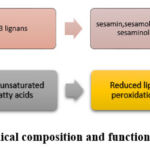 |
Figure 1: Chemical composition and function of Sesame oil. |
Coconut oil
Saturated acids make up 92% of the content of coconut oil, of which 50% is lauric acid. It has been found that monolaurin and monoglycerides of lauric acid exhibit antibacterial action against a variety of microbes.22 Staphylococcus aureus, Helicobacter pylori, Enterobcater, Escherichia vulneris, Candida species like Candida parapsilosis, Candida glabrata, Candida tropicalis, Candida albicans, Candida krusei, and Candida stellatoidea and additional viruses are among them.22, 23 Coconut oil’s chemical makeup is seen in Figure 2.
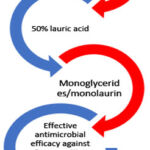 |
Figure 2: Chemical makeup of Coconut oil |
Sunflower Oil
Sunflower oil is not typically the first choice for oil pulling, but it offers its unique advantages. It is abundant in essential nutrients, including vitamin E and omega-6 fatty acids. These components contribute to the health of the gums and help reduce the risk of oral infections.24 The anti-inflammatory properties of sunflower oil can be beneficial in mitigating gum inflammation and promoting overall oral comfort.
Olive Oil
The anti-inflammatory and antioxidant characteristics of olive oil help to protect oral health. It is also rich in polyphenols and vitamin E, which helps to reduced inflammation of the gums, aids in the healing of gingivitis, and prevents the growth of cavity-causing bacteria like streptococcus mutans. Furthermore, olive oil has been shown to boost the production of saliva which helps neutralize acids, maintain oral pH levels, and remineralize the tooth enamel. It also reduces plaque formations while moisturizing dry oral tissues which results in improved gum health and reduced cavities.24
Ghee
Ghee, or clarified butter, is a distinctive choice for oil pulling. In Ayurvedic tradition, ghee is celebrated for its multiple health benefits, including its role in oral care. While it may not strictly be an oil, ghee exhibits antimicrobial and anti-inflammatory properties, making it a valuable contender for this practice.25 Ghee is believed to strengthen teeth and gums and has a soothing effect on the mouth. When used for oil pulling, it can help maintain oral health in alignment with the principles of Ayurveda.
Potential Benefits of Oil Pulling
While scientific research on oil pulling is limited, some studies and anecdotal evidence suggest several potential benefits.13,24
Improved Oral Health: Oil pulling may help reduce harmful bacteria in the mouth, leading to improved oral hygiene and fresher breath.
Whitening of Teeth: Supporters claim that regular oil pulling can contribute to teeth whitening by removing surface stains.
Gum Health: Oil pulling may help reduce inflammation and promote healthier gums.
Cavity Prevention: Some studies suggest that oil pulling may help prevent the formation of cavities by reducing bacterial load in the mouth.
Overall Well-Being: Advocates of oil pulling assert that the practice can have positive effects on overall well-being, including increased energy and reduced headaches.
Dental caries: There is constantly a biofilm covering the mouth cavity. Preserving the environmental balance of the buccal cavity and delaying the start of the decay process need to involve both – chemical and mechanical elimination of the oral biofilm. The oral microbiome encompasses an anticipated 700 distinct kinds of microorganisms that live in the mouth biofilm.24 The most frequent bacteria that cause dental caries are Lactobacilli that produces lactic acid and Streptococcus mutans that produces bacitracin.23
When the pH of the plaque falls below the “critical value” (5.5 for hydroxyapatite, 4.5 for fluorapatite, and 6.7 for cementum), the calcium phosphate ions in the hydroxyapatite crystals disintegrate, initiating the demineralization process. Dental caries is the term for enamel that has become demineralized.23-25
Coconut oil has been demonstrated to exhibit antibacterial action against Candida albicans and S. mutans when used for oil pulling; sesame oil likewise demonstrates an equivalent effect against S. mutans and Lactobacilli.25 Oil pulling after 40 days exhibited an average 20% decrease in the oral cavity’s total bacteria count.26 Comparably, in a different study comparing the pre- and post-oil pulling susceptibility to tooth caries, 50% of the individuals’ susceptibility decreased from “marked” to “slight.” In contrast, the susceptibility decreased from “marked” to “moderate” in the remaining 50% of the patients.26
Gingivitis: One of the most prevalent forms of gingival illness is plaque-induced gingivitis, which is brought on by microorganisms in the plaque biofilm interacting with the host’s inflammatory cells.27 In comparison to the chlorhexidine group, a recent randomised controlled experiment shown a substantial reduction in modified gingival index scores and plaque scores after oil pulling therapy.28 After 45 days of oil pulling therapy using sunflower oil, plaque scores were similarly found to decrease in another investigation.15 While gingivitis decreased by 52–60%, plaque scores fell by 18–30%.28 Additionally, data from biological and clinical evaluations demonstrated the efficacy of oil pulling in preventing plaque-induced gingivitis.29
Halitosis: Bad breath, or halitosis, is a widespread issue that frequently results in public shame. Volatile sulphur compounds, including dimethyl sulphide, hydrogen sulphide, and methyl mercaptan, are responsible for the malodour. These chemicals are created when peptides present in food scraps, saliva, plaque, and desquamated epithelial cells are broken down by proteases. It is also known that the gram-negative proteolytic bacteria that cause gingivitis and periodontitis also create sulphide chemicals.14, 30 Sesame oil pulling therapy was found to be just as active as the gold standard chlorhexidine rinses in treating halitosis and related infections.31, 32 In addition, oil pulling is less expensive than chlorhexidine and doesn’t have any undesirable side effects, such as hypersensitive reactions or prolonged mucosal staining.9, 29, 30-33
Oral Candidiasis: Candida species are the cause of oral candidiasis, also known as oral thrush, a non-contagious fungiform infection. It is frequently observed in patients using drugs that may, over time, change the oral microbiota. Oral candidiasis is apparently more common in denture users, patients receiving long-term antibiotic therapy, people using inhaled corticosteroids for asthma, and patients receiving radiation therapy.34 Research indicates that oil pulling treatment reduces oral thrush symptoms in two ways. During oil swishing, it first captures or draws toxins and other infections, which helps to mechanically remove the microbe from the mouth cavity. Second, the antifungal qualities of the oils—in particular, coconut oil—kill the oral cavity’s yeast and eliminates them.35,36
Systemic Effects of Oil Pulling
The buccal cavity has many benefits from oil pulling. As to the ancient Indian Ayurvedic texts, oil pulling is effective in treating and preventing over thirty distinct ailments, ranging from eczema, thrombosis, migraines, and headaches to life-threatening conditions like asthma and diabetes.9, 15, 17, 18, 37 The systemic effects of oil pulling are shown in Figure 3.
 |
Figure 3: Systemic Effects of Oil Pulling |
Systemic effects of Oil Pulling
Skin ailments and eczema
One of the primary advantages of oil pulling for the skin is its capacity to enhance skin clarity. The toxic substances and microorganisms eliminated from the oral cavity during oil pulling are also present in other regions of the body, notably the skin. Oil pulling can diminish inflammatory mediators and acne by eliminating these detrimental compounds from the body, resulting in clearer, healthier skin.35 The oil’s antioxidants combat damaging free radicals that can harm the skin and induce age-related signs. Consistent oil pulling may enhance skin suppleness and diminish the visibility of skin diseases. Oil pulling may also diminish the visibility of dark circles and swelling beneath the eyes. As toxins are eliminated from the body, the periorbital skin exhibits reduced inflammation and swelling. This can diminish the visibility of dark circles and puffiness, resulting in a rejuvenated and youthful appearance. The oil’s anti-bacterial properties diminish inflammation and irritation, rendering wounds and imperfections less conspicuous. Consistent oil pulling may facilitate expedited repair and diminish the visibility of scars and imperfections over time. Sesame oil is rich in copper, which is recognised for its anti-inflammatory properties, and it contains chlorosesamone, an antifungal compound. It is also efficacious against streptococcal bacteria.
Diabetes
Studies indicates that coconut oil may be advantageous for type 2 diabetes. A study conducted in 2016, showed that the incorporation of virgin coconut oil or copra oil into a high fructose diet enhanced blood glucose and antioxidant levels in animals, in contrast to a control group.36 A brief research investigation including 9 healthy men shown that the consumption of coconut oil over 8 weeks improved insulin sensitivity, thereby aiding in the maintenance of acceptable blood sugar levels by enhancing the body’s capacity to utilise insulin for the transport of glucose from circulation to the cells.37 Additionally, another study indicated that rats with type 2 diabetes that ingested coconut oil had reduced levels of cholesterol and enhanced glucose tolerance.38
Migraines and tension headaches
Recent research indicate that tension headaches and migraines result from an accumulation of toxins in the body. When harmful germs infiltrate your body, they upset your neurological system, which is associated with intense headaches and migraines. Oil pulling eliminates pathogens and poisons from the human system prior to their potential complications. Individuals experiencing severe headaches or chronic migraines may find relief through oil pulling.39 Peripheral inflammation significantly impacts the central inflammatory status, or the inflammatory condition of the brain. Research examining the brains of Alzheimer’s patient’s post-mortem has revealed the presence of oral infections within brain tissue. This suggests that oral microorganisms can ascend to the nervous system and facilitate the synthesis of beta amyloid.40,41 Hence oil pulling is suggested to reduce the bacterial in the oral cavity to enhance the mental and cognitive well-being.
Bood circulation and detoxification
Ayurveda suggests that swishing the oil extracts will help in removing certain undesirable elements from the body, which are subsequently evacuated upon spitting out the oil. This enhances dental health and facilitates the body’s cleansing process. Oil pulling is a therapeutic technique for detoxifying the body of pollutants. The procedure facilitates the purification of the lymphatic system and enhances the overall functionality of your organs. Oil pulling may also improve digestion by eliminating harmful substances and microbes from the oral cavity.42 Oil pulling along with further detoxification methods to improve the health of the gut, fostering an equilibrium and robust gastrointestinal system. Oil pulling aids in sustaining a healthy bacterial equilibrium in the oral cavity, which is crucial for a resilient immune system. By diminishing the burden of pathogenic microorganisms, the immune system can operate more effectively, preventing diseases. 43
Asthma and breathing disorders
Furthermore, the correlation between oil pulling and general well-being requires further investigation, beyond testimonials or Ayurvedic literature. At present, there are no occidental studies that substantiate the efficacy of oil pulling in preventing or treating health issues such as asthma. Oil pulling has demonstrated no advantages in enhancing lung health. It could be harmful and result in worse damage if the oil infiltrates the bronchial tubes and lung tissue.44 Some incidents have transpired in individuals predisposed to aspirations (inhaling substances other than air) due to preexisting respiratory or swallowing disorders.44
Inhibition of metastasis
Oil pulling and miracle mouthwash had comparable efficacy in alleviating the intensity of oral mucositis and mitigating the discomfort associated with chemotherapy and radiation-induced oral mucositis in patients with cancer of the head and neck. Coconut oil pulling may serve as an alternate therapy to magic mouthwash for the treatment of oral mucositis generated by chemotherapy and radiation.45 Coconut oil pulling shown considerable antifungal, anti-inflammatory, and analgesic effects, significantly mitigating and avoiding radiation-induced oral mucositis and its related consequences.46
Maintaining oral health throughout chemotherapy is crucial; effective oral care helps mitigate adverse effects like nausea and diminished appetite, while also aiding in the detoxification of your entire body between rounds. Oil pulling stimulates digestive enzymes that gather impurities from meals and surroundings, subsequently expelling these harmful substances into the saliva, which is eliminated by vomiting out the oil that was utilised.
Systemic Mechanisms of Oil Pulling
Oil pulling, an old Ayurvedic practice, is generally used for oral cleansing, but new data reveals systemic effects via interrelated biological pathways. Proposed mechanisms include:47,48
Reduction of Oral Microbial Load
Oil pulling reduces harmful microorganisms in the mouth cavity. Because the oral microbiota is associated with systemic disorders (such as cardiovascular disease, diabetes, and rheumatoid arthritis), reducing it may indirectly reduce the systemic inflammatory burden.
Anti-inflammatory Effects
Polyunsaturated fatty acid-rich oils, such as sesame and sunflower, can reduce inflammation via regulating prostaglandin pathways. This may assist to minimize systemic inflammation caused by oral infections.
Immune Modulation
Oil pulling reduces the presence of bacteria and mediators of inflammation in the mouth cavity, lowering systemic immune activation. This may help minimize persistent mild inflammation, which is linked to metabolic and cardiovascular problems.
Prevention of Bacterial Translocation
Oral bacteria and endotoxins can reach the bloodstream through gingival crevices. Oil pulling may limit bacterial translocation, lowering the risk of bacterial infection and systemic infections.
Lipid Absorption and Detoxification Concept (Ayurvedic Theory)
In conventional practices of Ayurveda, “Kavala” and “Gandusha” (oil pulling) are used to eliminate “Ama” (toxins) by lipid absorption. While this notion has not been empirically confirmed, it does support the practice’s systemic cleaning aspect.
Impact on Oxidative Stress
Certain oils, such as coconut and olive oil, include antioxidants including polyphenols and vitamin E, which can lower oxidative stress and promote overall health.
Discussion
There is a dearth of literature on oil pulling and tooth health. The practice of oil pulling has its origins in old Hindu books and scriptures. There are currently few studies assessing the benefits of oil pulling for oral health, thus scientific investigation in this and other traditional healing methods is warranted. Furthermore, there have been reports that oil pulling significantly improves dental hygiene.15, 29, 49
Oil pulling therapy is an easy, affordable cost way to maintain and restore dental health without requiring special care to adhere to a rigorous plan. It’s easy, safe, and less complicated than other detoxification techniques. Furthermore, the majority of oils utilised in this type of therapy don’t have any aftertaste or allergies that come with them.28,49 Furthermore, any household oil—such as sunflower or any other vegetable oil—can be used; no special oil is needed. As a result, the further advantages include convenience of use at home and affordability; oil pulling is far less expensive per rinse than other marketable therapies.36 Moreover, it has no connection with any modification of perceptual and sensory aspects of taste.10,50
Mouthwashes containing chlorhexidine are utilized in addition to experimental treatment for periodontal and dental caries. However, because of its disagreeable taste and unintended consequences (staining), it is linked to somewhat reduced compliance. Furthermore, the zinc and stannous salts in this mouthwash have organoleptic qualities, which restricts the usage of its concentrations. The stannous in it is linked to extrinsic tooth discoloration. Such adverse effects have not been linked to the use of oil pulling procedures.51
Since oil pulling is one of the less studied alternate types of oral hygiene, there are currently no therapeutic guidelines. But since there’s a risk of swallowing, it’s not advised for kids under five. In a similar vein, people with different allergies should be wary of the oil’s provenance because it might have been handled within establishments which uses nuts and seeds to produce oils. There have been a limited instances of lipoid pneumonia documented in people who regularly used oil pulling techniques.41 These incidents have been linked to inadvertent desire of little aggregates of oil which is normally non dangerous to the public’s health because it is easily expelled through faeces.52
Although oil pulling and mouthwash can help with dental cleanliness, although their processes and overall benefits differ. While mouthwash is easily accessible and provides quick antibacterial activity, oil pulling is an age-old method that may provide an expanded approach to improving oral hygiene with long-term advantages. According to the study, oil pulling and mouthwash are about equally efficient in cleaning the oral cavity. However, oil pulling is currently used far less frequently than mouthwash. Even Nevertheless, certain groups of individuals continue to use traditional ways.53
Conclusion
While oil pulling has been practiced for centuries and many people report positive outcomes, it’s essential to note that scientific evidence supporting its benefits is limited. Oil pulling is a complementary supplement to maintain good dental hygiene routine, but it should not replace regular brushing, flossing, and dental check-ups. As with any health practice, individuals should consult with their healthcare professionals before incorporating oil pulling into their routine, especially if they have pre-existing dental or health conditions.
Acknowledgement
The authors express gratitude and acknowledge to our university, Manipal Academy of Higher Education, Manipal who supported in our research.
Funding Sources
The author(s) received no financial support for the research, authorship, and/or publication of this article.
Conflict of Interest
The author(s) do not have any conflict of interest.
Data Availability Statement
This statement does not apply to this article.
Ethics Statement
This research did not involve human participants, animal subjects, or any material that requires ethical approval.
Informed Consent Statement
This study did not involve human participants, and therefore, informed consent was not required.
Clinical Trial Registration
This research does not involve any clinical trials
Permission to reproduce material from other
Not applicable
Authors Contribution
- Roma Mascarenhas conceptualized the study, wrote, prepared the draft of the manuscript, and confirm the authenticity of the raw data
- Shreya Hegde substantially contributed to data interpretation, wrote, prepared the draft of the manuscript, and confirm the authenticity of the raw data
References
- Evans CA, Kleinman DV. The Surgeon General’s report on America’s oral health: opportunities for the dental profession. The Journal of the American Dental Association. 2000;131(12):1721-1728.
CrossRef - Sheiham A, Watt RG. The common risk factor approach: a rational basis for promoting oral health. Community Dentistry and Oral Epidemiology: Commentary. 2000;28(6):399-406.
CrossRef - Li X, Kolltveit KM, Tronstad L, Olsen I. Systemic diseases caused by oral infection. Clinical microbiology reviews. 2000;13(4):547-558.
CrossRef - Engebretson SP, Vossughi F, Hey‐Hadavi J, Emingil, G, Grbic JT. The influence of diabetes on gingival crevicular fluid β‐glucuronidase and interleukin‐8. Journal of Clinical Periodontology. 2006; 33(11):784-790.
CrossRef - Kinane DF. Periodontal diseases’ contributions to cardiovascular disease: an overview of potential mechanisms. Annals of periodontology. 1998;3(1):142-150.
CrossRef - Segata N, Haake SK, Mannon P, Lemon KP, Waldron L, Gevers D, Izard J. Composition of the adult digestive tract bacterial microbiome based on seven mouth surfaces, tonsils, throat and stool samples. Genome biology. 2012; 13:1-18.
CrossRef - Xu XHeJ, Xue J, Wang YLiK, Zhang K, Zhou X. Oral cavity contains distinct niches with dynamic microbial communities. Environmental microbiology. 2015;17(3):699-710.
CrossRef - Jenkinson HF. Beyond the oral microbiome. Environmental microbiology. 2011;13(12):3077-3087.
CrossRef - Hebbar A, Keluskar V, Shetti A. Oil pulling–Unraveling the path to mystic cure. J Int Oral Health. 2010;2(4):11-15.
- Tomar P, Hongal S, Jain M, Rana K, Saxena V. Oil pulling and oral health: A review. IJSS Case Report & Reviews.2014;1(3):33-37.
- Pal SK, Shukla Y. Herbal medicine: status and the future. Asian pacific journal of cancer prevention. 2003;4(4):281-288.
- Więckiewicz W, Miernik M, Więckiewicz M, Morawiec T. Does propolis help to maintain oral health? Evidence‐Based Complementary and Alternative Medicine 2013;2013(1):1-8.
CrossRef - Asokan S, Rathinasamy TK, Inbamani N, Menon T, Kumar SS, Emmadi P, Raghuraman R. Mechanism of oil-pulling therapy-in vitro study. Indian Journal of Dental Research. 2011;22(1):34-37.
CrossRef - Khurshid Z, Zafar MS, Zohaib S, Najeeb, S, Naseem M. M3: Green Tea (Camellia Sinensis): Chemistry and Oral Health. The Open Dentistry Journal. 2016;10:166-173.
CrossRef - Amith HV, Ankola AV, Nagesh L. Effect of oil pulling on plaque and gingivitis. J Oral Health Community Dent. 2007;1(1):12-18.
CrossRef - Niazi F, Naseem M, Khurshid Z, Zafar MS, Almas K. Role of Salvadora persica chewing stick (miswak): A natural toothbrush for holistic oral health. European journal of dentistry. 2016;10(02):301-308.
CrossRef - Asokan S, Emmadi P, Chamundeswari R. Effect of oil pulling on plaque induced gingivitis: a randomized, controlled, triple-blind study. Indian Journal of Dental Research. 2009;20(1):47-51.
CrossRef - Hebbar A, Keluskar V, Shetti A. Oil pulling–Unravelling the path to mystic cure. J Int Oral Health. 2010;2(4):11-15.
- Namiki M. The chemistry and physiological functions of sesame. Food reviews international. 1995;11(2): 281-329.
CrossRef - Sankar D, Sambandam G, Rao MR, Pugalendi KV. Modulation of blood pressure, lipid profiles and redox status in hypertensive patients taking different edible oils. Clinica chimica acta. 2005; 355(1-2):97-104.
CrossRef - Carpo BG, Verallo-Rowell VM, Kabara J. Novel antibacterial activity of monolaurin compared with conventional antibiotics against organisms from skin infections: an in vitro study. Journal of drugs in dermatology: JDD. 2007; 6(10):991-998.
- Verallo-Rowell VM, Dillague KM, Syah-Tjundawan BS. Novel antibacterial and emollient effects of coconut and virgin olive oils in adult atopic dermatitis. DERM, 2008;19(6):308-315.
CrossRef - Merritt J, Qi F. The mutacins of Streptococcus mutans: regulation and ecology. Molecular oral microbiology. 2012;27(2):57-69.
CrossRef - Shanbhag VKL. Oil pulling for maintaining oral hygiene–A review. Journal of traditional and complementary medicine. 2017;7(1):106-109.
CrossRef - Kataria D, Singh G. Health benefits of ghee: Review of Ayurveda and modern science perspectives. J Ayurveda Integr Med. 2024 Jan-Feb;15(1):1-11.
CrossRef - Lakshmi, T., Rajendran, R., & Krishnan, V. (2013). Perspectives of oil pulling therapy in dental practice. Dental Hypotheses. 4(4):131-134.
CrossRef - Claesson MJ, Van Sinderen D, O’Toole PW. The genus Lactobacillus—a genomic basis for understanding its diversity. FEMS Microbiology Letters. 2007;269(1):22-28.
CrossRef - Asokan S, Kumar RS, Emmadi P, Raghuraman R, Sivakumar N. Effect of oil pulling on halitosis and microorganisms causing halitosis: A randomised controlled pilot trial. Journal of Indian Society of Pedodontics and Preventive Dentistry. 2011;29(2):90-94.
CrossRef - Roldan S, Herrera D, Santa‐Cruz I, O’Connor A, González I, Sanz M. Comparative effects of different chlorhexidine mouth‐rinse formulations on volatile sulphur compounds and salivary bacterial counts. Journal of Clinical Periodontology. 2004;31(12):1128-1134.
CrossRef - Roldán S, Winkel EG, Herrera D, Sanz M, Van Winkelhoff AJ. The effects of a new mouthrinse containing chlorhexidine, cetylpyridinium chloride and zinc lactate on the microflora of oral halitosis patients: a dual‐centre, double‐blind placebo‐controlled study. Journal of clinical periodontology. 2003;30(5):427-434.
CrossRef - Sood P, Narang R, Swathi V, Makkar DK. Comparative efficacy of oil pulling and chlorhexidine on oral malodor: A randomized controlled trial. Journal of clinical and diagnostic research: JCDR. 2014;8(11):18-21.
CrossRef - Takakura N, Sato Y, Ishibashi H, Oshima H, Uchida K, Yamaguchi H, Abe S. A novel murine model of oral candidiasis with local symptoms characteristic of oral thrush. Microbiology and immunology. 2003;47(5):321-326.
CrossRef - Naseem M, Khiyani MF, Nauman H, Zafar MS, Shah AH, Khalil HS. Oil pulling and importance of traditional medicine in oral health maintenance. International journal of health sciences.2017;11(4):65-70.
- Fife B. Oil pulling therapy: detoxifying and healing the body through oral cleansing. Piccadilly Books, Ltd.; 2017 Aug 14.
- Narayanankutty A, Mukesh RK, Ayoob SK, Ramavarma SK, Suseela IM, Manalil JJ, Kuzhivelil BT, Raghavamenon AC. Virgin coconut oil maintains redox status and improves glycemic conditions in high fructose fed rats. J Food Sci Technol. 2016 Jan;53(1):895-901.
CrossRef - Korrapati D, Jeyakumar SM, Putcha UK, Mendu VR, Ponday LR, Acharya V, Koppala SR, Vajreswari A. Coconut oil consumption improves fat-free mass, plasma HDL-cholesterol and insulin sensitivity in healthy men with normal BMI compared to peanut oil. Clin Nutr. 2019 Dec;38(6):2889-2899.
CrossRef - Kochikuzhyil BM, Devi K, Fattepur SR. Effect of saturated fatty acid-rich dietary vegetable oils on lipid profile, antioxidant enzymes and glucose tolerance in diabetic rats. Indian J Pharmacol. 2010 Jun;42(3):142-145.
CrossRef - Wallace TC. Health Effects of Coconut Oil-A Narrative Review of Current Evidence. J Am Coll Nutr. 2019 Feb;38(2):97-107.
CrossRef - Kamer AR, Craig RG, Dasanayake AP, Brys M, Glodzik-Sobanska L, de Leon MJ. Inflammation and Alzheimer’s disease: possible role of periodontal diseases. Alzheimers Dement. 2008 Jul;4(4):242-50.
CrossRef - Riviere GR, Riviere KH, Smith KS. Molecular and immunological evidence of oral Treponema in the human brain and their association with Alzheimer’s disease. Oral Microbiol Immunol. 2002 Apr;17(2):113-118.
CrossRef - Gurumurthy K, Priya J, Devi G, Arivarasu L. Effects of Oil Pulling on Bad Breath and Cavities. Annals of the Romanian Society for Cell Biology. 2021;25(2):2648-56.
- Woolley J, Gibbons T, Patel K, Sacco R. The effect of oil pulling with coconut oil to improve dental hygiene and oral health: A systematic review. Heliyon. 2020 Aug 27;6(8):1-7.
CrossRef - Kuroyama M, Kagawa H, Kitada S, Maekura R, Mori M, Hirano H. Exogenous lipoid pneumonia caused by repeated sesame oil pulling: a report of two cases. BMC Pulm Med. 2015 Oct 30;15:1-5.
CrossRef - Agarwal N, Shetty P, Shetty S, Dhanashree B, Sandeep KM. Effect of Coconut Oil Pulling and Benzydamine Hydrochloride Mouthwash in the Management of Radiation-Induced Oral Mucositis: a Randomized Controlled Clinical Trial. Journal of Maxillofacial and Oral Surgery. 2025; Mar 20:1-8.
CrossRef - Manjunathan, C., & Singh, V. (2022). An Impact of Coconut Oil Pulling on Oral Mucositis among Malignancy Patients. Journal of Natural Remedies. 2022;22(1):43–50.
CrossRef - Kaushik M, Reddy P, Sharma R, Udameshi P, Mehra N, Marwaha A. The effect of coconut oil pulling on Streptococcus mutans count in saliva in comparison with chlorhexidine mouthwash. J Contemp Dent Pract, 2016;17(1):38-41.
CrossRef - Biswas T, Srivastava T, Chandra S, Tripathi P. Tradition meets trend: A comprehensive overview of oil pulling in oral and systemic health. Asian J Oral Health Allied Sci. 2025;15(7):1-5.
CrossRef - Rajasekaran JJ, Krishnamurthy HK, Bosco J, Jayaraman V, Krishna K, Wang T, Bei K. Oral Microbiome: A Review of Its Impact on Oral and Systemic Health. Microorganisms. 2024 Aug 29;12(9):1-37.
CrossRef - Singh A, Purohit B. Tooth brushing, oil pulling and tissue regeneration: A review of holistic approaches to oral health. Journal of Ayurveda and integrative medicine. 2011;2(2):64-68.
CrossRef - Gbinigie, O., Onakpoya, I., Spencer, E., MacBain, M. M., & Heneghan, C. Effect of oil pulling in promoting oro dental hygiene: A systematic review of randomized clinical trials. Complementary therapies in medicine. 2016; 26:47-54.
CrossRef - Kraft K. Complementary/Alternative Medicine in the context of prevention of disease and maintenance of health. Preventive medicine. 2009;49(2-3):88-92.
CrossRef - Kuroyama M, Kagawa H, Kitada S, Maekura R, Mori M, Hirano H. Exogenous lipoid pneumonia caused by repeated sesame oil pulling: A report of two cases. BMC Pulm Med. 2015; 15:1-5.
CrossRef - Ram VV, Priya J, Devi G. A Survey Based Study on Effectiveness of Oil Pulling and Mouthwash. Journal of Pharmaceutical Research International. 2020 Aug 25;32(17):136-47.
CrossRef

