In Silico ADMET, Network Pharmacology, and Docking Analysis of Green-Synthesized Tetrahydropyrimidine Derivatives
 , Sakthi Periyasamyand Priya Deivasigamani*
Department of Pharmaceutical Chemistry,SRM College of Pharmacy, Faculty of Medicine and Health Sciences,SRM Institute of Science and Technology, Kattankulathur, Chengalpattu, Tamil Nadu, India.
Corresponding Author Email:priyad@srmist.edu.in
Download this article as:
ABSTRACT:Pyrimidine derivatives are significant heterocyclic frameworks exhibiting several pharmacological actions, including antihypertensive properties. In this research, two new tetrahydropyrimidine derivatives were synthesized using an environmentally friendly Biginelli reaction that was sped up by onion peel powder, which is a bio-waste material that can be reused. IR and mass spectrometry was used to establish the structures of the synthesised compounds, and computer modeling was performed to see how well they may work as antihypertensive drugs. SwissADME, pkCSM, and ProTox-II tools were used to check the ADMET properties. Network pharmacology analysis, protein–protein interaction, Gene Ontology, and KEGG pathway enrichment analyses were used to find thecommon targets between genes linked to hypertension and targets linked to compounds. Molecular docking using AutoDock was performed on five important antihypertensive targets: Src kinase, MMP-2, GSK3β, ROCK1, and PKCα. We then compared the results to those of the reference medication nifedipine. Both compounds had good drug-like and pharmacokinetic qualities, while Compound 1 had the best balance of ADME and safety. Docking findings showed that the synthesized compounds, especially Compound 1, had similar or stronger binding affinities to important targets than nifedipine. In general, these results indicate that the tetrahydropyrimidine derivatives are excellent candidates for further testing as antihypertensive medicines.
KEYWORDS:ADMET Profiling; Biginelli Reaction; Green Synthesis; Molecular Docking; Network Pharmacology; Tetrahydropyrimidine
Introduction
The pyrimidine derivatives have turned out to be important heterocyclic rings in medicinal chemistry due to their broad spectrum of biological functions, such as anticancer, antibacterial, anti-inflammatory, and most specifically antihypertensive properties.1-4 They are attractive targets of new drug development due to their structural diversity, which allows the formation of compounds that effectively bind several biological targets, such as angiotensin-converting enzyme (ACE) and calcium channels.5-9 The Biginelli reaction, a classical multicomponent condensation reaction involving an aldehyde, a ketone (or a ketoester), and urea or thiourea, is a simple and effective process to prepare 3,4-dihydropyrimidin-2(1H)-ones/thiones.10,11 Heterocyclic compounds possess varied pharmacological characteristics, and the Biginelli reaction provides an exceptional method for producing molecular diversity in a single step.12 In the past, the reaction required intense acidic conditions and extended periods of time, but in recent times there has been a focus on enhancing its efficiency and sustainability.
The “one-drug-one-target-one-disease” model used in traditional drug discovery doesn’t work for disorders like hypertension that have several causes and involve complicated signaling networks. Network pharmacology signifies a paradigm shift, pinpointing principal hub targets using pathway enrichment analysis and an extensive investigation of GO/KEGG pathways to clarify multi-target processes.13-17
Every month, humankind generates millions of tons of bio-waste, most of which is generated through households, food stalls, restaurants, and food processing plants. Over the years, most of the biological waste has been disposed of in landfills, and the residue could cause harmful effects to our ecosystem, wildlife, and human health. Onion (Allium Cepa L.) is one of the most widely cultivated crops in the world, which is appreciated because of its medicinal, nutritional, and other functional qualities, and their by-products. Biological waste is produced annually, and it is the onion peel. According to surveys, food processing companies and human consumption in some countries, such as the US and European ones, generate over 100,000 tons of onion waste annually. Against this background of the rising need to have a simple, cost-efficient, and environmentally friendly approach to the synthesis of various heterocyclic privileged compounds, hereby, we report the use of onion peel as a natural catalyst in the synthesis of a major privileged structure in the pharmaceutical industry.18-23Previous studies have reported two uses: the water extract of burnt ash from onion peel waste (ash-water extract) in the synthesis of bisenols, and the water extract of onion peel in the synthesis of bisindolylmethanes.24-26The current work is focusing on the synthesis and characterization of two new tetrahydropyrimidine derivatives using the environmentally friendly Biginelli reaction. They were assessed in silico for their potential antihypertensive effects using molecular docking against key network pharmacology targets (Src kinase [2SRC], MMP-2 [1M17], GSK3β [1Q5K], ROCK1 [5IKR], PKCα [1GKC]) and through ADMET profiling. The results were also compared to those of nifedipine, the standard calcium channel blocker, to see how effective and drug-like the synthetic compounds were.
Materials and Methods
All the chemicals and solvents (technical grade) utilized in this experiment were purchased from Southern India Scientific Corporation (Chennai) and were used without further purification unless stated.
Onion Peel powder preparation
A local restaurant was used to collect onion trash to use for the study. The onion skin was stripped off from the bulb and wiped with distilled water. The peeled onions were dried in the air after four days. The dried onion peel was cut into little pieces and ground into a fine powder using a mortar and pestle.27
Procedure for Green Synthesis
The onion peel powder was transferred into a round-bottom flask containing benzaldehyde (1.00 mmol), thiourea (1.00 mmol), and ethyl acetoacetate (1.00 mmol) and ethanol under solvent-free conditions. Magnetic stirring was then performed on the mixture, and it was heated to 120°C. Thin Layer Chromatography (TLC) was used to determine the progress of the reaction by using ethyl acetate and n-hexane (2:8) as the mobile phase. Recrystallized using ethanol and characterized using IR and MS.
Ligand Designing
Each of the molecules suggested was drawn with ChemDraw 16.0 and saved as a .mol2 file. The Avogadro program was used to construct the structures of the ligands and optimize them using the MMFF94 force field. In silico ADMET and molecular modelling ligand generation were also predicted by the conformations of the ligand that were designed and used.28
ADMET Profiling
Canonical SMILES of the tetrahydropyrimidine derivatives were produced using ChemSketch, and subsequently these were inputted into Swiss ADME, Molinspiration, and pkCSM programs to estimate in silico ADME and other molecular characteristics. Protox-II was used to predict toxicological endpoints and organ toxicity.29-31
Network Pharmacology Analysis
Disease and Compound Target Identification
We got 14,362 genes that are linked to hypertension from disease databases like DisGeNET and GeneCards. Using SwissTargetPredictions, we predicted 232 compound-related genes for the tetrahydropyrimidine derivatives. Using Venny 2.032, we found 131 common target genes by crossing disease and compound gene sets.
PPI Network Construction
The 131 frequent target genes were imported into Cytoscape 3.9.1 to build a protein-protein interaction (PPI) network using the STRING database (medium confidence score > 0.4). Based on degree centrality (>15), betweenness centrality, and closeness centrality, network topology analysis found the top 10 hub targets: Src kinase (2SRC), MMP-2 (1M17), GSK3β (1Q5K), ROCK1 (5IKR), PKCα (1GKC), and five more high-degree nodes.
Functional Enrichment Analysis
The top 10 hub targets were sent to DAVID 6.8 Bioinformatics Resources33 (https://david.ncifcrf.gov) for functional annotation. We did Gene Ontology (GO) enrichment analysis in three areas: biological process (BP), cellular component (CC), and molecular function (MF).
KEGG Pathway Enrichment Analysis
Using the SangerBox (srplot) web platform (http://www.bioinformatics.com.cn/srplot)³⁴, we did a KEGG pathway analysis. Pathways that were significantly enriched (q-value < 0.05) are listed below in order of enrichment factor and gene count. The results were shown as bubble plots, with the size of the dots showing the number of genes and the color intensity showing -log₁. ₀.
In Silico Molecular Modelling
The hub targets chosen for molecular docking (Src kinase, MMP-2, GSK3β, ROCK1, and PKCα) were determined by degree centrality analysis of the protein–protein interaction network utilizing the CytoHubba plugin. These proteins exhibited significant connectivity and are extensively recognized for their critical roles in the control of vascular tone, smooth muscle contraction, endothelial function, and intracellular signaling pathways associated with hypertension.
We used AutoDock to undertake molecular docking with the default genetic algorithm settings. These settings are well-known and make sure that ligand–protein interaction predictions are accurate. To build protein structures, water molecules were taken out and polar hydrogens were added. Ligand geometries were energy-minimized before docking. We set the dimensions of the grid boxes to include the active binding sites of each target protein, which gave them enough room to change shape during docking.
Results
Two new tetrahydropyrimidine derivatives were successfully made using a green Biginelli reaction with onion peel powder as a catalyst made from bio-waste. The yield for Compound 1 was 82%, and the yield for Compound 2 was 88%.
The IR spectrum of Compound 1 had distinct absorption bands at 3056 cm⁻¹, indicative of aromatic C–H stretching, and bands at 2915–2850 cm⁻¹, associated with aliphatic C–H stretching. The strong band at 1680 cm⁻¹ showed that there was an ester carbonyl (C=O) group. The C=C stretching vibrations in aromatic compounds were seen at 1592, 1566, and 1553 cm⁻¹. The C–N and C=S stretching vibrations were seen at 1342 and 1324 cm⁻¹, respectively. More bands linked to C–O, C–N stretching, and aromatic C–H out-of-plane bending backed up the suggested structure even more. Mass spectrometry found a molecular ion peak at m/z 322 [M]⁺, which was in line with the projected molecular weight. The IR analysis of Compound 2 showed an N–H stretching vibration at 3371 cm⁻¹ and an aromatic/aliphatic C–H stretching vibration between 3006 and 2930 cm⁻¹. Absorption bands at 1741 cm⁻¹ and 1675 cm⁻¹, respectively, proved the presence of ester and amide carbonyl groups. The bands at 1595 and 1553 cm⁻¹ were for aromatic C=C stretching and amide II stretching. The bands between 1248 and 1067 cm⁻¹ were for C–O and C–N stretching, and C–S stretching and aromatic C–H bending vibrations were also seen. The molecular ion peak at m/z 319 [M]⁺ was the same as the estimated molecular mass. NMR analysis was not concentrated in this study, as the primary emphasis was on illustrating the viability of green synthesis utilizing onion peel extract and assessing the biological potential through in silico methodologies. In future studies, NMR characterization will be performed.
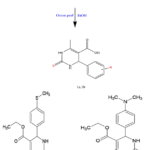 |
Figure 1: Green synthesis of tetrahydropyrimidine derivatives (Compound 1 and Compound 2) via the Biginelli reaction using onion peel powder as a bio-waste catalyst.
|
Drug likeness and Pharmacokinetic Profile
The physicochemical and pharmacokinetic properties of the synthesized compounds and the reference drug nifedipine were evaluated using SwissADME and pkCSM (Tables 1 and 2). Both compounds complied fully with Lipinski’s rule of five and showed favorable molecular weights, lipophilicity, and molecular complexity.
Compound 1 exhibited optimal drug-likeness with no Lipinski, Ghose, Veber, Egan, or Muegge violations. It showed a bioavailability score of 0.55 and good synthetic accessibility (3.67). The compound displayed high gastrointestinal absorption, excellent Caco-2 permeability, and no predicted P-glycoprotein substrate liability. No major CYP450-related metabolic risks were identified, suggesting metabolic stability.
Compound 2 also demonstrated acceptable drug-likeness and a similar bioavailability score (0.55). Gastrointestinal absorption and Caco-2 permeability were high, and no P-glycoprotein substrate activity was predicted. However, Compound 2 showed one PAINS alert and a predicted CYP3A4 substrate liability, indicating a potential risk for metabolic interactions.
Nifedipine exhibited favorable pharmacokinetic properties with high gastrointestinal absorption and moderate synthetic accessibility (3.81). However, it displayed multiple Brenk structural alerts, suggesting a comparatively higher likelihood of long-term structural liabilities.
ProTox-II’s toxicological profiling showed that both produced compounds have moderate acute oral toxicity (Class III; LD₅₀: 500–2000 mg/kg) (Table 3). Compound 1 exhibited minimal hERG inhibition, absence of Ames mutagenicity, lack of carcinogenicity, and a low risk of hepatotoxicity.
Compound 2 had a comparable acute toxicity classification and minimal hERG inhibition; nevertheless, it was anticipated to be carcinogenic, thus posing a constraint for subsequent development. Nifedipine had a similar toxicity classification, characterized by mild hERG inhibition and an absence of carcinogenic indications.
Table 1. “Physiochemical Properties of the synthesised compounds”
|
Property |
Compound 1 |
Compound 2 |
Nifedipine |
|
Formula |
C15H18N2O2S2 |
C16H21N3O2S |
C17H18N2O6 |
|
MW (g/mol) |
322.45 |
319.42 |
346.33 |
|
Heavy Atoms |
21 |
22 |
25 |
|
Aromatic Heavy Atoms |
6 |
6 |
6 |
|
Fraction Csp3 |
0.33 |
0.38 |
0.29 |
|
Rotatable Bonds |
5 |
5 |
6 |
|
H-bond Acceptors |
2 |
2 |
6 |
|
H-bond Donors |
2 |
2 |
1 |
|
MR (Molecular Refractivity) |
96.7 |
99.19 |
94.52 |
|
TPSA (Ų) |
107.75 |
85.69 |
110.45 |
|
Synthetic Accessibility |
3.67 |
3.77 |
3.81 |
Table 2: “ADME Results”
|
Property |
Compound 1 |
Compound 2 |
Nifedipine |
|
GI absorption |
High |
High |
High |
|
BBB permeant |
No |
No |
No |
|
Pgp substrate |
No |
No |
Yes |
|
CYP1A2 inhibitor |
Yes |
Yes |
Yes |
|
CYP2C19 inhibitor |
Yes |
Yes |
Yes |
|
CYP2C9 inhibitor |
Yes |
Yes |
Yes |
|
CYP2D6 inhibitor |
No |
No |
No |
|
CYP3A4 inhibitor |
Yes |
No |
No |
|
Bioavailability Score |
0.55 |
0.55 |
0.55 |
|
Lipinski violations |
0 |
0 |
0 |
|
Ghose violations |
0 |
0 |
0 |
|
Veber violations |
0 |
0 |
0 |
|
Egan violations |
0 |
0 |
0 |
|
Muegge violations |
0 |
0 |
0 |
Table 3: “Toxicity Profile for the synthesised compounds”
|
Molecule |
AT |
CT |
Hi |
AOT (LD50, mg/kg) |
HT |
|
Compound 1 |
– |
– |
Weak |
500 – 2000 (Class III) |
Low |
|
Compound 2 |
– |
+ |
Weak |
500 – 2000 (Class III) |
Moderate |
|
Nifedipine |
– |
– |
Weak |
500 – 2000 (Class III) |
Low |
AT- Ames Mutagenecity, CT- Carcinogenicity, hI – hERG Inhibition, AOT- Acute Oral Toxicity, HT – Hepatotoxicity, (-) Negative, (+) Positive
Network Pharmacology analysis
Targets of Tetrahydropyrimidine Derivatives and Hypertension
The SwissTargetPrediction algorithm was able to successfully predict target genes for the two produced tetrahydropyrimidine derivatives, finding 232 probable target genes. We searched the DisGeNET and GeneCards databases for genes linked to high blood pressure. We found a total of 14,362 genes that are linked to high blood pressure. Venny 2.0 was used to compare the gene sets connected to compounds and diseases in order to find the possible molecular targets of tetrahydropyrimidine derivatives against hypertension. The Venn diagram analysis identified 131 overlapping genes (Fig. 1), indicating shared targets between the produced chemicals and hypertension pathogenesis.
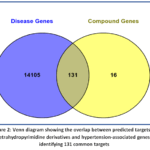 |
Figure 2: Venn diagram showing the overlap between predicted targets of tetrahydropyrimidine derivatives and hypertension-associated genes, identifying 131 common targets
|
Building PPI networks and finding the main targets
The STRING database (medium confidence >0.4) was used to upload the list of 131 overlapping genes and look for protein-protein interactions (Fig. 2). The proteins have a higher degree of centrality if the node size is bigger and the color is darker. Using the Degree technique of the CytoHubba plug-in in Cytoscape 3.9.1, we found the top 10 hub proteins.
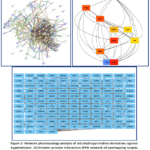 |
Figure 3: Network pharmacology analysis of tetrahydropyrimidine derivatives against hypertension:
|
Perform Enrichment Analyses Using GO and KEGG Databases
A KEGG pathway enrichment analysis of the projected targets of the antihypertensive drugs showed that they were involved in many pathways linked to diseases and signalling. The most significantly enriched route was endocrine resistance (count = 7, p = 9.03 x 10⁻¹¹), which means that hormone-regulated signalling pathways that are strongly related to blood pressure control, vascular tone, and metabolic balance were changed. Proteoglycans in cancer (count = 7, p = 7.27 × 10⁻⁹) and pathways in cancer (count = 7, p = 2.21 × 10⁻⁶) indicate the involvement of extracellular matrix remodeling, cell proliferation, and receptor-mediated signalling, which are also known to contribute to vascular stiffness and endothelial dysfunction in hypertension.Bladder cancer was identified as a highly significant pathway (count = 6, p = 1.45 × 10⁻¹⁰), indicating shared molecular targets implicated in smooth muscle contraction, growth factor signalling, and angiogenesis, activities pertinent to vascular control. The enrichment of pathways related to human cytomegalovirus infection (count = 6, p = 8.71 × 10⁻⁷) and Kaposi sarcoma–associated herpesvirus infection (count = 5, p = 2.05 × 10⁻⁵) shows how inflammatory and immune-mediated signalling can affect the heart, which supports the idea that inflammation plays a role in the progression of high blood pressure. Additionally, pathways directly associated with vascular and therapeutic response mechanisms, such as EGFR tyrosine kinase inhibitor resistance (count = 5, p = 5.7 × 10⁻⁷), the relaxin signalling pathway (count = 5, p = 4.01 × 10⁻⁶), and fluid shear stress and atherosclerosis (count = 5, p = 5.7 × 10⁻⁶), were significantly enriched. These pathways are tightly linked to endothelial function, vasodilation, vascular remodeling, and anti-atherosclerotic actions, which strongly supports the idea that the chemicals investigated could lower blood pressure. The KEGG enrichment results indicate that antihypertensive drugs operate via the multitarget modulation of endocrine signalling, vascular smooth muscle function, endothelial shear stress response, and inflammatory pathways, establishing a mechanistic foundation for their blood pressure-lowering and vasoprotective
effects.
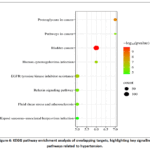 |
Figure 4: KEGG pathway enrichment analysis of overlapping targets, highlighting key signalling pathways related to hypertension.
|
A Gene Ontology enrichment study of the projected targets of the antihypertensive drugs indicated substantial participation in biological processes, cellular components, and molecular functions related to vascular control and signal transduction. The most important biological processes were signal transduction (48) and the G protein–coupled receptor signalling pathway (23), which shows that receptor-mediated mechanisms are very important for controlling blood pressure. Processes associated with protein phosphorylation (count = 20), intracellular signal transduction (count = 15), protein autophosphorylation (count = 14), and lipid metabolic processes (count = 20) further indicate the modulation of kinase-driven signalling and metabolic pathways. Regulatory mechanisms, including the positive regulation of gene expression and transcription by RNA polymerase II, as well as the negative regulation of apoptosis and cell proliferation, suggest protective and adaptive effects on vascular cells. The enhancement of the MAPK cascade, ERK1/ERK2 cascade, and PI3K/Akt signalling regulation underscores critical pathways implicated in endothelial function, vasodilation, and cellular survival.
The examination of cellular components revealed that the targets were predominantly situated in the membrane, plasma membrane, cytoplasm, and cytosol, indicating the participation of membrane-bound receptors and intracellular signalling proteins. The enhancement of receptor complexes, membrane rafts, and the basolateral plasma membrane signifies the presence of active signalling microdomains pertinent to vascular physiology. The presence of synaptic and neuronal components, such as synapse, postsynapse, glutamatergic synapse, and GABA-A receptor complex, indicates a possible neuromodulatory role in antihypertensive effects, while nucleoplasm location signifies transcriptional control. Kinase-related activities, such as kinase activity, protein kinase activity, and protein serine/threonine kinase activity, as well as ATP and nucleotide binding, were used to define molecular function enrichment. This suggests that phosphorylation-dependent signalling is widespread. The increase in protein tyrosine kinase activity, transmembrane receptor protein tyrosine kinase activity, and MAP kinase activity helps control vascular signalling that is caused by growth factors. Cyclic nucleotide phosphodiesterase activities (cAMP and cGMP), metal ion binding, heme binding, and nuclear receptor activity indicate the modulation of nitric oxide signalling, vascular relaxation, and hormone-dependent mechanisms. In general, these studies show that antihypertensive medicines work by coordinating the regulation of receptor signalling, kinase-mediated pathways, cyclic nucleotide metabolism, and mechanisms that protect blood vessels.
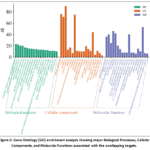 |
Figure 5: Gene Ontology (GO) enrichment analysis showing major Biological Processes, Cellular Components, and Molecular Functions associated with the overlapping targets.
|
Docking Results
The binding affinities of Compound 1, Compound 2, and the reference medication nifedipine against the chosen protein targets (1GKC, 5IKR, 1M17, 1Q5K, and 2SRC) were assessed using molecular docking analysis using AutoDock. Both developed compounds showed favorable binding in comparison to nifedipine across the majority of targets, according to the expected binding energies. Compound 1 had the highest binding affinity of all of them, especially against 1GKC (–8.1 kcal/mol) and 5IKR (–7.2 kcal/mol), while Compound 2 interacted best with 5IKR (–7.5 kcal/mol). With binding energies ranging from –5.9 to –7.0 kcal/mol, nifedipine showed relatively lower or target-dependent binding energies. Compound 2’s binding mechanism at the 5IKR active site demonstrated a persistent ligand–protein complex backed by several non-covalent interactions. In addition to hydrophobic and π–alkyl interactions with LEU188, VAL398, and LEU418, the ligand created a hydrogen bond with GLY186. Van der Waals interactions with residues including MET422, ALA189, HIS405, and TYR420 added additional stability and helped to achieve the good docking score. In line with its higher binding energy, Compound 1 also demonstrated a distinct interaction profile inside the 1GKC binding pocket. While π–alkyl interactions were seen with TYR136 and PRO156, the ligand formed hydrogen bonding interactions with GLN327 and ASN34. By means of van der Waals interactions, a number of residues—including MET48, SER49, HIS39, PRO153, and PRO154—contributed, leading to a compact and energetically advantageous binding conformation. Nifedipine, on the other hand, displayed poorer networks of interactions within the binding sites, exhibiting somewhat lower binding energies and fewer stabilizing connections. Compared to Compounds 1 and 2, nifedipine’s overall interaction pattern was less extensive, despite its ability to create hydrogen bonds and aromatic interactions with certain residues. Overall, the docking data show that compared to nifedipine, the newly developed compounds—especially Compound 1—show improved binding affinity and more stable interaction networks. These compounds are excellent candidates for additional experimental validation because the existence of numerous hydrogen bonds, hydrophobic contacts, and van der Waals interactions suggests greater accommodation within the target proteins’ active regions.
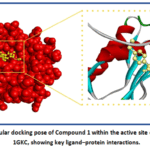 |
Figure 6: Molecular docking pose of Compound 1 within the active site of target protein 1GKC, showing key ligand–protein interactions.
|
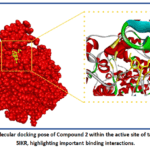 |
Figure 7: Molecular docking pose of Compound 2 within the active site of target protein 5IKR, highlighting important binding interactions.
|
Table 4: Predicted binding energies (kcal/mol) of Compound 1, Compound 2, and nifedipine against selected protein targets obtained using AutoDock.
|
Compounds |
Targets |
Binding Energy (kcal/mol) |
|
Compound 1
|
1GKC |
-8.1 |
|
5IKR |
-7.2 |
|
|
1M17 |
-6.0 |
|
|
1Q5K |
-6.5 |
|
|
2SRC |
-6.1 |
|
|
Compound 2
|
1GKC |
-5.9 |
|
5IKR |
-7.5 |
|
|
1M17 |
-6.0 |
|
|
1Q5K |
-6.7 |
|
|
2SRC |
-6.3 |
|
|
Nifedipine |
1GKC |
-5.9 |
|
5IKR |
-6.8 |
|
|
1M17 |
-6.3 |
|
|
1Q5K |
-6.0 |
|
|
2SRC |
-7.0 |
Discussion
The current study shows that two new tetrahydropyrimidine derivatives can be successfully made utilizing a Biginelli reaction that is safe for the environment by using onion peel powder as a catalyst. This work shows how useful and sustainable agricultural bio-waste may be. The production of the target molecules was validated by spectral analysis, which showed that the synthetic technique worked. In silico ADMET testing showed that both compounds had excellent drug-like characteristics and pharmacokinetic profiles that are acceptable. Compound 1 had the best balanced profile of the two. It had good absorption in the gastrointestinal tract, no P-glycoprotein substrate liability, low CYP-related hazards, and a good toxicity profile. Even though Compound 2 had excellent absorption and permeability, the fact that it had a PAINS alert and was projected to cause cancer means that it needs more structural optimization before it can move forward. The idea that the synthesized drugs lower blood pressure by modulating multiple targets instead of just one was supported by network pharmacology analysis. Finding 131 common targets between genes related to compounds and genes related to high blood pressure shows how these genes could control complicated biological networks. The hub proteins that were found—Src kinase, MMP-2, GSK3β, ROCK1, and PKCα—are well-known for controlling the contraction of vascular smooth muscle, the function of endothelial cells, and intracellular signaling. All of these are important for understanding how high blood pressure works. Further GO and KEGG enrichment studies showed that these targets are involved in signaling in the endocrine system, pathways regulated by kinases, inflammatory responses, and processes that change the structure of blood vessels. The pathways that are more active in shear stress, atherosclerosis, and relaxin signaling clearly suggest a system that protects blood vessels and lowers blood pressure. The results of molecular docking backed up the network pharmacology findings by showing that the synthesized drugs interacted strongly and stably with major antihypertensive targets. For instance, compound 1 had a stronger binding affinity and more extensive interaction networks than nifedipine. This suggests that it fits better in the active regions of target proteins. The combination of hydrogen bonds, hydrophobic interactions, and van der Waals forces probably makes the binding more stable and may make it more effective in living things. The results of the integrated green synthesis, in silico pharmacokinetic profiling, network pharmacology, and molecular docking show that these tetrahydropyrimidine derivatives, especially Compound 1, are good candidates for further testing as antihypertensive agents in vitro and in vivo.
Limitations of the Study and Future Perspectives
This study has certain drawbacks. All biological interpretations, encompassing target prediction, pharmacokinetic parameters, toxicity evaluation, and molecular docking outcomes, are exclusively derived from in silico analyses. Neither in vitro nor in vivo tests were conducted to empirically evaluate the antihypertensive efficacy or safety of the produced drugs. Furthermore, structural characterization was confined to infrared spectroscopy and mass spectrometry. Subsequent investigations will entail comprehensive NMR characterization, succeeded by in vitro biological experiments and in vivo evaluations to validate the anticipated antihypertensive efficacy, pharmacokinetic properties, and toxicity profiles of these compounds.
Conclusion
The current study illustrates the effective synthesis of two new tetrahydropyrimidine derivatives using an environmentally friendly Biginelli reaction catalyzed by onion peel powder, emphasizing the sustainability and efficacy of agricultural bio-waste utilization. Spectral analysis indicated that the target compounds had been successfully made, which proved the synthetic strategy. In silico ADMET testing showed that both compounds have good drug-like characteristics and pharmacokinetic profiles. Compound 1 had the better profile of the two. It had good gastrointestinal absorption, no P-glycoprotein substrate liability, low CYP-related hazards, and a good toxicity profile. Even though Compound 2 exhibited good absorption and permeability, the fact that it had a PAINS alarm and was thought to be carcinogenic means that more structural optimization is needed before moving forward. A network pharmacology study corroborated the idea that the synthesized drugs have antihypertensive effects via multi-target modulation rather than single-target suppression. The discovery of 131 common targets between compound-related and hypertension-associated genes highlights their capacity to modulate intricate biological networks. The hub proteins that were found—Src kinase, MMP-2, GSK3β, ROCK1, and PKCα—are well-known for controlling the contraction of vascular smooth muscle, the function of endothelial cells, and signalling inside cells. All of these are very important in the development of hypertension. GO and KEGG enrichment analysis further confirmed that these targets are implicated in endocrine signalling, kinase-mediated pathways, inflammatory responses, and vascular remodeling processes. The enhancement of pathways associated with shear stress, atherosclerosis, and relaxin signalling robustly indicates a vasoprotective and blood pressure-regulating mechanism. The results of molecular docking confirmed the findings of network pharmacology by showing that the synthesized drugs had strong and stable interactions with important antihypertensive targets. Compound 1 exhibited greater binding affinity and more extended interaction networks compared to nifedipine, indicating enhanced accommodation inside the active regions of target proteins. The interplay of hydrogen bonding, hydrophobic contacts, and van der Waals forces probably leads to greater binding stability and possible biological effectiveness. The combined results of green synthesis, in silico pharmacokinetic profiling, network pharmacology, and molecular docking show that these tetrahydropyrimidine derivatives, especially Compound 1, are good candidates for further testing as antihypertensive agents in vitro and in vivo.
Acknowledgement
The authors acknowledge Department of Pharmaceutical Chemistry, SRM College of Pharmacy, SRMIST, for providing the necessary infra structure facilities and support during the research
Funding Sources
This work was supported by Chancellor Undergraduate Fellowship, SRM MHS, SRMIST, Kattankulathur under the Sanction number “CUGFP019”.
Conflict of Interest
The author(s) do not have any conflict of interest.
Data Availability Statement
This statement does not apply to this article.
Ethics Statement
This research did not involve human participants, animal subjects, or any material that requires ethical approval.
Informed Consent Statement
This study did not involve human participants, and therefore, informed consent was not required.
Clinical Trial Registration
This research does not involve any clinical trials
Permission to reproduce material from other sources
Not Applicable
Author Contributions
- Fariya Mohideen: Conducted the initial experimental investigations,pertaining to synthesis and characterisation
- Sakthi Periyasamy: Conducted network pharmacology analysis
- Priya Deivasigamani: Formal analysis, Writing-review & editing
References
- C. Mallikarjunaswamy, L. Mallesha, D.G. Bhadregowda, Pinto O. Studies on synthesis of pyrimidine derivatives and their antimicrobial activity. Arabian Journal of Chemistry. 2012;10:S484-S490. doi:https://doi.org/10.1016/j.arabjc.2012.10.008
CrossRef - Baskar Nammalwar, Bunce RA. Recent Advances in Pyrimidine-Based Drugs. Pharmaceuticals. 2024;17(1):104-104. doi:https://doi.org/10.3390/ph17010104
CrossRef - Keshk RM, Salama ZA, Samir Kamel Elsaedany, Elsayed, Doha Mohammad Beltagy. Synthesis, antimicrobial, anti-inflammatory, antioxidant and cytotoxicity of new pyrimidine and pyrimidopyrimidine derivatives. Scientific Reports. 2025;15(1). doi:https://doi.org/10.1038/s41598-025-92066-w
CrossRef - Foroughifar N, Karimi Beromi S, Pasdar H, Shahi M. Synthesis of Some New Tetrahydropyrimidine Derivatives as Possible Antibacterial Agents. Iran J Pharm Res. 2017;16(2):596-601.
- Ismail M, El-Sayed N, Rateb H, Ellithey M, Ammar Y. Synthesis and Evaluation of Some 1,2,3,4-Tetrahydropyrimidine-2-thione and Condensed Pyrimidine Derivatives as Potential Antihypertensive Agents. Arzneimittelforschung. 2011;56(05):322-327. doi:https://doi.org/10.1055/s-0031-1296729
CrossRef - Ikeda M, El Bialy SAA, Hirose K, et al. ChemInform Abstract: A Formal Total Synthesis of (‐)‐Cephalotaxine. ChemInform. 1999;30(48). doi:https://doi.org/10.1002/chin.199948218
CrossRef - Alam O, Khan SA, Siddiqui N, Ahsan W, Verma SP, Gilani SJ. Antihypertensive activity of newer 1,4-dihydro-5-pyrimidine carboxamides: Synthesis and pharmacological evaluation. European Journal of Medicinal Chemistry. 2010;45(11):5113-5119. doi:https://doi.org/10.1016/j.ejmech.2010.08.022
CrossRef - Shamroukh AH, Rashad AE, Sayed HH. Synthesis of Some Pyrazolo[3,4‐d]pyrimidine Derivatives for Biological Evaluation. ChemInform. 2006;37(4). doi:https://doi.org/10.1002/chin.200604149
CrossRef - Read ML, Braendvang M, Miranda PO, Gundersen LL. Synthesis and biological evaluation of pyrimidine analogs of antimycobacterial purines. Bioorg Med Chem. 2010;18(11):3885-3897. doi:10.1016/j.bmc.2010.04.035
CrossRef - Vachhani M, Lalpara J, Hadiyal S, Dubal G. Microwave-assisted synthesis of bioactive tetrahydropyrimidine derivatives as antidiabetic agents. Folia Medica. 2022;64(3):478-487. doi:https://doi.org/10.3897/folmed.64.e62476
CrossRef - Kappe CO. Recent Advances in the Biginelli Dihydropyrimidine Synthesis. New Tricks from an Old Dog. Accounts of Chemical Research. 2000;33(12):879-888. doi:https://doi.org/10.1021/ar000048h
CrossRef - Russowsky, D., Lopes, F. A., da Silva, V. S., Canto, K. F., D’Oca, M. G. M., & Godoi, M. N. (2004). Multicomponent Biginelli’s synthesis of 3, 4-dihydropyrimidin-2 (1H)-ones promoted by SnCl2. 2H2O. Journal of the Brazilian Chemical Society, 15, 165-169.
CrossRef - Chandran, U., Mehendale, N., Patil, S., Chaguturu, R., & Patwardhan, B. (2016). Network pharmacology. Innovative approaches in drug discovery, 127.
CrossRef - Wu Z, Li W, Liu G, Tang Y. Network-Based Methods for Prediction of Drug-Target Interactions. Front Pharmacol. 2018;9:1134. Published 2018 Oct 9. doi:10.3389/fphar.2018.01134
CrossRef - Hopkins AL. Network pharmacology: the next paradigm in drug discovery. Nat Chem Biol. 2008;4(11):682-690. doi:10.1038/nchembio.118
CrossRef - Chen L, Chu C, Lu J, Kong X, Huang T, Cai YD. Gene Ontology and KEGG Pathway Enrichment Analysis of a Drug Target-Based Classification System. PLoS One. 2015;10(5):e0126492. Published 2015 May 7. doi:10.1371/journal.pone.0126492
CrossRef - Huang da W, Sherman BT, Lempicki RA. Systematic and integrative analysis of large gene lists using DAVID bioinformatics resources. Nat Protoc. 2009;4(1):44-57. doi:10.1038/nprot.2008.211
CrossRef - Ganesh KN, Zhang D, Miller SJ, et al. Green Chemistry: A Framework for a Sustainable Future. ACS Omega. 2021;6(25):16254-16258. Published 2021 Jun 15. doi:10.1021/acsomega.1c03011
CrossRef - Mishra M, Sharma M, Dubey R, Kumari P, Ranjan V, Pandey J. Green synthesis interventions of pharmaceutical industries for sustainable development. Current Research in Green and Sustainable Chemistry. 2021;4:100174. doi:https://doi.org/10.1016/j.crgsc.2021.100174
CrossRef - Dekamin, M. G., Mehdipoor, F., & Yaghoubi, A. (2017). 1, 3, 5-Tris (2-hydroxyethyl) isocyanurate functionalized graphene oxide: a novel and efficient nanocatalyst for the one-pot synthesis of 3, 4-dihydropyrimidin-2 (1 H)-ones. New Journal of Chemistry, 41(14), 6893-6901.
CrossRef - Simon MO, Li CJ. Green chemistry oriented organic synthesis in water. Chem Soc Rev. 2012;41(4):1415-1427. doi:https://doi.org/10.1039/c1cs15222j
CrossRef - Banerjee S, Sakthi Periyasamy, Kathiravan Muthukumaradoss, Priya Deivasigamani, Venkatesan Saravanan. Revolutionizing organic synthesis through green chemistry: metal-free, bio-based, and microwave-assisted methods. Frontiers in Chemistry. 2025;13. doi:https://doi.org/10.3389/fchem.2025.1656935
CrossRef - Sheldon RA. Green solvents for sustainable organic synthesis: state of the art. Green Chemistry. 2005;7(5):267. doi:https://doi.org/10.1039/b418069k
CrossRef - Choi IS, Cho EJ, Moon JH, Bae HJ. Onion skin waste as a valorization resource for the by-products quercetin and biosugar. Food Chemistry. 2015;188:537-542. doi:https://doi.org/10.1016/j.foodchem.2015.05.028
CrossRef - Chia, P. W., Lim, B. S., Tan, K. C., Yong, F. S. J., & Kan, S. Y. (2019). Water extract of onion peel for the synthesis of bisindolylmethanes. Journal of King Saud University-Science, 31(4), 642-647.
CrossRef - Chia PW, Lim BS, Yong FS, Poh SC, Kan SY. An efficient synthesis of bisenols in water extract of waste onion peel ash. Environmental Chemistry Letters. 2018 Dec 15;16(4):1493-9.
CrossRef - Tan, S. H., Lim, B. S., Yong, F. S. J., Abdullah, M. N., Zuki, H. M., Poh, S. C., … & Chia, P. W. (2020). Synthesis of thiazolo-and benzothiazolo [3, 2-a] pyrimidine derivatives using onion peel as natural catalyst. Songklanakarin J Sci Technol, 42(1), 57-64.
- Daina A, Michielin O, Zoete V. SwissADME: a free web tool to evaluate pharmacokinetics, drug-likeness and medicinal chemistry friendliness of small molecules. Sci Rep. 2017;7:42717. Published 2017 Mar 3. doi:10.1038/srep42717
CrossRef - Pires DE, Blundell TL, Ascher DB. pkCSM: Predicting Small-Molecule Pharmacokinetic and Toxicity Properties Using Graph-Based Signatures. J Med Chem. 2015;58(9):4066-4072. doi:10.1021/acs.jmedchem.5b00104
CrossRef - Banerjee P, Eckert AO, Schrey AK, Preissner R. ProTox-II: a webserver for the prediction of toxicity of chemicals. Nucleic Acids Res. 2018;46(W1):W257-W263. doi:10.1093/nar/gky318
CrossRef - Sen, D.J.; Information technique in biosystem by cheminformatics & bioinformatics: a unique tool in drug discovery: European Journal of Biomedical and PharmaceuticalSciences, 2024,11, 339-351.
- Oliveros, J. C. (2007). VENNY. An interactive tool for comparing lists with Venn Diagrams. http://bioinfogp. cnb. csic. es/tools/venny/index. html.
CrossRef - Huang da W, Sherman BT, Lempicki RA. Systematic and integrative analysis of large gene lists using DAVID bioinformatics resources. Nat Protoc. 2009;4(1):44-57. doi:10.1038/nprot.2008.211
CrossRef - Shen W, Song Z, Zhong X, et al. Sangerbox: A comprehensive, interaction-friendly clinical bioinformatics analysis platform. Imeta. 2022;1(3):e36. Published 2022 Jul 8. doi:10.1002/imt2.36
CrossRef
Abbreviations
“ADMET – Absorption, Distribution, Metabolism, Excretion, and Toxicity
THPM – Tetrahydropyrimidine
IR – Infrared Spectroscopy
MS – Mass Spectrometry
GI – Gastrointestinal
BBB – Blood–Brain Barrier
CYP – Cytochrome P450
P-gp – P-glycoprotein
PAINS – Pan-Assay Interference Compounds
hERG – Human Ether-à-go-go-Related Gene
LD₅₀ – Median Lethal Dose
PPI – Protein–Protein Interaction
GO – Gene Ontology
KEGG – Kyoto Encyclopedia of Genes and Genomes
ATP – Adenosine Triphosphate
MAPK – Mitogen-Activated Protein Kinase
ERK – Extracellular Signal-Regulated Kinase
PI3K – Phosphoinositide 3-Kinase
Akt – Protein Kinase B
Src – Proto-oncogene tyrosine-protein kinase Src
MMP-2 – Matrix Metalloproteinase-2
GSK3β – Glycogen Synthase Kinase-3 Beta
ROCK1 – Rho-associated Coiled-coil Containing Protein Kinase 1
PKCα – Protein Kinase C Alpha
PDB – Protein Data Bank
TLC – Thin Layer Chromatography
RMSD – Root Mean Square Deviation”

Accepted on: 02-04-2026
Second Review by: Dr. Koteswara Rao Inabathina
Final Approval by: Dr. Prabhishek Singh