In-Situ Gel-Based Nasal Delivery Enhancing Brain Targeting Via Intranasal Pathway
 , Shalu Verma1*, Nidhi Gairola2and Prashant Kumar Singh1
 1 Department of Pharmaceutics, Uttaranchal Institute of Pharmaceutical Sciences, Uttaranchal University, Premnagar, Dehradun, India.
2Department of Pharmacology, School of Pharmaceutical Sciences, Shri Guru Ram Rai University, Patel Nagar Campus, Patel Nagar, Dehradun, Uttarakhand, India.
Corresponding Author Email: vermashalu339@gmail.com
Download this article as:
ABSTRACT:Intranasal in-situ gels have gained significant attention as drug delivery systems capable of undergoing sol–gel transition in response to physiological stimuli such as temperature, pH, or ionic strength. This transformation increases nasal residence time, enhances mucoadhesion, and allows sustained drug release, thereby improving the potential for direct brain delivery. Neurological disorders such as Alzheimer’s disease, Parkinson’s disease, epilepsy, stroke, migraine, multiple sclerosis, and depression are often difficult to treat effectively because the blood–brain barrier (BBB) restricts the entry of many therapeutic agents into the central nervous system (CNS). Intranasal delivery offers a non-invasive alternative route that can bypass the BBB through the olfactory and trigeminal pathways. The objective of this review is to summarize recent advances in the formulation strategies, mechanisms of transport, evaluation parameters, and therapeutic applications of in-situ nasal gels for nose-to-brain delivery. Special emphasis is placed on thermosensitive, pH-sensitive, and ion-activated gels prepared using polymers such as poloxamer, chitosan, Gellan gum, and Carbopol. The novelty of this review lies in its integration of disease-specific applications with critical discussion of current limitations and translational challenges. Intranasal in-situ gels represent a promising approach for enhancing brain bioavailability, reducing systemic side effects, and improving patient compliance. However, further clinical investigations are required to confirm long-term safety, dose reproducibility, and therapeutic effectiveness in humans.
KEYWORDS:Brain Targeting; Intranasal drug delivery; in-situ gel; mucoadhesive polymers; nose-to-brain delivery; Nanoparticles; Neurodegenerative Diseases
Introduction
Conventional therapies for neurological disorders mainly rely on oral medications, intravenous injections, deep-brain stimulation devices, and surgical interventions. Although these approaches may provide symptomatic relief and slow disease progression, they are associated with important limitations.1Systemically administered drugs often fail to achieve therapeutic concentrations in the brain because most molecules cannot cross the highly selective blood–brain barrier (BBB). As a result, higher doses are required, which increases the risk of systemic adverse effects and decreases patient safety. Invasive approaches, while sometimes effective, are costly, uncomfortable, and associated with poor patient compliance.To overcome these challenges, intranasal drug delivery has emerged as a non-invasive and efficient strategy for targeting the central nervous system (CNS).2 This route exploits the anatomical connection between the nasal cavity and the brain via the olfactory and trigeminal pathways, enabling direct drug transport while partially bypassing the BBB. Intranasal administration also offers rapid onset of action, avoidance of first-pass metabolism, reduced systemic exposure, and ease of self-administration, making it attractive for long-term therapy of neurological disorders.3 Among intranasal delivery systems, in-situgels provide distinct advantages over conventional nasal sprays and solutions. They are administered in liquid form and undergo sol-to-gel transition in response to physiological stimuli such as temperature, pH, or ionic strength.4 Gel formation prolongs nasal residence time, enhances mucoadhesion, reduces mucociliary clearance, and enables sustained and controlled drug release toward the brain.Compared with simple nasal liquids, in-situ gels minimize post-administration drainage and significantly improve brain bioavailability.This review summarizes formulation principles, mechanisms of nose-to-brain transport, and recent advances in intranasal in-situ gel systems. Special emphasis is placed on thermosensitive, pH-sensitive, and ion-activated gels prepared using polymers such as poloxamer, chitosan, Gellan gum, and Carbopol. Finally, current challenges, safety considerations, and future prospects for clinical translation of intranasal in-situ gels in neurological and neurodegenerative disorders are critically discussed.5
Anatomy of nose
The nasal cavity is divided into two halves by the nasal septum and extends from the nostrils to the nasopharynx. For intranasal drug delivery, the most important regions are the respiratory region and the olfactory region.6The respiratory region, which includes the inferior and middle turbinates, is lined with ciliated respiratory epithelium and contains a rich vascular network. It is responsible for mucociliary clearance and serves as the primary site for systemic absorption because of its large surface area and high permeability.7 The olfactory region, located beneath the superior turbinate, plays a key role in direct nose-to-brain transport. It contains specialized olfactory neurons that connect the nasal mucosa with the olfactory bulb and other CNS regions. Branches of the trigeminal nerve are distributed throughout both respiratory and olfactory mucosa, providing an additional pathway for drug transport to deeper brain structures such as the brainstem and spinal cord.8Overall, the thin epithelial barrier and rich innervation make the nasal cavity a suitable route for delivering therapeutic agents to the CNS while partially bypassing the blood–brain barrier.9
Pathways Involved
Olfactory pathway
The olfactory pathwayenables direct transport of therapeutic agent from nasal cavity to the brain. The olfactory epithelium, located beneath the superior turbinate, contain olfactory receptor neuron whose axons project through the cribriform plate into olfactory bulb.10Drugs deposited in this region may be transported intracellularly along olfactory neurons or extracellularly via perineural channels to reach higher brain regions, including the olfactory bulb, cortex, hippocampus, and amygdala.11Three major mechanisms contribute to transport across this pathway: paracellular diffusion, transcellular diffusion, and neuronal (axonal) transport.12
Trigeminal pathway
The trigeminal pathway provide an additional direct connection between the nasal mucosa and the brainstem.13Branches of the ophthalmic and maxillary division of the trigeminal nerve innervate both the respiratory and olfactory region of the nasal cavity,enabling drug transport to brainstem,pons,spinal cord.14 This pathway is particularly important for drug deposited outside the olfactory region and supports the delivery of both hydrophilic and lipophilic agent while partially bypass the blood-brain barrier.15
Systemic pathway
The systemic pathway is an indirect route in which drugs absorbed through the highly vascular nasal mucosa enter the systemic circulation and subsequently reach the brain via the bloodstream.16following absorption, the drug must still cross the blood–brain barrier (BBB) to enter the central nervous system (CNS), whichlimits the fraction that reaches brain tissue.17Therefore, this route resembles conventional systemic administration and is generally slower and less targeted than the olfactory and trigeminal pathway. Although systemic absorption contributes to overall exposure, particularly for small lipophilic drugs with BBB permeability, it typically plays a secondary role compared with direct neural pathways.18These three pathways collectively explain the mechanisms underlying nose-to-brain delivery, as illustrated in figure 1.
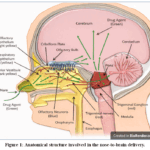 |
Figure 1: Anatomical structure involved in the nose-to-brain delivery.
|
Obstacles in Drug Delivery to the CNS
Delivering drugs to the central nervous system (CNS) remains one of the greatest challenges in pharmaceutical science, primarily because of the presence of the blood–brain barrier (BBB). The BBB is a highly selective physiological barrier that restricts the entry of most therapeutic agents into the brain, allowing passage only to certain small, lipophilic, or actively transported molecules. Although these barriers protect neural tissue from toxins and pathogens, they also limit the delivery of many potentially beneficial drugs.The CNS, comprising the brain and spinal cord, is further protected by additional barriers such as the blood–cerebrospinal fluid barrier and efflux transport systems, which together maintain brain homeostasis but significantly hinder drug penetration. As a consequence, many systemically administered drugs fail to reach therapeutic concentrations in the brain.19 The major anatomical and physiological obstacles to CNS drug delivery are summarized in figure2
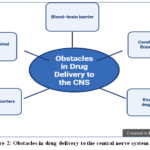 |
Figure 2: Obstacles in drug delivery to the central nerve system.
|
Overview of Neurological and Neurodegenerative Disorders
Alzheimer’s disease (AD)
Alzheimer’s disease (AD) is a progressive neurodegenerative disorder characterized by decline in memory, cognitive function, and behaviour, ultimately interfering with daily activities and quality of life. It is the most prevalent form of dementia worldwide, and its incidence is expected to increase with ageing populations. Current pharmacotherapy mainly includes cholinesterase inhibitors and N-methyl-D-aspartate (NMDA) receptor antagonists; however, these agents provide only symptomatic relief and have limited brain penetration because of the restrictive blood–brain barrier (BBB).20Consequently, alternative strategies capable of improving brain delivery are being actively explored.21Intranasal in-situ gel formulations have emerged as a potential approach for enhancing the delivery of anti-Alzheimer’s drugs to the brain. These systems can partially bypass the BBB through the olfactory and trigeminal pathways and undergo sol–gel transition upon contact with nasal mucosa, increasing residence time and enabling sustained drug release. Commonly used polymers include poloxamer 407, chitosan, gellan gum, and Carbopol.22
Preclinical evidence
Preclinical in-vitro and animal studies report enhanced brain targeting of donepezil, rivastigmine, memantine, and huperzine A using intranasal in-situ gels.23Donepezil-loaded nanostructured lipid carrier gels improved brain concentrations compared with oral formulations. Rivastigmine ion-activated gels enhanced brain uptake and learning performance in rats. Memantine pH-sensitive gels showed prolonged nasal residence, while huperzine A chitosan gels demonstrated strong mucoadhesion and increased brain accumulation.24
Clinical evidence
Early clinical investigations indicate that intranasal delivery systems may improve tolerability and brain targeting of anti-Alzheimer’s agents; however, robust, large-scale randomized clinical trials are still lacking.25
Relevance
In-situ nasal gels therefore represent a promising platform for improving brain bioavailability of Alzheimer’s drugs while potentially lowering systemic side effects and reducing dosing frequency. The various In-situ gel for treating Alzheimer have been in Table 1.
Table 1: In-situ Nasal Gels for Alzheimer’s Disease
|
Drug |
Therapeutic Approach |
In-situ gel type |
Polymers used |
Key findings |
|
Donepezil |
Nose-to-brain delivery |
Thermo-sensitive In-situ gel |
Poloxamer 407 + Carbopol |
Sustained release (24 h); ↑ mucoadhesion; ↑ ex-vivo permeation vs oral; ↑ brain AUC (≈2.7×); improved cognitive performance in rats.26,27 |
|
Rivastigmine |
Targeted delivery to brain |
Ion-activated In-situ gel |
Gellan gum + HPMC |
Sustained release up to 12 h; ↑ mucoadhesion (>88%); ↑ brain bioavailability (≈13×); faster onset vs oral.28 |
|
Memantine |
Intranasal delivery for NMDA modulation |
pH-sensitive gel |
Carbopol 934 + HPMC |
Sustained release (>80% / 24 h); ↑ brain AUC (≈2.9× vs oral/IV); improved cognition; ↓ oxidative stress.29 |
|
Huperzine A |
Brain targeting for acetylcholinesterase inhibition |
Mucoadhesive In-situ gel |
Chitosan + Poloxamer 407 |
Sustained release (48 h); strong mucoadhesion; ↑ brain uptake; ↑ DTE and AUC vs PLGA NPs. |
|
Galantamine |
Cholinesterase inhibition via nasal route |
Mucoadhesive thermo-sensitive gel |
Poloxamer 407 + Chitosan |
↑ mucoadhesion (≈92%); sustained release (8 h); ↑ ex-vivo permeation (≈3.8×); ↑ brain bioavailability (≈2.6×); prolonged CNS action.30 |
|
Quercetin |
Antioxidant approach |
Ion-sensitive gel |
Sodium Alginate + HPMC |
↑ antioxidant activity; ↑ ex-vivo permeation (≈2.3×); ↑ hippocampal quercetin levels; ↓ oxidative stress markers.31 |
|
Resveratrol |
Neuroprotective polyphenol |
Thermo-responsive gel |
Poloxamer 407 + Chitosan |
↑ nasal permeation; ↑ mucoadhesion (>85%); ↑ brain AUC (≈2.8× vs oral); ↓ TNF-α and IL-6.32,33 |
|
Piperine |
Cognitive enhancer |
pH-sensitive In-situ gel |
Carbopol + Pluronic F127 |
Sustained release (>80% / 24 h); nanoparticle size ≈152 nm; improved brain targeting.34 |
|
Naringenin |
Neuroprotective flavonoid |
Ion-activated gel |
Gellan gum + Carbopol |
↑ permeation (≈2.7×); ↑ mucoadhesion (≈99%); ↑ brain AUC (≈3.2×); ↑ cognition score (≈50%); ↓ TBARS (≈45%).35,36 |
Although intranasal in-situ gels for Alzheimer’s drugs show promising improvements in brain targeting and cognitive outcomes in preclinical models, translation to patients remains limited, and issues such as long-term nasal safety, variability in nose to brain transport, and lack of robust clinical trials still restrict definitive clinical application.
Parkinson’s Disease
Parkinson’s disease (PD) is the second most common progressive neurodegenerative disorder after Alzheimer’s disease. It ischaracterized by degeneration of dopaminergic neurons in the substantia nigra, leading to motor symptoms such as tremor, rigidity, bradykinesia, and postural instability, which markedly impair quality of life.37Current oral therapies, including levodopa and dopamine agonists such as pramipexole and ropinirole, are limited by poor brain bioavailability, peripheral side effects, and extensive first-pass metabolism.38In-situ nasal gels are increasingly explored for the management of Parkinson’s disease as they facilitate nose-to-brain delivery and reduce dependence on systemic administration.39 After intranasal administration, the formulation transitions from a sol to a gel, leading to prolonged residence in the nasal cavity and gradual drug release. By engaging olfactory and trigeminal pathways, these systems improve brain uptake of antiparkinsonian agents.Polymers commonly used include poloxamer 407, chitosan, pectin, and Pluronic F-68.40
Preclinical evidence
Multiple animals and in-vitro studies have reported improved brain targeting using intranasal in-situ gels containing anti-Parkinson’s drugs. Rasagiline mesylate-loaded in-situ gels showed high entrapment efficiency, nanosized particles, and markedly enhanced brain bioavailability compared with oral administration. Piribedil, ropinirole and levodopa-based in-situ gels also produced significantly greater brain uptake and higher striatal dopamine levels than conventional formulations. Across several studies, these systems provided sustained drug release and superior brain-targeting efficiency relative to oral and intravenous routes.41
Clinical studies
Early clinical findings indicate that intranasal in-situ gels may improve patient compliance and therapeutic response; however, large, well-controlled clinical trials are still required to confirm efficacy and long-term safety.
Relevance
In-situ nasal gels hold promise as a non-invasive platform for delivering dopaminergic drugs directly to the brain, potentially reducing systemic adverse effects, improving bioavailability, and enhancing symptom control in Parkinson’s disease.The various In-situ gel has been discussed for the treatment of Parkinson’s in Table 2.
Table 2: In-situ Nasal Gels for Parkinson’s Disease
|
Drug |
Therapeutic Approach |
In-situ gel type |
Polymers used |
Key findings |
|
Rasagiline |
Nose-to-brain targeting |
Thermosensitive |
Poloxamer 407/188 + Carbopol 934 |
In-vitro: >80% release/24 h; ↑ mucoadhesion (>85%); Ex-vivo: permeation ≈2.6× vs solution; In vivo: ≈2.2× brain AUC; ↓ oral toxicity in rats.42
|
|
Rasagiline (Transfersomal) |
Lipid vesicle-based targeting |
Thermosensitive+ Mucoadhesive |
Pluronic F-127/F-68 + Pectin + Transferosomes |
In-vitro: >90% loading; stable zeta potential; Ex-vivo: ER ≈3.2× vs non-vesicular gel; In-vivo: ↑ DTE (≈304%); ↑ DTP (≈67%); ↑ brain AUC (≈3.7×) vs IV. |
|
Selegiline |
MAO-B inhibition via CNS delivery |
Thermosensitive |
Poloxamer 407 + Chitosan |
In-vitro: gel stable at 4–8°C; >80% release in 8h; In-vivo: improved locomotion; histology showed safe nasal mucosa.43
|
|
Levodopa (NP-based) |
Dopamine precursor via sustained release |
Thermosensitive |
Pluronic F127 + Chitosan NPs |
In-vitro: sustained release 6–8 h; In-vivo: 2.5× brain dopamine vs oral; 4× retention in striatum.44
|
|
Pramipexole |
Dopamine agonist |
Thermosensitive |
Poloxamer 407 + HPMC K4M |
Gelation temperature ≈34–35°C; >70% release in 8 h; 5 h nasal residence in sheep: ↑ bioavailability ≈121% vs IV.45 |
|
Ropinirole |
CNS-targeted dopamine agonist |
Thermosensitive+ Mucoadhesive |
Poloxamer 407 + HPMC + Chitosan |
Sustained release; ↑ mucoadhesion; In- vivo: ≈8.5× brain AUC vs IV; no nasal damage.46 |
|
Piribedil |
Direct brain delivery via nasal route |
Methylcellulose-based gelation |
Methyl Cellulose + NaCl |
Sustained release; In- vivo: ↑36% brain bioavailability vs oral; ≈5% via oral route.47 |
|
Amantadine |
Antiviral + neuroprotection |
Thermosensitive |
Pluronic F127 + Carbopol |
>80% release in 8 h; ↑ permeability≈2.6×vs control; histology showed safe nasal mucosa.48 |
|
Curcumin |
Antioxidant & anti-inflammatory |
Thermosensitive nanoparticle gel |
Poloxamer 407 + Carbopol |
>85% release in 24 h; Ex vivo: >2.5× permeation; In-vivo: ↑ brain residence and improved cognition.49
|
|
Rotigotine |
Dopaminergic stimulation |
Thermosensitive + mucoadhesive |
Poloxamer 407 + Carbopol + PEG |
Stable release >80%; In-vivo: ↑ brain AUC ≈2.4×; prolonged retention; no mucosal damage.50
|
Although intranasal in-situ gels of antiparkinsonian drugs demonstrate improved brain targeting and behavioural recovery in preclinical studies, clinical evidence in humans remains scarce, and long-term nasal safety, dosing reproducibility, and patient acceptability need further evaluation.
Epilepsy
Epilepsy is a chronic neurological disorder characterized by recurrent, unprovoked seizures resulting from abnormal electrical activity in the brain. According to the World Health Organization, epilepsy is one of the most common neurological disorders worldwide, affecting more than 50 million people. The condition significantly impairs quality of life, and despite the availability of several antiepileptic drugs, many patients still experience uncontrolled seizures, indicating the need for more effective and targeted therapies. Major challenges in epilepsy management include drug resistance, systemic adverse effects, and inadequate brain targeting. Traditional oral and intravenous antiepileptic therapies often have limited bioavailability and delayed onset of action, making them less suitable for rapid seizure control.51To address these limitations, researchers have increasingly explored intranasal in-situ gel systems, which provide a non-invasive route to the brain through the olfactory and trigeminal pathways. These formulations are administered in liquid form and convert into a gel upon contact with the nasal mucosa, leading to prolonged residence time, improved mucoadhesion, and enhanced drug absorption. Polymers such as poloxamer 407, HPMC K4M, Carbopol, and gellan gum are commonly used because of their thermosensitive and mucoadhesive properties.
Preclinical evidence
Multiple preclinical studies have evaluated intranasal in-situ gel formulations of antiepileptic drugs for nose-to-brain delivery.Bacopaside A-loaded in-situ gel exhibited rapid sol–gel transition and high ex-vivo permeation. Carbamazepine-loaded Gellan gum gels demonstrated enhanced brain uptake, prolonged drug diffusion, and no evidence of mucosal toxicity. Diazepam and midazolam in in-situ gel formulations produced rapid brain uptake with short Tmax values and high max, indicating suitability for acute seizure control.52 Lorazepam, clonazepam, levetiracetam, and oxcarbazepine gels showed sustained release profiles, improved mucoadhesion, and significantly higher brain bioavailability compared with conventional oral formulations.
Clinical studies
Clinical data on intranasal in-situ gels for epilepsy are still limited; however, preliminary studies suggest improved seizure control, faster onset of action, and enhanced patient acceptability compared with oral benzodiazepines. Larger clinical trials are required to confirm long-term safety and therapeutic benefit.
Relevance
In-situ nasal gels demonstrate strong potential to transform epilepsy therapy by enabling rapid onset, targeted nose-to-brain delivery, reduced systemic side effects, and sustained antiepileptic drug release.53 The various In-situ gel has been discussed for the treatment of epilepsy have been discussed in Table 3.
Table 3: In-Situ Nasal Gels for Epilepsy
|
Drug |
Therapeutic Approach |
In-situ gel type |
Polymers used |
Key findings |
|
Diazepam |
Nose-to-brain rapid anticonvulsant |
Thermo-sensitive In-situ gel |
Poloxamer 407 + Carbopol |
In-vitro: sustained release over 8 h. Ex-vivo: 2.8-fold higher nasal mucosa permeability vs control. In vivo: Tmax =10 min, brain Cmax 220 ng/mL in rats; clinically approved for rapid seizure control.54 |
|
Midazolam |
Acute seizure control |
Mucoadhesive thermo-gel |
Poloxamer 407 + Chitosan |
In-vitro: gelation at 32–34 °C with sustained release to 8 h. Ex vivo: 4.3× increased nasal mucosa permeability vs control. In-vivo: brain Cmax = 240 ng/mL at 10 min post-administration; FDA approved.55 |
|
Lorazepam |
Emergency seizure management |
pH-sensitive In-situ gel |
Carbopol + HPMC |
In-vitro gelation and sustained release; in-vivo increased brain AUC by 3.2-fold vs oral, reduced latency in seizure models. |
|
Clonazepam |
Chronic epilepsy treatment |
Ion-activated In-situ gel |
Gellan Gum + Sodium Alginate |
In-vitro prolonged drug release over 8 h; in-vivo 2.8-fold increase in brain targeting index vs IV.56 |
|
Phenytoin |
Antiepileptic delivery |
pH-sensitive In-situ gel |
Carbopol 934P + HPMC |
Ex-vivo mucoadhesion and controlled diffusion; in vivo showed 3× brain concentration vs oral.57 |
|
Valproic Acid |
Seizure prevention |
Thermo-sensitive In-situ gel |
Poloxamer 407 + Chitosan |
In-vitro sustained release over 12 h; in-vivo brain targeting efficiency ~72%, improved seizure suppression.58 |
|
Levetiracetam |
CNS-targeted AED |
Thermo-sensitive In-situ gel |
Pluronic F127 + Carbopol |
In-vitro: sustained drug release over 12 h. Ex vivo: 3.1× higher nasal mucosa permeation than oral. In vivo: brain Cmax = 195 ng/mL at 15 min post-administration; enhanced seizure control in rodents.59 |
|
Oxcarbazepine |
Broad-spectrum antiepileptic |
Ion-activated gel |
Gellan gum + HPMC |
In-vitro/ex vivo: mucoadhesive and enhanced nasal permeation; in vivo 2.7× higher brain uptake, prolonged seizure control over 8 h.60
|
Although intranasal in-situ gel formulations of antiepileptic drugs show rapid brain uptake and superior seizure control in preclinical models, clinical studies in humans remain limited, and long-term nasal safety and dosing consistency require further investigation.
Ischemic Stroke
Ischemic stroke results from an interruption of cerebral blood flow, leading to neuronal injury and functional deficits such as paralysis, impaired speech, and cognitive decline. Oxidative stress plays a major role in ischemic brain damage because excessive production of reactive oxygen species during ischemia–reperfusion causes lipid peroxidation and neuronal death. Conventional thrombolytic and neuroprotective therapies are limited by narrow therapeutic windows and poor penetration across the blood–brain barrier (BBB).61Intranasal in-situ gel systems have been increasingly explored to enhance brain delivery of antioxidant and neuroprotective agents for ischemic stroke management.62These formulations are administered in liquid form and undergo a sol–gel transition at nasal physiological conditions, which prolongs mucosal residence time, improves mucoadhesion, and enables sustained drug release through the olfactory and trigeminal pathways.63
Preclinical evidence
Animal studies have shown that edaravone, naringenin, citicoline, resveratrol, curcumin and zolmitriptan formulated as intranasal in-situ gels produce higher brain concentrations, reduced infarct volume, improved behavioural recovery and attenuation of oxidative stress markers compared with conventional delivery routes.64
Clinical evidence:
Currently, clinical studies on intranasal in-situ gel formulations for ischemic stroke are still very limited, and most available data arise from preclinical investigations. Large, well-designed clinical trials are still needed to confirm safety and therapeutic efficacy in humans.65
Relevance
This approach has the potential to enhance neuroprotection in ischemic stroke by facilitating nose-to-brain transport, sustaining drug release, and minimizing peripheral side effects.66The potential of In-situ nasal gels offers a safer, faster, and more targeted alternative to conventional stroke therapies. The various In-situ gel has been discussed for the treatment of ischemic stroke in Table. 4
Table 4: In-situ Gel for Ischemic Stroke
|
Drug |
Therapeutic Approach |
In-situ gel type |
Polymers used |
Key findings |
|
Edaravone |
Neuroprotection via oxidative stress inhibition |
Thermosensitive In-situ nasal gel |
Poloxamer 407 + Carbopol 934 |
In-vitro: sustained release over 12 h (~90%); Ex-vivo: ~1.5-fold ↑ nasal permeation vs solution; In-vivo: ~2.3-fold ↑ brain concentration vs IV, infarct size ↓ by ~48% in MCAO rats.67 |
|
Naringenin |
Anti-inflammatory and antioxidant action |
Intranasal mucoadhesive thermo-gel |
Poloxamer 407 + Chitosan |
In-vitro: 84% release in 8 h; Ex-vivo: ~2-fold ↑ permeation; In-vivo: significant neurological recovery; oxidative markers ↓ ~60%.68 |
|
Citicoline |
Neuronal regeneration and anti-apoptotic |
Thermosensitive nasal In-situ gel |
Poloxamer 407 + HPMC |
In-vitro: controlled release (~82% in 10 h); Ex-vivo: higher permeation vs solution; In-vivo: ~1.9-fold ↑ brain uptake and improved memory scores post-stroke.69 |
|
Curcumin |
Anti-inflammatory, antioxidant, neuroprotective |
In-situ nasal thermosensitive |
Poloxamer 407 + Carbopol 934 |
In-vitro: ~89% release in 10 h; Ex-vivo: ~1.8-fold ↑ permeation; In-vivo: TNF-α & IL-6 ↓ ~50%, motor function ↑ ~2-fold.70 |
|
Resveratrol |
SIRT1 activation and anti-apoptotic activity |
Mucoadhesive thermosensitive for nasal route |
Poloxamer 407 + Chitosan |
In-vitro: ~75% release in 8 h; Ex-vivo: permeation ↑ ~2.1-fold; In-vivo: infarct volume ↓ ~55%, neurological scores improved in ischemic rats.71
|
|
Zolmitriptan |
Vasodilation & neurovascular rescue |
Thermosensitive nasal gel |
Poloxamer 407 + Carbopol 940 |
In-vivo: rapid onset (~10 min), ~3× ↑ brain delivery vs oral, improved cerebral blood flow in stroke models.72 |
Although these formulations show enhanced brain delivery in preclinical stroke models, clinical validation in humans is still limited, and long-term nasal safety requires further investigation.
Migraine
Migraine is a common neurological disorder characterized by recurrent attacks of moderate to severe headache, often accompanied by nausea, photophobia and phonophobia. It affects approximately 15% of the global population and is a major cause of disability. Two major clinical types are recognised: migraine with aura and migraine without aura.73Neurogenic inflammation and activation of trigeminal nerve pathways play a key role in migraine pathophysiology, leading to the release of vasoactive neuropeptides and pain hypersensitivity.74Conventional antimigraine therapies are limited by gastrointestinal side effects, frequent dosing, poor brain targeting and variable patient response. To address these limitations, intranasal in-situ gel systems have been explored to enhance nose-to-brain delivery through olfactory and trigeminal pathways. These formulations are administered as liquids and undergo sol–gel transition at nasal physiological conditions, prolonging mucosal residence time and sustaining drug release.75
Preclinical evidence
An emodin-loaded mucoadhesive in-situ nasal gel formulated with poloxamer 407 and almond gum demonstrated sustained drug release, high mucoadhesive strength and minimal nasal irritation. In-vivo studies in migraine-induced rats showed restoration of locomotor activity, reduction in nitric oxide levels and significant decreases in inflammatory markers such as CGRP and TNF-α. Similar findings have been reported for sumatriptan and zolmitriptan in-situ gels, with improved brain uptake and prolonged retention compared with conventional nasal sprays.76
Clinical evidence
Clinical data on intranasal in-situ gel therapy for migraine are still scarce, and most available evidence is preclinical. Further controlled human trials are needed to establish safety, efficacy and patient acceptability.77
Relevance
In-situ nasal gels offer a promising non-invasive strategy for rapid brain delivery of antimigraine agents, potentially improving therapeutic response while reducing systemic side effects.78The various In-situ gel has been discussed for the treatment of migraine have been discussed in Table.5
Table 5: In-Situ gel for Migraine
|
Drug |
Therapeutic Approach |
In-situ gel type |
Polymers used |
Key findings |
|
Zolmitriptan |
Vasoconstriction of cranial blood vessels |
Thermosensitive nasal gel |
Poloxamer 407 + Carbopol 940 |
In-vitro: 85% release in 8 h; Ex-vivo: 1.7-fold nasal permeation; In-vivo: 3× brain targeting; rapid onset (~10 min).79 |
|
Sumatriptan |
Serotonin receptor agonist |
Mucoadhesive In-situ gel |
Poloxamer 407 + Chitosan |
In-vitro: sustained release over 10 h (~92%); Ex-vivo: enhanced nasal permeation; In-vivo: 70% reduction in migraine-like symptoms in animals.80 |
|
Rizatriptan |
5-HT1B/1D receptor agonist |
Thermosensitive nasal gel |
Poloxamer 407 + HPMC |
In-vitro: 90% release in 8 h; Ex-vivo: ~1.6-fold permeation vs solution; In-vivo: rapid relief of migraine-like behaviour.81 |
|
Eletriptan |
Selective serotonin receptor agonist |
Thermo-triggered gel |
Poloxamer 407 + Carbopol 934 |
In-vitro: controlled release (~80% in 10 h); Ex-vivo: high nasal flux; In-vivo: ~2.5-fold higher brain uptake. |
|
Frovatriptan |
Vasoconstrictor, long-acting |
Mucoadhesive nasal In-situ gel |
Poloxamer 407 + PVP |
In-vitro: 88% release in 12 h; Ex-vivo: enhanced permeation; In-vivo: increased brain residence time.82 |
|
Naratriptan |
5-HT1 agonist |
Thermo-responsive nasal delivery |
Poloxamer 407 + Sodium alginate |
In-vitro: 84% release in 10 h; Ex-vivo: improved mucoadhesion and permeation; In-vivo: prolonged migraine-relief duration.83 |
|
Dihydroergotamine |
Non-selective serotonin agonist |
In-situ nasal gel |
Poloxamer 407 + Carbopol 940 |
In-vitro: controlled release over 12 h; Ex-vivo: 1.8× nasal retention; In-vivo: enhanced anti-migraine effect.84 |
|
Lasmiditan |
5-HT1F receptor agonist |
Thermosensitive nasal gel |
Pluronic F127 + HPMC |
In-vitro: 80% release in 6 h; Ex-vivo: good mucoadhesion and permeation; In-vivo: reduced migraine symptoms.85 |
Although intranasal in-situ gels for antimigraine therapy show encouraging results in terms of rapid onset, enhanced brain delivery, and prolonged relief in preclinical studies, clinical evidence is still limited. Differences in nasal physiology, potential local irritation, lack of direct comparison with existing nasal formulations, and the absence of large, well-designed clinical trials continue to restrict their routine clinical application.
Multiple Sclerosis
Multiple sclerosis (MS) is a chronic autoimmune disease in which the body’s immune system damages the myelin sheath of neurons in the brain and spinal cord, leading to impaired nerve conduction. Patients commonly experience fatigue, muscle weakness, visual disturbances, and loss of coordination. MS affects over 2.8 million people globally and often results in progressive disability beginning in early adulthood.86 Current therapies such as interferon-β, glatiramer acetate, and dimethyl fumarate (DMF) aim to modulate immune responses and reduce neuroinflammation, however they are limited by poor brain targeting, systemic adverse effects, and restricted penetration across the blood–brain barrier (BBB). To improve CNS delivery, intranasal in-situ gel systems are being explored as a non-invasive alternative that can bypass the BBB via olfactory and trigeminal neuronal pathways. These gels are administered as liquids and undergo sol–gel transition at nasal physiological temperatures, increasing mucosal residence time, mucoadhesion, and drug absorption. Commonly used polymers include poloxamer 407, Carbopol 934, chitosan, and β-glycerophosphate.87
Preclinical evidence
Several preclinical studies have demonstrated improved targeting of MS therapeutics using intranasal in-situ gels. Glatiramer acetate nanogels showed effective localization to inflamed CNS lesions and significant motor function improvement in experimental autoimmune encephalomyelitis (EAE) mouse models. Gliclazide-loaded in-situ gels produced sustained drug diffusion and increased brain concentrations compared with conventional formulations. Geniposide in a thermosensitive in-situ gel demonstrated enhanced brain uptake and neuroprotective effects in animal studies.88
Clinical evidence
Clinical data on intranasal in-situ gel formulations for MS remain limited; however, early investigations with dimethyl fumarate and glatiramer acetate intranasal systems indicate acceptable tolerability and potential enhancement of CNS targeting. Larger, controlled trials are needed to verify clinical efficacy and long-term safety. 89
Relevance
Intranasal in-situ gels offer a promising platform for MS therapy by improving brain targeting, reducing systemic exposure, achieving sustained release, and enhancing patient compliance. The various In-situ gel has been discussed for the treatment of Multiple Sclerosis have been discussed inTable 6.
Table 6 : In-situ Gel for Multiple Sclerosis
|
Drug |
Therapeutic Approach |
In-situ gel type |
Polymers used |
Key findings |
|
Glatiramer Acetate |
Immunomodulation in CNS inflammation |
Thermosensitive in-situ nanogel (intranasal) |
Stimuli-responsive biodegradable nano polymer |
In-vivo (EAE mice): localization at inflamed CNS lesions; significant improvement in motor score compared with control. |
|
Glibenclamide |
Modulation of microglial activation |
Intranasal bilosome-loaded mucoadhesive in-situ gel |
Poloxamer 407 + chitosan in bilosomes |
In-vitro/ex-vivo: sustained diffusion; In-vivo: ↑ brain levels (0.92→2.12 μg /mL in 12 h) vs plain gel.90 |
|
Geniposide |
Neuroprotective, anti‑inflammatory |
Mucoadhesive thermosensitive in-situ gel |
Poloxamer + Carbopol or chitosan |
In-vitro/ex-vivo: improved permeation compared with solution; enhanced nasal residence time.91 |
|
Dimethyl fumarate (DMF) |
Mitochondrial protection & neuroprotection |
Thermosensitive chitosan/glycerophosphate in-situ gel |
Chitosan + β‑glycerophosphate |
In-vitro: gelation at nasal physiological temperature; sustained release; no cytotoxicity; in-vivo neuroprotection observed.92 |
Although intranasal in-situ gels for multiple sclerosis show improved brain targeting and neuroprotective effects in preclinical EAE models, translation into clinical practice remains uncertain. Most available evidence is limited to in-vitro and animal studies, with only a few early-phase human trials. Variability in nasal anatomy, long-term safety concerns, potential immunogenicity with peptide-based drugs such as glatiramer acetate, and lack of standardized clinical endpoints remain significant barriers. Therefore, larger, well-controlled clinical studies are required before intranasal in-situ gels can be recommended for routine MS treatment.
Depression
Depression is a common psychiatric disorder characterized by persistent low mood, loss of interest or pleasure, cognitive impairment, and functional disability. It affects over 280 million people worldwide and represents a leading cause of illness-related disability. Standard pharmacotherapy includes selective serotonin reuptake inhibitors (SSRIs), serotonin–norepinephrine reuptake inhibitors (SNRIs), and tricyclic antidepressants; however, these agents are often associated with delayed onset of action, inadequate clinical response, systemic adverse effects, and poor brain penetration due to the blood–brain barrier (BBB).93Intranasal in-situ gel systems have therefore gained increasing attention in depression therapy, as they enable direct delivery of antidepressant drugs to the brain while reducing hepatic first-pass metabolism and dependence on oral dosing. In these systems, the formulation is administered in liquid form and subsequently undergoes sol–gel transition under nasal physiological conditions, allowing prolonged residence time and controlled drug release. This strategy increases the likelihood of drug reaching central serotonergic and noradrenergic regions involved in mood regulation. Polymers such as poloxamer 407, chitosan, and Carbopol are commonly employed to confer thermosensitive gelation and strong mucoadhesion.94
Preclinical evidence
Several antidepressant drugs have been successfully investigated in intranasal in-situ gel systems for nose-to-brain delivery. Paroxetine-loaded transferosomal in-situ gels demonstrated high entrapment efficiency, sustained drug release, enhanced ex-vivo permeation, and significant antidepressant activity in lipopolysaccharide-induced animal models. Agomelatine-loaded nanostructured lipid carrier (NLC) gels exhibited complete drug release within 6 h and efficient brain delivery following intranasal administration.95Mirtazapine in poloxamer–xyloglucan gels showed high permeation across nasal mucosa and improved behavioural responses in forced-swim tests. Doxepin-loaded chitosan gels provided controlled release, good mucoadhesion, and no evidence of nasal mucosal irritation in animal studies. These preclinical findings indicate improved brain uptake, faster onset of action, and reduced systemic exposure when compared with conventional oral or intravenous administration.96
Clinical evidence
Clinical studies on intranasal in-situ gels for depression are limited, and most evidence remains at the experimental and preclinical stage. Well-designed human trials are required to confirm safety, efficacy, and patient acceptability.97
Relevance
This delivery strategy has the potential to improve treatment response in depression by increasing brain targeting, reducing peripheral adverse effects, and lowering dosing frequency.The various In-situ gel has been discussed for the treatment of Depression have been discussed in Table.7
Table 7: In-situ Gel forDepression
|
Drug |
Therapeutic Approach |
In-situ gel type |
Polymers used |
Key findings |
|
Paroxetine |
SSRI, antidepressant: ↑ BDNF |
Thermosensitive NLC-based in-situ gel |
Poloxamer 407 + surfactants in NLC |
In-vitro: 90% entrapment; ~60% release in 6 h; Ex-vivo: ~4× permeation vs conventional gel; In-vivo: ↓ immobility, ↑ neuronal survival, ↓ TNF.98 |
|
Agomelatine |
Melatonergic antidepressant oral bioavailability 5% |
Thermosensitive in-situ gel (NLC-based) |
Poloxamer 407 + sodium alginate |
In-vitro: ~100% release in 6 h; gelation at ~33 °C; suitable viscosity; In-vivo: promising brain delivery.99 |
|
Mirtazapine |
Noradrenergic/serotonergic modulator |
Thermosensitive mucoadhesive in-situ gel |
Poloxamer 407 + Xyloglucan |
In-vitro: drug content 85–96%; gelation 30–35 °C; Ex-vivo: ~92% nasal permeation; In-vivo: improved forced-swim behaviour vs marketed drug.100 |
|
Doxepin |
Tricyclic antidepressant, sedative effect |
Thermosensitive chitosan-based in-situ gel |
Chitosan + glycerophosphate (or PEG) |
In-vitro/ex-vivo: controlled release, minimal mucosal irritation; In-vivo: ↓ immobility, ↑ activity count, no nasal mucosal damage. |
|
Venlafaxine |
SNRI antidepressant |
Thermosensitive nasal In-situ gel |
Poloxamer 407 |
In-vitro/ex-vivo: sustained release, good permeation, no mucosal toxicity; In-vivo: ↓ immobility, ↑ locomotor activity.101,102 |
Although intranasal in-situ gels for antidepressant delivery show encouraging results such as improved brain targeting, faster onset of action and reduced systemic exposure in preclinical studies, the available clinical evidence is still very limited. Most data are derived from animal models and short-term experiments, and long-term nasal safety, dose reproducibility, and patient acceptability remain insufficiently defined. In addition, variability in nasal physiology and the potential for local irritation or altered smell sensation warrant careful evaluation. Therefore, while these systems appear promising, large, well-controlled clinical trials are essential before intranasal in-situ gels can be considered a routine therapeutic strategy for depression.
Discussion
Intranasal in-situ gel systems are attracting considerable interest as carriers for nose-to-brain delivery of therapeutic agents. Evidence from recent studies indicates that these formulations can enhance brain uptake compared with conventional oral or injectable dosage forms. Their advantages mainly arise from the sol–gel transition inside the nasal cavity, which increases contact time with the mucosa, improves mucoadhesion, and enables controlled and prolonged drug release. In several neurological disorders such as Alzheimer’s disease, Parkinson’s disease, epilepsy, migraine, stroke, multiple sclerosis and depression, preclinical models have demonstrated improved pharmacokinetic performance and better therapeutic responses when drugs are delivered using intranasal in-situgels. However, these findings should be interpreted cautiously. The majority of available data are derived from in-vitro studies and animal experiments, while human clinical evidence remains limited. Extrapolating animal results directly to patients is difficult because of differences in nasal anatomy, mucus composition, enzyme activity and disease progression. Additional challenges include achieving consistent dosing, ensuring patient-friendly administration, and evaluating long-term mucosal safety. Possible risks such as local irritation, changes in ciliary function and alterations in olfactory perception require systematic investigation. Manufacturing and regulatory aspects present further barriers. Reproducibility of gelation temperature, long-term stability, sterility maintenance, large-scale production and appropriate nasal delivery devices must be optimized before routine clinical use can be realized. Regulatory guidance for nose-to-brain intranasal products is still evolving, which may delay translation to clinical practice. Overall, intranasal in-situ gels represent a promising but still evolving strategy rather than an established therapy. They offer clear theoretical and experimental advantages in terms of brain targeting and reduction of systemic exposure; however, comprehensive clinical studies are needed to confirm these benefits in patients. Future work should emphasize standardized experimental protocols, detailed toxicological evaluation, device compatibility and well-designed clinical trials to clarify their real-world therapeutic role in central nervous system disorders.
Recent Advances in Nose-to-Brain In-situ Gel Systems
Advancements in nose-to-brain drug delivery have opened new avenues for treating neurological disorders. Several ongoing clinical trials are investigating the potential of intranasal formulations, particularly in-situ gels, for delivering drugs directly to the brain. These trials include therapies for Alzheimer’s disease, Parkinson’s disease, depression, and epilepsy. By bypassing the blood-brain barrier via olfactory and trigeminal pathways, these systems improve drug bioavailability and onset of action. Incorporating nanocarriers and mucoadhesive polymers further enhances targeting and retention. The results from these studies are promising and may soon lead to more effective, non-invasive treatments for central nervous system disorders.List of ongoing clinical trials are currently exploring the potential of intranasal drug delivery systems targeting the brain as given below in Table: 8
Table 8: Ongoing clinical trial of the nose to brain delivery
|
Drug
|
Disease |
Phase |
Sponsor |
Application no. |
||
|
Intranasal FGF-1 (Fibroblast Growth Factor-1) |
Parkinson’s Disease
|
Phase I (Unknow status) |
Zhittya Genesis Medicine, Inc.
|
NCT05493462 |
||
|
Nasal insulin
|
Alzheimer’s disease (AD) |
Phase II and phase III have been completed |
University of Southern California
|
NCT01767909 |
||
|
AST-726 |
migraine |
Phase II (unknow status) |
Ariston Pharmaceuticals, Inc.
|
NCT00285402 |
||
|
Foralumab |
Non-active Secondary Progressive Multiple sclerosis |
Phase II completed |
Tiziana Life Sciences LTD
|
NCT06292923 |
||
|
Foralumab Nasal
|
Multiple System Atrophy (MSA) |
Phase II completed |
Brigham and Women’s Hospital
|
NCT06868628 |
||
|
Regular insulin |
Mild Cognitive Impairment & Alzheimer’s |
Phase II completed |
University of Washington
|
NCT00438568 |
||
|
Insulin detemir (long‑acting insulin) |
MCI / Alzheimer’s |
Phase II completed |
Wake Forest University Health Sciences
|
NCT01595646 |
||
|
Insulin+Empagliflozin |
|
Phase II completed |
Wake Forest University Health Sciences
|
NCT05081219 |
||
|
Intranasal Insulin + Semaglutide |
Mild Cognitive Impairment & Metabolic Syndrome |
Phase II not yet recruiting |
Rutgers, The State University of New Jersey
|
NCT06072963 |
||
|
Progesterone (intranasal + IM) |
Acute hemorrhagic stroke |
Phase IV |
Second Affiliated Hospital, School of Medicine, Zhejiang University
|
NCT04143880 |
||
|
Foralumab
|
Mild Cognitive Impairment / Alzheimer’s |
Phase II completed |
Brigham and Women’s Hospital
|
NCT06489548
|
||
|
Sumatriptan |
Acute migraine |
Phase II completed |
Upsher-Smith Laboratories
|
NCT02856802 |
Challenges and Opportunities in Nose-to-Brain In-situ Gel Systems
Although intranasal in-situ gel systems show considerable promise for brain targeting, several challenges still limit their widespread clinical application. A major issue is formulation complexity. An ideal in-situ gel requires careful optimization of gelation temperature, mucoadhesive strength, pH compatibility, and drug-release kinetics, all of which must be compatible with the delicate nasal mucosa. Small variations in these parameters may affect drug stability, patient comfort, and therapeutic response. Inter-patient variability presents another difficulty. Differences in nasal anatomy, mucociliary clearance, mucus viscosity, and enzyme activity can influence absorption and produce inconsistent outcomes. Nasal inflammation or congestion may further decrease effectiveness, especially when rapid relief is required, such as in migraine. From a pharmacokinetic perspective, although the intranasal route bypasses the blood–brain barrier, limited drug solubility and permeability can still restrict brain uptake, and not all molecules are suitable for nasal delivery due to high molecular weight, hydrophilicity, or local irritancy. Regulatory and manufacturing considerations are equally important. Standardized evaluation methods and quality-control criteria for intranasal gels are still evolving. Most evidence remains preclinical, and translation to large-scale human studies is limited. Demonstrating long-term safety, reproducibility, and scalable manufacturing processes will be essential for regulatory approval. Despite these challenges, opportunities are substantial. Advances in nanotechnology such as transferosomes, nano emulsions, and polymeric nanoparticles incorporated into gels may further enhance stability and brain targeting. Stimuli-responsive “smart” polymers capable of enzyme- or redox-triggered release could enable disease-specific delivery. Personalized approaches using computational formulation design and combination regimens (e.g., insulin with GLP-1 agonists) are being actively explored in current clinical trials. With continued research, strong clinical validation, and clear regulatory guidance, intranasal in-situ gels have the potential to become patient-friendly, non-invasive therapeutic options that minimize systemic adverse effects while improving central nervous system drug delivery.
Conclusion
Intranasal in-situ gel systems are emerging as a promising strategy for delivering therapeutic agents to the brain, particularly for disorders where conventional routes are limited by poor penetration across the blood–brain barrier (BBB). These formulations are administered as liquids and undergo sol–gel transition upon contact with the nasal mucosa, leading to prolonged residence time, improved mucoadhesion and controlled drug release. Most of the available evidence supporting this approach arises from preclinical in-vitro and in-vivo studies, which have demonstrated enhanced brain bioavailability, improved targeting efficiency and favourable pharmacological responses in models of Alzheimer’s disease, Parkinson’s disease, epilepsy, stroke, migraine, multiple sclerosis and depression. Examples include donepezil, rivastigmine and rasagiline, which have shown increased brain AUC and behavioural improvement primarily in animal models. However, clinical translation is still limited. Only a small number of preliminary clinical investigations are available, and large, well-controlled human studies are required to establish long-term safety, efficacy, dose precision, nasal tolerability and inter-patient variability. Additional challenges include formulation reproducibility, large-scale manufacturing, regulatory approval and anatomical variability among patients. In summary, intranasal in-situ gels should presently be regarded as a promising but still developing strategy for nose-to-brain drug delivery rather than an established clinical therapy. Continued research integrating formulation optimization with rigorous clinical evaluation will be essential to confirm their clinical relevance and to define their ultimate role in the management of central nervous system disorders.
Acknowledgement
The authors conveyed special thanks to Mr. Jitender Joshi, president, and Prof. (Dr.) Dharam Buddhi, Vice-Chancellor of Uttaranchal University, for their research-associated encouragement.
Funding Sources
The author(s) received no financial support for the research, authorship, and/or publication of this article.
Conflict of interest
The authors do not have any conflict of interest.
Data Availability Statement
This statement does not apply to this article.
Ethics Statement
This research did not involve human participants, animal subjects, or any material that requires ethical approval.
Informed Consent Statement
This study did not involve human participants, and therefore, informed consent was not required.
Clinical Trial Registration
This research does not involve any clinical trials.
Permission to reproduce material from other sources
Not Applicable
Author Contributions
- Sharmila Pathak: Conceptualization, Methodology, Data collection, Analysis,Writing – original draft.
- Shalu Verma: Supervision, Project Administration,Writing – review & editing Corresponding author.
- Nidhi Gairola: Visualisation, Investigation.
- Prashant Kumar Singh: Data analysis, Validation.
References
- Koo J, Lim C, Oh KT. Recent Advances in Intranasal Administration for Brain-Targeting Delivery: A Comprehensive Review of Lipid-Based Nanoparticles and Stimuli-Responsive Gel Formulations. Int JNanomedicine. 2024;19:1767.
CrossRef - Chung S, Peters JM, Detyniecki K, Tatum W, Rabinowicz AL, Carrazana E. The nose has it: Opportunities and challenges for intranasal drug administration for neurologic conditions including seizure clusters. Epilepsy Behav Rep.2022;21:100581.
CrossRef - Agrawal M, Saraf S, Saraf S, Dubey SK, Puri A, Gupta U, et al. Stimuli-responsive In situ gelling system for nose-to-brain drug delivery. J Control Release.2020;327:235–265.
CrossRef - Qu Y, Li A, Ma L, Iqbal S, Sun X, Ma W, et al. Nose-to-brain delivery of disulfiram nano emulsion in situ gel formulation for glioblastoma targeting therapy. Int J Pharm. 2021;597:120316.
CrossRef - Li X, Wang X, Tong F, Li H, Gao H, Liu T. Challenges and strategies for nose-to-brain delivery in treating neurological disorders. Expert Opin Drug Deliv. 2025;22(3):957-970.
- Deorankar P, Minglani VV, Prajapati BG, Patel MB. A review on nanotechnology based in situ gelling system as a reliable weapon for targeting Alzheimer’s disease via intranasal route. CNS Neurol Disord Drug Targets.2025;24(8):594–609.
CrossRef - Khunt D, Misra M. An overview of anatomical and physiological aspects of the nose and the brain. Direct Nose-to-Brain Drug Delivery: Mechanism, Technological Advances, Applications, and Regulatory Updates. 2021;3–14.
CrossRef - Niekrash CE. Anatomy of the Nose and Paranasal Sinuses. In: Applied Head and Neck Anatomy for the Facial Cosmetic Surgeon. 2021;79–84.
CrossRef - Frasnelli J, Manescu S. The intranasal trigeminal system. In:springer Handbooks. 2017;113–114.
CrossRef - Kashyap K, Shukla R. Drug Delivery and Targeting to the Brain Through Nasal Route: Mechanisms, Applications and Challenges. Curr Drug Deliv. 2019;16(10):887–901.
CrossRef - Azarmi M, Maleki H, Nikkam N, Malekinejad H. Transcellular brain drug delivery: A review on recent advancements. Int J Pharm. 2020;586:119582.
CrossRef - Pawar B, Vasdev N, Gupta T, Mhatre M, More A, Anup N, et al. Current Update on Transcellular Brain Drug Delivery. Pharmaceutics. 2022;14(12):2719.
CrossRef - Suer M. Anatomy of the trigeminal nerve. In: Trigeminal nerve pain:A guide to clinical management. 2021;5–16.
CrossRef - Nandi R, Mishra S, Garg R, Kumar V, Gupta N, Bharati SJ, et al. Intravenous Lignocaine–Fentanyl Versus Epidural Ropivacaine–Fentanyl for Postoperative Analgesia After Major Abdominal Oncosurgery: A Pilot Prospective Randomised Study. Turk J Anaesthesiol Reanim. 2020;49(2):130-137
CrossRef - Das M, Sarma A, Baruah H, Basak D. Insight into central nervous system targeted nanostructured lipid carriers via the nose to brain pathway. RSC Pharmaceutics. 2024;1(5):904–927.
CrossRef - Bors LA, Erdö F. Overcoming the blood–brain barrier. Challenges and tricks for CNS drug delivery. Scientia Pharm. 2019;87(1):6.
CrossRef - Upadhyay RK. Drug Delivery Systems, CNS Protection, and the Blood Brain Barrier. Biomed Res Int. 2014;2014:869269.
CrossRef - Erdő F, Bors LA, Farkas D, Bajza Á, Gizurarson S. Evaluation of intranasal delivery route of drug administration for brain targeting. Brain Res Bull. 2018;143:155–170.
CrossRef - Tajes M, Ramos-Fernández E, Weng-Jiang X, Bosch-Morató M, Guivernau B, Eraso-Pichot A, et al. The blood-brain barrier: Structure, function and therapeutic approaches to cross it. Mol Membr Biol. 2014;31(5):152–167.
CrossRef - Contador I, Buch-Vicente B, del Ser T, Llamas-Velasco S, Villarejo-Galende A, Benito-León J, et al. Charting Alzheimer’s Disease and Dementia: Epidemiological Insights, Risk Factors and Prevention Pathways. J Clin Med. 2024;13(14):4100.
CrossRef - Drath I, Richter F, Feja M. Nose-to-brain drug delivery: from bench to bedside. Translational Neurodegeneration. 2025;14(1):1–22.
CrossRef - Wang X, Liu G, Ma J, Guo S, Gao L, Jia Y, et al. In situ gel-forming system: An attractive alternative for nasal drug delivery. Crit Rev Ther Drug Carrier Syst. 2013;30(5):411–434.
CrossRef - Thete R, Shevalkar G, Borse L. Development of Nanostructured Lipid Carriers for Donepezil Hydrochloride Effective Nose to Brain Delivery. Biosci Biotechnol Res Asia. 2024;21(3):1145–1156.
CrossRef - Zhao Y, Yue P, Tao T, Chen QH. Drug brain distribution following intranasal administration of Huperzine A in situ gel in rats. Acta Pharmacol Sin. 2007;28(2):273–278.
CrossRef - SonawaneD, Pokharkar V. Nose to brain targeting of the donepezil nanostructured lipid carrier in situ gel: formulation, in vitro , ex vivo , in vivo pharmacokinetic and pharmacodynamic characterization. RSC Pharmaceutics. 2024;1(4):820-840.
CrossRef - Gu F, Fan H, Cong Z, Li S, Wang Y, Wu C. Preparation, characterization, and in vivo pharmacokinetics of thermosensitive in situ nasal gel of donepezil hydrochloride. Acta Pharmaceutica. 2020;70(3):411–422.
CrossRef - Wavikar PR, Vavia PR. Rivastigmine-loaded in situ gelling nanostructured lipid carriers for nose to brain delivery. J Liposome Res. 2015;25(2):141–149.
CrossRef - Wavikar P, Pai R, Vavia P. Nose to Brain Delivery of Rivastigmine by In Situ Gelling Cationic Nanostructured Lipid Carriers: Enhanced Brain Distribution and Pharmacodynamics. J Pharm Sci. 2017;106(12):3613–3622.
CrossRef - Bagul M, Chaudhari P. Optimization and Evaluation of in Situ Nasal Gel of Memantine Hydrochloride for Alzheimer’s Disease. Journal of Coastal Life Medicine. 2023;11(11):260–268.
- Sunena, Singh SK, Mishra DN. Nose to Brain Delivery of Galantamine Loaded Nanoparticles: In-vivo Pharmacodynamic and Biochemical Study in Mice. Curr Drug Deliv. 2018;16(1):51–58.
CrossRef - Sonawane D, Pokharkar V. Quercetin-Loaded Nanostructured Lipid Carrier In Situ Gel for Brain Targeting Through Intranasal Route: Formulation, In Vivo Pharmacokinetic and Pharmacodynamic Studies. AAPS PharmSciTech. 2024;25(2):78.
CrossRef - Hao J, Zhao J, Zhang S, Tong T, Zhuang Q, Jin K, et al. Fabrication of an ionic-sensitive in situ gel loaded with resveratrol nanosuspensions intended for direct nose-to-brain delivery. Colloids Surf B Biointerfaces. 2016;147:376–386.
CrossRef - Alquisiras-Burgos I, González-Herrera IG, Alcalá-Alcalá S, Aguilera P. Nose-to Brain Delivery of Resveratrol, a Non-Invasive Method for the Treatment of Cerebral Ischemia. Drugs Drug Candidates 2024;3:102-125.
CrossRef - Friedman AJ, Phan J, Schairer DO, Champer J, Qin M, Pirouz A, et al. Antimicrobial and anti-inflammatory activity of chitosan-alginate nanoparticles: A targeted therapy for cutaneous pathogens. J Invest Dermatol. 2013;133(5):1231–1239.
CrossRef - Ahmad N, Ahmad R, Ahmad FJ, Ahmad W, Alam MA, Amir M, et al. Poloxamer-chitosan-based Naringenin nanoformulation used in brain targeting for the treatment of cerebral ischemia. Saudi J Biol Sci. 2019;27(1):500-510.
CrossRef - Bonferoni MC, Rassu G, Gavini E, Sorrenti M, Catenacci L, Giunchedi P. Nose-to-Brain Delivery of Antioxidants as a Potential Tool for the Therapy of Neurological Diseases. Pharmaceutics. 2020;12(12):1246.
CrossRef - Mhyre TR, Boyd JT, Hamill RW, Maguire-Zeiss KA. Parkinson’s Disease. In: Subcell Biochem.2012;65:389-455.
CrossRef - Güneş M, Karavana SY. Non-Oral Drug Delivery in Parkinson’s Disease: Current Applications and Future. Turk J Pharm Sci.2022;19(3):343-350.
CrossRef - Vigani B, Rossi S, Sandri G, Bonferoni MC, Caramella CM, Ferrari F. Recent Advances in the Development of In Situ Gelling Drug Delivery Systems for Non-Parenteral Administration Routes. Pharmaceutics. 2020;12(9):859.
CrossRef - ElShagea HN, Makar RR, Salama AH, Elkasabgy NA, Basalious EB. Investigating the Targeting Power to Brain Tissues of Intranasal Rasagiline Mesylate-Loaded Transferosomal In Situ Gel for Efficient Treatment of Parkinson’s Disease. Pharmaceutics. 2023;15(2):123.
CrossRef - Uppuluri CT, Ravi PR, Dalvi A V. Design and evaluation of thermo-responsive nasal in situ gelling system dispersed with piribedil loaded lecithin-chitosan hybrid nanoparticles for improved brain availability. Neuropharmacology. 2021;201.
CrossRef - Ravi PR, Aditya N, Patil S, Cherian L. Nasal in-situ gels for delivery of rasagiline mesylate: Improvement in bioavailability and brain localization. Drug Deliv. 2015;22(7):903–910
CrossRef - Sridhar V, Wairkar S, Gaud R, Bajaj A, Meshram P. Brain targeted delivery of mucoadhesive thermosensitive nasal gel of selegiline hydrochloride for treatment of Parkinson’s disease. J Drug Target.2018;26(2):150–161.
CrossRef - Aderibigbe BA. In Situ-Based Gels for Nose to Brain Delivery for the Treatment of Neurological Diseases. Pharmaceutics. 2018;10(2):40.
CrossRef - Trivedi R, Minglani VV, El-Gazzar AM, Batiha GES, Mahmoud MH, Patel M, et al. Optimization of Pramipexole-Loaded In Situ Thermosensitive Intranasal Gel for Parkinson’s Disease. Pharmaceuticals.2024;17(2).
CrossRef - Khan S, Patil K, Bobade N, Yeole P, Gaikwad R. Formulation of intranasal mucoadhesive temperature-mediated in situ gel containing ropinirole and evaluation of brain targeting efficiency in rats. J Drug Target. 2010;18(3):223–234.
CrossRef - Uppuluri CT, Ravi PR, Dalvi A V., Shaikh SS, Kale SR. Piribedil loaded thermo-responsive nasal in situ gelling system for enhanced delivery to the brain: formulation optimization, physical characterization, and in vitro and in vivo evaluation. Drug Deliv Transl Res.2021;11(3):909–926.
CrossRef - Lungare S, Bowen J, Badhan R. Development and Evaluation of a Novel Intranasal Spray for the Delivery of Amantadine. J Pharm Sci. 2016;105(3):1209–1220.
CrossRef - Eleraky NE, El-Badry M, Omar MM, El-Koussi WM, Mohamed NG, Abdel-Lateef MA, et al. Curcumin Transferosome-Loaded Thermosensitive Intranasal in situ Gel as Prospective Antiviral Therapy for SARS-CoV-2. Int J Nanomedicine. 2023;18:5831-5845.
CrossRef - Wang F, Yang Z, Liu M, Tao Y, Li Z, Wu Z, et al. Facile nose-to-brain delivery of rotigotine-loaded polymer micelles thermosensitive hydrogels: In vitro characterization and in vivo behavior study. Int J Pharm. 2020;577.
CrossRef - World Health Organization. Epilepsy.2025.
- Mankar SD, Parjane SR, Siddheshwar SS, Dighe SB. Formulation, Optimization and In-Vivo Characterization of Thermosensitive In-Situ Nasal Gel Loaded with Bacoside a for Treatment of Epilepsy. AAPS PharmSciTech. 2024;25(6):151
CrossRef - Botner S, Sintov AC. Intranasal Delivery of Two Benzodiazepines, Midazolam and Diazepam, by a Microemulsion System. Pharmacology &Pharmacy. 2011;2(03):180–188.
CrossRef - Pires PC, Rodrigues M, Alves G, Santos AO. Strategies to Improve Drug Strength in Nasal Preparations for Brain Delivery of Low Aqueous Solubility Drugs. Pharmaceutics.2022;14(3):588.
CrossRef - Detyniecki K, Van Ess PJ, Sequeira DJ, Wheless JW, Meng TC, Pullman WE. Safety and efficacy of midazolam nasal spray in the outpatient treatment of patients with seizure clusters-a randomized, double-blind, placebo-controlled trial. Epilepsia. 2019;60(9):1797–1808.
CrossRef - Cirri M, Maestrelli F, Nerli G, Mennini N, D’ambrosio M, Luceri C, et al. Development of a Cyclodextrin-Based Mucoadhesive-Thermosensitive In Situ Gel for Clonazepam Intranasal Delivery. Pharmaceutics. 2021;13(7):969.
CrossRef - Yousfan A, Rubio N, Al-Ali M, Nattouf AH, Kafa H. Intranasal delivery of phenytoin-loaded nanoparticles to the brain suppresses pentylenetetrazol-induced generalized tonic clonic seizures in an epilepsy mouse model. Biomater Sci. 2021;9(22):7547–7564.
CrossRef - Eskandari S, Varshosaz J, Minaiyan M, Tabbakhian M. Brain delivery of valproic acid via intranasal administration of nanostructured lipid carriers: in vivo pharmacodynamic studies using rat electroshock model. Int JNanomedicine.2011;6:363-372.
CrossRef - Gonçalves J, Bicker J, Gouveia F, Liberal J, Oliveira RC, Alves G, et al. Nose-to-brain delivery of levetiracetam after intranasal administration to mice. Int J Pharm. 2019;564:329–339.
CrossRef - Abou-Taleb BA, El-Ganainy SO. Thermoresponsive Gel-loaded Oxcarbazepine Nanosystems for Nose- To-Brain Delivery: Enhanced Antiepileptic Activity in Rats. Pharm Res. 2023;40(7):1835–1852.
CrossRef - Donkor ES. Stroke in the 21st Century: A Snapshot of the Burden, Epidemiology, and Quality of Life. Stroke Res Treat. 2018;2018:3238165.
- Jurcau A, Ardelean AI. Oxidative Stress in Ischemia/Reperfusion Injuries following Acute Ischemic Stroke. Biomedicines. 2022;10(3):574.
CrossRef - Andrabi SS, Tabassum H, Parveen S, Parvez S. Ropinirole induces neuroprotection following reperfusion-promoted mitochondrial dysfunction after focal cerebral ischemia in Wistar rats. Neurotoxicology. 2020;77:94–104
CrossRef - Nair AB, Chaudhary S, Shah H, Jacob S, Mewada V, Shinu P, et al. Intranasal Delivery of Darunavir-Loaded Mucoadhesive In Situ Gel: Experimental Design, In Vitro Evaluation, and Pharmacokinetic Studies. Gels. 2022;8(6):342.
CrossRef - Bekhet MA, Ali AA, Kharshoum RM, El-Ela FIA, Salem HF. Intranasal Niosomal In Situ Gel As A Novel Strategy for Improving Citicoline Efficacy and Brain Delivery in Treatment of Epilepsy: In Vitro and Ex Vivo Characterization and In Vivo Pharmacodynamics Investigation. J Pharm Sci. 2022;111(8):2258–2269.
CrossRef - Teng C, Lv W, Chen Y, Liu L, Yin J, Li S, et al. Enhanced the treatment of ischemic stroke through intranasal temperature-sensitive hydrogels of edaravone and borneol inclusion complex. Int J Pharm. 2024;651:123748.
CrossRef - Karmakar V, Lim WM, Gorain B. Mechanistic insights into a thermoresponsive in situ nanoemulgel of azilsartan medoxomil for intranasal delivery: a promising nanotherapeutic approach to target dementia. Biomater Sci. 2025;13(14):3853–3875
CrossRef - Hsu Y, Yang J, Cao M, Xu T, He J, Hong H, et al. Advancements in nasal drug delivery system of natural products. Front Pharmacol. 2025 ;16:1667517.
CrossRef - Yoo SH, Heo SC, Bae JS, Lee JH, Knowles JC, Kim HW. Intranasal delivery systems for traumatic brain injury: Advancements and perspectives. J Tissue Eng. 2025;16.
CrossRef - Chen X, Zhi F, Jia X, Zhang X, Ambardekar R, Meng Z, et al. Enhanced brain targeting of curcumin by intranasal administration of a thermosensitive poloxamer hydrogel. Journal of Pharmacy and Pharmacology. 2013;65(6):807–816.
CrossRef - Trotta V, Pavan B, Ferraro L, Beggiato S, Traini D, Des Reis LG, et al. Brain targeting of resveratrol by nasal administration of chitosan-coated lipid microparticles. EurJPharmBiopharm. 2018;127:250–259.
CrossRef - Taweel MME, Aboul-Einien MH, Kassem MA, Elkasabgy NA. Intranasal zolmitriptan-loaded bilosomes with extended nasal mucociliary transit time for direct nose to brain delivery. Pharmaceutics. 2021;13(11):1837.
CrossRef - Steiner TJ, Stovner LJ, Jensen R, Uluduz D, Katsarava Z. Migraine remains second among the world’s causes of disability, and first among young women: findings from GBD2019. Journal of Headache and Pain. 2020;21(1):137.
CrossRef - Grodzka O, Dzagoevi K, Rees T, Cabral G, Chądzyński P, Di Antonio S, et al. Migraine with and without aura-two distinct entities? A narrative review. J Headache Pain. 2025;26(1):77.
CrossRef - Malhotra R. Understanding migraine: Potential role of neurogenic inflammation. Ann Indian Acad Neurol. 2016;19(2):175.
CrossRef - Veronesi MC, Alhamami M, Miedema SB, Yun Y, Ruiz-Cardozo M, Vannier MW. Imaging of intranasal drug delivery to the brain. Am J Nucl Med Mol Imaging. 2020;10(1):1.
- Mathure D, Ranpise H, Awasthi R, Pawar A. Formulation and Characterization of Nanostructured Lipid Carriers of Rizatriptan Benzoate-Loaded In Situ Nasal Gel for Brain Targeting. Assay Drug Dev Technol. 2022;20(5):211–224.
CrossRef - Tanna V, Vora A, Shah P, Nair AB, Shah J, Sawarkar SP. PLGA Nanoparticles Based Mucoadhesive Nasal In Situ Gel for Enhanced Brain Delivery of Topiramate. AAPS PharmSciTech. 2024;25(7).205.
CrossRef - Shelke S, Shahi S, Jalalpure S, Dhamecha D. Poloxamer 407-based intranasal thermoreversible gel of zolmitriptan-loaded nanoethosomes: formulation, optimization, evaluation and permeation studies. J Liposome Res. 2016;26(4):313–323
CrossRef - Alkufi HK, Kassab HJ. Formulation and evaluation of sustained release sumatriptan mucoadhesive intranasal in-situ gel. Iraqi J PharmSci.2019;28(2):95–104.
CrossRef - Alruwaili NK, Alsaidan OA, Zafar A, Alhassan HH, Alburaykan EA, Alsaidan AA, et al. Rizatriptan loaded bilosomes for nose to brain delivery: Fabrication, statistical optimization, and biological evaluation. J Drug Deliv Sci Technol. 2025;104.
CrossRef - Sanford M. Frovatriptan. CNS Drugs. 2012;26(9):791–811.
CrossRef - Shelke S, Pathan I, Shinde G, Agrawal G, Damale M, Chouthe R, et al. Poloxamer-Based In Situ Nasal Gel of Naratriptan Hydrochloride Deformable Vesicles for Brain Targeting. Bionanoscience. 2020 Sep 1;10(3):633–648.
CrossRef - Bölcskei H, Farkas B, Kocsis P, Tarnawa I. Recent Advancements in Anti-Migraine Drug Research: Focus on Attempts to Decrease Neuronal Hyperexcitability. Recent Pat CNS Drug Discov. 2009;4(1):14–36.
CrossRef - Tanaka M, Török N, Vécsei L. Are 5-HT1 receptor agonists effective anti-migraine drugs? Expert Opin Pharmacother. 2021;22(10):1221–1225.
CrossRef - Arachchige ASPM, Choueiri J El, Pellicanò F, Laurelli F, Alves GAM, Stomeo N, et al. A review of multiple sclerosis: From pathophysiology to latest therapeutic advances. AIMS Neurosci. 2025;12(4):514–538.
CrossRef - Adwan S, Obeidi T, Al-Akayleh F. Chitosan Nanoparticles Embedded in In Situ Gel for Nasal Delivery of Imipramine Hydrochloride: Short-Term Stage Development and Controlled Release Evaluation. Polymers.2024;16(21):3062.
CrossRef - Tripathi M, Gharti L, Bansal A, Kaurav H, Sheth S. Intranasal Mucoadhesive In Situ Gel of Glibenclamide-Loaded Bilosomes for Enhanced Therapeutic Drug Delivery to the Brain. Pharmaceutics. 2025;17(2):193.
CrossRef - Kisku A, Nishad A, Agrawal S, Paliwal R, Datusalia AK, Gupta G, et al. Recent developments in intranasal drug delivery of nanomedicines for the treatment of neuropsychiatric disorders. Front Med (Lausanne). 2024;11:1463976.
CrossRef - Mitrović D, Zaklan D, Đanić M, Stanimirov B, Stankov K, Al-Salami H, et al. The Pharmaceutical and Pharmacological Potential Applications of Bilosomes as Nanocarriers for Drug Delivery. Molecules. 2025;30(5):1181.
CrossRef - Jin Y, Ma X, Liu S, Zong S, Cheng Y, Zhang H, et al. Application of Natural Products in Neurodegenerative Diseases by Intranasal Administration: A Review. Pharmaceutics. 2025;17(5):675.
CrossRef - Nieto González N, Rassu G, Cossu M, Catenacci L, Sorrenti ML, Cama ES, et al. A thermosensitive chitosan hydrogel: An attempt for the nasal delivery of dimethyl fumarate. Int J Biol Macromol. 2024;278:134908.
CrossRef - Zhang Y, Song Z, Zhang H, Lin H, Xu P, Li Z, et al. Advancing Antidepressive Agents: Drug Discovery and Polymer-Based Drug Delivery Systems for Improved Treatment Outcome. Biomedicines. 2025;13(5):1081.
CrossRef - Çelik YS, Örenli B, Al-Mohaya M, Mesut B, Özsoy Y. Nasal in situ gels as a drug delivery system: An overview of literature and clinical studies. J Res Pharm. 2023;27(5):1875–1888.
- Tahir A, Aslam S, Sohail S, ud Din F, Alamri AH, Lahiq AA, et al. Development of paroxetine loaded nanotransferosomal gel for intranasal delivery with enhanced antidepressant activity in rats. Colloids Surf B Biointerfaces.2025;246:114351
CrossRef - Naik A, Nair H. Formulation and Evaluation of Thermosensitive Biogels for Nose to Brain Delivery of Doxepin. Biomed Res Int. 2014;2014:847547
CrossRef - Xu J, Tao J, Wang J. Design and Application in Delivery System of Intranasal Antidepressants. Front Bioeng Biotechnol. 2020;8:626882.
CrossRef - Correia AS, Vale N. Advancements Exploring Major Depressive Disorder: Insights on Oxidative Stress, Serotonin Metabolism, BDNF, HPA Axis Dysfunction, and Pharmacotherapy Advances. Int J Transl Med. 2024;4(1):176–196.
CrossRef - De Berardis D, Marini S, Fornaro M, Srinivasan V, Iasevoli F, Tomasetti C, et al. The Melatonergic System in Mood and Anxiety Disorders and the Role of Agomelatine: Implications for Clinical Practice. Int J MolSci. 2013;14(6):12458–12483.
CrossRef - Fasipe O. Neuropharmacological classification of antidepressant agents based on their mechanisms of action. ArchMed Health Sci. 2018;6(1):81.
CrossRef - Gangane P, Thool M, More S, Warokar A, Salunkhe K, Dangre P. Design and optimization of venlafaxine niosomes loaded thermosensitive in-situ gel for prolonging intranasal residence in depressive disorder. Drug Dev Ind Pharm. 2025;51(6):587–596.
CrossRef - Coutens B, Yrondi A, Rampon C, Guiard BP. Psychopharmacological properties and therapeutic profile of the antidepressant venlafaxine. Psychopharmacology. 2022;239(9):2735–2752.
CrossRef
Abbreviations
BBB – Blood–brain barrier
CNS – Central nervous system
HPMC – Hydroxypropyl methylcellulose
AUC – Area under the curve
DTE – Drug targeting efficiency
DTP – Direct transport percentage
NPs – Nanoparticles

Accepted on: 21-04-2026
Second Review by: Dr. Fariha Jasin Mansur
Final Approval by: Dr. Prabhishek Singh