Polycystic Ovarian Syndrome and Diabetes Mellitus: A Bidirectional Endocrine Disorder
 , , 8, Jutishna Bora2, Trishna Sharma3, Jyotismita Sarma3, Swati Priya2, Sarvesh Rustagi4, Shailendra Thapliyal5, , Sarmistha Ray7and Nayan Talukdar3*
 1Faculty of Paramedical Sciences, Assam down town University, Guwahati, India.
2Department of Biotechnology, Amity University Jharkhand, Jharkhand, India.
3Program of Biotechnology, Faculty of Science, Assam down Town University, Guwahati, India.4School of Agriculture, Dev Bhoomi Uttarakhand University, Uttarakhand, India
5School of Agriculture, Uttaranchal University, Uttarakhand, India
6Institute of Bioscience and Technology, Shri Ramswaroop Memorial University, Uttar Pradesh, India
7Amity Institute of Biotechnology, Amity University, Kolkata, India.
8University Center for Research and Development (UCRD) Chandigarh University, Punjab, India.
Corresponding authors: nayanpakhi@gmail.com
Download this article as:
ABSTRACT:Polycystic ovarian syndrome (PCOS) is a typical hormonal imbalance that affects women who are ready to procreate. In polycystic ovarian syndrome, the ovaries may generate an abundance of small fluid-filled cysts yet fail to release eggs regularly. A high amount of the male hormone produced by polycystic ovarian syndrome delays and unbalances the female body's menstrual cycle. Polycystic Ovarian Syndrome usually synchronizes with a variety of dysglycemia conditions, from Impaired Glucose Tolerance (IGT) towards the commencement of Type 2 Diabetes Mellitus (T2DM), and often appears in greater levels than in healthy women. This synchronism of polycystic ovarian syndrome is solely associated with prevalent pathogenic pathways connecting the two distinct phenomena, like Insulin Resistance (IR), genetics, neuroendocrine, lifestyle/environment, and obesity, which are the prime risk factors that aid in the development of Polycystic Ovarian Syndrome (PCOS). This review research seeks to determine if polycystic ovarian syndrome (PCOS) and type 2 Diabetes Mellitus (T2DM) are related.
KEYWORDS:Hyperandrogenism; Impaired Glucose Tolerance; Insulin Resistance; Polycystic Ovarian Syndrome; Type 2 Diabetes Mellitus
Introduction
Polycystic ovarian syndrome (PCOS) was first described in modern medical literature in 1935 by Stein and Leventhal. Seven women with symptoms such as hirsutism, amenorrhea, and ovarian enlargement with numerous cysts were used to define the illness.1 One of the most prevalent female endocrinological conditions, polycystic ovarian syndrome is accepted to influence 5–10% of women who are of reproductive age.2 It is presently one of the main factors contributing to female anovulatory infertility.3,4 The signs and symptoms of excess androgen [hyperandrogenism], anovulation, ovarian dysfunction, and enlarged polycystic ovaries as shown on ultrasonography, typically define the diverse nature of polycystic ovarian syndrome.5,6 An elevated ratio of luteinizing hormone to follicle-stimulating hormone, low sex hormone binding globulin, and elevated free testosterone levels are instances of endocrine disorders.7 Because PCOS can induce infertility, it was once believed that only women of childbearing age were affected. Women with PCOS frequently exhibit oligomenorrhea, hirsutism, or infertility symptoms in their youth or early adulthood.8
It poses a severe risk to the general population’s health. Nevertheless, PCOS is associated with health risks that go well beyond treating these symptoms and most likely persist beyond menopause and the post-menopausal years.9 Women present with a variety of characteristics, including reproductive (complications during pregnancy, irregular menstrual cycles, hirsutism, and infertility), psychological (depression, anxiety, negative body image, and lowered quality of life), and significant metabolic problems (insulin resistance, metabolic syndrome, prediabetes, and diabetes mellitus type 2 alongside the determinants of cardiovascular disease).10-12
Nevertheless, recent research has indicated that a key component of PCOS is insulin resistance and the compensatory hyperinsulinemia.13-14 Insulin resistance is prevalent in PCOS-affected women, which is often followed by compensatory hyperinsulinemia and increases the danger of developing type 2 diabetes.15 It may be reasonably expected that women with PCOS will eventually develop Type-2 Diabetes because ß-cell malfunction and insulin resistance (IR) are typically present in these individuals. Insulin resistance, a crucial component in the pathogenesis of PCOS, has been observed in the vast majority of PCOS-affected women, in contrast to their healthy body mass index (BMI)-matched peers.16-17
Research carried out in vitro and in vivo has shown that insulin sensitivity is subnormal, and moderate hyperinsulinemia predominates in PCOS-affected women.7 It is estimated that insulin resistance affects PCOS patients, and it is considered to have a substantial detrimental role in the hyperandrogenism experienced by PCOS patients, regardless of weight.18 The aetiology of PCOS and its immediate and potential long-term consequences, such as a high risk of developing obesity, metabolic syndrome, impaired glucose tolerance, type 2 diabetes, dyslipidemia, hypertension, and atherosclerosis, have been clarified by the discovery that PCOS is associated with insulin resistance.7,13-14 Moreover, PCOS patients are more prone to putting on weight and becoming obese, making the condition more severe, exacerbating the symptoms for those who have it, and necessitating attention to healthy living.17 In continuation of elevating the threats for endometrial hyperplasia and neoplasia, PCOS may have numerous catastrophic side effects.19-20
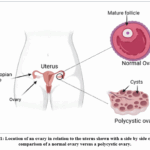 |
Figure 1: Location of an ovary in relation to the uterus shown with a side by side close up comparison of a normal ovary versus a polycystic ovary. |
PCOS Characteristics and Prognosis
Two out of the three criteria for PCOS are present in proximity to one another: oligovulation or anovulation, scientific or physiological indications for hyperandrogenism, and ultrasound-detected polycystic ovaries. Oligovulation occurs when ovulation is infrequent or sporadic. Typically, a woman ovulates or releases an egg once each month, about halfway through her cycle. Hirsutism, androgenic alopecia, skin breakouts, and acanthosis are all causes of hyperandrogenism in Nigerians. Anovulation causes an increase in endometrial oestrogen production and a rise in endometrial cancer by reducing progesterone release. The best method for diagnosing Polycystic ovaries is ultrasonography, and the sonographic criteria have been carefully considered to include increased ovarian volume. Restriction should be enforced for restorative disorders, including hyperprolactinemia/hyperthyroidism, congenital adrenal hyperplasia, Cushing’s illness, and secretory ovarian tumour of adrenal androgens.21-22
Oligo and anovulation on ultrasound, clinical or research facility evidence of androgen abundance, an androgen plenitude mess and its essential characteristics, androgen abundance proof, are four criteria for identifying the perplexity cycle.6, 21-22 Two out of three requirements were close to being met include: menstrual irregularity and polycystic ovary; hyperandrogenism and also hyperandrogenism; and an ultrasound demonstrating a polycystic ovary.23Polycystic ovarian syndrome (PCOS) are identified as a group of symptoms including oligomenorrhoea, polycystic ovaries, and hirsutism, acne, and obesity and It is the most prevalent illness among women who can procreate.1
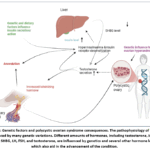 |
Figure 2: Genetic factors and polycystic ovarian syndrome consequences. The pathophysiology of PCOS is influenced by many genetic variations. |
PCOS: Symptoms and Causes
PCOS symptoms include: Abnormal menstrual cycles, acne and hair thinning or loss on the scalp, abnormally heavy bleeding during periods, or excessive body or facial hair. Eggs do not actually ovulate. Infertility or having trouble becoming pregnant. Cystic ovaries that are enlarged. Boost in the sugar level. Skin ageing and darkening, rash under the breasts. Mood fluctuations, anxiety, depression, and irritability.21 Although the precise origin of PCOS is unidentified, it is thought to be an intricate condition with a genetic component. In contrast with the depicted 4-6% prevalence in the wider community, 20–40% of female relatives in the first generation of PCOS-affected individuals go on to inherit the condition in the future.24 Genetic predisposition, lifestyle, environment, increased insulin, increased androgens, increased estrogen, irregular periods, weakened immune system, unhealthy diet, processed food, hormonal imbalance, and inflammation are the leading causes of PCOS.1, 21-23
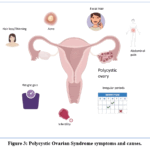 |
Figure 3: Polycystic Ovarian Syndrome symptoms and causes. |
Insulin resistance, dyslipidemia, abnormal glucose metabolism, and a variety of additional reproductive, metabolic, psychological, and anthropometric abnormalities have been associated with PCOS. There appears to be evidence that the prevalence of cardiovascular disease (CVD) projects greater rates of occurrence in females. Moreover, harmful to a female’s aptitude to live a wholesome way of living. PCOS has negatively impacted health-related quality of life. There are substantial issues with metabolism attributed to polycystic ovarian syndrome, which are predominantly brought on by obesity and insulin resistance. Impaired glucose tolerance and Type 2 diabetes mellitus risk are both increased, as are the risks for dyslipidemia, systemic inflammation, non-alcoholic fatty liver disease (NAFLD), and hypertension. Obesity constitutes a significant contributor to PCOS patients’ clinical and metabolic problems due to its increased prevalence in women with PCOS. Obesity has always been linked to detrimental effects on metabolism, reproduction, and mental health, which has been demonstrated via all research investigations and evaluations. BMI should be calculated in all women with PCOS, weight increase must be avoided, and weight loss should be the initial course of intervention for those who are overweight or obese. Non-alcoholic fatty liver disease is more prevalent in PCOS-afflicted women than in healthy individuals (NAFLD). Insulin resistance, which has been linked to NAFLD regardless of body fat, is the main pathogenetic factor. Women in their premenopausal phase and suffering from PCOS are at a higher risk of being diagnosed with hypertension. The leading causes include Insulin Resistance and obesity, although androgens also play a key role in pathogenesis by activating the renin-angiotensin system. Vascular endothelial dysfunction and impaired vascular compliance were seen in women with PCOS, with obese individuals experiencing a notably greater degree of the impairment. Women with PCOS may have reduced fertility because of endocrine anomalies and ovulatory issues. A recent study found that PCOS-afflicted women are ten times more likely to experience infertility than individuals without the condition. The impact of the PCOS phenotype on female fertility is yet unknown 1, 7, 21-23
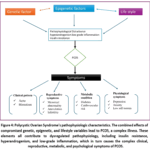 |
Figure 4: Polycystic Ovarian Syndrome’s pathophysiologic characteristics. The combined effects of compromised genetic, epigenetic, and lifestyle variables lead to PCOS, a complex illness. |
Premature birth, cesarean section, miscarriage, preeclampsia, pregnancy-induced hypertension, newborn hypoglycemia, and gestational diabetes mellitus (GDM) are only a fraction of the detrimental pregnancy, fetal, and neonatal outcomes that women with PCOS are more likely to experience. This aligns with the most current recommendations supported by recent research and with the official declarations of specialised societies. Two comprehensive investigations have found that PCOS-positive women had a significantly greater chance of developing endometrial cancer. Obesity, anovulation, infertility, oligomenorrhea, prolonged endometrial exposure to estrogen, insulin resistance, and hormonal treatment might all contribute to this. PCOS has been associated with breast and ovarian cancer, even though a specific risk factor is difficult to identify.
Furthermore, having an inferior standard of living, women with PCOS are also inclined to have symptoms of anxiety and depressive disorders, which are intricately associated with obesity. Weight loss, which is the primary therapy for PCOS, may be uplifting. The nature of having a chronic condition, being overweight, and managing worries about gender, sexuality, and fertility might all play a role in PCOS psychological issues. According to research conducted throughout the world, the majority of PCOS patients are dissatisfied with their ongoing treatment for psychological and physical issues. The higher probability of exhibiting moderate to severe manifestations comprising mental stress (anxiety as well as depression) in PCOS-affected women requires being wholeheartedly acknowledged by them.25-26
Epidemiology
PCOS, a prevalent endocrine condition that affects 4–12% of women in their reproductive age—with some communities reporting rates as high as 25%—is characterised by insulin resistance (IR). The pathogenesis of PCOS is closely linked to insulin resistance (IR), which is clinically defined as insulin’s failure to promote glucose uptake and utilisation as efficiently as in the general population. Women with PCOS who are neither fat nor obese both have IR, demonstrating the disorder’s heterogeneity. The criteria for examining PCOS were expanded following the Rotterdam consensus criteria in 2004,6 which excluded other endocrinopathies and shortlisted at least 2 of the following parameters: oligoanovulation, polycystic ovaries, and clinical or biochemical hyperandrogenism. A prominent form of inheritance is evident in the fact that 40–50% of first-degree relatives have PCOS, underscoring the importance of family history.27 Research indicates that there is a substantial hereditary component around the gene encoding the insulin receptor, which contributes to insulin resistance in PCOS females, and there is a strong correlation between IR and PCOS. Approximately 50–70% of women with PCOS have IR above what their body mass index (BMI) would indicate.28 Compensatory hyperinsulinemia (IR) promotes the synthesis of androgen by the ovaries while inhibiting the creation of Sex Hormone Binding Globulin by the liver, resulting in hyperandrogenism. About 75% of PCOS individuals exhibit a certain amount of insulin resistance. Research has shown that women with PCOS have differing rates of insulin resistance; rates as high as 40.2% have been observed in the Czech Republic and as high as 76.9% in India.29-30 Moreover, IR exhibits a greater association with dysglycemia, which includes type 2 diabetes and poor glucose tolerance, both of which are commonly seen in PCOS-affected women. Understanding the epidemiology of insulin resistance (IR) and its association with polycystic ovary syndrome (PCOS) is crucial for developing effective care and preventive strategies that address metabolic and reproductive abnormalities in affected individuals. PCOS may manifest up as asymptomatic, irregular menstruation, subfertility, miscarriage, obesity, hirsutism, acne, acanthosis nigricans, and male pattern baldness. Insulin resistance (IR) in PCOS is indicated by central obesity and acanthosis nigricans, which also increases the risk of type II diabetes mellitus by 5-10 %.31 40 percent of PCOS individuals experience poor tolerance level of glucose or diabetes mellitus (Type II)upon attaining forty years of age.16, 32-33
The prevalence of type 2 diabetes (T2D) differs dramatically between normal fertile women and those with polycystic ovarian syndrome. The typical prevalence of T2D in healthy women is between 1% and 3%.34 On the other hand, T2D prevalence in women with PCOS varies from 1.5% to 12.4%, with a median value of 4.5%.35 Numerous factors, including the age of the research participants, affect this vast range. For example, a research study presenting 46 years a mean age that concentrated on PCOS females in their perimenopausal phase found a higher incidence of T2D at 12.4%. On the other hand, T2D prevalence was lower in other studies in which participants’ mean age ranged from 25 to 30 years. Another substantial factor influencing the frequency of T2D in PCOS is ethnic variance. Research from Asia has shown that the prevalence of T2D is 6.3% and 10.1%, respectively, indicating the rising incidence of T2D in this area. Recent large meta-analyses have confirmed this pattern.16, 36-41
Pathophysiology associated with PCOS and Type-2 Diabetes Mellitus
Polycystic ovarian syndrome (PCOS) is associated with a complex pathophysiology of type 2 diabetes mellitus (T2DM), involving both hormonal and metabolic variables. One of the main features of PCOS is the presence of ovarian androgens, especially in greater quantities, most of which come from the adrenal gland.42-43 PCOS development has been speculatively connected to prenatal exposure to increased androgen levels. Gonadotropin-releasing hormone (GnRH) is secreted more pulsatile during puberty in females with PCOS. This increases the synthesis of androgen in the ovaries, causing hyperandrogenic symptoms as acne, hirsutism, and ovulatory dysfunction.43-45 While PCOS is associated with hyperandrogenism throughout the reproductive years, its metabolic characteristics are also important. A prevalent characteristic is insulin resistance (IR), which is frequently associated with central obesity, visceral fat buildup, and dysfunctional pancreatic β-cells.43,46 Inflammation, dyslipidemia, impaired glucose tolerance (IGT), impaired fasting glucose (IFG), and hyperinsulinemia are the final effects of these metabolic disturbances. When pancreatic stress exceeds the ability of the pancreas to produce insulin, the combination of the relevant parameters raises the probable concerns of progressing type 2 diabetes. 43, 47 IR affects 44–70% of those with PCOS, independent of their weight status, and is almost universal.18 Regardless of body mass index, adolescents with PCOS exhibit noticeably reduced peripheral insulin sensitivity in comparison to controls. Obesity is a significant trigger for T2DM development, which is predicated on both β-cell malfunction and IR. PCOS and the risk of type 2 diabetes are strongly correlated, particularly when obesity is present, according to a meta-analysis.43, 48-49
There is still debate on whether PCOS presents a threat to type 2 diabetes (T2DM) or if obesity in PCOS is the leading cause of T2DM.50-51 Genetic research indicates that obesity or increased androgen levels may be the cause of T2DM development rather than PCOS being a genetic predisposing factor. With several genetic clusters linked to metabolic abnormalities and hyperandrogenic symptoms, PCOS is regarded as a polygenic trait.43,52-53 PCOS-related dysglycemia advances from normoglycemia to IFG, IGT, and overt type 2 diabetes. IFG is mainly associated with hepatic IR, whereas significant muscular IR characterises isolated IGT.54 More so in hyperandrogenic women with PCOS, androgens worsen insulin resistance (IR) and accelerate the course of type 2 diabetes. This behaviour may be explained by androgens decreasing muscle insulin sensitivity, according to molecular studies. However, in thin women with PCOS, longitudinal studies indicate a decrease in androgen levels with time, accompanied by a reduction in IR.43, 55-58 The significance of weight control in PCOS is highlighted by the possibility that lean women with PCOS, especially those with isolated IGT, may not acquire type 2 diabetes if they maintain a healthy diet. Although obese and overweight people predominate PCOS cohorts, around 25% PCOS incident females bear weight in the normal range, highlighting the significance of severe adiposity in PCOS pathogenesis.59-60 Elevated body mass index intensifies the decrease in insulin sensitivity, which may surpass the amount of insulin secreted in response, resulting in hypoglycemia.17,43
Therefore, ovulatory dysfunction, hyperandrogenism, and insulin resistance (IR) are the hallmarks of the multifactorial endocrine disorder, such as polycystic ovary syndrome (PCOS). Although an overabundance of androgens causes ovulatory failure, IR and hyperandrogenism are related factors that contribute to the different symptoms of PCOS. As cells lose their sensitivity to insulin, PCOS is characterised by compensatory hyperinsulinemia and IR. Disruption of glucose homeostasis can lead to Type 2 Diabetes Mellitus (T2DM). A clinical sign of IR is acanthosis nigricans. IR risk is elevated by obesity, independent of PCOS. Studies show that insulin sensitivity and glucose control are disrupted in a significant proportion of women with PCOS.17, 43 In PCOS individuals, IR and T2DM are more likely to occur due to obesity than in the general population. Obesity also aggravates IR. Remarkably, obese PCOS patients frequently show higher insulin sensitivity than their non-obese counterparts, highlighting the complex interplay among obesity, IR, and PCOS. Ovarian and adrenal androgen production are stimulated by hyperinsulinemia (HIE), which results from IR and contributes to hyperandrogenism in PCOS. Research has shown that higher testosterone levels in T2DM patients are predictive of the development of T2DM.61-62 Additionally, androgen levels are increased in thin PCOS individuals, and there is a favourable association between testosterone and IR. This implies a susceptibility to type 2 diabetes in PCOS patients, which is corroborated by meta-analyses that demonstrate a markedly increased risk of T2DM in PCOS patients, especially those who are obese. IR, hyperinsulinemia, hyperandrogenism, and obesity are only a few of the complex interplaying elements that make up the pathophysiology connecting PCOS with T2DM. For PCOS patients to get early identification and efficient treatment of T2DM, an understanding of these pathways is crucial. 61-64
Type-2 Diabetes Mellitus risk management for PCOS
Polycystic ovarian syndrome (PCOS) is an abnormality in hormones that is associated with elevated levels of insulin, luteinizing hormone, and androgen. In furtherance of anovulation, hyperinsulinemia, hyperandrogenism, hyperlipidaemia, hirsutism, and irregular menstruation result in acne, hirsutism, obesity, and irregular menstruation. Anti-androgens are the most effective PCOS treatment option. 65 PCOS is associated with both immediate and long-term effects that might have a harmful effect on women at various stages of their life. Finding efficient medications for its prevention and treatment is crucial to reducing the syndrome’s financial and medical expenses. Hyperandrogenism and anovulation develop as a consequence of an amalgamation of contributing variables, including anticipatory hyperinsulinemia, elevated ovarian androgenic response to peripheral insulin, and insulin resistance.66-67 The hormonal and reproductive health conditions attendant on PCOS have long been related to metabolic abnormalities. However, it is now understood that insulin resistance plays a significant role in these problems. Several ideas have been investigated in order to explain better the relationship between PCOS and a greater likelihood of evolving into insulin resistance. Given that PCOS as well as obesity are typically linked, and insulin resistance is frequently prevalent, this may help to explain some of the situation. However, many PCOS-afflicted women develop insulin resistance even when they are not overweight. The reason for this is that even though these women are not fat, they are more likely to get diabetes.67-70
Polycystic ovarian syndrome is distinguished by insulin resistance (PCOS). Metformin is a medicine that helps improve lipid profiles, lower blood sugar levels, minimise the likelihood of developing diabetes, myocardial infarction, and stroke, and can also enhance fertility. Some PCOS-affected female patients may benefit from using metformin; however, women should exercise caution to prevent type 2 diabetes mellitus from developing. Metformin fails to stimulate ovulation in the same manner that clomiphene citrate does, although a 6-week regimen of this medication could enhance the cycle of menstruation and reproductive health. The use of insulin-sensitising drugs is a sensible approach to addressing the endocrine and physiological challenges that PCOS individuals endure. Polycystic ovarian syndrome is characterised by insulin resistance (PCOS). In furtherance of ubiquitous serine phosphorylation of the insulin receptor, this is additionally triggered by a persistent post-binding signalling error in recently evolved skin fibroblasts.7, 71 Based on several studies, it is assumed that an important contributor to this resistance is insulin receptor autophosphorylation. Glucose transporter 1 (GLUT1) abundance, basal and insulin-stimulated glucose transport, were all markedly increased in utilised myotubes from individuals experiencing PCOS. Individuals with PCOS may appear more predisposed to conditions that foster insulin resistance owing to intrinsic aberrations in insulin and glucose signalling, including elevated IRS-1 Ser312 phosphorylation. Individuals with PCOS exhibit skeletal muscle atrophy, leading to reduced overall blood sugar absorption when insulin is released into the bloodstream. Anovulation, biochemical hyperandrogenaemia, and insulin resistance, or hyperinsulinemia, have all been linked in Studies investigating hyperandrogenic PCOS women in their teenage years and adulthood.72-73 A thorough analysis showed that the patient’s insulin resistance had grown while their testosterone level had decreased. Long-term PCOS therapy necessitates changing lifestyle choices, including drinking, smoking, and dealing with psychosocial stresses. It has been demonstrated that growth hormone therapy may partially control follicular development, and therapeutic approaches to alter the ovarian nexus, along with growth hormone, are now being researched. Drugs that improve insulin sensitivity are used with anti-androgen treatment. Among the latest and upcoming therapies for PCOS are mainly: glucagon-like peptide-1 (GLP-1) agonists, dipeptidyl peptidase-4 (DPP-4) inhibitors, sodium-glucose transport protein-2 (SGLT2) inhibitors, myoinositol, thyroid hormones, and vitamin supplements.74-75
Anovulation, biochemical hyperandrogenaemia, and insulin resistance, or hyperinsulinemia, have a strong association, as demonstrated by probes involving hyperandrogenic adolescents and older PCOS women. A thorough examination indicated that the individual’s testosterone levels decreased as their insulin resistance increased. Modifying lifestyle variables, including drinking, smoking, and other psychosocial stresses, is necessary for long-term PCOS therapy. Statin medications are seldom advised for treating excessive cholesterol in PCOS. Patients with PCOS who use antidepressants have a higher possibility of a metabolic disorder emergence since antidepressants may have a deleterious influence on their metabolic phenotype.72, 76 In PCOS-afflicted older women, hyperglycemia has been attributed to a profile of heightened risk factors for cardiovascular disease, and in addition, there was a greater prevalence of atherosclerosis relative to women lacking the disorder. Insulin resistance (IR) is an abnormality characterised by a diminished biological response to insulin in peripheral target tissues, leading to hyperinsulinemia. When a healthy diet is combined with energy-reduced meals, both weight loss and IR are benefits. Nevertheless, a slight reduction in weight of 5%–10% may have beneficial effects on blood pressure, other cardiometabolic metrics, and overall life expectancy.77-78
Determinants of Diabetes Onset in Polycystic Ovary Syndrome
Recent studies have examined several factors that may affect the vulnerable phase in PCOS women with T2D. After controlling for age, waist-to-hip ratio (WHR), and body mass index (BMI), the severe form of PCOS manifestation, which consists of the combination of elevated androgen concentrations and chronic anovulation (as per former criteria of NIH) emerged as a robust was found to be one of the strongest independent determinant of glycemic levels following a 75-g OGTT in 254 PCOS women. Since then, nonetheless, this conclusion has not been confirmed.44, 47
An inverse relationship between birth weight and the risk of type 2 diabetes appears to be very likely, given the firmly established early life origins of health as well as disease. In fact, low birth weight has been linked to a later diagnosis of PCOS; a birth weight of less than 2.5 kg is associated with a 76% increased risk of PCOS. Similarly, in PCOS, dysglycemia has been linked to menarche age. In fact, low birth weight has been linked to a later diagnosis of PCOS; a birth weight of less than 2.5 kg is associated with a 76% increased risk of PCOS. Similarly, dysglycemia in PCOS has been linked to menarche age.48, 58
In fact, a single time point study with 121 Italian PCOS women found that those with IGT had a considerably earlier menarche age (11.9 ± 1.6 years) than obese PCOS women with standard glucose tolerance (12.4 ± 1.7 years). Nevertheless, there were not enough T2D subjects to show any association. Notably, a prevalence-based study showed that having more children reduced the incidence of T2D in PCOS-afflicted women, supporting the idea that parity may prevent T2D. The effect of lactation on the development of T2D may be hypothesised in this context.51, 58
In fact, obesity raises the likelihood of decreased breastfeeding start and duration and is a potential threat to impaired lactogenesis in women with PCOS. Furthermore, although there is currently a dearth of strong evidence to support this theory, the existence of aberrant lactational function may increase the risk for type 2 diabetes in this population because lactation is essential for women’s post-gestational metabolic health. Lastly, it has been suggested that a family history of type 2 diabetes and the risk of developing the disease in PCOS are positively correlated. This hypothesis is based on the fact that women with PCOS who have a first-degree relative with T2D have a defect in the first phase of insulin secretion, whereas BMI-matched PCOS patients without such a history do not.13, 34, 78
Environmental factors undoubtedly shape the development of T2D. The role of endocrine disruptors in aggravating PCOS pathophysiology has been suggested for more than 20 years, and bisphenol A (BPA) is significantly associated with indices of IR and anthropometric indices in females. Endocrine disruptors are an increasing environmental hazard. Furthermore, BPA exposure has been specifically implicated in the pathogenesis of PCOS due to the bidirectional reinforcing loop comprising BPA and hyperandrogenism that has been demonstrated in PCOS. Additionally, the role of advanced glycation end-products (AGEs) in the pathobiology of T2D in PCOS has drawn increasing interest over time. In both hyperglycaemic and euglycaemic conditions, proteins and lipids undergo non-enzymatic glycation and oxidation (glycoxidation), leading to the formation of AGEs. The dietary overexposure to exogenous AGEs, which remain in the body and are covalently incorporated into many tissues, is caused by thermally processed meals, particularly those high in fat and protein, which are typical of Western diets. Dietary AGEs have been linked to endothelial dysfunction and subclinical inflammation in both T2D patients and healthy people 79. Interestingly, regardless of the level of obesity and IR, AGE concentrations are higher in PCOS-afflicted women than in healthy women. They are seen in human polycystic ovaries and have a favourable correlation with levels of androgens and anti-Müllerian hormones. Given everything mentioned above, it has been proposed that AGEs may play a part in the mechanisms underlying PCOS. Consuming an AGE-rich diet high in AGEs was associated with a decline in IR and hyperandrogenism in women with PCOS. In contrast, AGE removal was associated with a notable improvement in these important parameters, even in the absence of a change in BMI. However, because endocrine disruptors function in a non-monotonic manner, the association between them and human pathophysiology should be taken cautiously 18
Alcohol, caffeine, and smoking are three of the most prevalent addictions that have been linked to the pathophysiology of PCOS and may also have a role in the onset of type 2 diabetes. Although there was no significant correlation between HOMA-IR and pack-years among the participants, a cross-sectional study based on 309 PCOS-affected women found a remarkable cooperativity between lipid levels and years of long-term smoking and IR observance was elevated in PCOS smokers versus their non-smoking counterparts. Furthermore, a German study of 346 women with PCOS found that smokers had higher HOMA-IR and fasting insulin concentrations than non-smokers; however, the latter analysis was not corrected for age or BMI. Although there is currently no research linking caffeine use to glucose homeostasis, it has been linked to poorer reproductive outcomes in women with PCOS. Lastly, it has been shown that alcohol use is positively correlated with PCOS.80
Vitamin D deficiency may be another risk factor causing problems with glucose regulation. In relation to PCOS, it has been observed that individuals with PCOS had lower 25-hydroxy-vitamin D [25(OH)D] concentrations than controls. The sunshine vitamin insufficiency [25OHD < 20 ng/mL] is associated with increased fasting glucose, insulin, and IR, as measured by OGTT. Daily supplementation with small doses of vitamin D was found to significantly lower the HOMA-IR index (daily supplementation effect -0.30; P = 0.0018, low-dose supplementation effect −0.31; P = 0.0016) in a meta-analysis that combined findings derived from 11 placebo-controlled studies assessing the influence of vitamin D supplementation on glucose regulation conducted among 601 PCOS patients, out of which 89% were Asians. Nevertheless, neither study included information about the connection between vitamin D insufficiency and type 2 diabetes. Nevertheless, neither study included information about the connection between vitamin D insufficiency and type 2 diabetes.80
From a broader perspective, mood problems and sleep quality are additional new aspects in the development of T2D. Even after adjusting for obesity, it is well known that women with PCOS are more likely to experience sleep disturbances, including decreased sleep efficiency, a higher duration of REM and non-REM sleep, and trouble falling and staying asleep. Additionally, women with PCOS are more likely than non-PCOS women to have obstructive sleep apnoea [odds ratio (OR) 3.83; 95% CI: 1.43-10.24][81], and this condition is linked to higher fasting insulin levels, HOMA-IR index, HbA1c, and glucose area under the curve. However, given the high probability of selection bias, the latter findings should be interpreted with caution. Numerous studies have linked IR, obesity, and T2D to mood disorders and depression. Moreover, mental problems and depression have often been identified in women with PCOS. Although there may theoretically be a connection between these two illnesses, no research has examined it in depth. 81
The gut microbiota’s significance in metabolic disorders, such as PCOS, has been investigated in recent years.82 Therefore, it seemed inevitable that probiotics and synbiotics would be used to alter the microbial community in an attempt to enhance some of the syndrome’s characteristics. A more extended treatment period also appeared to be more effective, and the latter intervention was demonstrated to have positive effects involving broad parameters, starting from body weight, fasting glucose levels, plus insulin, sex hormones, and hirsutism.83
The prescription of suitable medications is a significant element that may eliminate or lower the risk of T2D in PCOS. For women with PCOS, oral contraceptives stand as the cornerstone of treatment for hirsutism, acne, and irregular menstruation with remarkable success rates. Although a meta-analysis of published trials found a slight increase in fasting insulin levels, few scientific studies have reported an increased risk of type 2 diabetes with this technique. On the other hand, it is not surprising that metformin presents itself as a famous drug to prevent or treat the metabolic abnormalities in women with PCOS, considering the importance of IR in the pathogenesis of the illness. Nevertheless, metformin and lifestyle modifications resulted in only a slight decrease in BMI (-0.73 kg/m2), despite the high expectations. According to a meta-analysis of published randomised controlled trials, this was specifically a reduction in subcutaneous adipose tissue and normalisation of menstrual function compared with lifestyle treatments alone. However, most studies had small sample sizes, and the authors considered the risk of bias to be considerable. The majority of research excluded patients with diabetes, making it impossible to obtain reliable results in this area. However, with significant heterogeneity across studies, metformin significantly decreased the risk for preterm delivery (pooled OR 0.33, 95%CI: 0.18-0.60, P = 0.0003), early pregnancy loss (pooled OR 0.28, 95%CI: 0.10-0.75, P = 0.01), and gestational diabetes (pooled OR 0.20, 95%CI: 0.12-0.1, P < 0.001). Patients who received treatment before becoming pregnant and those who received treatment during their pregnancy did not experience different outcomes.84
In addition to metformin, women with PCOS have shown notable improvements in fasting blood glucose and glucose tolerance when taking PPAR-γ agonists, such as pioglitazone and rosiglitazone, which are potent insulin sensitisers but are not currently used due to the risk of heart failure. As anticipated, metformin appeared to reduce BMI more effectively than pioglitazone, according to a 2017 meta-analysis of 11 randomised controlled trials comparing the two medications on reproductive and aesthetic outcomes in 643 PCOS subjects. Recent research has examined other T2D drugs in women with PCOS, such as the SGLT-2 inhibitor empagliflozin, which, in a short study of women without diabetes, resulted in noticeably greater weight loss than metformin.85 In non-diabetic women with PCOS, exenatide86 and liraglutide looked to improve several glucose homeostasis markers more effectively when compared to metformin, and their incorporation with metformin appeared to have incremental advantages in that area.87 Last but not least, orlistat when thoroughly investigated in obese women with PCOS proudly standing out to be just as effective as metformin in promoting weight loss and metabolic enhancements.16
Supplementing with minerals, trace elements, and other supplements is still generally unauthenticated, despite the fact that supplement use has significantly expanded in recent years. According to two meta-analyses of published trials, BMI, fasting insulin, free testosterone, HOMA-IR, and HOMA-β appeared to improve when chromium supplementation was used for PCOS. Furthermore, in a meta-analysis of nine small randomized controlled trials, omega-3 fatty acid supplementation at doses of 900–4000 mg daily seemed to increase the HOMA-IR index; however, there was no information on T2D risk.88 An amino acid called myoinositol has been studied in relation to glucose metabolism in women with PCOS. A 2017 meta-analysis of controlled trials found that it had a slight positive effect on fasting insulin and HOMA-IR, but no effect on glucose concentrations or BMI.89
PCOS Prevention and Treatment
A multidisciplinary team composed of a family doctor, gynecologist, endocrinologist, dermatologist, pediatrician, nutritionist, psychiatrist, and psychologist should be used to treat PCOS. The primary line of treatment for PCOS is lifestyle changes since they are affordable. As an essential component of the treatment, recommendations call for calorie-restricted diets and exercise therapy. According to clinical studies, losing even 5% of body weight can increase fertility, control menstruation, lower insulin and testosterone levels, minimize acne and hirsutism, and improve psychological health.7, 90 If altering one’s lifestyle is insufficient to relieve symptomatology, medical therapy is added. The most popular drugs for the long-term management of PCOS are oral contraceptive pills (OCP). The hypothalamic-pituitary-ovarian axis undergoes inhibition, thereby suppressing free testosterone levels, contributing to sex hormone-binding globulins, and diminishing luteinizing hormone (LH) releases. This treats menstrual cycle irregularities, alleviates acne and hirsutism, and treats symptoms brought on by hyperandrogenism. Low-dose oral contraceptive pills along with neutral or anti-androgenic progestins are the most effective preference. Metformin, an oral biguanide anti-diabetic drug, has been suggested for the initial course of action for epidermal signs and issues related to conceiving in individuals with PCOS.7, 93 It can also be used with clomiphene citrate to help people who are resistant to reproductive treatments achieve better results. Threading, waxing, plucking, bleaching, or shaving are examples of cosmetic/local treatment, which is a medical or physical technique for hair removal. There are additional permanent hair-reduction methods including photoepilation, laser thermolysis, and electrolysis.94 For anovulatory infertility, clomiphene citrate has been endorsed as the preliminary line course of therapy. Letrozole boasts a higher live birth rate than other ovulation induction drugs, hence using it should be prioritized in clinical management recommendations to improve fertility results. Exogenous gonadotropins, IVF, laparoscopic ovarian surgery, and laparoscopic methods that can induce ovulation are examples of second-line therapies.95
Discussion
Even though, insulin resistance (IR) holds a key position to the PCOS pathophysiology, it should not be reflected as a metabolically uniform condition. Their framework of diagnosis imparts itself reflects heterogeneity in its phenotypic characters that encompasses varying degrees of hyperandrogenism, ovulatory dysfunction, and polycystic ovarian morphology.96 Importantly, the IR magnitude and its clinical implications vary across its phenotypes. Although a substantial proportion of women with PCOS demonstrate inherent or obesity-exacerbated abnormalities in insulin signalling, systematic analyses indicate that insulin resistance is not present in all cases and varies considerably in its metabolic severity among affected individual.97 Women with obesity-associated PCOS phenotypes are more likely to exhibit impaired β-cell compensatory capacity and an increased likelihood of progressing to type 2 diabetes mellitus (T2DM).98 In contrast, lean women with PCOS may demonstrate detectable abnormalities in insulin signaling without consistently developing dysglycemia, implying that preserved β-cell function, variations in adipose tissue distribution, or genetic factors may buffer against metabolic decline.97 Recent phenotype-oriented investigations further suggest that hyperandrogenism alone is not a reliable predictor of T2DM risk, as metabolic outcomes appear to result from the combined influence of adiposity, genetic predisposition, and environmental exposures.99 Taken together, these findings reinforce a phenotype-specific and multifactorial framework for metabolic progression in PCOS, highlighting the need for individualized risk assessment rather than presuming an inevitable evolution toward T2DM.
Conclusion
Women experiencing PCOS, or polycystic ovarian syndrome experience a significant likelihood of diagnosis of diabetes. It is perpetuated by hormonal imbalance, which is connected to the production of follicles and the insulin receptor. Despite the fact, the body generates an abundant amount of insulin, although some cells reject it, rendering these kinds of cells more prone to developing diabetes. According to a handful of studies, the sole group of females who enhance insulin resistance are the ones possessing polycystic ovarian syndrome and protracted anovulation. Insulin resistance is consequently a distinguishing attribute of persistent anovulation syndrome. PCOS symptoms include irregular menstrual cycles, hair loss or thinning, acne, unusually heavy bleeding during periods, and mood swings. Management of polycystic ovarian syndrome should focus on reducing androgen-associated symptoms, maintaining endometrial stability, and lowering long-term diabetes risk.
Acknowledgement
The author would like to acknowledge the management of Assam down Town University and Amity University, Jharkhand for providing the necessary support during the formation of the manuscript.
Funding Sources
The author(s) received no financial support for the research, authorship, and/or publication of this article.
Conflict of Interest
The authors do not have any conflict of interest.
Data Availability Statement
This statement does not apply to this article.
Ethics Statement
This research did not involve human participants, animal subjects, or any material that requires ethical approval.
Informed Consent Statement
This study did not involve human participants, and therefore, informed consent was not required.
Clinical Trial Registration
This research does not involve any clinical trials.
Permission to reproduce material from other sources
Not Applicable
Authors’ Contribution
- Indrani Barman: Study’s conception, design;
- Sumira Malik: Data collection;
- Trishna Sharma: Data collection;
- Jyotismita Sarma: Data collection;
- Sarvesh Rastogi: data collection;
- Shailendra Thapliyal: Analysis;
- Ravi Kumar Deshwal: Analysis;
- Swati Priya: writing the draft;
- Jutishna Bora: Supervision;
- Nayan Talukdar: Supervision.
References
- Stein IF, Leventhal ML. Amenorrhea associated with bilateral polycystic ovaries. Am J Obstet Gynecol. 1935;29(2):181-191.
CrossRef - McCartney CR, Marshall JC. Polycystic ovary syndrome. N Engl J Med. 2016;375(1):54-64.
CrossRef - Knochenhauer ES, Key TJ, Kahsar-Miller M, et al. Prevalence of the polycystic ovary syndrome in unselected black and white women of the southeastern United States: a prospective study. J Clin Endocrinol Metab. 1998;83(9):3078-3082.
CrossRef - Ehrmann DA. Polycystic ovary syndrome. N Engl J Med. 2005;352(12):1223-1236.
CrossRef - Escobar-Morreale HF. Polycystic ovary syndrome: definition, aetiology, diagnosis and treatment. Nat Rev Endocrinol. 2018;14(5):270-284.
CrossRef - Fauser BCJM. Revised 2003 consensus on diagnostic criteria and long-term health risks related to polycystic ovary syndrome. Fertil Steril. 2004;81(1):19-25. doi:10.1016/j.fertnstert.2003.10.004
CrossRef - Dunaif A. Insulin resistance and the polycystic ovary syndrome: mechanism and implications for pathogenesis. Endocr Rev. 1997;18(6):774-800. doi:10.1210/edrv.18.6.0318
CrossRef - Ciaraldi TP, El-Roeiy A, Madar Z, Reichart D, Olefsky JM, Yen SSC. Cellular mechanisms of insulin resistance in polycystic ovarian syndrome. J Clin Endocrinol Metab. 1992;75(2):577-583.
CrossRef - Cooney LG, Dokras A. Beyond fertility: polycystic ovary syndrome and long-term health. Fertil Steril. 2018;110(5):794-809.
CrossRef - El Hayek S, Bitar L, Hamdar LH, Mirza FG, Daoud G. Polycystic ovarian syndrome: an updated overview. Front Physiol. 2016;7:124.
CrossRef - Teede HJ, Deeks AA, Moran LJ. Polycystic ovary syndrome: a complex condition with psychological, reproductive and metabolic manifestations. BMC Med. 2010;8:41. doi:10.1186/1741-7015-8-41
CrossRef - Boomsma CM, Eijkemans MJC, Hughes EG, Visser GHA, Fauser BCJM, Macklon NS. A meta-analysis of pregnancy outcomes in women with polycystic ovary syndrome. Hum Reprod Update. 2006;12(6):673-683. doi:10.1093/humupd/dml036
CrossRef - Legro RS, Kunselman AR, Dodson WC, Dunaif A. Prevalence and predictors of risk for type 2 diabetes mellitus in PCOS. J Clin Endocrinol Metab. 1999;84(1):165-169. doi:10.1210/jcem.84.1.5393
CrossRef - Nestler JE. Role of hyperinsulinemia in the pathogenesis of polycystic ovary syndrome. Semin Reprod Endocrinol. 1997;15(2):111-122. doi:10.1055/s-2007-1016294
CrossRef - Ehrmann DA, Barnes RB, Rosenfield RL, Cavaghan MK, Imperial J. Prevalence of impaired glucose tolerance and diabetes in PCOS. Diabetes Care. 1999;22(1):141-146. doi:10.2337/diacare.22.1.141
CrossRef - Livadas S, Pappas C, Karachalios A, et al. Polycystic ovary syndrome and type 2 diabetes mellitus. World J Diabetes. 2022;13(1):5.
CrossRef - Cassar S, Misso ML, Hopkins WG, Shaw CS, Teede HJ, Stepto NK. Insulin resistance in PCOS: a systematic review and meta-analysis. Hum Reprod. 2016;31(11):2619-2631. doi:10.1093/humrep/dew243
CrossRef - Diamanti-Kandarakis E, Dunaif A. Insulin resistance and PCOS revisited. Endocr Rev. 2012;33(6):981-1030. doi:10.1210/er.2011-1034
CrossRef - Teede HJ, Joham AE, Paul E, et al. Longitudinal weight gain in women with PCOS. Obesity (Silver Spring). 2013;21(8):1526-1532. doi:10.1002/oby.20213
CrossRef - Barry JA, Azizia MM, Hardiman PJ. Risk of endometrial, ovarian and breast cancer in PCOS. Hum Reprod Update. 2014;20(5):748-758. doi:10.1093/humupd/dmu012
CrossRef - Morang MD, Chasta P, Chandrul KK. A review on polycystic ovary syndrome. Int J Trend Sci Res Dev. 2019;3(4):60-66.
CrossRef - Shermin S, Noor A, Jahan S. Polycystic ovary syndrome: a brief review. Delta Med Coll J. 2019;7(2):84-99.
CrossRef - Balen AH, Laven JSE, Tan SL, Dewailly D. Ultrasound assessment of the polycystic ovary. Hum Reprod Update. 2003;9(6):505-514. doi:10.1093/humupd/dmg044
CrossRef - Goodarzi MO, Dumesic DA, Chazenbalk G, Azziz R. Polycystic ovary syndrome: etiology and diagnosis. Nat Rev Endocrinol. 2011;7(4):219-231.
CrossRef - Layegh P, Mousavi Z, Maleki M, et al. Insulin resistance in obese and non-obese PCOS patients. Int J Reprod Biomed. 2016;14(4):263-270.
CrossRef - Foroozanfard F, Moosavi SG, Mansouri F, Bazarganipour F. Obstetric and neonatal outcome in PCOS with gestational diabetes mellitus. J Fam Reprod Health. 2014;8(1):7-12.
- Legro RS. Polycystic ovary syndrome: phenotype to genotype. Endocrinol Metab Clin North Am. 1999;28(2):379-396. doi:10.1016/S0889-8529(05)70075-X
CrossRef - DeUgarte CM, Bartolucci AA, Azziz R. Prevalence of insulin resistance in PCOS using HOMA. Fertil Steril. 2005;83(5):1454-1460. doi:10.1016/j.fertnstert.2004.11.070
CrossRef - Vrbikova J, Cibula D, Dvorakova K, et al. Prevalence of insulin resistance in PCOS. Clin Chem Lab Med. 2007;45(1):123-129. doi:10.1515/CCLM.2007.113
CrossRef - Kalra A, Nair S, Rai L. Association of obesity and insulin resistance with dyslipidemia in Indian women with PCOS. Indian J Med Sci. 2006;60(11):447-453
CrossRef - Ovalle F, Azziz R. Insulin resistance, polycystic ovary syndrome, and type 2 diabetes mellitus. Fertil Steril. 2002;77(6):1095-1105. doi:10.1016/S0015-0282(02)03111-4
CrossRef - Kidson W. Polycystic ovary syndrome: a new direction in treatment. Med J Aust. 1998;169(10):537-540. doi:10.5694/j.1326-5377.1998.tb123402.x
CrossRef - Tabassum R, Imtiaz F, Sharafat S, Nusrat U. Prevalence and clinical profile of insulin resistance in young women with PCOS. Pak J Med Sci. 2013;29(2):593-596. doi:10.12669/pjms.292.3180
CrossRef - Huebschmann AG, Regensteiner JG, Vlassara H, Reusch JEB. Sex differences in type 2 diabetes and cardiovascular risk. Diabetologia. 2019;62(10):1761-1772. doi:10.1007/s00125-019-4939-5
CrossRef - Pelanis R, Mellembakken JR, Sundström-Poromaa I, et al. Type 2 diabetes prevalence in normal-weight women with PCOS. Hum Reprod. 2017;32(11):2279-2286. doi:10.1093/humrep/dex294
CrossRef - Ganie MA, Khurana ML, Eunice M, et al. OGTT impact on abnormal glucose tolerance in Indian women with PCOS. Fertil Steril. 2016;105(1):194-201.e3. doi:10.1016/j.fertnstert.2015.09.005
CrossRef - Seneviratne H, Wijeyaratne C, Gunawardena N, et al. Serum insulin patterns in women with PCOS. BJOG. 2009;116(13):1722-1728. doi:10.1111/j.1471-0528.2009.02360.x
CrossRef - Nanditha A, Ma RCW, Ramachandran A, et al. Diabetes in Asia and the Pacific. Diabetes Care. 2016;39(3):472-485. doi:10.2337/dc15-1536
CrossRef - Kakoly NS, Khomami MB, Joham AE, et al. Ethnicity, obesity and diabetes risk in PCOS. Hum Reprod Update. 2018;24(4):455-467. doi:10.1093/humupd/dmy007
CrossRef - Lizneva D, Kirubakaran R, Mykhalchenko K, et al. Phenotypes and body mass in PCOS. Fertil Steril. 2016;106(6):1510-1520.e2. doi:10.1016/j.fertnstert.2016.07.1121
CrossRef - Zhang B, Wang J, Shen S, et al. Androgen excess and glucose intolerance in PCOS. Biomed Res Int. 2018;2018:6869705. doi:10.1155/2018/6869705
CrossRef - Rosenfield RL, Ehrmann DA. The pathogenesis of PCOS revisited. Endocr Rev. 2016;37(5):467-520. doi:10.1210/er.2015-1104
CrossRef - Livadas S, Anagnostis P, Kassi E, et al. Assessment of type 2 diabetes risk in young women with PCOS. Diagnostics (Basel). 2023;13(12):2067. doi:10.3390/diagnostics13122067
CrossRef - Abbott DH, Kraynak M, Dumesic DA, Levine JE. In utero androgen excess and PCOS. Front Horm Res. 2019;53:1-18. doi:10.1159/000494899
CrossRef - Abbara A, Dhillo WS. Targeting GnRH pulsatility in PCOS. J Clin Endocrinol Metab. 2021;106(10):e4275-e4277. doi:10.1210/clinem/dgab422
CrossRef - Sawathiparnich P, Weerakulwattana L, Santiprabhob J, Likitmaskul S. Insulin resistance in obese adolescent girls with PCOS. J Med Assoc Thai. 2005;88(Suppl 8):S33-S37.
- Dumesic DA, Abbott DH, Sanchita S, Chazenbalk GD. Endocrine–metabolic dysfunction in PCOS. Curr Opin Endocr Metab Res. 2020;12:41-48. doi:10.1016/j.coemr.2020.02.013
CrossRef - Lewy VD, Danadian K, Witchel SF, Arslanian S. Early metabolic abnormalities in adolescent girls with PCOS. J Pediatr. 2001;138(1):38-44. doi:10.1067/mpd.2001.109603
CrossRef - Anagnostis P, Tarlatzis BC, Kauffman RP, et al. Obesity-related risk of type 2 diabetes in PCOS. Endocrine. 2021;74(2):245-253. doi:10.1007/s12020-021-02801-2
CrossRef - Forslund M, Landin-Wilhelmsen K, Schmidt J, et al. Type 2 diabetes in women with PCOS over 24 years. Hum Reprod Open. 2020;2020(1):hoz042. doi:10.1093/hropen/hoz042
CrossRef - Gambineri A, Patton L, Altieri P, et al. PCOS as a risk factor for type 2 diabetes. Diabetes. 2012;61(9):2369-2374.
CrossRef - Zhu T, Cui J, Goodarzi MO. PCOS and cardiometabolic risk. Diabetes. 2021;70(2):627-637. doi:10.2337/db20-0800
CrossRef - Dapas M, Lin FTJ, Nadkarni GN, et al. Distinct PCOS subtypes with genetic associations. PLoS Med. 2020;17(6):e1003132. doi:10.1371/journal.pmed.1003132
CrossRef - Abdul-Ghani MA, Tripathy D, DeFronzo RA. β-cell dysfunction and insulin resistance. Diabetes Care. 2006;29(5):1130-1139. doi:10.2337/diacare.2951130
CrossRef - Livadas S, Anagnostis P, Kassi E, et al. Age-related metabolic changes in lean PCOS. Hormones (Athens). 2020;19(4):531-539. doi:10.1007/s42000-020-00211-z
CrossRef - Persson S, Elenis E, Turkmen S, et al. Diabetes risk in hyperandrogenic PCOS. Fertil Steril. 2021;116(3):862-871. doi:10.1016/j.fertnstert.2021.04.018
CrossRef - Hansen SL, Svendsen PF, Jeppesen JF, et al. Skeletal muscle insulin resistance in lean PCOS. J Clin Endocrinol Metab. 2019;104(8):3520-3533. doi:10.1210/jc.2018-01771
CrossRef - Bili H, Laven JSE, Imani B, et al. Age-related differences in PCOS features. Eur J Endocrinol. 2001;145(6):749-755. doi:10.1530/eje.0.1450749
CrossRef - Toosy S, Sodi R, Pappachan JM. Lean PCOS: an evidence-based approach. J Diabetes Metab Disord. 2018;17(2):277-285. doi:10.1007/s40200-018-0371-5
CrossRef - Alvarez-Blasco F, Botella-Carretero JI, San Millán JL, Escobar-Morreale HF. PCOS prevalence in overweight women. Arch Intern Med. 2006;166(19):2081-2086. doi:10.1001/archinte.166.19.2081
CrossRef - Ye W, Xie T, Song Y, Zhou L. Androgen signalling in PCOS. J Cell Mol Med. 2021;25(4):1825-1837. doi:10.1111/jcmm.16205
CrossRef - Vrbíková J, Cibula D, Dvořáková K, et al. Insulin sensitivity in PCOS. J Clin Endocrinol Metab. 2004;89(6):2942-2945. doi:10.1210/jc.2003-
CrossRef - Ding EL, Song Y, Malik VS, Liu S. Sex hormones and type 2 diabetes risk. JAMA. 2006;295(11):1288-1299. doi:10.1001/jama.295.11.1288
CrossRef - Muka T, Nano J, Jaspers L, et al. Sex hormones and diabetes risk in women. Diabetes. 2017;66(3):577-586. doi:10.2337/db16-0473
CrossRef - De Leo V, Musacchio MC, Cappelli V, Massaro MG, Morgante G, Petraglia F. Genetic and metabolic aspects of PCOS. Reprod Biol Endocrinol. 2016;14:1-17. doi:10.1186/s12958-016-0173-x
CrossRef - Layacha SY, Biswas DA, Layacha S, Biswas D. PCOS and susceptibility to type 2 diabetes. Cureus. 2023;15(1):e33390. doi:10.7759/cureus.33390
CrossRef - Zeng X, Xie YJ, Liu YT, et al. Hyperandrogenism, insulin resistance and obesity in PCOS. Clin Chim Acta. 2020;502:214-221.
CrossRef - Pitchai P, Sreeraj S, Anil PR. Lifestyle modification awareness in Indian women with PCOS. Int J Reprod Contracept Obstet Gynecol. 2016;5(2):470-476.
CrossRef - Park K, Lee S, Kim J, et al. PCOS and insulin resistance. Int J Gynaecol Obstet. 2001;74(3):261-267. doi:10.1016/S0020-7292(01)00442-8
CrossRef - Azziz R, Carmina E, Dewailly D, et al. Androgen Excess and PCOS Society criteria. Fertil Steril. 2009;91(2):456-488. doi:10.1016/j.fertnstert.2008.06.035
CrossRef - Szczesnowicz A, Budziszewska B, Kurek E, et al. GLP-1 analogs in PCOS treatment. J Clin Med. 2023;12(18):5915. doi:10.3390/jcm12185915
CrossRef - Lashen H. Role of metformin in PCOS management. Ther Adv Endocrinol Metab. 2010;1(3):117-128. doi:10.1177/204201881038021
CrossRef - Ferjan S, Janez A, Jensterle M. Sitagliptin in metformin-intolerant PCOS. Endocr Pract. 2018;24(1):69-77. doi:10.4158/EP-2017-0027
CrossRef - Velázquez E, Acosta A, Mendoza SG. Menstrual cyclicity after metformin therapy. Obstet Gynecol. 1997;90(3):392-395. doi:10.1016/S0029-7844(97)00296-2
CrossRef - Conn JJ, Jacobs HS, Conway GS. Prevalence of polycystic ovaries in type 2 diabetes. Clin Endocrinol (Oxf). 2000;52(1):81-86. doi:10.1046/j.1365-2265.2000.00884.x
CrossRef - Baptiste CG, Battista MC, Trottier A, Baillargeon JP. Insulin and hyperandrogenism in PCOS. J Steroid Biochem Mol Biol. 2010;122(1-3):42-52. doi:10.1016/j.jsbmb.2009.12.010
CrossRef - Zhuang J, Deng J, Liu Y, et al. Antidepressants for PCOS. Cochrane Database Syst Rev. 2013;(5):CD008575. doi:10.1002/14651858.CD008575.pub2
CrossRef - Palomba S, Santagni S, Falbo A, La Sala GB. Complications and challenges in PCOS. Int J Womens Health. 2015;7:745-763. doi:10.2147/IJWH.S70314
CrossRef - Merhi Z, Kandaraki EA, Diamanti-Kandarakis E. Advanced glycation end products in PCOS. Trends Endocrinol Metab. 2019;30(3):150-162.
CrossRef - Łagowska K, Bajerska J, Jamka M. Vitamin D and insulin resistance in PCOS. Nutrients. 2018;10(11):1637.
CrossRef - Kahal H, Kyrou I, Tahrani AA, et al. Obstructive sleep apnea in PCOS. Sleep Breath. 2020;24(1):339-350.
CrossRef - Guo J, Shao J, Yang Y, et al. Gut microbiota in PCOS. Reprod Sci. 2022;29(1):69-83.
CrossRef - Cozzolino M, Vitagliano A, Pellegrini L, et al. Probiotics and synbiotics in PCOS. Eur J Nutr. 2020;59(7):2841-2856.
CrossRef - Bidhendi Yarandi R, Behboudi-Gandevani S, Amiri M, Ramezani Tehrani F. Metformin and gestational diabetes in PCOS. Diabetol Metab Syndr. 2019;11:58.
CrossRef - Javed Z, Papageorgiou M, Deshmukh H, et al. Empagliflozin in PCOS. Clin Endocrinol (Oxf). 2019;90(6):805-813.
CrossRef - Tao T, Li S, Zhao A, et al. Exenatide vs metformin in PCOS prediabetes. J Clin Endocrinol Metab. 2021;106(3):e1420-e1432.
CrossRef - Tian D, Wang Y, Zhou Y, et al. Liraglutide therapy in obese PCOS. Minerva Med. 2021;113(3):542-550.
CrossRef - Yang K, Zeng L, Bao T, Ge J. Omega-3 fatty acids in PCOS. Reprod Biol Endocrinol. 2018;16:27.
CrossRef - Zeng L, Yang K. Myo-inositol in PCOS. Endocrine. 2018;59(1):30-38.
CrossRef - Sarkar M, Terrault N, Chan W, et al. PCOS and NASH severity. Liver Int. 2020;40(2):355-359.
CrossRef - Yland JJ, Van Noord-Zaadstra BM, Looman CWN, et al. Clomiphene vs letrozole. Hum Reprod. 2022;37(4):793-805. doi:10.1093/humrep/deac00
CrossRef - Akre S, Deshmukh A, Bhatia S, et al. Recent advances in PCOS management. Cureus. 2022;14(8):e27689. doi:10.7759/cureus.27689
CrossRef - Bednarska S, Siejka A. Pathogenesis and treatment of PCOS. Adv Clin Exp Med. 2017;26(2):359-367. doi:10.17219/acem/59380
CrossRef - American College of Obstetricians and Gynecologists. ACOG Practice Bulletin No. 194. Obstet Gynecol. 2018;131(6):e157-e171. doi:10.1097/AOG.0000000000002656
CrossRef - Spritzer PM, Motta AB, Petermann T, Diamanti-Kandarakis E. Novel strategies in PCOS management. Endocrine. 2015;49(2):375-388.
- Azziz R, Carmina E, Dewailly D, Diamanti-Kandarakis E, Escobar-Morreale HF, Futterweit W, Janssen OE, Legro RS, Norman RJ, Taylor AE, Witchel SF; Task Force on the Phenotype of the Polycystic Ovary Syndrome of The Androgen Excess and PCOS Society. The Androgen Excess and PCOS Society criteria for the polycystic ovary syndrome: the complete task force report. Fertil Steril. 2009 Feb;91(2):456-88.
CrossRef - Cassar S, Misso ML, Hopkins WG, Shaw CS, Teede HJ, Stepto NK. Insulin resistance in polycystic ovary syndrome: a systematic review and meta-analysis of euglycaemic-hyperinsulinaemic clamp studies. Hum Reprod. 2016 Nov;31(11):2619-2631.
CrossRef - Legro RS, Kunselman AR, Dodson WC, Dunaif A. Prevalence and predictors of risk for type 2 diabetes mellitus and impaired glucose tolerance in polycystic ovary syndrome: a prospective, controlled study in 254 affected women. J Clin Endocrinol Metab. 1999 Jan;84(1):165-9.
CrossRef - Livadas, S., Paparodis, R., Anagnostis, P., Gambineri, A., Bjekić-Macut, J., Petrović, T., Yildiz, B. O., Micić, D., Mastorakos, G., & Macut, D. (2023). Assessment of Type 2 Diabetes Risk in Young Women with Polycystic Ovary Syndrome. Diagnostics (Basel, Switzerland), 13(12), 2067.
CrossRef
Abbreviations
PCOS: Polycystic ovarian syndrome,
IGT: Impaired Glucose Tolerance,
T2DM: Type 2 Diabetes Mellitus,
IR: Insulin Resistance

Accepted on: 17-04-2026
Second Review by: Dr R. Rajalakshmi
Final Approval by: Dr. Prabhishek Singh