Anti-obesity Efficiency of Papaya Extract on High-fat Diet-induced Obese Malealbino Rats
 and Ruyuf Mohammed AL-Foraih
 Department of Biology, College of Science, Qassim University, Buraydah, Al-Qassim, Saudi Arabia.
Corresponding Author Email:hf.aly@qu.edu.sa
DOI : http://dx.doi.org/10.13005/bpj/3463
Download this article as:

As of 2022, obesity was identified as a complex, long-term disorder characterized by excess body fataffects more than 890 million people globally. It significantly increases the risk of diseases, including heart disease, type 2 diabetes, and many cancers, and is brought on by a confluence of lifestyle, environmental, and genetic variables.The goal of the current study is to compare the anti-obesity efficiency of papaya aqueous extract (PAE) with that of orlistat in male rats fed a High-fat diet (HFD). Forty male rats were used in this study; ten of them fed normal diet as the control group (GI), and the remaining thirty rats were fed a HFD for twelve consecutive weeks. The obese rats were divided into three groups at random as follows: GII; ten obese rats were received HFD; GIII: 10 obese rats given an oral intubation dose of 50 mg/kg/day of orlistat(ORL) for 45 days; GIV: PAE (600 mg/kg b.wt.) was given to ten obese rats for forty-five days.Serum oxidative stress marker malondialdehyde (MDA),pro-inflammatory cytokine, interleukin-1β(IL1-β), andobesity markers such as serum insulin, Leptin, resistin, and irisin were estimated by ELISA. PAE has a notable effect in decreasing their body weight that was clear by a drop in BMI,a decrease inobesity markers such as resistin, leptin, and insulin levels and a decline in the levels of MDA & IL1-β reflecting the anti-obesity & antioxidant capacity of PAE.
KEYWORDS:CaricaPapaya L aqueous extract; Catechin; High-fat diet; Gallic acid; Lipid peroxidation; and Obesity
Introduction
Consuming too much fat can cause visceral fat to build up and body weight to rise. Despite the increasing recognition of the need for an active lifestyle and a nutritious diet, obesity remains a widespread health issue.1 It results from an imbalance between energy expenditure and intake. This imbalance raises the risk of chronic conditions, including diabetes, cancer, and heart disease, in addition to causing abnormal weight gain2. Carica papaya L. is widely grown in many parts of the world, particularly in Asia, Central and South America, and other tropical nations.3 After bananas, mangoes, and pineapples, it is the fourth most traded tropical fruit, making it an economically significant crop. Papaya has hepatoprotective, antihypertensive, and antioxidant qualities. 4
Papayafruit and other plant parts have a milky juice that is full of the active compounds papain and chymopapain, which are responsible for papaya’s many health benefits.5These compounds have also been used to make a number of pharmaceutical and industrial products that are used to treat a wide range of illnesses5. High concentrations of proteolytic enzymes with antifungal, antiviral, and antibacterial properties, as well as vitamins C, A, and B. According to,6 papaya is high in calcium, magnesium, sodium, and potassium and contains trace amounts of thiamine and riboflavin.6Papaya’s main constituents include methyl butanoate, ethyl butanoate, 3-methyl-1-butanol, and 1-butanol. Esters of shorter-chain fatty acids were believed to have a major impact on the common flavour of papaya. It includes saponin, which gives the unripe papaya a harsh flavour.6Papaya’s high soluble dietary fiber content and its tender, easily digested structure, promotes regular bowel movements, reduce constipation, and aids in nutrient absorption. Papaya has a protein content that varies from 0.29 to 14.41 percent. Highlighting that overripe papaya does not serve as a major source of protein, the pulp contained the least crude protein content (0.29%), while the seeds had the highest. The fat content varied from 0.23 to 5.24%, while the carbohydrate content ranged from 9.65 to 32.18%. Chukwuka et al., 20136 While the brown, dried papaya leaf is the best tonic and blood purifier, as well as having anti-tumor, anti-inflammatory, and nutritional value due to the plant’s abundant latex, the green, unripe papaya is well-known for its antiseptic qualities, which rid the intestines of bacteria whereas the brown, dried leaf is the best tonic and blood purifier5,in addition to its anti-tumor, anti-inflammatory, economic, nutritional value due to the abundant latex produced by the plant it has industrial applications.7
The main ingredients of papaya are 1-butanol, 3-methyl-1-butanol, ethyl butanoate, and methyl butanoate. The usual papaya flavour was believed to be largely influenced by the esters of lower fatty acids. According to,8 it contains saponin, which gives the un ripe papaya a bitter taste.
Materials and Methods
Forty healthy adult male albino rats weighing between 150 and 180 grams were acquired from the animal colony at Qassim University’s College of Agriculture. Rats was kept in polycarbonate plastic cages(size 60 × 40 × 22 cm) with five rats per each under conventional laboratory settings (19–25°C, 12 hours), with cycles of light and dark and a relative humidity of 50–60%, the floor of the cage filled with wood shavings. Ten rats fed normal diet (special feed for experimental animals is called Fodder No. 1005. Crude protein (20%), crude fat (4%), crude fiber (3.50%), salt (0.50%), calcium (1%), phosphorus (0.6%), and vitamins A (20%), D (2%), and E (70%) were all included in these pellets (international units/g). As well as a few additional trace elements, such as iron, manganese, selenium, copper, iodine, zinc, and cobalt and they are the control group (GI), the remaining thirty rats fed HFD for 12 weeks.The weight and the nose-anus length of each rat in the control and obese groups were recorded at the beginning and the end of the 12th week. After that, the thirty obese rats were partitioned randomly into 3 groups: GII: HFD-fed rats until the end of the study; GIII: obese rats received a daily oral dose of orlistat (dissolved in 0.2ml saline solution) , while group GIV received anoral daily dose of PAE (dissolved in 0.3ml saline solution) by gastric intubation8.At the end of the experimental period, all animals were fasted for 24 h, anesthetized using sodium phenobarbital (200 mg/kg body weight, intraperitoneal; diluted by 1:3 in phosphate-buffered saline), and sacrificed by decapitation. The anesthetic was administered only once as a terminal procedure immediately before sacrifice and was not used during the exposure period. Blood samples were collected, and sera were separated by centrifugation aliquoted, and stored at −80°C for subsequent biochemical analyses. Serum levels of irisin, resisten, leptin,insulin, and IL1-β were estimated by ELISA while MDA was detected spectrophotometrically using “MyBioSource kits” that were acquired from Ejadah Trading Corporation for Scientific and Laboratory Equipments. Orlistat (ORL) was bought from the pharmacy.
All experimental procedures were conducted using independent samples (n = 10 per group) to ensure reproducibility and statistical validity. Animal carcasses were disposed of at the Qassim University Veterinary Hospital in accordance with international biosafety and ethical guidelines.
Ethics Approval
All experimental procedures were reviewed and approved by the Committee of Research Ethics at the Deanship of Scientific Research, Qassim University (Approval No. 24-87-15). All protocols were conducted in accordance with institutional guidelines and the ethical principles outlined by the Institutional Animal Care and Use Committee (IACUC).
Induction of obesity
The weight and nose-anus length of each rat in the control and obese groups were measured at the beginning and end of the 12 weeks after 30 rats were given a high-fat diet. The weight (g) was divided by the square of the nose-anus length (cm2) to determine the BMI. Animals will be deemed obese if their BMI exceeds 0.68 g/cm2.

Preparation of a high-fat diet
46% fat (25.5% maize oil and 20.5% camel lard), 24% carbs, 20.3% proteins, 5% fibre, 3.7% salt mixture, and 1% vitamin mixture are combined to make the diet.8
Aqueous plant extract (PAE) preparation
After purchasing a Carica papaya from the local market in Qassim, the pulp was chopped into pieces, the skin was peeled off, and the seeds were extracted. After weighing and blending 500g of the fruits into a beaker, the Carica papaya L. was soaked in 1.5L of water for the entire night. Whatman filter paper measuring 125 mm was used to filter the juice, which was then freeze-dried and lyophilized using a freeze drier (Christ alpha1-4 Id plus, Germany) at a temperature of -35 to 41 degrees Celsius and a pressure of 0.1 to 0.5 mBar.9
Yield Exract
The whole filtrate was poured in an empty quick fit round bottom flask with known weight (W1) and then weighed again (W2) after solvent evaporation; finally, the yield percentage was calculated from the following formula10:

Extract yield (g/100g crude herb) =X100
Where W1 is the empty and dry flask in grams
W2 is the weight of flask after freeze-drying in grams
W3 is the weight of the used crude powdered herb in grams.
Carica papaya (PAE) aqueous extract pancreatic lipase inhibition experiment (in vitro):
Using p-nitrophenyl butyrate (PNPB) as a substrate, the activity of the lipase supplied by Spectrum Diagnostic Company (L) CAT no.221006, was evaluated in accordance with.11
Procedure description
To test lipase activity, PNPB was utilised as a substrate. At -20 °C, lipase stock solutions (1 mg/mL) were prepared in 0.1 mM potassium phosphate buffer (pH 6.0). Lipase inhibitory activity was measured by pre-incubating extracts (7.8, 15.62, 31.25, 62.5, 125, 250, 500, and 1000 ug/mL) or Orlistat (at equivalent concentrations) with Lipase for one hour at 30 °C in a potassium phosphate buffer (0.1 mM, pH 7.2, 0.1% Tween 80) before Lipase activity was assayed. The reaction was initiated by adding 0.1 µL of pNPB as a substrate to a final volume of 100 µL. After five minutes of incubation at 30 °C, a Biosystem 310-plus UV-visible device was used to measure the amount of p-nitrophenol produced in the reaction at 405 nm spectrophotometer.
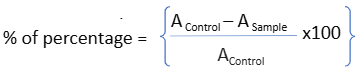
The calculation for percentage inhibition is expressed calculation for percentage inhibition is expressed as:
HPLC analysis of Carica papaya aqueous extract. (PAE)
An Agilent 1260 series was used for the HPLC analysis. Separation was carried out using a Zorbax Eclipse Plus C8 column (4.6 mm x 250 mm i.d., 5 μm). The mobile phase was made up of 0.05% trifluoroacetic acid in acetonitrile (B) and 0.9 ml/min of water (A). The mobile phase’s sequential linear gradient programming is as follows: 1–11 minutes (75% A); 11–18 minutes (60% A); 18–22 minutes (82% A); 22–24 minutes (82% A); 0–1 minute (82% A); and 0–1 minute (82% A). The multi-wavelength sensor was observed at 280 nm. Each sample solution had an injection volume of five microlitres (μl). The temperature of the column was kept at 40 °C. Store in dark bottles at -80°C before using.
Stastical analysis
GraphPad Prism software version 11.0.0 (GraphPad Software, San Diego, CA, USA) was used to conduct statistical analyses. Statistical analysis was performed using one-way ANOVA followed by Tukey’s multiple comparisons test. Statistical significance was defined as a probability value of P < 0.05. P < 0.01 (**), P < 0.001 (***), and P < 0.0001 (****).
Results
In vitro results
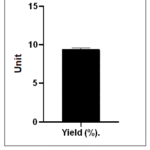 |
Figure 1: Yield (%). |
Data of figure 1 should that 100g of Carica papaya gives approximately 9.5% yield.
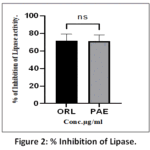 |
Figure 2: % Inhibition of Lipase. |
Figure 2“PAE demonstrated lipase inhibitory activity comparable to ORL, with no statistically significant difference observed between the groups (p > 0.05).
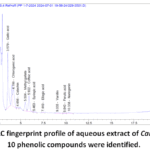 |
Figure 3: HPLC fingerprint profile of aqueous extract of Carica papaya.10 phenolic compounds were identified. |
Data from Figure 3 revealed the ingredients ofthe PAE, which contains high concentrations of gallic acid, caffeic acid, and other valuable components, reflecting their potential capacity in fighting obesity.
Invivo results
A-Physiological results
The graph demonstrates a significant increase in body weight gain (%) in the HFD group compared with the control group, indicating the obesogenic effect of a high-fat diet. Treatment with HFD+ORL markedly reduced weight gain relative to the HFD group, confirming the anti-obesity effect of orlistat. Similarly, the HFD+PAE group showed a significant reduction in body weight gain compared with the untreated HFD group, suggesting that PAE exerts a protective effect against HFD-induced obesity (p < 0.0001).
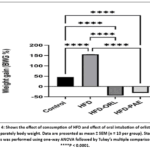 |
Figure 4: Shows the effect of consumption of HFD and effect of oral intubation of orlistat and PAE separately body weight. Data are presented as mean ± SEM (n = 10 per group). |
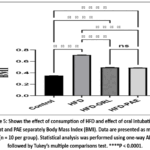 |
Figure 5: Shows the effect of consumption of HFD and effect of oral intubation of orlistat and PAE separately Body Mass Index (BMI). Data are presented as mean ± SEM (n = 10 per group). |
HFD Impact: HFD induced a highly significant increase in BMI compared to the Control group.Treatment Efficacy: Both HFD+ORL and HFD+PAE significantly reduced BMI compared to the untreated HFD group. There is no statistically significant difference (ns) between the HFD-ORL and HFD-PAE groups.Neither treatment fully restored BMI back to the normal control level.
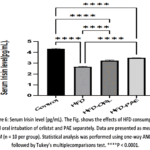 |
Figure 6: Serum Irisin level (pg/mL). The Fig. shows the effects of HFD consumption and oral intubation of orlistat and PAE separately. Data are presented as mean ± SEM (n = 10 per group). |
Giving male albino rats resulted in a significant decline in the levels of serum irisin when compared to the corresponding values of the control group,indicating that a high-fat diet negatively affects irisin secretion. While the daily oral intubation with orlistat resulted in a significant improvement when compared to the values of the HFD-fed group demonstrating the beneficial effect of orlistat in improving metabolic status. Likewise, administration of PAE to HFD-fed rats significantly increased serum irisin levels compared with the HFD group, suggesting that PAE ameliorates HFD-induced metabolic disturbances. figure 6.Despite the therapeutic upregulation, irisin levels in both treatment groups remained significantly below the normal control baseline.
Figure 7 illustrates a significant elevation in serum leptin levels in the HFD group compared with the control group, indicating the development of obesity and leptin dysregulation induced by a high-fat diet. Treatment with HFD+ORL markedly reduced serum leptin levels relative to the untreated HFD group, reflecting the anti-obesity and metabolic regulatory effects of orlistat. Similarly, the HFD+PAE group exhibited a significant decrease in serum leptin levels compared with the HFD group, suggesting that PAE ameliorates HFD-induced leptin alterations. Nevertheless, leptin levels in the treated groups remained higher than those of the control group.
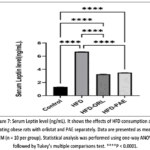 |
Figure 7: Serum Leptin level (ng/mL). It shows the effects of HFD consumption and treating obese rats with orlistat and PAE separately. Data are presented as mean ± SEM (n = 10 per group). |
The graph demonstrates a significant increase in serum resistin levels in the HFD group compared with the control group, indicating the induction of obesity-associated insulin resistance and metabolic dysfunction by the HFD. Treatment of obese rats with HFD significantly reduced serum resistin levels relative to the untreated HFD group, highlighting the beneficial metabolic effect of orlistat. Similarly, the oral intake of PAE showed a marked reduction in serum resistin levels compared with the HFD group, suggesting that PAE alleviates HFD-induced metabolic disturbances and inflammation. However, serum resistin levels in the treated groups remained elevated compared with the control group (figure 8).
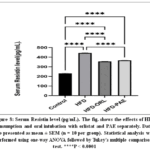 |
Figure 8: Serum Resistin level (pg/mL). The fig. shows the effects of HFD consumption and oral intubation with orlistat and PAE separately. Data are presented as mean ± SEM (n = 10 per group). |
The graph shows a significant increase in serum insulin levels in the HFD group compared with the control group, indicating the development of hyperinsulinemia and insulin resistance as a consequence of high-fat diet consumption. Treatment with HFD+ORL significantly decreased serum insulin levels relative to the untreated HFD group, demonstrating the beneficial effect of orlistat in improving insulin sensitivity. Similarly, the HFD+PAE group exhibited a marked reduction in serum insulin levels compared with the HFD group, suggesting that PAE ameliorates HFD-induced insulin dysregulation. Despite these improvements, insulin levels in the treated groups remained slightly elevated compared with the control group(fig.9).
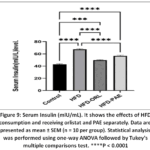 |
Figure 9: Serum Insulin (mlU/mL). It shows the effects of HFD consumption and receiving orlistat and PAE separately. Data are presented as mean ± SEM (n = 10 per group). |
Table 1: Mean value of serum levels of Malondialdehyde and the pro-inflammatory cytokine IL1-β of HFD, HFD+ORL and HFD+PAE– treated groups.
| Parameters Groups | MDA (nmol/mL) | IL-1ß(ng/mL) | |
| Control | M ±SE | 23.60±0.2 | 7.52±0.2 |
| HFD | M ±SE | 46±0.1 | 18±0.3 |
| % Change A | 94.9% | 139.4% | |
| HFD+ORL | M ±SE | 32.40±0.2 | 11.75±0.5 |
| % Change B | -29.6% | -34.7% | |
| HFD + PAE | M ±SE | 39.20±0.3 | 14.57±0.1 |
| Change B% | -14.8% | -19.1% | |
Feeding male albino rats with HFD resulted in a highly significant rise in the levels of serum MDA and IL-1ß when compared with the data of unfed animals indicating increased lipid peroxidation and oxidative stress, resulting in an inflammatory response induced by the HFD, the oral treatment with ORL or PAE separately revealed a significant improvement declaring theantioxidant and anti-inflammatory activity of PAE as shown in table 1.
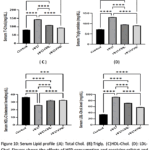 |
Figure 10: Serum Lipid profile :(A): Total Chol. (B):Trigly. (C)HDL-Chol. (D): LDL-Chol. Figures shows the effects of HFD consumption and receiving orlistat and PAE separately. Data are presented as mean ± SEM (n = 10 per group). |
Feeding male albino rats with HFD for 12 successive weeks resulted in a highly significant rise in the levels of serum Total Chol., Trigly., and LDL-Chol. and a decline in HDL-Chol. indicating hypercholesterolemia, hypertriglyceridemia, impaired lipid metabolism and increased risk of cardiovascular complications. when compared with similar values of control animals. The oral treatment of obese rats with PAE resulted in a significant decline in levels of Total-Chol., Trigly., LDL-Chol. and improvement in levels of HDL-Chol. While the oral administration of ORL to obese rats resulted in a decrease in Total-Chol levels., Tigly., LDL-Chol. and a rise in HDL when compared to the corresponding values of HFD-fed animals, confirming the hypolipidemic effect of ORL and PAE (Figure 10).
Discussion
Research on medicinal plants that may help in the control of obesity and reduce body weight is crucial as the search for new, safe, and effective anti-obesity drugs continues. Pro-inflammatory cytokines and obesity marker hormones were independently reduced when Carica papaya aqueous extract was used to treat obesity brought on by a high-fat diet. The anti-lipase action of papaya has been shown to be just as successful in controlling obesity as orilstat by lowering the absorption of fat.12-16 The anti-lipase activity of PAE was indicated by the presence of gallic acid, caffeic acid, and nargarin, which were mentioned by many researchers to inhibit pancreatic lipase.17-20 Aresearcher reported thatthe existence of gallic acid and quercetin in the crude extracts contributes to the inhibition of pancreatic lipase, with the highest percentage inhibition of 82% for 1 ml of crude extract used. 16Conversely, other compounds found in PAE have anti-aging, anti-inflammatory, and cancer-fighting properties, as well as being effective against diabetes, obesity, cardiovascular diseases, and gastrointestinal disorders.21 The current study discovered that administering a high-fat diet to male albino rats for a consecutive 12 weeks resulted in a significant drop in serum irisin levels. This decline may be consistent with findings from,9, 12 and it is a critical myokine that increases the risk of obesity and insulin resistance while also impairing metabolic performance.
Increased fat stores raise leptin levels under normal physiological settings, which should reduce appetite and boost energy expenditure. However, long-term consumption of high-fat diets can result in leptin resistance, a condition in which the body is less sensitive to the appetite-suppressive effects of leptin; the inflammatory processes associated with high-fat diets often worsen this resistance, which can also interfere with metabolic control and lead to weight gain. These findings align with.22-26
Male albino rats administered HFD orally for 12 consecutive weeks had considerably higher serum resistin levels. There is a strong evidence to support the hypothesis that diets high in fat raise resistin levels, which in turn lead to inflammation and insulin resistance.27 This discovery highlights resistin as a potential target for therapeutic approaches in obesity-related illnesses and the importance of food composition in managing metabolic health. These results are consistent with a study that found dietary patterns heavy in saturated fats are linked to elevated levels of resistin.28 In order to explain this increase, he pointed out that adipose tissue also functions as an endocrine organ, producing resistin and other adipokines that are essential for regulating metabolism.
Serum insulin levels significantly increased in male albino rats given a daily oral high-fat diet (HFD) for 12 weeks. These findings are in line with those of, 29-30who observed that a high-saturated-fat diet increased levels of inflammation, leptin, and serum resistin, all of which promote insulin resistance and inflammation, which in turn compromise appetite control. Additionally, the body secretes more insulin when it consumes more fat, which promotes fat storage and complicates weight loss. This complicated association highlights the challenges in managing obesity in the context of high-fat diets.31-32
Because papaya is rich in vitamins, minerals, enzymes, and phytochemicals such flavonoids, phenolic acids, carotenoids, and alkaloids, serum irisin, leptin, resistin, and insulin levels considerably improved in obese rats fed PAE orally.12 These phenolic chemicals regulate appetite, lipid metabolism, intestinal flora, and energy expenditure. PAE, which is high in flavonoids, may help prevent obesity by enhancing lipolysis and energy expenditure as well as the metabolism of fatty acids and carbohydrates through β-oxidation.33 For example, Chlorogenic acid (CGA)a polyphenol found abundantly in coffee, tea, and fruitsacts as a potent cellular energy regulator. It stimulates [AMP]-activated protein kinase AMPK, which in turn drives the expression and activation of the metabolic coactivator. This cascade is central to metabolic fitness and energy.CGA activates the AMPK/PGC1α pathway, which causes browning of white adipose tissue (WAT) and increased thermogenic activity in brown adipose tissue (BAT).34 It also lowers blood sugar by preventing pancreatic lipase and α-amylase from breaking down fats and carbohydrates, respectively.35-36PAE is rich in naringenin, a well-known flavonoid has anti-inflammatory and insulin-sensitive properties. These combined advantages raise the potential of PAE in weight loss and obesity prevention strategies. Additionally, naringenin can control resistin, an adipokine associated with insulin resistance.37 These effects account for naringenin’s anti-inflammatory and insulin-sensitizing qualities.
Serum irisin levels significantly improved in male obese albino rats given a daily oral injection of orlistat (50 mg/kg b.wt./day) by gavage for 45 days as compared to the corresponding values of the group of animals that received a HFD. The results of this study are in line with earlier research that discovered that the reduction of body fat caused by orlistat treatment may have an impact on the regulation of hormones and metabolic pathways, particularly those involving irisin, a myokine involved in increased energy expenditure and the browning of white adipose tissue. It has been shown that irisin, which is produced when the FNDC5 protein is broken down, promotes “browning,” or the conversion of white fat into brown fat, which increases thermogenesis and energy expenditure. The relationship between orlistat-induced weight reduction and irisin levels is particularly interesting since body fat loss may impact irisin secretion.14 While induced significant decline in levels of serum leptin
These findings are consistent with a 2019 study that discovered leptin, a hormone that controls appetite and energy expenditure, is produced by adipose tissue. Increased appetite and a lower resting metabolic rate (RMR) may result from a drop in leptin levels, making weight control more difficult. As fat mass declines due to weight loss, leptin levels usually decrease.38
Papain is a powerful proteolytic enzyme found in the white, milky latex of raw, unripe papaya. It is primarily known for its ability to break down proteins into smaller amino acids, making it a key component in food, medical, and industrial applications.
Losing weight lowers resistin levels, suggesting a possible link between adipokine regulation and weight management. A study on mice39revealed that in HFD-induced obese mice and 3T3-L1 pre-adipocytes, papain therapy might prevent the development of obesity by controlling lipid accumulation and reducing blood lipid levels by downregulating adipogenic factors such as PPAR, C/EBP, and SREBP-1. Additionally, papain reduced inflammation linked to obesity by blocking leptin, pro-inflammatory cytokines, and increasing adiponectin via AMPK activation. Orlistat, a lipase inhibitor used to treat obesity, may be important in this area because it promotes weight loss, which may indirectly lower resistin levels and improve insulin sensitivity.
The primary cause of the association between orlistat and resistin is the drug’s impact on body weight and fat metabolism. Orlistat may indirectly aid in weight loss by reducing the production of resistin by adipocytes, which aids in weight loss. Insulin resistance and related inflammatory states may be lessened by reducing resistin levels with weight-loss techniques like orlistat. Resistin levels affect inflammatory markers linked to obesity, such as TNF-α and IL-6. It has been demonstrated that orlistat administration lowers these inflammatory markers, suggesting a two-pronged mechanism by which orlistat helps with obesity-related weight reduction.40
Male albino rats fed HFD on a daily basis showed a significant increase in serum levels of malondialdehyde, the final product of lipid peroxidation. These results are consistent with,41 which suggests that feeding high-fat diets in unhealthy fats are linked to the elevation of MDA levels through mechanisms involving oxidative stress, lipid peroxidation, and chronic inflammation. A key component of this process is the generation of reactive oxygen species (ROS), which harm cells by destroying polyunsaturated fatty acids in cell membranes and causing a number of health issues.42
According to one study, orlistat may indirectly improve psychomotor function by The daily dietary fat intake of male albino rats significantly increased the levels of serum interleukin 1-ß and interleukin-6. These results are consistent with,28–29 and it has been suggested that this increase may be caused by HFD’s alteration of the gut microbiome, which favours bacteria that increase intestinal permeability and promote inflammation, leading to elevated levels of lipopolysaccharides (LPS) in circulation. This mechanism is important because LPS can trigger immunological responses and, by activating NF-kB. This paradox implies that orlistat may lessen oxidative stress by preventing the absorption of fat, but it may potentially raise it in specific metabolic circumstances.
Serum levels of interleukin 1-ß and interleukin-6 were markedly elevated in male albino rats that consumed fat on a daily basis. These findings are in line with ,43–49 and it has been proposed that this increase could be brought on by HFD’s modification of the gut microbiome, which favours bacteria that promote inflammation and increase intestinal permeability, raising blood levels of lipopolysaccharides(LPS).40 This process is essential because LPS can provoke immunological reactions and further contribute to the production of pro-inflammatory cytokines such as IL-6 and IL-1β by activating NF-kB.41,46
The most common antioxidants in PAE are CGA, Naringenin, ferulic acid, vanillin, ellagic acid, caffeic acid, and methyl gallate in addition to the high conc. of vitamin c E and beta carotene, which scavenge free radicals, protect cell membrane lipids from oxidation, enhance mitochondrial function, and boost antioxidant enzyme activity. These enzymes detoxify reactive oxygen species before they damage lipids.These findings are consistent with 47–51. Since oxidative stress is known to play a role in the onset and pro-inflammatory pathways like NF-κB. These findings align with.42–46 These antioxidant benefits may be especially important in the context of obesity, since oxidative stress is known to contribute to the development and progression of obesity-related issues.51–53Steatohepatitis, or inflammation of the liver brought on by obesity, may be lessened by this reduction in inflammatory cytokines.46,50,51
Conclusion
In conclusion, the present study demonstrated that papaya aqueous extract may have beneficial effects against the metabolic disturbances caused by a high-fat diet in rats. Administration of the extract appeared to improve physiological and biochemical parameters, suggesting its potential antioxidant and protective properties. Rats receiving the papaya extract showed better outcomes compared with untreated high-fat diet groups, indicating that papaya could help reduce the harmful effects associated with obesity and lipid metabolism disorders. These beneficial effects were be evidenced by decreasing the percentage of weight gain, improving obesity hormonal markers, lipid profile due to its anti-lipase activity, due to its high content of vitamins, polyphenols, and flavonoids, including nargirin , caffeic acid, synergic acid, methyl gallate vitamin c , vitamin E and the proteolytic papain enzyme. These polyphenolic components, scavenge free radicals and prevent oxidative stress by decreasing levels of MDA and pro-inflammatory cytokines. Therefore, papaya aqueous extract may serve as a natural therapeutic agent for managing complications induced by high-fat diets. However, further studies are needed to determine the exact mechanisms and evaluate its effectiveness in humans.
Acknowledgment
The authors thanks Dr.Medhat Rehan, professor at college of agriculture for his help.
Funding Sources
The authors gratefully acknowledge Qassim University, represented by the Deanship of Graduate Studies and Scientific Research, for the financial support for this research under the number (QU-J-PG-2-2025- 52736) during the academic year 1446 AH/2024 AD.
Conflict of Interest
The authors do not have any conflict of interest.
Data Availability Statement
This statement does not apply to this article.
Ethics Statement
This research did not involve human participants, animal subjects, or any material that requires ethical approval.
Informed Consent Statement
This study did not involve human participants, and therefore, informed consent was not required.
Clinical Trial Registration
This research does not involve any clinical trials.
Permission to reproduce material from other sources
Not Applicable.
Author Contributions
- Heba Fawzy Gomaa: Designed the experiments,performed the experiments, collected data, discussed the results and strategy, supervised, directed, managed the study and gave final approval of the version to be published.
- Ruyuf Mohammed AL-foraih: Designed the experiments, performed the experiments, collected data, discussed the results and strategy
References
- Abdul Kadir N A A, Rahmat A,& Jaafar H Z E, (2015): Protective Effects of Tamarillo (Cyphomandra betacea) Extract against High Fat Diet Induced Obesity in Sprague-Dawley Rats. Journal of Obesit., 2015, 846041. https://doi.org/10.1155/2015/846041.
CrossRef - Briones AT, & Chichioco-Hernandez CL, (2017): Lipase Inhibitory Activity of Carica Papaya, Chrysophyllum Cainito, Corcorus Olitorius, Cympogon Citrates and Syzygium Cumini Extracts. Food Res., 2(1): 51–55.
CrossRef
- Liu T-T, LiuX-T,ChenQ-X,et al. (2020): Lipase Inhibitors for Obesity: A Review. Biomedicine & Pharmacotherapy = Biomedecine & Pharm., 128, 110314. https://doi.org/10.1016/j.biopha.2020.110314
CrossRef
- Mansour A T, Hamed H S, El-Beltagi H S,et al. (2022): Modulatory Effect of Papaya Extract against Chlorpyrifos-Induced Oxidative Stress, Immune Suppression, Endocrine Disruption, and DNA Damage in Female Clarias gariepinus. International Journal of Environmental Res. and Public Heal.,19(8), 4640. https://doi.org/10.3390/ijerph19084640.
CrossRef
- Ayoola B, & Adeyeye A, (2010): Phytochemical and nutrient evaluation of Carica papaya (Pawpaw) leaves. IJRRAS, 5(3)325-328.
- Chukwuka K S S, (2013): Evaluation of Nutritional Components of Carica papaya L. At Different Stages of Ripening. IOSR Journal of Pharmacy and Biological Sciences, 6(4), 13–16. https://doi.org/10.9790/3008-0641316
CrossRef - Jiménez V M, Mora-Newcomer E T,& Gutiérrez-Soto M v, (2014): Biology of the Papaya Plant. In Genetics and Genomics of Papaya (pp. 17–33). Springer New York.https://doi.org/10.1007/978-1-4614-8087-7_2
CrossRef - Al-Gebily M, Morsy F., Elzawahry E.,et al. (2019): Obesity Modulating Efficiency of Moringa oleifera Extract on Obese Modeled Rats. Egyptian Academic J.of Biolog. Sci. C, Physiol. and Mol. Biol., 11(1), 75–91. https://doi.org/10.21608/eajbsc.2019.28305
CrossRef - Kumaraswamy A, Karthiga D,& Pemaiah B (2012): Anti-obesity effect of aqueous fruit extract of Carica papaya L. in rats fed on high fat cafeteria diet. Intern. J.of Pharma. and Pharmaceutic. Scis., 4. 327-330
- Novelli E L, Diniz Y S, Galhardi C M,et al.(2007): Anthropometrical parameters and markers of obesity in rats. Lab Anim., 41(1), 111–119. https://doi.org/10.1258/002367707779399518
CrossRef
- Kim K, Jeong E, Lee K, et al. (2020): Unripe rubus coreanus miquel extract containing ellagic acid promotes lipolysis and thermogenesis in vitro and in vivo. Molecules, 25(24), 5954. https://doi.org/10.3390/molecules25245954
CrossRef - Anokwuru C P,Anyasor GN, Ajibaye O,et al.(2011):Effect of extraction solvents on phenolic ,flavonoid and antioxidant activities of three Nigerian medicinal plants .Nat.Sci.,9:53-61.
- Guerciolini R. (1997): Mode of action of orlistat. International J. of Obesit. and Related Metabol. Dis.: Journal of the International Association for the Study of Obesity. 3 :S12-23.
- Othman Z. A., Zakaria Z., Suleiman J. B., Ghazali W. S. W., & Mohamed M. (2021): Anti-Atherogenic Effects of Orlistat on Obesity-Induced Vascular Oxidative Stress Rat Model. Antioxidants, 10(2), 251. https://doi.org/10.3390/antiox10020251
CrossRef - ShoukryA, Shalaby S M, El‐Arabi Bdeer S,et al. (2016): Circulating serum irisin levels in obesity and type 2 diabetes mellitus. IUBMB Life, 68(7), 544–556. https://doi.org/10.1002/iub.1511
CrossRef - Yanala U R, Reidelberger R D, Thompson J S,et al. (2015): Effect of proximal versus distal 50% enterectomy on nutritional parameters in rats preconditioned with a high-fat diet or regular chow. Scient.Reports, 5(1), 17331. https://doi.org/10.1038/srep17331
CrossRef - Lozano I, Werf R v d, Bietiger W, et al. (2016): High-fructose and high-fat diet-induced disorders in rats: impact on diabetes risk, hepatic and vascular complications. Nutr. & Metabol., 13(1), 15. https://doi.org/10.1186/s12986-016-0074-1
CrossRef - Evans C, LePard C K J, Kwak J W, et al. (2014): Exercise Prevents Weight Gain and Alters the Gut Microbiota in a Mouse Model of High Fat Diet-Induced Obesity. PLoS ONE, 9(3), e92193.https://doi.org/10.1371/journal.pone.0092193
CrossRef
- Caroline G, do Prado S R, Andrade SS, et al. (2021): Systems Biology Applied to the Study of Papaya Fruit Ripening: The Influence of Ethylene on Pulp Softening. Cells, 10(9), 2339. https://doi.org/10.3390/cells10092339.
CrossRef
- Kumarasinghe H S, Kim J-H, Kim S-L, etal.(2024): Bioactive constituents from Carica papaya fruit: implications for drug discovery and pharmacological applications. Appl. Biol. Chem., 67(1), 103.
CrossRef - RodhiMNM,HamidKHK,HamzahF, et al.(2020):Inhibition of pancreatic lipase by gallic acid and quercetin equivalent in ultrasonicated Malaysian grown Aquilaria spp. leaves of different particle size. Malaysian Journal of Chemical Engineering & Technology, 3 (2):1–10.
CrossRef - ZainalS, Musa M, Idris J,et al.(2018): Effect of Substrate Concentration and Reaction Time of Aquilaria subintegra Leaves Extract on Inhibition of Pancreatic Lipase.IOP Conf. Ser.: Mater. Sci. Eng., 358 012039
CrossRef - Keservani R K,& Lohani A, (2024): Nutraceuticals in Obesity Management and Control (1st Edition). Apple Academic Press.https://doi.org/10.1201/9781003557883
CrossRef - Lu Y, Fan C, Liang A, et al. (2018). Effects of SCFA on the DNA methylation pattern of adiponectin and resistin in high-fat-diet-induced obese male mice. Bri. J. of Nutr., 120(4),385–392. https://doi.org/10.1017/S0007114518001526
CrossRef - Han X, ZhangY,Guo J, et al. (2019): Chlorogenic acid stimulates the thermogenesis of brown adipocytes by promoting the uptake of glucose and the function of mitochondria. J. of Food Sci., 84(12), 3815-3824. https://doi.org/10.1111/1750-3841.14838
CrossRef
- Vasileva YL , Savova M, Amirova K, et al. (2020): Caffeic and chlorogenic acids synergistically activate browning program in human adipocytes: implications of ampk- and ppar-mediated pathways. Intern. J. of Molecul. Sci., 21(24), 9740. https://doi.org/10.3390/ijms21249740
CrossRef - Zheng Y, Choi Y, Lee J, et al. (2021): Anti-obesity effect of erigeron annuus (l.) pers. extract containing phenolic acids. Foods, 10(6), 1266. https://doi.org/10.3390/foods10061266
CrossRef - Zhong Y, Ding Y, Li L, et al. (2020): Effects and mechanism of chlorogenic acid on weight loss. Curr. Pharmaceutic.Biotechn., 21(11), 1099-1106. https://doi.org/10.2174/1389201021666200318124922
CrossRef - Negri G, Calló D, Mano-Sousa B, et al. (2022): Phytochemistry profile of rosella and jambolan extracts and the therapeutic effects on obesity. Food & Function, 13(5), 2606-2617. https://doi.org/10.1039/d1fo02763h
CrossRef - Rehman K, Khan I I, Akash M S H, et al. (2020): Naringenin downregulates inflammation‐mediated nitric oxide overproduction and potentiates endogenous antioxidant status during hyperglycemia. J. of Food Biochem., 44(10). https://doi.org/10.1111/jfbc.13422
CrossRef - Zhao P, Lu Y, & Wang Z (2023): Naringenin attenuates cerebral ischemia/reperfusion injury by inhibiting oxidative stress and inflammatory response via the activation of SIRT1/FOXO1 signaling pathway in vitro. Acta Cirúrg.Brasil.,38. https://doi.org/10.1590/acb380823
CrossRef - Guan S, Zheng Y, Yu X, et al. (2017): Ellagic acid protects against lps-induced acute lung injury through inhibition of nuclear factor kappa b, proinflammatory cytokines and enhancement of interleukin-10. Food and Agricul. Immunol., 28(6), 1347-1361. https://doi.org/10.1080/09540105.2017.1339670
CrossRef - Jiang C, Sun J, Li R, et al. (2022). A reactive oxygen species burst causes haploid induction in maize. Molec. Plant, 15(6), 943–955. https://doi.org/10.1016/j.molp.2022.04.001
CrossRef - Zeng L, Yan J, Luo L, & Zhang D (2015): Effects of pu-erh tea aqueous extract (ptae) on blood lipid metabolism enzymes. Food & Function, 6(6), 2008-2016. https://doi.org/10.1039/c5fo00362h
CrossRef - Kang Y-M, Kang H-A, Cominguez D C ,et al.(2021). Papain Ameliorates Lipid Accumulation and Inflammation in High-Fat Diet-Induced Obesity Mice and 3T3-L1 Adipocytes via AMPK Activation. Int. J. Mol. Sci.,22, 9885. https://doi.org/10.3390/ijms22189885 Academic
CrossRef
- Takahashi M, Miyashita M, Suzuki K, et al. (2014): Acute ingestion of catechin-rich green tea improves postprandial glucose status and increases serum thioredoxin concentrations in postmenopausal women. Bri. J. of Nutrition, 112(9), 1542-1550. https://doi.org/10.1017/s000711451400253030.
CrossRef
- Smith T, Karl J, Wilson M, et al. (2019): Glycaemic regulation, appetite and ex vivo oxidative stress in young adults following consumption of high-carbohydrate cereal bars fortified with polyphenol-rich berries. Bri. J. of Nutrition, 121(09), 1026-1038. https://doi.org/10.1017/s0007114519000394
CrossRef - Sudeep H. (2024): A polyphenol fraction from rosa multiflora var. platyphylala reduces body fat in overweight humans through appetite suppression – a randomized, double-blind, placebo-controlled trial. BMC Complementary Medicine and Therapies, 24(1). https://doi.org/10.1186/s12906-024-04487-1
CrossRef - Kurdiova T, BalazM, VicianM,et al. (2014) :Effects of obesity, diabetes and exercise on Fndc5 gene expression and irisin release in human skeletal muscle and adipose tissue: in vivo and in vitro studies. The Journal of Physiology, 592(5), 1091–1107.https://doi.org/10.1113/jphysiol.2013.264655
CrossRef - Gorgojo‐Martínez J J, Basagoiti‐Carreño B , Sanz‐Velasco A, et al. (2019): Effectiveness and tolerability of orlistat and liraglutide in patients with obesity in a real‐world setting: The XENSOR Study. International Journal of Clinical Practice, 73(11). https://doi.org/10.1111/ijcp.13399
CrossRef - Fukushima Y, Kurose S, Shinno HT ,et al. (2016): Effects of Body Weight Reduction on Serum Irisin and Metabolic Parameters in Obese Subjects. Diab.& Metab.J., 40(5), 386. https://doi.org/10.4093/dmj.2016.40.5.386
CrossRef - Huml L, DrabekO, Pohorela B,et al. (2020): Analysis of nutrients and compounds potentially reducing risks of overweightness and obesity-related diseases in raw and roasted Adenanthera pavonina seeds from Samoa. Emir. J. of Food and Agricul., 100. https://doi.org/10.9755/ejfa.2020.v32.i2.2067
CrossRef - Kartinah N, Sianipar, R I, Nafi’ah,et al. (2018): The Effects of Exercise Regimens on Irisin Levels in Obese Rats Model: Comparing High-Intensity Intermittent with Continuous Moderate-Intensity Training. BioMed Res. Int., 2018, 1–7.
CrossRef
- Maalouf G-E,&El Khoury D, (2019) : Exercise-Induced Irisin, the Fat Browning Myokine, as a Potential Anticancer Agent. J. of Obes.,2019, 1–8.https://doi.org/10.1155/2019/6561726
CrossRef - Yosaee S, Basirat R, Hamidi A,et al. (2020): Serum irisin levels in metabolically healthy versus metabolicallyunhealthy obesity: A case-control study. Medic. J. of the Isla. Rep. of Iran, 34:46.https://doi.org/10.34171/mjiri.34.46
CrossRef - Rachakonda, Vikrant P, DeLany J P,et al.(2019): Impact of Hepatic Steatosis on Resting Metabolic Rate and Metabolic Adaptation in Response to Intentional Weight Loss. Hepato. Communics., 3, 1347–1355.
CrossRef
- Santilli F, Liani R, di Fulvio P,et al. (2016): Increased circulating resistin is associated with insulin resistance, oxidative stress and platelet activation in type 2 diabetes mellitus. Thromb. and Haemost., 116(12), 1089–1099.https://doi.org/10.1160/TH16-06-0471
CrossRef - Al-Kuraishy H, and Al-Gareeb A, (2016): Effect of orlistat alone or in combination with garcinia cambogia on visceral adiposity index in obese patients. J. of Intercult. Ethnopharmacol., 5(4), 408. https://doi.org/10.5455/jice.20160815080732
CrossRef - Jiang X, Shen Z, Chen J, et al. (2020): Irisin Protects Against Motor Dysfunction of Rats with Spinal Cord Injury via Adenosine 5’-Monophosphate (AMP)-Activated Protein Kinase-Nuclear Factor Kappa-B Pathway. Front. in Pharmacol., 11. https://doi.org/10.3389/fphar.2020.582484
CrossRef - Johan A R D, Dewanti L, Putri A N, et al. (2022): The Effect of Orlistat Administration in Change of Glycemic Control and Weight Loss of Obesity or Overweight Patients with Type 2 Diabetes Mellitus. Fol. Med. Indones., 58(1), 74-79.
CrossRef
- Esmail VAW, Al-Nimer M S M, & Mohammed M O, (2022) : Effects of Orlistat or Telmisartan on the Serum Free Fatty Acids in Non-alcoholic Fatty Liver Disease Patients: An Open-Labeled Randomized Controlled Study. Turk. J. of Gastroenterol., 33(5). https://doi.org/10.5152/tjg.2020.19365.
CrossRef
- Wang L, Li L, Ran X,et al. (2013): Ellagic acid reduces adipogenesis through inhibition of differentiation-prevention of the induction of rb phosphorylation in 3t3-l1 adipocytes. Evid. Based Complement. and Alternat. Med., 2013, 1-11. https://doi.org/10.1155/2013/287534
CrossRef
- Tan R, Dong H, Chen Z, et al. (2021): Intestinal Microbiota Mediates High-Fructose and High-Fat Diets to Induce Chronic Intestinal Inflammation. Front. in Cell. and Infect. Microbiol., 11. https://doi.org/10.3389/fcimb.2021.654074
CrossRef - Bogacz A, Stec M, Ramos P, et al. (2021): uv‐irradiation influence on free radical formation and radical scavenging ability of caffeic acid—epr, uv‐vis, and colorimetric examination. J. of Food Proc. Eng., 44(6). https://doi.org/10.1111/jfpe.13700.
CrossRef - Abdel-Hamed A R, Mehanna E T, Hazem R M, et al. (2021): Plicosepalus acacia Extract and Its Major Constituents, Methyl Gallate and Quercetin, Potentiate Therapeutic Angiogenesis in Diabetic Hind Limb Ischemia: HPTLC Quantification and LC-MS/MS Metabolic Profiling. Antioxidants, 10(11), 1701. https://doi.org/10.3390/antiox10111701
CrossRef
Abbreviations
HFD; High fat-diet, PAE; papaya aqueous extract, BMI; Body mass index, G; Group; ELISA; Enzyme Linked Immunosorbent Assay, MDA; Malondialdehyde, B.WT.; Body weight, RMR; Resting metabolic rate, TNF-α; Tumor necrosis factor alpha, IL1-β;Interleukin 1-β .
 PlumX:
 Views: 976
  PDF Downloads: