Assessment of Analytical Performance in Clinical Chemistry Laboratories of Public and Private Hospitals in Northern Sudan
 , Mariam Abass Ibrahim1, , 2, Alneil Hamza2and Elyasa Elfaki2
 1Department of Clinical Chemistry, Faculty of Medical Laboratory Science, Sudan University of Science and Technology, Khartoum, Sudan
2Department of Laboratory Sciences, College of Applied Medical Sciences, Jouf University, Alqurayyat, KSA
Corresponding authorEmail: eelfaki@ju.edu.sa
DOI : http://dx.doi.org/10.13005/bpj/3456
Download this article as:

An external quality assessment (EQA) is a fundamental tool for measuring the performance of laboratories based on standards and other labs. Poor quality of clinical labs can risk patient safety and the accuracy of clinical judgment. This research work aimed to evaluate the clinical chemistry laboratory in quality through EQA and Six Sigma in both public and private hospitals in Northern Sudan. This cross-sectional study in Dongola and Wadi Halfa, conducted between 2023 and 2024, involved 10 labs (3 public, 7 private) that were participating in an EQA program, using liquid-stable control sera at normal and abnormal levels. The selected analytes (glucose, urea, creatinine, and uric acid) were analyzed under routine conditions, using the respective lab's methods, instruments, and reagents. Performance evaluation was done through bias, coefficient of variation (CV), total error (TE), Z-scores, and Six Sigma. Total allowable error (TEa) was determined from Clinical Laboratory Improvement Amendments (CLIA) guidelines. Results indicated no significant differences between public and private labs concerning any of the analytes; however, both faced huge problems. Only one assay at the normal control level (uric acid from public labs, sigma=4) passed the standards, while others were below sigma=3. Moreover, at abnormal levels, none were at sigma-3. Quantitatively, mean bias ranged from -10.93% to +1.93%, CV from 2.28% to 29.13%, and total error from 9.82% to 37.83%, with the majority of analytes exceeding CLIA-defined TEa limits. Z-score analysis identified multiple outlier results. These findings indicate that clinical chemistry laboratory testing in Northern Sudan is in critical need of quality improvement. Urgent, structured interventions are recommended, including mandatory EQA participation, reinforcement of internal quality control practices, and targeted staff training programs. Future research should expand beyond this pilot to assess a broader range of analytes and laboratory phases, address pre- and post-analytical variables, and evaluate the impact of capacity-building and infrastructure interventions on overall laboratory quality.
KEYWORDS:Clinical Chemistry; External Quality Assessment; Laboratory Performance; Proficiency Testing; Quality Control; Sudan
Introduction
Most organizations provide the critical information necessary for the diagnosis, treatment, and monitoring of disease, as well as for aiding clinical judgment; they form a cornerstone of modern medicine.1,2 To enable efficient delivery of health care and public health, laboratory test results must be consistent, rapid, and accurate.3 In all clinical laboratories, quality management systems (QMS) must be in place since errors in laboratory testing can result in incorrect diagnosis, wasting of resources, incorrect therapy, and potentially misuse and harm to the patient.4,5 Quality assurance (QA) is at the heart of QMS, and is used to demonstrate that the laboratory provides a service that meets set criteria and functions as it should.6,7 Given the need to deliver the best quality analytical results, performance in QMS elements of quality assurance (QA) must be optimized. The two largest elements contributing to QC of clinical chemistry laboratories are internal quality control (IQC) and external quality assessment (EQA).8 External Quality Assurance involves the performance of a lab’s results with other labs or target values, providing outside validation of accuracy; whereas, Internal Quality Control validates the accuracy, reproducibility, and reliability of results within the laboratory. 9,10 properly incorporated within the QMS, EQA programs are critical for:(i) detecting systematic errors;(ii) validating IQC methods; (iii) establishing specifications; and(iv) improving quality.Accreditation and regulation increasingly include participation in External Quality Assurance. 11,12
Participation in EQA is becoming an important aspect of laboratory accreditation and regulatory compliance around the world.13 Although laboratory quality is a pillar of a well-functioning healthcare system, many health systems (particularly LMIC health systems) have significant gaps in quality.14 Laboratory quality also remains a challenge for health services in Sudan.For public hospital laboratories in Khartoum State, a 2015 needs assessment of laboratory quality identified major deficiencies; just 72% of laboratories were enrolled in a national external quality assurance scheme, due in part to a lack of staff training.15 Additional recent studies of laboratories in Kassala and Wad Medani have identified other quality issues, such as low-quality reagents, poor maintenance processes, and other operational issues that compromise laboratory function.16
The Northern State of Sudan is a remote area with lousy infrastructure, with specific challenges in laboratory quality assurance; no assessment of clinical chemistry laboratories has been done in this area. The performance of private and public sector laboratories in the region had not been explored. Establishing the status of laboratory quality in Northern Sudan could provide direction in the planning and improvement of health care. The objective of this study was to compare and assess the analytical performance of public and private clinical chemistry laboratories in Northern Sudan using a Six Sigma-based external quality assessment program.
Materials and Methods
Study Design and Setting
A laboratory-based descriptive cross-sectional study was conducted over 2 years from January 2023 to December 2024 in Northern State, Sudan. The research focused on three major towns (clinical laboratories), including Dongola, the state capital, and Wadi Halfa, a frontier town near Egypt, chosen for their numerous clinics and laboratory services. Northern State is one of Sudan’s 18 states, situated along the Nile River, and has a lower population density compared to other states. The health service infrastructure is very limited, with large distances from Khartoum, Sudan’s capital. The health system is primarily government-run, supplemented by some private clinics.
Study population and sampling
The study population included all clinical chemistry laboratories in operation within the study areas of Dongola and Wadi Halfa that satisfied the inclusion criteria of the study. There were ten study laboratories comprising three public hospital laboratories and seven private medical laboratories.The sample of these study laboratories was selected purposively based on the following criteria:
Inclusion criteria
All positive laboratories were required to have been officially registered and licensed by the Northern State Ministry of Health, have a consistently high load of patients (defined as providing 50 clinical chemistry assays/day), routinely performing all four analytes under study glucose urea creatinine, and uric acid, using automated or semi-automated analytical procedures, with a positive attitude to engage with the EQA scheme.
Exclusion Criteria
Abstracted laboratories did not qualify if they: processed more than 50 tests per day; were exclusively fully manual; performed the 4 study analytes sporadically; or did not consent or agree to further data collection.
Ethical Considerations
First, the study got ethical clearance from two entities: Project Scientific Research Committee at the College of Medical Laboratory Science (ID: DSR-IEC-1-4-2023) and the Research Ethics Committee of the Northern State Ministry of Health. Because the research was done with control materials and no patients, signing individual informed consent forms was bypassed in favor of obtaining institutional consent from management of each lab that participated. To protect confidentiality, all lab information was anonymized with numbers only (e.g. Public Lab 3; Private Lab 7). After the research was completed, personalized reports with performance evaluation and quality improvement recommendations were shared with each lab. Not a single laboratory was named publicly or penalized which helped us to take a non-punitive and supportive stance throughout.
External Quality Assessment Materials
Two ready-to-use liquid control sera (normal and abnormal levels) from Biosystem were used to assess participating laboratories. Each vial contained certified target values for glucose, urea, creatinine, and uric acid, validated by reference methods and international proficiency schemes. Materials were refrigerated centrally and distributed monthly to all labs in sufficient quantities, with the liquid format removing any risk of reconstitution error.
EQA Sample Distribution and Testing Procedure
Each month, participating laboratories received coded, unlabeled normal and abnormal control samples via cold chain, with restricted access to prevent bias. Labs were kept blind to both sample identity and target values, then instructed to analyze the samples using their routine methods and instruments — in duplicate — within 24 hours, and submit results on a standardized A4 reporting sheet within 48 hours. This patient-like blind approach was deliberately designed to capture genuine laboratory performance, avoiding the inflated accuracy that typically occurs when staff know a sample is being evaluated.
Analytes and Total Allowable Error (TEa) Specifications
Four clinical chemistry analytes (glucose, urea, creatinine, and uric acid) were chosen for assessment because of their equal importance in the clinical diagnosis and management of diabetes, renal disease, and gout. Quality criteria were based on the allowable limits set by the Clinical Laboratory Improving Amendments (CLIA) in Total Allowable Error (TEa) limits of 10%, 9%, 15%, and 17%, respectively.
Data Analysis and Performance Evaluation Metrics
We used six complementary measures of analytical performance. Descriptive statistics of each control level (mean, SD, 95% confidence interval, and range) separately for public and private labs were calculated. Bias, defined as the systematic difference from the target value, was also expressed as a percentage to determine if the lab reported results as over- or underestimations. Precision was represented by the CV% for the reproducibility of the result, and the total error (TE%), a combination of bias and imprecision, through the equation |Bias%|+ (1.65*CV%) to represent the total amount of error at the 95th percentile. Z-scores were used to normalize variability from each lab to the target, and outliers were identified when their value exceeded 2. Finally, Six Sigma metrics incorporated TEa, bias, and CV as aggregate measures in one indicator for analytical quality, with a minimum standard set at six (sigma 3=minimum, sigma 4=good, sigma 6=world class).
Statistical Comparison Between Sectors
Statistical analysis using independent-samples t tests was also performed on each analyte at each control level separately, to see whether there were statistically significant differences in the analytical performance of sectors. The null hypothesis assumed was that there was no significant difference in the mean analytical results of sectors. Statistical analysis was performed by IBM SPSS Statistics version 25.0 (IBM Corporation, Armonk, NY, USA).Statistical significance was established at p-value <0.05. All tests were performed using a two-tailed test.
Results
The QC survey results revealed substantial variability and inaccuracies across the studied sector laboratories.
Performance with Normal Control Material
Table 1 illustrates a comparison of the average results of four analytes from a normal-level control material, with visible differences between each analyte’s means, SDs, and 95% CIs; however, the statistical analysis shows that there are no significant differences between the two sectors.
Table 1: Comparison of Public and Private Laboratory means results for normal control.
| Test | Lab Type | Target (mg/dL) | Mean (mg/dL) | SD | 95% CI | p-value* |
| Glucose | Public | 82.8 | 74.6 | 3.09 | 68.4 – 80.8 | 0.441 |
| Private | 76.7 | 3.97 | 68.7 – 84.6 | |||
| Urea | Public | 55.5 | 54.0 | 6.00 | 42.0 – 66.0 | 0.702 |
| Private | 50.8 | 14.76 | 21.2 – 80.3 | |||
| Creatinine | Public | 1.6 | 1.6 | 0.20 | 1.2 – 2.0 | 0.977 |
| Private | 1.60 | 0.21 | 1.2 – 2.0 | |||
| Uric Acid | Public | 5.7 | 5.27 | 0.12 | 5.0 – 5.5 | 0.410 |
| Private | 5.81 | 1.05 | 3.7 – 7.9 |
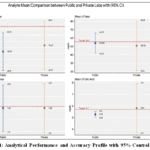 |
Figure 1: Analytical Performance and Accuracy Profile with 95% Control Limits |
Figure 1 shows the mean values with 95% confidence intervals for four clinical chemistry analytes in public and private laboratories compared to CLIA target values. Both groups exhibited negative bias for glucose and urea, positive bias for creatinine, and near-target performance for uric acid. While overall trends were similar, private laboratories demonstrated greater variability in urea measurements, as indicated by wider confidence intervals.
Table 2 provides a detailed summary of the analytical performance for all tested analytes at the normal control level, utilizing essential quality indicators: bias (accuracy), coefficient of variation (CV%; precision), total error (TE%), Z-score, and the mean-to-target ratio. The data show that both laboratory sectors are consistently performing poorly. In public labs, all analytes except uric acid did not meet the desired performance standards.
Table 2: Analytical Performance Metrics for All Analytes at the Normal Control Level
| Test | Lab Type | Bias (%) | CV (%) | TE (%) | Z-Score* | Mean/Target |
| Glucose | Public | -9.94% | 4.14% | 14.08% | -2.66 | 0.90 |
| Private | -7.41% | 5.18% | 12.59% | -1.54 | 0.93 | |
| Urea | Public | -2.70% | 11.11% | 13.81% | -0.25 | 0.97 |
| Private | -8.70% | 29.13% | 37.83% | -0.32 | 0.91 | |
| Creatinine | Public | -1.84% | 12.50% | 14.34% | -0.15 | 0.98 |
| Private | -1.84% | 13.12% | 14.96% | -0.14 | 0.98 | |
| Uric Acid | Public | -7.54% | 2.28% | 9.82% | -3.58 | 0.92 |
| Private | +1.93% | 18.07% | 19.99% | +0.10 | 1.02 |
*Z-score is calculated as (Mean – Target) / SD. A value between -2 and 2 is typically considered acceptable in clinical laboratory quality control.
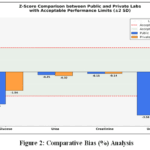 |
Figure 2: Comparative Bias (%) Analysis |
Figure-2 compares Z-scores of public and private laboratories for glucose, urea, creatinine, and uric acid against an acceptable range (±2 SD). Public laboratories showed unacceptable performance for glucose (−2.66) and uric acid (−3.58), indicating significant negative bias. In contrast, private laboratories remained within acceptable limits for all analytes, although glucose approached the lower threshold (−1.54). Both laboratory types demonstrated good performance for urea and creatinine, with Z-scores close to zero, indicating strong agreement with target values.
The information in Table 3 shows that the quality of regular clinical chemistry lab tests is consistently poor and unacceptable in both public and private labs at a “normal” control level. The only test in a public lab that received a “Good” rating is for uric acid, which has a Sigma rating of 4.15 and is unique among the laboratory tests considered acceptable.
Table 3: Six Sigma Quality Metrics for All Analytes at the Normal Control Level
| Analyte | Lab Type | Sigma Metric | Quality Category | Observation |
| Uric Acid | Public | 4.15 | Good | The only test to achieve a “good” rating. |
| Creatinine | Public | 1.05 | Unacceptable | High-precision issues (CV) limit the quality. |
| Creatinine | Private | 1.00 | Unacceptable | Similar performance to public labs. |
| Uric Acid | Private | 0.83 | Unacceptable | Large variability (CV) |
| Urea | Public | 0.57 | Unacceptable | High variation. |
| Urea | Private | 0.1 | Unacceptable | Very high imprecision (CV) |
| Glucose | Private | 0.50 | Unacceptable | Systematic bias and variation exceed limits. |
| Glucose | Public | 0.01 | Unacceptable | Very high bias relative to the 10% target limit. |
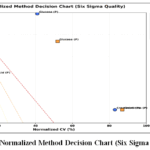 |
Figure 3: Normalized Method Decision Chart (Six Sigma Quality) |
Figure 3. Normalized method decision chart (Six Sigma quality) comparing analytical performance of public (blue circles) and private (orange squares) laboratories for glucose, urea, creatinine, and uric acid. The x-axis represents normalized imprecision (CV%), and the y-axis represents normalized bias (%). Dashed lines indicate sigma performance levels (2–6 Sigma), with the green shaded area representing world-class performance (≥6 Sigma). Public laboratories showed poor performance for glucose and uric acid, with high bias and lower sigma levels, whereas private laboratories performed better overall, though glucose remained suboptimal. Both laboratory groups demonstrated relatively good performance for creatinine and urea, clustering closer to lower bias regions.
Performance with Abnormal Control Material
Table 4 shows that there is no statistically significant difference (p > 0.05) between the results obtained from public and private laboratories for any of the analyzed analytes. The high p-values (0.233 to 0.970) show that even though the results for each sector are different, the overall mean performance of both sectors is statistically similar.
Table 4: Comparison of Public and Private Laboratory means results for abnormal control.
| Test | Lab Type | Target (mg/dL) | Mean (mg/dL) | SD | 95% CI | p-value* |
| Glucose | Public | 251 | 223.57 | 33.02 | 157.53 – 289.61 | 0.935 |
| Private | 225.53 | 33.74 | 158.05 – 293.01 | |||
| Urea | Public | 133 | 122.90 | 31.25 | 60.40 – 185.40 | 0.931 |
| Private | 121.75 | 12.96 | 95.83 – 147.67 | |||
| Creatinine | Public | 4.85 | 4.07 | 0.46 | 3.15 – 4.99 | 0.233 |
| Private | 4.59 | 0.62 | 3.35 – 5.83 | |||
| Uric Acid | Public | 9.68 | 9.10 | 1.70 | 5.70 – 12.50 | 0.970 |
| Private | 9.04 | 2.30 | 4.44 – 13.64 |
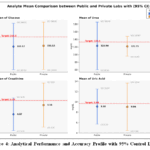 |
Figure 4: Analytical Performance and Accuracy Profile with 95% Control Limits |
Figure 4. Mean comparison (±95% confidence intervals) of four clinical chemistry analytes, glucose, urea, creatinine, and uric acid—between public and private laboratories. The dashed red line represents the target (CLIA) value for each analyte. Both laboratory groups showed comparable mean values across all analytes. Glucose and urea demonstrated negative bias relative to target values, while creatinine showed a positive bias. Uric acid results were close to target levels in both groups. Private laboratories exhibited wider confidence intervals for urea and creatinine, indicating greater variability compared to public laboratories.
Table 5 presents the results at the abnormal control level. While performance for some analytes, like glucose, improved slightly at higher concentrations, overall performance remained poor. The average TE% was 38.1% for public and 28.3% for private laboratories. Uric acid tests continued to show high levels of imprecision and inaccuracy.
Table 5: Analytical Performance Metrics for All Analytes at the Abnormal Control Level
| Test | Lab Type | Bias (%) | CV (%) | TE (%) | Z-Score* | Mean/Target |
| Glucose | Public | -10.93 | 14.77 | 25.70 | -0.83 | 0.89 |
| Private | -10.15 | 14.96 | 25.11 | -0.75 | 0.90 | |
| Urea | Public | -7.58 | 25.43 | 33.01 | -0.32 | 0.92 |
| Private | -8.50 | 10.65 | 19.15 | -0.87 | 0.92 | |
| Creatinine | Public | -16.08 | 11.30 | 27.38 | -1.70 | 0.84 |
| Private | -5.36 | 13.51 | 18.87 | -0.42 | 0.95 | |
| Uric Acid | Public | -6.00 | 18.68 | 24.68 | -0.34 | 0.94 |
| Private | -6.61 | 25.44 | 32.05 | -0.28 | 0.93 |
*Z-score is calculated as (Mean – Target) / SD. A value between -2 and 2 is typically considered acceptable in clinical laboratory quality control.
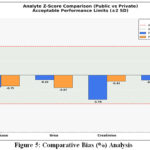 |
Figure 5: Comparative Bias (%) Analysis |
Figure 5. Z-score comparison between public and private laboratories for glucose, urea, creatinine, and uric acid, with the acceptable performance range (±2 SD) indicated by dashed red lines and the shaded green zone. All analytes for both laboratory types fall within the acceptable limits. Public laboratories showed a more pronounced negative bias for creatinine (Z = −1.70), while private laboratories demonstrated slightly greater negative bias for urea (Z = −0.87). Overall, both groups exhibited acceptable analytical performance, with Z-scores closer to zero for glucose and uric acid indicating better agreement with target values.
According to Table 6, there is no material difference between the quality of services provided by the public and private laboratories. They both have numerous instances of being out of control (e.g., there are numerous errors that occur), which highlights the need for action to be taken to ensure analysis quality is improved so that patients are safe and clinical decisions based on these tests are accurate.
Table 6: Six Sigma Analytical Quality Metrics
| Test | Lab Type | Sigma | Quality Category | Observation |
| Glucose | Public | -0.06 | Unacceptable | Critical performance failure; systematic error exceeds allowable limits. |
| Private | -0.01 | Unacceptable | Performance is statistically out of control; it lacks clinical reliability. | |
| Urea | Public | 0.06 | Unacceptable | Extremely low Sigma value due to excessive analytical imprecision (high CV). |
| Private | 0.05 | Unacceptable | Inadequate quality control; performance is nearly identical to the public sector. | |
| Creatinine | Public | -0.10 | Unacceptable | The lowest observed Sigma score indicates high bias and poor stability. |
| Private | 0.71 | Unacceptable | The highest relative Sigma in the study, yet it remains far below acceptable standards. | |
| Uric Acid | Public | 0.59 | Unacceptable | Marginal superiority over the private sector, but still clinically insufficient. |
| Private | 0.41 | Unacceptable | Significant variability prevents this test from meeting quality thresholds. |
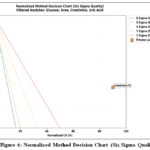 |
Figure 6: Normalized Method Decision Chart (Six Sigma Quality). |
Figure 6. Normalized Method Decision Chart (Normalized MDC) illustrating Six Sigma quality performance for filtered analytes (glucose, urea, creatinine, and uric acid) in private laboratories. The x-axis represents normalized imprecision (CV% as a percentage of TEa) and the y-axis represents normalized bias (bias% as a percentage of TEa). Diagonal dashed lines denote sigma quality boundaries from 2-sigma (poor) to 6-sigma (world-class). Only creatinine in private laboratories (Creatinine-P) was plottable within the chart area, falling in the region between the 2- and 3-sigma boundaries, indicating marginal to poor analytical quality. The absence of other analyte-laboratory combinations from the chart suggests their normalized bias or CV values exceeded 100% of TEa, reflecting unacceptable analytical performance that falls entirely outside the decision chart boundaries.
Discussion
This external quality assessment study demonstrates terribly deficient analytical performance of clinical chemistry laboratories throughout Northern Sudan, with no discernible differences between the public and private sectors. The emanating findings of evidence of laboratories with compromised quality, measured by bias, imprecision, and sigma with non-acceptable values, directly threaten patient safety and clinical management and are consistent with findings of similar studies in sub-Saharan Africa.
Overall interpretation of sector comparisons
A major misconception that might result from a statistical equivalence of means, for all analytes at all control levels, between public and private laboratories (p>0.05), is that the two types of laboratories perform comparably. Actually, this would be a very misleading interpretation. Close means only tells us that performance at the level of analytical quality is not satisfactory; quality is assessed through biases, CVs total errors, sigma performance, etc., in accordance with the published TEa limits. 17,18Briefly, the main result was that overall, two sectors failed to meet these quality standards. The lack of a statistically significant difference between the two sectors may indicate that quality problems are systemic issues and laboratories face the same challenges regardless of whether they are publicly or privately owned/financed. One reason for this could be the root cause in quality management system training reagents equipment maintenance, or participation in continuous external quality assurance (EQA) schemes.19
Comparison with Similar Studies in Africa
The findings of this study are consistent with, though generally more severe than, other recent EQA studies conducted in African settings, particularly in Ethiopia and South Africa.
Comparison with Ethiopian Studies
According to a 2025 research carried out at Dessie Comprehensive Specialized Hospital in Ethiopia, 14 clinical chemistry analytes were assessed for their sigma metrics, revealing that all analytes except alkaline phosphatase (ALP) were below the acceptable sigma standard (sigma <3).20 This discovery is indeed very close to our results, where only 1 out of 8 assays at the normal level was able to reach the acceptable sigma. The Ethiopian research indicated a total testing error rate of 15.3% in which 76.3% of the errors were made in the pre-analytical phase, 2.1% in the analytical phase, and 21.6% in the post-analytical phase. Although our research was only concerned with analytical performance, the Ethiopian results indicate that quality improvements in the lab are only truly effective when all phases of the laboratory testing process are targeted.
In a different study that was conducted at a national reference laboratory in Ethiopia, the performance was reported to be more variable with some analytes (pancreatic amylase, total amylase, HDL, magnesium, AST, triglyceride, total bilirubin, ALT) reaching a sigma level of 6, whereas urea, creatinine, and chloride were unable to reach even the minimum sigma standard.21The fact that urea and creatinine two out of the four analytes that we also tested, displayed poor sigma performance in Ethiopia, is indicative of the possibility that these analytes are especially difficult to control in resource-poor settings. This could be due to the instability of the reagent, problems with calibration, or limitations of the methodology.According to a regional Ethiopian investigation, close to 65% of the reported control values for liver and renal function tests were outside the allowable limits.22The very high proportion of out-of-specification results is in line with our data, where the total error was greater than the TEa limits for the majority of the analytes in both sectors.
Comparison with South African Studies
South African investigations have disclosed more varied performance in terms of the source of TEa for evaluation. The research from Charlotte Maxeke Hospital concluded that the sigma performance level was very much dependent on the TEa requirement: the assessment based on CLIA TEa (which is the same standard as that of our study) revealed that the 46-53% of the analytes could achieve acceptable performance, while the application of the stricter RCPA (Royal College of Pathologists of Australasia) led to the considerably reduced number of passing rates. Surprisingly, sodium and chloride received poor results (sigma <3) in all the guidelines.23According to one study of multiple laboratories in the KwaZulu-Natal region of South Africa, the percentage of analytes with sigma levels greater than 3 differed to a great extent not only from one laboratory to another but also from one control level to another, i.e. in the range between 35 and 73% approximately. Albumin calcium sodium magnesium bicarbonate, and chloride scored sigma = 6 in the laboratories participating in the project.24 This level of achievement considerably exceeds what we have observed – 12.5% of the tests at the normal level and 0% at the abnormal level making the cut for an acceptable sigma.
This difference between the South African labs and ours is most probably a reflection of the fact that South African labs have better quality management systems, are more regularly taking part in national EQA (external quality assessment) schemes, have better access to high-quality reagents and calibrators, and have a well-established laboratory accreditation system, all of which Sudan lacks.25
Comparison with West African Studies
An investigation from Akissi Joelle, indicated that sigma efficiency of the different analytes was extremely variable: ALT reached a sigma level of >6 (7.6 and 7.9 for the two control levels), whereas creatinine showed a sigma of 1.4 and 2.0, and glucose showed a sigma <1.26In fact, the extremely low glucose sigma in Akissi Joelle (sigma <1) parallels our observation of a dangerously low glucose sigma in Northern Sudan (sigma = 0.01 in public labs at the normal level). This means that glucose testing may represent a major problem in many African regions. Problems might arise due to calibration difficulties, reagent degradation in hot climates, or methodology.A sigma pilot study in Ghana revealed that nearly all parameters had unacceptable sigma (<3), with several analytes also showing CVs >5%.27This piece of information is in line with our work, and it denotes that lack of analytical precision is a major issue in most of the West African laboratories.
Regional EQA Performance Patterns
A multi-country IFCC EQA program involving ten African countries disclosed that six countries had an average of >90% acceptable EQA results, while the other four countries had a performance below the acceptable standards.28 A national proficiency testing pilot conducted in Togo showed >80% acceptable results for various analytes (glucose ALT AST GGT ALP, triglycerides) with the laboratories that were using fully automated spectrophotometers achieving 89% acceptable results.29
These results indicate a notable inconsistency in the quality of laboratories across the African continent, as some countries and even some labs are capable of delivering acceptable performances while others such as Northern Sudan according to our studyare characterized by widespread quality deficiencies. Superior performance in some places may be linked to the presence of stronger national EQA systems, laboratories undergoing accreditation, and the usage of automated instrumentation.30
Analytical Accuracy, Precision, and Total Error
Both public and private laboratories in our study had bias and coefficients of variation (CV) that were much higher than the established targets based on biological variation and regulatory standards for routine chemistry analytes.31 Bias varied from 16.08% to +1.93%, and CV from 2.28% to 29.13%, with many of these values going beyond acceptable limits quite a lot.Regarding glucose, the bias near 10% found in the two sectors at the two levels of control, alongside a CV between 4% and 15%, led to total errors of 12% to 26%, which is above the 10% CLIA total allowable error limit. Such a degree of error in glucose measurement can have significant clinical repercussions, for example, through misclassification of a patient’s glycemic level, inappropriate diagnosis or treatment of diabetes, or the inability to recognize cases of either hypoglycemia or hyperglycemia.32
Concerning urea and creatinine, the large biases and CVs recorded in our study would most likely cause incorrect estimation of renal function, which in turn could result in wrong drug dosages (especially for drugs eliminated by the kidneys), failure to recognize acute kidney injury promptly, or making the wrong decisions about patient referrals. The extremely substandard performance of creatinine at the abnormal level (bias = 16.08% in public labs, total error = 27.38%) is particularly alarming since creatinine measurement of high accuracy is indispensable when it comes to calculating the glomerular filtration rate (eGFR) and chronic kidney disease staging.
When it comes to the high variability found in the measurement of uric acid in private laboratories (CV = 18.07% at normal level, 25.44% at abnormal level), it implies a poor repeatability of the results, which would hamper the monitoring of the disease progression or drug response in patients with gout or hyperuricemia.
Six Sigma Metrics and Quality Implications
Six Sigma is a quality control method that offers a unified way of measuring the quality of analyses by factoring in bias, precision, and TEa into one measurement. It is generally understood that assays should target sigma values that are at least 4 for good quality and 6 for world-class performance. In our work, just 1 out of 8 assays at the normal control level reached sigma 4 (uric acid in public laboratories, sigma = 4.15), and none were at sigma 6. No assay at the abnormal control level even reached the lowest acceptable level of sigma = 3.33
B Vinodh Kumar and Thuthi Mohan reported that four analytes showed excellent performance (≥6 sigma) at both IQC levels, while several others (notably urea, albumin, cholesterol, and potassium) demonstrated poor performance (<3 sigma).34, whereas only 12.5% were acceptable in our case. Another study from an Ethiopian national reference laboratory showed that about half of the analytes evaluated had a sigma of 6.35, whereas in our case, none had that level.The low sigma values in our study reveal that the combined effects of systematic error (bias) and random error (CV) consistently exceed acceptable limits.
Akriti Kashyap et al. describe Six Sigma as a widely used quality management system for objectively evaluating analytical performance. The sigma scale ranges from 0 to 6, where ≥6 indicates excellent performance, while 3 sigma represents the minimum acceptable level.36For example, glucose in public laboratories at the normal level had sigma = 0.01, indicating that virtually all glucose results from these laboratories would be expected to exceed the 10% TEa limit, rendering the results clinically unreliable.
Implications for quality control and patient safety
Defects in lab test results are measured by Six Sigma levels, which indicate the percentage of failures. With 3 sigma, 6.7% of defects will occur in the process, and it means that nearly 1 out of 15 results will be bad. If the defect rate becomes 4 sigma, it drops to 0.62% (about 1 in 160 results), whereas 6 sigma depicts a world-class level with only 0.0003% defects (about 1 in 300,000 results).37Hamza and Mohamed (2015) found inconsistent sigma performance across Sudanese clinical laboratories, with only some assays reaching acceptable quality (≥3σ). Most analytes showed poor analytical performance, indicating gaps in quality systems. The study concluded that sigma metrics are a useful tool for identifying deficiencies and improving laboratory quality in line with global standards.38This means that the analytical performance is very poor and leads to the suggestion that possibly 30-50% of results may be outside the range of acceptable limits. Such unreliability can be dangerous for clinical decisions and can produce some misdiagnoses e.g., wrong glucose measurement and giving false creatinine values. Other consequences of inaccurate test results include leading to wrong treatment decisions, affecting patient monitoring, and leaving the clinician unsure whether the changes are physiological. Over time, the wrong test result may even cause harm to the patient through delayed diagnosis and treatment that is not suitable. Besides that, poor quality lab results lead to increased healthcare expenses through the need for repeated testing and the not so good utilization of resources.39
Root Causes and System-Level Issues
Many laboratories in Northern Sudan are facing quality problems that are so serious that they affect not only the public sector but also the private sector. Problems are not limited to a single type of test but are rather scattered across the whole range of testing and control activities, thus pointing to the overall insufficient laboratory infrastructure. The main aspect of the problem consists of the poor quality management system, which is not only devoid of operating procedures but also is without internal controls and corrective actions in a structured manner.40
Besides, due to a lack of training, staff are unaware of the essentials of quality control as well as skilled handling of the equipment. Other problems include the mismanagement of the reagents, the pathetic condition of the equipment, the use of expired materials, imperfect calibration and limited maintenance, and so on. At the same time participation in external quality assessment programs is hardly good is accompanied by issues like scarcity of resources and absence of regulatory authorities.41
Comparison with International Quality Standards
Our study results indicate a significant quality gap compared to international standards and expectations. In well-equipped laboratories with strong quality control mechanisms, most routine clinical chemistry analytes record sigma values of 46 or even more when compared to CLIA TEa limits.42 Proficiency testing programs conducted in developed countries generally reveal that >95% of the laboratories that are participating succeed in providing acceptable performance (Z-scores within 2) for routine analytes.43The stark difference between our results and international standards underscores the large quality gap that laboratories in resource-limited settings are experiencing. Bridging this gap will demand continuous, diverse interventions covering training infrastructure quality systems, and regulatory frameworks.Based on the findings of this study and evidence from the literature, we recommend the following comprehensive quality improvement interventions
Establish a Continuous EQA Program
The Northern State Ministry of Health is recommended to set up and support a compulsory external quality assessment (EQA) arrangement for all registered clinical laboratories. Such a scheme intends to elevate the lab’s output and standardization through the periodic distribution of uniform control items, preferably monthly or quarterly. Besides, it is necessary to deliver prompt responses via the main quality indicators such as Z-scores and Six Sigma measures for the unbiased assessment. The laboratories with extreme results and inadequate performance have to be inspected and given the remedial measures. The EQA scheme should be a capacity-building instrument through training and mentoring.
Recommendations
More importantly, the laboratories must be involved compulsorily for licensing and accreditation to enforce responsibility and encourage quality amelioration.44
Strengthen Internal Quality Control
It would be beneficial if every laboratory enhances their internal quality control (IQC) systems by applying well-organized methods in the continuous monitoring of analytical performance. For instance, this idea requires that a laboratory performs daily testing of control samples with concentrations at different levels to ensure that both accuracy and precision are measured. Through the application of appropriate statistical quality control rules, such as Westgard rules, which correspond to each analyte’s sigma performance, laboratories can detect errors at a very early stage. It is also very important that all QC results are documented, and procedures for the correction of out-of-control events are clearly defined.45 Running regular QC data reviews is very necessary as the main reason is that can identify patterns, and make sure calibration processes are always checked for correctness so that all of these steps combined would lead to better reliability and increased patient safety.46
Adopt Standardized TEa Specifications
Sudan ought to implement a national policy determining the total allowable error (TAE) specification of clinical laboratory tests, either by using CLIA-derived criteria or based on biological variation. This will set standard quality targets for different labs in the country.47 It would make quality assessment and benchmarking in harmony possible at the national level.
Implement Targeted Corrective Actions Based on Sigma and QGI
Using Six Sigma metrics alongside Quality Goal Index (QGI) analysis, labs can pinpoint sources of poor performance in order to improve quality. While sigma metrics denote a lab’s total performance, QGI help lab determine if low sigma result is being caused by a systematic error (bias) or a random error (imprecision). If bias is a major problem, then labs should aim at accuracy by recalibrating instruments and checking calibrators. When the problem lies in imprecision, the staff should make sure that the results are consistent by carrying out maintenance and retraining. Getting the error types and the methods correctly aligned will result in quality and reliability.
Enhance Training and Competency Assessment
Laboratories need to invest in thorough training plans for their staff to enhance their knowledge and technical skills. These training plans should cover fundamentals of quality control, operations of instrument calibration and maintenance, troubleshooting in a systematic way, and carrying out corrective actions when problems are detected. Besides training on how to interpret internal quality control data using sigma metrics to inform decisions on the performance of assays, the personnel should also be involved in external quality assessment programs and the use of their feedback for improvements. Frequent competency evaluations should be carried out to assess the theoretical and practical skills of the staff, making sure that they perform to the standards and at the same time, creating an environment for quality and accountability.
Improve Equipment Maintenance and Reagent Management
Laboratories need to improve their equipment maintenance and reagent management if they want accurate analytical results and fewer errors. Partly, it is about giving preventive maintenance to the tools on a fixed schedule, including servicing, calibrating, and repairing the instruments in a timely manner to limit their downtime. Proper storage and temperature monitoring of reagents are very important indeed, especially for those which are highly temperature-sensitive. It is equally essential to validate every new lot of reagent before their use to make sure that they are the same quality as the previous ones. Checking equipment performance on a regular basis is a good practice that helps ascertain that the instruments are working properly and thus leads to better reliability and more importantly, patient safety.
Strengthen Regulatory Oversight and Accreditation
The Northern State Ministry of Health should strengthen regulatory oversight by establishing a robust laboratory accreditation system linked to licensing and strict quality standards. Regular inspections should be used to monitor compliance, identify deficiencies, and ensure timely corrective actions. In parallel, the Ministry should support laboratories through training, technical assistance, and provision of quality control resources. A phased implementation of an accreditation program aligned with ISO 15189 standards would promote continuous quality improvement in resource-limited settings.
Study Limitations
The study has several limitations that should be considered when interpreting the results. It included a small sample of only ten laboratories from two cities in Northern Sudan, which limits generalizability and statistical power. Only four clinical chemistry analytes were assessed, so findings do not represent overall laboratory performance. In addition, data were not analyzed longitudinally, and no full root cause analysis was performed, with possible limitations in blinding. The study also did not assess patient outcomes. Despite these limitations, it provides important baseline information on laboratory performance and highlights key gaps in analytical quality that can guide future improvement studies.
Conclusion
EQA-based assessment using Six Sigma metrics has emerged globally as the gold standard for objectively evaluating analytical quality in clinical laboratories; however, data from remote and resource-constrained settings such as Northern Sudan remain scarce. This study addresses that gap with the first EQA-based Six Sigma assessment of clinical chemistry laboratories in the region. The findings reveal critically poor analytical performance across both public and private hospital laboratories, with no statistically significant difference between the two sectors. High bias, poor precision, total errors consistently exceeding CLIA-defined TEa limits, and unacceptable sigma metrics across nearly all analyte-control level combinations represent a direct and serious threat to patient safety and clinical decision-making. The study is limited by its cross-sectional design, small sample of ten laboratories from two cities, restriction to four analytes, and the absence of pre- and post-analytical phase assessment or patient outcome data. These limitations notwithstanding, the study provides the first structured performance baseline for laboratory quality in Northern Sudan. Future work should expand the analyte panel to include hematology, coagulation, and immunoassay parameters; incorporate longitudinal EQA monitoring; assess pre- and post-analytical error phases; and rigorously evaluate the impact of targeted capacity-building, reagent standardization, and regulatory accreditation interventions on analytical quality in this setting.
Acknowledgement
The authors wish to acknowledge that they have been appreciative of all those people and institutions that assisted them in this study. We especially appreciate the cooperation and support of the staff and the management of the involved hospitals (public and private) in the Northern Sudan region to collect data and implement the external quality assessment program.We also recognize the lab staff in their technical support and dedication towards conducting the analyses. Without their input, this work would not have been completed successfully.
Funding Sources
The author(s) received no financial support for the research, authorship, and/or publication of this article.
Conflict of Interest
The authors do not have any conflict of interest.
Data Availability Statement
This statement does not apply to this article.
Ethics Statement
This research did not involve human participants, animal subjects, or any material that requires ethical approval.
Informed Consent Statement
This study did not involve human participants, and therefore, informed consent was not required.
Clinical Trial Registration
This research does not involve any clinical trials.
Permission to reproduce material from other sources
Not Applicable
Author Contributions
- ImanTajElsir Ahmed: contributed to data collection, conceptualization, and methodology.
- Mariam Abass Ibrahim was responsible for drafting the original manuscript and supervision.
- Alneil Hamza: carried out the analysis and wrote the results section.
- Sarah Osman: handled the review process and organized the references.
- ElyasaElfaki: wrote the discussion section.
References
- Lubin IM, Astles JR, Bunn JD, et al. The clinical laboratory is an integral component to health care delivery: an expanded representation of the total testing process. Am J ClinPathol. 2023;160(2):124-129.
CrossRef - Chaudhry AS, Inata Y, Nakagami-Yamaguchi E. Quality analysis of the clinical laboratory literature and its effectiveness on clinical quality improvement: a systematic review. J ClinBiochemNutr. 2023;73(2):108-115.
CrossRef - Adekoya A, Okezue MA, Menon K. Medical laboratories in healthcare delivery: a systematic review of their roles and impact. Laboratories. 2025;2(1):8. doi: 10.3390/laboratories2010008
CrossRef - Pillai SP, Fox E. Laboratory quality management system fundamentals. Front BioengBiotechnol. 2025; 13:1578654.
CrossRef - Venner AA, Beach LA, Shea JL, et al. Quality assurance practices for point-of-care testing programs: recommendations by the Canadian Society of Clinical Chemists Point of Care Testing Interest Group. ClinBiochem. 2021; 88:11-17.
CrossRef - Gruber L, Hausch A, Mueller T. Internal quality controls in the medical laboratory: a narrative review of the basic principles of an appropriate quality control plan. Diagnostics (Basel). 2024;14(19):2223.
CrossRef - Ricós C, Fernandez-Calle P, Perich C, Westgard JO. Internal quality control: past, present, and future trends. Adv Lab Med. 2022;3(3):243-262.
CrossRef - Laudus N, Nijs L, Nauwelaers I, Dequeker EMC. The significance of external quality assessment schemes for molecular testing in clinical laboratories. Cancers (Basel). 2022;14(15):3686.
CrossRef - Jacob L, Punjabi R. Evaluating laboratory quality indicators through external quality assessment schemes (EQAS): a focused analysis on performance trends and assigned value shifts. Afr J Biomed Res. 2025;28(4S):88-92.
CrossRef - Plebani M. Internal quality control and external quality assurance: a great past opens the way to a bright future. Adv Lab Med. 2022 Aug 17;3(3):215-220. doi: 10.1515/almed-2022-0075.
CrossRef - Alaagib NA, Abugroun AA, Nour BYM, Dafalla AM, Ahmed EA. Possible factors contributing to poor quality management of clinical laboratory performance in Wad Medani City, Sudan. J Hum Resour Sustain Stud. 2023; 11:147-155.
CrossRef - Mulatie Z, Ebrahim E, Alebachew M, et al. Performance analysis of a clinical chemistry laboratory using sigma metrics in the total testing process at Dessie Comprehensive Specialized Hospital, Ethiopia. J Clin Lab Anal. 2025;39(24):e70134.
CrossRef - Buchta C, Marrington R, De la Salle B, et al. Behind the scenes of EQA: characteristics, capabilities, benefits, and assets of external quality assessment (EQA). Part I: EQA in general and EQA programs in particular. Clin Chem Lab Med. 2025;63(5):844-858.
CrossRef - Bhat L, McCammon C. The importance of quality assurance and quality improvement in low- and middle-income settings. Curr Bladder Dysfunct Rep. 2021;16(1):1-5. doi: 10.1007/s11884-020-00623-y.
CrossRef - Ali-Riza AE, Mai HH, Osman MM, Elmahadi SA. Assessment criteria for accreditation of government hospitals’ laboratories in Sudan according to the international standards: Khartoum State – Sudan. Asian J Biomed Pharm Sci. 2015;4(39):18-25.
CrossRef - Abdalla HM, Mursal MI, Ibrahim KA, Mohmmed AH, Ohaj HH, Abu Elhasan OM, et al. Assessment of quality management system of clinical laboratories in Kassala Town, Eastern Sudan (2024). Al Neelain Med J. 2025;15(1):49-70.
- Bhattacharjee D, Ghosh B, Ray Chaudhuri A, et al. Sigma metrics application in clinical biochemistry: practical necessity or unfeasible approach. Asian J Med Sci. 2024;15(6):29-34.
CrossRef - Hu M, Wang J, Yang H, et al. Application of six sigma to assess the analytical performance of plasma proteins and design a risk-based statistical quality control strategy: a multicenter study. J Clin Lab Anal. 2025;39(16): e70080.
CrossRef - Cherie N, Deress T, Berta DM, Chane E, Teketelew BB, Adane K, et al. Navigating quality assessment hurdles in clinical laboratory services: a comprehensive review in resource-limited settings. Risk ManagHealthc Policy. 2024;17:497-504. doi: 10.2147/RMHP.S453020.
CrossRef - Mulatie Z, Ebrahim E, Alebachew M, Gedefie A, Eshetu B, Tilahun M, et al. Performance analysis of clinical chemistry laboratory using sigma metrics in the total testing process at Dessie Comprehensive Specialized Hospital, Ethiopia. J Clin Lab Anal. 2025;39(24):e70134. doi: 10.1002/jcla.70134.
CrossRef - Teshome M, Worede A, Asmelash D. Total clinical chemistry laboratory errors and evaluation of analytical quality control using sigma metrics for routine tests. J MultidiscipHealthc. 2021; 14:125-136.
CrossRef - Mesganaw B, Fenta A, Hibstu Z, Belew H, Misganaw K, Belayneh M. Medical laboratories quality management and challenges in Ethiopia: a systematic review. Pathol Lab Med Int. 2023;15:13-26. doi: 10.2147/PLMI.S395895.
CrossRef - van Heerden M, George JA, Khoza S. The application of sigma metrics in the laboratory to assess quality control processes in South Africa. Afr J Lab Med. 2022;11(1):1344. doi: 10.4102/ajlm.v11i1.1344.
CrossRef - Moodley N, Gounden V. Assessment of sigma metrics for routine chemistry testing in 4 laboratories in Kwa-Zulu Natal, South Africa. J Appl Lab Med. 2022;7(3):689-697. doi: 10.1093/jalm/jfab117.
CrossRef - Kostyanev T, Al-Mir H, Prifti K, Rasmussen LB, Abegaz FA, Teixeira Dos Santos P, et al. External quality assurance (EQA) network in South and South-East Asia: experience and results from an international EQA programme in One Health sector reference laboratories. J AntimicrobChemother. 2025;80(4):1037-1046. doi: 10.1093/jac/dkaf032.
CrossRef - Akissi Joelle K, Francisk K, Charlotte K, Karna Y, Hugues A, Marie-Laure HA. Application of sigma metric analysis to evaluate the performance of the biochemistry analytical system in a medical biology laboratory in Côte d’Ivoire. J Anal Sci Methods Instrum. 2024;14(1):14-21. doi: 10.4236/jasmi.2024.141002.
CrossRef - Afrifa J, Gyekye SA, Owiredu WK, Ephraim RK, Essien-Baidoo S, Amoah S, et al. Application of sigma metrics for the assessment of quality control in clinical chemistry laboratory in Ghana: A pilot study. Niger Med J. 2015;56(1):54-58. doi: 10.4103/0300-1652.149172.
CrossRef - Bais R, Vassault A, Blasutig IM, Dabla PK, Lin J, Perret-Liaudet A, et al. External quality assessment performance in ten countries: an IFCC global laboratory quality project. Clin Chem Lab Med. 2024;62(12):2435-2443. doi: 10.1515/cclm-2024-0859.
CrossRef - Kouassi KC, Dorkenoo AM, Gbada K, Afanyibo YG, Têko M, Koura A. The Togo national proficiency test pilot programme for basic clinical chemistry tests. Afr J Lab Med. 2022;11(1):1565. doi: 10.4102/ajlm.v11i1.1565
CrossRef - Buchta C, De La Salle B, Marrington R, AburtoAlmonacid A, Albarède S, Badrick T, et al. Behind the scenes of EQA – characteristics, capabilities, benefits and assets of external quality assessment (EQA): Part V – Benefits for stakeholders other than participants. Clin Chem Lab Med. 2025;63(6):898-915. doi: 10.1515/cclm-2024-1293.
CrossRef - Çakmak O. Evaluation of analytical performance specifications of routine clinical biochemistry tests with biological variation-based total allowable error (TEa) criteria. Int J Med Biochem. 2018;1(2):56-62. doi: 10.14744/ijmb.2018.39974.
CrossRef - van Moll C, Egberts T, Wagner C, Zwaan L, Ten Berg M. The nature, causes, and clinical impact of errors in the clinical laboratory testing process leading to diagnostic error: a voluntary incident report analysis. J Patient Saf. 2023;19(8):573-579. doi: 10.1097/PTS.0000000000001166.
CrossRef - Singh S, Singh M, Sharma D, Bhattacharya I, Padhy M, Puri S, et al. Application of Six Sigma metrics for assessing the quality management of biochemical analytes in the clinical laboratory. Asian J Med Sci. 2024;15(12):70-78. doi: 10.3126/ajms.v15i12.70568.
CrossRef - Kumar BV, Mohan T. Sigma metrics as a tool for evaluating the performance of internal quality control in a clinical chemistry laboratory. J Lab Physicians. 2018;10(2):194-199. doi: 10.4103/JLP.JLP_102_17.
CrossRef - Mulatie Z, Ebrahim E, Alebachew M, Gedefie A, Eshetu B, Tilahun M, et al. Performance analysis of clinical chemistry laboratory using sigma metrics in the total testing process at Dessie Comprehensive Specialized Hospital, Ethiopia. J Clin Lab Anal. 2025;39(24):e70134. doi: 10.1002/jcla.70134.
CrossRef - Kashyap A, Sampath S, Tripathi P, Sen A. Sigma metrics: a valuable tool for evaluating the performance of internal quality control in laboratory. J Lab Physicians. 2021;13(4):328-331. doi: 10.1055/s-0041-1731145.
CrossRef - Westgard S, Bayat H, Westgard JO. Analytical Sigma metrics: A review of Six Sigma implementation tools for medical laboratories. Biochem Med (Zagreb). 2018;28(2):020502. doi: 10.11613/BM.2018.020502.
CrossRef - Hamza AA, Mohamed AI. Application of Sigma Metrics for the assessment of analytical quality in clinical biochemistry laboratories in Sudan: a pilot study. Int J Adv Res. 2015;3(11):714–719.
- Erdal EP, Mitra D, Khangulov VS, Church S, Plokhoy E. The economic impact of poor sample quality in clinical chemistry laboratories: results from a global survey. Clin Chem Lab Med. 2017;55(2):e39-e42. doi: 10.1515/cclm-2016-0332.
CrossRef - Beyanga M, Gerwing-Adima L, Jackson K, Mshana SE. Implementation of the laboratory quality management system (ISO 15189): Experience from Bugando Medical Centre Clinical Laboratory, Mwanza, Tanzania. Afr J Lab Med. 2018;7(1):657. doi: 10.4102/ajlm.v7i1.657.
CrossRef - Plebani M, Sciacovelli L, Aita A, Padoan A, Chiozza ML. Quality indicators to detect pre-analytical errors in laboratory testing. ClinBiochem Rev. 2014;35(3):85-93.
CrossRef - Westgard JO, Westgard SA. The quality of laboratory testing today: an assessment of sigma metrics for common clinical chemistry analytes. ClinBiochem. 2017;50(18):1173-1179. doi: 10.1016/j.clinbiochem.2017.06.006.
CrossRef - Sciacovelli L, Secchiero S, Zardo L, Plebani M. External quality assessment and proficiency testing in laboratory medicine: state of the art and future perspectives. Clin Chem Lab Med. 2019;57(10):1479-1488. doi: 10.1515/cclm-2019-0245.
- Saeed N, Usman J, Khan A, Siddiqui MT, Kaleem F, Hannan A, et al. External quality assessment (EQA) combined with on-site technical evaluation for capacity building in clinical microbiology laboratories in Pakistan. AccredQual Assur. 2022;27(2):103-110. doi: 10.1007/s00769-022-01495-x.
CrossRef - Westgard JO, Westgard SA. Establishing evidence-based statistical quality control practices. Am J ClinPathol. 2019;151(4):364-370. doi: 10.1093/ajcp/aqy158.
CrossRef - Westgard JO, Westgard SA. Basic quality control practices in clinical laboratories: monitoring analytical performance. Clin Chem. 2016;62(4):593-599. doi: 10.1373/clinchem.2015.251611.
- Westgard JO, Westgard SA. Quality requirements and standards for total allowable error in laboratory medicine. Clin Chem. 2016;62(4):593-599. doi: 10.1373/clinchem.2015.251611.
 PlumX:
 Views: 821
  PDF Downloads:
144
PDF Downloads:
144