A Five-Year Epidemiological Study on The Profile of In-hospital Deaths in Sulianti Saroso Infectious Disease Hospital
 , Aninda Dinar Widiantari1, Nourmalita Sari Putri3, Nina Mariana1, Rivaldiansyah1, Maria Lawrensia Tampubolon1, Tiara Zakiyah Pratiwi1, Kunti Wijiarti1and Mugi Wahidin4, 5
 1Clinical Research Unit, Sulianti Saroso Infectious Disease Hospital, Jakarta, Indonesia.
2Faculty of Health Sciences, Universitas Respati Indonesia, Jakarta, Indonesia.
3Indonesian College of Epidemiology, Indonesian Health Council, Jakarta, Indonesia.
4Medical Record Unit, Sulianti Saroso Infectious Disease Hospital, Jakarta, Indonesia.
4Research Unit, National Research and Innovation Agency, Jakarta, Indonesia.
5Faculty of Public Health, Universitas Esa Unggul, Jakarta, Indonesia.
Corresponding Author E-mail: muntee83@gmail.com
DOI : http://dx.doi.org/10.13005/bpj/3448
Download this article as:

To develop an appropriate health program, it is essential to understand the specific causes of death, especially those reported on death certificates from health facilities. This cross-sectional study aimed to analyse the sociodemographic data associated with in-hospital deaths in Sulianti Saroso Infectious Disease Hospital (SSIDH), a national infectious disease center in Indonesia. Which analyzed 1,567 Medical Certifications of Cause of Death (MCCD) forms collected from January 2018 to December 2022 at Sulianti Saroso Infectious Disease Hospital. The International Classification of Diseases, 10th revision (ICD-10) was used to report causes of death. The data analysis of patient mortality revealed trends in minimum and maximum values, as well as median and frequency distribution patterns. Deaths in males predominated (63.1%). The median age was 53 years and the median Length of Stay (LOS) was five days. Most deaths occurred in adults and within ten days of hospitalization. Respiratory diseases were the leading cause, while infectious and parasitic diseases were the main underlying cause in males. There was a significant difference between age groups and the distribution of causes of death based on ICD-10 chapters (p < 0.001). Conversely, gender showed no significant difference in the distribution of either underlying or immediate causes of death (p = 0.161 and p = 0.342). Meanwhile, LOS had a significant correlation with the distribution of both underlying and immediate causes of death (p < 0.001). Male mortality rates were over twice those of females, with the highest deaths occurring in the elderly. Respiratory disorders were the major cause of mortality, particularly in patients with a stay of more than 48 hours.The use of MCCD and hospital medical records may result in misclassification of causes of death. As the study was conducted in a single infectious disease referral hospital during the COVID-19 pandemic, the findings may not represent the general population. Additionally, the descriptive design cannot establish causal relationships.
KEYWORDS:Cause of Death; Diseases; Hospital; Length of Stay (LoS); Medical Certifications of Cause of Death (MCCD)
Introduction
The Registration of Births and Deaths (RBD) Act of 1969 established a comprehensive database for assessing population mortality patterns.1–3To officially record a death, the next of kin of the deceased must submit the Medical Certificate of Cause of Death (MCCD), commonly referred to as the death certificate.1,4Public health professionals analyze demographic trends and specificcauses of mortality across various parts of the country, providing recommendations for clinical research objectives and the focused distribution of budgets.5–7As pathological autopsies have diminished in frequency, the MCCD has become the primary source of information regarding causes of death.1,8,9Data regarding causes of death is crucial for formulating effective health strategies.
A properly completed MCCD clearly and comprehensively outlines the immediate, antecedent, and underlying causes of death, which makes it a vital statistical tool for analyzing mortality trends.1,10,11 As a result, the collection of comparable mortality statistics across time and for people worldwide is made more accessible.12 Although understanding particular causes of death is essential for enhancing community health, sources of such information are still scarce and insufficient in many nations.13,14
Routine evaluation of morbidity and mortality data within healthcare facilities in these regions can generate important information, not only to support effective resource allocation but also to guide the development of health service policies.1,15,16 In addition, such evaluations enable institutions to detect gaps and shortcomings in patient management, allowing for targeted interventions to reduce the overall disease burden.15,17,18
There are several factors associated with in-hospital mortality, including patient factors such as individual and clinical conditions, and hospital-related factors.19Therefore, hospital-based studies are an excellent way to improve healthcare quality. Meanwhile, our hospital is a Center of Excellence infectious disease hospital in Indonesia, and we have referral cases across Indonesia. The mortality cases in this hospital will provide an overview of fatalities resulting from infectious diseases in Indonesia. This study aims to analyze the trends and causes of in-hospital fatalities at Sulianti Saroso Infectious Disease Hospital (SSIDH).
Materials and Methods
Design Study
A cross-sectional study was performed at the SSIDH in Jakarta, Indonesia. Our hospital functions as a national public referral center for infectious diseases and has played a crucial role in the management and prevention of outbreaks of SARS, H5N1, MERS-CoV, and COVID-19.
Population
All patientswho were declared deceased at Sulianti Saroso Infectious Diseases Hospital
Inclusion criteria
Patients were pronounced deceased by SSIDHphysicians with a fully completed MCCD.
Exclusion criteria
None
Variables and Data
We collected 1,567 MCCD from January 2018 to December 2022. The in-hospital mortality data were derived from secondary sources, utilizing the MCCD, together with sex, age, and cause of death information. International Classification of Diseases 10thRevision (ICD-10) was utilized as the framework for documenting causes of death on the MCCD form.20,21 ICD 10 Classification was recommended by the World Health Organization (WHO) (Table 1).22
Table 1: ICD 10 Classification22
| Chapter | ICD-10 Version 2019 |
| I | Certain infectious and parasitic diseases |
| II | Neoplasms |
| III | Diseases of the blood and blood-forming organs and certain disorders involving the immune mechanism |
| IV | Endocrine, nutritional and metabolic diseases |
| V | Mental and behavioural disorders |
| VI | Diseases of the nervous system |
| VII | Diseases of the eye and adnexa |
| VIII | Diseases of the ear and mastoid process |
| IX | Diseases of the circulatory system |
| X | Diseases of the respiratory system |
| XI | Diseases of the digestive system |
| XII | Diseases of the skin and subcutaneous tissue |
| XIII | Diseases of the musculoskeletal system and connective tissue |
| XIV | Diseases of the genitourinary system |
| XV | Pregnancy, childbirth and the puerperium |
| XVI | Certain conditions originating in the perinatal period |
| XVII | Congenital malformations, deformations and chromosomal abnormalities |
| XVIII | Symptoms, signs and abnormal clinical and laboratory findings, not elsewhere classified |
| XIX | Injury, poisoning and certain other consequences of external causes |
| XX | External causes of morbidity and mortality |
| XXI | Factors influencing health status and contact with health services |
| XXII | Codes for special purposes |
The research applied standard medical forms for cause of death certificates for inpatient fatalities, as recommended by the WHO and Indonesia.23,24 Precise and prompt data regarding mortality causes are essential for public health policy formulation. MCCD generally provides the majority of Cause of Death (COD) data within a population and is a vital component of the civil registration and statistical system. Accurate completion of the MCCD should be a relatively straightforward procedure for doctors.25Those who fill in the MCCD are the general practitioners or the specialists who declare death and or are in charge of the treatment room where the patient died; the completion is carried out immediately after death. The determination of the COD relies on medical documentation and an external inspection of the corpse. The attending physician establishes the diagnosis of the ailment while the patient is receiving care. The completion of the MCCD requires the physician who witnessed the patient’s death to ascertain both the underlying and immediate causes of death.20
The WHO characterizes the underlying cause of death as the disease or injury that initiates the sequence of events culminating in death, or the conditions of an accident or act of violence that lead to a fatal injury. The direct COD refers to the sickness or condition that results in immediate death; for instance, a heart attack serves as the direct cause, but the underlying cause is coronary heart disease.26The length of stay refers to the duration a patient remains in the hospital for inpatient treatment till discharge. The time of death in the hospital is classified as Dead on arrival (DOA), within 24 hours, between 24 and 48 hours, and beyond 48 hours. DOA refers to an individual discovered suddenly deceased outside of a hospital setting.27The time of death for patients is measured from the moment of hospital admission, categorized as <24 hours, 24-48 hours, and >48 hours.
Data Analysis
The categorical variables in the analysis were presented in absolute numbers and their respective proportions (n, %). Data were presented in the form of boxplots and histograms. We used SPSS Version 20 software for all statistical analyses.28 This study utilized counts and proportions to delineate the demographic characteristics and the ICD-10 Classification of disease diagnosis. Bivariate analysis with Pearson Chi-Square Test (α=5%).
Ethical Considerations
This study has been granted ethical approval by the Health Research Ethics Committee of Sulianti Saroso Infectious Diseases Hospital under certificate number: PP.07.01/D.XXXIX.14/30/2024, dated July 3, 2024.
Results
In this study where the 1,567 MCCDs were collected, a pronounced gender disparity in mortality rates was identified, with male comprising 988 (63.1%) of the deaths and female accounting for 579 (36.9%). This finding aligns with data from 2019, which reported 213 deaths (68.7%) among men and 97 (31.3%) among female (Fig 1).
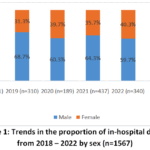 |
Figure 1: Trends in the proportion of in-hospital deaths from 2018 – 2022 by sex (n=1567). |
The persistent trends suggest that male mortality rates are disproportionately elevated across various cohorts, a pattern supported by numerous epidemiological studies. The age distribution of the deceased, as depicted in Fig. 2, covers a wide range from infancy to 97 years, highlighting the complex interplay of factors influencing mortality. This extensive age span underscores the need to consider both age-related vulnerabilities and gender-specific risks in understanding mortality trends.
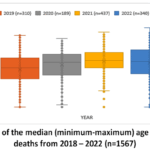 |
Figure 2: Box plots of the median (minimum-maximum) age among in-hospital deaths from 2018 – 2022 (n=1567). |
Fig 3 shows a box plot of the length of stay trend. Overall, the median length of stay (LOS) was 5 days (range: 1-53 days).
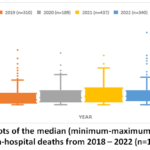 |
Figure 3: Box plots of the median (minimum-maximum) Length of Stay among in-hospital deaths from 2018 – 2022 (n=1567). |
The primary causes of mortality were “Certain Infectious and Parasitic Diseases” (29%), followed by respiratory system disorders (25.5%) and circulatory system diseases (13%) (Table 2).
Table 2: Underlying Cause of Death Based on Age Groups (n=1567)
| ICD-10 Chapters | Age | Total (n=1567) | *P value | ||||
| 0 – < 1 year(n=27) | 1 – 12 years (n=43) | 13 – <18 years(n=14) | 18 – <60 years(n=931) | ≥60 years(n=552) | |||
| I | 10 (37.0) | 20(46.5) | 9(64.3) | 346 (35.9) | 69 (13.3) | 454 (29.0) | 0.000 |
| II | 0 (0) | 0 (0) | 0 (0) | 6 (0.6) | 3 (0.6) | 9 (0.6) | |
| III | 0 (0) | 0 (0) | 0 (0) | 11 (1.1) | 1 (0.2) | 12 (0.8) | |
| IV | 0 (0) | 0 (0) | 1 (7.1) | 25 (2.6) | 11 (2.1) | 37 (2.4) | |
| V | 0 (0) | 0 (0) | 0 (0) | 0 (0) | 0 (0) | 0 (0) | |
| VI | 0 (0) | 2 (4.7) | 0 (0) | 9 (0.9) | 6 (1.2) | 17 (1.1) | |
| VII | 0 (0) | 0 (0) | 0 (0) | 0 (0) | 0 (0) | 0 (0) | |
| VIII | 0 (0) | 0 (0) | 0 (0) | 0 (0) | 0 (0) | 0 (0) | |
| IX | 1 (3.7) | 2 (4.7) | 0 (0) | 117 (12.1) | 83 (16.0) | 203 (13.0) | |
| X | 6 (22.2) | 6 (14.0) | 2 (14.3) | 222 (23.0) | 163 (31.5) | 399 (25.5) | |
| XI | 0 (0) | 0 (0) | 0 (0) | 15 (1.6) | 7 (1.4) | 22 (1.4) | |
| XII | 0 (0) | 1 (2.3) | 0 (0) | 0 (0) | 0 (0) | 1 (0.1) | |
| XIII | 0 (0) | 0 (0) | 0 (0) | 0 (0) | 1 (0.2) | 1 (0.1) | |
| XIV | 0 (0) | 0 (0) | 0 (0) | 1 (0.1) | 5 (1.0) | 6 (0.4) | |
| XV | 1 (3.7) | 0 (0) | 0 (0) | 0 (0) | 0 (0) | 1 (0.1) | |
| XVI | 3 (11.1) | 0 (0) | 0 (0) | 0 (0) | 0 (0) | 3 (0.2) | |
| XVII | 1 (3.7) | 1 (2.3) | 0 (0) | 0 (0) | 0 (0) | 2 (0.1) | |
| XVIII | 0 (0) | 1 (2.3) | 0 (0) | 10 (1.0) | 7 (1.4) | 18 (1.1) | |
| XIX | 0 (0) | 1 (2.3) | 0 (0) | 3 (0.3) | 1 (0.2) | 5 (0.3) | |
| XX | 0 (0) | 0 (0) | 0 (0) | 0 (0) | 0 (0) | 0 (0) | |
| XXI | 1 (3.7) | 0 (0) | 0 (0) | 6 (0.6) | 0 (0) | 7 (0.4) | |
| XXII | 0 (0) | 3 (7.0) | 0 (0) | 88 (9.1) | 111 (21.4) | 202 (12.9) | |
| None | 1 (3.7) | 2 (4.7) | 2 (14.3) | 46 (4.8) | 23 (4.4) | 74 (4.7) | |
| DOA | 3 (11.1) | 4 (9.3) | 0 (0) | 60 (6.2) | 27 (5.2) | 94 (6.0) | |
Note: α=5%; Pearson Chi-Square
When considering direct mortality causes, respiratory system diseases accounted for the largest proportion(34.4%), followed by other infectious and parasitic diseases (19.8%) and circulatory system diseases (6.2%) (Table 3).
Table 3: Direct Cause of Death Based on Age Groups
| ICD-10 Chapters | Age | Total (n=1567) | *P value | ||||
| 0 – < 1 year (n=27) | 1 – 12 years (n=43) | 13 – <18 years (n=14) | 18 – <60 years (n=931) | ≥60 years (n=552) | |||
| I | 4 (14.8) | 13 (30.2) | 4 (28.6) | 210 (21.8) | 79 (15.3) | 310 (19.8) | 0.000 |
| II | 1 (3.7) | 0 (0) | 0 (0) | 2 (0.2) | 3 (0.6) | 6 (0.4) | |
| III | 0 (0) | 0 (0) | 0 (0) | 13 (1.3) | 6 (1.2) | 19 (1.2) | |
| IV | 1 (3.7) | 0 (0) | 0 (0) | 36 (3.7) | 20 (3.9) | 57 (3.6) | |
| V | 0 (0) | 0 (0) | 0 (0) | 0 (0) | 0 (0) | 0 (0) | |
| VI | 0 (0) | 0 (0) | 0 (0) | 8 (0.8) | 1 (0.2) | 9 (0.6) | |
| VII | 0 (0) | 0 (0) | 0 (0) | 0 (0) | 0 (0) | 0 (0) | |
| VIII | 0 (0) | 0 (0) | 0 (0) | 0 (0) | 0 (0) | 0 (0) | |
| IX | 1 (3.7) | 3 (7.0) | 3 (21.4) | 46 (4.8) | 44 (8.5) | 97 (6.2) | |
| X | 9 (33.3) | 15 (34.9) | 6 (42.9) | 339 (35.1) | 170 (32.8) | 539 (34.4) | |
| XI | 1 (3.7) | 0 (0) | 0 (0) | 4 (0.4) | 3 (0.6) | 8 (0.5) | |
| XII | 0 (0) | 0 (0) | 0 (0) | 1 (0.1) | 0 (0) | 1 (0.1) | |
| XIII | 0 (0) | 0 (0) | 0 (0) | 0 (0) | 0 (0) | 0 (0) | |
| XIV | 1 (3.7) | 0 (0) | 1 (7.1) | 9 (0.9) | 12 (2.3) | 23 (1.5) | |
| XV | 0 (0) | 0 (0) | 0 (0) | 0 (0) | 0 (0) | 0 (0) | |
| XVI | 1 (3.7) | 0 (0) | 0 (0) | 0 (0) | 0 (0) | 1 (0.1) | |
| XVII | 0 (0) | 0 (0) | 0 (0) | 0 (0) | 0 (0) | 0 (0) | |
| XVIII | 0 (0) | 3 (7.0) | 0 (0) | 16 (1.7) | 3 (0.6) | 22 (1.4) | |
| XIX | 0 (0) | 1 (2.3) | 0 (0) | 3 (0.3) | 2 (0.4) | 6 (0.4) | |
| XX | 0 (0) | 0 (0) | 0 (0) | 0 (0) | 0 (0) | 0 (0) | |
| XXI | 0 (0) | 0 (0) | 0 (0) | 2 (0.2) | 1 (0.2) | 3 (0.2) | |
| XXII | 0 (0) | 0 (0) | 0 (0) | 14 (1.5) | 10 (1.9) | 24 (1.5) | |
| None | 5 (18.5) | 4 (9.3) | 0 (0) | 202 (20.9) | 137 (26.4) | 348 (22.2) | |
| DOA | 3 (11.1) | 4 (9.3) | 0 (0) | 60 (6.2) | 27 (5.2) | 94 (6.0) | |
Note: α=5%; Pearson Chi-Square
Table 4 indicates that a majority of males died from specific infectious and parasitic diseases (30%), whereas a more significant proportion (27.3%) of females died from these diseases.
Table 4: Underlying Cause of Death and Direct Cause of Death Based on Sex Groups
|
ICD-10 Chapters |
Underlying Cause of Death in Individual Sex Groups | Direct Cause of Death in Individual Sex Groups | ||||||
| Male (n=988) | Female(n=579) | Total(n=1567) | P value | Male(n=988) | Female(n=579) | Total(n=1567) |
P value |
|
| I | 296 (30.0) | 158 (27.3) | 454 (29.0) | 0.161 | 199 (20.1) | 111 (19.2) | 310 (19.8) | 0.342 |
| II | 5 (0.5) | 4 (0.7) | 9 (0.6) | 4 (0.4) | 2 (0.3) | 6 (0.4) | ||
| III | 6 (0.6) | 6 (1.0) | 12 (0.8) | 15 (1.5) | 4 (0.7) | 19 (1.2) | ||
| IV | 16 (1.6) | 21 (3.6) | 37 (2.4) | 37 (3.7) | 20 (3.5) | 57 (3.6) | ||
| V | 0 (0) | 0 (0) | 0 (0) | 0 (0) | 0 (0) | 0 (0) | ||
| VI | 11 (1.1) | 6 (1.0) | 17 (1.1) | 9 (0.9) | 0 (0) | 9 (0.6) | ||
| VII | 0 (0) | 0 (0) | 0 (0) | 0 (0) | 0 (0) | 0 (0) | ||
| VIII | 0 (0) | 0 (0) | 0 (0) | 0 (0) | 0 (0) | 0 (0) | ||
| IX | 126 (12.8) | 77 (13.3) | 203 (13.0) | 56 (5.7) | 41 (7.1) | 97 (6.2) | ||
| X | 252 (25.5) | 147 (25.4) | 399 (25.5) | 337 (34.1) | 202 (34.9) | 539 (34.4) | ||
| XI | 15 (1.5) | 7 (1.2) | 22 (1.4) | 6 (0.6) | 2 (0.3) | 8 (0.5) | ||
| XII | 0 (0) | 1 (0.2) | 1 (0.1) | 1 (0.1) | 0 (0) | 1 (0.1) | ||
| XIII | 0 (0) | 1 (0.2) | 1 (0.1) | 0 (0) | 0 (0) | 0 (0) | ||
| XIV | 1 (0.1) | 5 (0.9) | 6 (0.4) | 12 (1.2) | 11 (1.9) | 23 (1.5) | ||
| XV | 1 (0.1) | 0 (0) | 1 (0.1) | 0 (0) | 0 (0) | 0 (0) | ||
| XVI | 3 (0.3) | 0 (0) | 3 (0.2) | 1 (0.1) | 0 (0) | 1 (0.1) | ||
| XVII | 2 (0.2) | 0 (0) | 2 (0.1) | 0 (0) | 0 (0) | 0 (0) | ||
| XVIII | 15 (1.5) | 3 (0.5) | 18 (1.1) | 10 (1.0) | 12 (2.1) | 22 (1.4) | ||
| XIX | 3 (0.3) | 2 (0.3) | 5 (0.3) | 3 (0.3) | 3 (0.5) | 6 (0.4) | ||
| XX | 0 (0) | 0 (0) | 0 (0) | 0 (0) | 0 (0) | 0 (0) | ||
| XXI | 5 (0.5) | 2 (0.3) | 7 (0.4) | 1 (0.1) | 2 (0.3) | 3 (0.2) | ||
| XXII | 123 (12.4) | 79 (13.6) | 202 (12.9) | 18 (1.8) | 6 (1.0) | 24 (1.5) | ||
| None | 48 (4.9) | 26 (4.5) | 74 (4.7) | 219 (22.2) | 129 (22.3) | 348 (22.2) | ||
| DOA | 60 (6.1) | 34 (5.9) | 94 (6.0) | 60 (6.1) | 34 (5.9) | 94 (6.0) | ||
Note: α=5%; Pearson Chi-Square
Table 5 shows that the length of hospitalisation days of less than 24 hours is mainly due to respiratory system diseases (33.2%). The mortality trend throughout the observation period tended to fluctuate, with the highest in 2021 (437 deaths) and the lowest in 2020 (189 deaths).
Table 5: Underlying Cause of Death and Direct Cause of Death Based on Length of Stay
| ICD-10 Chapters | Underlying Cause of Death in Individual LOS Groups | Direct Cause of Death in Individual LOS Groups | ||||||||||
| DOA (n=92) | <24 hour (n=211) | 24-48 hour (n=189) | >48 hour (n=1075) | Total (n=1567) | P value | DOA (n=92) | <24 hour (n=211) | 24-48 hour (n=189) | >48 hour (n=1075) | Total (n=1567) | P value | |
| I | 0 (0) | 47 (22.3) | 56 (29.6) | 351 (32.7) | 454 (29.0) | 0.000 | 0 (0) | 31 (14.7) | 32 (16.9) | 247 (23.0) | 310 (19.8) | 0.000 |
| II | 0 (0) | 0 (0) | 1 (0.5) | 8 (0.7) | 9 (0.6) | 0 (0) | 3 (1.4) | 1 (0.5) | 2 (0.2) | 6 (0.4) | ||
| III | 0 (0) | 1 (0.5) | 1 (0.5) | 10 (0.9) | 12 (0.8) | 0 (0) | 1 (0.5) | 1 (0.5) | 17 (1.6) | 19 (1.2) | ||
| IV | 0 (0) | 7 (3.3) | 6 (3.2) | 24 (2.2) | 37 (2.4) | 0 (0) | 3 (1.4) | 11 (5.8) | 43 (4.0) | 57 (3.6) | ||
| V | 0 (0) | 0 (0) | 0 (0) | 0 (0) | 0 (0) | 0 (0) | 0 (0) | 0 (0) | 0 (0) | 0 (0) | ||
| VI | 0 (0) | 3 (1.4) | 2 (1.1) | 12 (1.1) | 17 (1.1) | 0 (0) | 1 (0.5) | 1 (0.5) | 7 (0.7) | 9 (0.6) | ||
| VII | 0 (0) | 0 (0) | 0 (0) | 0 (0) | 0 (0) | 0 (0) | 0 (0) | 0 (0) | 0 (0) | 0 (0) | ||
| VIII | 0 (0) | 0 (0) | 0 (0) | 0 (0) | 0 (0) | 0 (0) | 0 (0) | 0 (0) | 0 (0) | 0 (0) | ||
| IX | 0 (0) | 23 (10.9) | 26 (13.8) | 154 (14.3) | 203 (13.0) | 0 (0) | 26 (12.3) | 12 (6.3) | 59 (5.5) | 97 (6.2) | ||
| X | 0 (0) | 70 (33.2) | 47 (24.9) | 282 (26.2) | 399 (25.5) | 0 (0) | 62 (29.4) | 89 (47.1) | 388 (36.1) | 539 (34.4) | ||
| XI | 0 (0) | 0 (0) | 8 (4.2) | 14 (1.3) | 22 (1.4) | 0 (0) | 1 (0.5) | 1 (0.5) | 6 (0.6) | 8 (0.5) | ||
| XII | 0 (0) | 0 (0) | 0 (0) | 1 (0.1) | 1 (0.1) | 0 (0) | 0 (0) | 0 (0) | 1 (0.1) | 1 (0.1) | ||
| XIII | 0 (0) | 0 (0) | 1 (0.5) | 0 (0) | 1 (0.1) | 0 (0) | 0 (0) | 0 (0) | 0 (0) | 0 (0) | ||
| XIV | 0 (0) | 0 (0) | 3 (1.6)3 | 3 (0.3) | 6 (0.4) | 0 (0) | 2 (0.9) | 4 (2.1) | 17 (1.6) | 23 (1.5) | ||
| XV | 0 (0) | 1 (0.5) | 0 (0) | 0 (0) | 1 (0.1) | 0 (0) | 0 (0) | 0 (0) | 0 (0) | 0 (0) | ||
| XVI | 0 (0) | 1 (0.5) | 1 (0.5) | 1 (0.1) | 3 (0.2) | 0 (0) | 0 (0) | 0 (0) | 1 (0.1) | 1 (0.1) | ||
| XVII | 0 (0) | 0 (0) | 2 (1.1) | 0 (0) | 2 (0.1) | 0 (0) | 0 (0) | 0 (0) | 0 (0) | 0 (0) | ||
| XVIII | 0 (0) | 9 (4.3) | 4 (2.1) | 5 (0.5) | 18 (1.1) | 0 (0) | 6 (2.8) | 1 (0.5) | 15 (1.4) | 22 (1.4) | ||
| XIX | 0 (0) | 3 (1.4) | 0 (0) | 2 (0.2) | 5 (0.3) | 0 (0) | 6 (2.8) | 0 (0) | 0 (0) | 6 (0.4) | ||
| XX | 0 (0) | 0 (0) | 0 (0) | 0 (0) | 0 (0) | 0 (0) | 0 (0) | 0 (0) | 0 (0) | 0 (0) | ||
| XXI | 0 (0) | 2 (0.9) | 1 (0.5) | 4 (0.4) | 7 (0.4) | 0 (0) | 0 (0) | 1 (0.5) | 2 (0.2) | 3 (0.2) | ||
| XXII | 0 (0) | 27 (12.8) | 12 (14.3) | 148 (13.8)2 | 202 (12.9) | 0 (0) | 1 (0.5) | 2 (1.1) | 21 (2.0) | 24 (1.5) | ||
| None | 0 (0) | 17 (8.1) | 3 (1.6) | 54 (5.0) | 74 (4.7) | 0 (0) | 68 (32.2) | 33 (17.5) | 247 (23.0) | 348 (22.2) | ||
| DOA | 92 (100) | 0 (0) | 0 (0) | 2 (0.2) | 94 (6.0) | 92 (100) | 0 (0) | 0 (0) | 2 (0.2) | 94 (6.0) | ||
Note: α=5%; Pearson Chi-Square; DOA (Dead on Arrival)
From 2020 to 2022, the number of hospitalized patientsincreased. The highest mortality rate was in 2018 (19.4%) and the lowest in 2019 (8.8%) (Fig. 4).
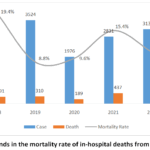 |
Figure 4: Trends in the mortality rate of in-hospital deaths from 2018 to 2022 |
Discussion
Medical Certificates of Cause of Death (MCCD) represent a reliable source of mortality statistics. Despite its flaws, the MCCD is still the primary source for information on how deaths are distributed and what causes them, depending on age, sex, ethnicity, and other demographic factors.1,4,29 We examined the various cause-specific mortality patterns and demographic diversity. The ratio of overall deaths among males (63.1%) and females (36.9%). Few authors noticed a similar result.1,30 As in many other studies, the population 18-<60 age range accounted for the majority of deaths (61%, n=965), with a median age of 53 years.31
The proportion of deaths by gender in this study indicates that males consistently exhibited a higher percentage of mortality compared to females throughout the 2018–2022 period. This pattern persisted during the COVID-19 pandemic (2020–2022), where the proportion of male deaths remained dominant. These findings align with various international studies demonstrating that males face a higher risk of COVID-19 mortality than females. An analysis across 73 countries reported that the infection fatality rate in males was higher than in females (3.17% vs. 2.26%), with greater odds of death observed in males (OR 1.22; 95% CI 1.13–1.32).32
This pattern is estimated to be associated with several factors, such as differences in immune response between males and females, a higher prevalence of comorbidities in males, and health behavior factors—including smoking habits and delays in seeking healthcare. Additionally, the peak in deaths observed in 2021 in this study is likely linked to the global surge of the COVID-19 pandemic, which led to an increase in severe cases and the demand for care at infectious disease referral hospitals. Consequently, the dominance of male mortality in this study is consistent with internationally reported COVID-19 mortality patterns during the pandemic.33,34
There was a statistically significant difference between age groups and the distribution of COD based on ICD-10 chapters, for both underlying and immediate causes of death, as indicated by a p-value <0.001. This suggests that the patterns of mortality differ significantly across different age categories.
Infectious diseases, including parasitic infections and respiratory illnesses, remain the primary direct causes of mortality, followed by non-communicable diseases (NCDs),particularly circulatory system disorders.4,30,31 A study based on the Global Burden of Disease shows that the death rate in Indonesia in 2019 was 951 per 100.000 population (95% CI 832-1020).35In a research employing verbal autopsy in Indonesia, approximately 66% of deaths were in the older population, whereas 13% and 21% were among persons aged 15–49 years and aged 0–14 years, respectively. Eighteen percent of the fatalities occurred in children under five years of age, with 77% happening among neonates and infants. Deaths occurred in53% male and 47% female. Stroke was found to be the major cause of mortality, accounting for 20.6% of deaths, followed by acute respiratory infections (ARIs) at 15.7%, other and unspecified cardiovascular diseases (CVD) at 9.8%, malaria at 6%, and tuberculosis (TB) at 5.9%, respectively.36
There was no statistically significant difference between gender and the distribution of either underlying or direct causes of death based on ICD-10 chapters. Consequently, the patterns of mortality distribution between males and females in this study are relatively similar.
A research in Malaysia examining causes of mortality based on medical records across 19 districts, encompassing 5,041 hospital deaths and 3,724 non-hospital deaths, indicated that the leading causes of death among males were ischaemic heart disease (15.4%) and CVD (13.7%), while the leading COD among females were CVD (18.3%) and ischaemic heart disease (12.7%).37 According to a verbal autopsy study in Thailand, the proportion of ill-defined causes of death has decreased from more than 53% to around 7%. In the cohort of individuals under 50 years of age, the registration data for 238 deaths characterized as ill-defined causesincluded 185 males and 53 females. Thirteen percent of males were reclassified as HIV/AIDS cases via verbal autopsy, with roughly seven percent each reallocated to stroke, transport accidents, alcohol abuse, ischemic heart disease, and other CVD. For persons aged 50 to 74 years, verbal autopsy reallocated ill-defined deaths across a diverse range of NCD in both genders.38
A study conducted in China discovered that CVD is the major cause of disease-related mortality in both urban and rural populations. In 2019, CVD caused 46.74% of deaths in rural regions and 44.26% in urban areas. CVD is responsible for two out of five fatalities. In that year, the CVD death rate in rural regions was 323.29 per 100,000, with heart disease contributing 164.66 per 100,000 and cerebrovascular disease contributing 158.63 per 100,000. The CVD death rate in urban regions was 277.92 per 100,000, with heart disease contributing 148.51 per 100,000 and cerebrovascular disease contributing 129.41 per 100,000.39
At SSIDH, during the observation period of 2018–2022, weekly mortality cases ranged from 0 to 17. However, in weeks 29 and 30 (July 2021), the cases peaked at 39 deaths per week. Given that the hospital exclusively treated COVID-19 patients from June 2020 to September 2021, all mortality cases during this period were COVID-19related.
Indonesia faced the COVID-19 pandemic from 2020 to 2022, during which various SARS-CoV-2 variants emerged over time. Throughout these two years, the WHO conducted surveillance on these variants, classifying them into three categories: Variants of Concern (VOC), Variants of Interest (VOI), and Variants Under Monitoring (VUM). The four previous VOCs were Alpha (B.1.1.7), Beta (B.1.351), Gamma (P.1), and Delta (B.1.617.2).40,41 Eachof these variants led to new pandemic waves and thousands of deaths across various countries and regions, reaching a global scale.
Research in England and Wales indicated that hospitals were the predominant location of death, accounting for 48% of cases. Regarding COVID-19-related deaths, 55% of the cases included men, with over two-thirds occurring in individuals aged 80 or older, while less than 2% occurred among individualsunder 50. In around fifty percent of the instances, COVID-19 (21,935 fatalities) or an unspecified cause (2,718 fatalities) was identified as the immediate cause of death. Furthermore, 39% of the fatalities (19,681 instances) were ascribed to respiratory diseases, comprising 18,264 associated with respiratory failure or infection and 639 linked to asthma, chronic obstructive pulmonary disease (COPD), or other chronic pulmonary conditions.42
At the onset of the pandemic in 2020, the number of cases decreased to 1,976 with 189 deaths (mortality rate of 9.6%). A decline in hospital visits during the early pandemic period was also reported globally, as the public postponed or avoided healthcare services due to concerns over COVID-19 infection. A systematic review by Moynihan et al., reported that global healthcare utilization decreased by approximately 37% during the pandemic, particularly in non-emergency services.43
In 2021, the number of cases increased to 2,831 with 437 deaths (mortality rate of 15.4%). This increase was likely associated with the global and Indonesian COVID-19 surges in mid-2021, driven by the Delta variant. Research by Twohig et al., indicates that Delta variant infections were associated with an increased risk of hospitalization compared to the Alpha variant.44
In accordance with data fromTanzania, the leading causes of death across 39 hospitals were malaria (12.75%), respiratory diseases (10.08%), and HIV/AIDS (8.04%). From 2006 to 2015, death rates from malaria (47%), HIV/AIDS (28%), and tuberculosis (26%) declined significantly. Nonetheless, newborn-related deaths soared by 128%. Malaria and anemia were the leading causes of death in children under five years of age, whereas TB and HIV/AIDS were the leading causes of death in adults.11
In 2016, NCDsaccounted for 72.3% (95%CI: 71.2%-73.2%) of mortality in 27 countries without vital register or verbal autopsy data. Communicable, maternal, neonatal, and nutritional (CMNN) disorders accounted for 19.3% (18.5–20.4) of deaths, whilst injuries contributed to 8.43% (8.00–8.67) of deaths. Between 1990 and 2016, there was a notable transition towards an increase in mortality at advanced ages, with a 178% (95% UI 176–181) rise in fatalities among individuals aged 90–94 years and a 210% (208–212) rise in deaths among those aged ≥ 95 years.45
There was a statistically significant difference between the length of stay (LOS) groups and the distribution of both underlying and direct causes of death based on ICD-10 chapters (p < 0.001). This indicates that mortality patterns differ significantly across each LOS category, including patients who died within less than 24 hours, 24–48 hours, and more than 48 hours of admission. The LOS is an important indicator for bothpatients and healthcare providers. In critical care settings, LOS has a substantial impact on patient satisfaction, healthcare costs, and the overall efficiency of healthcare services.46,47 It is influenced by factors specific to the complex environment of the intensive care unit. When other outcomes cannot be tracked, the LOS is often utilized as a proxy. For instance, it can serve as a substitute for mortality rates in hospitals or critical care units. Additionally, the LOS is another measure used to assess the severity of illnesses and the utilization of medical resources.47 The LOS is a vital consideration for the efficient planning and management of hospital resources.46
A study at a hospital in Malawi found that a diagnosis of NCD was associated with a prolonged hospital stay (coefficient 5.2, p <0.001) and an increased risk of in-hospital mortality (odds ratio 1.9, p = 0.03). The LOS for burn patients was significantly prolonged (coefficient 11.6, p < 0.001). Furthermore, we found that those under 40 had considerable occurrences of NCDs. To address this illness burden, hospitals must possess the requisite instruments and training.48
The average LOS dropped overall but was longer and fell less for hospitalisations with Infectious Disease (ID) diagnoses (from 6 to 5 nights) than for those without (from 5 to 4 nights). There was an increase in LOS with an ID diagnosis from 112 to 135 per 1,000 person-years. The rate of non-ID diagnoses declined concurrently from 877 to 503. The percentage of hospital admissions and inpatient stays with an ID diagnosis rose from 11% to 17% and from 11% to 21%, respectively.49
The diagnosis of respiratory disorders is one of the foremost causes of mortality globally and may include TB, lower respiratory infections, lung cancer, and COPD.According to Trunkey, infections or multiple organ failure caused 80% of subsequent hospital deaths.50A recent study indicated that among patients who died within 24 to 48 hours, 45% died to cerebral impairment, 42% to circulatory collapse or hemorrhage, and 9% to multiorgan failure.51The diagnosis of respiratory disorders is one of the foremost causes of mortality globally and may include TB, lower respiratory infections, lung cancer, and COPD.
This study has several limitations. The data were derived from MCCD and hospital medical records, which rely on diagnostic accuracy and the completeness of documentation; thus, there is a possibility of misclassification or non-specific classification of COD. Furthermore, as this study was conducted at a single infectious disease referral hospital, the findings may not fully represent mortality patterns in the general population. The study period, which coincided with the COVID-19 pandemic, may also have influenced the distribution of causes of death. Finally, due to its descriptive nature, this study cannot determine a causal relationship between patient characteristics, LOS, and COD.
Conclusion
Male mortality rates were more than twice as high as female mortality rates, and deaths in the elderly age category were at their highest levels. Respiratory system diseases were the primary causes of death associated with a length of stay exceeding 48 hours.
Acknowledgement
We would like to thank the President Director and Director of Human Resources, Education, and Research of Sulianti Saroso Infectious Disease Hospital for permitting the research to be conducted.
Funding Sources
The author(s) received no financial support for the research, authorship, and/or publication of this article.
Conflict of interest
The authors do not have any conflict of interest.
Data Availability Statement
This statement does not apply to this article.
Ethics Statement
This study received ethical approval from the Health Research Ethics Committee of Sulianti Saroso Infectious Disease Hospital (SSIDH) under approval number 23/XXXVIII.10/V/2023, on 10 May 2023.
Informed Consent Statement
This study did not involve human participants, and therefore, informed consent was not required.
Clinical Trial Registration
This research does not involve any clinical trials.
Permission to reproduce material from other sources
Not Applicable.
Author contributions
- Siti Maemun: Conceptualization, Data Analysis, Methodology, Writing – Review & Editing.
- Aninda Dinar Widiantari: Data Collection, Writing – Original Draft.
- Nourmalita Sari Putri: Data Collection, Data Analysis.
- Nina Mariana: Data Analysis, Writing – Review & Editing.
- Rivaldiansyah: Writing – Review & Editing.
- Tiara Zakiyah Pratiwi: Data Collection, Data Analysis
- Kunti Wijiarti: Data Collection, Data Analysis.
- Maria Lawrensia Tampubolon: Supervision.
- Mugi Wahidin: Writing – Review & Editing.
References
- Chourasia S, Dhaka S, Rautji R, Radhakrishna K. Epidemiological Profile of In-Hospital Deaths in a Tertiary Health Care Centre: A 3-Year Retrospective Study in Western Maharashtra. Journal of Medical Academics. 2021;3(2):38–42. doi:10.5005/jp-journals-10070-0054
CrossRef - Gupta M, Rao C, Lakshmi PVM, Prinja S, Kumar R. Estimating mortality using data from civil registration: a cross-sectional study in India. Bull World Health Organ. 2016 Jan;94(1):10–21. doi:10.2471/BLT.15.153585 PubMed PMID: 26769992.
CrossRef - Kumar R. Mortality Statistics in India: Current status and future prospects. Indian Journal of Community Medicine. 2022;47(4):476–8.
CrossRef - Dash SK, Behera BK, Patro S. Accuracy in certification of cause of death in a tertiary care hospital – A retrospective analysis. J Forensic Leg Med. 2014;24:33–6. doi:https://doi.org/10.1016/j.jflm.2014.03.006
CrossRef - Tulchinsky TH, Varavikova EA. Measuring, monitoring, and evaluating the health of a population. The New Public Health. 2014;91.
CrossRef - Deen J, Von Seidlein L, Clemens JD. Issues and challenges of public-health research in developing countries. Manson’s Tropical Infectious Diseases. 2014;40.
CrossRef - Pilar MR, Eyler AA, Moreland-Russell S, Brownson RC. Actual causes of death in relation to media, policy, and funding attention: examining public health priorities. Front Public Health. 2020;8:545333.
CrossRef - Hazard RH, Chowdhury HR, Adair T, Ansar A, Quaiyum Rahman AM, Alam S, et al. The quality of medical death certification of cause of death in hospitals in rural Bangladesh: impact of introducing the International Form of Medical Certificate of Cause of Death. BMC Health Serv Res. 2017;17:1–8.
CrossRef - Gamage USH, Adair T, Mikkelsen L, Mahesh PKB, Hart J, Chowdhury H, et al. The impact of errors in medical certification on the accuracy of the underlying cause of death. PLoS One. 2021;16(11):e0259667.
CrossRef - Chanda SL, Liusha N, Chansa A. Medical ward in-patient mortality patterns at a tertiary hospital in Urban Zambia: A one-year review June 2018-June 2019. Med J Zambia. 2020;47(2):132–42.
CrossRef - Mboera LEG, Rumisha SF, Lyimo EP, Chiduo MG, Mangu CD, Mremi IR, et al. Cause-specific mortality patterns among hospital deaths in Tanzania, 2006-2015. PLoS One. 2018;13(10):e0205833.
CrossRef - Case A, Deaton A. Mortality and morbidity in the 21st century. Brookings Pap Econ Act. 2017;2017:397.
CrossRef - Pakenham-Walsh N, Bukachi F. Information needs of health care workers in developing countries: a literature review with a focus on Africa. Human Resources for Health 2009 7:1. 2009 Apr 8;7(1):30-. doi:10.1186/1478-4491-7-30
CrossRef - Improving the Quality and Use of Birth, Death and Cause-of-death Information … – World Health Organization – Google Buku [Internet]. [cited 2026 Mar 10]. Available from: https://books.google.co.id/books? hl=id&lr=&id=-9MBuRVNjWUC&oi= fnd&pg=PP2&dq=particular+ causes+of+death+is+essential+ for+enhancing+community+health, +sources+of+such+information +are+still +scarce+and+insufficient+in +many+nations.&ots=zK d0hQlIyD&sig=fP__NY0y3MB 6YhwB3R 2IzwLUA0E&redir_esc=y#v=onepage&q&f=false
- Lafortune G, Balestat G. Trends in severe disability among elderly people: assessing the evidence in 12 OECD countries and the future implications. 2007.
- Hernandez JBR, Kim PY. StatPearls [Internet]. 2022 [cited 2024 Aug 13]. Epidemiology Morbidity and Mortality. Available from: https://www.ncbi.nlm.nih.gov/books/NBK547668/
- Mahendradhata Y, Trisnantoro L, Listyadewi S, Soewondo P, MArthias T, Harimurti P, et al. The Republic of Indonesia Health System Review. Vol. 7. 2017. 1 p.
- Stansfield SK, Walsh J, Prata N, Evans T. Information to improve decision making for health. 2011.
- Porcel-Gálvez AM, Barrientos-Trigo S, Gil-García E, Aguilera-Castillo O, Pérez-Fernández AJ, Fernández-García E. Factors associated with in-hospital mortality in acute care hospital settings: A prospective observational study. Int J Environ Res Public Health. 2020;17(21):7951.
CrossRef - WHO. International Statistical Classification of Diseases and Related Health Problems ICD-10: Instruction Manual. WORLD HEALTH ORGANIZATION -WHO Nternational Statistical Classification of Diseases and Related Health Problems ICD-10: Instruction Manual. Vol. 2. 2016;2:252.
- WHO. International Statistical Classification of Diseases and related health problems: Alphabetical index. Vol. 3. World Health Organization; 2004.
- World Health Organization (WHO). WHO [Internet]. 2026 [cited 2026 Dec 24]. ICD-10 Version 2019. Available from: https://www.who.int/standards/classifications/classification-of-diseases
- WHO. Cause of Death on the Death Certificate in Line with ICD 2015. WHO. 2015.
- Hart JD, Sorchik R, Bo KS, Chowdhury HR, Gamage S, Joshi R, et al. Improving medical certification of cause of death: effective strategies and approaches based on experiences from the Data for Health Initiative. BMC Med. 2020;18:1–11.
CrossRef - Walker S, Rampatige R, Wainiqolo I, Aumua A. An accessible method for teaching doctors about death certification. Health Inf Manag. 2012;41(1):4–10. doi:10.1177/183335831204100101 PubMed PMID: 22408110.
CrossRef - WHO. medical certification of cause of death. Geneva; 1979.
- Bove DG, Sørensen N, Timm H, Herling SF, Gjersøe P. Patient Characteristics of Persons Dead on Arrival Received in a Danish Emergency Department: A Retrospective Review of Health Records. J Emerg Nurs. 2021;47(4):582-589.e1. doi:https://doi.org/10.1016/j.jen.2021.01.007
CrossRef - Downloading IBM SPSS Statistics 20 [Internet]. [cited 2026 Mar 10]. Available from: https://www.ibm.com/support/pages/downloading-ibm-spss-statistics-20
- Statistics O for N. Guidance for doctors completing Medical Certificates of Cause of Death in England and Wales. Office for National Statistics, Home Office Identity & Passport Service …; 2010.
- Deepak C, Kishore RK, Babu M. Mortality trends in a tertiary care hospital in Mysore. International Journal of Health & Allied Sciences. 2018;7(2):80.
- Jiang J, May P. Proportion of deaths in hospital in European countries: trends and associations from panel data (2005–2017). Eur J Public Health. 2021;31(6):1176–83.
CrossRef - Ramírez-Soto MC, Ortega-Cáceres G, Arroyo-Hernández H. Sex differences in COVID-19 fatality rate and risk of death: An analysis in 73 countries, 2020-2021. Infez Med. 2021;29(3):402–7. doi:10.53854/liim-2903-11 PubMed PMID: 35146345.
CrossRef - Sieurin J, Brandén G, Magnusson C, Hergens MP, Kosidou K. A population-based cohort study of sex and risk of severe outcomes in covid-19. European Journal of Epidemiology 2022 37:11. 2022 Oct 27;37(11):1159–69. doi:10.1007/s10654-022-00919-9 PubMed PMID: 36301399.
CrossRef - Pradhan A, Olsson PE. Sex differences in severity and mortality from COVID-19: are males more vulnerable? Biology of Sex Differences 2020 11:1. 2020 Sep 18;11(1):53-. doi:10.1186/s13293-020-00330-7 PubMed PMID: 32948238.
CrossRef - Mboi N, Syailendrawati R, Ostroff SM, Elyazar IRF, Glenn SD, Rachmawati T, et al. The state of health in Indonesia’s provinces, 1990–2019: a systematic analysis for the Global Burden of Disease Study 2019. Lancet Glob Health. 2022;10(11):e1632–45.
- Wahab A, Choiriyyah I, Wilopo SA. Determining the cause of death: mortality surveillance using verbal autopsy in Indonesia. Am J Trop Med Hyg. 2017;97(5):1461.
CrossRef - Omar A, Ganapathy SS, Anuar MFM, Khoo YY, Jeevananthan C, Maria Awaluddin S, et al. Cause-specific mortality estimates for Malaysia in 2013: results from a national sample verification study using medical record review and verbal autopsy. BMC Public Health. 2019;19:1–12.
CrossRef - Polprasert W, Rao C, Adair T, Pattaraarchachai J, Porapakkham Y, Lopez AD. Cause-of-death ascertainment for deaths that occur outside hospitals in Thailand: application of verbal autopsy methods. Popul Health Metr. 2010;8:1–15.
CrossRef - of the Report TWC, Sheng-Shou HU. Report on cardiovascular health and diseases in China 2021: an updated summary. J Geriatr Cardiol. 2023;20(6):399.
CrossRef - Zabidi NZ, Liew HL, Farouk IA, Puniyamurti A, Yip AJW, Wijesinghe VN, et al. Evolution of SARS-CoV-2 Variants: Implications on Immune Escape, Vaccination, Therapeutic and Diagnostic Strategies. Viruses. 2023 Apr 1;15(4):944. doi:10.3390/V15040944 PubMed PMID: 37112923.
CrossRef - Tracking SARS-CoV-2 variants [Internet]. [cited 2026 Apr 14]. Available from: https://www.who.int/activities/tracking-SARS-CoV-2-variants
- Wu J, Mafham M, Mamas MA, Rashid M, Kontopantelis E, Deanfield JE, et al. Place and underlying cause of death during the COVID-19 pandemic: retrospective cohort study of 3.5 million deaths in England and Wales, 2014 to 2020. In: Mayo Clinic Proceedings. Elsevier; 2021. p. 952–63.
CrossRef - Moynihan R, Sanders S, Michaleff ZA, Scott AM, Clark J, To EJ, et al. Impact of COVID-19 pandemic on utilisation of healthcare services: a systematic review. BMJ Open. 2021 Mar 16;11(3). doi:10.1136/bmjopen-2020-045343 PubMed PMID: 33727273.
CrossRef - Twohig KA, Nyberg T, Zaidi A, Thelwall S, Sinnathamby MA, Aliabadi S, et al. Hospital admission and emergency care attendance risk for SARS-CoV-2 delta (B.1.617.2) compared with alpha (B.1.1.7) variants of concern: a cohort study. Lancet Infect Dis. 2022 Jan 1;22(1):35. doi:10.1016/S1473-3099(21)00475-8 PubMed PMID: 34461056.
CrossRef - Kassebaum NJ, Barber RM, Bhutta ZA, Dandona L, Gething PW, Hay SI, et al. Global, regional, and national levels of maternal mortality, 1990–2015: a systematic analysis for the Global Burden of Disease Study 2015. The lancet. 2016;388(10053):1775–812.
CrossRef - Stone K, Zwiggelaar R, Jones P, Mac Parthaláin N. A systematic review of the prediction of hospital length of stay: Towards a unified framework. PLOS Digital Health. 2022;1(4):e0000017.
CrossRef - Awad A, Bader–El–Den M, McNicholas J. Patient length of stay and mortality prediction: a survey. Health Serv Manage Res. 2017;30(2):105–20.
CrossRef - Olds P, Kachimanga C, Talama G, Mailosi B, Ndarama E, Totten J, et al. Non-communicable disease burden among inpatients at a rural district hospital in Malawi. Glob Health Res Policy. 2023;8(1):4.
CrossRef - Torisson G, Rosenqvist M, Melander O, Resman F. Hospitalisations with infectious disease diagnoses in somatic healthcare between 1998 and 2019: A nationwide, register-based study in Swedish adults. The Lancet Regional Health–Europe. 2022;16.
CrossRef - Trunkey DD. Trauma. Accidental and intentional injuries account for more years of life lost in the U.S. than ca[1] Trunkey DD. Trauma. Accidental and intentional injuries account for more years of life lost in the U.S. than cancer and heart disease. Among the prescri. Sci Am. 1983 Aug;249(2):28–35. PubMed PMID: 6623052.
CrossRef - Baker CC, Oppenheimer L, Stephens B, Lewis FR, Trunkey DD. Epidemiology of trauma deaths. The American Journal of Surgery. 1980;140(1):144–50.
CrossRef
 PlumX:
 Views: 600
  PDF Downloads:
141
PDF Downloads:
141 
Accepted on: 20-04-2026
Second Review by: Dr. Dunya Abd Al- Malik Mohammed Salih
Final Approval by: Dr. Hany Akeel Al-Hussaniy