Innocuity of Ceiba pentandra Stem-bark Decoction Extract on Rodents
 , Nathalie Ouedraogo1, Elisabeth Ouedraogo1, Maya Doukoure1, Filkpièrè Léonard Da2, Tééganimbé Jean Luc Kabore1, Abdelaziz Koussoube2, Balé Bayala1and Gourounga Raymond Belemtougri1
 1Department of Animal Biology and Physiology, Animal Physiology Laboratory, University Joseph KI-ZERBO, Ouagadougou, Burkina Faso
2Faculty of Science and Technology, Life and Earth Sciences Laboratory, University Norbert Zongo, Koudougou, Burkina Faso
Corresponding Author Email: basile.tindano@ujkz.bf
DOI : http://dx.doi.org/10.13005/bpj/3459
Download this article as:

Traditional plant-based medicines are widely used and often consumed repeatedly at unstandardized doses, underscoring the need for rigorous safety evaluation alongside efficacy. C. pentandra is a multipurpose species whose stem bark is used in traditional remedies and shows pharmacological potential, yet its toxicological profile remains insufficiently characterized. Here, we evaluated the oralacute and subacutetoxicity of the stem-bark decoction of C. pentandra in rodents. Acute toxicity was assessed in NMRI mice following a unique oral administration of 2000 mg/kg, with clinical observation for 14 days. Subacute toxicity was assessed in Wistar rats receiving oral doses of 100, 400, or 800 mg/kg daily for a period of 28 consecutive days; animals were allocated to six groups (n = 5/group), including a control and a satellite group to evaluate delayed effects. No mortality or obvious signs of toxic effects were reported in mice at 2000 mg/kg, indicating an LD₅₀ above 2000 mg/kg. In the 28-day study, body-weight gain did not differ significantly between treated and control rats (p > 0.05), and relative organ weights (liver, kidneys, spleen, lungs, heart, and adrenals) remained comparable across groups (p > 0.05). Haematological indices and serum biochemical parameters were likewise not significantly altered by treatment. Collectively, these findings suggest that the aqueous stem-bark decoction of C. pentandra does not elicit acute toxicity at 2000 mg/kg and is well tolerated under repeated oral exposure up to 800 mg/kg for 28 days, supporting its short- to medium-term safety within the tested dose range.
KEYWORDS:Ceibapentandra; Extract; Innocuity; Rodents; Safety
Introduction
Many medicinal plants have traditionally been used to treat or prevent various diseases. Traditional medicine remains widely relied upon in many regions, and plant-based remedies are often used repeatedly and sometimes at high or unstandardized doses, which increases the importance of safety evaluation alongside efficacy. Although these plants seem to be efficient, it is well known that some of them can increase the severity of diseases through toxicity. Such toxicity may be dose-dependent, time-dependent, or influenced by preparation method, co-administered products, and factors such as age, sex, pregnancy, or pre-existing disease. This toxicity can concern internal organs such as the lungs, liver, spleen, heart, and kidneys. Because these organs perform essential physiological functions, toxicity can manifest as systemic disturbances, even when external clinical signs are mild or absent. Then, the liver and kidneys play a crucial role in the struggle against toxicity. These organs are central to xenobiotic biotransformation and elimination and are therefore common target organs in preclinical safety studies. Therefore, it is important to assess the effect of any medicinal plant to ensure that these vital internal organs are safe from toxicity after use.
Ceibapentandra is a multipurpose species belong to the Malvaceae. It is also present across other tropical regions, and its broad distribution supports widespread traditional use and diverse preparation practices. C.pentandra is endemic to the seasonally dry tropical forests of Africa and America.1 Medicinal use across multiple countries suggests broad cultural acceptance, but also highlights the need for standardization and evidence-based safety evaluation because preparation methods and doses may differ substantially between settings. Among these multipurpose values, it can be noted that anti-inflammatory, nephroprotective, and antioxidant effects.2 These reported activities are often linked to bioactive secondary metabolites, which can confer therapeutic effects but may also contribute to toxicity depending on concentration and duration of exposure. Moreover, the effect of C.pentandra on osteoblast cell proliferation reinforces its anti-osteoporotic activity.3This cellular evidence supports potential therapeutic relevance, but it also underlines the importance of confirming that bioactive extracts do not cause off-target toxicity. Furthermore, the stem bark from C.pentandra is traditionally used to manage fever, gonorrhea, and as an aphrodisiac. Moreover, the bark of this plant’s stem hasahepatoprotective activity.4 Recent studies showed that the extract of C.pentandra leaves has antihypertensive, antipyretic, anti-inflammatory, and antioxidant activities.5-7 However, biological activities can differ markedly between plant parts and extraction methods, so toxicity findings from one part cannot be assumed for another. Although these multivalueuses of C.pentandra in traditional medicine, there are few studies on the toxicity of its stem bark extract. This knowledge gap limits the ability to define safe dose ranges, identify potential target organs, and support evidence-based recommendations for traditional use. The aim of this study was therefore to evaluate the toxic effect on NMRI mice and Wistar rats of a decoction extract of the stem bark.
Materials and Methods
C.pentandra stem bark sampling
A C.pentandra stem bark sample was collected in September 2023 between 6 and 11 AM in the Cascades region of Burkina Faso (Banfora). The sample was then washed with tap water and allowed to dry in laboratory conditions without dust and sunlight. The sample was identified and authenticated in the laboratory of Vegetal Biology and Ecology (LaBEV) of the University Joseph KI-ZERBO. A specimen was kept in this laboratory under the voucher number 7040.
Animals
Naval Medical Research (NMRI) female mice and Wistar rats from the University Joseph KI-ZERBO were used in the present study. The animals were bred under conventional conditions, namely at a room temperature of 22 ± 3 °C, with a 12-hour light/dark cycle and a relative humidity of 50 ± 10%. All the experiments were achieved in agreement with the University Joseph KI-ZERBO ethical committee for animal well-being under the number CE-UJKZ/2025-21.
Extraction preparation
Four (4) test samples, each weighing 200 g of stem-bark powder, were transferred to a 4-liter stainless steel beaker. For each sample, 1,000 mL of distilled water was added. Then, the mixture was homogenized using a glass rod and left to macerate for 30 minutes. The well-moistened mixture was placed on a baking sheet set to 250°C. The extract was boiled for 30 minutes, stirring occasionally with a glass rod. the extract was allowed to cool and filtered through a fine-mesh nylon cloth. The filtrate obtained was then centrifuged at 2,000 rpm for 10 minutes. The supernatants from the extracts were collected in flared glass crystallizing dishes and then placed in a ventilated oven set to 50°C.
Acute and subacute toxicity tests
Acute toxicity test
For the acute toxicity test by oral administration, the OECD Recommendation423 (Acute Toxic Class Method) was applied.8Six 10-week-old female mice (31.44 ± 0.55 g) were randomly divided into two groups. The first group, which was given distilled water, served as the control. The second group received a once-daily oral dose of 2000 mg/kg body mass of the C.pentandra stem decoction extract.The treatments were delivered orally via a gastric tube in a once-daily dose. Animals were closely monitored during the first 4 h after dosing for behavioral and toxicological changes, and thereafter observed daily for 14 consecutive days to record any clinical symptoms of toxicity and mortality. After the observation period ended, an additional set of three female mice of the same age and comparable body weight was treated under the same conditions with 2000 mg/kg to confirm the toxicity classification of the C. pentandra stem bark decoction extract. Animals were fasted for 4 h before dosing and were allowed access to pellets 1 h after extract administration.
After the test, animals were anaesthetized with the mixture of ketamine/lidocaine (0.7/1, v/v), and then blood was collected via cardiac puncture into EDTA tubes for haematological analysis.Animals were then sacrificed, and the liver, lungs, spleen, heart, and kidneys were removed and weighed.
Subacute toxicity study
The decoction extract of C.pentandra stem bark was evaluated for subacute oral toxicity in rats in accordancewith OECD Guidelines N°.407 on oral toxicity following repeated 28-daywith slight modifications.9 Thirty male eight-week-old Wistar rats, weighing 63±8.9 g, were randomly divided into six groups of five rats each. The control group was designated as group 1 and administered distilled water. The decocted extract of C.pentandra stem bark was administered orally to groups 2, 3, and 4 at doses of 100, 400, and 800 mg/kg body weight, respectively. Group 5 was considered a satellite group and treated with the highest dose of extract (800 mg/kg body weight). The last group was the satellite control group and was treated with distilled water. Treatments were administered orally by gavage once daily at the usual time, for 28 consecutive days, at a delivery volume of 1 mL/100 g body weight.The satellite and satellite control groups were maintained for an additional 14 days without treatment after the 28 days of treatment to detect delayed onset, persistence, or reversal of toxic effects.The signs of toxicity observed ranged from changes in the skin, coat, eyes, and mucous membranes to the appearance of secretions and excretions, as well as automatic activities (tearing, piloerection, pupil size, unusual breathing pattern) and strange behaviors.At completion of the treatment period, animals were anesthetized with the mixtureofketamine/lidocaine, and blood was sampled viacardiac puncture. The liver, lungs, spleen, heart, kidneys, prostate, seminal vesicles, and testicles were removed and weighed, and the relative organ weight of each organ was determined.
Blood samples from EDTA tubes were used for hematological parameters using an automated blood cell counter. These parameters were checked using an automatic counter and included white blood cells, platelets, red blood cells, hematocrits, and hemoglobin. Blood samples were collected in dry tubes, centrifuged at 3500 rpm for 15 minutes, and the serum was used for biochemical parameters analysis, including alanine aminotransferase, aspartate aminotransferase, creatinine, and urea.
Statistical analysis
Data were presented as mean±SEM. The Shapiro-Wilk normality test was also performed to ensure that the data could be used for an ANOVA one-way comparison with GraphPad Prism 8.4.3. Tukey post-test was performed to compare the groups. A statistical significance level of p < 0.05 was used.
Results
Acute toxicity
After a once-only exposure of 2000 mg/kg body weight of the extract, followed by 14 consecutive days of observations, no behavioral change or mortality was recorded. Moreover, after the 14-day observation period, a further dose of 2000 mg/kg body weight was administered to three additional female mice. The result was similar to the first test, confirming that the extract was not associated with mortality or behavioral change at this dose. The body weight parameters showed that mice of the treated and control groups recorded body weight gain without significative difference between the two types of groups (Table 1). The relative weights of liver, lungs, heart, spleen, and kidneys showed no significant differences between treated and control groups (Table2). Similarly, hematological data showed no significant difference between treated and control groups (Table3).
Table 1: Body weight evolution (g) after acute treatment with the dose of 2000 mg/kg body weight of the stem bark of C.pentandra
| Time (Weeks) | Control | Dose_Cb_2000_1 | Dose_Cb_2000_2 |
| D0 | 30.33±1.20 | 32.00±0.57 | 32.00±1.00 |
| D7 | 30.66±1.85 | 32.33±0.33 | 32.33±1.2 |
| D14 | 34.00±2.00 | 32.00±2.64 | 35.66±0.88 |
D0: Day of acute treatment
D7: Seven days after the acute treatment
D14: Fourteen days after the acute treatment
Control: Animals treated with distilled water
Dose_Cb_2000_1: Animals treated with the dose of 2000 mg/kg body weight of C.pentandra
Dose_Cb_2000_2: Other animals treated with the dose of 2000 mg/kg body weight of C.pentandra for confirmation.
Table 2: Relative weight of mice internal organs after acute treatment with the dose of 2000 mg/kg body weight of C.pentandra
| Organs (g/g*100) | Control | Cp_2000_1 | Cp_2000_2 |
| Kidneys | 0.9632±0.0583 | 0.9982±0.0336 | 0.9130±0.0279 |
| Liver | 5.011±0.128 | 5.587±0.683 | 5.226±0.1799 |
| Spleen | 0.3977±0.0411 | 0.5062±0.0672 | 0.4478±0.0218 |
| Heart | 0.3811±0.0153 | 0.4151±0.0149 | 0.3745±0.0211 |
| Lungs | 0.6419±0.0036 | 0.4658±0.0620 | 0.6605±0.0202 |
Control: Animals treated with distilled water
Cp_2000_1: Animals treated with the dose of 2000 mg/kg body weight of C.pentandra
Cp_2000_2: Other animals treated with the dose of 2000 mg/kg body weight of C.pentandra for confirmation.
Table 3: Blood parameters of mice after acute treatment with a dose of 2000 mg/kg
| Parameters | Control | Cp_2000_1 | Cp_2000_2 |
| White bloodcells (*103 /µL) | 3.10±0.05 | 2.33±0.49 | 2.7±0.10 |
| Redbloodcells (*103 /µL) | 8.81±0.06 | 9.49±0.07 | 8.29±0.18 |
| Hemoglobin (g/dL) | 14.57±0.12 | 15.20±0.20 | 13.70±0.50 |
| Platelets (*103 /µL) | 930.7±2.85 | 806.3±70.11 | 940.7±25.27 |
Control: Animals treated with distilled water
Cp_2000_1: Animals treated with the dose of 2000 mg/kg body weight of C.pentandra
Cp_2000_2: Other animals treated with the dose of 2000 mg/kg body weight of C.pentandra for confirmation.
Subacute toxicity
Body weight evolution of animals during the test
The decocted aqueous extract of C.pentandra stem barkdid not cause mortality of the rats or signs of toxicity during the twenty-eight consecutive days of treatment. During this period, the rats showed similar evolution in body weight gain (Figure 1). Similarly, the satellite groups (control and 800 mg/kg bw) recorded almost the same body weight gain during the fourteen days after the last administration. Moreover, no sign of toxic effects was recorded between the treated groups and the control group.
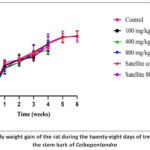 |
Figure 1: Body weight gain of the rat during the twenty-eight days of treatment with the stem bark of C.pentandra |
Relative weight of vital organs after treatment with stem bark extract
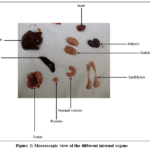 |
Figure 2: Macroscopic view of the different internal organs |
The vital organs, including the liver, kidneys, and heart (Figure 2), were safe after twenty-eight days of treatment with C.pentandra stem bark. Overall, the relative weight of these organs showed no significant difference betweenthe treated and control groups (Table 4). This similarity also includes macroscopic elements. Other organs, such as the spleen and adrenal glands, were examined and showed a safe appearance.
Table 4: Relative weight of capital internal organs at the end of the treatment with the stem bark of C.pentandra
| Organs (g/g*100) | Control | Cp_100 mg/kg | Cp_400 mg/kg | Cp_800 mg/kg | Satellite control | Satellite 800 mg/kg |
| Liver | 4.39±0.09 | 4.14±0.09 | 4.28±0.12 | 4.31±0.15 | 4.20±0.54 | 4.13±0.37 |
| Kidneys | 0.61±0.01 | 0.61±0.02 | 0.56±0.2 | 0.60±0.03 | 0.59±0.01 | 0.57±0.00 |
| Spleen | 0.45±0.05 | 0.44±0.03 | 0.47±0.05 | 0.45±0.01 | 0.36±0.01 | 0.39±0.03 |
| Adrenals | 0.02±0.00 | 0.03±0.01 | 0.02±0.00 | 0.03±0.01 | 0.02±0.00 | 0.03±0.00 |
| Heart | 0.43±0.03 | 0.46±0.03 | 0.48±0.02 | 0.43±0.03 | 0.40±0.02 | 0.42±0.03 |
| Lungs | 0.67±0.08 | 0.65±0.03 | 0.61±0.00 | 0.62±0.03 | 0.58±0.04 | 0.59±0.04 |
Cp_100 mg/kg: Animals treated with the dose of 100 mg/kg body weight of C.pentandra
Cp_400 mg/kg : Animals treated with the dose of 400 mg/kg body weight of C.pentandra
Cp_800 mg/kg : Animals treated with the dose of 800 mg/kg body weight of C.pentandra
Control satellite: Animals treated with distilled water and allowed to observations 14 days after the last administration
Satellite 800 mg/kg: Animals treated with the dose 800 mg/kg body weight of C.pentandra and allowed to observations 14 days after the last administration
Reproductive organs’ relative weight
No significant change was recorded between the relative organs, including the prostate, epididymis, and the seminal vesicles (Figure 2),of the treated groups and those of the control group. All the organs were also safe during macroscopic observations (Table 5).
Table 5: Reproductive organs’ relative weight of the rats at the end of the treatments with C.pentandra
| Organs (g/g*100) | Control | Cp_100 mg/kg | Cp_400 mg/kg | Cp_800 mg/kg | Satellite control | Satellite 800 mg/kg |
| Testicles | 1.41±00.2 | 1.40±0.04 | 1.50±0.05 | 1.55±0.07 | 1.33±0.04 | 1.41±0.07 |
| Epididymis | 0.52±0.05 | 0.52±0.03 | 0.43±0.03 | 0.50±0.02 | 0.48±0.06 | 0.51±0.03 |
| Prostate | 0.11±0.02 | 0.10±0.00 | 0.14±0.03 | 0.11±0.00 | 0.13±0.01 | 0.14±0.02 |
| Seminalvesicles | 0.45±0.00 | 0.46±0.04 | 0.35±0.03 | 0.32±0.04 | 0.44±0.05 | 0.44±0.04 |
Cp_100 mg/kg: Animals treated with the dose of 100 mg/kg body weight of C.pentandra
Cp_400 mg/kg : Animals treated with the dose of 400 mg/kg body weight of C.pentandra
Cp_800 mg/kg : Animals treated with the dose of 800 mg/kg body weight of C.pentandra
Control satellite: Animals treated with distilled water and allowed to observations 14 days after the last administration
Satellite 800 mg/kg: Animals treated with the dose 800 mg/kg body weight of C.pentandra and allowed to observations 14 days after the last administration
Hematological parameters after different treatments
The blood analysis included white cells, platelets, redcells, hemoglobin, and hematocrit; all treatments did not cause significant variation in these parameters (Table6). Thus, white cells, red cells, platelets, hemoglobin, and hematocrit showed similar values for treated groups in comparison to the control.
Table 6: Hematological parameters of rats after the different treatments with C.pentandra
| Parameters | Control | Cp_100 mg/kg | Cp_400 mg/kg | Cp_800 mg/kg | Satellite control | Satellite 800 mg/kg |
| White bloodcells (103/uL) | 4.58±1.00 | 4.02±0.54 | 4.39±0.77 | 3.98±0.55 | 3.55±0.43 | 3.97±0.42 |
| Platelets (103/uL) | 786.50±55.14 | 731.70±56.17 | 795.50±0.29 | 750.70±17.17 | 829.00±11.55 | 825.00±14.45 |
| Redbloodcells (106/uL) | 7.37±0.43 | 7.99±0.05 | 7.54±0.15 | 7.32±0.44 | 8.40±0.13 | 8.36±0.59 |
| Hemoglobin (g/dL) | 11.90±0.61 | 12.90±0.06 | 12.37±0.30 | 12.10±0.72 | 13.68±0.17 | 13.50±1.05 |
| Hematocrit (%) | 41.55±0.61 | 43.15±0.26 | 41.17±0.23 | 40.83±1.44 | 43.87±0.32 | 43.10±3.11 |
Cp_100 mg/kg: Animals treated with the dose of 100 mg/kg body weight of C.pentandra
Cp_400 mg/kg : Animals treated with the dose of 400 mg/kg body weight of C.pentandra
Cp_800 mg/kg : Animals treated with the dose of 800 mg/kg body weight of C.pentandra
Control satellite: Animals treated with distilled water and allowed to observations 14 days after the last administration
Satellite 800 mg/kg: Animals treated with the dose 800 mg/kg body weight ofC.pentandra and allowed to observations 14 days after the last administration.
Biochemical parameters after the differents treatment with C.pentandra
At the end of the treatment, the different doses cause a slight increase (p > 0,05) of aspartate aminotransferase (ASAT) compared with the control. In the same order, alanine aminotransferase showed a slight increase between the different dosegroups (100, 400, and 800 mg/kg bw) and the control. Creatinine leveldecreased at the dose of 800 mg/kg bw, although this decrease was not significant (p > 0,05) (Table 7). Blood glucose and urea levelsdid not change between the treated groups and the control group.
Table 7: Biochemical parameters of the rats at the end of treatments with C.pentandra
| Parameters | Control | Cp_100 mg/kg | Cp_400 mg/kg | Cp_800 mg/kg | Satellite control | Satellite 800 mg/kg |
| ASAT (UI/I) | 324.60±24.45 | 346.00±9.61 | 348.10±5.60 | 373.10±20.52 | 318.90±5.08 | 331.20±18.54 |
| ALAT (UI/I) | 138.10±9.39 | 147.40±3.00 | 147.00±0.55 | 158.70±3.06 | 141.10±4.95 | 143.60±12.02 |
| Creatinine (µmol/l) | 54.30±2.90 | 54.20±0.58 | 53.10±2.15 | 47.25±2.11 | 58.60±1.10 | 61.40±4.73 |
| Urea (mmol/l) | 16.24±0.45 | 16.62±0.44 | 16.83±0.22 | 16.43±1.32 | 15.62±0.44 | 14.37±1.34 |
| Blood glucose (mmol/l) | 3.50±0.30 | 3.27±0.36 | 2.94±0.24 | 3.11±0.25 | 3.86±0.20 | 3.53±0.33 |
Cp_100 mg/kg: Animals treated with the dose of 100 mg/kg body weight of C.pentandra
Cp_400 mg/kg : Animals treated with the dose of 400 mg/kg body weight of C.pentandra
Cp_800 mg/kg : Animals treated with the dose of 800 mg/kg body weight of C.pentandra
Control satellite: Animals treated with distilled water and allowed to observations 14 days after the last administration
Satellite 800 mg/kg: Animals treated with the dose 800 mg/kg body weight of C.pentandra and allowed to observations 14 days after the last administration
Discussion
Ceibapendandra leaves have been investigated in several studies for biological activities, including antioxidant, antihypertensive, and toxicological effects. However, comparatively few investigations have focused on the toxicity of the stem bark. Therefore, this study aimed to evaluate the acute and subacute toxicity of an aqueous extract obtained by decoction of the stem barkof this plant.
Acute toxicity investigation showed that the decocted extract of C.pentandra stem bark did not cause death at the dose of 2000 mg/kg bw. Similarly, this extract did not provoke detectable side effects during the fourteen days of observations. Subsequently, this stem bark decocted extract is not toxic and can be used for its medicinal properties. These findings suggest that, under the conditions of this study, the acute oral median lethal dose (LD₅₀) of the aqueous stem bark decoction extract is superior to 2000 mg/kg body weight. This is consistent with previous reports on C. pentandra leaf extracts. Sarkiyayiet al.10 reported that the LD₅₀ of aqueous and methanolic extracts of fresh leaves was superior to 5000 mg/kg bw. Recently, Gnamienet al.6 and Silué et al.7 reported that the leaves extract of this plant presents a lethal dose fifty (LD50) greater than 2000 mg/kg. Moreover, the extract did not show signs of toxicity on internal organs after 14 days of observation. Nevertheless, it is important to interpret the absence of mortality and overt clinical signs as evidence of low acute toxicity rather than definitive proof of safety, because subtle tissue damage may occur without clear behavioral changes.
Pharmacological investigations showed that C.pentandra is a medicinal plant with several properties, including anti-cancer, anti-inflammatory, hepatoprotective, anti-Alzheimer, and antihyperglycemic properties, with antidiabetic activity being among the most frequently documented. 1 As chronicdiseases such as diabetes and cancer typically require prolonged treatment, repeated exposure to plant products is likely in real-world use. Therefore, subacute toxicity evaluation is important to support the safe development and use of C. pentandra-based preparations.
During the period oftreatment, both the treated and control groups exhibited body weight gain. Maintenance of normal growth patterns suggests that the extract did not cause major systemic toxicity that would suppress appetite or impair metabolic status. Indeed, the body weight gain depends on the food intake and metabolic activities of the animals. Therefore, animals of the test and control groups showed similar eatingpatterns and presented similar body weight gain. This observation aligns with findings by Gnamien et al. 6, who reported that aqueous leaf extract of C.pentandra did not significantly alter body weight compared with controls. To ensure that the extract is safe after repeated doses, it is recommended to examine the relative weight of the internal organs. The relative weight of capital organs such as liver, spleen, kidneys, lungs, and reproductive organs (testicles, seminal vesicles, prostate, and epididymis) did not differ significantly in comparison tothe control group. In the same way, fourteen days after the last administration, the relative weight of these organs remained in the same order as in the control group. These results are an indicator that there was no toxicity sign which can cause changes in the weight of internal organs. 11Moreover, biochemical parameters, including ALAT, ASAT, creatinine, and urea, are used to determine a product’s effects on hepatic and renal function. Generally, ALAT is a cytosolic enzyme that is found in high concentrations in the liver cells and can be found in the serum at low levels. When the level of ALAT increased after administration of a substance or plant product, that means these products are hepatotoxic. 12 The present study showed that the level of this enzyme was similar between control and treated groups; the C.pentandra aqueous extractdid not induce a toxic effect on hepatic cells. Previously, Gnamien et al.6 and Koussoubé et al.11 reported that the extract without toxic effect did not provoke an increase in serum ALAT level when compared to the treated and control groups.
Haematological parameters also remained within a comparable range across treated and control groups, including white cells, red cells, and platelets. Because haematopoiesis is regulated largely by bone marrow function, haematological indices can serve as sensitive indicators of systemic toxicity or marrow suppression. 13 More broadly, haematological parameters reflect overall physiological status and can be altered by inflammatory responses, haemolysis, or toxicant-induced suppression.14 Exposure to toxic substances can lead to hematological perturbation. The red blood cell count can reveal the presence or absence of anemia, whereas white blood cells are involved in the immune system. The present extract does not interfere with red blood cell production and the immune defense system involving white blood cells. Our results are in line with those of Gnamien et al.6 who found that the leaves extract of C.pentandra does not cause hematological toxicity.
Conclusion
Collectively, these findings suggest that the aqueous stem-bark decoction extract of C.pentandra does not elicit acute toxicity at 2000 mg/kg and is well tolerated under repeated oral exposure up to 800 mg/kg for 28 days, supporting its short- to medium-term safety within the tested dose range. The use of this type of extract for pharmacological purposes does not present a toxicological hazard for human health. Nevertheless, further investigations are need to assess the effect of the extract on long-term use and to screen its chromatographic profile.
Acknowledgement
We are grateful and thank the responsible person of the animal house of the University of KI-ZERBO for providing rat and mice.
Funding Sources
The author(s) received no financial support for the research, authorship, and/or publication of this article.
Conflict of Interest
The author(s) do not have any conflict of interest.
Data Availability Statement
This statement does not apply to this article.
Ethics Statement
The present study involved animals and was approved by the ethics committee of the University of Joseph KI-ZERBO under the number CE-UJKZ/2025-21.
Informed Consent Statement
This study did not involve human participants, and therefore, informed consent was not required.
Clinical Trial Registration
This research does not involve any clinical trials
Permission to reproduce material from other sources
Not applicable.
Author Contributions
- BasileTINDANO : Conceptualization, methodology, data analysis, and original draft writing
- Nathalie OUEDRAOGO :Methodology and data analysis
- Elisabeth OUEDRAOGO :Contribution on draft writing
- Maya DOUKOURE :Contribution on draft writing
- Filkpièrè Léonard DA :Supervision and data analysis
- Tééganimbé Jean Luc KABORE : Draft correction
- AbdelazizKOUSSOUBE :Draft correction ;
- BaléBAYALA : Supervision and correction of the draft
- Gourounga Raymond BELEMTOUGRI : Supervision and correction of the draft
References
- Chan EWC, Yeong SW, Wong CW et al., Ceibapentandra (L.) Gaertn.An overview of its botany, uses, reproductive biology, pharmacological properties, and industrial potentials. J Applied Biol&Biotechnol,2023;11(1): 1-7. DOI: 10.7324/JABB.2023.110101
CrossRef - Abouelela ME, Orabi MAA, Abdelhamid RA et al., Ethylacetateextract of Ceibapentandra (L.) Reduces methotrexate-induced renal damage in rats via antioxidant, anti-inflammatory, and antiapoptotic actions. J Traditional and Complement Med, 2020;10: 478-486.DOI: 10.1016/j.jtcme.2019.08.006
CrossRef - Chauhan S, Sharma A, Upadhyay NK, Singh G, Lal UR, Goyal R.In-vitro osteoblast proliferation and in-vivo anti-osteoporotic activity of Bombaxceiba with quantification of Lupeol, gallic acid and β-sitosterol by HPTLC and HPLC. BMCComplement Alternat Med, 2018;18(233): 1-12.https://doi.org/10.1186/s12906-018-2299-1
CrossRef - Bairwa NK, Sethiya NK, Mishra SH.Protective effect of stem bark of Ceibapentandra against paracetamol-induced hepatotoxicity in rats. Pharmacognosy Research, 2010;2(1): 26-30.DOI: 10.4103/0974-8490.60584
CrossRef - Silué GNA, Belemlilga MB, Djadji ATL et al. Anti-inflammatory and antioxidant activities assessment of an aqueous extract of Ceibapentandra(L.) Gaertn. (Malvaceae). RPS Pharm Pharmacol Reports, 2023; 2: 1–8.https://doi.org/10.1093/rpsppr/rqad037
CrossRef - Gnamien N’dA, Zahoui OS, Kassi Y, Nene Bi SA.Acute and subacute toxicities of an aqueous leaves extract of Ceibapentadra (Bombacaceae), an antihypertensive plant, and its ethanolic fraction in Wistar rats.J Pharm Phytochem, 2024; 13(3): 23-30. https://doi.org/10.22271/phyto.2024.v13.i3a.14939.
CrossRef - Silué GNA, Djadji ATL, Belemlilga MB, Kousse JN, Kouakou-Siransy G.Antipyretic activity and acute toxicity evaluation of Ceibapentandra(Malvaceae) and Ipomoea pes-caprae(Convolvulaceae) extracts. J Drug Deliv and Therap, 2025;15(8):50-59.http://dx.doi.org/10.22270/jddt.v15i8.7274
CrossRef - Guideline for testing of chemicals, acute oral toxicity – Acute Toxic Class Method, 2001;423, 14 p
- Guidelines for the testing of chemicals, repeated dose 28-day oral toxicity study in rodents, 2025;407, 15p.
- Sarkiyayi S, Ibrahim S, Abubakar MS. Toxicological studies of Ceibapentandra Adv J of Microbiol Res, 2009;3(7):279-281.http://www.academicjournals.org/AJBR
- Koussoubé A, Da FL, Tindano B., Kaboré TJL, Ouedraogo E, Bayala B.Acute and subacute toxicity of Lanneaacida rich hydroethanolic trunk bark extract on Wistarrats and NMRI mice. Biomed &Pharmacol J, 2025 ;18(1) : 1031-1042.https://dx.doi.org/10.13005/bpj/3151
CrossRef - Ermaya YS, Prasetyo D. How to interpret liver function test in daily practice. Arch PedGastroenterol, Hepatol, Nutr, 2023;2(1):40-52. https://doi.org/10.58427/apghn.2.1.2023.40-52
CrossRef - Patel A, Radia D.Haematopoiesis-the formation of blood cells. Med Unit Kingd, 2017;45(4) : 194-197, https://doi.org/10.1016/j.mpmed.2017.01.004
CrossRef - Afolabi OK, Akinyele AA, Sulyman RA, Bello HB, Onyemuwa C, Akomolafe AP. Assessment of hematological parameters in male Wistar rats administered with dichlorvos and carbofuran. Inter J Res And InnovApplSc, 2025;5(2) : 332-335.https://doi.org/10.51584/IJRIAS.2025.10020028
CrossRef
Abbreviations
102:100
103:1000
106: 1000000
%: percentage
µL: microliter
µmol: micromole
ALAT: alanine aminotransferase
ANOVA: One-way analysis of variance
ASAT: Aspartate aminotransferase
bw: body weight
Cb: Ceibapentandra
CE: Ethicscommittee
D0: Day of acute treatment
D7: Seven days after the acute treatment
D14: Fourteen days after the acute treatment
dL: deciliter
EDTA: Ethylene Diamine Tetraacetic Acid
g: gram
h: hour
kg: kilogram
L: liter
LD: lethal dose
mg: milligram
NMRI: Naval Medical Research Institute
OECD: Organization for Economic Cooperation and Development
UJKZ University Joseph KI-ZERBO
 PlumX:
 Views: 535
  PDF Downloads:
173
PDF Downloads:
173 
Accepted on: 09-04-2026
Second Review by: Dr. Aditya Vikram Jain Parmar
Final Approval by: Dr. Prabhishek Singh