An Evaluation of Infantile Haemangiomas: Clinical Presentation, Complications, and Distinct Approaches of Therapy and Management
 , Volodymyr Dzhyvak2, Yaroslav Bilyk3, Ihor Krycky4, Oleksandra Oleshchuk5and Mariia Shanaida6
 1Department of Medical Biology, I. HorbachevskyTernopil National Medical University, Ternopil, Ukraine
2Department of Children’s Diseases and Pediatric Surgery, I. HorbachevskyTernopil National Medical University, Ternopil, Ukraine
3Department of Medical Biology, I. Horbachevsky Ternopil National Medical University, Ternopil, Ukraine
4Department of Children’s Diseases and Pediatric Surgery, I. HorbachevskyTernopil National Medical University, Ternopil, Ukraine
5Department of Pharmacogy and Clinical Pharmacogy, I. HorbachevskyTernopil National Medical University, Ternopil, Ukraine
6Department of Pharmacognosy and Medical Botany, I. HorbachevskyTernopil National Medical University, Ternopil, Ukraine
Corresponding Author Email: shanayda@tdmu.edu.ua
DOI : http://dx.doi.org/10.13005/bpj/3421
Download this article as:

Congenital vascular malformations can present in various ways. They may appear as a simple vascular spot in some cases, while in others, they can grow symptomatically, leading to significant disfigurement and potentially life-threatening conditions. Infantile hemangioma is a notable medical issue in childhood that necessitates a thorough approach to diagnosis and treatment. This comprehensive review provides the most recent information regarding the pathogenesis, clinical characteristics, diagnosis, and management of infantile hemangiomas. The literature search was conducted using databases such as PubMed, Web of Science, and Scopus databases as well as clinical trials repositories. The selection criteria included peer-reviewed articles, meta-analyses, relevant book chapters, and clinical studies published over the last 15 years (2011–2026). The search strategy incorporated various keywords, including “infantile hemangioma,” “tumor,” “infant,” “clinical aspects,” “treatment,” “pediatric,” and “children.” Inclusion criteria encompassed studies that diagnosed cutaneous infantile hemangiomas, those requiring treatment, or cases of infantile hemangiomas that were untreated at the time of enrollment and could tolerate imaging procedures. Exclusion criteria included the absence of a normal site for study control, the presence of other vascular abnormalities, inability to tolerate imaging procedures, non-peer-reviewed articles, conference abstracts, and studies lacking sufficient methodological details.
KEYWORDS:Children; Clinical aspects; Infantile haemangioma; Treatment; Vascular anomaly; Vascular tumor
Introduction
Infantile haemangioma is the most common type of vascular tumor found in children.Infantile hemangioma (IH) is the most common benign vascular tumor in children, characterized by a unique life cycle: rapid postnatal proliferation during the first months of life, followed by slow spontaneous involution that can last several years. At the molecular level, IE differs from other vascular anomalies by the obligatory expression of the GLUT-1 marker (glucose transporter type 1), which histologically identifies the tumor endothelium. Although most IG are clinically uncomplicated, their location in internal organs (particularly the liver) or a large area of involvement can lead to serious systemic disorders, such as high-output heart failure or consumptive hypothyroidism.1,2
According to ISSVA (International Society for the Study of Vascular Anomalies) classification, 2018,all vascular anomalies are divided into basic two groups: vascular tumors and vascular malformations, which are fundamentally different not only by their pathophysiological and structural features, but also according to the clinical signs1. This places a specificrole on the importance in the division of these groups to choose the correct treatment and care.2A clear distinction should be made between vascular tumors (such as infantile haemangioma), which are characterized by cellular proliferation, and vascular malformations (venous, lymphatic, etc.), which are structural defects of blood vessels without signs of active proliferation. For infantile haemangioma sometimes are used such tems as “juvenile haemangioma”, “capillary haemangioma”, “strawberry birthmark”, “strawberry haemangioma”, or “strawberry nevus”.
The dichotomous split into vascular tumours and vascular malformations was initially put forward in 1982, and this fundamental idea is retained in contemporary classification. Alongside that, understanding of vascular anomalies has notably advanced through subsequent decades.3,4 Genetic susceptibility sites for many of these were established, novel nosological entities were outlined, sundry pathogenesis mechanisms were uncovered, and fresh treatment modalities were put into practice. In previous works, for example, it was posited that the main pathogenic origins of lymphatic malformations were issues in the embryological progress of lymphatic vessels with subsequent lack of lymphatic conduits and venous vessel connections. In more recent publications, justifications are offered that lymphatic malformations are not outcomes of vasculogenesis flaws but stem from random genetic deviations in specific cells which will enable targeted therapy.5
They are also part of LUMBAR associationsyndrome and PHACE(S) association/syndrome.6Risk factors include anemia in pregnancy, preterm premature rupture of membranes, threatened miscarriage, placenta previa, abnormal amniotic fluid volume, premature rupture of membranes, prematurity, multiple gestations, low birth weight, female sex, progesterone therapy, Caucasian heritage, and family and miscarriage history.7, 8
Infantile haemangioma (IH) is the most common benign vascular tumor in children, occurring in 4–5% of infants, with a significantly higher incidence among premature infants and girls. Unlike vascular malformations, which are present at birth and grow in proportion to the child’s development, IH has a unique biological cycle consisting of three phases: intensive proliferation (usually in the first 6–9 months), stabilization (plateau), and gradual spontaneous involution, which can last up to 5–10 years. A pathognomonic feature of hemangiomas is the immunohistochemical expression of the glucose transporter GLUT-1, which is normally found only in the endothelium of blood vessels with a barrier function (e.g., the blood-brain barrier or the placenta). Although most hemangiomas are cutaneous and do not require aggressive intervention, visceral forms – particularly liver hemangiomas – pose a significant clinical challenge. Depending on their size and location, they can cause serious systemic complications: ranging from high-output heart failure due to arteriovenous shunting to rare but dangerous tuberculous hypothyroidism caused by the tumor’s enzymatic activity.2
Haemangioma is benign tumor that develop from blood vessels. They are characterized by rapid growth, particularly during the first years of life, followed by gradual regression.9, 10 These neoplasms may be located on the external skin surface or within internal organs.
Haemangiomas are classified as cavernous or capillary, hich depends on the type of blood vessels from which they arise.11 As the revised ISSVA classification of vascular anomalies (2018), kaposiform hemangioendothelioma denote local assertive or borderline neoplasms, distinguished by indications of malignant intrusive burgeoning yet possessing no spread to other sites. In the newborn stage of existence kaposiform hemangioendothelioma might be wrongly identified as infantile or congenital haemangioma, nevertheless, kaposiform hemangioendothelioma relates to a more forceful clinical progression and poorer outlook.12, 13
In cases where haemangiomas cause severe symptoms or complications, consultation with a specialist, such as a dermatologist, surgeon, or oncologist, is recommended. Careful monitoring of changes in size, shape, or symptoms is essential for timely detection of potential complications and selection of optimal treatment.
This study aimed to conduct a systematic review and analysis of the literature available in PubMed, Web of Science, and Scopus databases as well as clinical trials repositories regarding haemangiomas and to present the findings in a scientific publication.
Materials and Methods
The literature search was performed using clinical trials, databes of WHO, PubMed, Web of Science and Scopus databases. The selection criteria included clinical studies, peer-reviewed articles, metaanalyses, and relevant book chapters published over the last 15 years (2011–2026). The search strategy involved using keywords such as vascular anomalies, infantile haemangioma, tumor, infant, children.
Among the inclusion criteria were studies that (1) diagnosis of a cutaneous infantile haemangioma (2) diagnosis of haemangioma requiring treatment (treatment includes: propranolol or topical timolol) or diagnosis of an infantile haemangioma that will not be treated at the time of enrollment (3) able to tolerate imaging procedures(4) were published in English. Among the exclusion criteria were (1) no available normal site for study control (2)other vascular anomaly(3) not able to tolerate imaging procedures (4) non-peer-reviewed articles, editorials, and conference abstracts, as well as (6) studies with insufficient methodological details.
Results
An analysis of clinical cases demonstrated a clear correlation between the morphological type of vascular lesion and the severity of systemic manifestations. In a study of a group of patients with confirmed infantile hepatic hemangiomas, it was noted that focal lesions remained asymptomatic in 92% of cases, whereas diffuse forms were invariably accompanied by signs of heart failure or endocrine dysfunction. Laboratory monitoring revealed a critical decrease in free T4 levels against a background of compensatory TSH elevation in infants with a total tumor volume exceeding [specify value] cm³, confirming the metabolic load threshold at which D3 activity exceeds the functional reserves of the thyroid gland. At the same time, dynamic monitoring during propranolol therapy showed an initial decrease in signal intensity on Doppler mapping as early as the second week of treatment, preceding visible regression of the neoplasm’s size. 10, 12
It typically exhibits swift expansion in bulk with certain steadiness over duration but solely without full fading even following treatment. The pairing of kaposiform hemangioendothelioma and Kasabach-Merritt occurrence in recent infants constitutes a peril to existence grouping (Fig. 1). It is important to differentiate between vascular neoplasms: the so-called Kasabach-Merritt phenomenon (severe thrombocytopenia and consumption coagulopathy) is a specific complication of Kaposi’s hemangioendothelioma (KHE) or plexiform angioma. This phenomenon is not characteristic of common infantile haemangiomas, despite their potentially large size, which is a key point for avoiding clinical confusion when establishing a diagnosis.
The occurrence bearing the designations of the originators who initially noted it in 1940 and is defined by adepleting coagulopathy (diminished fibrinogen measure and raised fibrin breakdown products), and marked thrombocytopenia observed as a consequence of platelet entrapment within the lesion.14 Despite the considerable illness and death occurrence, there exist no evidence-supported standard diagnostic and curing procedures.
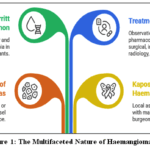 |
Figure 1: The Multifaceted Nature of Haemangiomas |
Treatment of haemangiomas includes a wide range of approaches, from observation and expectant management to active intervention (Table 1). The decision to initiate therapy may be determined by the size, location, and pathogenesis of the haemangioma. Pharmacological therapy, laser therapy, surgical excision, interventional radiology, and cryomedicine represent some of the available treatment options.10, 15, 16
Table 1: Examples of completed clinical trials regarding Infantile Haemangioma (clinicaltrials.gov).
| ClinicalTrials.gov ID | Official Title | Location | Condition | Study type | Intervention / Treatment | Subjects |
| NCT0206173517 | Ontogeny of Infantile Haemangiomas with Skin Imaging Modalities |
Cincinnati, Ohio, United States | Infantile Haemangiomas | Observational | Oral propranolol, topical timolol and untreated (observation) | 118 |
| NCT0060101618 | A Phase II Study of Imiquimod 5 % Cream for the Treatment of Haemangioma inInfancy |
Montreal, Quebec, Canada | Haemangioma, Capillary | Interventional, Phase 2 | Drug:cream Imiquimod 5% from 3 to 7 times per week; maximum of 4 months | 18 infants |
| NCT0667785319 | Timolol Maleate Gel for the Treatment ofInfantile Haemangioma |
Shanghai, Shanghai Municipality, China | Infantile Haemangioma |
Phase 3 | Drug: Timolol Maleate Gel and PlaceboDrug:Timolol Maleate Gel
Drug:Placebo 3 times a day (in the morning, noon, in the evening) for 24 weeks |
168 |
| NCT0410551720 | Hemangiol, Post Marketing Surveillance Study (postHemangiol) |
Montpellier, France | Infantile Haemangioma | Observational | Hemangiol’s dose: 1, 2, 3 or 4 mg / kg / per day in 2 doses | 500Infantsaged 0 to 1 years |
| NCT0168539821 | Topical Timolol for Superficial Infantile Haemangioma | Bangkoknoi, Bangkok, Thailand | Haemangioma | Interventional, Phase 3 | Drug:eye drop 0.5% timolol maleateDrug:Normal saline
Topical timolol for 6 months; 4 times per day; application of 1-2 drops of timolol solution on the lesion |
48 |
| NCT0273128722 | Topical Timolol forInfantile Haemangiomain Early Proliferative Phase |
Barselona, Spain | Haemangioma | Interventional, Phase 2 | Drug:TimololDrug:Placebo
topical 0.5% timolol 2 times per day for 24 weeks |
70 |
| NCT0121108023 | Off Label Use of Propranolol for Infancy Haemangiomas (PIHS) | Hannover, GermanyHanover, Lower Saxony, Germany
Hildesheim, Lower Saxony, Germany |
Haemangioma | Observational | Drug:PropranololTreatment was started at 1mg/kg/day and increased after 24 hours | 72infants |
| NCT0043394024 | Immune Suppression of Infants Treated with Steroids | Milwaukee, Wisconsin, United States | Haemangioma | Observational | Drug:PrednisoloneEvaluation will occur 12 weeks after discontinuing the steroid for its long-term effects on the immune system | 16infants |
| NCT0107204525 | Comparative Study of the Use of Beta Blocker and Oral Corticosteroid in the Treatment ofInfantileHaemangioma |
São Paulo, São Paulo, Brazil | Haemangioma | Interventional, Phase 2 | Drug:PropranololDrug:Prednisone | 50 |
| NCT0214588426 | Topical Timolol Gel for the Treatment ofInfantileHaemangiomas | San Diego, California, United States | Haemangioma | Interventional, Phase 2 | Drug:timolol maleate 0.5% gelto place 1 to 2 drops twice a day in the center of the haemangioma | 26 |
| NCT0101030827 | Nadolol for Proliferating Infantile Haemangiomas | Toronto, Ontario, Canada | InfantileHaemangioma | Interventional, Phase 2 | Drug:Nadolol | 20infants |
Haemangioma is a soft tissue tumour of vascular origin. This type of tumour most commonly occurs in children, predominantly localised to the skin.28 A characteristic feature of haemangiomas is their relatively rapid growth, particularly during the first months of life. In most cases, haemangiomas are present at birth, while less commonly they develop during the first months of life. Typically, the tumour affects the skin and soft tissues; however, various organs may also be involved.29
Discussion
Infantile haemangiomas are a subtype of haemangiomas that arise during the first months of life and typically grow during the first six months, after which they may gradually decrease in size over several years.30 These haemangiomas are usually bright red or purple in colour and may be raised or flat. They are most commonly located on the face, head, neck, or trunk. Infantile haemangiomas are considered benign and often do not require active treatment, as they frequently resolve spontaneously during the early years of life. However, in certain cases–particularly when the haemangioma is large or located in critical anatomical regions – medical intervention may be required.31
Treatment generally begins with an observation-and-waiting strategy, as many haemangiomas resolve spontaneously. Nevertheless, in some cases, especially when lesions are large or dangerously located, active treatment may be necessary. Large or internal haemangiomas may pose health risks, particularly if they compress surrounding organs or structures. Diagnosis of haemangiomas is typically based on clinical features and imaging studies such as ultrasonography, computed tomography, or magnetic resonance imaging. Accurate assessment of haemangioma size and characteristics assists in determining the most appropriate treatment strategy.32
These advances contribute to improved diagnostic and therapeutic approaches, reducing the risk of complications and enhancing patient prognosis. However, further research and clinical trials are required to translate these findings into routine clinical practice.33
Haemangioma is a benign soft tissue tumor of vascular origin. The pathogenesis of infantile haemangiomas is not studied yet. Such pathology is caused by abnormal activation of blood vesells endothelial cells, which leds to thelocal clonal expansion. Haemangiomas are understood to be clonal expansions of cells derived from embolized placental cells or bone marrow cells.This idea alignswith the observation that the expression patterns of cellular markers – suchas GLUT-1, merosin, FcRII, Lewis Y antigen, type 3 iodothyronine deiodinase, indoleamine 2,3-dioxygenase, and IGF2 – as well as the transcriptomes in infantile haemangioma tissue,closelyresemble those found in endothelial cells (ECs) of fetal microvessels in the human placenta.34This metabolic change, caused by hypoxia and increased GLUT-1 expression, activates HIF-1α stabilization in endothelial cells, which triggers angiogenic signaling pathways (including VEGF) to adapt the vascular network to low oxygen levels.
Furthermore, Strub et al. identified that the chromosome 19 miRNA cluster (C19MC), known for its expression in the placenta, is also expressed in infantile haemangioma ECs. Elevated levels of circulating C19MC miRNA have been detected exclusively in patients with infantile haemangiomas, with concentrations correlating to tumor size and responsiveness to oral propranolol treatment. This discovery has positioned C19MC miRNA as a promising potential biomarker for infantile haemangiomas. Additionally, various studies indicate that hypoxia – whether occurring in utero or locally – may act as a key trigger for haemangioma development. The proliferative phase of haemangiomas is thought to represent the body’s compensatory response to restore oxygen levels in hypoxic tissue.35,36
Infantile haemangiomas (IHs) often present with precursor lesions marked by localized pallor, dilated capillaries, and dark red patches. GLUT-1 has been identified as a critical sensor in hypoxia signaling, playing a role in IH formation.37 Beyond hypoxia, research indicates that the renin–angiotensin system (RAS) contributes to IH development through the vasoactive peptide angiotensin II (ATII). This system acts as a significant regulator of hemogenic endothelium, primarily via VEGF signaling and osteoprotegerin, a pro-tumor survival factor. These elements collectively help sustain a vasculogenic and anti-apoptotic environment conducive to IH growth. 38
Interestingly, serum renin levels in infancy and childhood align with the natural progression of IHs. The therapeutic use of β-blockers, which inhibit renin release, has proven effective in accelerating the regression of these tumors.10, 39 Additionally, elevated estrogen levels during pregnancy may influence fetal vascularization and promote atypical vascular proliferation. Of particular importance is 17β-estradiol, which is thought to play a pivotal role in IH development. Tissues affected by IH frequently exhibit unusually high levels of estrogen receptors. Estrogen’s impact on angiogenesis appears to involve the upregulation of angiogenic factors like VEGF, ultimately driving abnormal vascular formation and contributing to IH pathology.36, 40
Research has shown that within certain inflammatory environments, inflammatory factors can work in synergy with other cytokines to enhance neovascularization. A significant imbalance in these factors may contribute to the onset of Infantile haemangioma.41 Additionally, the involvement of specific cell subtypes, such as macrophages, mast cells, pericytes, and telocytes, warrants further investigation, as these cells may play critical roles in regulating the vascular mechanisms underlying the development of Infantile haemangiomas.37
Achieving a comprehensive understanding of these mechanisms could pave the way for more effective targeted therapies. Developing stable and reliable models of Infantile haemangioma would offer a standardized experimental framework to better explore its pathogenesis. As previously mentioned, the progression of Infantile haemangiomas typically occurs in two main phases: the proliferative phase and the involution phase.41
The condition usually presents within the first few weeks after birth. During the early proliferative phase, the growth of Infantile haemangiomas is at its fastest, typically occurring within the first 3-5 months and peaking between weeks 5 and 8 when lesions often reach up to 80% of their maximum size.42 The late proliferative phase follows, marked by much slower growth and typically lasting until the child reaches 9-12 months of age. In exceptional cases, growth may persist beyond 3 years in large, segmental, or deep haemangiomas. The involution phase generally begins during the first year of life and can continue for 3 to 9 years, eventually leaving fibrofatty residuum in approximately 70% of affected patients.43
Among benign neoplasms of the skin and soft tissues, haemangiomas occur with a frequency of 57%. In 30% of cases, haemangiomas are detected at birth, while in 70% of cases they develop during the first weeks of life.44 Approximately 60% of haemangiomas occur on the head and neck; they may also be found on the trunk, extremities, genitalia, and in internal organs such as the liver and intestines.
Vascular anomalies are divided into vascular malformations and vascular tumors. According to the ISSVA classification, vascular tumors are divided into infantile and congenital haemangiomas, tufted haemangiomas, spindle-cell haemangiomas, epithelioid haemangiomas, and pyogenic granulomas (lobular capillary haemangiomas).10, 45
Based on the depth of involvement, haemangiomas are classified as superficial, deep, mixed, reticular, abortive with minimal growth, and others.10, 36, 42Clinically, superficial haemangiomas present as reddish or bright red papules, nodules, or plaques on normal skin. Superficial haemangiomas resemble strawberries and are therefore also referred to as “strawberry haemangiomas” or capillary haemangiomas. They represent the most common type of infantile haemangioma.Deep Haemangioma, also known as cavernous haemangioma, this type presents as an elevated nodule located beneath the skin surface and deforms upon pressure. It is often bluish in color, with or without central areas of telangiectasia, and is relatively rare.Mixed Haemangioma represents a combination of superficial and deep haemangiomas and often appears as a superficial haemangioma overlying a deeper lesion. Mixed haemangiomas may grow rapidly and spread over a large surface area.
Based on anatomical distribution, haemangiomas are classified as focal, multifocal, segmental, or indeterminate.Focal infantile haemangiomas are solitary, isolated lesions with well-defined localization, presumably arising from a single focus. They most commonly present as papules, plaques, or nodules.Multifocal infantile haemangiomas consist of multiple, scattered lesions that do not involve a specific body region and originate from several foci.Segmental infantile haemangiomas often present as plaques or patches arranged linearly or in a geographic pattern with well-defined borders over specific skin regions (upper or lower extremity, half of the face, etc.), usually with a diameter more than 5 cm.
Indeterminate infantile haemangiomas do not belong to any of the above categories, lack clear localization, and may partially or completely proliferate.10,43,44
Infantile haemangioma is the most common vascular tumor of early childhood, affecting approximately 4–10% of infants. This tumor is characterized by abnormal proliferation of endothelial cells and angiogenesis and is not usually present immediately after birth; its development begins during the first weeks of life. In some patients, precursor lesions may be present at birth, such as a small red papule, telangiectasia, a hypochromic macule (corresponding to an anemic nevus), or pseudoecchymosis.45,46
This tumor affects girls more frequently than boys (approximately 3:1), particularly those of European descent, and is more common in premature infants, infants with low birth weight (less than 1000 g), and infants born from multiple pregnancies. Clinical presentation and disease course do not differ between full-term and preterm infants. Infantile haemangiomas most commonly localize to the head and neck (70%), chest and trunk (25%), and upper or lower extremities (5%).47 Clinically, infantile haemangiomas usually become apparent during the second week after birth; however, deep haemangiomas may remain invisible until 2–4 months of age.48
Regression of infantile haemangiomas begins after six months of age (Fig. 2). In 90% of children, regression is complete by the age of four years; however, in deep haemangiomas, regression occurs more slowly and may continue until 7–8 years of age. Approximately 5–10% of infantile haemangiomas are destructive and may result in telangiectasia, ulceration, scarring, or hyperpigmentation.49
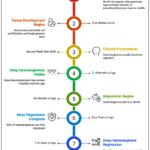 |
Figure 2: Infantile Haemangioma Development and Regression Timeline |
It has been established that infantile haemangiomas undergo three stages of development (Fig. 3).10,44 The first stage (proliferative stage) is characterized by the proliferation of undifferentiated stem/progenitor cells. These cells differentiate into atypical vascular endothelial cells characteristic of infantile haemangiomas. In most cases, the proliferative stage ends by five months of age. In deep infantile haemangiomas, this stage may last 9–12 months and, in rare cases, up to two years.
The subsequent stage (stable stage) involves a gradual reduction in endothelial cell proliferation, followed by the involution stage, during which the tumor regresses and vascular tissue is replaced by fibrofatty tissue.50
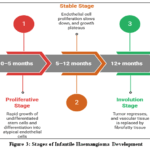 |
Figure 3: Stages of Infantile Haemangioma Development |
Most infantile haemangiomas are uncomplicated and do not require treatment; however, approximately 10% may cause serious complications and require intervention. 49 Factors contributing to the development of complications include segmental, indeterminate, large haemangiomas, and haemangiomas located on the face. The type of complication depends on the size and location of the lesion. This particularly applies to haemangiomas located in life-threatening areas, those causing functional impairment, those with visceral involvement, or those associated with ulceration.50Life-threatening complications are associated with haemangiomas located in the airway and hepatic haemangiomas. Functional complications arise due to obstruction of vital structures or impairment of organ function. Such complications may be caused by periocular haemangiomas, nasal haemangiomas, lip haemangiomas, parotid haemangiomas, haemangiomas of the auricle, and haemangiomas of the breast.
Local complications primarily result from ulceration, most commonly occurring in cosmetically sensitive areas. Ulceration is the most frequent complication of infantile haemangiomas, with an incidence ranging from 10% to 30%.51 Ulceration most often occurs between 4 and 8 months of age. It is more common in large haemangiomas and in lesions located on the lower lip, neck, and diaper area (perineal region). An early sign of ulceration is a change in color along the margins of the lesion.
Infantile haemangiomas affecting the airway may lead to life-threatening complications. Symptoms of airway obstruction may occur with or without cutaneous haemangiomas. Skin lesions located in the mandibular region, particularly if bilateral, are markers of high risk for airway involvement. Five anatomical regions have been identified as high-risk zones: left preauricular area, right preauricular area, chin, lower lip, and anterior neck. Patients with involvement of four or more of these regions had symptomatic airway haemangiomas in 63% of cases.46, 48
Involvement of other organs has also been described. Multiple cutaneous infantile haemangiomas in children have been identified as potential markers of hepatic haemangiomas, and recent data suggest that the presence of five or more cutaneous lesions warrants screening for hepatic involvement.52
Although the development of tuberculous hypothyroidism is traditionally associated with diffuse or large multifocal hepatic haemangiomas, high expression of type 3 iodothyronine deiodinase (D3) is not a feature exclusive to multiple lesions. The critical determinant of systemic metabolic shift is the total active mass of tumor tissue (“tumor burden”), rather than the number of individual lesions. Consequently, even solitary giant haemangiomas with high endothelial proliferative activity are capable of producing sufficient amounts of D3 to cause massive inactivation of thyroxine (T4) and triiodothyronine (T3). This confirms that monitoring thyroid function is advisable for all patients with solid vascular liver tumors, regardless of their morphological configuration, since the intensity of enzymatic hormone degradation directly correlates with the total volume of proliferating endothelium.
Functional Complications. Infantile haemangiomas that cause functional impairment are most commonly located in the periorbital region (12–24% of cases). Periocular infantile haemangiomas, particularly those larger than 1 cm, may exert persistent effects on vision, leading to amblyopia, astigmatism, or strabismus. Mixed and deep haemangiomas may result in ptosis, proptosis, incomplete eyelid closure, and optic nerve involvement.
Depending on their size, haemangiomas of the lip may cause functional impairment or lead to significant cosmetic deformity. Lesions located on the lower lip may interfere with feeding and normal dental development. Infantile haemangiomas affecting the ear may cause cartilage destruction, cosmetic deformity, narrowing of the external auditory canal, hearing impairment, or hearing loss.53Infantile haemangiomas of the nasal tip may cause separation of the lower lateral nasal cartilages, resulting in a bulbous nasal deformity. Haemangiomas of the breast, particularly those involving the nipple and areola, may cause functional impairment of the mammary gland and cosmetic defects. Cosmetic defects are primarily caused by scarring of the skin and deformation of specific body regions.
The risk of disfigurement is significantly higher than the risk of functional or life-threatening complications.54 Deformities resulting in cosmetic defects may have a negative impact on quality of life, social activity, and the emotional and psychological well-being of the child. Therefore, primary care physicians (district pediatricians and family physicians) should be knowledgeable in the diagnosis of infantile haemangiomas and able to identify children who require referral to subspecialists in order to prevent complications. Early diagnosis and assessment of disease severity are crucial for timely initiation of treatment and reduction of complication risk.
In the presence of superficially located lesions, the diagnosis of infantile haemangioma is usually based on medical history and clinical presentation (Fig. 4). However, deeply located infantile haemangiomas are more difficult to diagnose. When collecting medical history, it is essential to determine the time of lesion onset, growth dynamics, and the presence of complications.In most patients, additional diagnostic investigations are not required; however, in certain cases they may be necessary. Among instrumental diagnostic methods, ultrasonography and magnetic resonance imaging are considered the most effective, non-invasive techniques suitable for differential diagnosis of haemangiomas and other vascular anomalies.44, 55
Ultrasonography is indicated for deep, combined, and multifocal infantile haemangiomas and allows detection of hepatic involvement. On ultrasonography, infantile haemangiomas appear as well-defined lesions with high vascular density and rapid blood flow; during involution, areas of increased echogenicity (fatty replacement) may be observed. Ultrasonography enables assessment of tumor size (volume and diameter) and depth, which is essential for evaluating disease dynamics. Lesion type can usually be determined based on physical examination and Doppler imaging.47, 51
Magnetic resonance imaging with contrast enhancement is considered the most accurate diagnostic tool for infantile haemangiomas, as it demonstrates the extent of involvement and helps differentiate haemangiomas from other tumors. MRI is primarily used to confirm the clinical diagnosis, assess lesion extent, and determine the feasibility of surgical resection.48
Biopsy is performed when the diagnosis remains uncertain after imaging studies. Histological examination allows determination of the stage of haemangioma development using tissue-specific immunohistochemical markers (GLUT-1, merosin, Lewis Y antigen, etc.), which aid in differentiating infantile haemangiomas from other vascular tumors and malformations, such as congenital haemangiomas, tufted angiomas, or pyogenic granulomas. These latter entities do not express these antigens.56,57
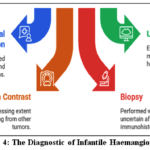 |
Figure 4: The Diagnostic of Infantile Haemangioma |
Morbidity and mortality associated with infantile haemangiomas range from life-threatening complications, such as bleeding and airway obstruction occurring primarily during the proliferative phase, to scarring and disfigurement observed mainly during the involution phase. A hallmark of modern vascular anomaly management is a multidisciplinary approach; therefore, specialized high-level care can be provided only in a multidisciplinary hospital setting.Venous malformations, that are sometimes called “cavernous haemangiomas” or “cavernomas”, can present their first signs in early age, though the peak of clinical presentation appears by the age of 20 years. Less than 10% of extremities.Venous malformations, sometimes referred to as cavernous haemangiomas or cavernomas, can begin to show symptoms in early childhood, but the peak age for clinical presentation typically occurs around 20 years. Fewer than 10% of venous malformations in the extremities are noticeable before adolescence. Based on this, urgent therapy is generally unnecessary for newborns in most cases.
Arteriovenous malformations (AVMs), on the other hand, may present in newborns as a pink or red spot, which is indistinguishable from typical capillary birthmarks. In young children, rapid growth or complications from AVMs are rare, so immediate treatment is likewise not usually required.
Within the first two months of life, haemangiomas can nearly double in size. During this rapid growth phase, a localized infantile haemangioma covering an area of 4 cm² may expand into a segmental haemangioma spanning 40 cm².58,59 This accelerated growth is linked to the proliferation phase of haemangiomas. Hepatic haemangiomas, a type of vascular tumor, can range from mild and asymptomatic to potentially life-threatening. In cases of multifocal and widespread hepatic infantile haemangiomas, the mortality rate is approximately 16%. Most fatal cases involve the extensive form of the condition, often accompanied by abdominal compartment syndrome and heart failure.60 These serious complications necessitate prompt and active treatment strategies in early infancy.Infantile haemangiomas are high-flow vascular lesions that may lead to cardiac failure during their growth phase due to increased blood shunting. Additionally, hepatic infantile haemangiomas are associated with acquired consumptive hypothyroidism. This occurs because these haemangiomas produce high levels of type 3 iodothyronine deiodinase, an enzyme that deactivates thyroid hormones. However, this form of hypothyroidism does not occur in congenital haemangiomas, whether hepatic or in other locations.
Congenital haemangiomas are rare vascular swellings, with their exact prevalence remaining unclear as only isolated cases have been described in literature.61 Notably, no other researchers have yet established CHs as a distinct nosological entity. A study involving nine patients with CHs found them to account for 3.2% of clinical cases. These swellings typically appear around the 12th week of gestation and are often detected via fetal sonography. They reach their maximum size during the final stages of pregnancy and naturally regress during the infant’s first months of life. For this reason, continuous monitoring during this period is crucial.
One of the most severe complications of kaposiform hemangioendothelioma involves coagulation disorders leading to thrombocytopenia, a condition known as Kasabach-Merritt syndrome.62 When surgical removal of such swellings is possible, the blood-related abnormalities resolve immediately post-surgery. However, radical excision of these lesions is often challenging due to their size and proximity to surrounding tissues. Heparin has been deemed unsafe based on clinical trials, and the use of platelet concentrates in treating newborns with hemangioendotheliomas has shown adverse effects, such as accelerated swelling growth and significant platelets consumption. In such cases, maintaining platelet levels becomes difficult due to their short half-life post-transfusion. As a result, initiating pharmacologic treatment promptly is critical to managing swelling size and minimizing associated blood complications.63
Despite ongoing research efforts, treatment strategies for vascular anomalies in infants remain distinct from those applied to infantile haemangiomas, with the latest international guidelines providing benchmarks for managing complex cases. While corticosteroids have demonstrated efficacy in correcting thrombocytopenia in newborns, additional treatments are often necessary to achieve comprehensive outcomes. Clinical decisions regarding therapy are generally justified by the severity of complications, which may include airway obstruction leading to respiratory failure in neck or head lesions, liver dysfunction, hypothyroidism, or cardiovascular issues in infants with hepatic involvement.48
Selecting an appropriate treatment approach for vascular anomalies requires careful consideration, not only in choosing the optimal intervention but also determining the best time to initiate therapy. Importantly, not all vascular anomalies respond to treatment, nor do they always warrant immediate intervention. In many cases, a cautious approach involving watchful waiting proves more pragmatic than premature therapeutic action without fully understanding the condition’s progression. Aggressive procedures like embolization or sclerotherapy may result in significant tissue damage through compromised blood flow or local inflammation, especially when extensive areas are affected. Surgical interventions targeting lymphatic anomalies can pose a risk to vital functions due to their proximity to critical anatomical structures, further underscoring the need for age-appropriate treatment planning.64
Thrombocytopenia linked with large femoral haemangiomas accompanied by small red skin lesions was first documented in 1940 by Kasabach and Merritt. Before 1993 – when Zukerberg et al. classified kaposiform hemangioendothelioma as a distinct condition—it was described in medical literature under various terms such as “giant haemangioma/angioma with Kasabach-Merritt phenomenon,” “haemangioma with Kaposi’s sarcoma-like features,” or “Kaposi-like juvenile hemangioendothelioma.” The incidence rate for Kasabach-Merritt syndrome varied widely from 10% to 80%, and correlations were noted between tumor size and patient age. For instance, the syndrome was reported in 79% of infants under one year old, 47% of children aged 1–5 years, 43% of those aged 3–12 years, and only 10% in adolescents and young adults aged 13–21 years. Larger tumor sizes significantly increased the likelihood of Kasabach-Merritt syndrome developing; patients without the syndrome had average tumor sizes of 12cm² compared to an average of 49cm² among those affected.65 Conventionally, platelet counts of less than 100 x 10⁹/L are associated with Kasabach-Merritt syndrome; however, findings from this study revealed platelets never exceeding levels of 20 x 10⁹/L within affected individuals.66
Numerous therapeutic approaches have been outlined for the treatment of kaposiform hemangioendothelioma. Surgical excision of swelling is viable in only 18% of patients. For cases where removal is not an option, a broad spectrum of treatments has been proposed. Techniques such as embolization, sclerotherapy, and radiotherapy are not commonly utilized due to their relatively low success rates, which lie below 30%. Additionally, some of these methods may pose significant risks, particularly for infants.
Treatment guidelines for infantile haemangiomas exhibit minimal variation, underscoring the importance of tailoring therapy to the individual needs of the patient (Figure 5).67, 68 Decisions should consider factors such as the lesion’s size, morphology, location, risk or presence of complications, likelihood of scarring or disfigurement, the patient’s age, and the lesion’s growth or involution during evaluation. Infants suspected of having haemangiomas requiring intervention should be promptly referred to a vascular anomaly specialist, ideally by their fifth week of life. Tools like the Infantile Haemangioma Referral Score assist primary care physicians in identifying potential treatment candidates.69, 70
Additional scoring systems, such as the Haemangioma Severity Scale (used to determine whether treatment is necessary) and the Haemangioma Activity Score (for monitoring therapeutic response), provide reliable assessments of disease burden based on clinical presentations.71 These models offer standardization in decision-making and serve as valuable tools for research. Equally significant are the psychosocial aspects of care; offering emotional support and guidance to families is critical for ensuring effective management of infantile haemangiomas.72
The overarching goals of treatment include the prevention or reversal of life-threatening or function-threatening complications, minimizing disfigurement caused by residual skin changes, reducing psychosocial distress for both the patient and their family, and adequately addressing ulceration to prevent scarring, bleeding, infection, and pain. Medical treatments are most successful when initiated during the early proliferative phase of haemangioma development- preferably within the first two to three months following birth.73 Below, we discuss the therapeutic advancements available in modern medicine.
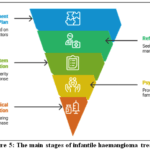 |
Figure 5: The main stages of infantile haemangioma treatment |
A meta-analysis published in 2015 by Liu X et al. (2016) and Yao W et al. (2018) identified vincristine as the most effective treatment for kaposiform hemangioendothelioma.74, 75 However, more recent studies have shifted focus to mTOR inhibitors, such as sirolimus and everolimus, citing their superior efficacy compared to vincristine.76 Despite these promising observations, the available data remain limited, as most studies report only small case series. Furthermore, there is a lack of reliable evidence regarding the safety of these medications in neonates.
Among the reported side effects during mTOR inhibitor treatment are dyslipidemia and immunosuppression. In one case, dyslipidemia prompted treatment discontinuation in a child under the age of one.77Immunosuppression was primarily noted when therapy included prednisone. Notably, two fatal outcomes were officially reported for the first time in 2018. Both cases involved pneumocystis pneumonia that occurred during sirolimus treatment following prednisone administration in young children with kaposiform hemangioendothelioma and Kasabach-Merritt phenomenon.78 The patients, aged 1 month and 5 months at the start of treatment, experienced infectious complications within 2 and 1 months, respectively. Given the reported fatalities caused by Pneumocystis pneumonia during sirolimus therapy, strict adherence to safety protocols is mandatory. To minimize the risk of infection in infants, prophylactic treatment with cotrimoxazole (trimethoprim/sulfamethoxazole) is strongly recommended throughout the entire course of mTOR inhibitor therapy. This approach significantly improves the safety of treatment for complex vascular tumors, making sirolimus therapy clinically acceptable even in young patients.
In another study, Czechowicz et al. detailed the outcomes of sirolimus treatment in six neonates with a median age of 14.8 days.79 Two of these children were diagnosed with kaposiform hemangioendothelioma. The report highlighted that sirolimus concentrations in the blood were notably higher in these patients after six doses compared to children with lymphatic malformations. Unfortunately, one of the cases resulted in mortality.
Given the mixed outcomes and safety concerns surrounding sirolimus as a treatment for newborns, further research is necessary to establish its efficacy and safety profile in this vulnerable population.
Recent research by Roca et al.3 has highlighted that we are entering an era of molecularly targeted therapy and personalized medicine. In this context, naturally occurring substances show great potential for both tumor treatment and prevention. Plant extracts, in particular, exhibit strong specificity and relevance to cancer therapy. They are generally non-toxic and have few side effects, making them promising candidates for infantile haemangiomas treatment.15,16-Dihydrotanshinone I, a key bioactive compound of Tanshen (Salvia miltiorrhiza), is used in traditional Chinese medicine to treat hematological abnormalities.9It inhibits haemangiomas by inducing pro-apoptotic and anti-angiogenic mechanisms.9Another example is‘Ankaferd Blood Stopper, a natural hemostatic and antimicrobial medicine made from a blend of five different plant extracts (Urtica dioica, Glycyrrhiza glabra, Thymus vulgaris, Vitis vinifera, andAlpinia officinarum).80 Numerous clinical and experimental studies have demonstrated its quick effectiveness in stopping external repetitive bleeding in case of infantile haemangiomas.80,81
Conclusion
This comprehensive review provides the latest insights into the pathogenesis, clinical features, diagnosis, and management of infantile haemangiomas. Advancements in the management of these conditions are likely to stem from enhanced research into their genetic and molecular foundations, aiding the identification of diagnostic markers and a deeper understanding of the influence of various growth factors. Additionally, progress in creating novel pharmacological treatments and techniques, alongside the establishment of standardized protocols for long-term monitoring, will help differentiate cases that necessitate intervention from those suitable for observation. Such developments aim to achieve better outcomes while minimizing side effects.
Acknowledgement
The authors wish to thank the administration of I. Horbachevsky Ternopil National Medical University for their support of this research.
Funding Sources
The author(s) received no financial support for the research, authorship, and/or publication of this article.
Conflict of interest
The authors do not have any conflict of interest.
Data Availability Statement
This statement does not apply to this article.
Ethics Statement
This research did not involve human participants, animal subjects, or any material that requires ethical approval.
Informed Consent Statement
This study did not involve human participants, and therefore, informed consent was not required.
Clinical Trial Registration
This research does not involve any clinical trials.
Permission to reproduce material from other sources
Not Applicable
Author Contributions
- Larysa Fedoniuk: Conceptualization, Methodology, Analyses, Writing – Original Draft.
- VolodymyrDzhyvakand Yaroslav Bilyk:references search and interpretation of the obtained data.
- Ihor Krycky: Conducting analyses, writing – review & editing.
- Oleksandra Oleshchuk: writing – review & editing.
- Mariia Shanaida:References search and general editing.
References
- Steele L, Zbeidy S, Thomson J, Flohr C. How is the term haemangioma used in the literature? An evaluation against the revised ISSVA classification. Pediatr Dermatol. 2019;36(5):628-633. doi:10.1111/pde.13885
CrossRef - Holm A, Mulliken JB, Bischoff J. Infantile hemangioma: the common and enigmatic vascular tumor. J Clin Invest. 2024;134(8):e172836. doi:10.1172/JCI172836
CrossRef - Roca IC, Cojocaru E, Rusu CD, et al. The Role of Natural Extracts in the Management of Infantile Hemangiomas and Vascular Tumors. Pediatric Health Med Ther. 2024;15:1-16. doi:10.2147/PHMT.S439537
CrossRef - Benzar IM, Levytskyi AF, Diehtiarova DS, et al. Vascular anomalies in newborns: clinical presentation, complications, and peculiarities of therapy. Wiad Lek. 2020;73(9 cz. 2):1934-1939. doi:10.36740/wlek202009207
CrossRef - Perkins JA. New Frontiers in Our Understanding of Lymphatic Malformations of the Head and Neck: Natural History and Basic Research. Otolaryngol Clin North Am. 2018;51(1):147-158. doi:10.1016/j.otc.2017.09.002
CrossRef - Goldenberg DC, Vikkula M, Penington A, et al. Updated Classification of Vascular Anomalies. A living document from the International Society for the Study of Vascular Anomalies Classification Group. J Vasc Anom (Phila). 2025;6(2):e113. doi:10.1097/JOVA.0000000000000113
CrossRef
- Ding Y, Zhang JZ, Yu SR, Xiang F, Kang XJ. Risk factors for infantile hemangioma: a meta-analysis. World J Pediatr. 2020;16(4):377-384. doi:10.1007/s12519-019-00327-2
CrossRef
- Gong X, Qiu T, Feng L, et al. Maternal and Perinatal Risk Factors for Infantile Hemangioma: A Matched Case-Control Study with a Large Sample Size. Dermatol Ther (Heidelb). 2022;12(7):1659-1670. doi:10.1007/s13555-022-00756-4
CrossRef
- Cai Y, Lv F, Kaldybayeva N, Zhamilya A, Wu Z, Wu Y. 15, 16-Dihydrotanshinone I Inhibits Hemangiomas through Inducing Pro-apoptotic and Anti-angiogenic Mechanisms in Vitro and in Vivo. Front Pharmacol. 2018;9:25. doi:10.3389/fphar.2018.00025
CrossRef
- Rešić A, Barčot Z, Habek D, Pogorelić Z, Bašković M. The Evaluation, Diagnosis, and Management of Infantile Hemangiomas-A Comprehensive Review. J Clin Med. 2025;14(2):425. doi:10.3390/jcm14020425
CrossRef
- Putta Nagarajan HD, Selvanathan K, Gopalakrishnan V, Ramamoorthy RV, Gopalakrishnan J. Scar Endometriosis vs Hemangioma: A Diagnostic Conundrum. Cureus. 2023;15(10):e47674. doi:10.7759/cureus.47674
CrossRef
- Protsailo MD, Orel YuM, Trach-Rosolovska SV, et al. Vascular malformations in children: a rare case of vascular nevus and its clinical features. Modern Pediatrics. Ukraine. 2025;4(148):153-159. doi: 10.15574/SP.2025.4(148).153159
CrossRef
- Ryu YJ, Choi YH, Cheon JE, et al. Imaging findings of Kaposiform Hemangioendothelioma in children. Eur J Radiol. 2017;86:198-205. doi:10.1016/j.ejrad.2016.11.015
CrossRef
- Kasabach HH, Merritt KK. Capillary hemangioma with extensive purpura: report of a case. Am J Dis Child. 1940;59(5):1063
CrossRef - Sarna K, Kamau M, Guthua S. Surgical management of a massive congenital hemangioma of the tongue in an infant: A rare case report. Clin Case Rep. 2021;9(10):e04909. doi:10.1002/ccr3.4909
CrossRef
- Dzhyvak VG, Protsailo MD, Horishniy IM, et al. Cryotherapy: one of the possibilities of muscle recovery after traumatic injuries. Prospects Innov Sci. 2023;16(34):698-713. doi:10.52058/2786-4952-2023-16(34)-698-713
CrossRef
- https://clinicaltrials.gov/study/NCT02061735?cond=Infantile%20Haemangiomas&view Type=Card&aggFilters=status:com&rank=1
- https://clinicaltrials.gov/study/NCT00601016?cond=Infantile%20Haemangiomas&view Type=Card&aggFilters=status:com&page=3&rank=24
- https://clinicaltrials.gov/study/NCT06677853?cond=Infantile%20Haemangiomas&view Type=Card&aggFilters=status:com&rank=4
- https://clinicaltrials.gov/study/NCT04105517?cond=Infantile%20Haemangiomas&view Type=Card&aggFilters=status:com&rank=10
- https://clinicaltrials.gov/study/NCT01685398?cond=Infantile%20Haemangiomas&view Type=Card&aggFilters=status:com&page=2&rank=14
- https://clinicaltrials.gov/study/NCT02731287?cond=Infantile%20Haemangiomas&view Type=Card&aggFilters=status:com&page=2&rank=16
- https://clinicaltrials.gov/study/NCT01211080?cond=Infantile%20Haemangiomas&view Type=Card&aggFilters=status:com&page=2&rank=19
- https://clinicaltrials.gov/study/NCT00433940?cond=Infantile%20Haemangiomas&view Type=Card&aggFilters=status:com&page=3&rank=21
- https://clinicaltrials.gov/study/NCT01072045?cond=Infantile%20Haemangiomas&view Type=Card&aggFilters=status:com&page=3&rank=23
- https://clinicaltrials.gov/study/NCT02145884?cond=Infantile%20Haemangiomas&view Type=Card&aggFilters=status:com&page=2&rank=15
- https://clinicaltrials.gov/study/NCT01010308?cond=Infantile%20Haemangiomas&view Type=Card&aggFilters=status:com&page=1&rank=6
- Ranjan R, Kumar R, Jeyaraman M, Biswas S, Kumar A, Agarwal G. Hemangioma of First Extensor Compartment of the Wrist- A Rare Case Report. J Orthop Case Rep. 2021;11(6):14-18. doi:10.13107/jocr.2021.v11.i06.2238
CrossRef
- Tiemann L, Hein S. Infantile Hemangioma: A Review of Current Pharmacotherapy Treatment and Practice Pearls. J Pediatr Pharmacol Ther. 2020;25(7):586-599. doi:10.5863/1551-6776-25.7.586
CrossRef
- Sethuraman G, Yenamandra VK, Gupta V. Management of infantile hemangiomas: current trends. J Cutan Aesthet Surg. 2014;7(2):75-85. doi:10.4103/0974-2077.138324
CrossRef
- Xu W, Zhao H. Management of infantile hemangiomas: Recent advances. Front Oncol. 2022;12:1064048. doi:10.3389/fonc.2022.1064048
CrossRef
- Protsailo MD, Dzhyvak VG, Nychka TI, Krycky IO, Halych MM. Peculiarities of psychological preparation before surgery in the practice of paediatric orthopaedic traumatologist and surgeon. Bukovinian Med Herald. 2023;4(108):32-38. doi:10.24061/2413-0737.27.4.108.2023.7
CrossRef
- Krytskyy IO, Hoshchynskyy PV, Chepesyuk VO. Advantages of infrared coagulation using the apparatus CTL3808 (Poland) in the treatment of capillary hemangiomas in children. Actual Probl Pediatr Obstet Gynecol. 2014;(2):57-58. doi:10.11603/24116-4944.2014.2.4843
CrossRef
- Sun Y, Qiu F, Hu C, Guo Y, Lei S. Hemangioma Endothelial Cells and Hemangioma Stem Cells in Infantile Hemangioma. Ann Plast Surg. 2022;88(2):244-249. doi:10.1097/SAP.0000000000002835
CrossRef
- Strub GM, Kirsh AL, Whipple ME, et al. Endothelial and circulating C19MC microRNAs are biomarkers of infantile hemangioma. JCI Insight. 2016;1(14):e88856. doi:10.1172/jci.insight.88856
CrossRef
- de Jong S, Itinteang T, Withers AH, Davis PF, Tan ST. Does hypoxia play a role in infantile hemangioma? Arch Dermatol Res. 2016;308(4):219-227. doi:10.1007/s00403-016-1635-x
CrossRef
- Xiang S, Gong X, Qiu T, et al. Insights into the mechanisms of angiogenesis in infantile hemangioma. Biomed Pharmacother. 2024;178:117181. doi:10.1016/j.biopha.2024.117181.
CrossRef - Itinteang T, Marsh R, Davis PF, Tan ST. Angiotensin II causes cellular proliferation in infantile haemangioma via angiotensin II receptor 2 activation. J Clin Pathol. 2015;68(5):346-350. doi:10.1136/jclinpath-2014-202794
CrossRef
- Kowalska M, Dębek W, Matuszczak E. Infantile Hemangiomas: An Update on Pathogenesis and Treatment. J Clin Med. 2021;10(20):4631. doi:10.3390/jcm10204631
CrossRef
- Zhang L, Wu HW, Yuan W, Zheng JW. Estrogen-mediated hemangioma-derived stem cells through estrogen receptor-α for infantile hemangioma. Cancer Manag Res. 2017;9:279-286. doi:10.2147/CMAR.S138687
CrossRef
- Rešić A, Benco Kordić N, Obuljen J, Bašković M. Importance of Determining Vascular Endothelial Growth Factor Serum Levels in Children with Infantile Hemangioma. Medicina (Kaunas). 2023;59(11):1914. doi:10.3390/medicina59111914
CrossRef
- Luu M, Frieden IJ. Haemangioma: clinical course, complications and management. Br J Dermatol. 2013;169(1):20-30. doi:10.1111/bjd.12436
CrossRef
- .Yu Z, Cai R, Chang L, et al. Clinical and radiological outcomes of infantile hemangioma treated with oral propranolol: A long-term follow-up study. J Dermatol. 2019;46(5):376-382. doi:10.1111/1346-8138.14853
CrossRef
- Ma EH, Robertson SJ, Chow CW, Bekhor PS. Infantile Hemangioma with Minimal or Arrested Growth: Further Observations on Clinical and Histopathologic Findings of this Unique but Underrecognized Entity. Pediatr Dermatol. 2017;34(1):64-71. doi:10.1111/pde.13022
CrossRef
- Kunimoto K, Yamamoto Y, Jinnin M. ISSVA Classification of Vascular Anomalies and Molecular Biology. Int J Mol Sci. 2022;23(4):2358. doi:10.3390/ijms23042358
CrossRef
- Kanada KN, Merin MR, Munden A, Friedlander SF. A prospective study of cutaneous findings in newborns in the United States: correlation with race, ethnicity, and gestational status using updated classification and nomenclature. J Pediatr. 2012;161(2):240-245. doi:10.1016/j.jpeds.2012.02.052
CrossRef
- Rodríguez Bandera AI, Sebaratnam DF, Wargon O, Wong LF. Infantile hemangioma. Part 1: Epidemiology, pathogenesis, clinical presentation and assessment. J Am Acad Dermatol. 2021;85(6):1379-1392. doi:10.1016/j.jaad.2021.08.019
CrossRef
- Kizmazoglu D, Ince D, Olgun Y, et al. Infantile Hemangiomas of the Head and Neck: A Single-Center Experience. Children (Basel). 2024;11(3):311. doi:10.3390/children11030311
CrossRef
- Hoeger PH, Harper JI, Baselga E, et al. Treatment of infantile haemangiomas: recommendations of a European expert group. Eur J Pediatr. 2015;174(7):855-865. doi:10.1007/s00431-015-2570-0
CrossRef
- Mitra R, Fitzsimons HL, Hale T, Tan ST, Gray C, White MPJ. Recent advances in understanding the molecular basis of infantile haemangioma development. Br J Dermatol. 2024;191(5):661-669. doi:10.1093/bjd/ljae241
CrossRef
- Maguiness SM, Frieden IJ. Management of difficult infantile haemangiomas. Arch Dis Child. 2012;97(3):266-271. doi:10.1136/archdischild-2011-300851
CrossRef
- Horii KA, Drolet BA, Frieden IJ, et al. Prospective study of the frequency of hepatic hemangiomas in infants with multiple cutaneous infantile hemangiomas. Pediatr Dermatol. 2011;28(3):245-253. doi:10.1111/j.1525-1470.2011.01420.x
CrossRef
- Spence-Shishido AA, Good WV, Baselga E, Frieden IJ. Hemangiomas and the eye. Clin Dermatol. 2015;33(2):170-182. doi:10.1016/j.clindermatol.2014.10.009
CrossRef
- De Ravin E, Barrette LX, Lu J, et al. Clinical practice guidelines on management of infantile hemangioma: a systematic quality appraisal using the AGREE II instrument. Pediatr Hematol Oncol. 2022;39(8):724-735. doi:10.1080/08880018.2022.2062502
CrossRef - Benzar IM, Rebenkov SO, Levytskyi AF, et al. Newborns with Kasabach-Merritt phenomenon-associated kaposiform hemangioendothelioma: a report of 6 cases. Wiad Lek. 2020;73(8):1785-1789. doi: 10.36740/wlek202008136
CrossRef
- Garzon MC, Weitz N, Powell J. Vascular anomalies: differential diagnosis and mimickers. Semin Cutan Med Surg. 2016;35(3):170-176. doi:10.12788/j.sder.2016.052
CrossRef
- Dasgupta R, Patel M. Venous malformations. Semin Pediatr Surg. 2014;23(4):198-202. doi:10.1053/j.sempedsurg.2014.06.019
CrossRef
- Hawkins CM, Chewning RH. Diagnosis and Management of Extracranial Vascular Malformations in Children: Arteriovenous Malformations, Venous Malformations, and Lymphatic Malformations. Semin Roentgenol. 2019;54(4):337-348. doi:10.1053/j.ro.2019.06.004
CrossRef
- Li Q, Xiao L, Su M, et al. Factors influencing treatment duration of oral propranolol in infantile hemangioma: a five-year retrospective analysis. Front Pediatr. 2026;13:1693660. doi:10.3389/fped.2025.1693660
CrossRef
- Iacobas I, Phung TL, Adams DM, et al. Guidance Document for Hepatic Hemangioma (Infantile and Congenital) Evaluation and Monitoring. J Pediatr. 2018;203:294-300.e2. doi:10.1016/j.jpeds.2018.08.012
CrossRef
- Boull C, Maguiness SM. Congenital hemangiomas. Semin Cutan Med Surg. 2016;35(3):124-127. doi:10.12788/j.sder.2016.045
CrossRef
- Schmid I, Klenk AK, Sparber-Sauer M, Koscielniak E, Maxwell R, Häberle B. Kaposiform hemangioendothelioma in children: a benign vascular tumor with multiple treatment options. World J Pediatr. 2018;14(4):322-329. doi:10.1007/s12519-018-0171-5
CrossRef
- Tlougan BE, Lee MT, Drolet BA, Frieden IJ, Adams DM, Garzon MC. Medical management of tumors associated with Kasabach-Merritt phenomenon: an expert survey. J Pediatr Hematol Oncol. 2013;35(8):618-622. doi:10.1097/MPH.0b013e318298ae9e
CrossRef
- Alexopoulos A, Ntokos D, Kontara L, et al. Bridging the Gap: Infantile Hemangioma Care Variability Among Pediatric Care Physicians in Greece. Cureus. 2026;18(2):e104076. doi:10.7759/cureus.104076
CrossRef
- Tribolet S, Hoyoux C, Boon LM, et al. A not so harmless mass: Kaposiform hemangioendothelioma complicated by a Kasabach-Merritt phenomenon. Arch Pediatr. 2019;26(6):365-369. doi:10.1016/j.arcped.2019.06.003
CrossRef
- Croteau SE, Liang MG, Kozakewich HP, et al. Kaposiform hemangioendothelioma: atypical features and risks of Kasabach-Merritt phenomenon in 107 referrals. J Pediatr. 2013;162(1):142-147. doi:10.1016/j.jpeds.2012.06.044
CrossRef
- Krowchuk DP, Frieden IJ, Mancini AJ, et al. Clinical Practice Guideline for the Management of Infantile Hemangiomas. Pediatrics. 2019;143(1):e20183475. doi:10.1542/peds.2018-3475
CrossRef
- Der Sarkissian SA, Wargon O, Sebaratnam DF. International heterogeneity in admission criteria and monitoring for the initiation of propranolol in infantile hemangioma. JAAD Int. 2020;1(2):111-113. doi:10.1016/j.jdin.2020.06.005
CrossRef
- Moyakine AV, Herwegen B, van der Vleuten CJM. Use of the Hemangioma Severity Scale to facilitate treatment decisions for infantile hemangiomas. J Am Acad Dermatol. 2017;77(5):868-873. doi:10.1016/j.jaad.2017.06.003
CrossRef
- Léauté-Labrèze C, Baselga Torres E, Weibel L, et al. The Infantile Hemangioma Referral Score: A Validated Tool for Physicians. Pediatrics. 2020;145(4):e20191628. doi:10.1542/peds.2019-1628
CrossRef
- Maki Y, Iijima H, Yoshida K, Ishiguro A. The Importance of Continuous Monitoring in Identifying Bradycardia during Propranolol Treatment for Infantile Hemangiomas. JMA J. 2026;9(1):302-308. doi:10.31662/jmaj.2025-0213
CrossRef
- Holm A, Graus MS, Wylie-Sears J, et al. An endothelial SOX18-mevalonate pathway axis enables repurposing of statins for infantile hemangioma. J Clin Invest. 2025;135(7):e179782. doi:10.1172/JCI179782
CrossRef
- Sebaratnam DF, Rodríguez Bandera AL, Wong LF, Wargon O. Infantile hemangioma. Part 2: Management. J Am Acad Dermatol. 2021;85(6):1395-1404. doi:10.1016/j.jaad.2021.08.020
CrossRef
- Liu XH, Li JY, Qu XH, et al. Treatment of kaposiform hemangioendothelioma and tufted angioma. Int J Cancer. 2016;139(7):1658-1666. doi:10.1002/ijc.30216
CrossRef
- Yao W, Li K, Wang Z, et al. Comparison of Corticosteroid and Vincristine in Treating Kaposiform Hemangioendothelioma and Tufted Angioma: A Systematic Review and Meta-Analysis. Eur J Pediatr Surg. 2019;29(5):401-407. doi:10.1055/s-0038-1673708
CrossRef
- .Wang H, Guo X, Duan Y, Zheng B, Gao Y. Sirolimus as initial therapy for kaposiform hemangioendothelioma and tufted angioma. Pediatr Dermatol. 2018;35(5):635-638. doi:10.1111/pde.13600
CrossRef
- Uno T, Ito S, Nakazawa A, Miyazaki O, Mori T, Terashima K. Successful treatment of Kaposiform hemangioendothelioma with everolimus. Pediatr Blood Cancer. 2015;62(3):536-538. doi:10.1002/pbc.25241
CrossRef
- Ying H, Qiao C, Yang X, Lin X. A Case Report of 2 Sirolimus-Related Deaths Among Infants With Kaposiform Hemangioendotheliomas. Pediatrics. 2018;141(Suppl 5):S425-S429. doi:10.1542/peds.2016-2919
CrossRef
- Czechowicz JA, Long-Boyle JR, Rosbe KW, Mathes EF, Frieden IJ, Shimano KA. Sirolimus for management of complex vascular anomalies – A proposed dosing regimen for very young infants. Int J Pediatr Otorhinolaryngol. 2018;105:48-51. doi:10.1016/j.ijporl.2017.11.034
CrossRef
- Annagür A, Altunhan H, Konak M, Ors R. Successful use of topical “Ankaferd Blood Stopper” for repetitive bleedings in an infant with infantile hemangioma. Int J Clin Exp Med. 2012;5(4):342-345.
- Cipil HS, Kosar A, Kaya A, et al. In vivo hemostatic effect of the medicinal plant extract Ankaferd Blood Stopper in rats pretreated with warfarin. Clin Appl Thromb Hemost. 2009;15(3):270-276. doi:10.1177/1076029608329578
CrossRef
 PlumX:
 Views: 1736
  PDF Downloads:
205
PDF Downloads:
205