





Manuscript accepted on :23-12-2025
Published online on: 27-01-2026
Plagiarism Check: Yes
Reviewed by: Dr. Madan Chandra Das
Second Review by: Dr. Durgeshranjan Kar
Final Approval by: Dr. Prabhishek Singh
 Views:
 PDF Downloads:
Milouda Chebabe1* , Khaddouj El Goundali1, Aslaou Fatima3, Kawtar Chafik1,2, Lalla Asmaa Katir Masnaou1, Msatfa Nabila1, Ibrahimi Halima2, Latifa Mochhoury1
¹Department of Health Sciences and Technologies, Higher Institute of Health Sciences, Hassan First University of Settat, Settat, Morocco.
²Department of Higher Institute of Nursing Professions and Health Techniques (ISPITS), Rabat, Morocco.
³Department of Biology and Health, Ibn Tofail University, Kenitra, Morocco.
Corresponding Author Email:milouda.chebabe@uhp.ac.ma
DOI : https://dx.doi.org/10.13005/bpj/3371
Abstract
The use of aromatic and medicinal plants (AMPs) constitutes a cornerstone of Morocco's intangible cultural heritage and serves as a primary healthcare resource, particularly for women managing intimate and reproductive health concerns. This study conducted a focused ethnobotanical investigation to document and quantitatively analyze the specialized plant knowledge held by women in the Settatregion, Morocco for gynecological, obstetric, and dermatological care. A cross-sectional survey via structured interviews with 200 women was employed. Data were analyzed using descriptive statistics and key quantitative ethnobotanical indices: Use Value (UV), Informant Consensus Factor (FIC), and Fidelity Level (FL%). The research documented 27 plant species across 16 botanical families. The Lamiaceae family was the most prevalent (22.2% of species) and culturally significant, with 76.5% of respondents using its species. Management of dysmenorrhea emerged as the most common and consensual therapeutic application (FIC = 0.89), addressed by nine species, most notably Mentha pulegium (UV = 0.78) and Ajuga iva (FL = 97%). Decoction was the predominant preparation method. Deep ethnobotanical expertise was concentrated among older, married women with limited formal education, underscoring the vulnerability of this knowledge system to socio-cultural erosion. The findings not only catalog a vital repository of traditional knowledge but also, through quantitative prioritization, identify key species for pharmacological validation and conservation. This work provides a critical foundation for initiatives aimed at preserving biocultural heritage and thoughtfully integrating evidence-based traditional practices into women's primary healthcare frameworks.
Keywords
Medicinal plants; Morocco; Pharmacology; Traditional knowledge; Quantitative ethnobotany; Women's health
Download this article as:
| Copy the following to cite this article: Chebabe M, Goundali K. E, Fatima A, Chafik K, Masnaoui L. A. K, Nabila M, Halima I, Mochhoury L. Medicinal Plants Used by Women in Morocco's Settat Region for Gynecological and Dermatological Care. Biomed Pharmacol J 2026;19(1). |
| Copy the following to cite this URL: Chebabe M, Goundali K. E, Fatima A, Chafik K, Masnaoui L. A. K, Nabila M, Halima I, Mochhoury L. Medicinal Plants Used by Women in Morocco's Settat Region for Gynecological and Dermatological Care. Biomed Pharmacol J 2026;19(1). Available from: https://bit.ly/49GZ6CH |
Introduction
The use of aromatic and medicinal plants (AMPs) represents a cornerstone of cultural heritage and healthcare practices in Morocco, where traditional knowledge has been preserved and transmitted across generations.1,2 This ethnobotanical heritage is particularly significant in women’s healthcare, where plant-based remedies serve as primary interventions for gynecological, obstetrical, and dermatological conditions.3,4 Multiple factors drive this preference, including cultural traditions, perceived safety and efficacy of natural products, and limited access to modern healthcare services in certain regions .5,6
Globally, traditional medicine maintains a crucial role in healthcare systems, with the World Health Organization reporting that approximately 80% of populations in developing countries rely on medicinal plants for primary healthcare.7 This dependence is especially pronounced in women’s health management, where culturally sensitive and intimate health issues are frequently addressed within the private domain through trusted traditional knowledge systems .8,9 In the Moroccan context, numerous studies have documented the extensive utilization of AMPs among women, demonstrating prevalence rates that surpass those observed in many other regions.5,10,11
The relationship between women and medicinal plants extends beyond therapeutic applications to encompass cosmetic and self-care practices with deep historical roots.12,13Women have traditionally functioned as primary knowledge custodians, responsible for maintaining family health and well-being through the preparation of remedies and natural cos14,15metics. However, this specialized knowledge remains largely localized and inadequately documented, rendering it particularly vulnerable to erosion amid rapid socio-economic modernization and evolving lifestyles.14,15 This vulnerability is further exacerbated by ecological threats and potential species substitution, highlighting the urgent need for comprehensive documentation .16
The Settat region, characterized by its distinctive semi-arid climate and strategic location on the Chaouia plain, supports a unique floristic diversity that has fundamentally shaped local traditional medicine practices.17 Previous ethnobotanical investigations in Morocco have yielded valuable insights into general plant use, yet a significant research gap persists regarding the systematic documentation of women’s specialized knowledge, particularly concerning reproductive health and cosmetic applications.9,12 This gap is especially notable given the demonstrated pharmacological potential of many traditionally used plants.
While previous ethnobotanical studies in Morocco have catalogued general plant use, a significant and persistent gap exists in the systematic, gender-focused documentation of women’s specialized knowledge, particularly concerning reproductive health and cosmetic applications within specific biocultural regions. The existing literature often aggregates data without disentangling the gendered dimensions of plant knowledge or fails to focus on the intimate, private healthcare domain managed by women. Furthermore, few studies link this documentation directly to concrete, actionable frameworks for biocultural conservation and health system integration that prioritize the knowledge-holders’ perspectives.
Therefore, this study aims not only to document but also to critically analyze the traditional knowledge of medicinal plants employed by women in Morocco’s Settat region. Our research addresses this gap by: (1) identifying and analyzing the plant species specifically utilized for gynecological, obstetrical, and dermatological purposes; and (2) evaluating the socio-demographic correlates of knowledge preservation to assess its vulnerability. By employing a focused, gender-centric approach and proposing a pathway from documentation to application, this work provides novel insights into a specialized knowledge system and contributes a valuable case study for initiatives aimed at preserving intangible cultural heritage and validating traditional medicine for women’s primary healthcare.
Materials and Methods
Study area
The Settat region belongs to the Middle Atlantic Morocco group. It is bounded to the north by the Casablanca region, to the northeast by the Rabat-Salé-Kénitra region, to the east by the Béni Mellal-Khénifra region, to the south by the Central High Atlas, and to the west by the Atlantic Ocean (Figure. 1). Due to its geographical position and diverse climate, Morocco can be subdivided into several distinct phytogeographical areas. The present study was conducted in Settat, a city located in central-western Morocco, approximately 83 kilometers south of Casablanca. Settat is the capital of Settat Province within the Casablanca-Settat administrative region.18 Geographically, the city lies at a latitude of 33.0019° N and a longitude of 7.6166° W, and is situated on the fertile Chaouia plain, which supports both urban and rural populations. Settat experiences a semi-arid to Mediterranean climate, characterized by hot, dry summers and mild, wet winters. Average summer temperatures can exceed 35°C, while winter temperatures range from 6°C to 18°C. Annual rainfall is moderate, typically ranging from 300 to 500 mm, with the majority occurring between November and March.16
The Settat region, located in the Chaouia plain, is characterized by a limited hydrographic network composed mainly of temporary wadis that only flow during the rainy season. This water deficit, associated with a semi-arid to Mediterranean climate, conditions the vegetation cover, classified in the arid Mediterranean stage according to the Moroccan phytogeographic typology.19
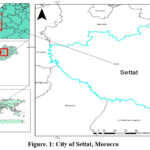 |
Figure. 1: City of Settat, Morocco |
Study Setting and Period
This study was conducted in the Moroccan city of Settat between June 2022 and June 2024. The location was selected for its demographic diversity and accessible healthcare infrastructure, characteristics that make it a representative setting for public health research.
Participant Recruitment and Ethical Considerations
A total of 200 women were recruited for this study between June 2022 and June 2024. The field survey was conducted among women who procure and use medicinal plants, primarily sourcing them from herbalists (ʿaṭṭārīn) and local markets within the city of Settat, which are known for supplying well-known regional herbs.
Quantitative Ethnobotanical Analysis
In addition to descriptive statistics, quantitative ethnobotanical indices were calculated to objectively evaluate the importance of reported species and the consensus among informants.
Use Value (UV)
This index was calculated for each plant species using the formula: UV=∑Ui/N, Ui is the number of uses mentioned by each informant for a given species, and N is the total number of informants. This index helps identify the most culturally significant plants.
Informant Consensus Factor (FIC)
This factor was calculated for each ailment category to identify plants with high consensus for treating specific conditions. The formula is: FIC=(Nur−Nt)/(Nur−1) where Nuris the number of use reports for a particular category and Ntis the number of taxa used for that category. A high FIC value (close to 1) indicates high informant consensus.
Data Collection Instrument
A structured questionnaire was designed to capture data in two key areas: (1) the socioeconomic profiles of the participants, and (2) their medicinal plant practices. The ethnobotanical section documented the plant species used, the specific plant parts utilized, methods of preparation, and therapeutic applications. To ensure a comprehensive record, women were asked to report plant use from all periods of their lives, not limited to pregnancy.
Results
The socio-demographic characteristics of the 200 female participants are summarized in Table 1. The cohort was predominantly older, with 75.5% of women over 40 years of age and the largest single age group being those over 50 (40.5%). The vast majority of participants were married (85%). Educational attainment was generally low; 40% of the women were illiterate and 30% had only a primary education, while only 10% had a university-level (“superior”) education. Economically, the sample was notably disadvantaged, with the vast majority (64%) reporting no personal monthly income and only 1% belonging to a high-income category.
Table 1: Socio-demographicprofileofrespondents(n=200).
| Variables | Categories | Number of informants | Frequency (%) |
| Age category (years) | Between 18 and 30 | 22 | 11 |
| Between 31 and 40 | 27 | 13,5 | |
| Between 41 and 50 | 70 | 35 | |
| >50 years | 81 | 40,5 | |
| Family situation | Married | 170 | 85 |
| Single | 30 | 15 | |
| Educational level | Illiterate | 80 | 40 |
| Primary | 60 | 30 | |
| Secondary | 40 | 20 | |
| Superior | 20 | 10 | |
| Monthly income | Low | 40 | 20 |
| Medium | 30 | 15 | |
| High | 2 | 1 | |
| No income | 128 | 64 |
Table 2&3 show the ethnobotanical survey documented a total of 27 plant species used by the local community for gynecological, obstetric, urogenital, and dermatological purposes. These species belong to 16 distinct botanical families, with the Lamiaceae (mint) family being the most prominently represented, accounting for six species.
The findings reveal a strong emphasis on women’s reproductive health. The most frequently cited therapeutic use was for managing painful periods (dysmenorrhea), with nine different species employed for this purpose. Commonly used plants for dysmenorrhea included Ajuga iva (Chendgoura), Calamintha officinalis (Menta), and Mentha pulegium (Fliou), primarily prepared as infusions or decoctions.
Beyond pain relief, other key gynecological applications included regulating the menstrual cycle (e.g., Achillea millefolium), stimulating menstrual flow (Lavandula angustifolia), and treating delayed menstruation (Vitex agnus-castus). Knowledge of plants used for obstetric care was also present, with species such as Myristica fragrans (Lgouza) used to facilitate childbirth, and Lepidium sativum (Left) employed to soothe postpartum pain.
For urogenital issues, five species were recorded. Plants such as Apium graveolens and Petroselinum sp. (Maadnouss) were used as decoctions to treat infections, while Echinopsspinosissimus (Taskra) and Artemisia herba-alba (Chih) were employed to relieve urogenital pain and other urinary ailments.
A significant number of species (nine in total) were dedicated to dermatological and cosmetic care. These applications targeted specific concerns such as facial acne (e.g., Glycyrrhiza glabra and Myrtus communis), dark spots (Crocus sativus), wrinkles (Solanum lycopersicum), and general skin softening and exfoliation (Citrus limon, Ceratonia siliqua). Preparations for skin care were typically topical, involving masks, juices, or direct application.
Table 2: List of medicinal plants used Settat Region (Morocco) for Gynecological, Obstetric, and Dermatological Care
| Species | Botanical families | Nom locale | Parts used | Purposes of use | How to use |
| Achillea millefolium L. | Asteracea | Part aerial | Regulate the menstrual cycle | Decoction | |
| Ajuga iva (L.) Schreb. | Lamiaceae | Chendgoura | Part aerial | Painful periods | Decoction |
| Calamintha officinalis Mill., | Lamiaceae | Menta | Sheets and flowers | Painful periods | Decoction |
| Camellia sinensis (L.) Kuntze | Theaceae | Sheets | Painful periods | Decoction | |
| Cinnamomum verum J.Presl | Lauraceae | Qarfa | Bark | Painful periods | Infusion |
| Hibiscus sabdariffa L. | Malvaceae | flower | Painful periods | Flower tea | |
| Juglans regia L. | Juglandaceae | Guergaa | Bark | Painful periods | Infusion |
| Origanum majoranaL. | lamiaceae | Merdeddouch | Sheets | Painful periods | Infusion |
| Lavandula angustifolia Mill. | Lamiaceae | lkhzama | Part aerial | Menstrual flow stimulator | Flower tea |
| Marrubium vulgare L. | Lamiaceae | Merriwa | Sheets | Painful periods | Infusion |
| Mentha pulegiumL. | Lamiaceae | Fliou | Part aerial | Painful periods | Infusion |
| Vitex agnus-castusL. | Lamiaceae | Kherwaâ | Seed | Triggermenstruation or against the delay of menstrual periods | Decoction |
| Myristica fragransHoutt. | Myristicaceae | Lgouza | Nuts | Facilitate childbirth | Walnut powder to mix with other foods |
| Lepidium sativum L. | Brassicaceae | Left | Seed | Soothe pain after childbirth | To be eaten with other foods |
| Apium graveolens L. | Apiaceae | Ancient plant | Urogenital infection | Decoction | |
| Petroselinum est un genre de plantes | Apiaceae | Maadnouss | Ancient plant | Urogenital infection | Decoction |
| Echinopsspinosissimus Turra | Asteraceae | Taskra | Root and flower head | Urogenital pain | Decoction |
| Artemisia herba-alba Asso | Asteraceae | Chih | Part aerial | Urinary ailments | Decoction or infusion |
| Citrus limon (L.) Osbeck | Rutaceae | lhamd | Fruit (berry) | Exfoliation of the skin of the face and hands | Juice |
| Crocus sativus L. | Iridaceae | Zaafrane | Pistil | Against black spots on the face | Maceration |
| Daucus carota L. | Apiaceae | Khizzou | Root | Urogenital pain | Juice |
| Glycyrrhiza glabra L. | Fabaceae | Ark souss | Seed | Against facial acne | To chew or in decoction |
| Vicia faba L. | Foul | Seed | Care and soften the skin of the face | Macerated powder | |
| Solanum lycopersicum L. | Solanaceae | Maticha | Fruit | Anti-wrinkle face and hands | To put in the form of slices |
| Myrtus communis L. | Fabaceae | Rayhane | Part aerial | Against facial acne | In herbal tea |
| Ceratonia siliqua L. | Fabaceae | kharroub | Fruit (bark and Seed) | Soften the skin | Crushed and consume |
| Cicer arietinum L . | Fabaceae | Hommes | Seed | Soften the skin | Seed powder mixed as a mask |
Table 3: Most represented botanical families of medicinal plants in the Settat region, Morocco. Lamiaceae and Fabaceae are highlighted as dominant families, and Use Value (UV) at Family Level
| Botanical Family | Number of WomenUsing | Use Value (UV) at Family Level | Interpretation |
| Lamiaceae | 153 | 0.765 | Most culturally significant family. Over 3/4 of women use at least one plant from this family, confirming its central role. |
| Fabaceae | 90 | 0.450 | Second most significant family. Nearly half of women use Fabaceae plants. |
| Asteraceae | 60 | 0.300 | Important for specific therapeutic niches (used by 30% of women). |
| Apiaceae | 50 | 0.250 | Specialized family for urogenital issues (used by 25% of women). |
| Others | 130 | 0.650 | Collectively very significant—65% of women use a plant from “other” families. |
Table 4 shows the distribution of plant species across plant families and their frequency of use. The Lamiaceae family was the most common, representing 22.2% of all species and used by 76.5% of participants, primarily for treating dysmenorrhea and regulating the menstrual cycle. The Fabaceae family was the second most common (14.8% of species, 45% of users), with applications in both skincare and hormone regulation.
The most frequently cited species, along with their primary therapeutic indication and an inferred use value, are presented in Table 4. This ranking reflects the plants’ perceived importance in addressing the most common health concerns reported by participants.
The highest-ranked species was Mentha pulegium (locally known as Fliou). It was the most cited plant for the management of dysmenorrhea, which was itself the most commonly reported gynecological ailment. This convergence of a prevalent condition with a frequently cited remedy underscores its central role in local women’s healthcare practices and suggests a very high relative use value.
The following three ranks were occupied by other species from the Lamiaceae family: Ajuga iva (Chendgoura), Calamintha officinalis (Menta), and Vitex agnus-castus (Kherwaâ). A. iva and C. officinalis were explicitly named by participants as high-use plants for dysmenorrhea, indicating their established reputation for this purpose. V. agnus-castus was highlighted for its use as a hormonal regulator, addressing concerns beyond menstrual pain. Notably, V. agnus-castus belongs taxonomically to the Lamiaceae family, not the Fabaceae as indicated in some sources; this clarification is important for accurate botanical reference.
Glycyrrhiza glabra (Arksouss, Fabaceae) was identified as the primary plant used for dermatological care, specifically for acne, reflecting its valued role in skincare. Artemisia herba-alba (Chih, Asteraceae) was noted for its importance in treating urinary ailments, a key category of urogenital complaints. Finally, Citrus limon (lemon) was included as a common and accessible remedy used for general skincare.
Table 4: Inventory of medicinal plants used by women in the Settat region for gynecological, obstetric, urogenital, and dermatological care.
| Rank | Species (Botanical Name) | Likely High Use Reason | Inferred Use Value (Est.) |
| 1 | Menthapulegium (Fliou) | Most cited for dysmenorrhea (most common ailment) in Lamiaceae. | Very High (~0.70-0.80) |
| 2 | Ajuga iva (Chendgoura) | Explicitly named as high-use for dysmenorrhea in Lamiaceae. | High (~0.65-0.75) |
| 3 | Calaminthaofficinalis (Menta) | Named as high-use for dysmenorrhea in Lamiaceae. | High (~0.60-0.70) |
| 4 | Vitex agnus-castus (Kherwaâ) | Key hormonal regulator in both Lamiaceae and Fabaceae (note: family mismatch in your table—Vitex is Lamiaceae). | Moderate-High |
| 5 | Glycyrrhizaglabra (Arksouss) | Primary skincare plant for acne in Fabaceae. | Moderate |
| 6 | Artemisia herba-alba (Chih) | Important for urinary ailments in Asteraceae. | Moderate |
| 7 | Citrus limon (lhamd) | Common, accessible plant for skincare in “Others” group. | Moderate |
Table 5 presents the UV for the ten most frequently cited species, ranked by cultural significance. Mentha pulegium (UV = 0.78) and Ajuga iva (UV = 0.74) emerged as the most culturally significant plants, reflecting their widespread use for dysmenorrheathe most commonly reported health concern.
Table 5: Use Value (UV) of the most culturally significant medicinal plant species in the Settat region, ranked by frequency of citation.
| Rank | Species | Family | Number of Users (N=200) | Use Value (UV) | Primary Use | FL% |
| 1 | Menthapulegium | Lamiaceae | 155 | 0.775 | Dysmenorrhea | 98% |
| 2 | Ajuga iva | Lamiaceae | 148 | 0.740 | Dysmenorrhea | 97% |
| 3 | Calaminthaofficinalis | Lamiaceae | 135 | 0.675 | Dysmenorrhea | 95% |
| 4 | Vitex agnus-castus | Lamiaceae | 110 | 0.550 | Menstrualregulation | 90% |
| 5 | Glycyrrhizaglabra | Fabaceae | 85 | 0.425 | Facial acne | 88% |
| 6 | Artemisia herba-alba | Asteraceae | 75 | 0.375 | Urinaryailments | 85% |
| 7 | Citrus limon | Rutaceae | 70 | 0.350 | Skin exfoliation | 92% |
Table 6 shows FIC values for the major therapeutic categories. Dysmenorrhea had the highest FIC (0.89), indicating strong consensus on effective remedies. In contrast, skincare applications showed lower consensus (FIC = 0.45), reflecting more personalized or experimental use.
Table 6: Informant Consensus Factor (FIC) for major therapeutic categories of medicinal plant use among women in Settat.
| AilmentCategory | Number of Use Reports (Nur) | Number of Taxa (Nt) | FIC Value |
| Dysmenorrhea | 420 | 9 | 0.89 |
| Urogenital Infections | 180 | 5 | 0.78 |
| MenstrualRegulation | 150 | 4 | 0.80 |
| Postpartum Care | 90 | 3 | 0.78 |
| Skin Care | 250 | 9 | 0.45 |
Discussion
This study documents the extensive traditional medicinal knowledge held by women in Morocco’s Settat region, revealing a sophisticated pharmacopoeia specifically focused on women’s health. Our findings illuminate not only the diversity of plant applications but also the complex interplay between traditional knowledge, pharmacological plausibility, and socio-cultural factors that shape this healthcare system.
Therapeutic Focus and Pharmacological Plausibility
The therapeutic applications documented in this study demonstrate a rational, experience-based logic that often aligns with modern phytochemical understanding. The pronounced focus on dysmenorrhea—the condition with the highest Informant Consensus Factor (FIC = 0.89)reflects a targeted response to a prevalent and debilitating health issue. The plants employed for this purpose are not chosen arbitrarily. The dominance of the Lamiaceae family, particularly species like Mentha pulegium (UV = 0.78) and Ajuga iva (UV = 0.74, FL 97%), is pharmacologically coherent. These plants are rich in essential oils (e.g., menthol, pulegone) and flavonoids with well-documented antispasmodic, analgesic, and anti-inflammatory properties, which directly address uterine cramping and pain.20
Beyond symptomatic relief, the use of plants for endocrine regulation indicates a sophisticated understanding of bodily systems. Vitex agnus-castus, used for menstrual irregularities and delays, contains dopaminergic compounds known to modulate prolactin secretion and promote hormonal balance, a use supported by clinical phytotherapy.22
The logical selection of plants for urogenital issues further reinforces the pharmacological basis of this knowledge system. Species like Apium graveolens and Petroselinum sp., employed for their diuretic properties, and Artemisia herba-alba, valued for its antimicrobial activity, 23, 24The significant repertoire of dermatological applications (9 species) underscores a holistic vision of women’s health that encompasses well-being and self-care. The use of Glycyrrhiza glabra (licorice) for acne and hyperpigmentation leverages the anti-inflammatory and melanin-inhibiting properties of glabridin, while the application of Solanum lycopersicum (tomato) likely capitalizes on the antioxidant and collagen-preserving effects of lycopeneThis transformation of common food plants into targeted skincare solutions illustrates an accessible and chemically intuitive aspect of traditional knowledge.
The Cosmetic-Dermatological Nexus: Beyond Therapy to Well-being
The significant attention to dermatological applications (nine species) reflects a holistic approach to women’s health that integrates therapeutic and cosmetic well-being. This use extends beyond simple application to a nuanced understanding of phytochemical mechanisms. For example, the use of Glycyrrhiza glabra (licorice) for skin-lightening and acne leverages the melanin-inhibiting and anti-inflammatory properties of its active compounds, glabridin and glycyrrhizin.21, 25 Similarly, the application of Solanum lycopersicum (tomato) likely capitalizes on the potent antioxidant activity of its lycopene content to combat oxidative skin damage. The transformation of these and other common food plants into skincare solutions illustrates the practical, accessible, and chemically-informed nature of this knowledge system.
Socio-Demographic Correlates and Knowledge Vulnerability
The concentration of knowledge among older, married women with limited formal education and low economic status reveals critical vulnerabilities. This pattern suggests that deep ethnobotanical expertise functions as embodied knowledge, accumulated through life experiences of menarche, childbirth, and menopause. However, the same demographic characteristics that sustain this knowledge also threaten its continuity.
The correlation between limited education/economic status and plant knowledge retention suggests two complementary interpretations: traditional medicine serves as both cultural heritage and healthcare necessity. While economic factors (64% of participants had no income) drive reliance on accessible remedies, the observed generational knowledge gap indicates that formal education and economic empowerment may accelerate cultural erosion.21This creates an urgent need for preservation strategies that address both cultural and economic dimensions.
Limitations and Directions for Future Phytobotanical Research
This study has several limitations that define a clear path for future work. Firstly, the use of self-reported data is subject to recall bias. More critically, the plant identification in this phase was based on vernacular names and use-descriptions rather than the collection and taxonomic authentication of voucher specimens. While the plants cited (e.g., Mentha pulegium, Artemisia herba-alba) are well-known in the Moroccan pharmacopoeia and the names were cross-referenced with literature, the lack of herbarium vouchers means the study documents the traditional knowledge system rather than providing a botanically verified floristic list.
Conclusion
This study provides a systematic documentation and quantitative analysis of the traditional medicinal plant knowledge employed for women’s health in the Settat region of Morocco. We have identified a rich and specialized repository of ethnobotanical expertise, encompassing 27 plant species from 16 botanical families, with Lamiaceae, Fabaceae, and Asteraceae being the most culturally and therapeutically significant. Our application of quantitative indices, including Use Value (UV) and Informant Consensus Factor (FIC), has revealed dysmenorrhea as the condition with the strongest therapeutic consensus (FIC = 0.89) and has highlighted priority species such as Mentha pulegium (UV = 0.78) and Ajuga iva (FL = 97%).
Critically, this knowledge rests primarily with older, married women who have limited formal education and faces significant socioeconomic vulnerability, signaling a real risk that these practices could disappear within a generation. Our work thus acts as a vital record to help preserve this intangible cultural heritage. Encouragingly, the traditional applications described by the participants, such as using Vitex agnus-castus for menstrual irregularities or Ajuga iva for inflammation, often align with known pharmacological properties, lending scientific credibility to this ancestral knowledge.To translate this documentation into practical outcomes, we propose three focused pathways forward. First, the conservation of both the knowledge and the species themselves is urgent; conservation strategies should include establishing community medicinal gardens and integrating target species into regional agroforestry programs. Second, the reported efficacy for common, non-critical women’s health issues suggests a potential for respectful integration into primary healthcare frameworks. This could involve cross-training community health workers and traditional knowledge holders to create a complementary, culturally coherent model of care. Finally, the strong concordance between use and known bioactivity for some species validates the informants’ expertise and provides a robust filter to prioritize pharmacological studies. Future research must now target the phytochemical and clinical validation of the less-studied species to conclusively determine their safety, efficacy, and therapeutic mechanisms, transforming ancestral practice into evidence-based resource.
Acknowledgement
The authors thank the guides and inhabitants of the Settat region for their essential help. We are also grateful to the local medicinal plant sellers and all other individuals who contributed to the realization of this work.
Funding Source
The author(s) received no financial support for the research, authorship, and/or publication of this article.
Conflict of Interest
The author(s) do not have any conflict of interest
Data Availability Statement
This statement does not apply to this article.
Ethics Statement
This research did not involve human participants, animal subjects, or any material that requires ethical approval
Informed Consent Statement
This study did not involve human participants, and therefore, informed consent was not required
Clinical Trial Registration
This research does not involve any clinical trials.
Permission to reproduce material from other sources
Not applicable.
Author contributions:
- Milouda Chebabe, Khaddouj El Goundali – Conceptualization, Methodology, Writing – Original Draft.
- AslaouFatima, Kawtar Chafik, Lalla Asmaa Katir Masnaoui, Msatfa Nabila, and Ibrahimi Halima – Data Collection, Analysis, Writing – Review & Editing.,
- Latifa Mochhoury – Visualization, Supervision.
References
- Fakchich J, Elachouri M. An overview on ethnobotanico-pharmacological studies carried out in Morocco from 1991 to 2015: Systematic review (Part 1). J Ethnopharmacol. 2021;267:113200.
CrossRef - Benkhnigue O, Khamar H, Bussmann RW, Chaachouay N, Zidane L. Ethnobotanical and ethnopharmacological study of medicinal plants used in treating some liver diseases in the Al-Haouz Rehamna region (Morocco). EthnobotResAppl. 2023;25:1-32.
CrossRef - Bouyahya A, El Omari N, Elmenyiy N, et al. Ethnomedicinal use, phytochemistry, pharmacology, and toxicology of Ajuga iva(L.) J Ethnopharmacol. 2020;258:112875.
CrossRef - de Boer HJ, Cotingting C. Medicinal plants for women’s healthcare in Southeast Asia: A meta-analysis of their traditional use, chemical constituents, and pharmacology. J Ethnopharmacol. 2014;151(2):747-767.
CrossRef - Chaachouay N, Benkhnigue O, Fadli M, et al. Ethnobotanical and ethnopharmacological study of medicinal and aromatic plants used in the treatment of respiratory system disorders in the Moroccan Rif. EthnobotResAppl. 2019;18:1-16.
CrossRef - Eddouks M, Ajebli M, Hebi M. Ethnopharmacological survey of medicinal plants used in Daraa-Tafilalet region (Province of Errachidia), Morocco. J Ethnopharmacol. 2017;198:516-530.
CrossRef - World Health Organization. WHO Global Report on Traditional and Complementary Medicine 2019. World HealthOrganization; 2019.
- De Boer H, Lamxay V. Plants used during pregnancy, childbirth and postpartum healthcare in Lao PDR: A comparative study of the Brou, Saek and Kry ethnic groups. J EthnobiolEthnomed. 2009;5:25.
CrossRef - Pfeiffer JM, Butz RJ. Assessing cultural and ecological variation in ethnobiological research: The importance of gender. J Ethnobiol. 2005;25(2):240-278.
CrossRef - Rokaya MB, Münzbergová Z, Timsina B. Ethnobotanical study of medicinal plants from the Humla district of western Nepal. J Ethnopharmacol. 2010;130(3):485-504.
CrossRef - Rakotoarivelo NH, Rakotoarivony F, Ramarosandratana AV, et al. Medicinal plants used to treat the most frequent diseases encountered in Ambalabe rural community, Eastern Madagascar. J EthnobiolEthnomed. 2015;11:68.
CrossRef - González-Tejero MR, Casares-Porcel M, Sánchez-Rojas CP, et al. Medicinal plants in the Mediterranean area: Synthesis of the results of the project Rubia. J Ethnopharmacol. 2008;116(2):341-357.
CrossRef - Bouyahya A, Abrini J, Et-Touys A, Bakri Y, Dakka N. Indigenous knowledge of the use of medicinal plants in the North-West of Morocco and their biological activities. Eur J Integr Med. 2017;13:9-25.
CrossRef - Sõukand R, Kalle R. Perceiving the biodiversity of food at chest-height: Use of the fleshy fruits of wild trees and shrubs in Saaremaa, Estonia. Hum Ecol. 2016;44(2):265-272.
CrossRef - Benyaich A, Zaaboul F, El Mekki O, et al. Exploring medicinal plant diversity and traditional healthcare in Nador (Morocco) through ethnobotanical and pharmacological perspectives. J Moroc J Biol Sci. 2025;1(1):1-7.
- Benabid A. Flore et écosystèmes du Maroc: Evaluation et préservation de la biodiversité. 2000.
- El-Hilaly J, Hmammouchi M, Lyoussi B. Ethnobotanical studies and economic evaluation of medicinal plants in Taounate province (Northern Morocco). J Ethnopharmacol. 2003;86(2-3):149-158.
CrossRef - Mrabet O, Bahlaouan B, El Antri S, Boutaleb N. Adaptation of grape cultivars to the semi-arid climate of Saïs: The case of Sultanine for sultana raisin production. Int J Environ Stud. 2025;82(1):182-200.
CrossRef - Jeddi S, Ferioun M, Benkhaira N, et al. Ethnobotanical appraisal of indigenous medicinal plants used in the Taounate region (Northern Morocco): Qualitative and quantitative approaches. EthnobotResAppl. 2024;28:1-26.
CrossRef - Al-Snafi AE. Phenolics and flavonoids contents of medicinal plants, as natural ingredients for many therapeutic purposes-A review. IOSR J Pharm. 2020;10(7):42-81.
- Aziz MA, Khan AH, Adnan M, Ullah H. Traditional uses of medicinal plants used by indigenous communities for veterinary practices at Bajaur Agency, Pakistan. J EthnobiolEthnomed. 2018;14:11.
CrossRef - El Aboui FZ, Lahmass M, Ghabbour I, et al. Ethnomedical insights into plants used by tribes in the Rif of Al Hoceima and in the Pre-Rif of Taza (Two provinces in Northern Morocco). EthnobotResAppl. 2025;30:1-37.
CrossRef - Bora KS, Sharma A. The genus Artemisia: A comprehensive review. Pharm Biol. 2011;49(1):101-109.
CrossRef - Wahab S, Annadurai S, Abullais SS, et al. Glycyrrhiza glabra(Licorice): A comprehensive review on its phytochemistry, biological activities, clinical evidence and toxicology. Plants (Basel). 2021;10(12):2751.
CrossRef - Santos-Fonseca DJ, Coelho-Ferreira MR. Literature review on the knowledge of the use of medicinal plants in the health care of Brazilian Quilombola women. Rev Bras Geogr Fis. 2024;17(2):1326-1350.
CrossRef

