Development and Validation of Pentoxifylline (PTX) Pictogram-Based Drug Information Leaflet (P-DIL)
 , Nur Hasyimah Jamrah Musa1, Umar Idris Ibrahim1, Nurul Afiedia Roslim2and Ng Yen Ping3
 1Department of Clinical Pharmacy and Pharmacy Practice, Faculty of Pharmacy, Universiti Sultan Zainal Abidin, Besut, Malaysia
2Department of Marine Science, Terengganu State Fisheries Department, Besut, Malaysia
3Faculty of Pharmacy, Quest International University, Jalan Raja Permaisuri Bainun, Ipoh, Perak, Malaysia
Corresponding Author E-mail: kamalariffinjamil@unisza.edu.my
DOI : http://dx.doi.org/10.13005/bpj/3330
Download this article as:

When combined with renin-angiotensin-aldosterone system (RAAS) blockers, pentoxifylline (PTX) has been demonstrated to decrease proteinuria and slow the decline of kidney function in patients with diabetic kidney disease (DKD). However, patients find it difficult to understand complex medical information in traditional drug information leaflets. In order to improve medication comprehension among DKD clinical trial participants, a pictogram-based drug information leaflet (P-DIL) was created for PTX. The study's objective was to develop and validate a P-DIL for PTX as an adjuvant treatment for patients enrolled in DKD clinical trials. This study comprised two phases: (I) development and (II) validation. In Phase I, leaflet content was adapted from Consumer Medicine Information (CMI) and refined through healthcare professionals experts’ feedback. Items were rated for appropriateness, and those scoring ≥50% were included. In Phase II, the PTX P-DIL was validated using a structured questionnaire based on the Educational Content Validation Instrument in Health (ECVIH). Content validity indices—Item-level (I-CVI), Scale-level Universal Agreement (S-CVI/UA), and Scale-level Average (S-CVI/Ave)—were calculated. Readability was assessed using the Flesch Reading Ease (FRE) and Flesch–Kincaid Grade Level (FKGL) formulae. Eleven out of twelve proposed contents were included in the final leaflet. The I-CVI values ranged from 0.7 to 1.0, S-CVI/Ave was 0.94, and S-CVI/UA was 0.67, indicating moderate to high content validity. Readability assessment yielded low FRE and FKGL scores, suggesting that it was difficult to read and suitable for college-level students. Experts deemed the PTX P-DIL suitable for patients in DKD clinical trials, and it showed moderate to high validity. The use of pictograms is anticipated to improve comprehension among patients with different reading levels, despite the text's high level of complexity.
KEYWORDS:Development; Information leaflet; Pentoxifylline; Pictogram; Validation
Introduction
Pentoxifylline (PTX) is used to treat peripheral vascular disease (PVD). A study by Han et al.1 in diabetic kidney disease (DKD) patients indicated PTX combination with RAAS blockers decreased proteinuria and slowed the decline of e-GFR. This study focused on developing and validating a pictogram-based drug information leaflet (P-DIL) for pentoxifylline (PTX), which is planned to be used as an add-on therapy to RAAS blockers in diabetic kidney disease (DKD) patients enrolled in clinical trials. To enhance medication adherence in the DKD clinical trial, a pictogram-based drug information leaflet (P-DIL) for PTX was developed and validated.
A drug information leaflet (DIL) provides written details about a medication and is included in every drug package. Patient information leaflets (PILs), produced by manufacturers in a standardized format, aim to inform patients about dosage, safety precautions, potential side effects, and other essential information.2,3 However, traditional leaflets often contain lengthy text, complex terminology, and small fonts, making them difficult to understand, particularly for individuals with limited literacy skills.4 These challenges can lead to misinterpretation of instructions and poor treatment adherence. Pictograms are simple graphic symbols that visually convey key messages and have been shown to improve comprehension, accuracy of medication use, and adherences.5-8 By replacing or complementing text with visual cues, pictograms can overcome language and literacy barriers and make medical information more accessible. Despite evidence that pictograms improve comprehension, no validated pictogram-based leaflet for PTX in DKD patients exists. Therefore, this study aimed to develop and validate a pictogram-based drug information leaflet (P-DIL) for Pentoxifylline (PTX) as an add-on therapy in diabetic kidney disease (DKD) clinical trial patients, with the goal of enhancing comprehension and medication adherence.
Materials and Methods
Study design
This study has 2 phases: (I) the development and (II) the validation phase. In the development phase, the content to be included in the leaflet was determined, followed by the leaflet design.
Development phase
A close-ended 12-items questionnaire about the content of the PTX P-DIL was constructed and emailed to 10 experts which consist of 2 pharmacy lecturers, 2 family medicine specialists, 3 endocrinologists, and 3 pharmacists (Table 1). The questionnaire was developed and adapted based on content suggested in the consumer medicine information (CMI) which initially contains eight (8) criteria. The eight criteria of CMI are drug names, clinical indications and how to monitor for efficacy, contraindications and what to do if they are applicable, information about overdosing and detailed instructions for using and storing the medication, essential safety information and warnings for this medication, symptoms of serious or potentially common adverse reactions and how to manage, general information, including encouraging patients to communicate with healthcare professionals, and disclaimer statements, information that is scientifically accurate, lacks bias in terms of content and tone, and latest and information in legible format that is easily understood by consumers. CMI is the written details on prescription medications prepared by companies or people other than the drug’s manufacturer and is meant to be distributed to patients at the time of medication dispensing and is a part of FDA requirements.9 The appropriateness score was examined based on experts’ feedback during the development phase to determine which content or item should be included in the leaflet. ‘Highly appropriate’ is given a score of two, ‘appropriate’ is given a score of one and ‘not appropriate’ is given a score of zero.
The average score for each item was calculated manually using the formula: Average score = Total score from the 10 experts / number of experts (n=10). The maximum average score is 2 if all experts give a score of 2 (100%). If the average score was ≥1(50%), it will be considered appropriate and will be included in the leaflet.
Table 1: Adapted Content of CMI (Content Development – Phase 1)
| No. | Description | Highly Appropriate(Score=2) | Appropriate(Score=1) | Not Appropriate(Score=0) |
| 1 | Picture of Pentoxifylline | |||
| 2 | Indications | |||
| 3 | Brand name | |||
| 4 | Active ingredient contained | |||
| 5 | Potential benefits of PTX in DKD | |||
| 6 | Method of medication taking with pictogram (Before or after meal) | |||
| 7 | Frequency of medicine taking with pictogram | |||
| 8 | Information to consider prior using the medication with a pictogram. For example, including potential interactions with other medications or substances. | |||
| 9 | Storage and disposal instructions with visual symbols | |||
| 10 | Potential side effects of PTX with pictogram | |||
| 11 | Management of side effects | |||
| 12 | Contraindications with pictogram-specific reasons to refrain from using a drug (for instance, certain medications are not advised for use by children less than a certain age or pregnant women). If you have any worries, speak with your pharmacist or physician. |
The leaflet was produced using Canva and followed the Human Use Medicinal Product Labeling and Package Leaflet Readability Guideline (Commission, 2009). The leaflet was produced in Malay and English because these languages are widely spoken among the Malaysian population.
Validation Phase
The validation of the PTX P-DIL was conducted by developing a feedback form about the characteristics of the leaflets. A close-ended, nominal scale questionnaire was developed and adapted from the Educational Content Validation Instrument in Health (ECVIH) developed by Leite et al.9 The questionnaire was then distributed to 2 family medicine specialists, 2 endocrinologists, 2 pharmacists, 2 graphic designers, and 2 pharmacy lecturers. The 12-items questionnaire for validation phase is shown in Table 2 below.
Table 2: Feedback Form (Questionnaire) for Validation of PTX P-DIL (Phase 2)
| No. | Question | Strongly Agree | Agree | Disagree |
| Objective: Purposes, goals, or targets | ||||
| 1 | This leaflet grabs your attention to read it the first time you see it. | |||
| 2 | The leaflet is suitable for Diabetic Kidney Disease patients in clinical trials. | |||
| Structure/Presentation: Organization, structure, theme | ||||
| 3 | The language used is appropriate for the patient. | |||
| 4 | The information in this leaflet is true and accurate. | |||
| 5 | The leaflet provides necessary information for DKD patients in clinical trials. | |||
| 6 | The information is arranged in the appropriate sequence. | |||
| 7 | The font used is easy to read. | |||
| 8 | The background used is suitable. | |||
| 9 | The colour combination used is attractive. | |||
| 10 | The pictogram used is easy to understand. | |||
| 11 | The pictogram used helps to understand the leaflet more. | |||
| Relevance: Significance, impact, motivation, and interest | ||||
| 12 | After finishing reading the leaflet, the leaflet leaves a positive impact on your knowledge regarding PTX. | |||
Flesch reading ease (FRE) and Flesch Kincaid Grade Level (FKGL) are two readability scores to test a leaflet’s comprehensiveness. There are many studies involving developing and validating leaflets that used the FRE and FKGL scores.10-12 The FRE score runs from zero (unreadable), 0-29 (very difficult), 30-49 (difficult), 50-59 (moderately difficult), 60-69 (standard), 70-79 (fairly easy), 80-89 (easy), 90-100 (highly easy), and one hundred (very easy to read).13 Higher FRE scores indicate material that is easier to read. FKGL is presented as a US grade level score and also correlates with the duration of education (years) needed to comprehend the text. An FKGL of 90-100 % means a 5th grade US level is able to understand it; similarly, 80-89 % (6th grade), 70-79 % (7th grade), 60-69 % (8th-9th grade), 50-59 % (10th -12th grade), 30-49 % (college student), 10-29 % (college graduate) and 0-9 % (professional). Ideally, FRE and FKGL values should be more than 60 and less than 8 to indicate ease of reading.34
Data analysis in the validation phase
Content Validation Index (CVI)
CVI is the most frequently used indicator in quantitative evaluation and is a crucial step in the development process. Therefore, the Item-Level Content Validity Index (I-CVI), Scale-Level Content Validity Index (S-CVI), Scale-Level Content Validity Index, Averaging Agreement Calculation Method (S- CVI/UA), and Scale-Level Content Validity Index, Averaging Calculation Method (S- CVI/Ave), were manually calculated.14 Items that were rated as “disagree” received a zero score while those rated as “agree” or “strongly agree” obtained a score of one (Table 2). CVI is commonly used in the design and validation of educational videos.15-17 Ideally, for educational videos, the content requires obtaining a minimum agreement level of 80% to achieve a validity reading that is judged satisfactory. If the level of agreement is less than 80%, a content revision for that educational video section should be considered.17 The I-CVI value should be at least 0.78, and the S-CVI/UA value should be at least 0.90 or nearer to 1.
Results
Content Development and Production Phase (Table 3)
Twelve items were proposed in the development phase and the results are shown in Table 3 below.
Table 3: Average score for 12-item questionnaire in the development phase
| Question | Average Score | Percentage (%)= Average score/Max score (2) x 100 | Comment |
| 1 | 1.250 | 62.50 | Appropriate |
| 2 | 1.625 | 81.25 | Appropriate |
| 3 | 0.875 | 43.75 | Not Appropriate |
| 4 | 1.500 | 75.00 | Appropriate |
| 5 | 1.250 | 62.50 | Appropriate |
| 6 | 1.750 | 87.50 | Appropriate |
| 7 | 1.625 | 81.25 | Appropriate |
| 8 | 1.625 | 81.25 | Appropriate |
| 9 | 1.625 | 81.25 | Appropriate |
| 10 | 1.625 | 81.25 | Appropriate |
| 11 | 1.375 | 68.75 | Appropriate |
| 12 | 1.750 | 87.50 | Appropriate |
Question 3 (brand name) was excluded from the leaflet content because the average score is below 1 (<50%) and only 11 items were included in the leaflet.
Validation Phase
CVI was determined from the experts’ feedback form which were categorised in terms of objective, structure and presentation, and relevance. The twelve questions are in Table 2 and the I-CVI values for all 12 questions (results) are shown in Table 4 below.
Table 4: Content Validity Index (CVI)
| Question | Total score | I-CVIAgreed item/no. of experts | S-CVI/Ave | S-CVI/UA |
| Objective: purposes, goals, or targets |
Formula: Total I-CVI scores for 12 items /number of items
11.3/12 = 0.94(94%) |
UA=Universal agreement8 items have universal score of 1.0
Formula: Total UA scores/ number of items (1.0 x 8)/12 = (8)/12 = 0.67(67%) |
||
| 1 | 9 | 0.9 | ||
| 2 | 9 | 0.9 | ||
| Structure/Presentation: organization, structure, theme | ||||
| 3 | 10 | 1.0 | ||
| 4 | 10 | 1.0 | ||
| 5 | 8 | 0.8 | ||
| 6 | 7 | 0.7 | ||
| 7 | 10 | 1.0 | ||
| 8 | 10 | 1.0 | ||
| 9 | 10 | 1.0 | ||
| 10 | 10 | 1.0 | ||
| 11 | 10 | 1.0 | ||
| Relevance: significance, impact, motivation, and interest | ||||
| 12 | 10 | 1.0 | ||
Readability Test
Based on the online readability test, the average number of words per sentence was 10.9, and the average number of syllables per word was 1.9. The leaflet has 15 simple sentences and 164 words. The score for FRE was 35, and the score for FKGL was 11.1. Thus, the leaflet was considered difficult for the consumer (college level), and according to the FKGL, the leaflet can only be read by the 13th – 16th Grade (college student).
Discussion
Content development and production of PTX P-DIL
The development of the PTX patient-directed information leaflet (P-DIL) followed guidance from the Medicines and Healthcare Products Regulatory Agency (MHRA), the Committee on Safety of Medicines, and the World Health Organization (WHO).19,21 The aim was to ensure that the leaflet conveyed essential and comprehensible information about the medicine while maintaining patient safety and promoting correct use. Key components included the medicine’s name, active ingredient, indications, dosage instructions, warnings, side effects, and storage conditions.19,21 The leaflet also contained a clear image of the pharmaceutical dosage form to prevent confusion and guide correct administration. PTX is primarily indicated for peripheral vascular disease, but recent studies suggest it can improve estimated glomerular filtration rate (eGFR) and reduce proteinuria in diabetic kidney disease (DKD).1,19,35 These benefits were briefly incorporated to help patients understand the rationale for therapy. The inclusion of pre-administration warnings and storage instructions followed WHO and MHRA guidance to ensure safety and maintain drug quality. Information on side effects was intentionally concise, as extensive descriptions can cause anxiety and non-adherence; instead, the leaflet emphasized management strategies and when to seek medical help.22 Pictograms were extensively employed to support understanding among patients with limited literacy and elderly users. Studies have consistently shown that pictograms enhance comprehension, adherence, and global medication safety.8,15,20,23-26 Expert validators in this study also recommended increasing pictogram use while reducing text, reinforcing international findings that visual communication improves patient engagement and recall.
Validation phase of PTX P-DIL
Content validation showed that most items achieved high agreement among the expert panel. The item-level content validity index (I-CVI) values met or exceeded the acceptable threshold of 0.78 for the majority of questions, confirming that language, information adequacy, layout, and pictogram use were appropriate.28,29 The scale-level CVI average (S-CVI/Ave) of 0.94 reflected excellent overall agreement, while the universal agreement index (S-CVI/UA) of 0.67 indicated moderate consensus. These findings demonstrate that, although the leaflet’s content and presentation were largely effective, further improvements could be made to achieve complete agreement among validators.30 Question-specific results highlighted that the arrangement of information (I-CVI = 0.7) required refinement. Experts suggested reorganizing content according to the WHO leaflet template while retaining pictogram-based presentation to enhance logical flow. Despite this, unanimous agreement (I-CVI = 1.0) was achieved for relevance, confirming that the P-DIL effectively communicated PTX information to its intended audience. The validity indices obtained are comparable with previous studies of educational or pictogram-based patient materials, which have reported S-CVI/Ave values between 0.90 and 0.93 and S-CVI/UA values between 0.60 and 0.80.30 These parallels indicate that the PTX P-DIL achieved a similar standard of validity to other well-developed patient information materials.16,30 High I-CVI and S-CVI/Ave scores support the conclusion that the content and structure of the leaflet are appropriate, relevant, and likely to be understood by patients, while the lower arrangement score highlights an area for structural improvement.
Readability tests
The Flesch Reading Ease (FRE) and Flesch-Kincaid Grade Level (FKGL) scores indicated that the text required a higher reading level, typically corresponding to college-educated readers. However, these indices are known to be less suitable for materials that rely on visual communication. Figure 1 provides the Infographic-Based Patient Information Leaflet for Pentoxifylline. The PTX P-DIL intentionally emphasized pictograms and simplified text to facilitate comprehension across varying literacy levels.. Although lower textual readability scores were obtained, this does not necessarily translate to poor understanding, as visual elements compensate for linguistic complexity. Previous research supports this interpretation: materials with fewer pictograms tend to achieve higher FRE and FKGL scores but may not be as effective for low-literacy populations.11 Conversely, pictogram-rich designs generally perform well in layout-focused assessments such as the Baker Able Leaflet Design (BALD) index, which considers visual and structural features like font size, spacing, graphics, and white space.33
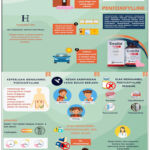 |
Figure 1: PTX P-DIL in Malay and English languages |
Limitations and Suggestions for Improvements
A significant limitation is the small sample size (10-12 experts) used in the development and validation phases, which may reduce the study’s statistical power. Another limitation of this study pertains to its generalizability. The participants involved in the study are limited to experts, not real patients. Future studies should extend validation to target patients to assess real-world comprehension, cultural appropriateness, and adherence impact. Since the P-DIL emphasizes visual over textual communication, BALD assessment may provide a more relevant evaluation of design quality compared to traditional text-based readability metrics.
Conclusion
Expert validation results, reflected by high I-CVI and S-CVI/Ave values, confirmed that the leaflet’s objectives, structure, and relevance were appropriate and effective for its target audience. Although the FRE and FKGL scores suggested that the text component alone was at a higher reading level, the incorporation of pictograms is expected to improve overall comprehension, especially among patients with limited literacy skills.
The P-DIL is a practical educational tool that can potentially improve patient adherence and safe medication use in DKD clinical settings.
Acknowledgement
We thank the nephrologists, specialist and clinical pharmacists who conducted the validation of the questionnaire.
Funding Source
This study was sponsored by Universiti Sultan Zainal Abidin, Malaysia (UniSZA) Internal Grant (DPU 1.0) with code number UniSZA/2023/DPU 1.0/03.
Conflict of Interest
The author(s) do not have any conflict of interest.
Data Availability Statement
This statement does not apply to this article.
Ethics Statement
This research did not involve human participants, animal subjects, or any material that requires ethical approval.
Informed Consent Statement
This study did not involve human participants, and therefore, informed consent was not required.
Clinical Trial Registration
This research does not involve any clinical trials.
Permission to reproduce material from other sources
Not Applicable
Authors’ Contribution: The authors contributed to the study as follows:
- Hasyimah Jamrah Musa: Conceptualization, Definition of Intellectual Content, Literature Search, Data Analysis, Writing, Manuscript Review.
- Ahmad Kamal Ariffin: Definition of Intellectual Content, Design, Data Acquisition, Supervision, Manuscript Review.
- Umar Idris Ibrahim: Design, Data Analysis.
- Ng Yen Ping: Data Analysis, Manuscript Review.
- Nurul Afiedia Roslim: Final manuscript review, formatting
References
- Han SJ, Kim HJ, Kim DJ, et al. Effects of pentoxifylline on proteinuria and glucose control in patients with type 2 diabetes: a prospective randomized double-blind multicenter study. Diabetol Metab Syndr. 2015;7:64. doi:10.1186/s13098-015-0060-1
CrossRef - Herber OR, Gies V, Schwappach D, Thürmann P, Wilm S. Patient information leaflets: informing or frightening? A focus group study exploring patients’ emotional reactions and subsequent behavior towards package leaflets of commonly prescribed medications in family practices. BMC Fam Pract. 2014;15:163. doi:10.1186/1471-2296-15-163
CrossRef - Pizzol TDSD, Moraes CG, Arrais PSD, et al. Medicine package inserts from the users’ perspective: are they read and understood? Rev Bras Epidemiol. 2019;22:e190009. doi:10.1590/1980-549720190009
CrossRef - Weiss BD. Identifying and communicating with patients who have poor literacy skills. Fam Med. 1993;25(6):369-370.
- Spinillo CG. Graphic and cultural aspects of pictograms: an information ergonomics viewpoint. Work. 2012;41:3398-3403. doi:10.3233/WOR-2012-0615-3398
CrossRef - Montagne M. Pharmaceutical pictograms: a model for development and testing for comprehension and utility. Res Social Adm Pharm. 2013;9(5):609-620. doi:10.1016/j.sapharm.2013.04.003
CrossRef - Choi J. Literature review: using pictographs in discharge instructions for older adults with low-literacy skills. J Clin Nurs. 2011;20(21-22):2984-2996. doi:10.1111/j.1365-2702.2011.03814.x
CrossRef - Vaillancourt R, Zender MP, Coulon L, Pouliot A. Development of pictograms to enhance medication safety practices of health care workers and international preferences. Can J Hosp Pharm. 2018;71(4):243-257.
CrossRef - Leite SS, Áfio ACE, Carvalho LV, Silva JMD, Almeida PC, Pagliuca LMF. Construction and validation of an educational content validation instrument in health. Rev Bras Enferm. 2018;71(suppl 4):1635-1641. doi:10.1590/0034-7167-2017-0648
CrossRef - Bacher H, Schweyen R, Vordermark D, Leplow B, Hey J. Development and validation of an information leaflet on oral care for irradiated patients. Patient Prefer Adherence. 2020;14:1791-1799. doi:10.2147/PPA.S256990
CrossRef - Vinay BC, Shastry CS, Kodangala S, Mateti UV, Bhat K. Development and validation of patient information leaflet for coronary heart disease patients. Perspect Clin Res. 2021;12(2):83-86. doi:10.4103/picr.PICR_58_19
CrossRef - Philip A, Shastry CS, Unnikrishnan MK, Utagi B. Empowering self-care through patient education in heart failure patients: a multimodal approach comprising of P-PILs, videos, and personalized advice. J Educ Health Promot. 2024;13:333. doi:10.4103/jehp.jehp_1797_23
CrossRef - Poojari PJ, Pai K, Khan SA, Shenoy S, Bhandary PV, Shetty S, Acharya LD, Bose S, Thunga G. Development, validation, and user testing of a patient information leaflet to improve awareness of metabolic side effects in patients on atypical antipsychotics. Clin Epidemiol Glob Health. 2024;29:101763. doi:10.1016/j.cegh.2024.101763
CrossRef - Ozair MM, Baharuddin KA, Mohamed SA, Esa W, Yusoff MSB. Development and validation of the knowledge and clinical reasoning of acute asthma management in emergency department (K-CRAMED). Educ Med J. 2017;9(2):1-17. doi:10.21315/eimj2017.9.2.1
CrossRef - Chan HK, Hassali MA, Lim CJ, Saleem F, Ghani NA. Improving pediatric liquid medication labeling of the hospital information system in Malaysia: qualitative analysis of pharmacists’ perceptions. Pharm Pract (Granada). 2016;14(2):699. doi:10.18549/pharmpract.2016.02.699
CrossRef - Khurana S, Rao BK, Lewis LE, Bhat R, Purkayastha J, Kamath A, Dharmaraj SK. Development and validation of educational leaflet for caregivers of preterm infants. J Clin Diagn Res. 2016;10(7):YC01-YC04. doi:10.7860/JCDR/2016/19206.8109
CrossRef - Ab Hamid MR, Mohd Yusof NDB, Buhari SS, Abd Malek K, Md Noor H. Development and validation of educational video content endorsing dietary adjustments among patients diagnosed with hypertension. Int J Health Promot Educ. 2021;62:1-12. doi:10.1080/14635240.2021.1958695
CrossRef - McCarty MF, O’Keefe JH, DiNicolantonio JJ. Pentoxifylline for vascular health: a brief review of the literature. Open Heart. 2016;3(1):e000365. doi:10.1136/openhrt-2015-000365
CrossRef - Medicines and Healthcare Products Regulatory Agency. Best Practice Guidance on Patient Information Leaflets (PILs). 2005.
- Annamaraju P, Patel P, Baradhi KM. Pentoxifylline. In: StatPearls [Internet]. Treasure Island, FL: StatPearls Publishing; 2025 Jan-. Updated 2024 Feb 29. Available from: https://www.ncbi.nlm.nih.gov/books/ NBK559096/
- World Health Organization. Guidance for Part 3 Patient Information Leaflet (PIL) of a WHO Public Assessment Report (WHOPAR): Guidance Document. 2016.
- Owusu FWA, Yeboah GN, Aboagye RA, Amengor CDK, Entsie P. The role of the patient information leaflet in patients’ medication therapy: a case study within the Kumasi Metropolis of Ghana. Sci World J. 2020;2020:2489137. doi:10.1155/2020/2489137
CrossRef - Katz MG, Kripalani S, Weiss BD. Use of pictorial aids in medication instructions: a review of the literature. Am J Health Syst Pharm. 2006;63(23):2391-2397. doi:10.2146/ajhp060162
CrossRef - Hanson EC. Evaluating cognitive services for non-literate and visually impaired patients in community pharmacy rotation sites. Am J Pharm Educ. 1996;59:48-55.
CrossRef - Mateti UV, Nagappa AN, Attur RP, Bairy M, Nagaraju SP, Mallayasamy S, Vilakkathala R, Guddattu V, Balkrishnan R. Preparation, validation, and user-testing of pictogram-based patient information leaflets for hemodialysis patients. Saudi Pharm J. 2015;23(6):621-625. doi:10.1016/j.jsps.2015.01.022
CrossRef - Shrestha A, Rajesh V, Dessai SS, Stanly SM, Mateti UV. Preparation, validation, and user-testing of pictogram-based patient information leaflets for tuberculosis. Pulm Pharmacol Ther. 2018;51:26-31. doi:10.1016/j.pupt.2018.05.002
CrossRef - Satheendran S, Nagappa AN, Pai S. Pictogram-based information leaflet in patients with psoriasis. Asian J Pharm Clin Res. 2017;10(7):405. doi:10.22159/ajpcr.2017.v10i7.17384
CrossRef - Shi J, Mo X, Sun Z. [Content validity index in scale development]. Zhong Nan Da Xue Xue Bao Yi Xue Ban. 2012;37(2):152-155. doi:10.3969/j.issn.1672-7347.2012.02.007
- Zamanzadeh V, Ghahramanian A, Rassouli M, Abbaszadeh A, Alavi-Majd H, Nikanfar AR. Design and implementation of a content validity study: development of an instrument for measuring patient-centered communication. J Caring Sci. 2015;4(2):165-178. doi:10.15171/jcs.2015.017
CrossRef - Rodrigues IB, Adachi JD, Beattie KA, MacDermid JC. Development and validation of a new tool to measure the facilitators, barriers, and preferences to exercise in people with osteoporosis. BMC Musculoskelet Disord. 2017;18(1):540. doi:10.1186/s12891-017-1914-5
CrossRef - Polit DF, Beck CT. The content validity index: are you sure you know what’s being reported? Critique and recommendations. Res Nurs Health. 2006;29(5):489-497. doi:10.1002/nur.20147
CrossRef - Farizan NH, Sutan R, Hod R, Mani KC. Development and validation of a health educational booklet. J Health Res. 2020;34(3):233-246.
CrossRef - Mathew EM, Rajiah K, Sharma KK. Consumer’s perception on design and layout of consumer medical information leaflets on obesity and lipid-lowering drugs. J Clin Diagn Res. 2013;7(12):2800-2802. doi:10.7860/JCDR/2013/6468.3762
CrossRef - Brewer J. Measuring text readability using reading level. In: Encyclopedia of Information Science and Technology. 4th ed. IGI Global; 2018:1499–1507. doi:10.4018/978-1-5225-2255-3.ch129
CrossRef - Navarro-González J, Mora-Fernández C, de Fuentes M, et al. Effect of pentoxifylline on renal function and urinary albumin excretion in patients with diabetic kidney disease: the PREDIAN trial. J Am Soc Nephrol. 2015;26(1):220–229. doi:10.1681/ASN.2014010012
CrossRef
 PlumX:
 Views: 325
  PDF Downloads:
204
PDF Downloads:
204